
Tabelog 100 #82
Our verdict
Kobe beef culture is often flattened into a luxury cliché; this Shin-Kobe teppanyaki room is better read through sourcing and format. Aburi Niku Kobo Wakkoku Shinkobe ten works in the steak, teppanyaki, and beef-dish lane, with Tabelog Steak / Teppanyaki WEST 100 selections in 2022, 2024, and 2025 anchoring its credibility within western Japan’s beef circuit.

Pearl is the En Primeur Club membership app — saves, bookings, and concierge access live there. Same editors, same standards.
The menu
What to order
- Kobe beef steak
- Tajima beef teppanyaki
- Sanda beef steak
The approach here is not backstreet theatre. The setting belongs to the Shin-Kobe travel corridor, where hotel dining, station movement, and celebratory beef meals overlap. That matters in Kobe: the city’s steak culture has long served two audiences at once, the visitor who arrives with a fixed idea of Kobe beef and the local diner who reads the difference between Tajima lineage, regional wagyu branding, and the discipline of a hot plate. Aburi Niku Kobo Wakkoku Shinkobe ten sits in that second conversation more than the postcard version.
Hyogo beef, judged at the griddle rather than in slogans
Kobe’s beef reputation begins before the restaurant door. Kobe beef is a highly controlled strain of Tajima-gyu from Hyogo Prefecture, and the city’s serious steak rooms are judged less by decoration than by sourcing, cut selection, and how carefully the grill handles fat. The house identifies itself around Hyogo Prefecture’s Tajima Beef and Sanda Beef, a useful distinction for diners who want the regional context rather than a generic wagyu promise. In a category crowded with premium language, those place names are the argument.
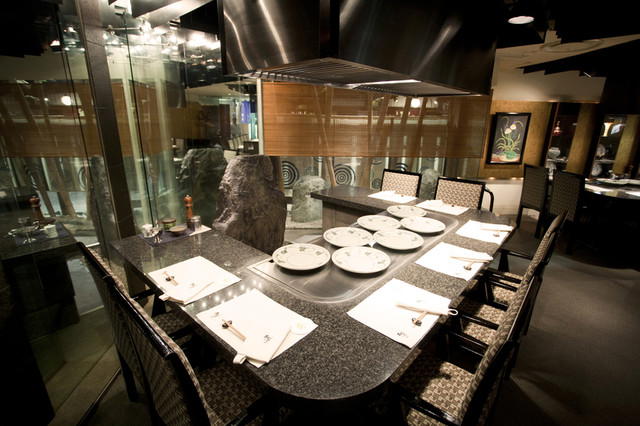
Teppanyaki can mislead visitors because the format is theatrical by design: steel plate, cook in view, timing measured in seconds. In Kobe, the better version is not about spectacle for its own sake. It is about heat management, rendering, and portion rhythm, especially with heavily marbled beef that can turn tiring when handled without restraint. This is where the room’s category matters. Steak, teppanyaki, and beef dishes put it in a narrower lane than general Japanese dining, closer to a sourcing-led beef counter than to a broad hotel restaurant.
The Tabelog Steak / Teppanyaki WEST 100 selections in 2022, 2024, and 2025 give the restaurant a clear external signal in western Japan’s steak field. Tabelog’s Hyakumeiten lists are not Michelin stars, and they should not be read as the same kind of judgment, but repeated selection is still meaningful in a region where beef restaurants compete on reputation, repeat custom, and minute differences in grilling style. The listed Tabelog score of 3.61 also places it in Japan’s review culture, where numbers above the mid-threes can carry more weight than they appear to a casual reader.
Why Shin-Kobe changes the meal
Location affects the kind of meal this becomes. Shin-Kobe is not Sannomiya’s late-night drinking grid or Kitano’s slower hillside dining mood; it is a gateway, tied to the Shinkansen, hotel stays, and itineraries that often compress Kobe into one meal. That produces a specific kind of premium dining need: a beef restaurant with enough ceremony for a trip-defining lunch or dinner, but without the extended choreography of a destination tasting menu.
That placement also explains the appeal for mixed groups. The room is listed with 30 seats, table configurations for small and larger parties, counter seating, non-smoking policy, and private use for groups. Those are not glamorous details, but they define the experience more accurately than soft-focus language. Kobe beef dining often happens around business visits, family travel, and anniversaries; a restaurant that can absorb those occasions while staying in a specialized steak lane occupies a practical niche.
Compared with Yakiniku bue in Kobe, which operates in a similar published budget band, the distinction is format. Yakiniku makes the diner responsible for heat and pacing; teppanyaki places that control in the kitchen’s hands, with the plate acting as both equipment and stage. Cafe FREUNDLIEB Honten and FREUNDLIEB Ikuta ten, by contrast, show another side of Kobe’s dining identity: European-influenced café culture at a lower spend level. The useful point is not that one category replaces another, but that Kobe’s food map runs from inherited port-city cafés to beef rooms where provenance becomes the main currency.
How to read it inside a Kobe itinerary
For a first Kobe beef meal, the case is strongest when the diner wants the regional story made explicit: Tajima Beef, Sanda Beef, teppanyaki technique, and a setting that works with rail-based travel rather than against it. For diners chasing chef biography or a highly personal tasting narrative, this is not the primary lens. The value is in a recognizable Kobe format executed within a documented steak and teppanyaki category, with repeated Tabelog 100 recognition as the trust marker.
EP Club’s Kobe coverage is useful for building around that decision rather than treating beef as the whole city. Start with, then compare nearby dining texture through Aburi Niku Kobo Wakkoqu Kitano Sakamoto Ten, Akaneya Coffee Ten, Akari, Ali's Halal Kitchen, and anthem.
For readers comparing beef and Japanese dining beyond Kobe, the reference points widen quickly: -Grilled beef Sukiyaki- KAMAKURA TANUKIAN 鎌倉 たぬき庵 in Kamakura approaches beef through sukiyaki;. 鮪と炭火焼き うお炭 秋葉原店 in Tokyo points toward charcoal and seafood;.cafe in Osaka.know in Kumamoto, (Shoku) Vietnam in Kawasaki, and [Curry Senmon Ten] Maruyama Kyoju. in Sapporo show how regional dining priorities shift across Japan. Outside Japan, Jōdo Saké Bar in Los Angeles and Onigiri Time in Pasadena are useful counterpoints for how Japanese formats translate abroad.
Frequently asked questions
What days is Aburi Niku Kobo Wakkoku Shinkobe ten closed?
Hours at Aburi Niku Kobo Wakkoku Shinkobe ten: Mon: 11:45 AM–3 PM, 5–9 PM; Tue: 11:45 AM–3 PM, 5–9 PM; Wed: Closed; Thu: 11:45 AM–3 PM, 5–9 PM; Fri: 11:45 AM–3 PM, 5–9 PM; Sat: 11:45 AM–3 PM, 5–9 PM; Sun: 11:45 AM–3 PM, 5–9 PM.
How much does it cost to eat at Aburi Niku Kobo Wakkoku Shinkobe ten?
Pricing at Aburi Niku Kobo Wakkoku Shinkobe ten is listed as JPY 10,000 - JPY 14,999 JPY 8,000 - JPY 9,999.
What part of town is Aburi Niku Kobo Wakkoku Shinkobe ten in?
Aburi Niku Kobo Wakkoku Shinkobe ten is located in KobeF, Kobe.
What makes Aburi Niku Kobo Wakkoku Shinkobe ten worth seeking out?
The draw is its Kobe beef focus, its location beside Shin-Kobe Station, and its place on Tabelog 100 - Steak / Teppanyaki - WEST - 2025. Prices sit in the JPY 8,000–9,999 lunch band and JPY 10,000–14,999 at dinner, which puts it in a clear mid-to-upper tier for Kobe beef in Kobe.
Fast Comparison
Comparable venues for orientation by cuisine and category.
| Venue | Cuisine | Price | Awards | Notes |
|---|---|---|---|---|
| Aburi Niku Kobo Wakkoku Shinkobe tenThis venue (the venue you are viewing) | Traditional Kobe & Tajima Beef Teppanyaki Steakhouse | $100–150 | Tabelog 100 #82 | Not listed |
| Steak House Oriental (Kobe Meriken Paku Oriental Hotel ) | Kobe beef teppanyaki steakhouse | $150–200 | Tabelog 100 #58 | Chūō |
| Sandayahonten Steak House - Daimaru Kobe | Teppanyaki Kobe Beef Steakhouse | $50–100 | Not listed | Chūō |
| Kobe beef Hana-Houbi | Teppanyaki Kobe Beef Steakhouse | $100–150 | Not listed | Chūō |
| Setsugekka | Kobe Beef Teppanyaki | $100–150 | Not listed | Chūō |
| アントル ヌー | Innovative French-Japanese Fusion | $150–200 | Tabelog Bronze #64 | Chūō |
Recognition history
Dated appearances from independent guides and award organizations, with the underlying list record or original source where available.
Tabelog 100 #82 · No. 82
Tabelog · Tabelog 100 - Steak / Teppanyaki - WEST - 2025
Continue exploring
More in Kobe
Restaurants in Kobe
All restaurants in Kobe →

Bars in Kobe
Browse all →




Details
- Elegant
- Classic
- Romantic
- Intimate
- Date Night
- Business Dinner
- Special Occasion
- Celebration
- Group Dining
- Family
- Chefs Counter
- Open Kitchen
- Standalone
- Local Sourcing
- A La Carte
- Set Menu
- Counter Dining
- Wine
- Beer
- Sake
Current opening hours
- Monday
- 11:45 AM–3 PM, 5–9 PM
- Tuesday
- 11:45 AM–3 PM, 5–9 PM
- Wednesday
- Closed
- Thursday
- 11:45 AM–3 PM, 5–9 PM
- Friday
- 11:45 AM–3 PM, 5–9 PM
- Saturday
- 11:45 AM–3 PM, 5–9 PM
- Sunday
- 11:45 AM–3 PM, 5–9 PM
Hours can change for holidays and private events. Last verified .
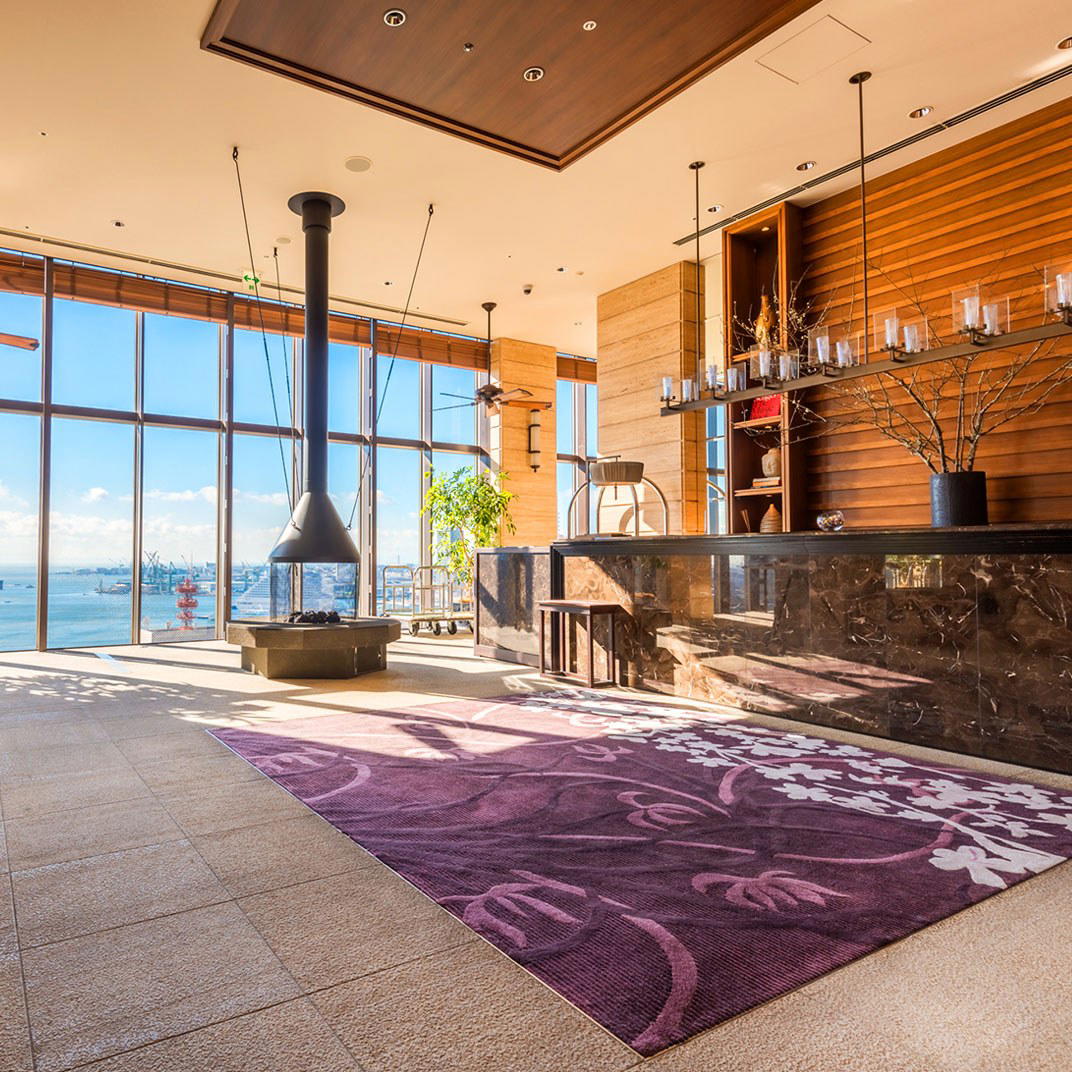
Classic teppanyaki counter dining with a calm, elegant atmosphere where guests watch chefs prepare Kobe and Tajima beef with precise Japanese technique; lighting is warm rather than flashy, giving it a refined yet welcoming feel that suits both dates and special-occasion dinners.