Naniwaryori Satoyuu occupies a quiet address in Osaka's Kita Ward, where the tradition of Naniwa cuisine, Osaka's historically distinct register of kaiseki, meets a neighbourhood context shaped more by local custom than international attention. The restaurant operates in a tier of Osaka dining that rewards advance planning and familiarity with the city's culinary grammar rather than walk-in curiosity.
Pearl is the En Primeur Club membership app — saves, bookings, and concierge access live there. Same editors, same standards.
- Address
- 1 Chome-1-11 Doshin, Kita Ward, Osaka, 530-0035, Japan
- Phone
- +818024669393
- Website
- tablecheck.com
- Directions
- Get directions
 Saves & bookings on Pearl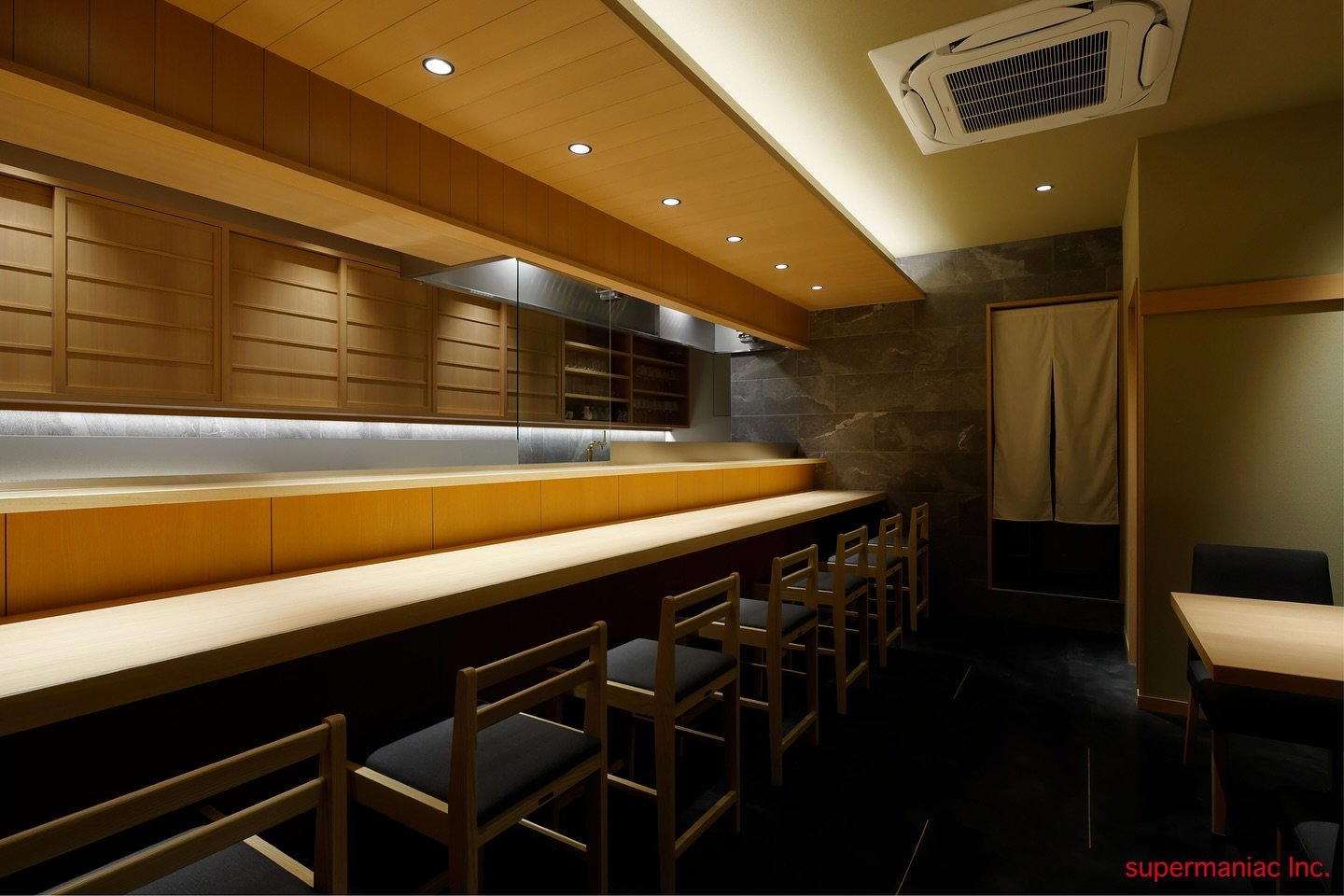
Kita Ward and the Geography of Osaka's Formal Dining
Doshin, the sub-district of Kita Ward where Naniwaryori Satoyuu is addressed, sits north of the Umeda axis that most visitors associate with Osaka's restaurant scene. なにわ料理 さと有 is a Traditional Naniwa Kappo restaurant in Osaka's Kita Ward, with. The area has historically attracted a quieter category of formal dining establishment, the kind oriented toward local business entertaining and neighbourhood regulars rather than tourism traffic. In a city where the loudest dining culture (takoyaki counters, kushikatsu bars, standing noodle shops) tends to capture the international narrative, restaurants operating in this register occupy a different layer entirely. They are part of the city's civic dining infrastructure rather than its export identity.
Naniwa Cuisine: What the Name Signals
The phrase naniwaryori carries specific cultural weight. The restaurant is classified as Traditional Naniwa Kappo. Naniwa is the classical name for Osaka, and its use in a restaurant name is a deliberate positioning signal: this is cooking grounded in the city's own culinary tradition, distinct from the Kyoto-centred kaiseki lineage that tends to dominate international coverage of Japanese formal cuisine. Where Kyoto kaiseki developed around imperial court aesthetics and temple vegetable discipline, Osaka's cooking tradition has historically been shaped by merchant culture, proximity to fishing ports, and an ingredient philosophy that prioritised abundance and clarity of flavour over ceremonial restraint. The city's position as Japan's historical trading capital meant access to ingredients from across the country, and Naniwa cuisine developed a sensibility around showcasing those ingredients directly rather than filtering them through elaborate technique.
This distinction matters when situating a restaurant like Satoyuu within the broader Osaka dining context. The use of naniwaryori in the name signals alignment with a local tradition that operates parallel to, rather than derivative of, the Kyoto model. Restaurants in this register typically draw on Osaka Bay seafood, locally grown vegetables, and a dashi philosophy rooted in konbu sourced from Hokkaido and katsuobushi of defined regional provenance. Compare this with the French-influenced formal dining represented by HAJIME in Osaka, where the culinary frame is entirely different, or the Kyoto-adjacent refinement of Gion Sasaki in Kyoto, and the specificity of the Naniwa positioning becomes clearer.
Osaka's Formal Dining Tier: Where Satoyuu Sits
Osaka's serious restaurant scene has a more distributed geography than Tokyo's. While Tokyo concentrates prestige dining in Ginza, Minami-Aoyama, and a few other well-mapped corridors, Osaka's equivalent establishments are spread across Kita, Minami, and the older residential wards in ways that resist easy mapping for first-time visitors. This makes neighbourhood address a meaningful signal. A restaurant in Doshin, Kita Ward, at this format level, is typically oriented toward a clientele that already knows the city, corporate clients, established local families, returning visitors with specific relationships to Osaka's dining culture.
Within Osaka, this tier includes establishments like Ajikitcho Bunbuan, which operates with Michelin recognition and a kaiseki format, and Ajihei Sonezaki, whose location in the Sonezaki district places it in a similar Kita-area formal dining corridor. Satoyuu belongs to a category of restaurant where the absence of international award visibility does not necessarily indicate a lower standing within the local hierarchy, some of Osaka's most respected traditional restaurants have resisted the Michelin nomination process or remain outside its geographic coverage in any given year.
For context across Japan's regional formal dining traditions, the comparison extends further: Harutaka in Tokyo represents the capital's high-precision sushi tier, while akordu in Nara and Goh in Fukuoka each illustrate how regional cities develop their own premium dining signatures distinct from Osaka's model.
The Dining Format and What to Expect
Restaurants positioned as naniwaryori typically operate in a set-course format, with seasonal menus that change according to the Japanese culinary calendar. The structure usually follows a kaiseki-adjacent progression: opening snacks (sakizuke), a series of small seasonal courses, a main protein course, rice, and a closing sweet. The naming convention and address tier are consistent with this structure. Diners unfamiliar with the format should understand that the pacing is deliberate, these meals are not structured around speed, and the sequence is the experience, not merely a delivery mechanism for individual dishes.
The seasonal rhythm of Naniwa cuisine means that the menu at any given visit is anchored to what is current: early autumn brings matsutake mushrooms and Pacific saury; winter centres on fugu (pufferfish) and crab from the Sea of Japan; spring opens with bamboo shoots and cherry blossom-adjacent presentation aesthetics. Visiting in the wrong season for your preferred ingredient is a genuine planning consideration, not a minor footnote. Other Osaka restaurants in adjacent formats, including Aka to Shiro and Calendrier, illustrate how differently individual chefs approach the seasonal menu structure even within the same city.
For broader reference points in Japanese regional cuisine outside the Kansai area, restaurants like 一本木 石川割烹 in Nanao, 古代山乃 in Sapporo, and 湖畔荘 in Takashima each demonstrate how regional Japanese formal dining adapts local ingredient access into distinct culinary identities.
The Case for Naniwa Cuisine as a Distinct Category
For visitors whose Japanese dining experience has been shaped primarily by Tokyo or Kyoto, a restaurant explicitly framing itself around Naniwa tradition offers a meaningful corrective. Osaka's own culinary self-image is bound up in the concept of kuidaore, eating until you drop, a phrase associated with the city's historically merchant-class pleasure in direct, generous food. Naniwa cuisine as a formal register sits at an interesting point of tension with that image: it is structured and ceremonial in format, but the underlying ingredient philosophy retains the Osaka emphasis on flavour directness over aesthetic minimalism. The dashi tends to be richer, the flavours more forward, the appetite for generous portions more present than in equivalent Kyoto cooking.
This is a tradition worth understanding on its own terms rather than as a regional variant of something else. Restaurants in other cities that address similar questions of local culinary identity versus national prestige frameworks include Atomix in New York City, which makes Korean culinary tradition its intellectual frame, and Le Bernardin in New York City, whose decades-long focus on a single protein category (seafood) demonstrates how constraint can become identity. The parallel is loose but instructive: specialisation and cultural rootedness are, in different contexts, the same editorial argument.
Know Before You Go
- Address: 1 Chome-1-11 Doshin, Kita Ward, Osaka, 530-0035, Japan
- Nearest transit: Kita Ward; accessible from Osaka/Umeda station cluster (Hankyu, JR, Osaka Metro lines converge here)
- Format: Traditional Japanese, expect a set-course structure; format details unconfirmed
- Reservations: Reservations are recommended.
- Language: English menus are not guaranteed at restaurants of this type and local positioning, bringing a translation resource or booking through a concierge service is advisable
- Phone / website: Contact details are not listed here.
- Seasonal planning: Menus in the Naniwa tradition change with the Japanese culinary calendar; timing your visit around a specific ingredient requires advance research
A Minimal comparable set
Comparable venues nearby, for context on price, style, and recognition.
| Venue | Cuisine | Price | Notes |
|---|---|---|---|
| なにわ料理 さと有This venue — the venue you are viewing | Kita, Traditional Naniwa Kappo | $$$ | Not listed |
| かしわや泰 美酒佳鶏 | Fukushima, Yakitori | $$$ | Not listed |
| Mugen | Not listed | $$$ | Fukushima, Michelin-Recognized Chuka Soba |
| 片町 川口 | Miyakojima, japanese | $$$ | Not listed |
| 西天満 市がや | Kita, Modern Japanese Kaiseki | $$$ | Not listed |
| お好み・鉄板焼 堀川 | Kita, Okonomiyaki & Teppanyaki | $$ | Not listed |
Continue exploring
More in Osaka
Restaurants in Osaka
Browse all →




Bars in Osaka
Browse all →




Hotels in Osaka
Browse all →




Wineries in Osaka
Browse all →
At a Glance
- Elegant
- Classic
- Intimate
- Sophisticated
- Date Night
- Business Dinner
- Special Occasion
- Sake Program
Current opening hours
- Monday
- 5–10:30 PM
- Tuesday
- 5–10:30 PM
- Wednesday
- 5–10:30 PM
- Thursday
- 5–10:30 PM
- Friday
- 5–10:30 PM
- Saturday
- 5–10:30 PM
- Sunday
- Closed
Hours can change for holidays and private events. Last verified .
Cozy wooden interior with keyaki wood elements evoking traditional tea ceremony aesthetics, centered around an impressive counter.