
Tabelog 100 #74
Our verdict
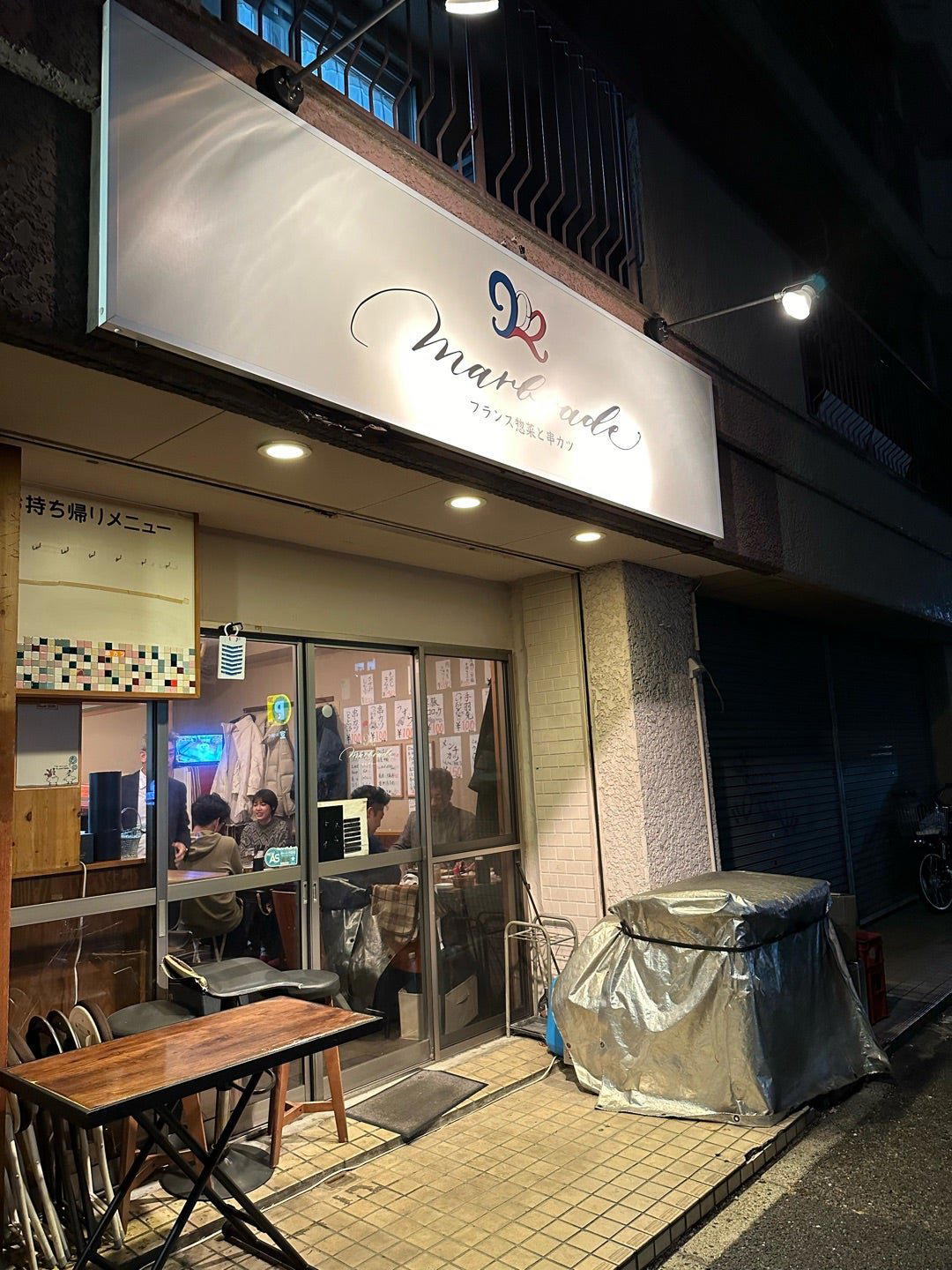
In Nagoya's Shinsakae district, フランス惣菜と串カツ マルブラード occupies a ground-floor space in Plaza Shin-ei where French home cooking and kushikatsu share a single menu. The combination is unusual even by Nagoya's eclectic dining standards, placing the restaurant in a niche that sits outside conventional category comparisons. It draws a crowd looking for something that functions equally well as a neighbourhood fixture and an occasion destination.

Pearl is the En Primeur Club membership app, where members save venues, book tables and use the concierge.
Where French Charcuterie Meets Osaka's Most Exported Fry
Nagoya has always maintained an odd culinary independence. The city that gave Japan tebasaki, miso katsu, and hitsumabushi has historically been less interested in importing regional styles wholesale than in absorbing them on its own terms. That context matters when approaching フランス惣菜と串カツ マルブラード, a ground-floor address in Plaza Shin-ei on Shinsakae's second block, where French sōzai, the prepared-food tradition that covers terrines, rillettes, and slow-cooked sides, sits on the same menu as kushikatsu, the deep-fried skewer format most closely associated with Osaka's Shinsekai district. The pairing is not a marketing concept. It reflects how a certain type of Nagoya dining room works: practically, without a declared philosophy, and with enough range to serve a table of four who cannot agree on what they want to eat.
The Occasion Case for an Unlikely Combination
In most Japanese cities, a celebratory dinner defaults to one of a small number of legible formats: a kaiseki counter, a French tasting menu, a premium yakiniku room, or a high-end sushi counter. Nagoya has all of those, Atsuta Horaiken (あつた蓬莱軒 本店) anchors the city's heritage end of that register, while Bacio and Cucina Italiana Gallura represent the Italian contingent, but the format that often gets overlooked is the informal-but-considered room where the occasion is defined by the company rather than the ceremony.
マルブラード sits in that register. The Shinsakae location places it within walking distance of the city's entertainment and office clusters, which means it functions on weekday evenings as a place where colleagues mark a departure or a promotion, and on weekends as a destination for couples who want something more composed than an izakaya but less structured than a tasting menu. The French sōzai element gives the kitchen a preparation style suited to sharing: dishes that travel from counter to table without losing their character, that reward a second glass of wine, and that let a table linger rather than pace through courses on a fixed timer.
Across Japan, restaurants that combine European technique with a Japanese fry tradition occupy a small but consistent niche. The logic is sound: kushikatsu's panko crust and clean frying oil create a textural contrast that French preparations, with their emphasis on fat, richness, and umami from long cooking, support rather than compete with. The same dynamic plays out at a different scale and price point when you look at the French-Japanese hybrids in Osaka at places like HAJIME, or the way Tokyo's dining scene has long absorbed French technique into counter formats. In Nagoya, the execution tends to be less formal and more direct.
Shinsakae as a Dining District
Shinsakae sits between the intensity of Sakae proper and the quieter residential pockets further east. It is not a destination neighbourhood in the way that Kanayama or the streets around Nagoya Station attract visitors with a specific agenda; it functions more as a place where the city's working population eats on its own terms, without the performance layer that surrounds tourist-facing blocks. That distinction shapes what kind of restaurant succeeds there. A room that depends on walk-in volume from conventioneers or tourists will struggle; one that earns regulars from the surrounding offices and apartments can run a consistent evening service across the week.
For occasion dining specifically, a Shinsakae address means the restaurant operates in a zone where the competition is other neighbourhood rooms rather than destination flagships. The comparison set for マルブラード is closer to Chez Kobe or cucina Wada, restaurants that hold a regular clientele through consistency and a defined point of view, than to the city's award-circuit names. That is not a limitation; it is a different kind of reliability, and for a birthday dinner or a small work celebration, reliability matters more than spectacle.
The French Sōzai Tradition and Why It Travels
French sōzai as a restaurant category in Japan has expanded quietly over the past decade. Driven in part by the number of Japanese chefs who trained in French kitchens and returned with a preference for prepared-food formats over formal plated service, the style has found a particular audience in mid-sized cities where the full tasting-menu format remains a special-occasion commitment rather than a casual option. The sōzai model, where a guest can order a terrine alongside a glass of natural wine, or pick two or three preparations to share, lowers the social threshold of a French restaurant visit without lowering the technical standard of what arrives at the table.
When that format is combined with kushikatsu, the kitchen's workload splits usefully: the French preparations require advance work and patience, while kushikatsu is an à la minute format demanding fresh frying oil and fast service. The two disciplines keep different rhythms, which means a kitchen running both is genuinely versatile rather than simply offering a long menu. Restaurants in Fukuoka like Goh have demonstrated how Western and Japanese formats can coexist under strong editorial control; at マルブラード, the proposition is less about editorial curation and more about practical hospitality, giving a table of mixed preferences a shared meal.
Nagoya's Wider Dining Context
Nagoya's restaurant culture remains underrepresented in international dining conversation relative to its size and the density of its food scene. The city sits between Kyoto and Tokyo in the Tokaido corridor, Gion Sasaki in Kyoto and Harutaka in Tokyo both represent the kind of formal-counter achievement that defines the corridor's upper tier, but Nagoya's own strengths are different: a strong indigenous food culture, a population that eats out frequently and without self-consciousness, and a range of neighbourhood rooms that operate at a level of craft well above what their informal formats suggest. akordu in Nara shows what European-Japanese hybrids can achieve in a secondary Japanese city with serious intention; マルブラード operates with a different ambition and a different price register, but within a recognisably similar impulse.
For a broader survey of where the city's dining scene sits across categories and price points, the EP Club Nagoya restaurants guide maps the full picture. Beyond the Tokaido corridor, the same dynamic of underappreciated local dining culture plays out across Japan: 札幌 in Sapporo, 琵琶湖荘 in Takashima, and 庄羽屋 in Nishikawa Machi each represent regional rooms that function outside the Tokyo-Kyoto-Osaka axis the way マルブラード functions outside Nagoya's own award-facing tier.
Planning a Visit
マルブラード is located at 2-15-7 Shinsakae, Naka Ward, Nagoya, in the ground floor of Plaza Shin-ei. Shinsakae sits within comfortable distance of Sakae subway station on both the Higashiyama and Meijo lines, making it direct to reach from Nagoya Station or the city centre without a taxi. For occasion bookings, a birthday, a small group dinner, a work send-off, contact via the restaurant directly, as no central booking platform is listed in available data. The room's ground-floor position and Shinsakae address suggest it operates on a walk-in-friendly model for solo diners and couples on quieter weeknight evenings, with weekend demand higher across the district generally.
Frequently asked questions
What dish is フランス惣菜と串カツ マルブラード famous for?
How hard is it to get a table at フランス惣菜と串カツ マルブラード?
Is フランス惣菜と串カツ マルブラード a good choice for a small group celebration in Nagoya?
City Peers
Comparable venues nearby, for context on price, style, and recognition.
| Venue | Cuisine | Price | Awards | Notes |
|---|---|---|---|---|
| フランス惣菜と串カツ マルブラードThis venue (the venue you are viewing) | French Prepared Dishes and Kushikatsu | $20–30 | Tabelog 100 #74 | Not listed |
| yaab thai | Thai-Chinese Fusion | $30–50 | Tabelog 100 #39 | Naka |
| Tomu | Italian-inspired Ramen & Tomato Mazesoba | $10–20 | Tabelog 100 #7 | Shōwa |
| Sushi Tesaku | Traditional Sushi Counter in Chikusa | $50–100 | Tabelog 100 #38 | Chikusa |
| Menya Shishimaru | Modern lobster-focused ramen | $10–20 | Tabelog 100 #51 | Nakamura |
| Tebiki Soba Isshin | Traditional Soba & Tempura | $20–30 | Tabelog 100 #18 | Minato |
Recognition history
Dated appearances from independent guides and award organizations, with the underlying list record or original source where available.
Tabelog 100 #74 · No. 74
Tabelog · Tabelog 100 - Izakaya - EAST - 2025
Continue exploring
More in Nagoya
Restaurants in Nagoya
All restaurants in Nagoya →

Details
- Cozy
- Intimate
- Casual Hangout
- Group Dining
- Sake Program
- A La Carte
- Small Plates
Current opening hours
- Monday
- 6–11 PM
- Tuesday
- 6–11 PM
- Wednesday
- 6–11 PM
- Thursday
- Closed
- Friday
- 6–11 PM
- Saturday
- 6–11 PM
- Sunday
- Closed
Hours can change for holidays and private events. Hours as of .
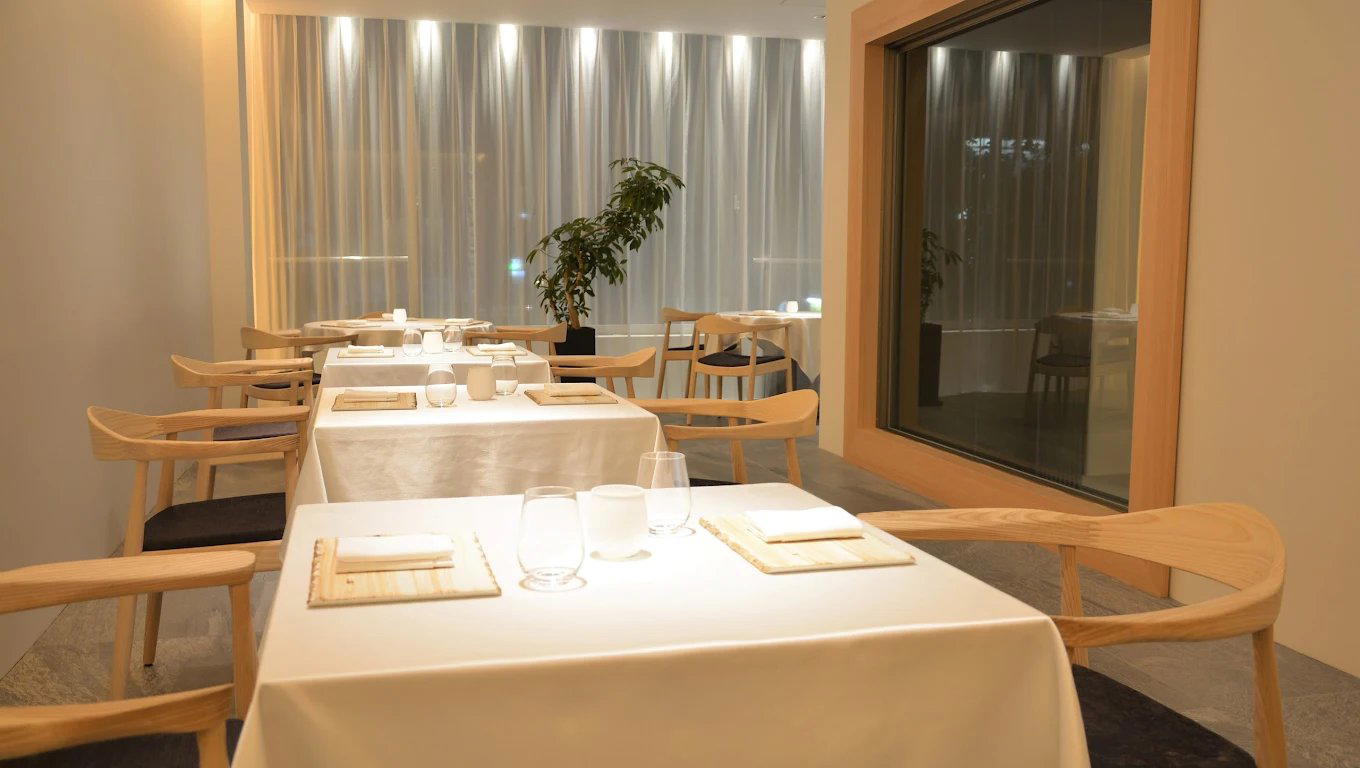
Cozy counter and small table seating with a welcoming, busy atmosphere from the friendly chef.