
Tomu brings Nagoya’s ramen conversation into an Italian-leaning lane, with tomato mixed noodles, peperoncino ramen, fromage ramen and vongole ramen shaping the draw. Its selection for Tabelog Ramen AICHI “Tabelog 100” 2025 places it among the prefecture’s serious ramen addresses, but the appeal remains compact, casual and counter-led rather than ceremonial.
Pearl is the En Primeur Club membership app — saves, bookings, and concierge access live there. Same editors, same standards.
- Address
- 愛知県名古屋市昭和区御器所2-1-2
- Phone
- +81528811999
- Website
- tabelog.com
 Saves & bookings on Pearl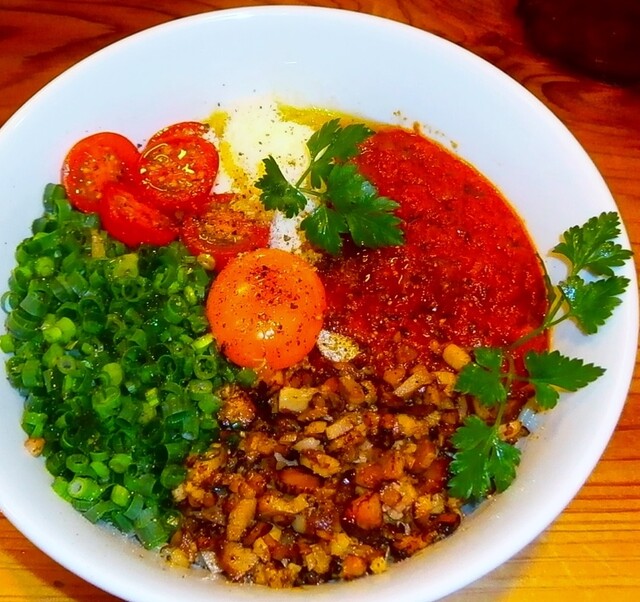
Approaching ramen in Nagoya means moving between station-adjacent counters, neighborhood shops and personal noodle specialists, not white-tablecloth dining rooms. Tomu fits that everyday but selective lane: a compact ramen room with counter seating, short meal rhythm and a menu borrowing from Italian pantry logic. Tomato, garlic, white wine, clams, cheese and peperoncino sit beside ramen, tsukemen, abura-soba and maze-soba, saying more about modern Aichi ramen than any chef biography could.
The useful comparison is not kaiseki, sushi omakase or luxury hotel dining, but the city’s small-format noodle and casual specialist culture, where value, speed and repeatability matter alongside recognition. Tomu’s inclusion in Tabelog Ramen AICHI “Tabelog 100” 2025 gives it a measurable signal in that field, while its low-cost positioning keeps the experience closer to daily dining than destination splurge. For broader context on the city’s dining spread, see Our full Nagoya restaurants guide.
Tomato, peperoncino and cheese push Nagoya ramen beyond the standard shoyu frame
Ramen in Japan has never been as fixed as outsiders imagine. Regional broths, shop-level tare, noodle texture and oil structure all leave room for argument, and Nagoya rewards specialists with strong house identity. Here, the signal is Italianate cues applied to familiar ramen formats: tomato mixed noodles, peperoncino ramen, tomato ramen, fromage ramen and vongole ramen built around large clams, white wine and garlic.
That menu reads gimmicky only when pasta references are decoration. The stronger version treats acidity, fat, allium and noodle chew as structure. Tomato mixed noodles point toward maze-soba logic: less broth, more sauce adhesion and balance over depth. Peperoncino ramen suggests garlic, chile and oil. Fromage ramen adds dairy richness where pork, chicken, seafood or miso usually provide weight. Vongole ramen brings shellfish and wine without becoming pasta cosplay.
Lunch and dinner divide in mood more than status. Daytime ramen in Nagoya is quick and efficient for solo diners and neighborhood regulars. Evening slows the pace: the same bowls feel less transactional as friends and families make ramen the main plan, not a stop between errands. Tomato, garlic, clams and cheese give dinner more conversational weight than a standard office-lunch bowl.
Within Nagoya’s casual specialist tier, comparison clarifies the lane. Unafuji represents a different local appetite, centered on unagi rather than noodles. Menya Saisakizaka sits closer in spend and noodle culture, while SURIPU and Masago show how low-cost specialist dining can command attention without luxury cues. Tomu’s distinction is using ramen and maze-soba to carry nontraditional flavors, not novelty alone.
The room favors counter logic, not ceremony
Small ramen shops succeed or fail on operational clarity. A room with 15 seats and two tables imposes discipline: parties stay compact, solo diners make sense, and the counter is part of the experience, not a consolation prize. This is not built for lingering over multiple courses. The bowl is the event, and the scale keeps attention on the kitchen’s rhythm.
The no-reservations format reinforces democratic ramen logic. In higher-end Japanese dining, scarcity is often managed through bookings, introductions and advance planning. In ramen, scarcity usually means showing up, waiting if needed and accepting the room’s pace. For travelers, that matters: a Tabelog “100” selection can push demand, but the category remains more accessible than many awarded formats.
The payment setup also belongs to traditional casual Japanese dining: cash planning matters. That detail is not incidental in Japan, where smaller food shops can resist card and QR payment culture despite broad urban modernization. For visitors moving between hotel bars, department-store restaurants and noodle counters, this operational contrast defines a Nagoya day as much as the food.
Families are not an afterthought. The venue is marked family friendly and children are welcome, unlike silent counter temples where young diners can feel out of place. The better read is pragmatic: compact seating and ramen-focused pace suit families who can order decisively and eat within the room’s tempo. For hotel planning around the same city, Our full Nagoya hotels guide is more useful than a luxury-only dining shortlist.
How to place Tomu in a Nagoya food day
Treat Tomu as a lunch-or-dinner anchor. At lunch, it fits the Japanese city pattern of a focused, affordable one-bowl meal. At dinner, the Italian-leaning menu works after a lighter afternoon or before a bar-led evening, because garlic, tomato, cheese and clam-based ramen carry more weight than a neutral noodle stop. Tsurumai Subway Line access through Arahata keeps it tied to daily Nagoya rather than tourist spectacle.
For travelers mapping a full itinerary, Nagoya’s range matters. The city can move from unagi specialists to ramen counters, hotel dining rooms, coffee shops and casual bakeries in a day. EP Club’s nearby restaurant coverage includes 1022, 451, Aaron, Alan. and All Day Dining Montmartre, each useful for understanding how broad the city’s restaurant map becomes once it moves beyond one category.
Visitors building a wider Japan dining route can compare specialist formats beyond Nagoya: -Grilled beef Sukiyaki- KAMAKURA TANUKIAN 鎌倉 たぬき庵 in Kamakura. 鮪と炭火焼き うお炭 秋葉原店 in Tokyo.cafe in Osaka.know in Kumamoto, (Shoku) Vietnam in Kawasaki and [Curry Senmon Ten] Maruyama Kyoju. in Sapporo. For Japanese-inflected dining outside Japan, Jōdo Saké Bar in Los Angeles and Onigiri Time in Pasadena show how format travels differently once it leaves its domestic context.
The editorial call is simple: Tomu is for travelers who want Nagoya ramen without reducing ramen to tonkotsu, shoyu or miso shorthand. The Tabelog 2025 recognition supplies the trust signal; the small room, no-reservation rhythm and Italian-leaning bowls explain the appeal. Use it as a focused noodle stop rather than a grand night out, then build the rest of the city around contrasting formats. For non-restaurant planning, see Our full Nagoya bars guide, Our full Nagoya wineries guide and Our full Nagoya experiences guide.
Awards and Standing
Comparable venues side-by-side for orientation.
| Venue | Cuisine | Price | Notes |
|---|---|---|---|
| TomuThis venue — the venue you are viewing | Italian-inspired Ramen & Tomato Mazesoba | $ | Not listed |
| フランス惣菜と串カツ マルブラード | French Prepared Dishes and Kushikatsu | $$ | Naka |
| yaab thai | Thai-Chinese Fusion | $$ | Naka |
| Chuka Soba Mugi no Hoshi | Traditional Japanese ramen (chuka soba) | $ | Naka |
| Kanmiya Sawada Shoten | Japanese Kakigori & Sweets Café | $ | Naka |
| Kakuozan Kichi Imo Honten | Japanese sweet potato confectionery shop | $ | Chikusa |
Recognition history
Dated appearances from independent guides and award organizations, with the underlying list record or original source where available.
Tabelog 100 #7 · No. 7
Tabelog · Tabelog 100 - Ramen - AICHI - 2025
Continue exploring
More in Nagoya
Restaurants in Nagoya
Browse all →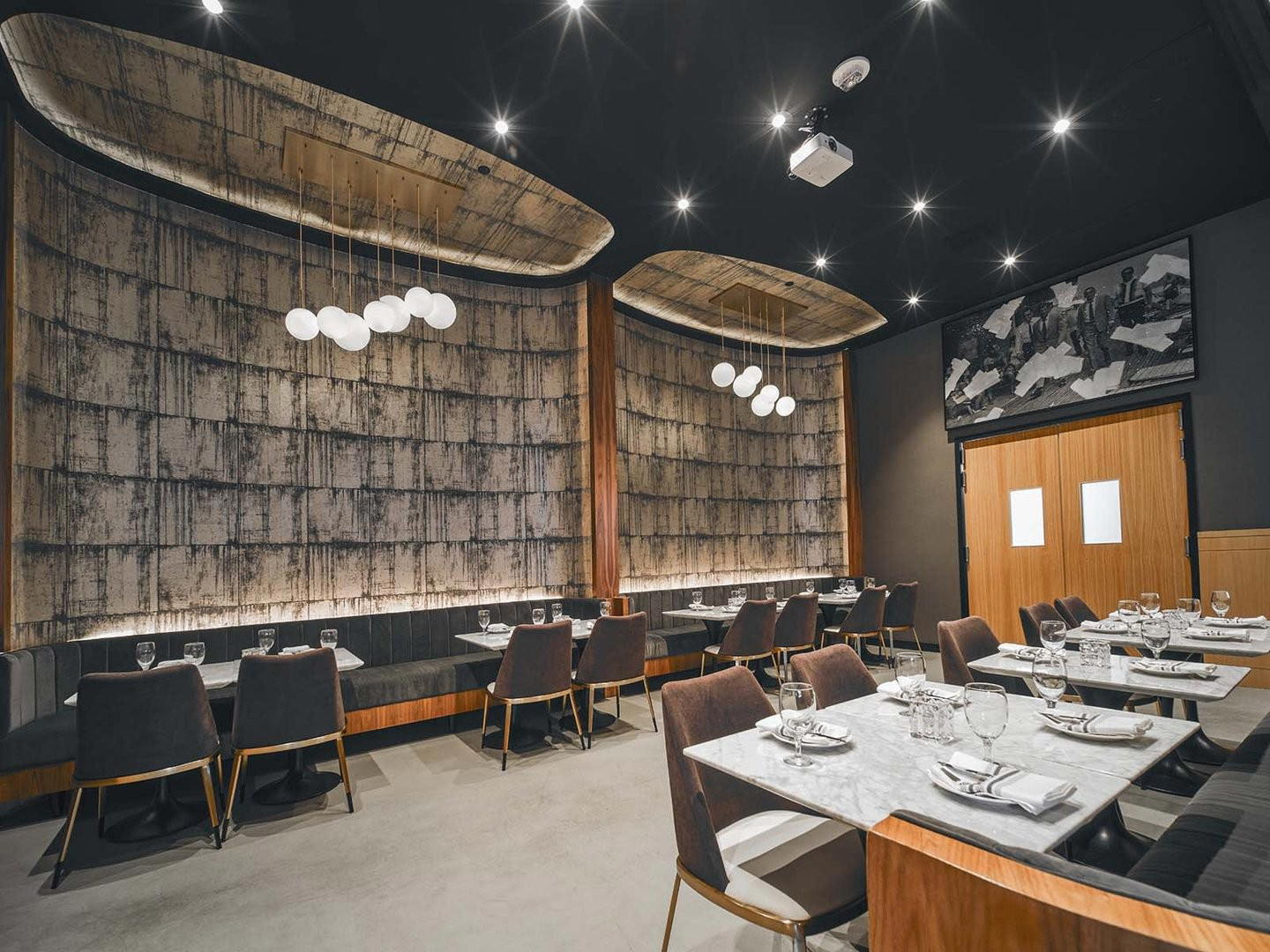
At a Glance
- Cozy
- Lively
- Trendy
- Solo
- Family
- Casual Hangout
- After Work
- Standalone
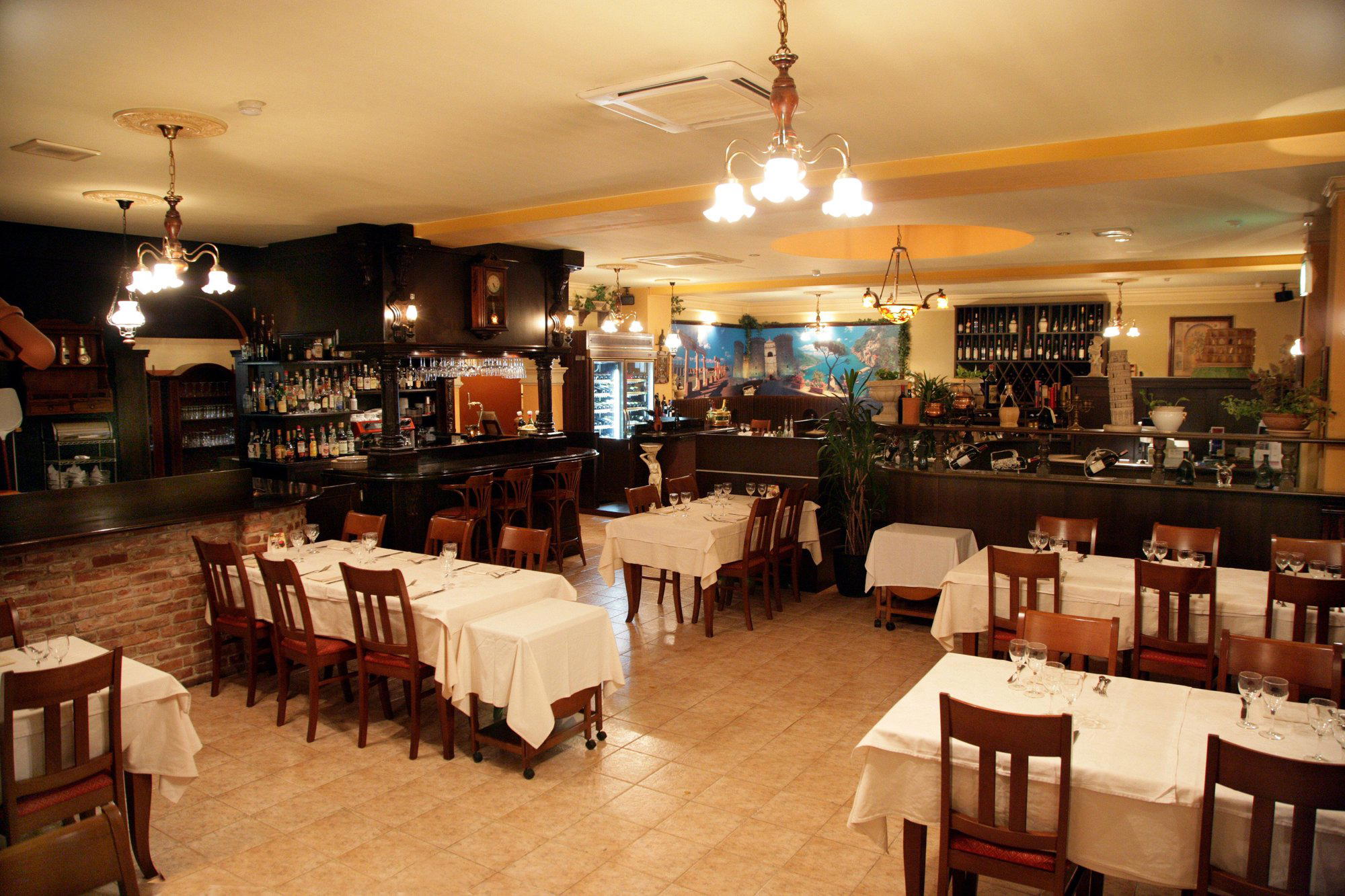
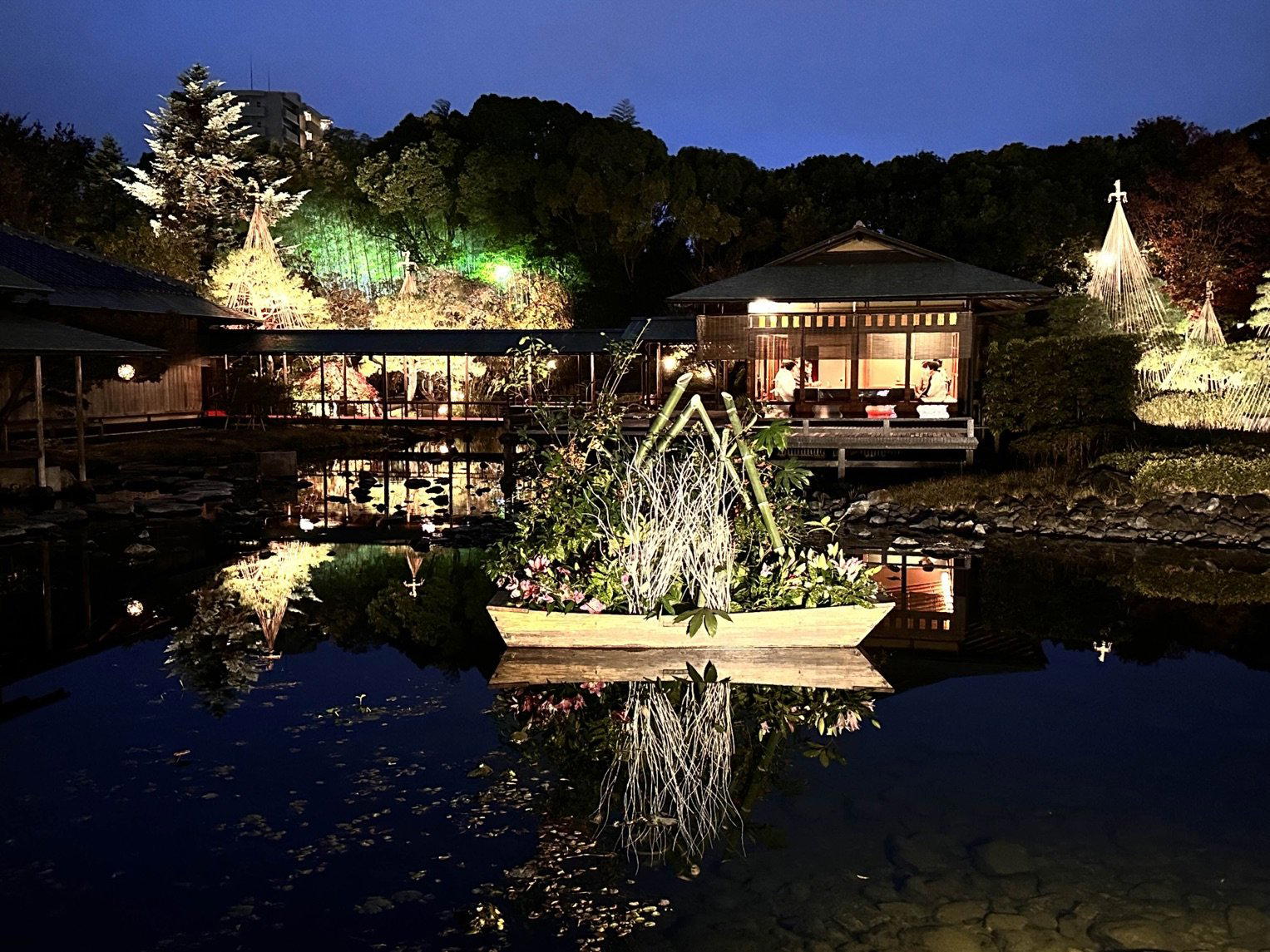
A compact, non-smoking neighborhood ramen shop with counter-focused seating and a casual, lively atmosphere that feels welcoming to solo diners and families alike.