
yaab thai brings Nagoya’s Sakae dining-bar culture into the Asian and ethnic category, with Thai-leaning cooking, cocktails, wine, and a Tabelog 100 Asian cuisine / Ethnic cuisine EAST 2024 selection. The draw is not formality; it is the way a 53-seat basement room turns regional sourcing questions, spice, drinks, and group dining into a late-evening city format.
Pearl is the En Primeur Club membership app — saves, bookings, and concierge access live there. Same editors, same standards.
- Address
- 愛知県名古屋市中区栄3-13-6 LEXT HOUSE B1F
- Phone
- +81522522017
- Website
- tabelog.com
 Saves & bookings on Pearl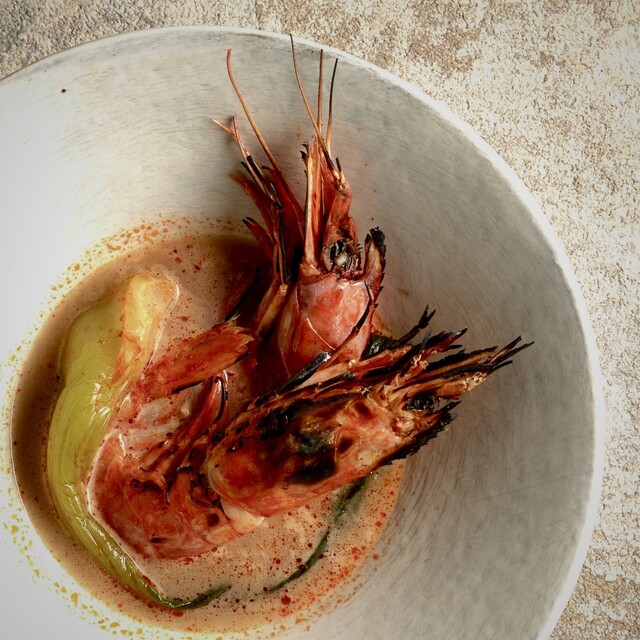
Basement restaurants in Sakae carry a different rhythm from street-level counters. The descent changes the brief: less passing trade, more planned evenings, more groups, more drinks with dinner rather than a quick bowl before the train. yaab thai works inside that Nagoya pattern, placing Asian and ethnic cooking in a dining-bar frame rather than the tighter specialist format associated with counter sushi, kappo, or ramen.
That distinction matters in a city where premium dining can lean formal fast. Sakae absorbs after-work meals, department-store traffic, late drinks, and private gatherings, so restaurants here often need range without losing identity. The category listing for Asian, Ethnic, Dining bar, and Chinese signals a broader kitchen vocabulary than a purist Thai address, but the Tabelog 100 Asian cuisine / Ethnic cuisine EAST 2024 selection gives the room an external marker inside a field that rarely receives the same visitor attention as sushi or beef-led dining.
Sakae's basement dining-bar model, through an Asian kitchen
Nagoya’s restaurant culture is not only about local staples. The city has long been comfortable with hybrid formats: izakaya that behave like restaurants, cafés with serious dinner menus, and bars where food does more than fill the gap between drinks. In that context, yaab thai’s value is its position between category lines. Wine and cocktails are part of the offer, all-you-can-drink is listed, and private use is available for medium-size groups, which places the experience closer to a social dinner room than a narrow destination counter.
The ingredient-sourcing question is more complex for Thai and Southeast Asian cooking in central Japan than for cuisines built around local fish, beef, or vegetables. The kitchen has to translate herbs, aromatics, acidity, heat, and texture through what can be procured consistently in Aichi while preserving the structure of the cuisine. That is where Asian dining in Japan often succeeds or fails: not in theatrical authenticity claims, but in whether sourcing supports balance across spice, sweetness, salt, and freshness without flattening the food for a drinking crowd.
The Tabelog 100 selection is useful because it evaluates the restaurant within Asian and ethnic cooking rather than against French tasting menus or luxury sushi. That frame is fairer and more revealing. A score of 3.56 on Tabelog sits in a competitive band for Japan, where scores tend to compress and where category-specific recognition can say more than raw numbers. Compared with Nagoya peers in the JPY 6,000 to JPY 9,999 dinner bracket such as Alan. and CHIBA SAKAE, this address occupies a more accessible dining-bar tier while retaining award-list validation.
What the recognition says about Nagoya's non-Japanese dining scene
Asian and ethnic restaurants in Japan face a particular challenge: they must speak to local dining habits while carrying enough specificity to avoid becoming generic spice-and-cocktail rooms. The stronger examples understand the drinking culture around them. They build menus that can handle shared tables, staggered ordering, and late service, while keeping the cuisine’s internal logic intact. yaab thai’s category spread, drink program listing, and party-oriented service notes point to that kind of format.
In Nagoya, this is a useful counterweight to the city’s heavier meat, eel, miso, and izakaya traditions. The appeal is not that Thai food is rare in Japan’s major cities; it is that a Sakae restaurant in this category has received recognition in an eastern Japan list that also has to account for Tokyo’s depth. That comparison gives the selection more weight. It asks whether a Nagoya dining-bar room can compete for attention in a category usually dominated by larger metropolitan markets.
Readers mapping a night across the city should treat it as part of Sakae’s evening circuit rather than a ceremonial booking. The surrounding choice set is broad: restaurant-led nights can extend through 1022, 451, Aaron, Alan., and All Day Dining Montmartre, while broader planning sits in Our full Nagoya restaurants guide. For visitors building a full itinerary, the adjacent city rails are useful too: Our full Nagoya hotels guide, Our full Nagoya bars guide, Our full Nagoya wineries guide, and Our full Nagoya experiences guide.
Who should choose this room
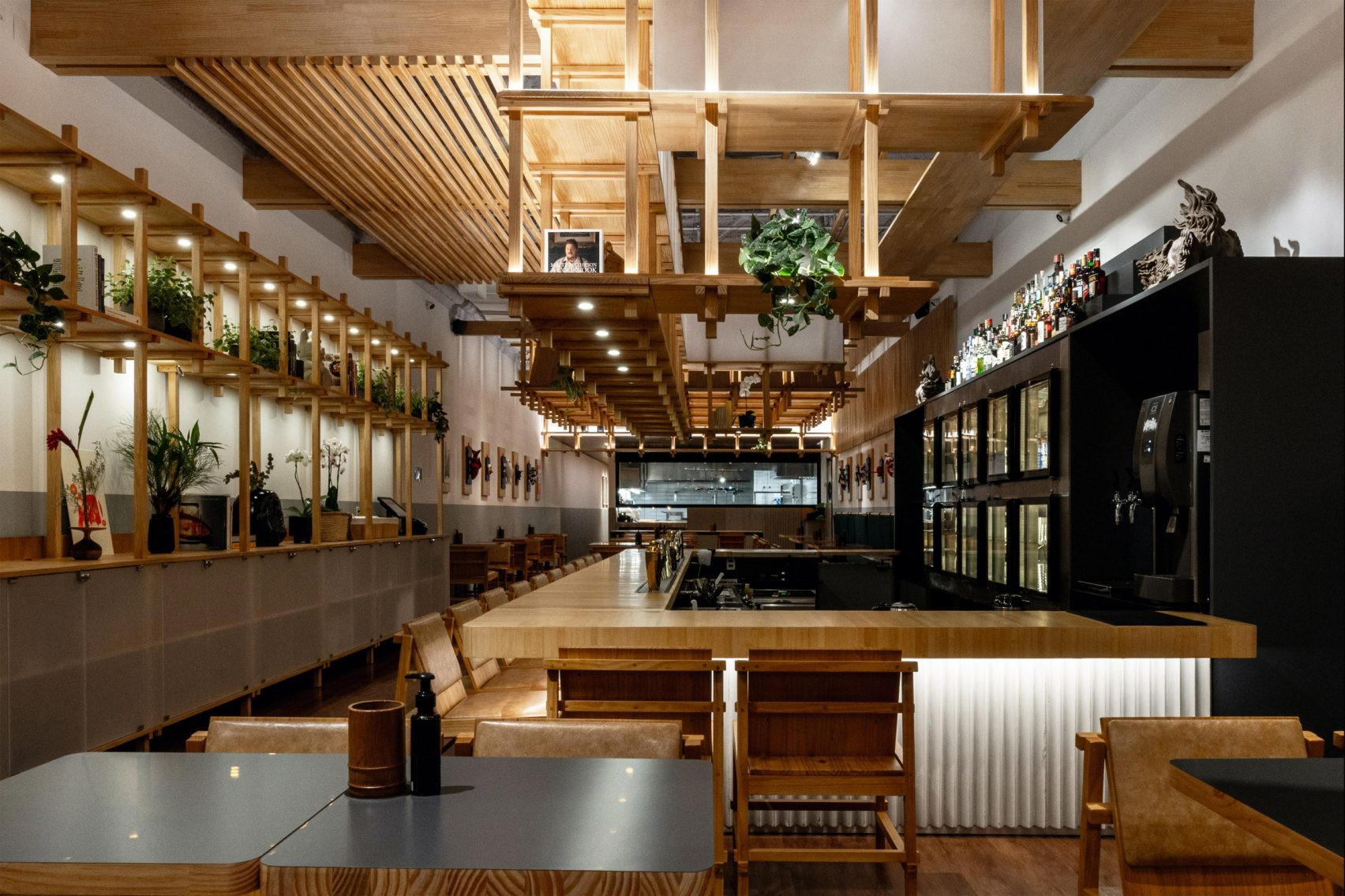
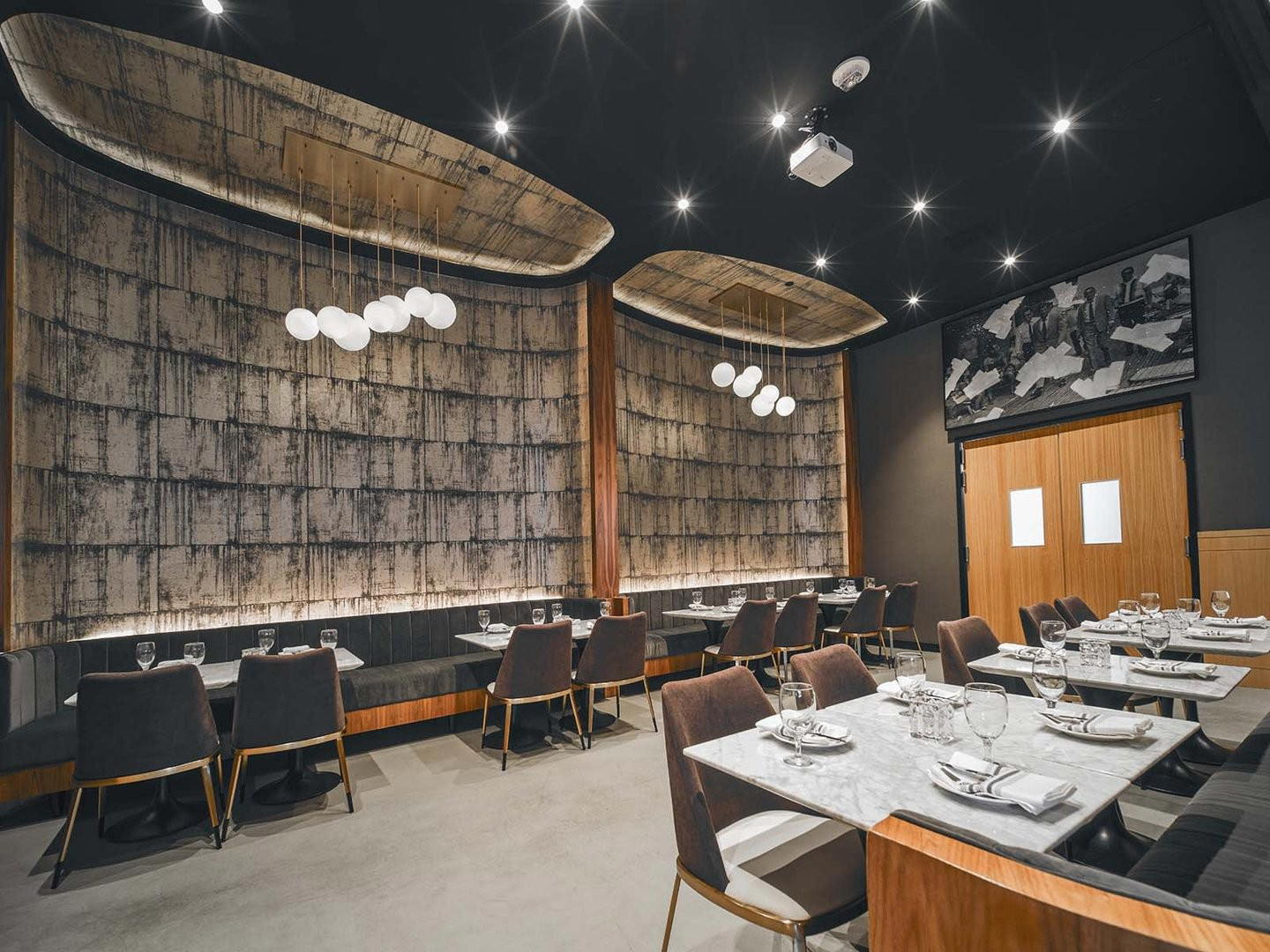
This is the stronger choice for diners who want spice, cocktails, and a room built for conversation rather than a hushed procession. The seating mix includes tables, bench sofas, and couple seating, which supports date-night dining as well as small groups. Non-smoking status also matters in the basement dining-bar category, where comfort can be undermined quickly by poor air or cramped layouts.
The practical reading is simple: choose it when the evening calls for Asian cooking with drinks in central Nagoya, not when the goal is a chef-led tasting sequence or a temple of regional Thai orthodoxy. Korean Kimya sits in a similar dinner spend band, while Sakana To Nihonshu Atarayo and Alan. move higher. That makes the restaurant an efficient Sakae option for diners who care about recognition and atmosphere but do not want the cost structure or pacing of Nagoya’s more formal restaurants.
For cross-city context, Japan’s casual and specialist dining spectrum is wide: -Grilled beef Sukiyaki- KAMAKURA TANUKIAN 鎌倉 たぬき庵 in Kamakura. 鮪と炭火焼き うお炭 秋葉原店 in Tokyo.cafe in Osaka.know in Kumamoto, (Shoku) Vietnam in Kawasaki, and [Curry Senmon Ten] Maruyama Kyoju. in Sapporo each show how format shapes expectation as much as cuisine. Outside Japan, Jōdo Saké Bar in Los Angeles and Onigiri Time in Pasadena underline the same point from the diaspora side: the food category is only half the story; service rhythm, drink structure, and sourcing discipline decide the night.
Budget Reality Check
Comparable venues by cuisine and category.
| Venue | Cuisine | Price | Notes |
|---|---|---|---|
| yaab thaiThis venue — the venue you are viewing | Naka, Thai-Chinese Fusion | $$ | Not listed |
| フランス惣菜と串カツ マルブラード | Not listed | $$ | Naka, French Prepared Dishes and Kushikatsu |
| Gyoza Senmon Ten Karaya Nishiki ten | Naka, Dining | Not listed | Not listed |
| Kitchen Beniy | Not listed | $$ | Naka, Classic Yoshoku (Japanese-style Western) & Steak |
| Piyorin STATION Cafe gentiane JR nagoya eki ten | Nakamura, Dining | Not listed | Not listed |
| Tonkatsu Tsuchimoto | Chikusa, Aged Premium Pork Tonkatsu | $$ | Not listed |
Recognition history
Dated appearances from independent guides and award organizations, with the underlying list record or original source where available.
Tabelog 100 #39 · No. 1
Tabelog · Tabelog 100 - Asian cuisine / Ethnic cuisine - EAST - 2024
Tabelog 100 #1
Tabelog
Continue exploring
More in Nagoya
Restaurants in Nagoya
Browse all →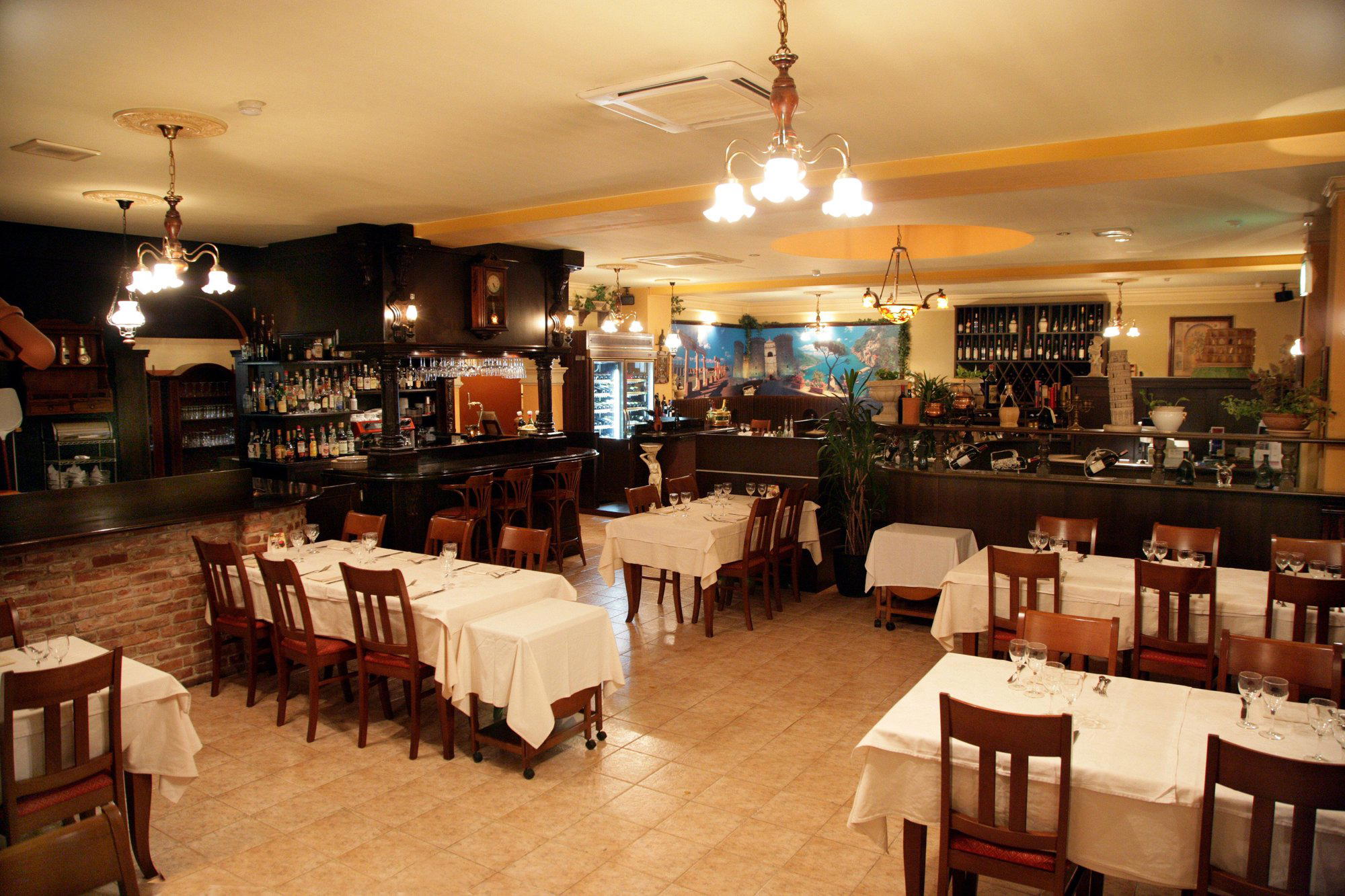
At a Glance
- Modern
- Trendy
- Sophisticated
- Energetic
- Date Night
- Group Dining
- Celebration
- Casual Hangout
- After Work
- Private Event
- Standalone
- Design Destination
- Private Dining
- Craft Cocktails
Current opening hours
- Monday
- 5 PM–12 AM
- Tuesday
- 5 PM–12 AM
- Wednesday
- 5 PM–12 AM
- Thursday
- 5 PM–12 AM
- Friday
- 5 PM–1 AM
- Saturday
- 4 PM–1 AM
- Sunday
- 4 PM–12 AM
Hours can change for holidays and private events. Last verified .
An exotic modern, stylish basement space with an international atmosphere and a relaxing, spacious feel.