
Sushi Tesaku places Nagoya sushi in a quieter register: a small Chikusa counter-and-table room recognized in Tabelog Sushi EAST 100 for 2025 and 2022. Its appeal is less about spectacle than scale, with nine seats, fish-focused Japanese cooking, and a neighbourhood position that separates it from the city’s larger station-area dining circuits.
Pearl is the En Primeur Club membership app — saves, bookings, and concierge access live there. Same editors, same standards.
- Address
- Japan, 〒464-0075 Aichi, Nagoya, Chikusa Ward, Uchiyama, 3 Chome−22−9 細谷ビル
- Phone
- +81 52-753-9058
- Website
- tabelog.com
 Saves & bookings on Pearl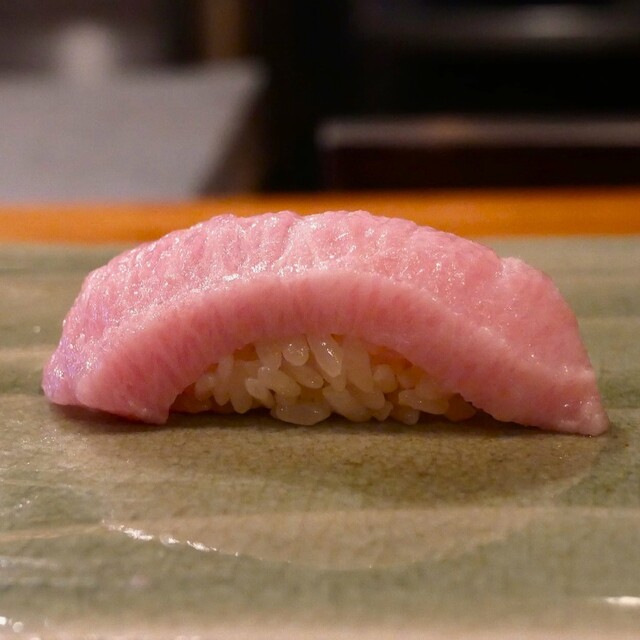
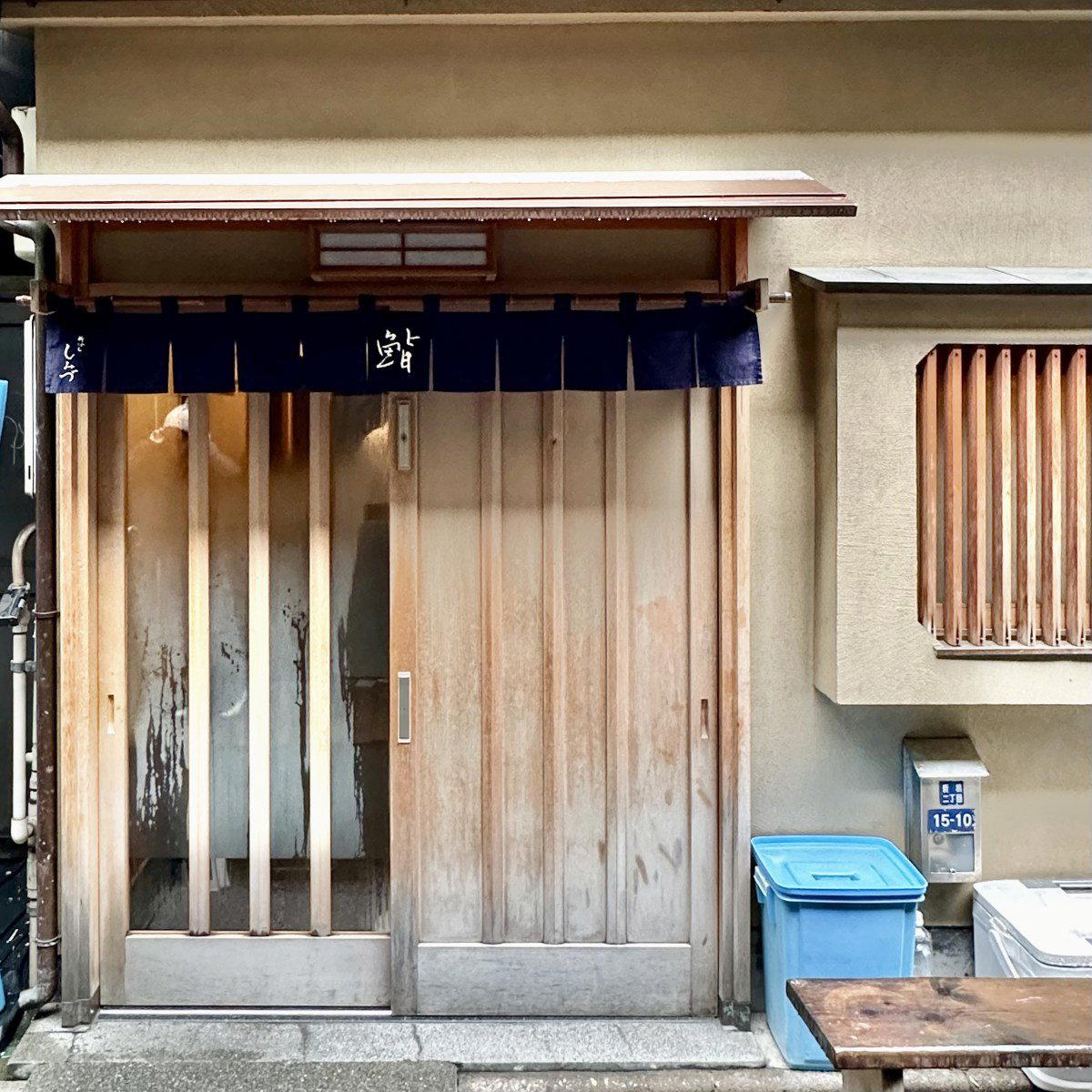
Chikusa does not announce itself with the theatre of Nagoya Station or the late-night density of Sakae. Around the station, the mood is functional, lived-in, and local: commuter platforms, narrow side streets, small buildings, and restaurants sustained by regulars as much as destination diners. That matters for sushi. Away from hotel dining rooms and department-store floors, the meal becomes smaller, less performative, and more dependent on counter discipline.
Sushi Tesaku fits that Nagoya category: compact, fish-led, and serious without the metropolitan price signals of Ginza or the formal Kyoto-Osaka axis. Recognition in Tabelog Sushi EAST 100 in both 2025 and 2022 gives it an external marker, but the more useful detail is format. Nine seats, including counter seating and table seating, place it in the intimate tier where pacing, sourcing, and rice work are exposed. There is little room for decorative excess; the meal succeeds or fails on repetition, temperature, knife work, and the rhythm between chef and guest.
Chikusa gives Nagoya sushi a quieter frame
Nagoya’s dining identity is often reduced to local comfort dishes: miso katsu, hitsumabushi, kishimen, tebasaki. That shorthand helps a first pass at the city, but misses how serious restaurants operate in residential and transit-adjacent districts. Chikusa sits east of the main commercial core, close enough for a focused dinner but outside the obvious visitor loop. The result is a sushi address that need not compete with neon, hotel lobbies, or luxury retail traffic.
That neighbourhood context shapes expectations. A small sushi restaurant here is not imitating Tokyo’s highest-priced counters. It competes through concentration: limited seats, narrow category focus, and local reputation that makes third-party recognition meaningful. The Tabelog Sushi EAST 100 selection places Sushi Tesaku in a broader eastern Japan sushi conversation, while its Nagoya setting keeps it grounded in a city where value and restraint matter.
The Nagoya comparison is instructive. Chuka Soba Paikaro and Menya Tamagusuku occupy the sub-¥1,000 casual noodle lane, Imaike Hanten sits in the everyday Chinese-restaurant bracket, and Tsutsui Seijaku signals a higher formal Japanese price tier. Against those poles, Sushi Tesaku reads as a focused middle-to-premium sushi choice, not a celebratory splurge on the city’s highest rung. That is its usefulness: serious enough to plan around, compact enough to feel local rather than ceremonial.
A small-room sushi format with fish at the centre
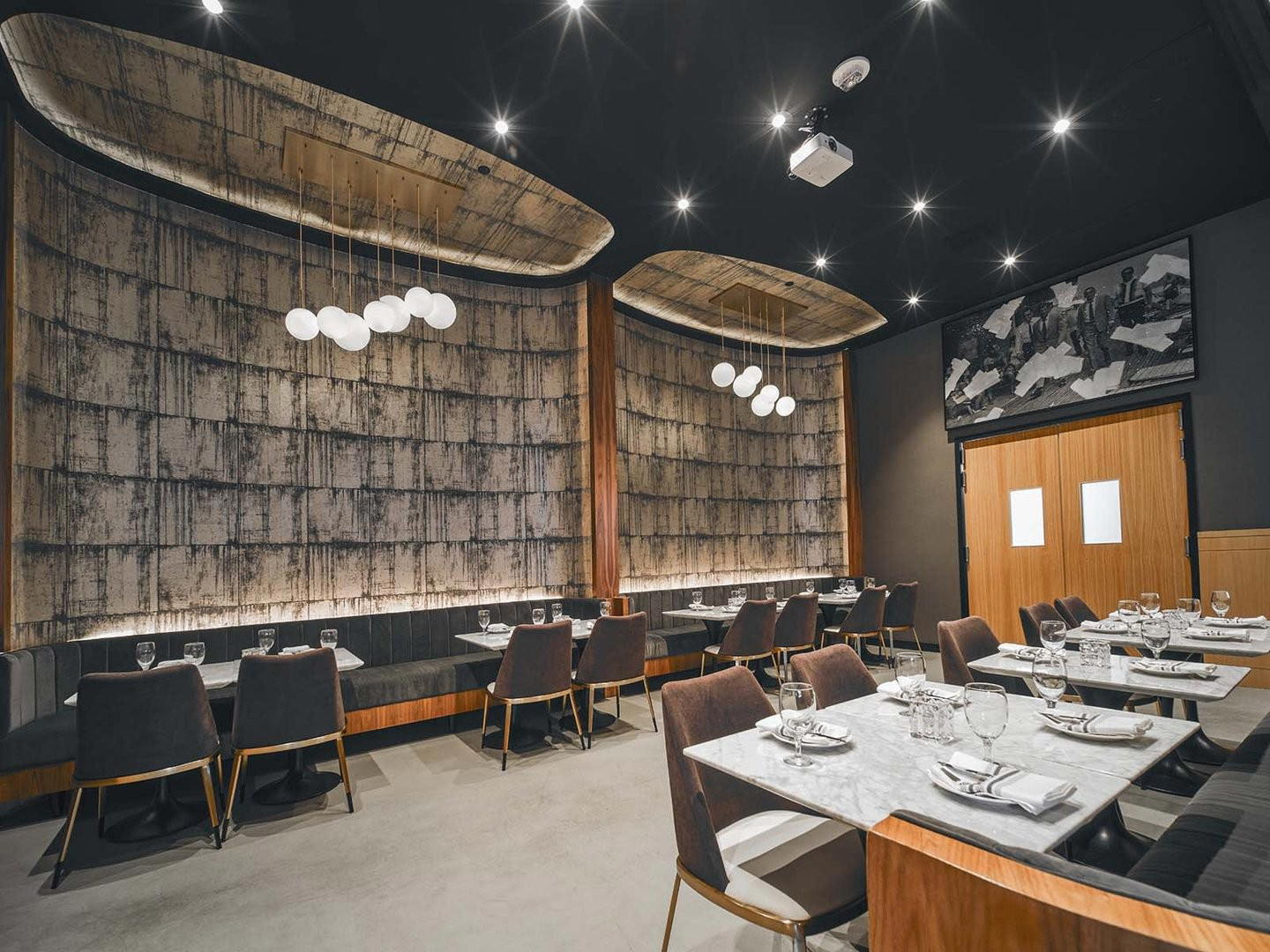
The listed categories are sushi and Japanese cuisine, with fish as the stated food emphasis. Obvious as that sounds, in Japan’s regional sushi rooms it separates a focused counter from broader izakaya-style cooking. Drinks are framed around sake, shochu, and wine, pointing to a meal built for progression rather than quick turnover. The nine-seat capacity, with four counter seats and table seating, makes the format more personal than a large sushi restaurant but less rigid than a counter-only omakase temple.
For travellers, that distinction matters. Counter-only sushi can thrill, but may demand fluency in etiquette, timing, and language. A room with both counter and table seating gives Nagoya’s sushi culture a more flexible shape. It suits dates and small groups, according to the listed occasion notes, while remaining small enough for a fish-focused meal to stay central. Private rooms are not part of the setup, so understand the atmosphere as shared rather than secluded.
The 2012 opening date adds another signal. In a city where restaurant turnover can be unforgiving, more than a decade of operation before repeat Tabelog 100 recognition suggests durability rather than a short burst of attention. It is not an international awards circuit and should not be treated as one, but it is a domestic credibility marker, especially for diners using Japanese restaurant culture as their frame of reference.
There is no need to force a signature-dish narrative. The stronger read is category discipline. The restaurant is not presented as a chef-branded theatre piece or luxury export model for inbound diners. It follows the Japanese pattern of small, neighbourhood-anchored restaurants where recognition builds through consistency, local diners, and specialist listing systems. For visitors, the reward is not novelty; it is seeing how Nagoya supports serious sushi outside its more obvious dining corridors.
Where it sits in a Nagoya itinerary
A meal here suits travellers already looking beyond Nagoya’s headline dishes. Those staples remain part of the city’s grammar, but sushi in Chikusa offers another reading: less sauce, less volume, more attention to sequencing and fish. It also works for a broader east-side evening, especially for diners who prefer restaurants embedded in ordinary neighbourhood movement over destination dining compounds.
Planning should be precise. The restaurant is small, closes on Sundays and public holidays, and lists cash-only payment. Same-day cancellation carries a full course-fee charge, so treat the booking as fixed rather than flexible. New reservations were noted as temporarily suspended as of June 2022, making current access worth verifying before building an evening around it. The nearest station is Chikusa, giving it a practical edge for diners moving by rail rather than taxi.
For broader planning, place it alongside the city rather than above it. Our full Nagoya restaurants guide gives the wider dining map, while Our full Nagoya hotels guide, Our full Nagoya bars guide, Our full Nagoya wineries guide, and Our full Nagoya experiences guide help build the rest of the trip. Nearby and citywide restaurant references such as 1022, 451, Aaron, Alan., and All Day Dining Montmartre show how varied Nagoya’s restaurant field becomes once the search moves past local-specialty shorthand.
Travellers extending the food itinerary across Japan can compare the tone with -Grilled beef Sukiyaki- KAMAKURA TANUKIAN 鎌倉 たぬき庵 in Kamakura. 鮪と炭火焼き うお炭 秋葉原店 in Tokyo.cafe in Osaka.know in Kumamoto, (Shoku) Vietnam in Kawasaki, and [Curry Senmon Ten] Maruyama Kyoju. in Sapporo. For overseas Japanese-leaning references, Jōdo Saké Bar in Los Angeles and Onigiri Time in Pasadena underline how different the Nagoya original feels from its diaspora interpretations.
The Minimal Set
Comparable venues in the metro at similar price points.
| Venue | Cuisine | Price | Notes |
|---|---|---|---|
| Sushi TesakuThis venue — the venue you are viewing | Not listed | $$ | Not listed |
| 眞善美 | Higashi, japanese | Not listed | Not listed |
| Tonkatsu Tsuchimoto | Chikusa, Aged Premium Pork Tonkatsu | $$ | Not listed |
| Link | Naka, Japanese Sake Bar & Izakaya | $$ | Not listed |
| Curry Udon Shachinoya | Not listed | $$ | Kita, Nagoya curry udon and udon noodle shop |
| Lucca | Not listed | $$ | Naka, Meat-focused Japanese Izakaya & Dining Bar |
Recognition history
Dated appearances from independent guides and award organizations, with the underlying list record or original source where available.
Tabelog 100 #38 · No. 38
Tabelog · Tabelog 100 - Sushi - EAST - 2025
Continue exploring
More in Nagoya
Restaurants in Nagoya
Browse all →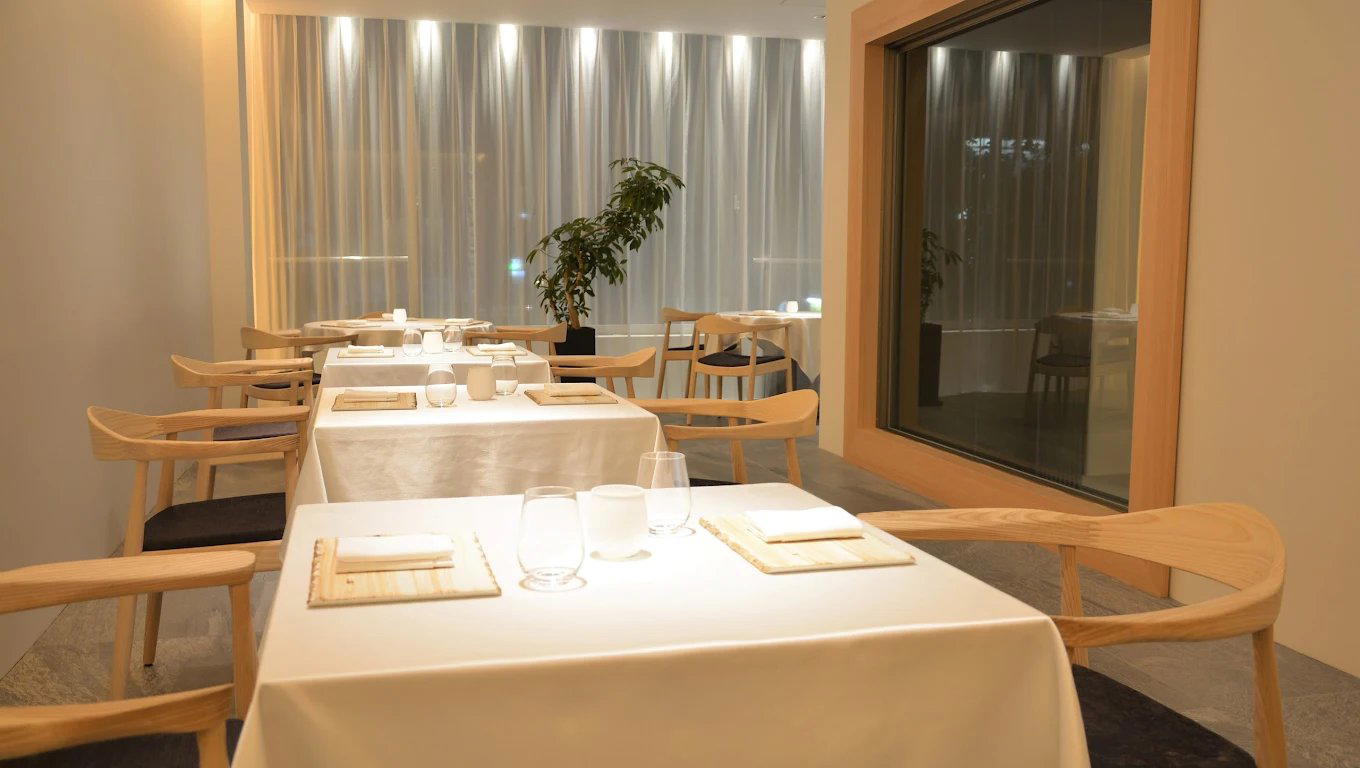
At a Glance
- Cozy
- Modern
- Intimate
- Relaxed
- Date Night
- Special Occasion
- Solo
- Group Dining
- Chefs Counter
- Standalone
- Sake Program
- Sustainable Seafood
Current opening hours
- Monday
- 5:30–11 PM
- Tuesday
- 5:30–11 PM
- Wednesday
- 5:30–11 PM
- Thursday
- 5:30–11 PM
- Friday
- 5:30–11 PM
- Saturday
- 5:30–11 PM
- Sunday
- Closed
Hours can change for holidays and private events. Last verified .
A small, non-smoking neighborhood hideaway with a stylish yet relaxed interior, centered on a few counter and table seats where guests watch the chef prepare sushi in a calm, conversational atmosphere.