ìµê°ë¤ì¤ë¸ë²ì¯ì¹¼êµì ì±ìì§ìì
Our verdict
Located in Seoul's Seongsu-dong district, this vegetarian restaurant in Seongdong-gu sits within one of the city's most rapidly transforming neighbourhoods. As plant-based dining gains serious traction across Seoul's mid-to-upper tier, this address represents the Seongsu approach: grounded in Korean culinary tradition, adapted for a younger, ingredients-focused audience. Specific menu and booking details should be confirmed directly with the venue.

Pearl is the En Primeur Club membership app — saves, bookings, and concierge access live there. Same editors, same standards.
- Address
- 668-99 Seongsu-dong 1(il)-ga, Seongdong-gu, Seoul, South Korea
- Phone
- +827041513373
- Website
- naver.me
- Directions
- Get directions

Seongsu-dong and the Shift in Seoul's Plant-Based Dining
Seongsu-dong has spent the better part of a decade reinventing itself. What was once a district defined by shoemaking workshops and light industrial units is now one of Seoul's most closely watched addresses for food, retail, and design. The neighbourhood sits east of the Han River in Seongdong-gu, and its evolution has been faster and more deliberate than almost anywhere else in the capital. Restaurants that open here do so knowing they are entering a conversation about what modern Seoul eating looks like, not just filling a gap in the market.
Within that context, vegetarian and plant-forward dining has emerged as one of the more meaningful threads in Seongsu's food identity. Korean cuisine has always contained deep vegetarian traditions, rooted in Buddhist temple food and the seasonal banchan culture that predates any contemporary wellness trend. What has changed is the framing: younger Seoul diners are now seeking out plant-based formats not as a dietary compromise but as a deliberate culinary choice, and the neighbourhood has responded with a cluster of addresses that take ingredients seriously at every level.
Where This Address Fits in Seoul's Vegetarian Tier
Seoul's vegetarian dining scene has split into two reasonably distinct groups. The first is the temple food tier, where addresses like Sanchon in Insadong operate within a strict philosophical and culinary framework inherited from Buddhist monastic cooking. The second is a newer, more hybrid category: restaurants that draw on Korean produce and fermentation traditions but operate with a contemporary service format and a more international reference set. This address in Seongsu-dong belongs to the second category, geographically and conceptually.
Peer venues in Seoul's premium vegetarian and plant-forward space include Mingles, which works Korean fermentation into a fine dining format, and Soigné, where seasonal Korean produce anchors an innovative tasting menu. Neither is strictly vegetarian, but both signal the direction of travel: Korean ingredients, taken seriously, presented without apology. At the more contemporary Korean end, Kwonsooksoo and alla prima sit within the same broader shift toward ingredient-led dining that has given vegetarian formats more credibility across the city.
Seongsu's version of this story tends to be less formal than venues in Gangnam or Jongno. The neighbourhood sets expectations around a more casual physical environment, even when the cooking is precise. That informality is part of the address's appeal to the demographic that has claimed Seongsu as its own: design professionals, younger creatives, and visitors who discovered the area through its coffee shops and concept stores before finding its restaurants.
The Evolution of Plant-Based Dining in Seoul
A decade ago, vegetarian dining in Seoul meant either temple food houses or international chains. The middle ground, where Korean cooking techniques meet a plant-only ingredient list without the monastic framing, was almost absent from the city's restaurant map. That gap has closed considerably, and Seongsu has been one of the districts where it has closed fastest.
The change has been driven partly by returning diaspora chefs and partly by a generation of Seoul diners who have eaten extensively in Tokyo, London, and New York and returned with different expectations about what vegetables can do on a plate. Cities like New York, where addresses such as Atomix have demonstrated how Korean culinary language can be extended into fine dining, have had a measurable effect on how ambitious Seoul restaurants think about their own traditions. Internationally, Le Bernardin in New York represents what happens when a single ingredient category, in that case seafood, is treated with complete technical seriousness: it changes the category's reputation permanently. Seoul's vegetarian tier is at an earlier point in that same arc.
The broader Korean restaurant ecosystem provides useful comparison points. Across the country, ingredient-specific formats have proven durable: Gobojeong Galbi #1 in Suwon built a reputation on a single protein, while 88돼지 in Jeju and Black Pork BBQ in Seogwipo show how a focused ingredient identity sustains long-term loyalty. The vegetarian format in Seongsu operates on the same logic, just with a different ingredient set.
The Seongsu-dong Address: Practical Context
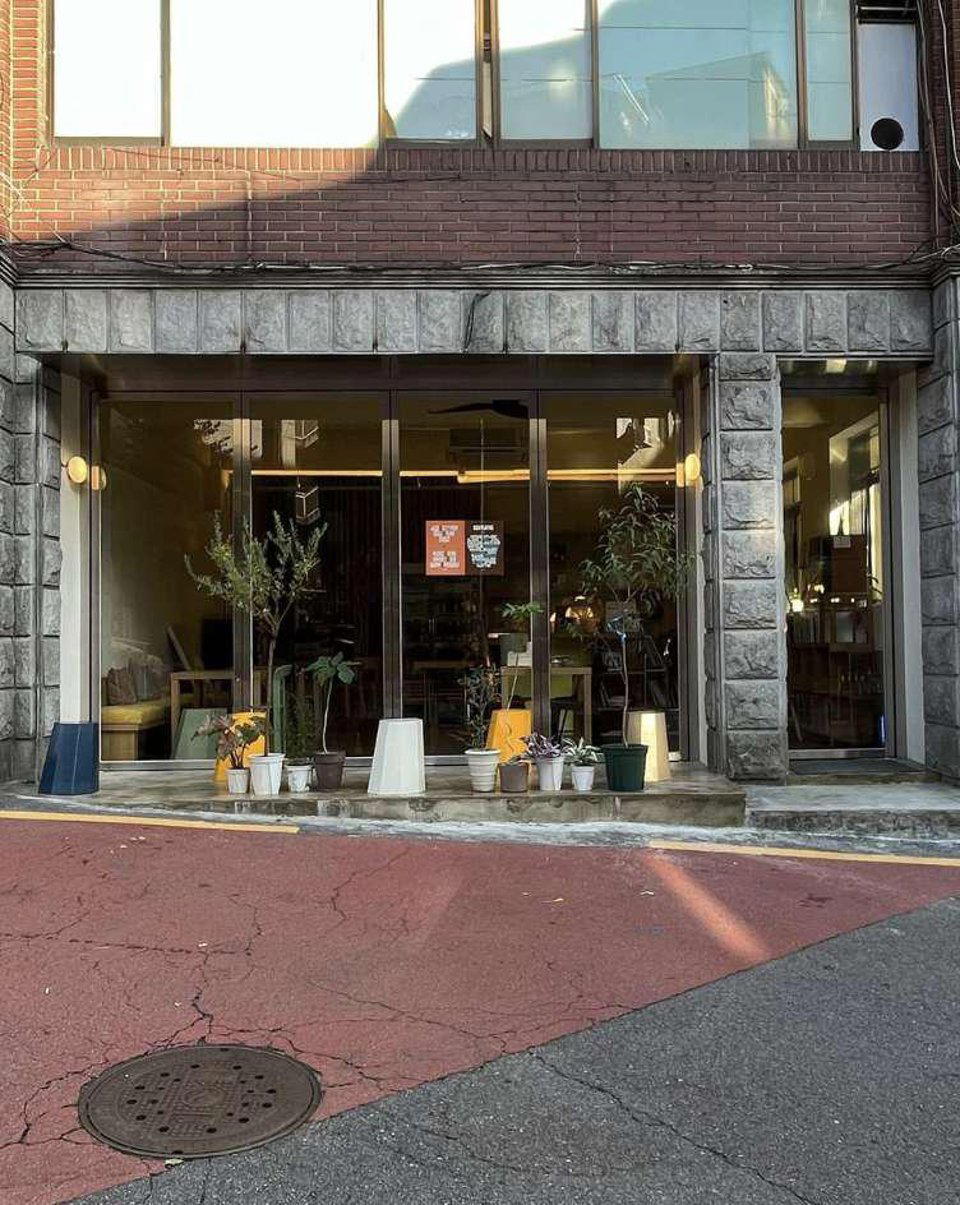
Venue sits at 668-99 Seongsu-dong 1(il)-ga in Seongdong-gu, a part of the district that has become increasingly restaurant-dense over the past three years. Seongsu is well-served by the Seoul Metro's Line 2, with Seongsu Station providing the most direct access from central Seoul. The walk from the station into the dining corridor is short, and the area is navigable on foot in a way that Gangnam's more spread-out restaurant scene is not.
This is standard practice for independent restaurants in Seongsu, where operational formats have shifted frequently as the neighbourhood has developed. For a broader orientation to Seoul's dining options across neighbourhoods and price tiers, our full Seoul restaurants guide maps the city's current scene in detail.
Visitors planning a wider South Korea itinerary will find comparable ingredient-focus and regional specificity at Mori in Busan, Badang Lounge in Jeju, and the heritage-focused Hwangnam Bread and Busan Steamed Bun in Gyeongju. For Suwon, Doosoogobang offers a regional reference point, while Dining Room in Busan and Gyeongju Wonjo Kongguk round out a picture of how Korean restaurants outside Seoul approach ingredient identity. For Japanese-influenced formats in the south, Hinode in Seogwipo provides a useful counterpoint. Among Seoul's contemporary Korean fine dining venues, Jungsik remains the clearest reference for how Korean culinary identity translates into an internationally legible fine dining format.
Frequently asked questions
How do I find ìµê°ë¤ì¤ë¸ë²ì¯ì¹¼êµì ì±ìì§ìì ?
ìµê°ë¤ì¤ë¸ë²ì¯ì¹¼êµì ì±ìì§ìì is located at 668-99 Seongsu-dong 1(il)-ga, Seongdong-gu, Seoul, South Korea, Seoul.
What should I eat at this Seongsu-dong vegetarian Korean restaurant?
The kitchen works within Korean culinary tradition, applying local techniques to plant-based ingredients rather than substituting Western formats. Given the restaurant's Seongsu-dong address, the cooking sits in the contemporary Korean tier rather than the temple food category, meaning expect fermented, seasoned, and braised preparations over minimalist presentations. Specific dishes are best confirmed directly when booking, as the menu evolves with season and availability.
How hard is it to get a table at ìµê°ë¤ì¤ë¸ë²ì¯ì¹¼êµì ì±ìì§ìì ?
Reservations are recommended for ìµê°ë¤ì¤ë¸ë²ì¯ì¹¼êµì ì±ìì§ìì in Seoul. Confirm current policy via the venue's official channels.
What has ìµê°ë¤ì¤ë¸ë²ì¯ì¹¼êµì ì±ìì§ìì built its reputation on?
ìµê°ë¤ì¤ë¸ë²ì¯ì¹¼êµì ì±ìì§ìì is best approached by focusing on the core concept and signature offerings.
Is ìµê°ë¤ì¤ë¸ë²ì¯ì¹¼êµì ì±ìì§ìì allergy-friendly?
Dietary accommodations can vary. Flag restrictions in advance via the venue's official channels.
Credentials Lens
| Venue | Cuisine | Price | Awards | Notes |
|---|---|---|---|---|
| ìµê°ë¤ì¤ë¸ë²ì¯ì¹¼êµì ì±ìì§ìì This venue — the venue you are viewing | Edomae Sushi Omakase | $100–150 | Not listed | Not listed |
| 7th Door | Modern Korean Fermentation Fine Dining | $100–150 | 1 Michelin Star · World's 50 Best #49 | Korean, Contemporary |
| Eatanic Garden | Modern Korean Contemporary | $100–150 | 1 Michelin Star · World's 50 Best #26 | Contemporary |
| Onjium | Modern Korean Royal Court Cuisine | Not listed | 1 Michelin Star · World's 50 Best #14 | Korean |
| L'Amitié | Classic French Fine Dining | $100–150 | 1 Michelin Star · La Liste Top Restaurants | French |
| Zero Complex | Modern French Neo-Bistro | $100–150 | 1 Michelin Star · La Liste Top Restaurants | Korean-French, Innovative |
Details
- Intimate
- Sophisticated
- Date Night
- Special Occasion
- Chefs Counter
- Sake Program
- Omakase
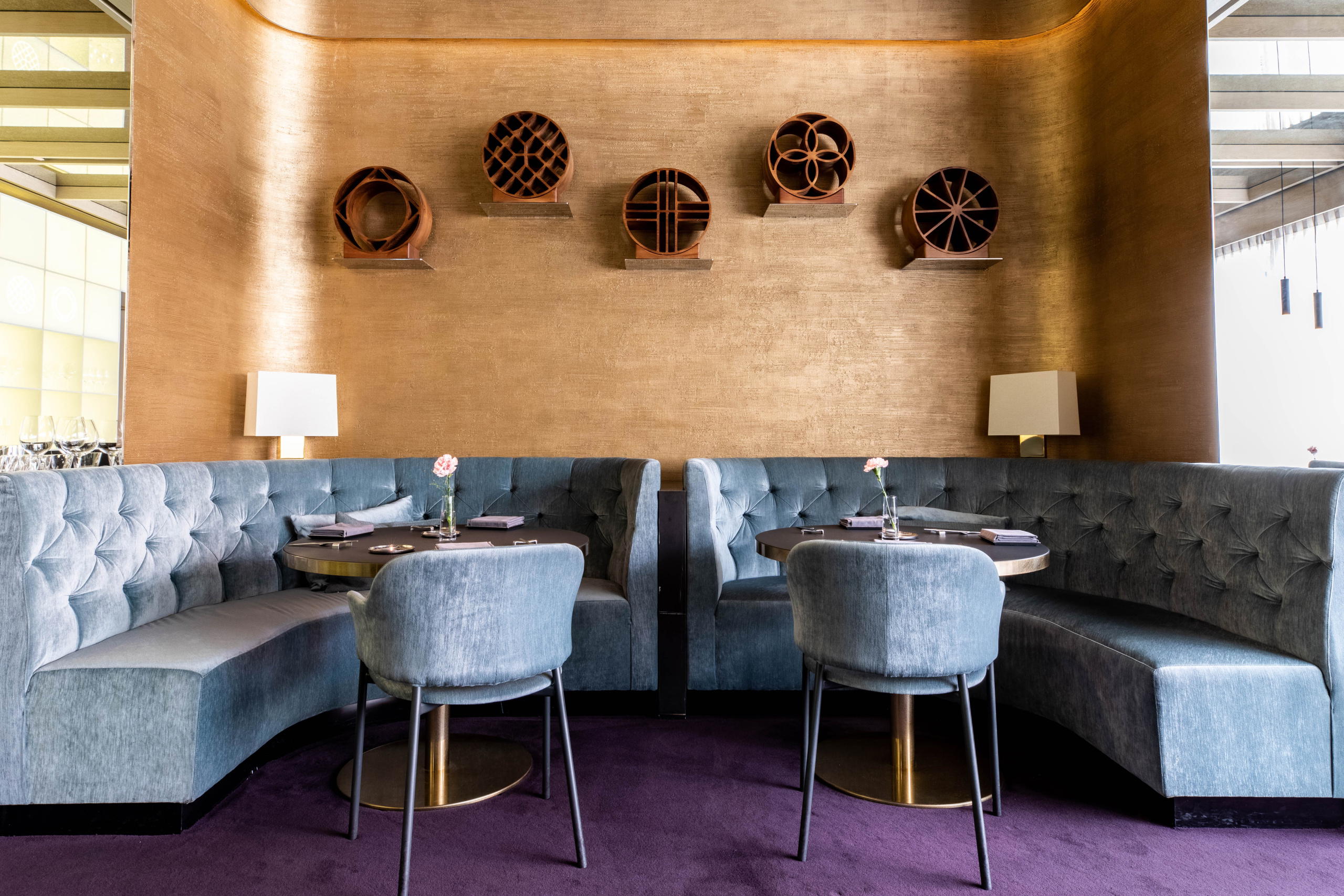
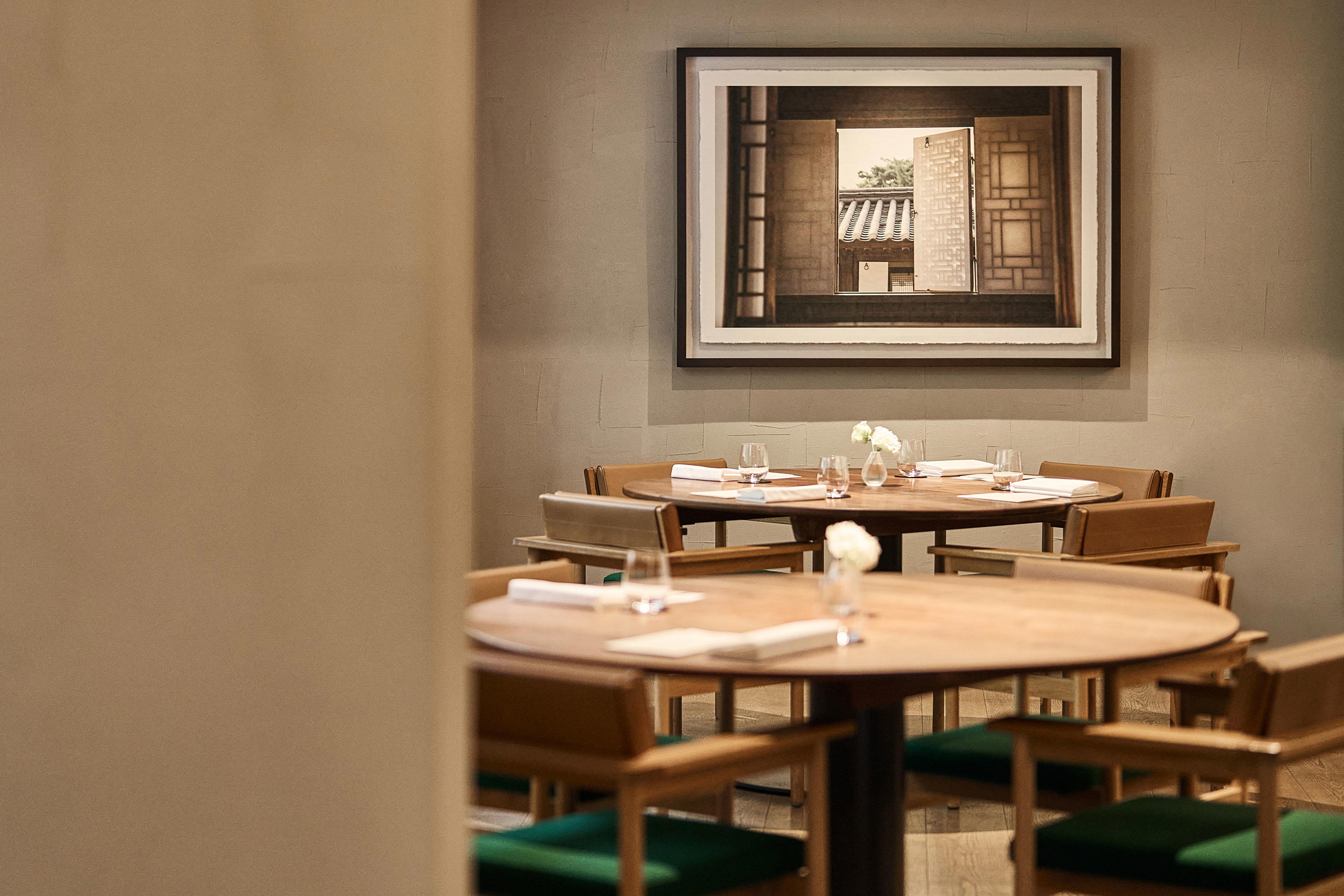
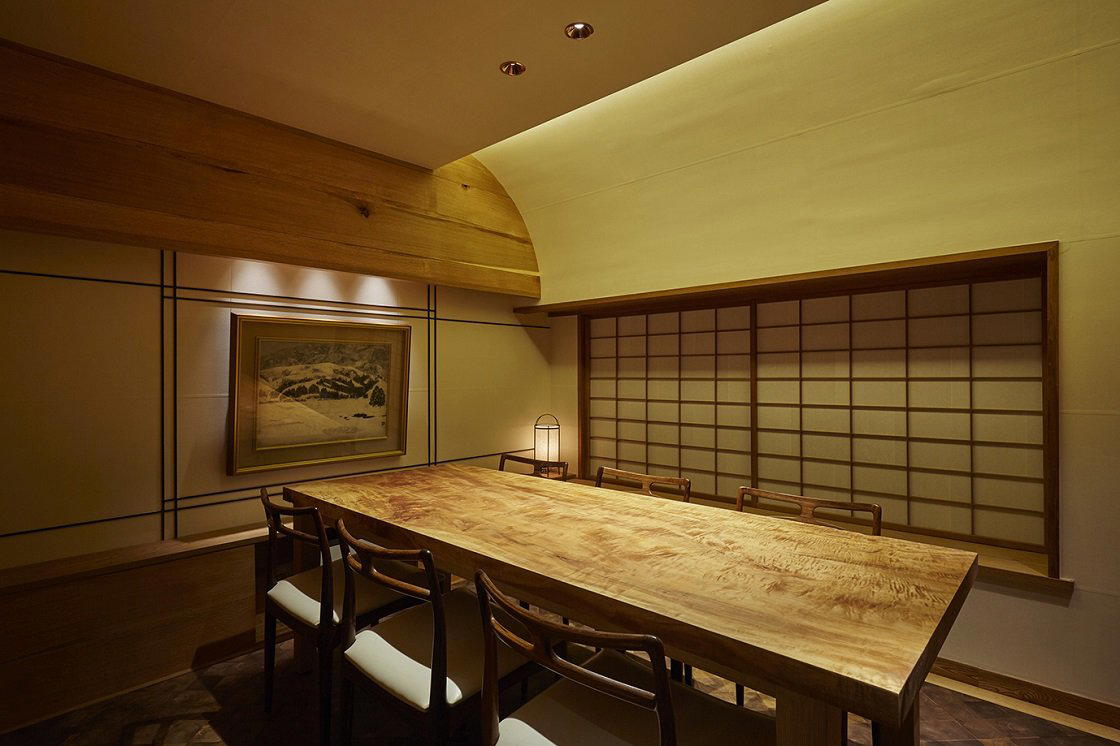
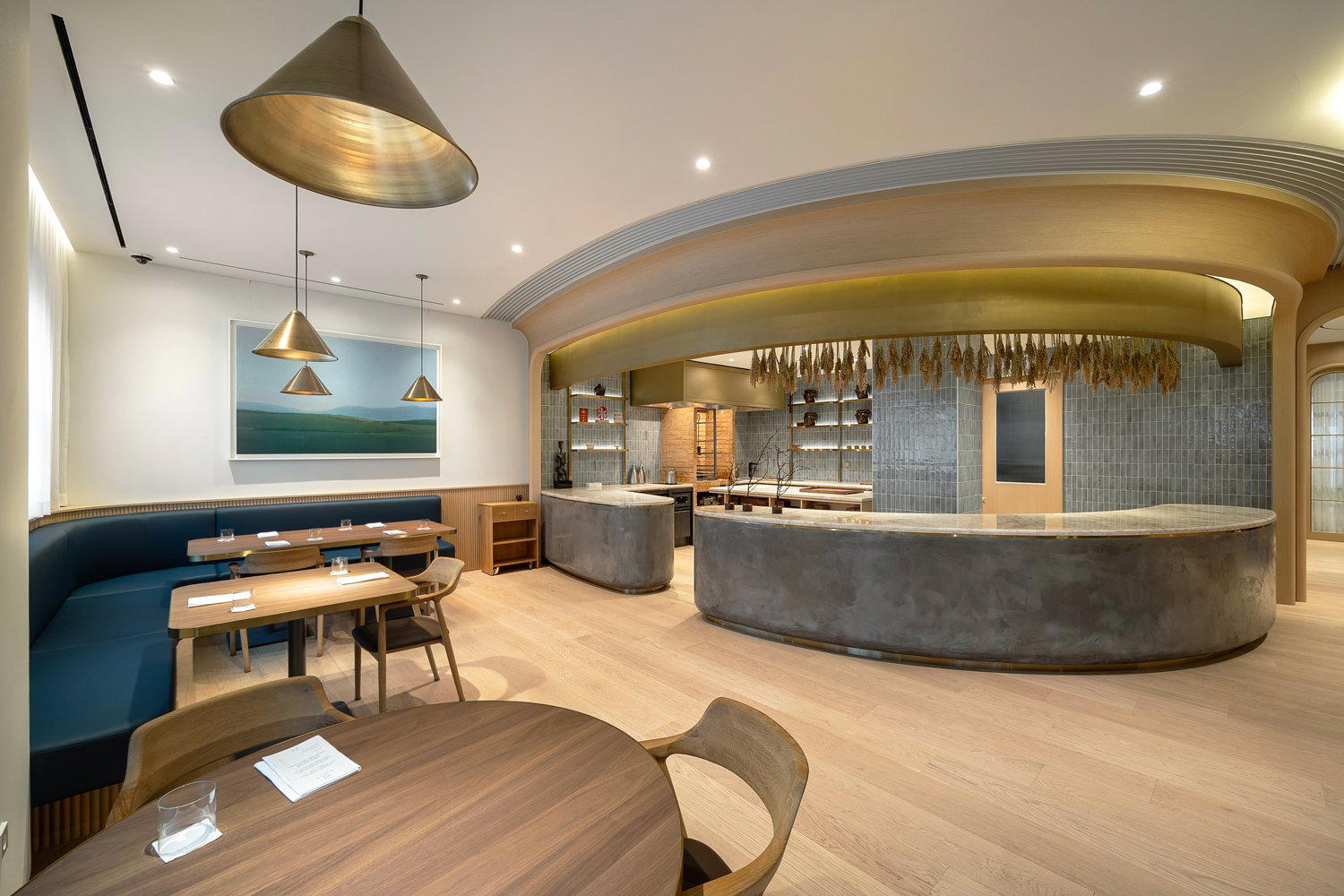
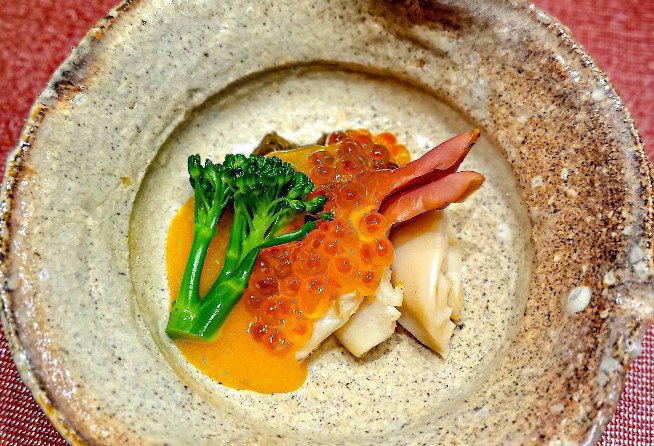
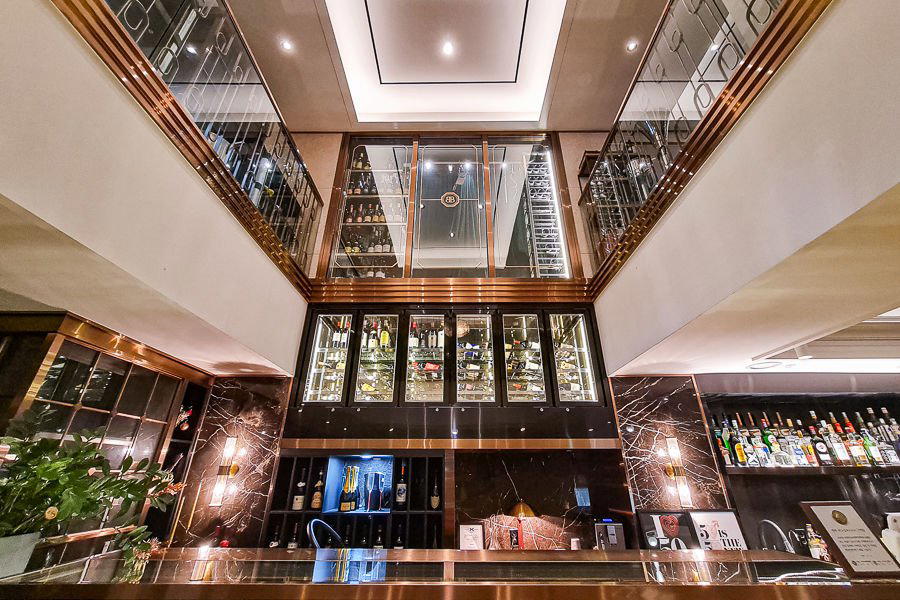
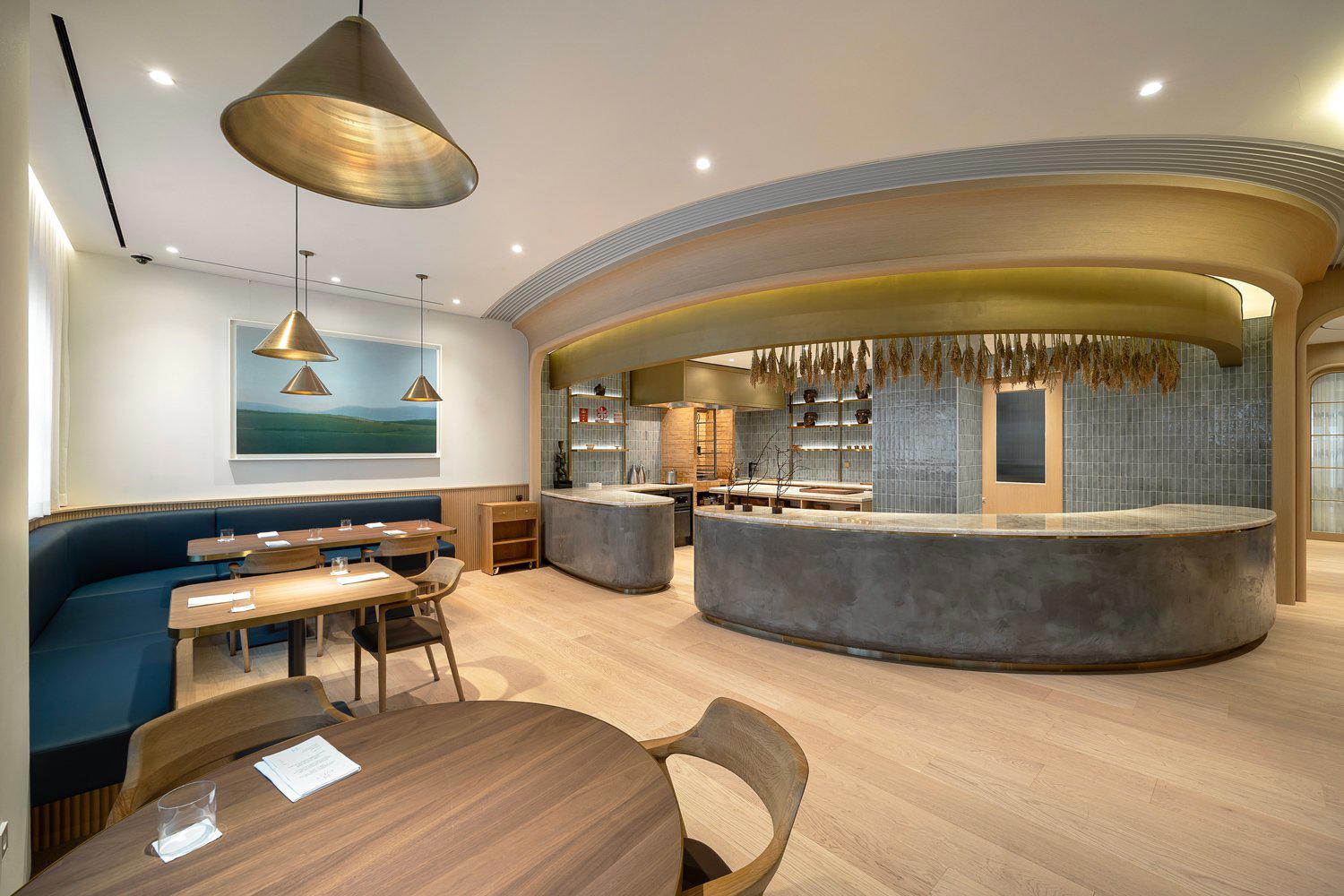
Intimate sushi counter setting focused on the chef's craft with fresh neta presentation.