ê³ ì¬ë¦¬ ìµì¤íë ì¤ ì ë¹
A quirky vegetarian nook with gosari oil
 Discover on Pearl
Pearl is the En Primeur Club membership app — saves, bookings, and concierge access live there. Same editors, same standards.
- Address
- 12-10 Toegye-ro 85-gil, Jung District, Seoul, South Korea
- Phone
- +82220393140
- Website
- vegetablerevolution.net
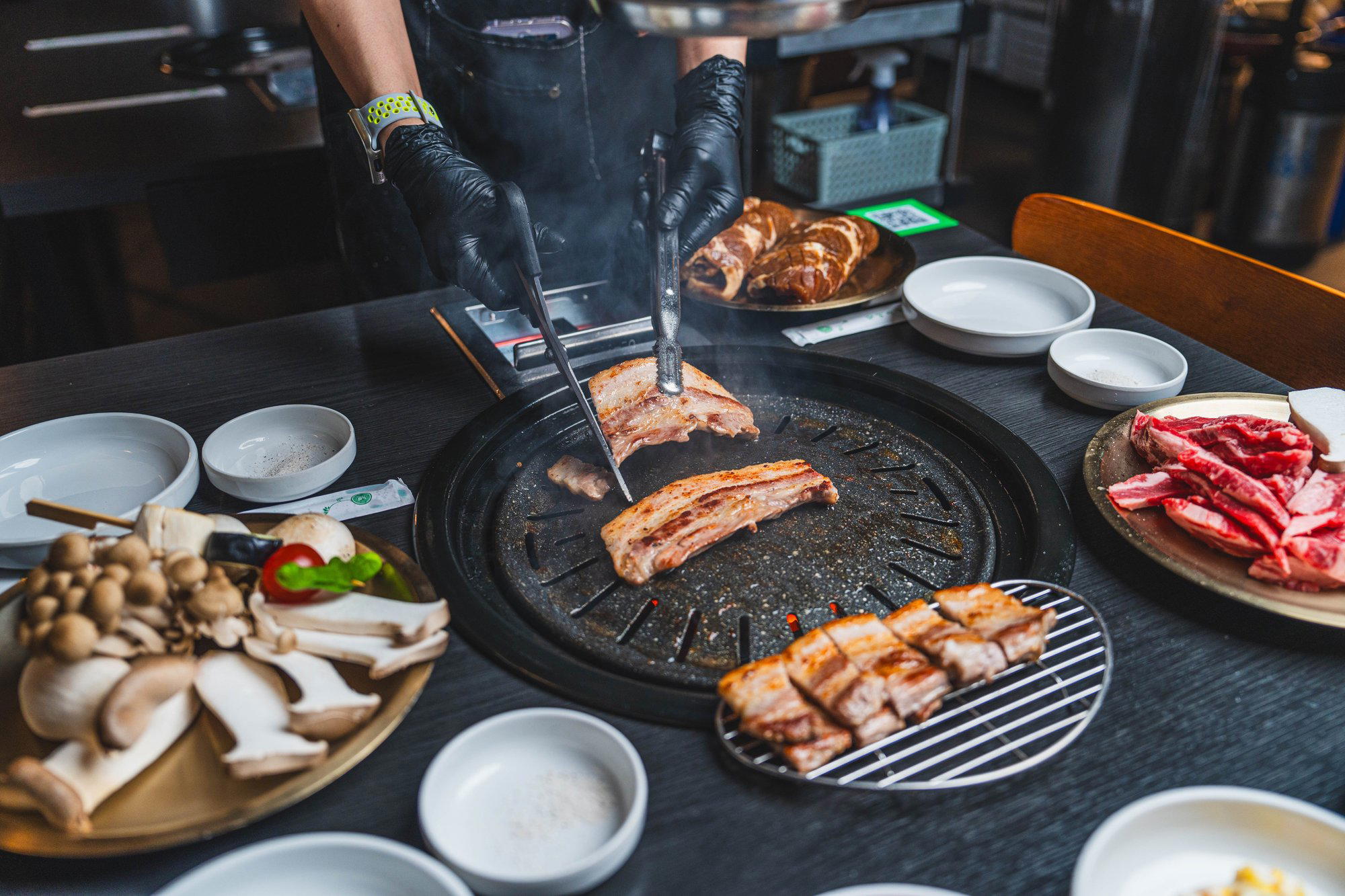
Jung District After Dark: The Scene on Toegye-ro
The stretch of Toegye-ro running through Jung District occupies a different register from Seoul's more photographed dining corridors. There is no neon-lit queue culture here, no social-media staging area at the door. The neighbourhood's relationship with restaurants is older and less performative: regulars arrive knowing what they want, tables fill without fanfare, and the rhythm of service follows the room rather than a content calendar. 고사리 익스프레스 정비 sits inside that tradition, at 12-10 Toegye-ro 85-gil, Jung District, Seoul, South Korea, a location that places it within walking distance of Namdaemun and the older commercial fabric of central Seoul rather than the polished dining corridors of Gangnam or Itaewon.
What Keeps Regulars Coming Back
Seoul's most durable neighbourhood restaurants share a common characteristic: they accumulate a loyal clientele not through novelty but through consistency. In a city where tasting-menu formats and fine-dining credentials dominate the critical conversation, there remains a parallel circuit of spots that function as anchors for returning guests. These are places where the unwritten menu matters as much as the printed one: the preferred table, the dish that never appears on the card but arrives anyway for a familiar face, the understanding that a quick visit and a longer one are both accommodated without pressure.
That dynamic is what distinguishes this tier of Seoul dining from the formal omakase counters and contemporary Korean tasting experiences that attract the bulk of international attention. Venues like Mingles, Jungsik, and Kwonsooksoo operate at the highest price tier, with booking windows that stretch months ahead and formats built around a single extended sitting. 고사리 익스프레스 정비 occupies different territory: it serves the function that neighbourhood regulars require, which is reliable return value without the ceremony.
The Jung District Dining Context
Jung District is one of Seoul's oldest administrative areas, and its food culture reflects that history. Unlike the internationally curated restaurant strips of Cheongdam or the experimental scene anchored around Soigné and alla prima, Jung District's dining identity is shaped by proximity to traditional markets, office workers, and residents who have been eating in the same blocks for decades. Namdaemun Market, a few minutes on foot, sets a culinary baseline that favours substance over presentation and portion size over minimalism. Restaurants in this neighbourhood earn loyalty through repetition, not revelation.
That context places 고사리 익스프레스 정비 in a specific Seoul sub-category: the urban neighbourhood anchor that functions as a regular's resource rather than a destination for occasional diners. Across South Korea, comparable dynamics appear in cities well beyond the capital. Mori in Busan and Double T Dining in Gangneung demonstrate that the country's most consistent neighbourhood dining often develops outside Seoul's most photographed districts, in areas where regulars, not tourists, set the standard.
Planning a Visit
The address at 12-10 Toegye-ro 85-gil places the venue in central Seoul, accessible from multiple subway lines serving Jung District. The neighbourhood is direct to reach from both Myeongdong and Hoehyeon stations. Visitors planning a first visit should confirm operating times directly before travelling. Walk-in availability and reservation practice at this venue are not confirmed; smaller neighbourhood spots in Jung District tend to fill at lunch and early dinner, particularly mid-week. Arriving outside those windows improves the likelihood of being seated without a prior arrangement.
For broader orientation across Seoul's dining options, the full Seoul restaurants guide maps the city's dining tiers from the Michelin-starred contemporary Korean formats to neighbourhood-level anchors across all districts. Regional options beyond Seoul worth considering include Doosoogobang in Suwon and Injegol in Inje County for those travelling beyond the capital.
Where This Venue Sits in Seoul's Wider Scene
Seoul's fine-dining tier has attracted sustained international recognition over the past decade, and the competitive set around contemporary Korean tasting menus now includes names that benchmark against global counterparts. Le Bernardin in New York City and Lazy Bear in San Francisco represent the kind of format-driven, reservation-heavy dining that Seoul's upper tier increasingly resembles in structure if not cuisine. Below that stratum, the city maintains a functioning network of neighbourhood restaurants that operate on entirely different terms: no published tasting menus, no months-long booking queues, no critical apparatus tracking each seasonal change.
고사리 익스프레스 정비 falls within that network. It is not in competition with Kwon Sook Soo in Gangnam-gu or the ₩₩₩₩ contemporary formats such as Eatanic Garden or Zero Complex. Its comparable set is the group of central Seoul restaurants whose value is measured in consistent quality across dozens of visits rather than a single high-stakes occasion. That positioning makes it interesting precisely because it is not trying to operate as a destination restaurant. Regulars do not return because the experience is designed to impress; they return because the experience is dependable.
For those exploring South Korea's wider culinary geography, the contrast between venues like this and temple food traditions further afield is instructive. Baegyangsa Temple in Jangseong-gun represents an entirely different Korean food philosophy, one built around restraint, seasonality, and communal practice. The breadth of that spectrum, from temple kitchens in Jeolla Province to neighbourhood joints in Jung District to Michelin-starred tasting rooms in Gangnam, is what makes Seoul's food scene worth sustained attention rather than a single visit.
Cost and Credentials
Comparable venues nearby, for context on price, style, and recognition.
| Venue | Cuisine | Price | Awards | Notes |
|---|---|---|---|---|
| ê³ ì¬ë¦¬ ìµì¤íë ì¤ ì ë¹This venue — the venue you are viewing | 보문동, Modern French Fine Dining | $$$$ | , | |
| L’impression | 압구정동, Modern French-Korean Fusion | $$$$ | ||
| Four Seasons Seoul | Sajik-dong, International Fine Dining | $$$$ | , | |
| Chaconne | $$$$ | Michelin Plate | 잠원동, French Contemporary with Korean and Japanese influences | |
| Born & Bred | 마장동, Modern Hanwoo Beef BBQ | $$$$ | , | |
| Sushi Sunsoo | 압구정동, Korean-Style Edomae Sushi Omakase | $$$$ | , |
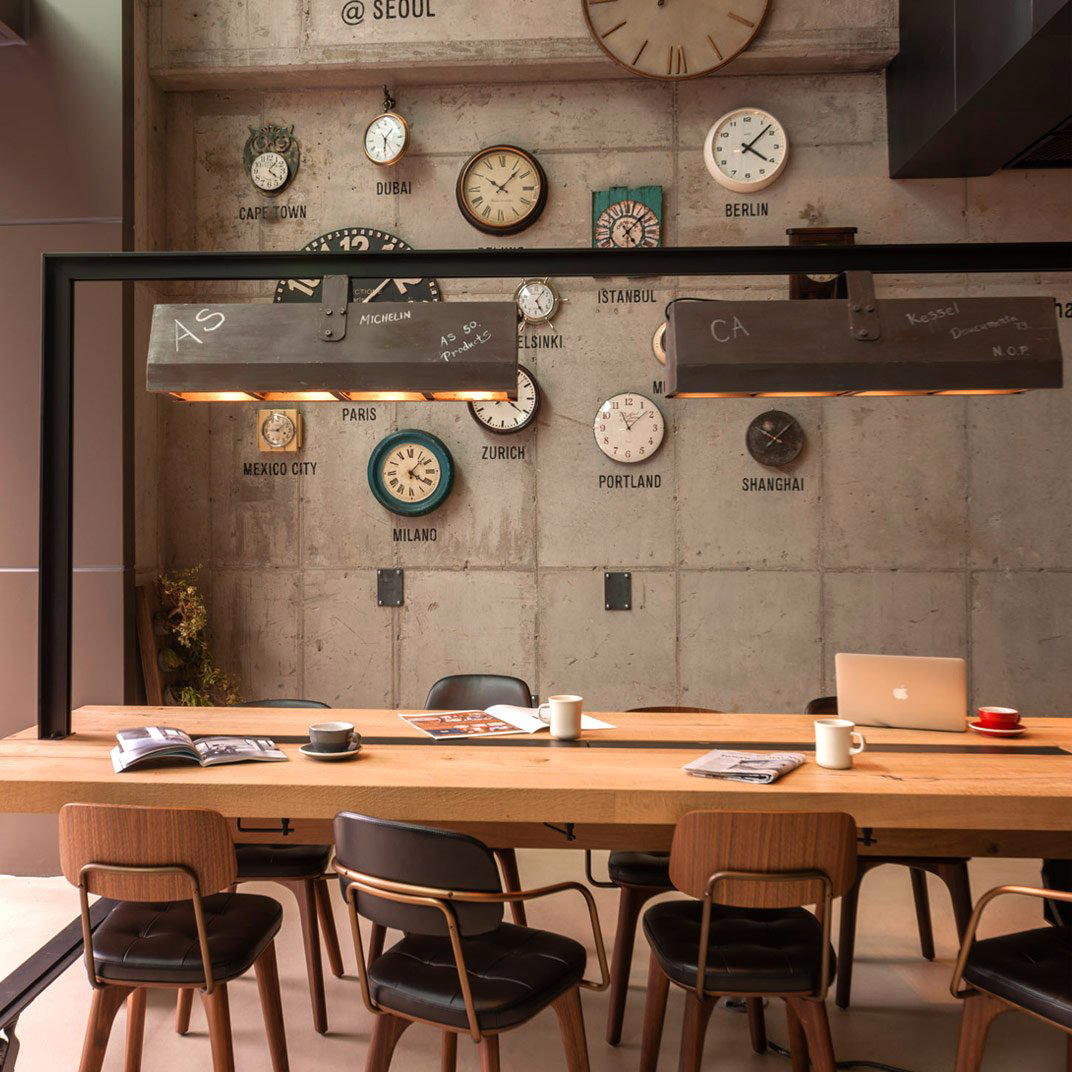
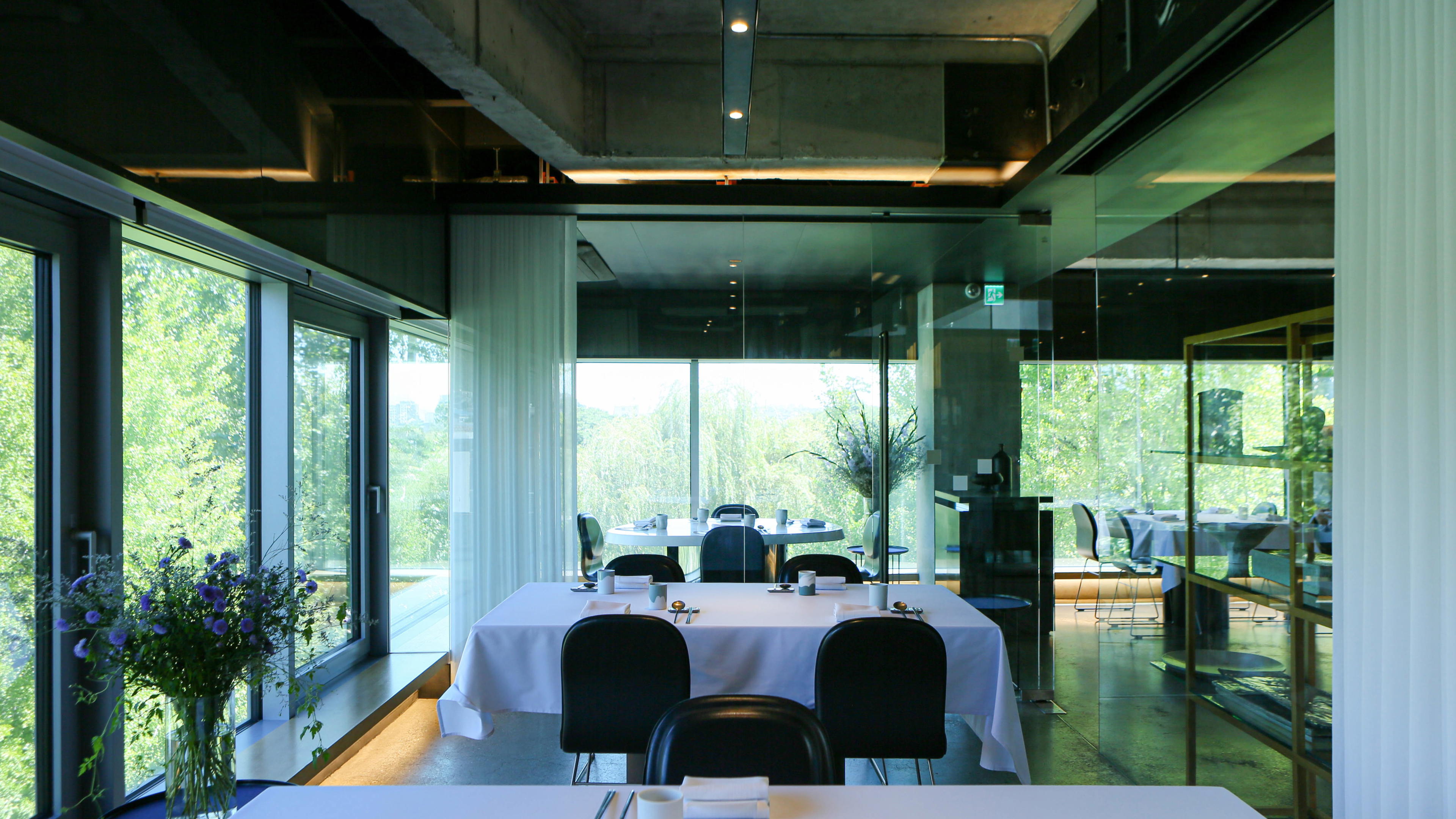
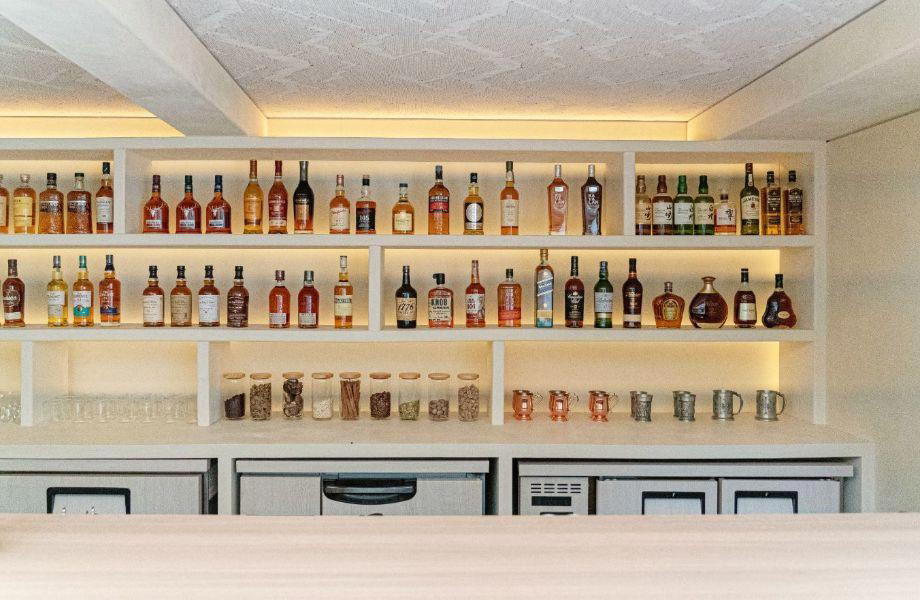
At a Glance
- Elegant
- Sophisticated
- Intimate
- Date Night
- Special Occasion
- Business Dinner
- Chefs Counter
- Extensive Wine List
- Sommelier Led
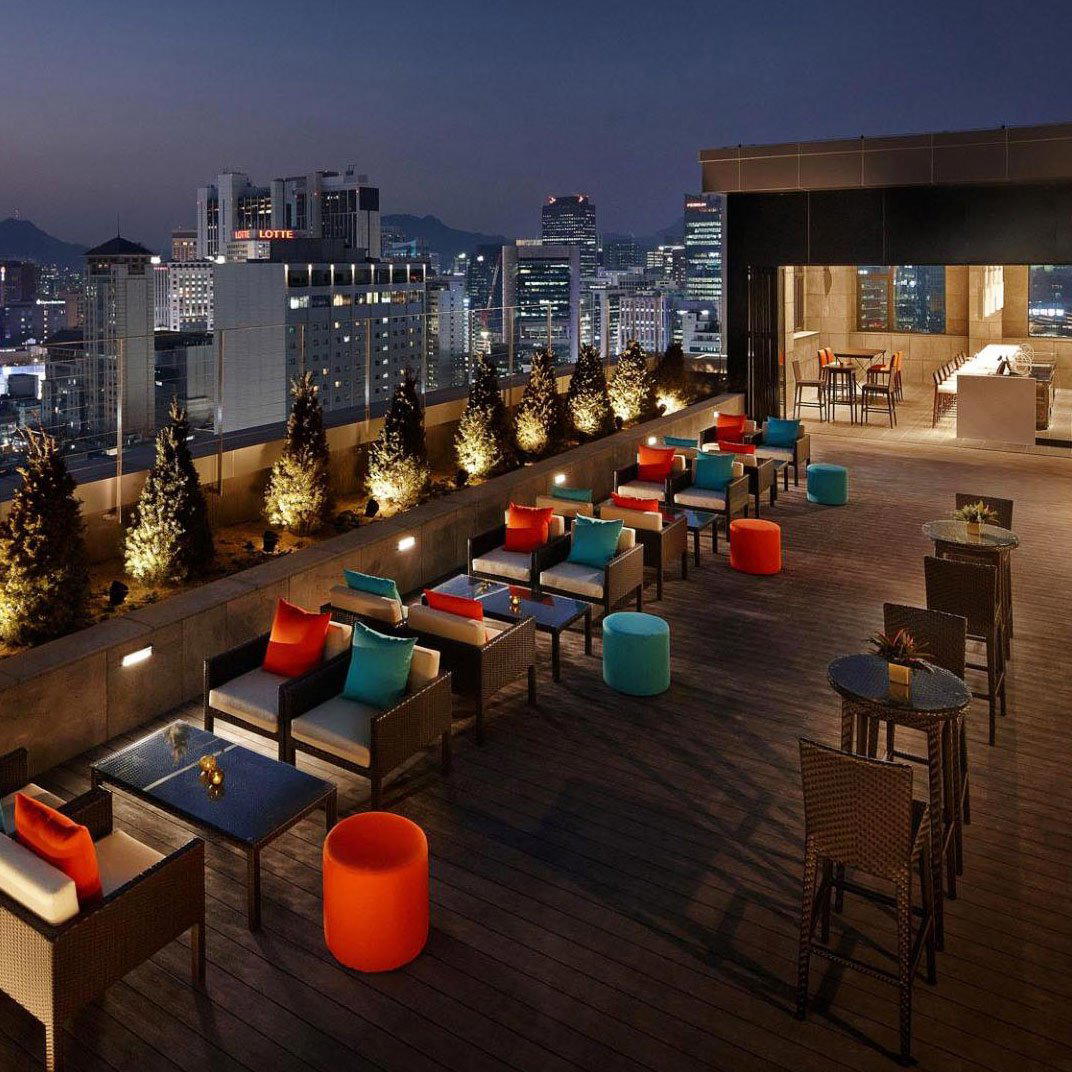
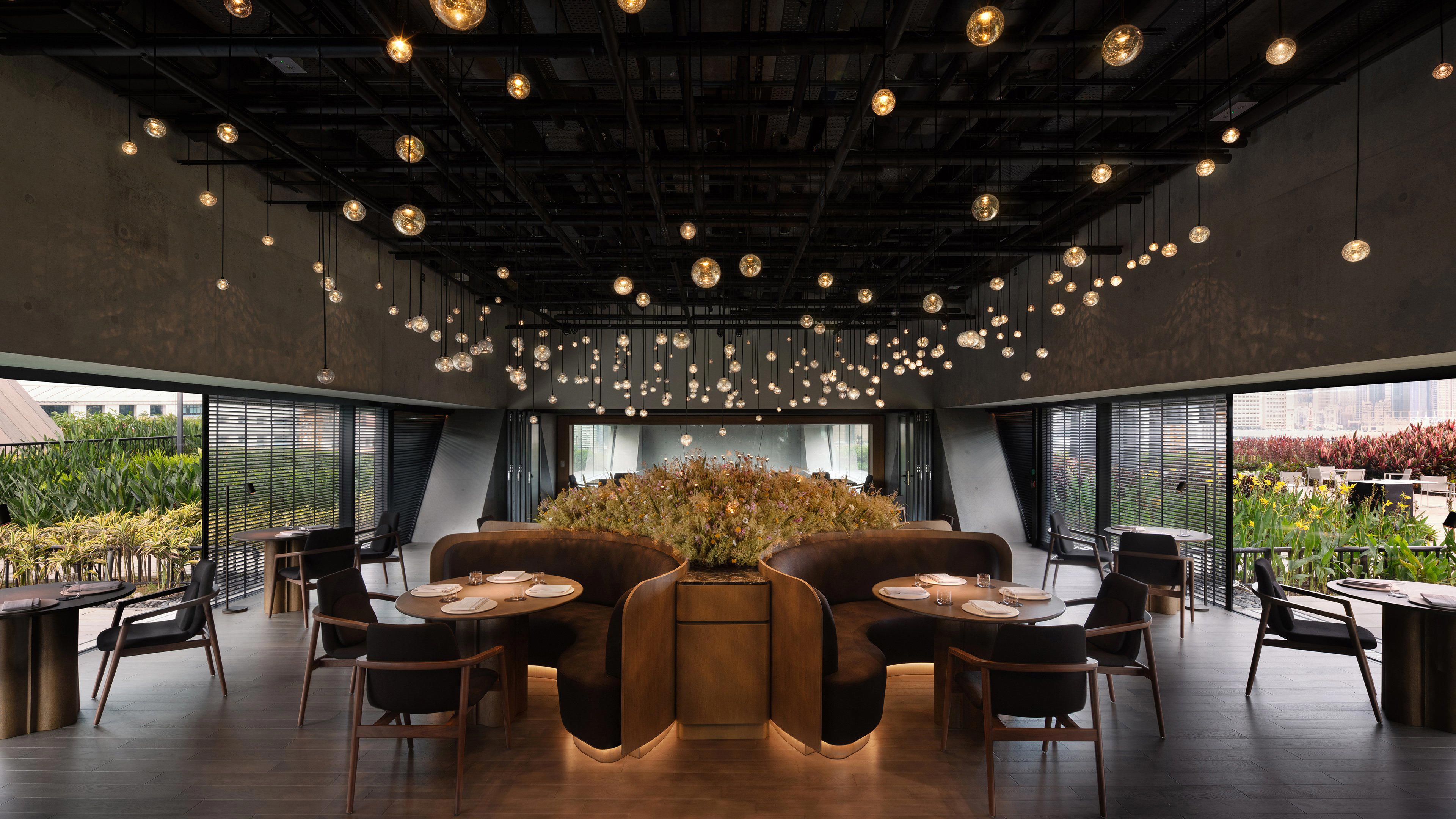
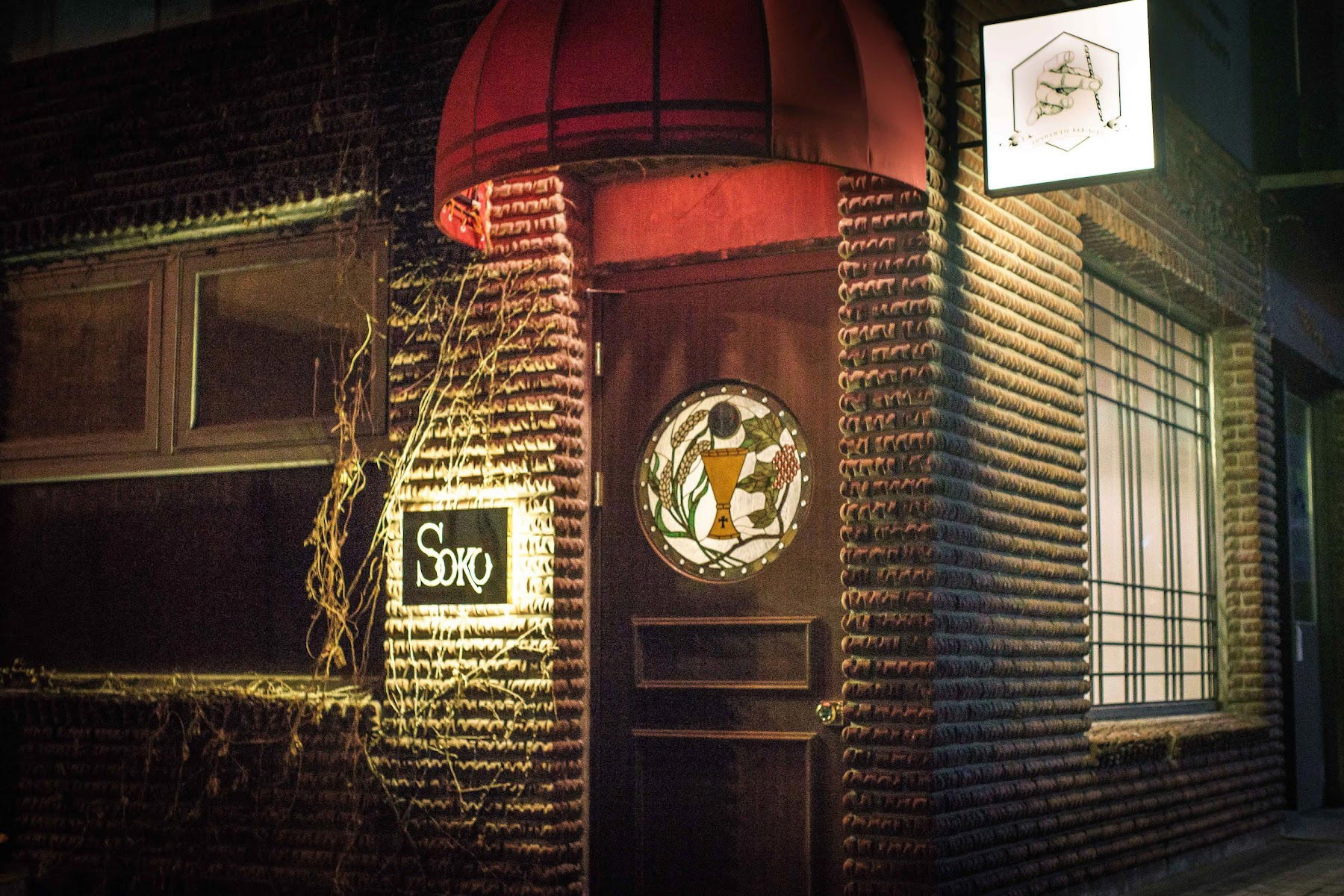
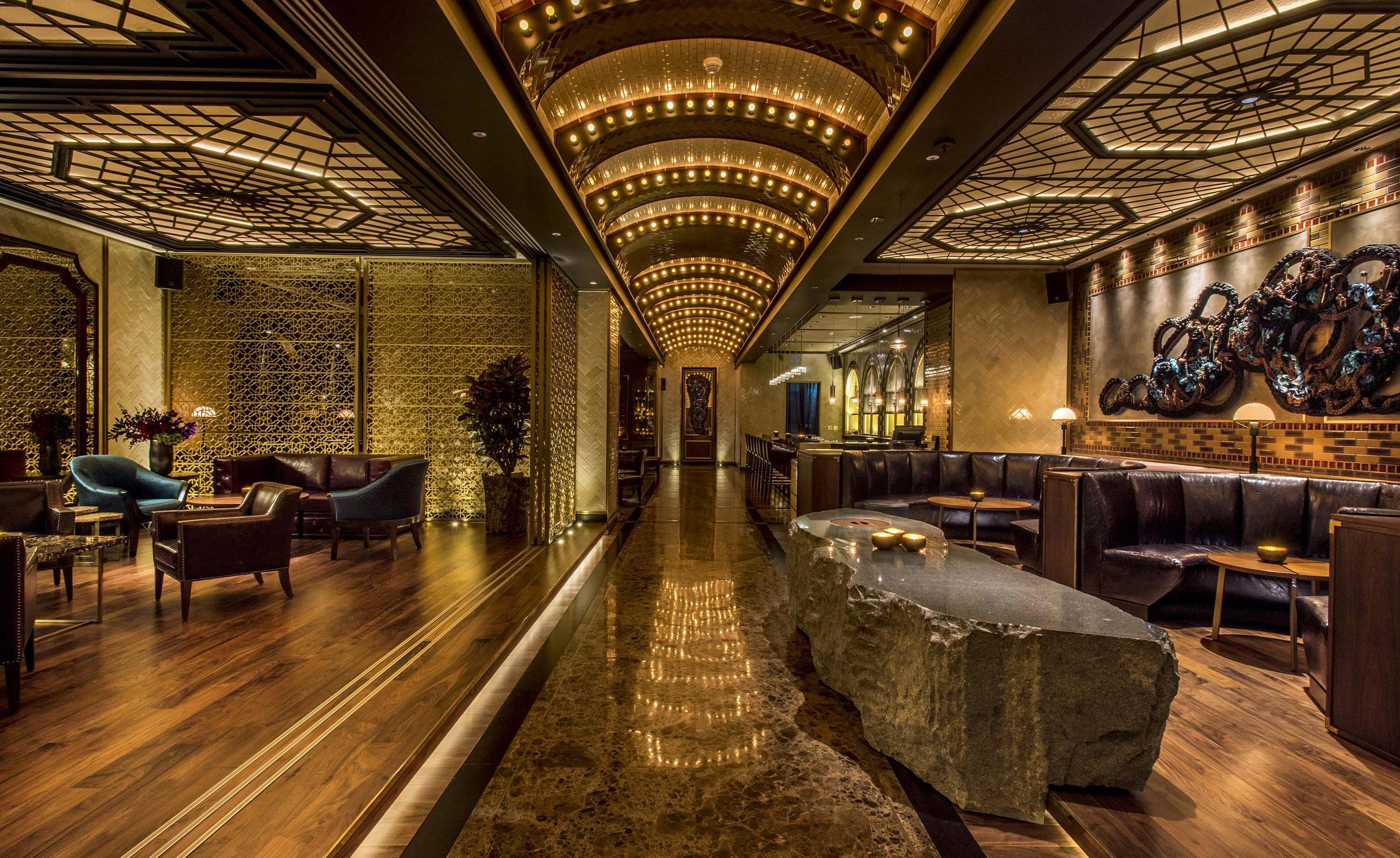
Dimly lit, opulent interior with plush seating and attentive, polished service creating an intimate and luxurious atmosphere.