Chaconne

Michelin Plate
Our verdict
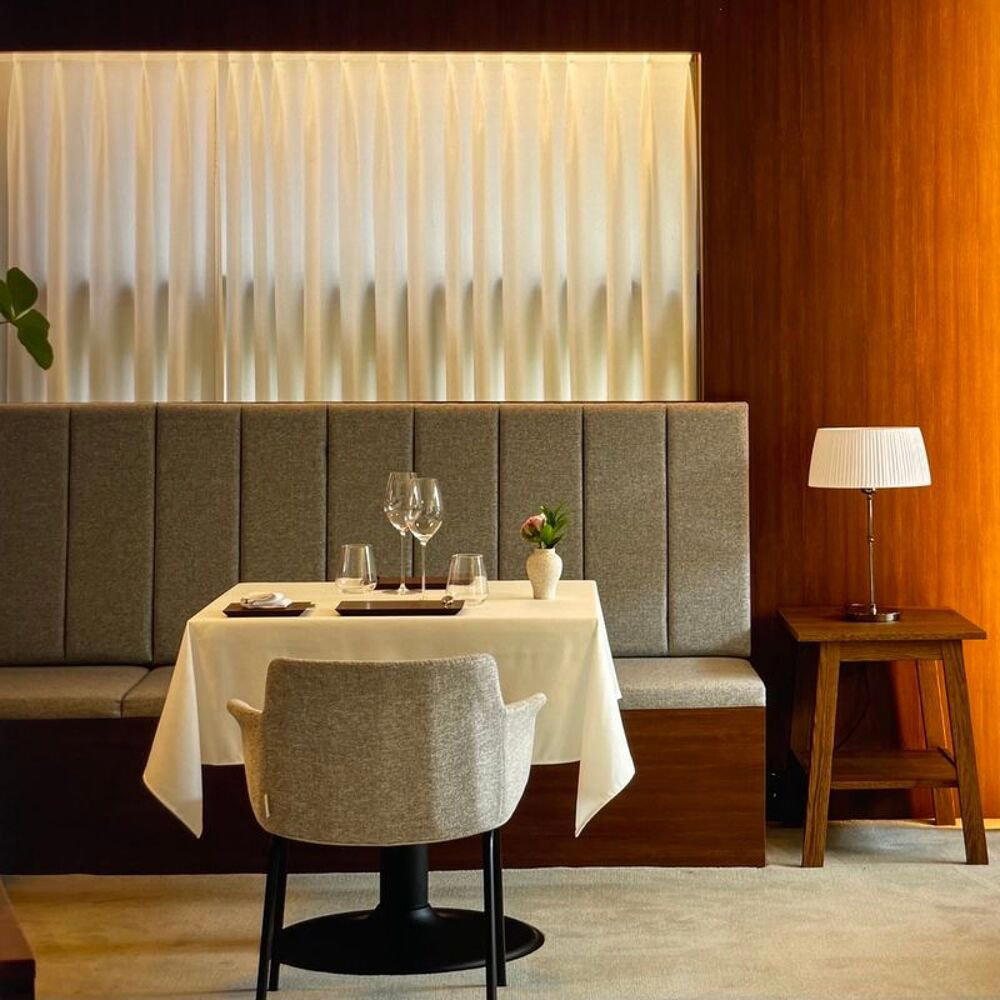
In a quiet residential pocket of Gangnam, Chaconne occupies a space that reads more like a private dining room than a destination restaurant. The kitchen works with seasonal Korean produce through a French structure, with Japanese accents and a signature use of fruit-driven acidity that separates it from the bolder flavour profiles dominating Seoul's fine-dining circuit. For those familiar with the neighbourhood's more prominent addresses, this is a distinctly lower-key proposition.

Pearl is the En Primeur Club membership app, where members save venues, book tables and use the concierge.
A Quieter Register in Gangnam's Fine-Dining Belt
Gangnam's fine-dining corridor runs loud with ambition. The neighbourhood's most-discussed addresses, from the Korean-contemporary statements of Mingles and Jungsik to the more conceptually adventurous kitchens like Soigné and alla prima, are places that wear their credentials visibly. Chaconne, at a residential address in the Yeoksam Hills complex on Nonhyeon-ro, takes the opposite position. The setting is quiet enough that first-time visitors often hesitate at the entrance, double-checking an address that doesn't announce itself the way more prominent Gangnam rooms do.
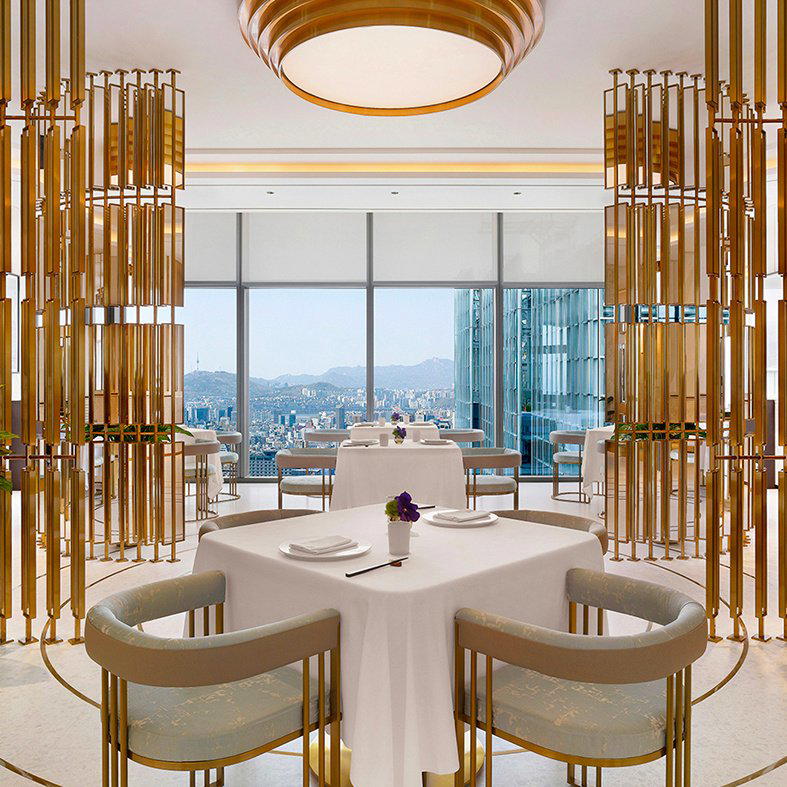
That deliberate understatement is part of what makes the restaurant interesting to think about alongside its peers. Seoul's French-inflected fine dining has moved in two broad directions: toward the high-production, high-concept format favoured by kitchens chasing international list recognition, and toward something quieter and more personal, where the dining room scale allows for genuine back-and-forth between staff and guests. Chaconne belongs to the second group. The space reads contemporary and relaxed, the staff explain each course with care, and the overall register is closer to a considered dinner party than a formal tasting event.
The Address and What It Signals
Sitting within a mixed-use residential-commercial block in Gangnam-gu, Chaconne occupies a position that is geographically central but experientially removed from the district's main dining corridors. Yeoksam-dong and the streets around Nonhyeon-ro have developed a scattered fine-dining presence over the past decade, with a handful of destination-worthy rooms operating in what are, on the surface, unremarkable building lobbies or low-rise complexes. It is a Seoul dining pattern worth understanding: some of the city's more serious kitchens have deliberately avoided the premium retail addresses that come with premium visibility, trading street-level profile for the spatial and financial terms that allow them to operate at their own pace.
For visitors planning a Gangnam evening, this framing matters. Chaconne is not a drop-in venue. It rewards pre-planning and a willingness to seek out an address that a passing taxi driver may not recognise from the name alone. The surrounding neighbourhood is low-key by Gangnam standards, which means the restaurant's atmosphere is not shaped by the street energy outside. What happens inside the room is self-contained.
French Structure, Korean Ingredients, Japanese Accents
The culinary framework at Chaconne sits at a crossroads that Seoul's serious restaurant scene has spent the last fifteen years mapping and refining. French technique applied to Korean seasonal produce is now an established mode in the city, practised with varying degrees of literalness across venues at multiple price points.
This is worth contextualising. Korean cuisine has its own tradition of deploying fruit, both in fermentation and as a direct ingredient, but the approach here appears to route that instinct through a French tasting-menu logic, where acid management across a multi-course progression is a considered technical decision rather than a garnish choice. The Japanese inflection noted in the restaurant's profile suggests an additional layer of restraint and precision in execution, a sensibility that has become common at the crossover end of Seoul's contemporary dining scene but which manifests differently depending on the kitchen.
Comparable venues offer a useful reference frame. Kwonsooksoo and its Gangnam-gu iteration work within traditional Korean frameworks with high technical precision. Zero Complex and L'Amitié represent the Korean-French spectrum at different registers. Chaconne's three-way synthesis, French, Korean, Japanese, is less common as an explicit positioning and places it in a smaller peer group within the city's broader contemporary scene.
The Experience Inside the Room
The dining room at Chaconne is described as contemporary and relaxed, and the staff's course-by-course explanations are a noted feature of the experience. In practice, this kind of table communication matters more at restaurants with idiosyncratic flavour profiles or unusual ingredient choices, because it bridges the gap between what the kitchen intends and what the guest encounters. A fruit-led acidity approach, applied to dishes built from Korean seasonal produce, is not self-explanatory to all diners, and the willingness to explain it without formality signals a certain confidence in the cooking.
Seoul's fine-dining rooms vary considerably in the warmth of their service style, with some operating a more ceremonial approach better suited to their format and price point. The relaxed register at Chaconne aligns it with a set of rooms that prioritise the quality of the food and conversation over the architecture of service itself. For guests who find the more choreographed formats of Seoul's prestige addresses alienating, that is a meaningful distinction.
Planning a Visit
Chaconne sits in Gangnam-gu, reachable from central Seoul in under twenty minutes by metro or a short taxi ride. The Yeoksam Hills address is residential in character, so arriving in daylight for a first visit is advisable for orientation. Booking ahead is recommended: restaurants of this type and scale in Seoul, particularly those with a specific culinary identity and limited covers, tend to operate with fuller reservation books than their low-profile addresses might suggest. The restaurant's profile does not indicate a specific booking platform, so contacting the venue directly or consulting current Seoul dining resources is the practical starting point.
For visitors building a broader Seoul dining itinerary, this restaurant pairs logistically and stylistically with an evening at one of Gangnam's more formal rooms. EP Club's full Seoul restaurants guide maps the full range of options across price points and styles. For those extending beyond dining, the Seoul hotels guide, Seoul bars guide, Seoul experiences guide, and Seoul wineries guide cover the wider landscape. Those curious about how Seoul's fine-dining ambition translates to other Korean cities can find relevant comparisons at Mori in Busan and further afield at venues like Double T Dining in Gangneung and Pool House in Incheon. For international reference points in the French-technique tradition, Le Bernardin in New York City represents the kind of sustained classical authority that frames what French-influenced kitchens elsewhere are working toward or away from.
Frequently asked questions
Has Chaconne won any awards?
Chaconne has received recognition including: Tucked away in a quiet location, Chaconne feels like a hidden retreat. The food, made with seasonal Korean ingredients, is rooted in French cuisine and accented with Japanese flavours, which reflects the chef’s varied culinary journey. The ….
Where do I go for Chaconne?
Chaconne is located at 1F, Building 102, Yeoksam Hills, 23 Nonhyeon-ro 97-gil, Gangnam-gu, Seoul.
What do people recommend at Chaconne?
The kitchen's most consistently noted feature is the chef's use of fruit to introduce acidity and sweetness across the course sequence, a technique that sets Chaconne apart from straightforwardly classical French addresses in Gangnam. The broader framework is French, built on seasonal Korean ingredients and sharpened with Japanese flavour accents, a combination the chef developed through a varied training background.
How far ahead should I plan for Chaconne?
Chaconne operates from a residential-commercial block in Gangnam-gu, and restaurants of this scale and culinary specificity in Seoul routinely fill tables one to four weeks in advance, with weekends booking out faster. Contacting the venue directly as early as possible is advisable, particularly if you are working around a fixed travel window.
The Essentials
Comparable venues nearby, for context on price, style, and recognition.
| Venue | Cuisine | Price | Awards | Notes |
|---|---|---|---|---|
| ChaconneThis venue (the venue you are viewing) | French Contemporary with Korean and Japanese influences | Not listed | Michelin Plate | Not listed |
| Collage | French Contemporary | $150–200 | 1 Michelin Star | 압구정동, French Contemporary |
| Essence | French Bistro | Not listed | Michelin Plate | 서초동, French Bistro |
| Myungbodang | Nu-American French Fine Dining | $200–300 | Michelin Plate | 압구정동, Nu-American French Fine Dining |
| Comme Moa | Classic French Bistro | Not listed | Michelin Plate | 필동, Classic French Bistro |
| Onyva | Modern French-Korean Fusion | $100–150 | Michelin Plate | 압구정동, Modern French-Korean Fusion |
Recognition history
Dated appearances from independent guides and award organizations, with the underlying list record or original source where available.
Michelin Plate
Michelin
Continue exploring
More in Seoul
Restaurants in Seoul
All restaurants in Seoul →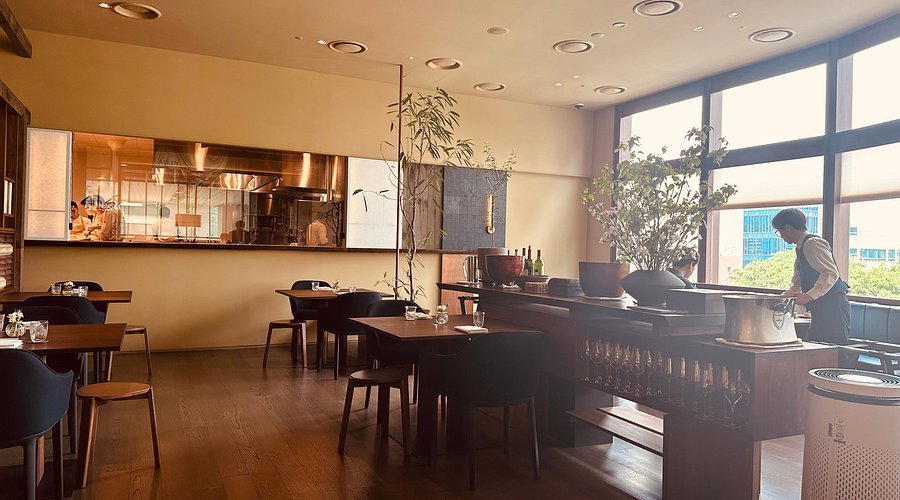
Bars in Seoul
All bars in Seoul →
Details
- Elegant
- Modern
- Intimate
- Special Occasion
- Date Night
- Standalone
- Tasting Menu
Current opening hours
- Monday
- 5–11 PM
- Tuesday
- 5–11 PM
- Wednesday
- 5–11 PM
- Thursday
- 5–11 PM
- Friday
- 5–11 PM
- Saturday
- 5–11 PM
- Sunday
- Closed
Hours can change for holidays and private events. Hours as of .
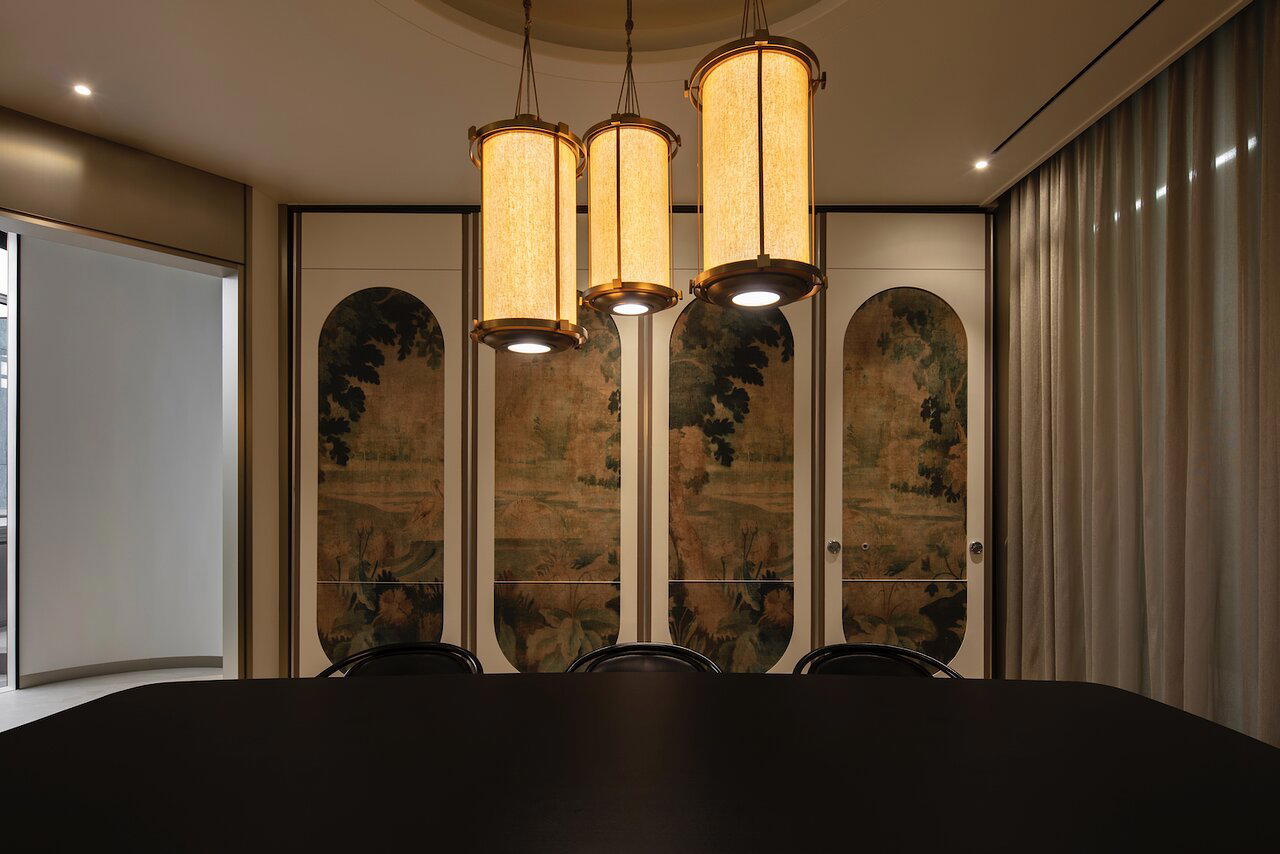
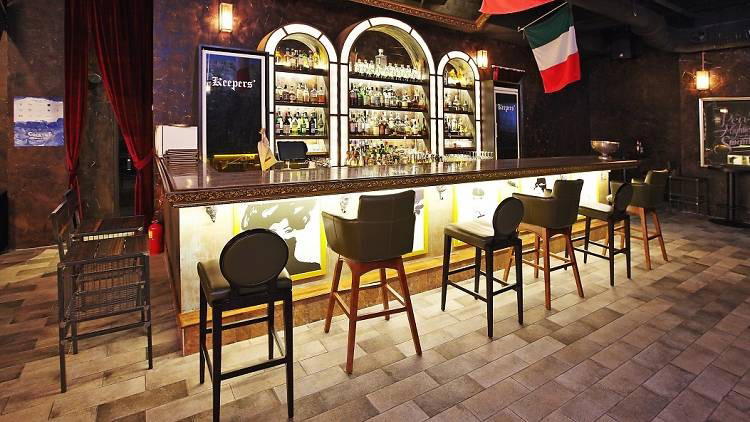
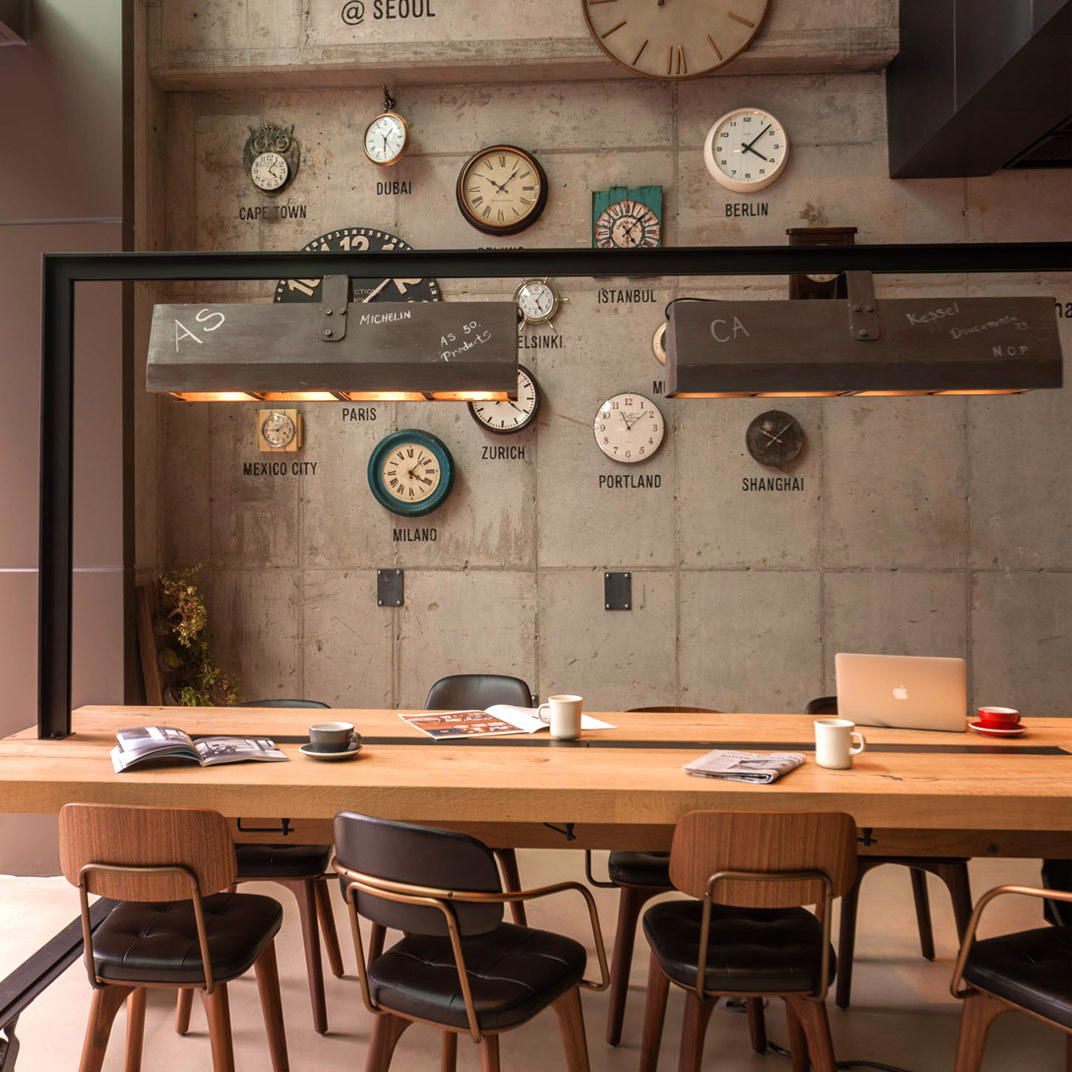
Contemporary and relaxed dining space creating a pleasant and airy atmosphere.