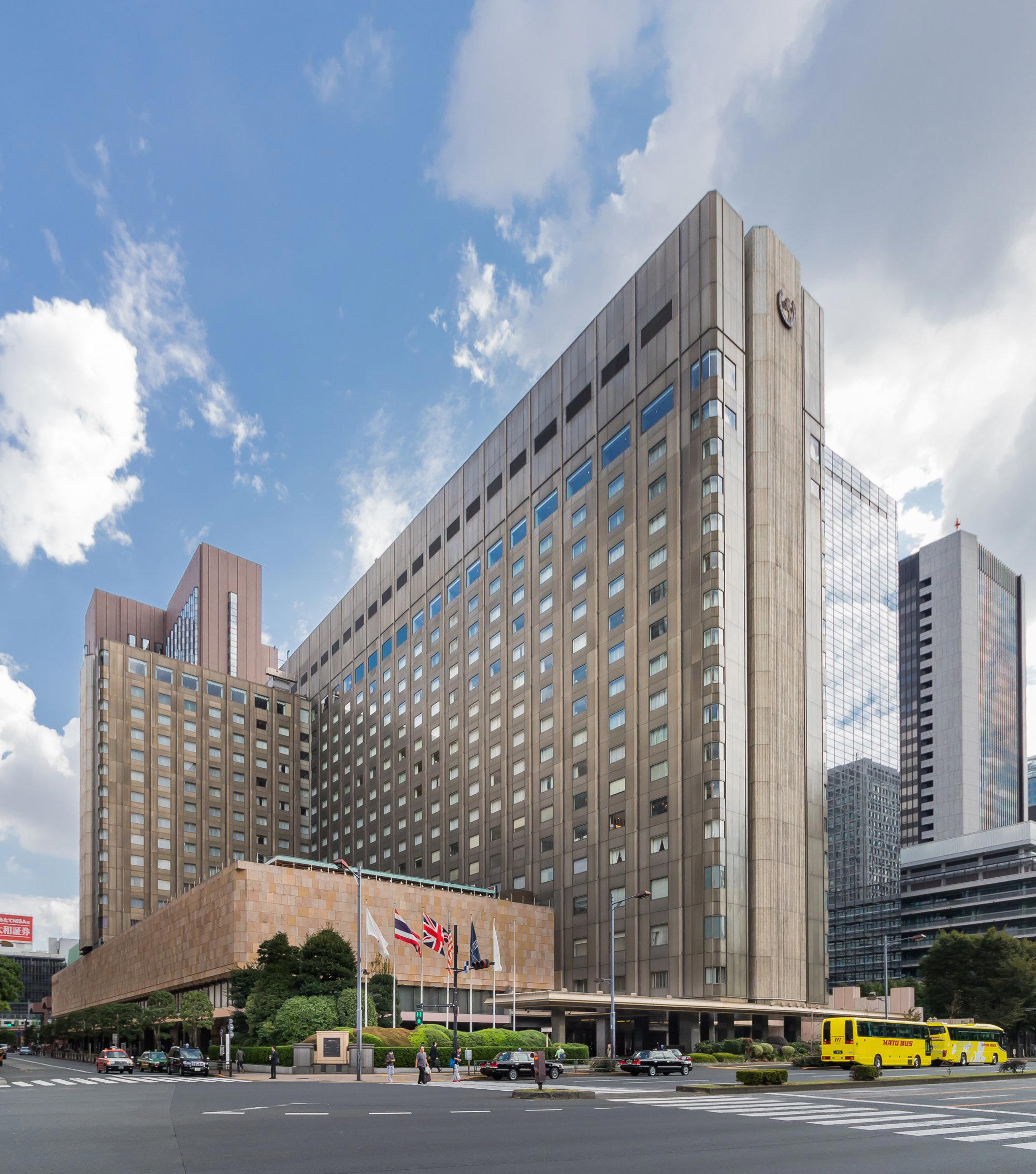
Our verdict
Florilège sits in Ginza's upper tier of French-influenced tasting counters, occupying a format where seasonal Japanese produce meets classical European technique. The address on 7-chome places it inside one of Tokyo's most concentrated blocks of destination dining, where the room size and booking depth signal positioning at least as much as the menu does.

Pearl is the En Primeur Club membership app, where members save venues, book tables and use the concierge.
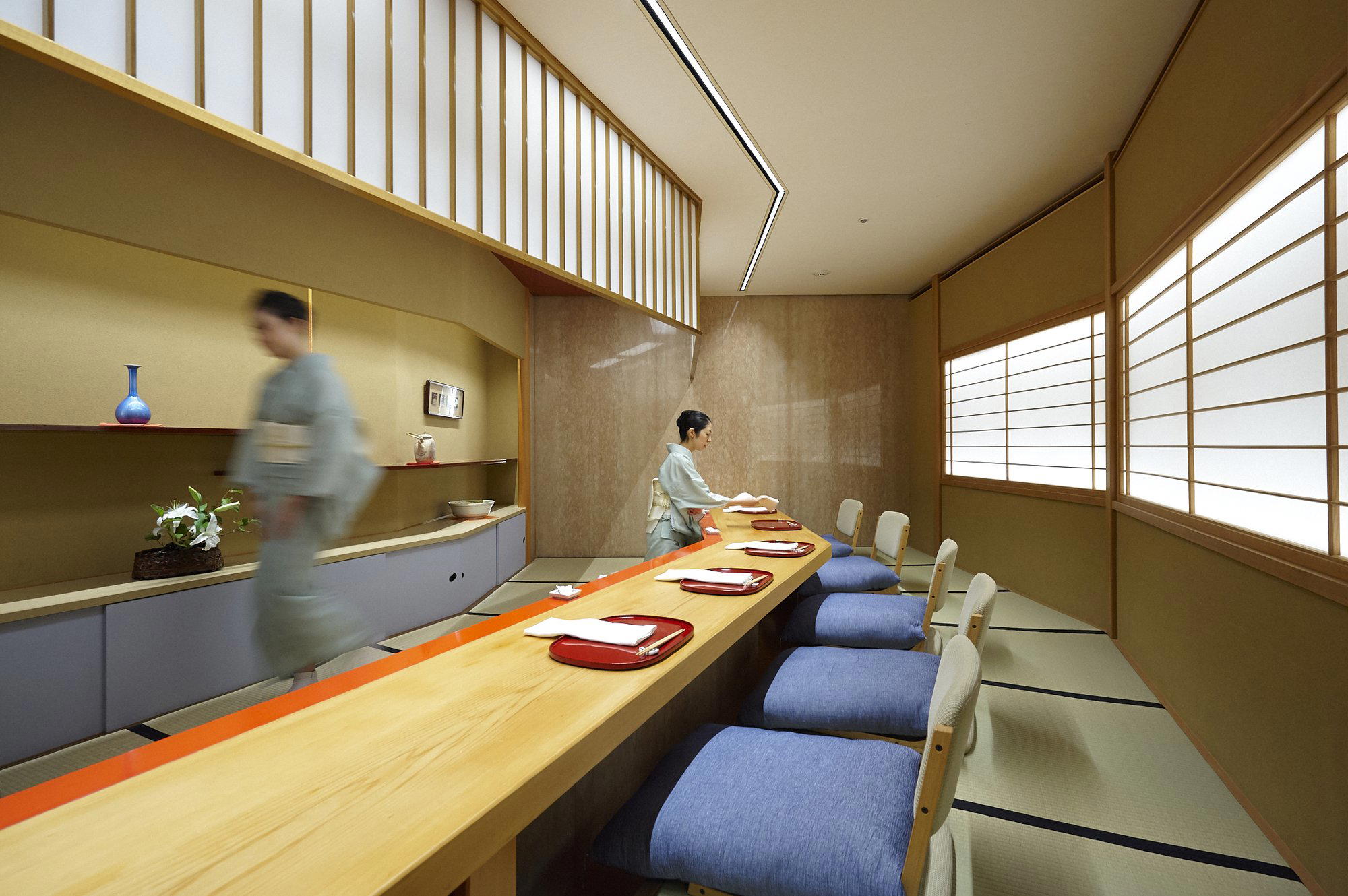
Ginza at Counter Level
Ginza's dining geography operates in concentric rings of intensity. The boulevard-facing addresses draw tourists and corporate expense accounts; the floors above and the side-street addresses one or two blocks off the main artery draw the city's serious eaters.
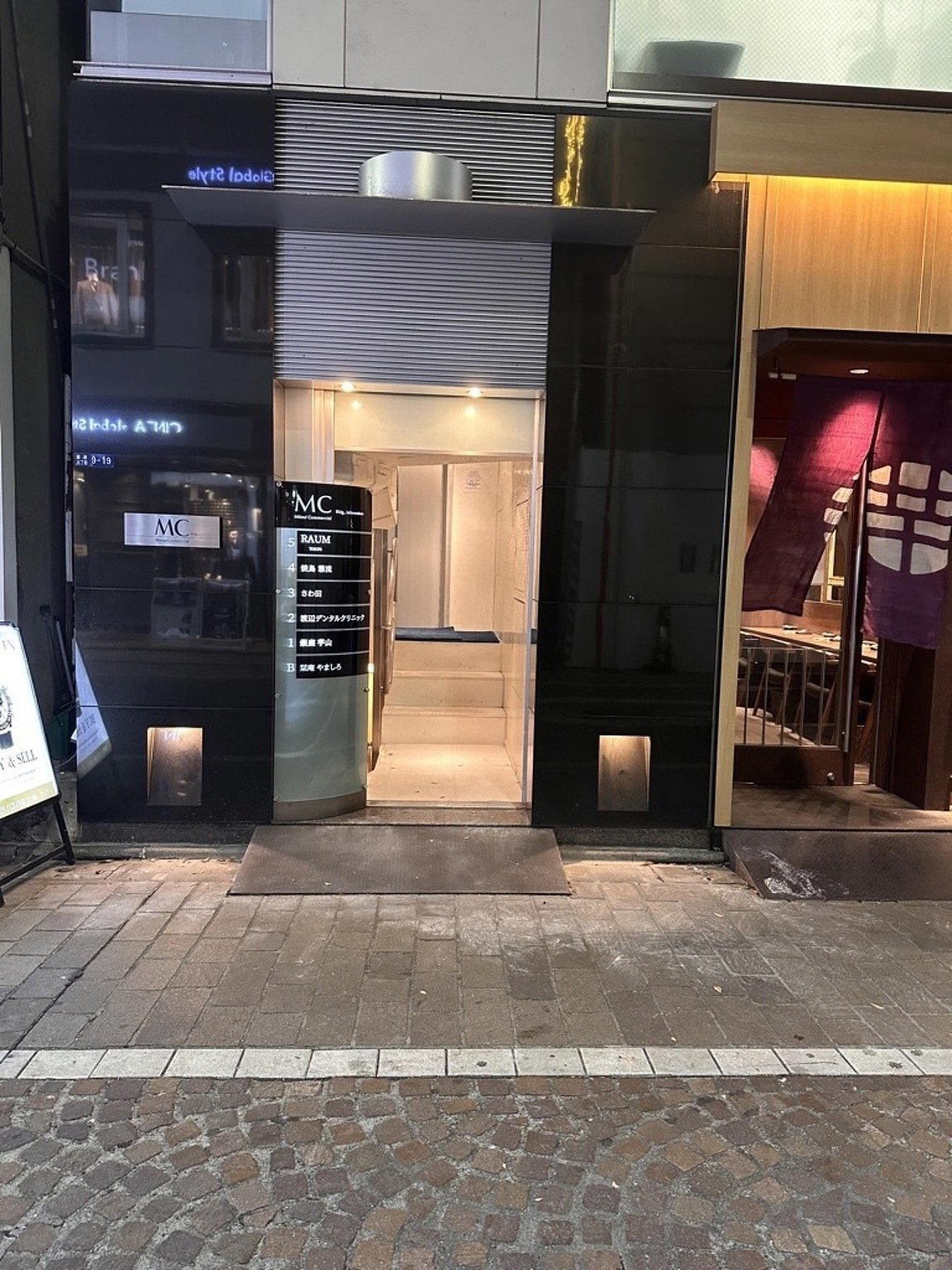
Walking this part of Ginza in the early evening, you pass the shuttered fronts of jewellers and the lit lobbies of galleries before the dining rooms begin to announce themselves, mostly through absence of signage rather than presence of it. The counters that occupy this tier of Tokyo dining tend toward deliberate restraint in their exterior presentation. The experience is designed to begin before you sit down, in the act of locating and entering.
The Tasting Counter Format in Tokyo
Tokyo has spent the last two decades refining the small-counter tasting format into something distinct from its European equivalent. Where a French tasting menu traditionally unfolds across a dining room, with tableside theatre as a central component, Tokyo's counter format compresses the drama into a narrower frame: the chef's hands, the ceramic, the interaction between what is placed in front of you and the person who placed it there. Harutaka does this with sushi; RyuGin does it with kaiseki. The French-influenced counter, where European technique meets Japanese product and Japanese service discipline, occupies a different but adjacent position in that conversation.
That format has expanded significantly in Ginza and Minami-Aoyama over the past decade. Chefs trained in France or with French-lineage kitchens have returned to Tokyo and opened rooms that resist easy categorisation: neither French in the classical sense nor Japanese in the kaiseki sense, but using the counter as a space where both traditions meet at the level of ingredient and execution. L'Effervescence and Sézanne are perhaps the two most discussed rooms in this bracket; Crony represents a younger, more experimental edge of the same tendency. 花茶 occupies this field, with an address that places it inside Ginza's premium dining concentration.
Sensory Architecture: What the Room Does
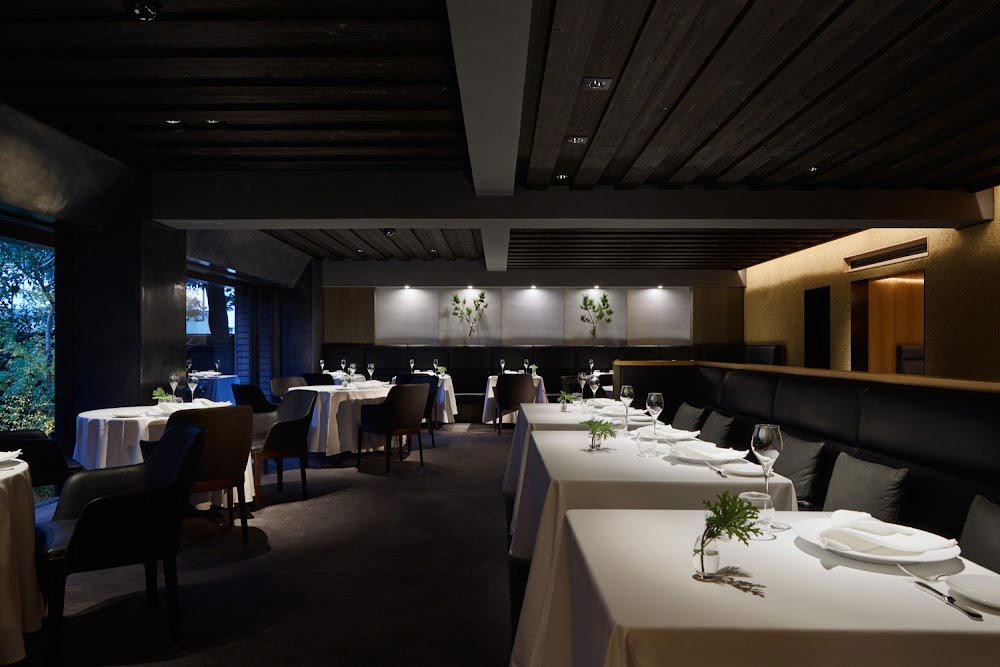
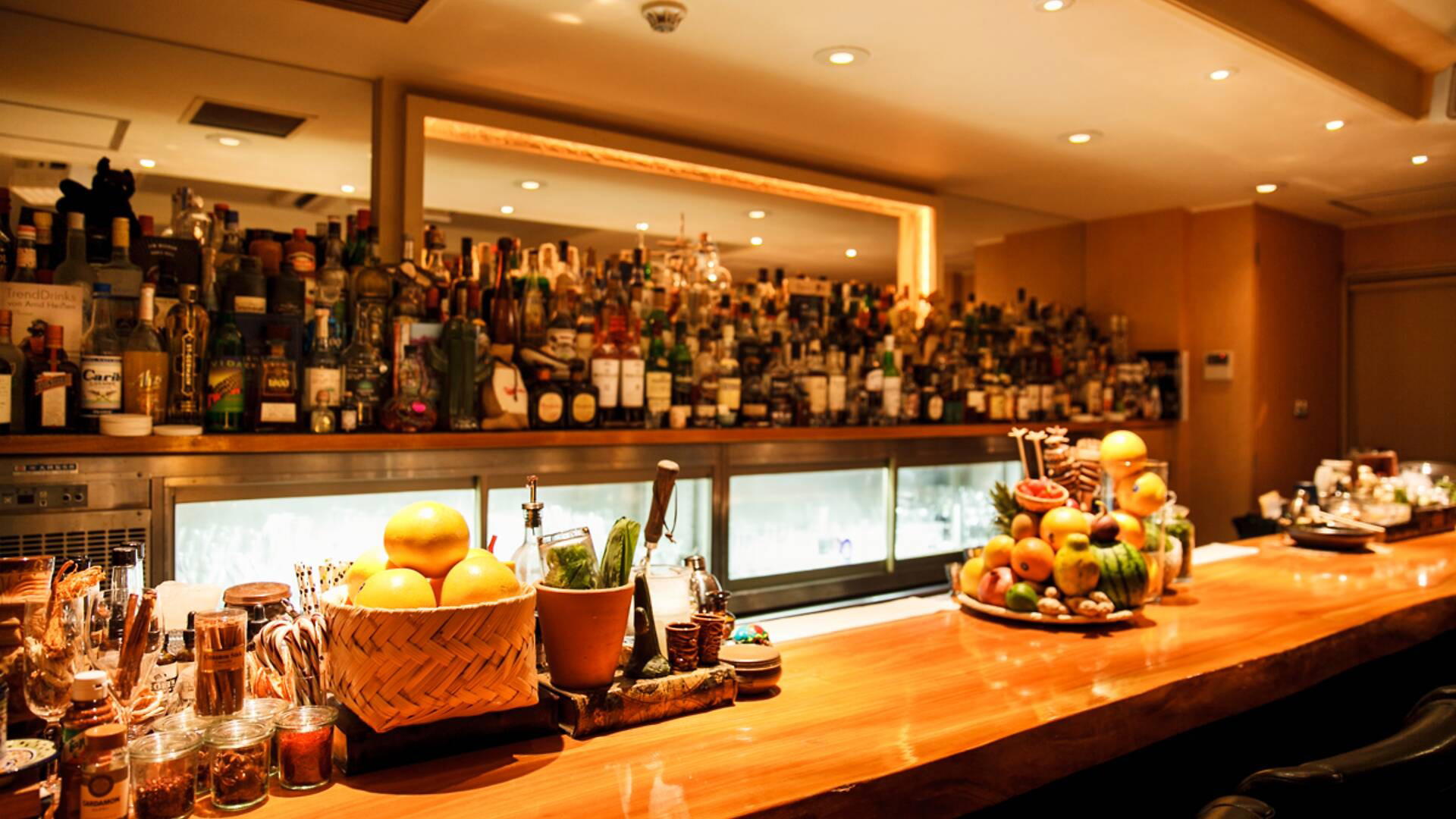
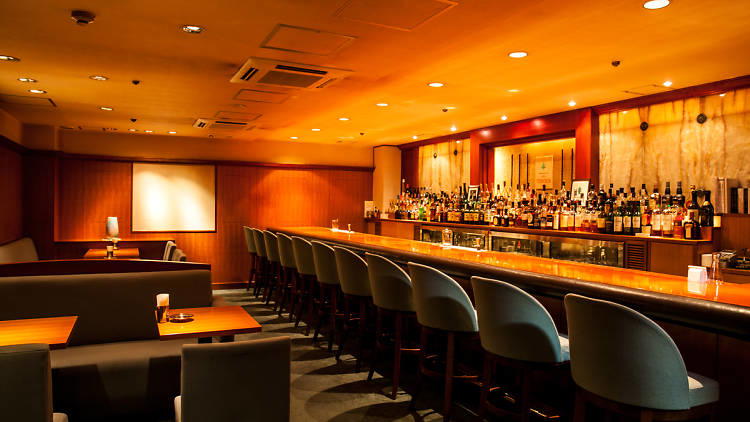
The editorial angle that matters most for a room like this is not the menu in the abstract but the physical and sensory logic of the space. Small-counter formats in this tier of Tokyo dining are engineered so that smell, sound, and sight arrive in a specific sequence. The first register is usually the absence of noise: rooms at this level in Ginza are quiet in a way that feels constructed, the acoustics managed so that the sound of preparation, the low heat of induction, the placement of lacquerware, carries without amplifying into intrusion.
The second register is olfactory, and it operates differently from a Western kitchen-open format. Japanese fine dining at this price point tends to keep aromatic signalling subtle: dashi, hinoki, the mineral edge of seasonal vegetables from specific growing regions, without the emphatic perfume of butter or heavy reduction that a European kitchen at the same tier might deploy. Whether that restraint characterises 花茶 specifically would require verification against current menu data, but it is the dominant sensory language of Ginza's counter format, and the address places this room inside that tradition.
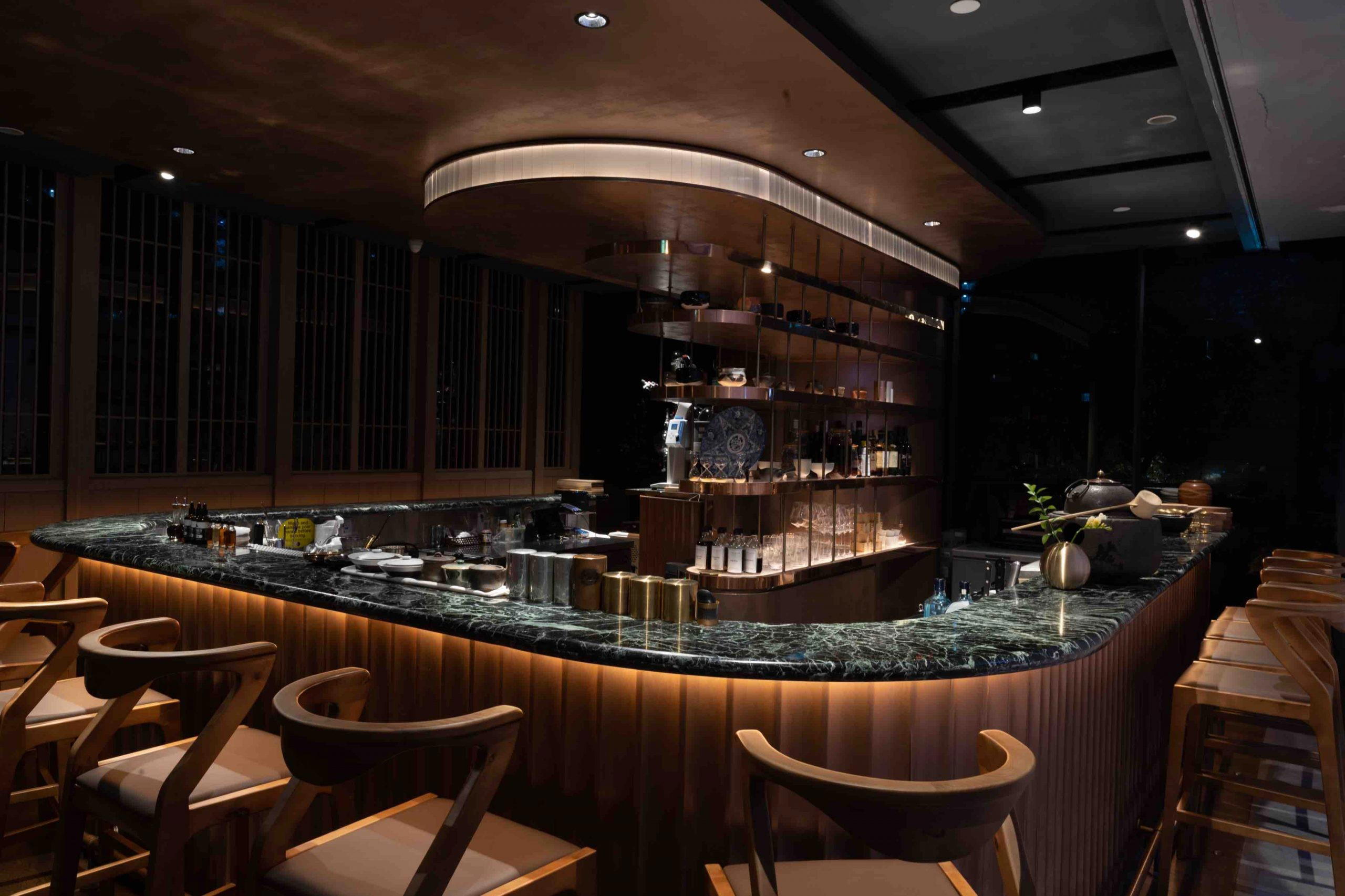
Third register is visual: the ceramics, the sequence of plateware, the way light interacts with each vessel. Counter dining in this district takes the material culture of the meal seriously as a component of the experience, not as decoration. Pieces commissioned from specific potters, seasonal foliage rather than formal floral arrangements, the grain of the hinoki counter itself, all of these are active parts of the room's sensory argument.
Positioning Within Tokyo's French-Japanese Tier
Comparison matters here. Tokyo's French-influenced tasting counter scene segments roughly into three price brackets. The entry-level bracket, below ¥15,000 per person, tends toward bistro formats with shorter menus. The mid-tier, running to approximately ¥25,000-¥30,000, covers most of the well-reviewed but non-Michelin-starred rooms in Minami-Aoyama and Nishi-Azabu. The upper bracket, where Ginza addresses like this one tend to sit, prices against the global tasting menu market: rooms in Paris, Copenhagen, and New York at equivalent recognition levels. Le Bernardin in New York and Atomix function as useful reference points for what the international version of this tier looks like.
Regionally within Japan, the closest comparable rooms in ambition and format are in Osaka and Kyoto rather than other Tokyo neighbourhoods. HAJIME in Osaka and Gion Sasaki in Kyoto both operate in adjacent territory, though with different culinary traditions. Beyond the major cities, rooms like akordu in Nara and Goh in Fukuoka show how this style of precise, produce-led tasting format has diffused across Japan's dining geography. Further afield, 一本木 荒川製 in Nanao, 夕仙山乃 in Sapporo, 湖辺庄屋 in Takashima, 庄羽屋 in Nishikawa Machi, Birdland in Sakai, and Bistro Ange in Toyohashi each represent regional inflections of Japan's deep culture of precise, hospitality-led dining.
For full coverage of where 花茶 sits within Tokyo's restaurant tiers, see our full Tokyo restaurants guide.
Know Before You Go
- Address: 7 Chome-16-7 Ginza, Chuo City, Tokyo 104-0061, Japan
- Neighbourhood: Ginza 7-chome, within walking distance of Ginza Station (Tokyo Metro Ginza, Marunouchi, and Hibiya lines)
- Format: Counter tasting menu (format typical for this tier and address; confirm specifics at time of booking)
- Booking: No confirmed booking method in; approach through the venue directly or via a concierge service for this tier of Ginza dining
- Price range: Not confirmed in; budget in line with upper-tier Ginza tasting counters as a planning assumption
- Language: English language support varies at counter formats in this district; concierge-assisted booking is advisable for non-Japanese speakers
Frequently asked questions
What's the address for è±è¶?
è±è¶ is located at 7 Chome-16-7 Ginza, Chuo City, Tokyo 104-0061, Japan, Tokyo.
What dish is 花茶 famous for?
The kitchen's focus sits at the intersection of French tasting-counter technique and Japanese ingredient discipline, a format that Ginza has become the city's most concentrated address for. The experience is structured around the tasting sequence itself as the defining statement.
How hard is it to get a table at è±è¶?
Reservations are recommended for è±è¶ in Tokyo. Confirm current policy via the venue's official channels.
What's the standout thing about è±è¶?
è±è¶ is best approached by focusing on the core concept and signature offerings.
A Pricing-First Comparison
Comparable venues nearby, for context on price, style, and recognition.
| Venue | Cuisine | Price | Awards | Notes |
|---|---|---|---|---|
| 花蝶This venue (the venue you are viewing) | Tonkatsu | Not listed | Not listed | Not listed |
| Japanese Soba Noodles Tsuta (Japanese Soba Noodles 蔦) | Michelin-Starred Japanese Soba Ramen | $20–30 | Tabelog 100 #32 | Yoyogi-Uehara, Michelin-Starred Shoyu Soba Ramen |
| Hirugao (ひるがお) | Shio Ramen Specialist | $10–20 | Not listed | Marunouchi, Shio Ramen Specialist |
| Yukinoshita Pancake | Japanese Thick Pancakes & Shaved Ice | $10–20 | Not listed | Ginza, Japanese Thick Pancakes & Shaved Ice |
| Takeno | Traditional Tsukiji seafood shokudo / izakaya | $30–50 | Tabelog 100 #94 | Chūō, Traditional Tsukiji seafood shokudo / izakaya |
| 焼肉あたご 虎ノ門 | Casual Counter Yakiniku | $30–50 | Not listed | Minato, Casual Counter Yakiniku |