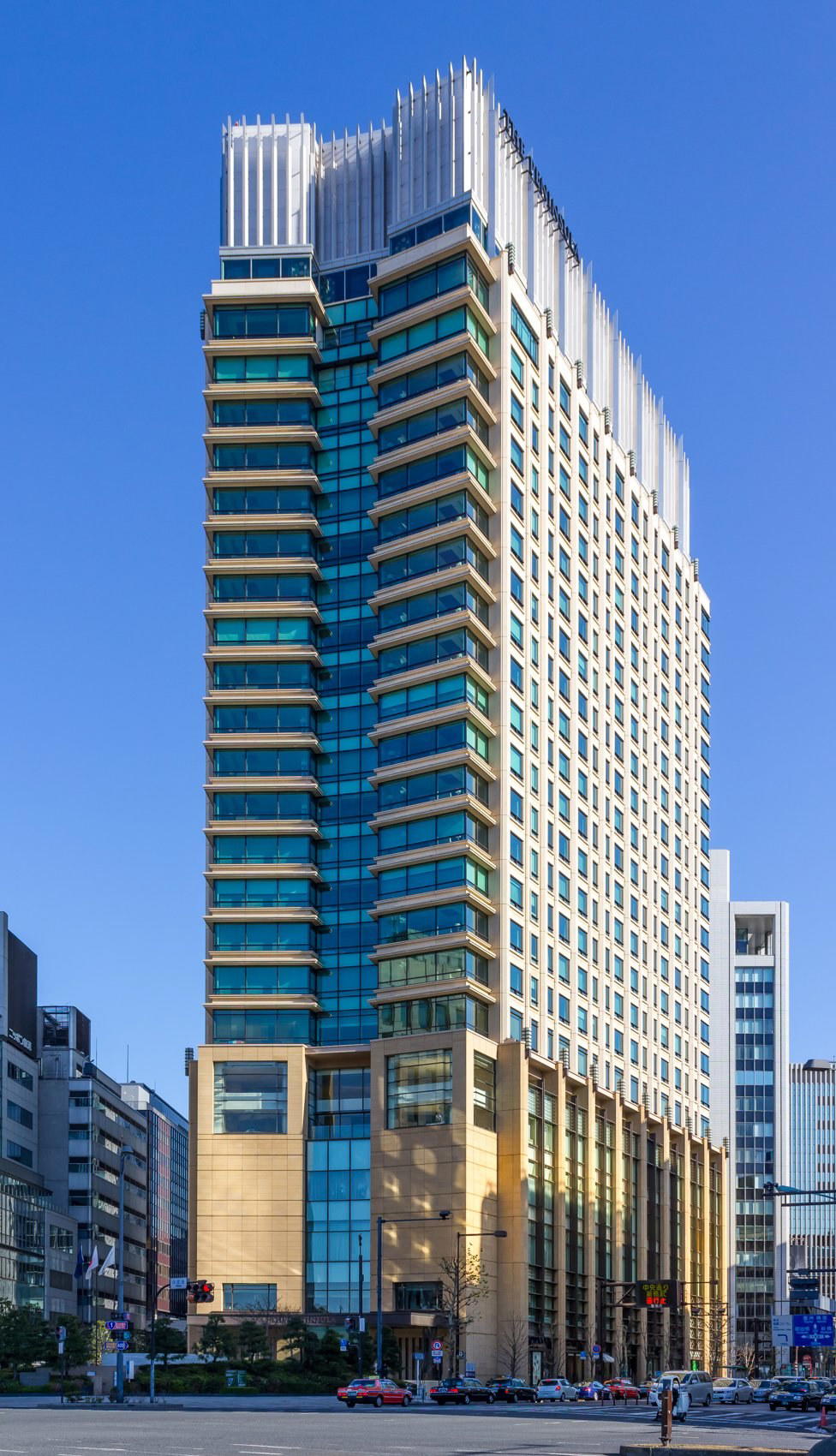
焼肉あたご 虎ノ門 sits on the second floor of a building in Toranomon, one of Tokyo's most purposeful business and dining corridors. The restaurant operates within a neighbourhood that has shifted significantly over the past decade as new high-rises and international tenants have reshaped its dining scene. For visitors working through Tokyo's yakiniku options, Toranomon's positioning between the historic and the contemporary makes it a practical and considered stopping point.
Pearl is the En Primeur Club membership app — saves, bookings, and concierge access live there. Same editors, same standards.
- Address
- Japan, 〒105-0001 Tokyo, Minato City, Toranomon, 1 Chome−11−12 2階
- Phone
- +81335806937
- Website
- atago29.com
- Directions
- Get directions
 Saves & bookings on Pearl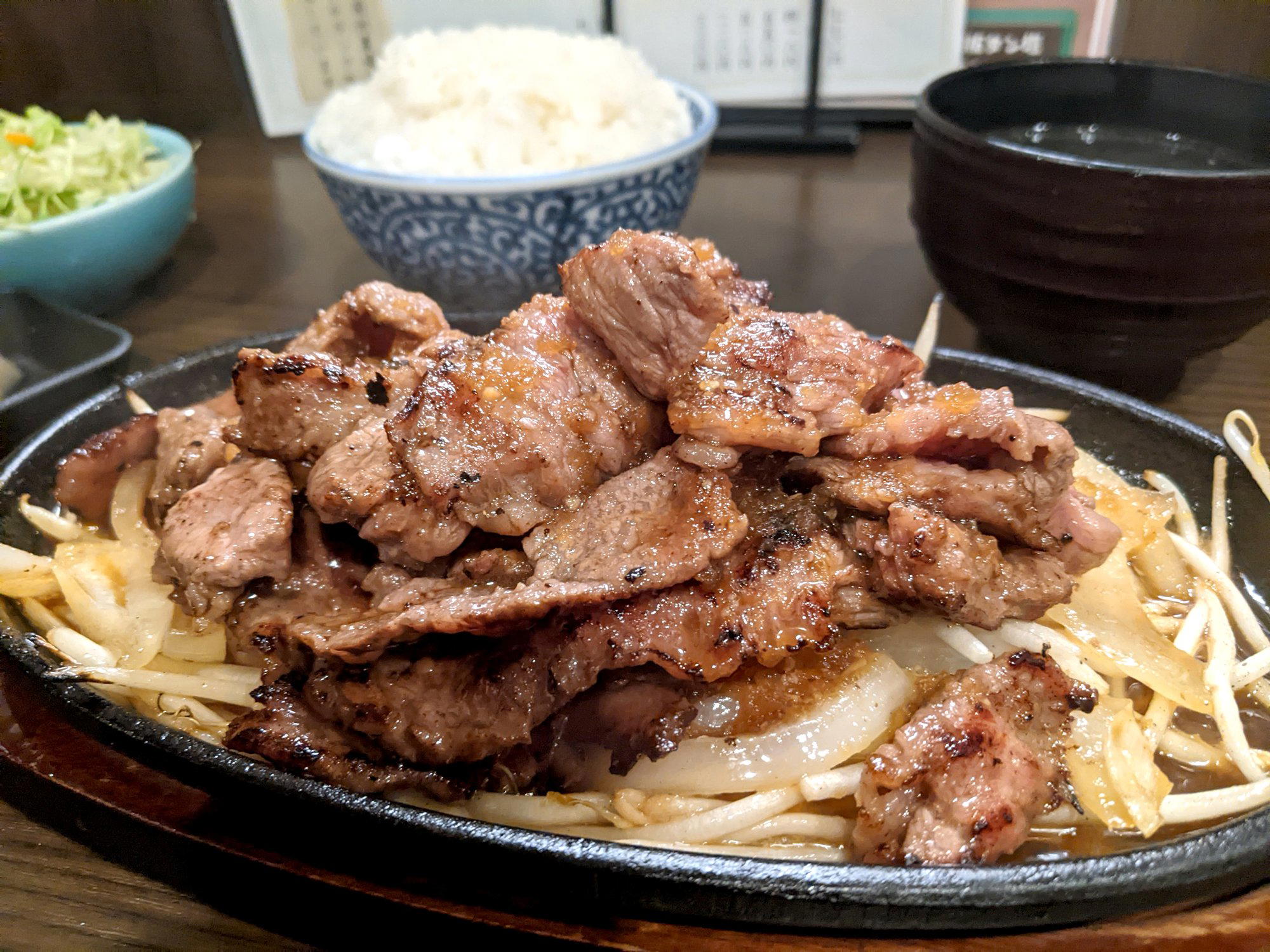
Toranomon's Dining Shift and Where Yakiniku Fits
焼肉あたご 虎ノ門 is a casual counter yakiniku restaurant in Tokyo's Toranomon district, priced at about $30 per person. The arrival of Toranomon Hills in 2014, followed by subsequent towers and the metro station that opened in 2020, pulled the neighbourhood from a quiet government-adjacent corridor into a zone that now draws international business travellers, design-led hotel guests, and a dining crowd that skews informed and time-efficient. That shift matters when thinking about how yakiniku restaurants occupy the area: they're not filling a gap left by ramen counters or izakayas, they're competing directly with expense-account French, contemporary kaiseki, and high-end sushi for a clientele with a full evening's worth of choices. L'Effervescence and Sézanne represent the French end of that competitive set at the ¥¥¥¥ tier, while Harutaka anchors the premium sushi bracket. Yakiniku sits differently, it is inherently participatory, table-driven, and less formal than omakase formats, which gives it a distinct role even within a high-concentration fine-dining neighbourhood.
The Yakiniku Format in Tokyo's Current Context
Tokyo's yakiniku scene has fragmented into distinct tiers over the past fifteen years. At the lower end, chain-operated grill restaurants with tableside ventilation systems and set menus dominate neighbourhood high streets. At the upper end, a smaller cohort of specialist yakiniku restaurants has moved toward single-breed beef sourcing, curated cuts presented course-style, and service that more closely mirrors a tasting menu than a traditional grill-it-yourself session. Between those poles sits a substantial middle category, restaurants with serious product ambitions, neighbourhood regulars, and a format that is sociable and accessible without reaching the ceremony of the top tier. 焼肉あたご 虎ノ門 occupies this geography of the market in a district where the customer base to sustain quality without theatrics is reliably present. For context on how Tokyo's wider dining range compares, our full Tokyo restaurants guide maps the city's key neighbourhoods and format tiers.
Planning Your Visit: What the Booking Experience Looks Like
The editorial angle most useful to any visitor considering 焼肉あたご 虎ノ門 is logistical. The restaurant occupies a second-floor space at Japan, 〒105-0001 Tokyo, Minato City, Toranomon, 1 Chome−11−12 2階. Neither is more than a few minutes on foot, which matters for anyone building an evening around the neighbourhood rather than travelling specifically for the restaurant.
Reservations are recommended, especially for weekday dinners.
How Toranomon Fits Into a Wider Tokyo Dining Trip
Visitors to Toranomon frequently combine the neighbourhood with Roppongi, Azabu-Juban, and Akasaka, a corridor of districts that forms Tokyo's most concentrated zone for international-facing dining. Crony operates at the innovative French end of this circuit, while the kaiseki tradition has its own anchoring points. Yakiniku complements rather than competes with omakase or kaiseki evenings: the format works well as a second night in a district, after a longer tasting-menu experience the evening before, or as a standalone meal when the group dynamic calls for something participatory rather than theatrical.
Japan's wider dining geography offers useful parallels for calibrating expectations. HAJIME in Osaka and Goh in Fukuoka represent what's possible at the elite end of Japanese dining in secondary cities, while regional restaurants like 一本杉 川嶋制 in Nanao and 湖餐廳 in Takashima illustrate how quality has distributed beyond urban centres. Within Tokyo itself, the contrast between the capital's high-pressure reservation culture and the relative accessibility of neighbourhood-anchored restaurants in business districts like Toranomon is one worth understanding before you plan. akordu in Nara offers a further point of comparison for travellers interested in how serious cooking operates outside the capital's spotlight.
Price and Positioning
Comparable venues nearby, for context on price, style, and recognition.
| Venue | Cuisine | Price | Notes |
|---|---|---|---|
| 焼肉あたご 虎ノ門This venue — the venue you are viewing | Minato, Casual Counter Yakiniku | $$ | Not listed |
| Hana Goori Kakigori | Not listed | $$ | Roppongi, Japanese Kakigori (Shaved Ice) |
| Wakana Sushi | Not listed | $$ | Higashi Nagasaki, Traditional Japanese Sushi |
| Kooriya Peace | Kichijoji, Japanese Kakigori Shaved Ice | $$ | Not listed |
| Yamacho (黒うどん 山長) | Not listed | $$ | Harajuku, Black Udon (Kuro Udon) |
| Tachibana | Chūō, Traditional Japanese Wagashi Shop | $$ | Not listed |




At a Glance
- Cozy
- Intimate
- Business Dinner
- After Work
- Casual Hangout
- Open Kitchen
- Sake Program
Current opening hours
- Monday
- 5:30–11 PM
- Tuesday
- 5:30–11 PM
- Wednesday
- 5:30–11 PM
- Thursday
- 5:30–11 PM
- Friday
- 5:30–11 PM
- Saturday
- Closed
- Sunday
- Closed
Hours can change for holidays and private events. Last verified .
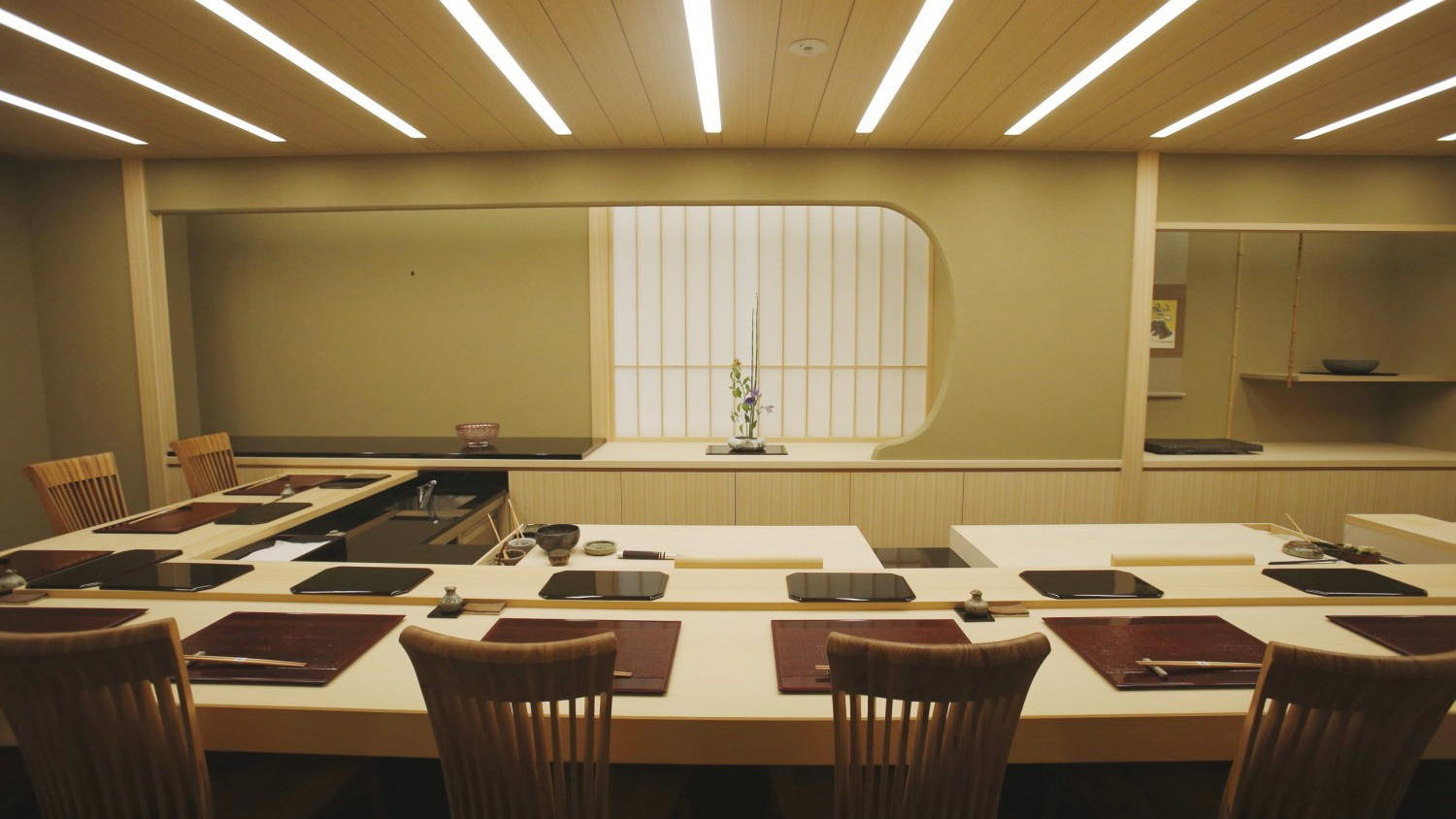
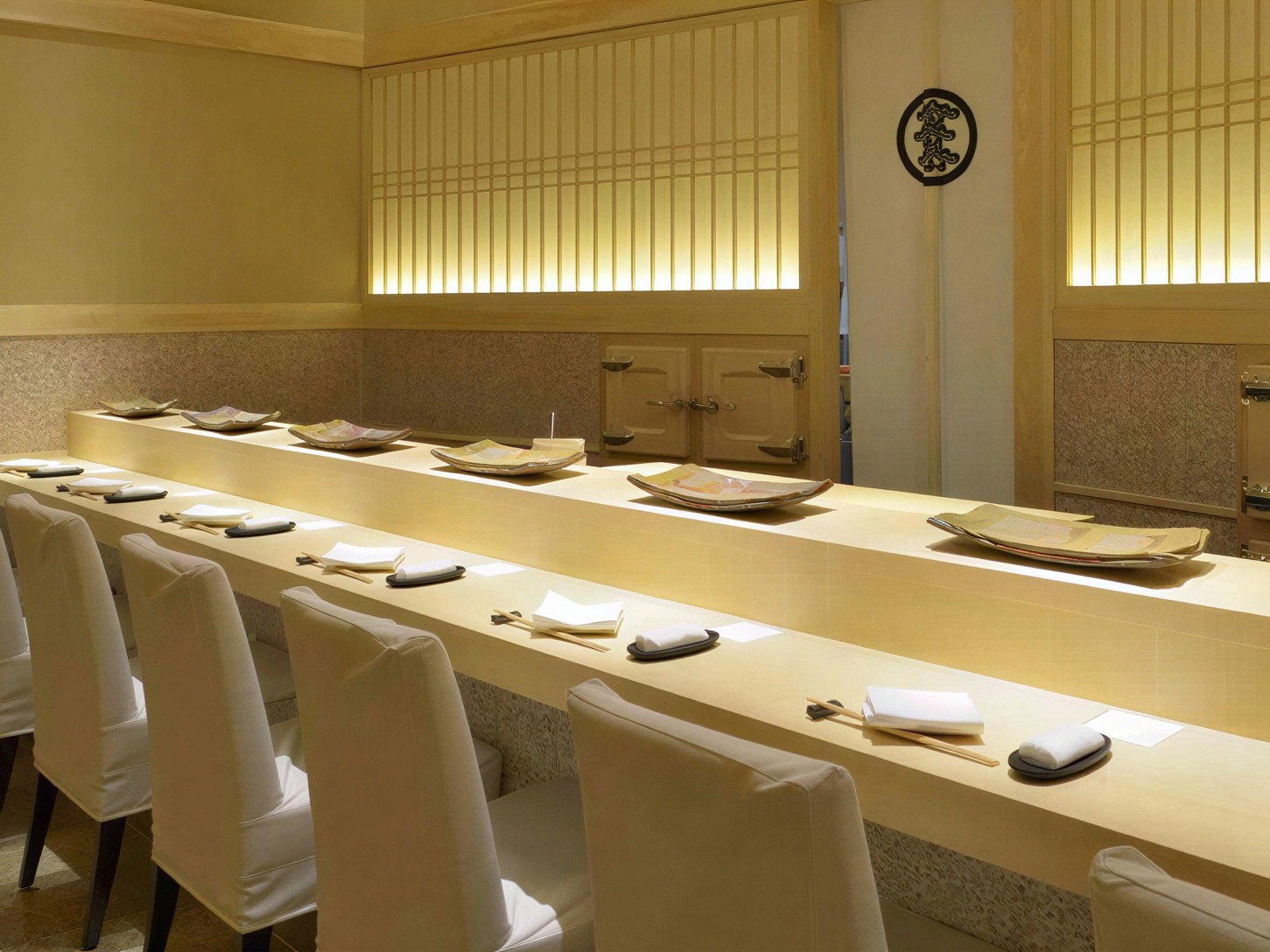
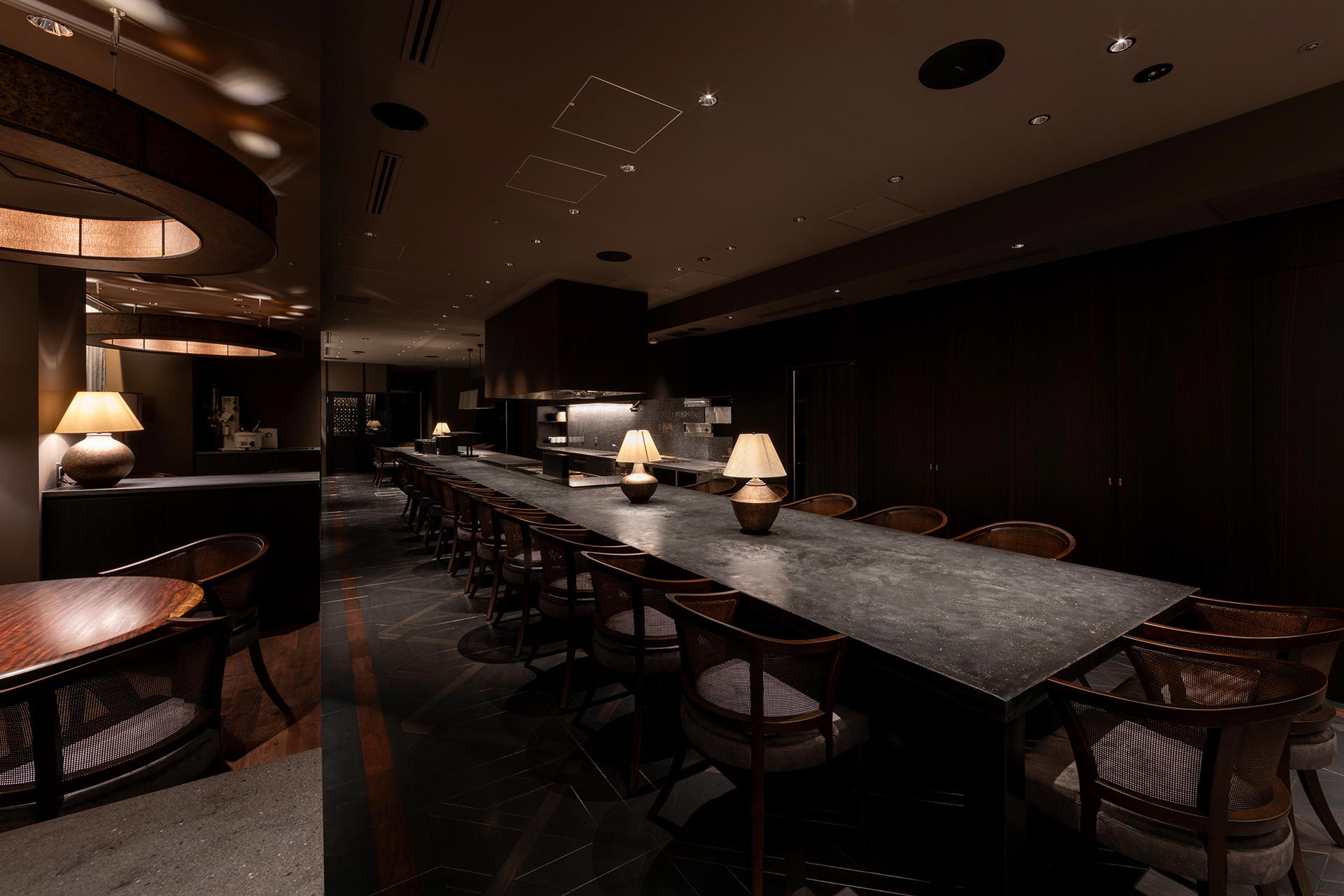
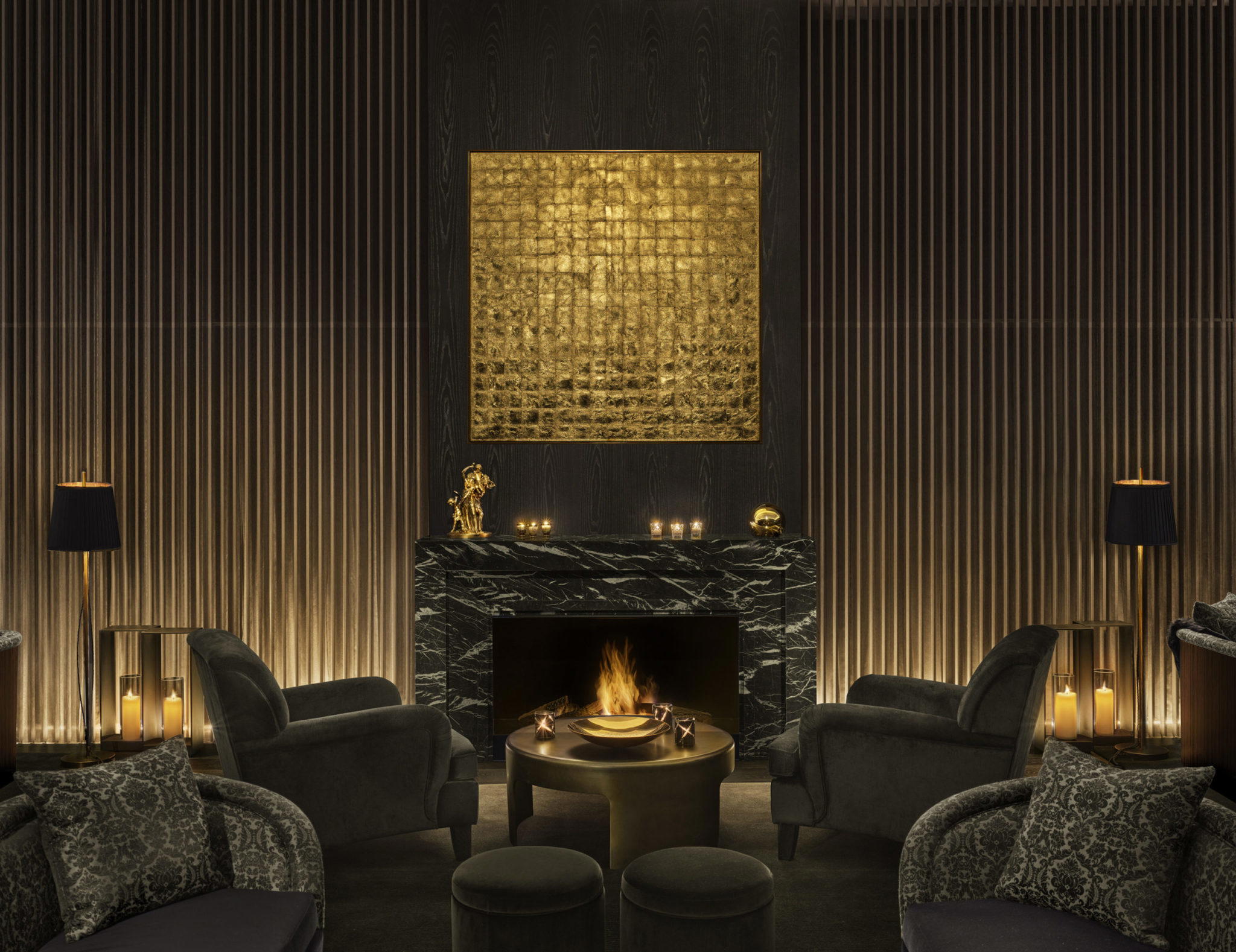
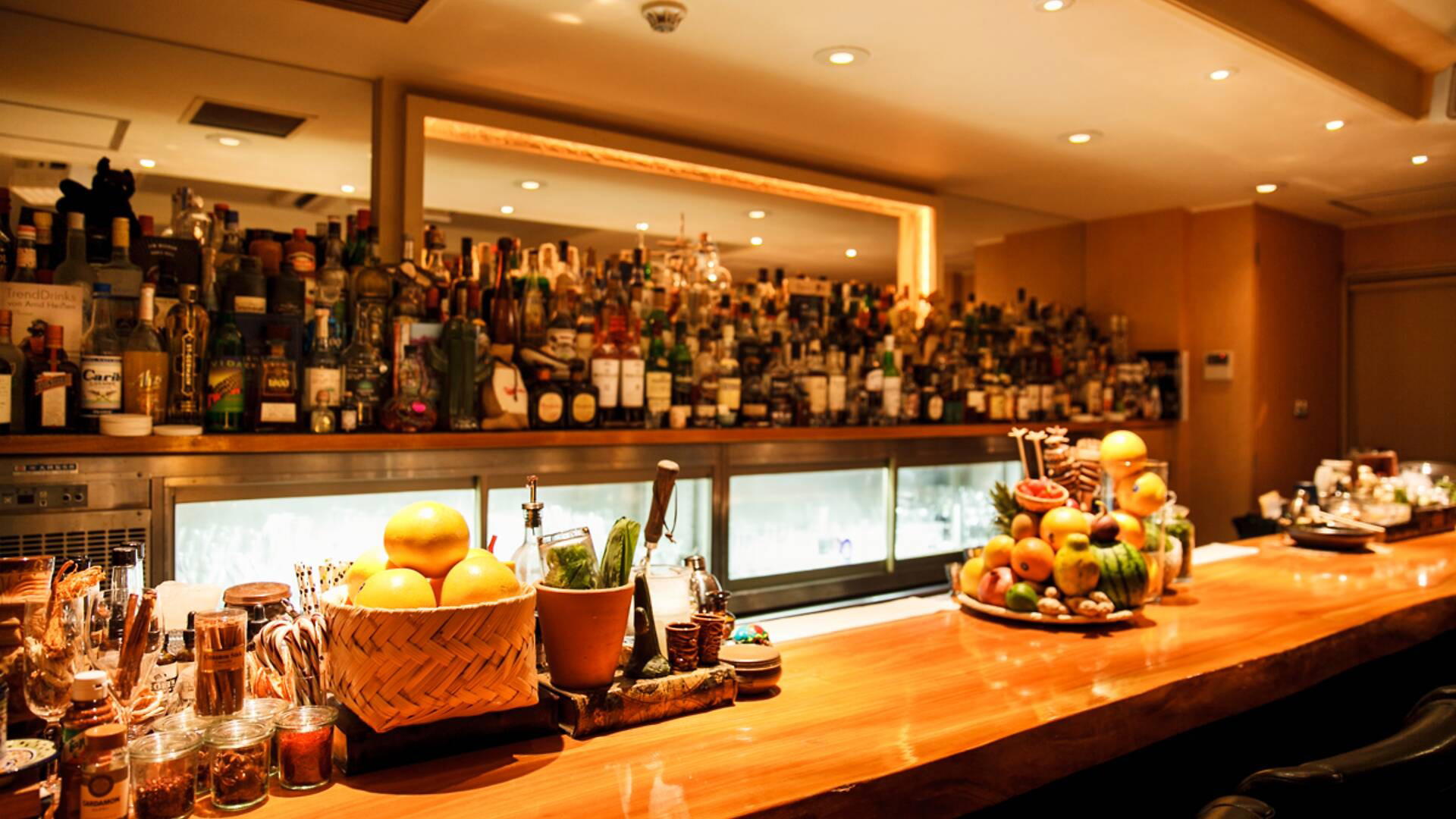
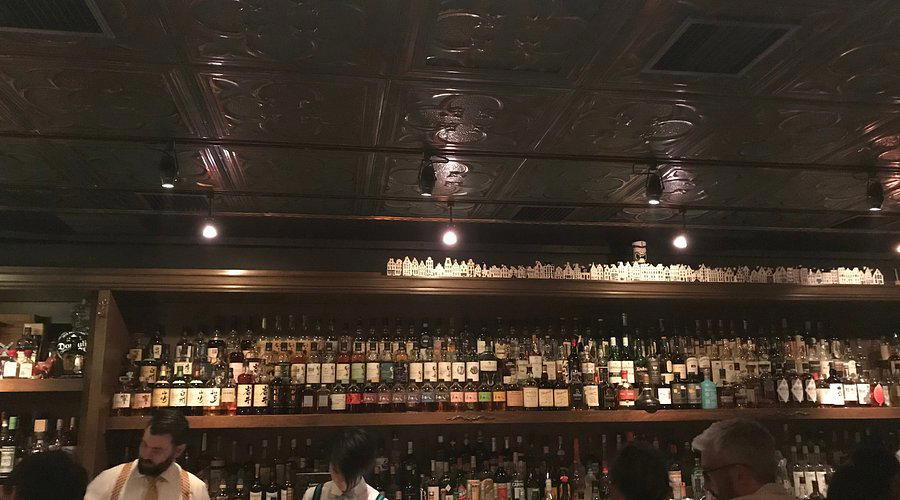
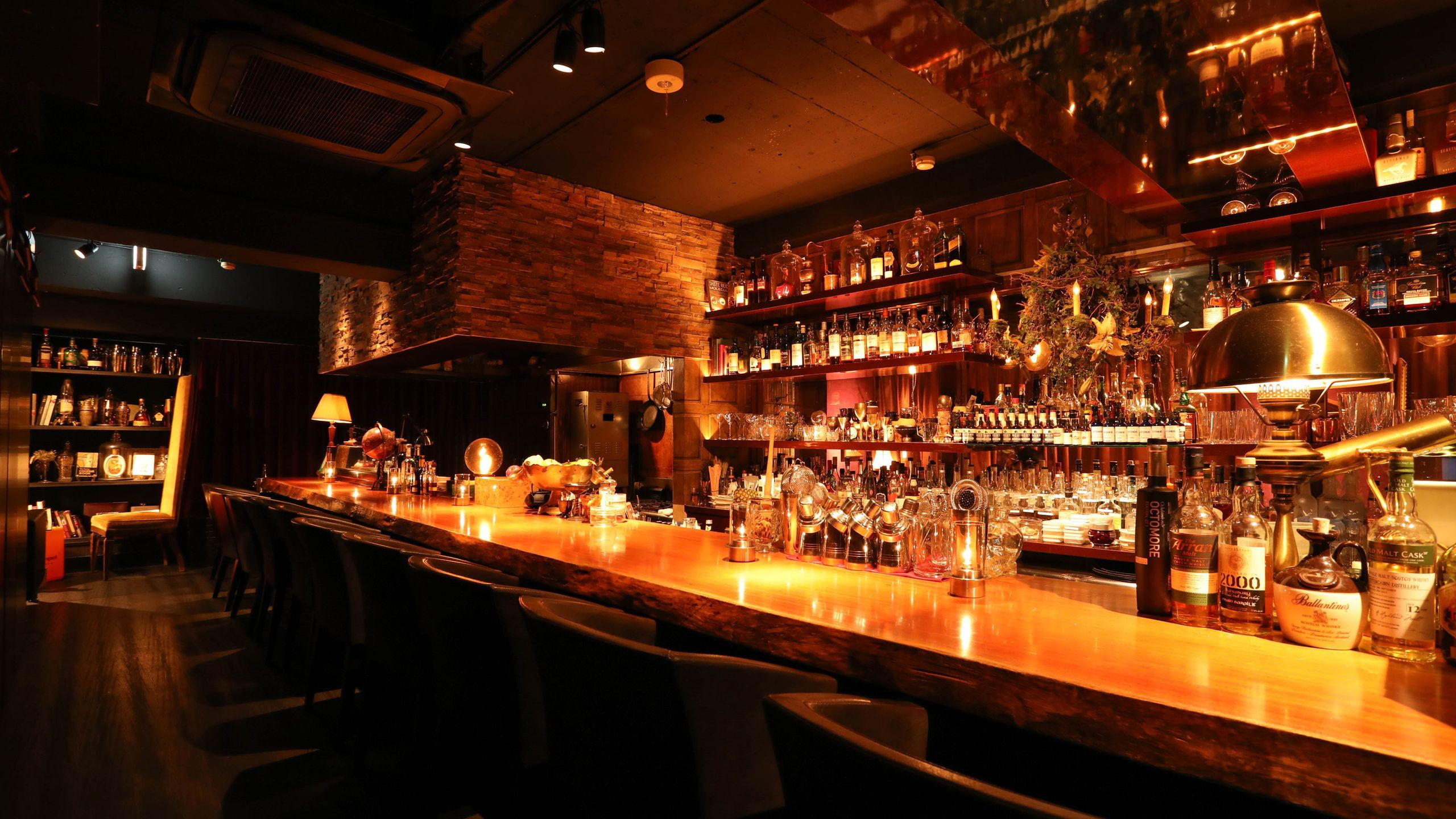
Cozy counter seating with charcoal grill aromas creating an inviting, appetite-stimulating atmosphere.