Our verdict
Yukinoshita Pancake sits within Tokyo's specialist café culture, where a single format executed with precision carries more weight than a broad menu. The restaurant's focus on souffle-style pancakes places it in a category that has moved well beyond novelty in Japan, drawing visitors who treat the ritual of waiting, ordering, and eating as part of the experience itself.

Pearl is the En Primeur Club membership app, where members save venues, book tables and use the concierge.
The menu
What to order
- Mandarin Honey Pancake
- Matcha Pancake
- Mont Blanc Pancake
- Kakigori (Shaved Ice)
Where the Pancake Became a Ritual
Tokyo's café culture has a long tradition of turning simple formats into studied disciplines. The city that gave the world the kissaten counter and the single-origin pour-over has applied the same logic to the souffle pancake: a dish that, in its premium iteration, is timed to the minute, served immediately, and eaten in a specific sequence. Yukinoshita Pancake operates within this tradition, in a city where the gap between a casual café order and a considered dining experience can be narrower than it appears from the outside.
The souffle pancake category in Japan traces its mainstream ascent through the 2010s, when Osaka-origin chains and Tokyo independents alike began treating the format with a seriousness more common in patisserie. What distinguished the serious players from the trend-followers was consistency of texture across service, the precision of batter preparation, and the discipline of not rushing a dish that requires resting time to hold its structure. Yukinoshita entered that conversation as part of Tokyo's specialist tier, where format discipline and the experience of the visit matter as much as the product itself.
The Ritual of Waiting and Eating
In cities where dining culture has developed particular conventions around patience, the queue itself becomes part of the contract between venue and guest. Tokyo's premium pancake counters operate on this basis: the wait is acknowledged, the timing of service is communicated, and the guest is expected to engage with the product promptly once it arrives. A souffle pancake that deflates before the first bite represents a failure of the ritual as much as a failure of cooking.
This pacing is not incidental. The custom of eating a souffle pancake in Japan carries an implicit etiquette: you do not leave the table mid-meal, you do not delay the first cut, and you order with the understanding that the kitchen will begin your pancakes only when your seat is confirmed. That sequencing discipline is what separates this format from a casual brunch order and aligns it more closely with the timed service logic of an omakase counter or a kaiseki progression. Places like RyuGin and Gion Sasaki in Kyoto apply similar sequencing principles at the high end of Japanese dining; the souffle pancake specialist applies the same philosophy at a more accessible price point.
Tokyo's Specialist Café Tier
Premium café formats in Tokyo have split along two lines: the high-volume Instagram destination that moves guests quickly, and the lower-capacity specialist that builds an experience around one thing done with care. Yukinoshita Pancake belongs to the latter category. The specialist tier in Tokyo's café circuit is not always the most visible from the outside, but it tends to sustain a more consistent following than trend-driven formats because the guest base is selecting for quality of experience rather than novelty.
That positioning puts Yukinoshita in a different competitive conversation than Tokyo's ¥¥¥¥ restaurant tier. Venues like Harutaka, L'Effervescence, Sézanne, and Crony operate in a formal fine dining register with multiple courses, extended bookings windows, and significant per-head spend. Yukinoshita's format is a different proposition entirely: accessible price point, single-focus menu, high turnover of interest, and a dining ritual compressed into one or two dishes rather than twelve. The comparison matters because it shows how Tokyo distributes dining seriousness across price tiers: you can encounter the same discipline and intentionality in a pancake café that you find in a three-Michelin-star counter, just applied to a narrower brief.
Japan's broader dining geography supports this model. HAJIME in Osaka and akordu in Nara demonstrate how single-minded culinary focus plays across the country, from formal tasting menus to regional ingredient specialists. Even at the café level, the same discipline appears. The Goh in Fukuoka and regional specialists like 三本木 高田製 in Nanao and 夕利仙之 in Sapporo reflect how Japan applies focused expertise to formats at every level of the dining spectrum.
The Format in Context
The souffle pancake belongs to a family of Japanese café formats that have attracted international attention without always being well understood abroad. The dish relies on a meringue-based batter that is cooked slowly, often in a ring mold, and served at a height that collapses if mishandled. The textural target is closer to a steamed custard than a flat griddle pancake: soft, airy, with a slight resistance at the outer edge and a liquid centre in some preparations. This is technically demanding in a way that the finished plate does not immediately communicate to a first-time guest.
Understanding what makes a souffle pancake succeed makes the ritual more legible. The wait time between ordering and service is not a kitchen inefficiency; it is the time required for the batter to set correctly. Venues that rush this step produce a pancake that collapses before it reaches the table. The specialist tier of Tokyo's pancake scene has built its reputation precisely by refusing to compress that timeline, even when queues are long and table turnover creates pressure.
For visitors approaching Yukinoshita for the first time, the practical advice follows from the format itself: arrive with time to wait, commit to eating promptly once the dish arrives, and treat the experience as a contained ritual rather than a quick stop. The same advice applies whether you are visiting a souffle pancake specialist in Tokyo or working through the kaiseki progression at a formal counter. Japan's dining culture rewards guests who arrive with patience and leave their phones down during the meal.
Planning Your Visit
Tokyo's specialist café circuit tends to peak mid-morning on weekends, when queues at popular venues can extend well past an hour. Weekday visits, particularly in the late morning window, offer a shorter wait and a more relaxed pace that suits the format better. Yukinoshita Pancake's position within this category means that some degree of advance planning pays off: checking current hours and availability before visiting is standard practice for the Tokyo café tier, where hours and days of service can shift seasonally or in response to staffing.
For visitors building a broader Tokyo itinerary, Yukinoshita fits naturally into a morning or mid-morning slot before moving to a lunch reservation at a higher-tier venue. The full range of Tokyo's dining options is covered in our full Tokyo restaurants guide, which maps the city's formats from counter omakase to specialist cafés. If you are travelling beyond Tokyo, the editorial logic of the specialist format extends across Japan: 湖畔庵 in Takashima, 庭羽屋 in Nishikawa Machi, Birdland in Sakai, and Bistro Ange in Toyohashi all represent the kind of format-focused discipline that makes regional Japan dining worth the detour.
For international comparison, the closest analogues are not in Paris or London but in New York, where Atomix and Le Bernardin demonstrate how specialist precision at different price tiers builds sustained credibility. The principle is consistent across cities: narrow focus, executed with discipline, outlasts broad menus and trend-chasing every time.
Frequently asked questions
What dish is Yukinoshita Pancake famous for?
How far ahead should I plan for Yukinoshita Pancake?
What is Yukinoshita Pancake known for?
What if I have allergies at Yukinoshita Pancake?
Is Yukinoshita Pancake appropriate for someone who has never eaten a Japanese souffle pancake before?
| Venue | Cuisine | Price | Awards | Notes |
|---|---|---|---|---|
| Yukinoshita PancakeThis venue (the venue you are viewing) | Japanese Thick Pancakes & Shaved Ice | $10–20 | Not listed | Not listed |
| Harutaka | Edo-Style Omakase Sushi | $200–300 | 3 Michelin Stars · World's 50 Best #76 | Sushi |
| L'Effervescence | Modern French with Japanese Influences | $200–300 | 3 Michelin Stars · World's 50 Best #69 | French |
| RyuGin | Modern Kaiseki | $500+ | 3 Michelin Stars · World's 50 Best #41 | Kaiseki, Japanese |
| Crony | Modern French with Japanese Influences | $150–200 | 2 Michelin Stars · World's 50 Best #34 | Innovative, French |
| Florilège | Modern French-Japanese Plant-Based Fine Dining | $50–100 | 2 Michelin Stars · World's 50 Best #31 | French |
Continue exploring
More in Tokyo
Restaurants in Tokyo
All restaurants in Tokyo →






Details
- Cozy
- Modern
- Trendy
- Casual Hangout
- Brunch
- Solo
- Standalone
- Design Destination
- Farm To Table
- Local Sourcing
- A La Carte
- Coffee
- Vegetarian Friendly
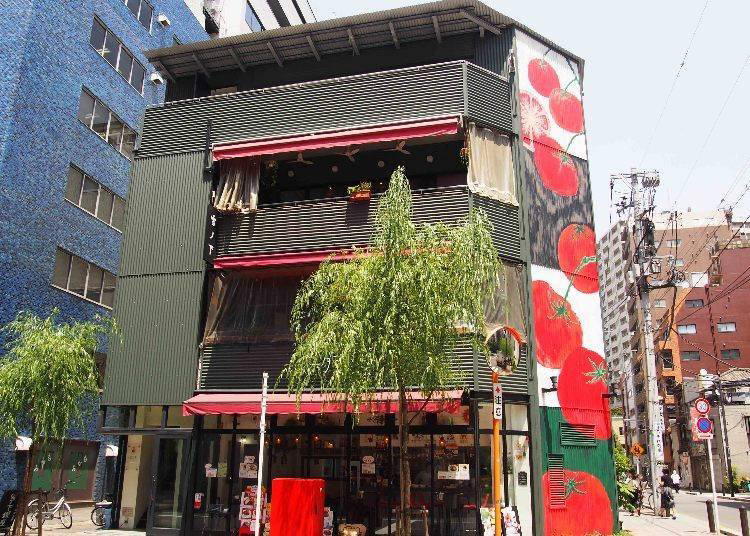
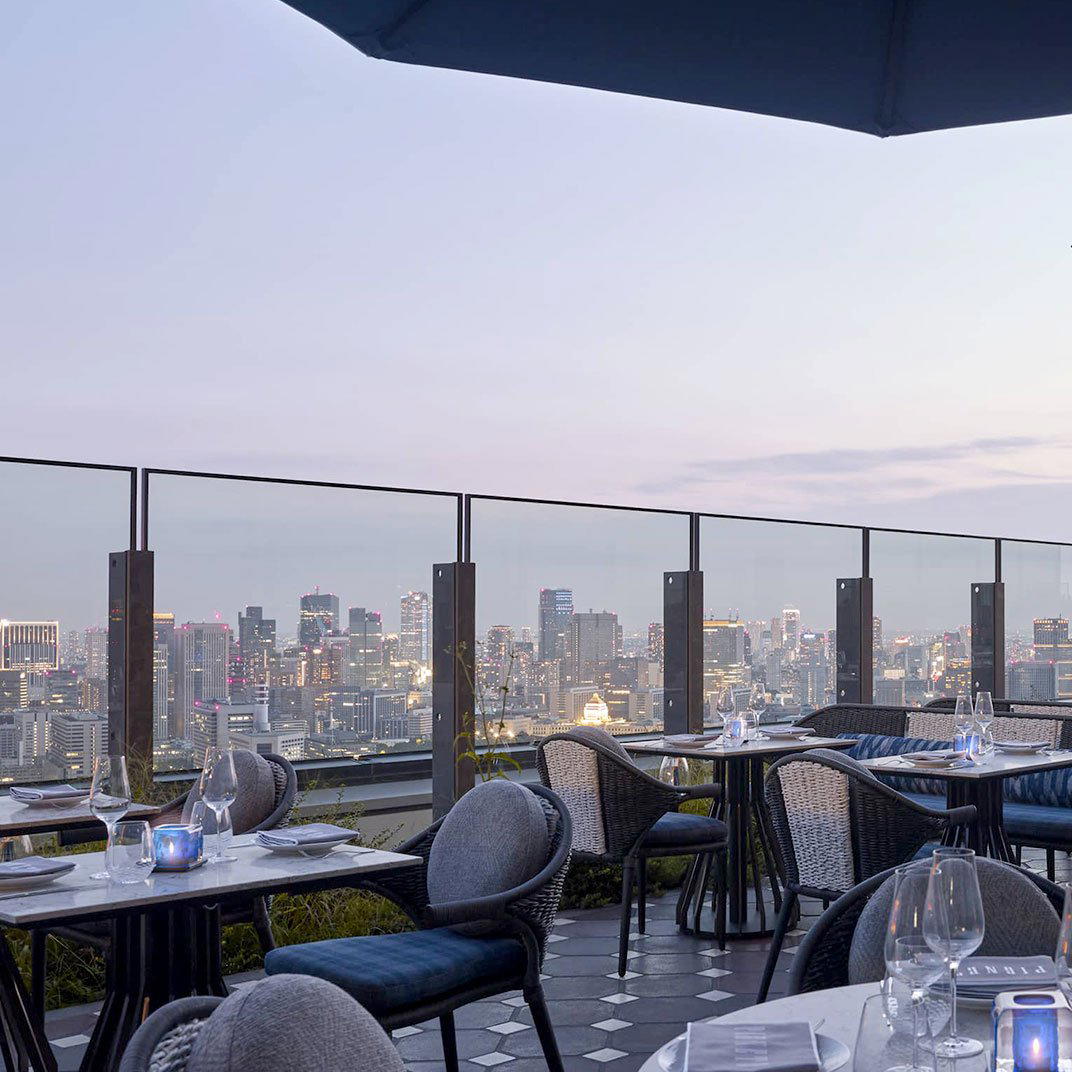
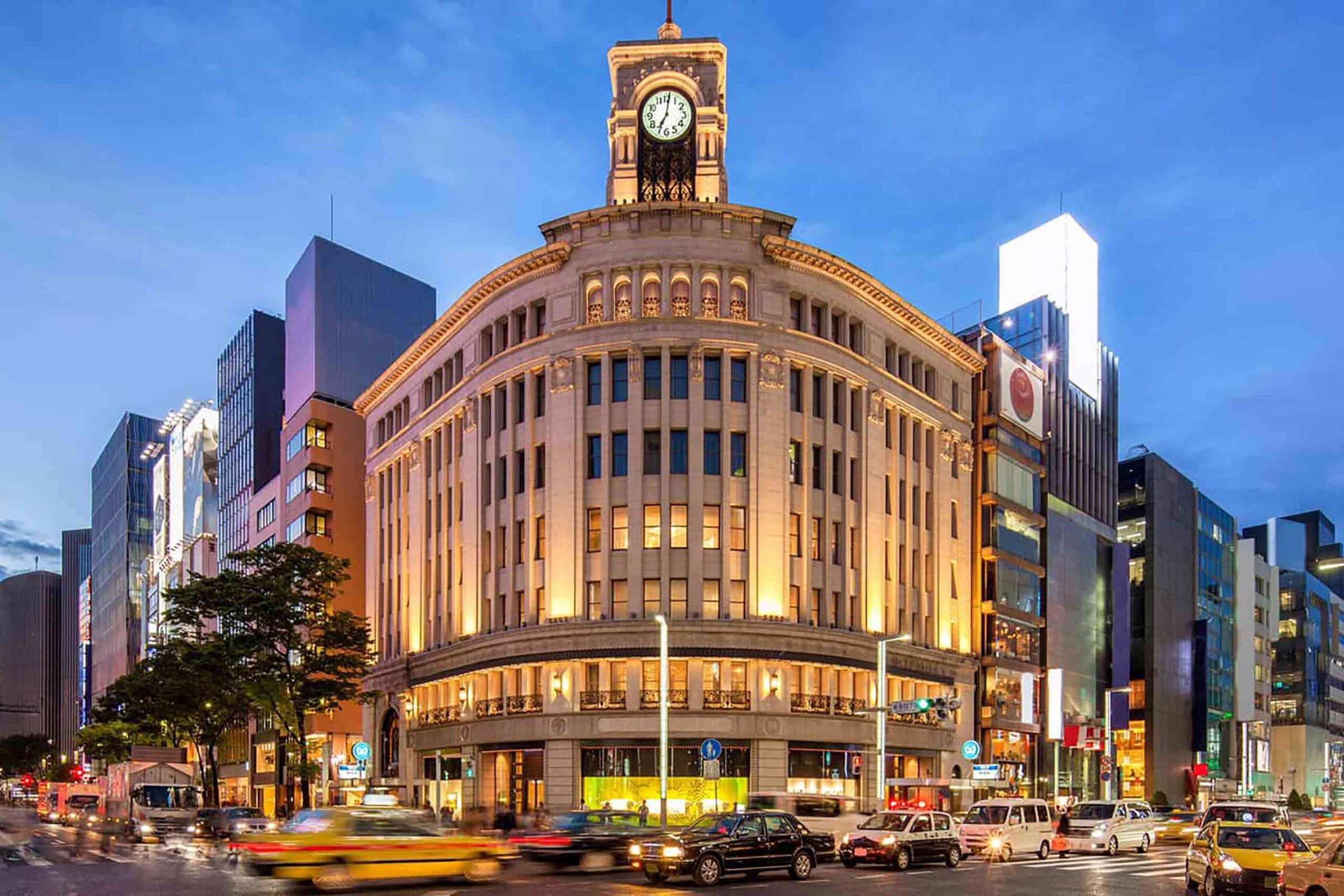
Bright and airy with an open balcony design that provides direct access to sunshine and air, creating an almost park-like atmosphere in the heart of Ginza's urban setting.