Our verdict
まねき寿司 occupies a quiet stretch of Nagono in Nagoya's Nishi Ward, operating within a city whose sushi scene sits several tiers below Tokyo's Ginza counters in international profile but carries its own regional integrity. Visitors should confirm hours and booking directly before planning a visit.

Pearl is the En Primeur Club membership app, where members save venues, book tables and use the concierge.
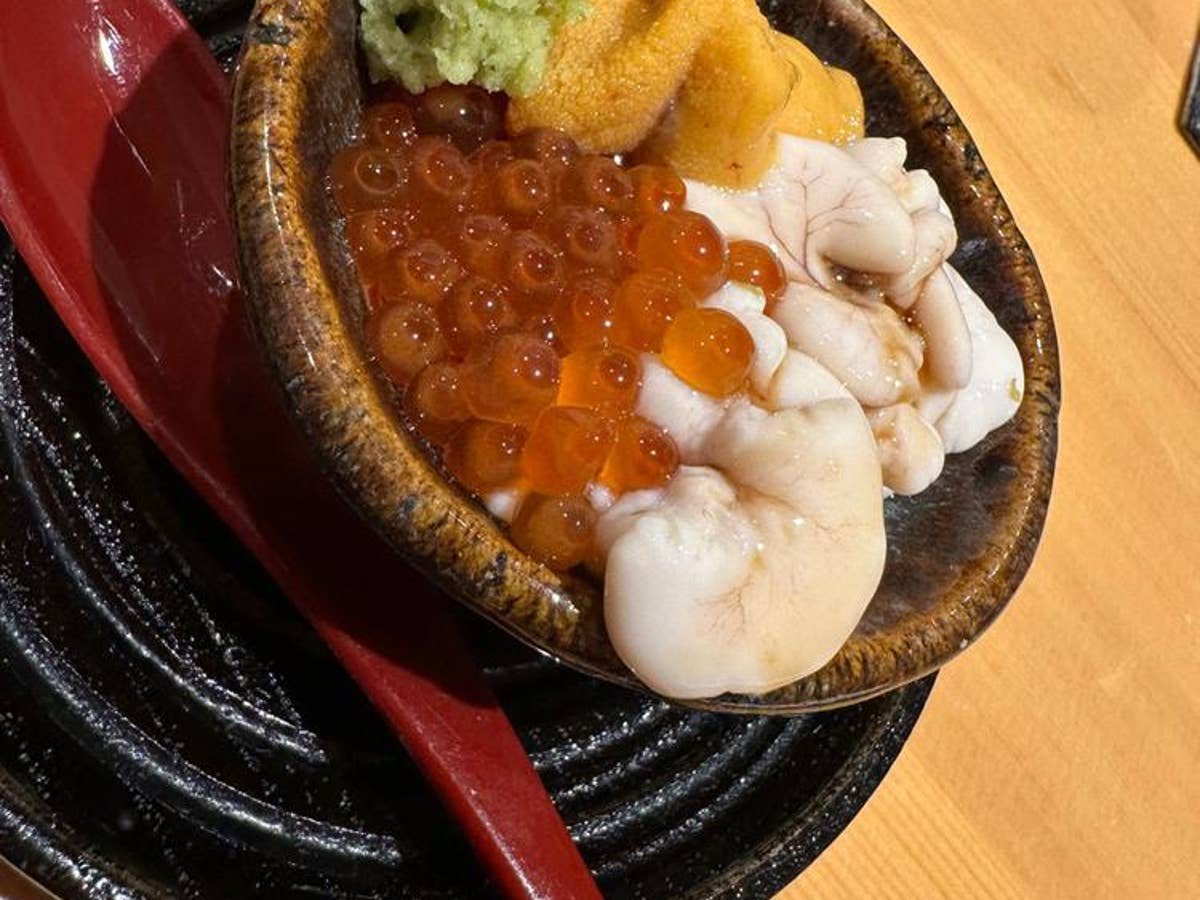
Sushi in the Shadow of the Shinkansen: Nagoya's Quieter Counter Culture
Nagoya's dining identity is built, in the popular imagination, on miso katsu, hitsumabushi, and the Atsuta shrine kitchens that gave rise to institutions like Atsuta Horaiken (あつた蓬莱軒 本店). Sushi, by contrast, occupies a quieter register in this city. It is not absent, the prefecture's access to Ise Bay and the Chita Peninsula gives Aichi kitchens genuine proximity to quality seafood, but it has not attracted the international press cycle that follows omakase counters in Ginza or the kappo rooms of Gion Sasaki in Kyoto. That relative obscurity is, for a certain kind of traveller, precisely the point. まねき寿司, addressed at 1 Chome-36-54 Nagono in Nishi Ward, sits in this understated stratum of the city's fish-forward dining.
A Neighbourhood That Does Not Perform for Tourists
Nagono is not a district that presents itself to visitors. Nishi Ward, west of Nagoya Station's sprawl, is the kind of address that appears in local conversation rather than on hotel concierge lists. The walk from Nagono Station on the Meitetsu Seto Line takes only a few minutes, but the surrounding streets shift quickly from transit infrastructure to residential and light commercial fabric, the context in which many of Nagoya's more locally-embedded restaurants operate. This is consistent with a broader pattern across mid-sized Japanese cities, where counters that serve neighbourhood regulars often outlast the trend-driven openings that receive initial press attention. Sustainability in a restaurant's literal sense, long-term viability through community integration, is inseparable from this kind of address.
For international visitors used to booking windows of two or three months for comparable counters in Harutaka in Tokyo or HAJIME in Osaka, the Nagono address represents a different relationship between diner and kitchen. That is not an anomaly in this tier of Japanese dining; it is a structural feature.
The Ethics of Low-Footprint Sourcing in Regional Sushi
Any consideration of sushi outside Japan's major metropolitan press circuits has to contend with the question of supply chains. The dominant sustainability conversation in Japanese seafood kitchens has, over the past decade, shifted from whether chefs engage with the question at all to how they engage with it. Proximity sourcing, using fisheries within the local prefecture rather than routing ingredients through the Toyosu wholesale market in Tokyo, carries measurable environmental logic: shorter cold chains, lower transport emissions, and a closer relationship between kitchen and catch. Aichi's coastal access makes this a genuine option rather than a marketing posture for kitchens in its orbit.
Regional counters across Japan's mid-tier cities have increasingly positioned themselves within this framework, often without the certification apparatus or press infrastructure that urban restaurants deploy to signal these choices. The result is that the sustainability story of a place like まねき寿司 has to be read through its context, its neighbourhood, its supply geography, its distance from the centralised wholesale logic that defines how most high-profile sushi reaches the counter, rather than through explicit public claims. Compare this to award-documented approaches at places like Goh in Fukuoka, where sourcing decisions have attracted critical attention; or to the documented rigour of akordu in Nara, which has built an editorial reputation around regional ingredient fidelity. まねき寿司 operates below that documented tier, but the structural conditions of a Nishi Ward address suggest an alignment with local supply that is worth acknowledging, even without verified specifics.
How まねき寿司 Sits in Nagoya's Competitive Sushi Field
Nagoya's sushi options cover a wide internal range. At one end, conveyor-belt and takeaway formats serve high volume at accessible prices. At the other, a small number of counters operate in the omakase register, though none have attracted the international award recognition that would place them in the same conversation as Harutaka or Cucina Italiana Gallura (Sushi) among Nagoya's more crossover dining propositions.
This is not a criticism. Nagoya's other dining options, from the Italian-inflected rooms at Bacio and cucina Wada to the French-adjacent kitchens of Chez Kobe, compete on different terrain. A sushi counter in Nishi Ward is not in direct competition with those rooms; it is serving a different appetite, likely a more local one.
Planning a Visit: What to Know Before You Go
For visitors planning around this restaurant, that data gap should shape approach. The address, 1 Chome-36-54 Nagono, Nishi Ward, is verifiable and locatable on Japanese mapping services. Reaching out through a hotel concierge with Japanese-language capacity is a more reliable path to a confirmed reservation than attempting digital contact. Nagoya Station provides Shinkansen access from both Tokyo (approximately 1 hour 40 minutes) and Osaka (approximately 50 minutes), making the city a viable addition to a broader Kansai or central Honshu itinerary that might already include 一本木 有川製 in Nanao or 琵琶湖荘 in Takashima.
For the wider Nagoya dining picture, including context on the city's kaiseki rooms, unagi counters, and neighbourhood Italian, our full Nagoya restaurants guide covers the range in more depth. Additional regional reference points, including 古代山乃 in Sapporo, 羽根屋 in Nishikawa Machi, and Birdland in Sakai, give useful calibration for how regional Japanese dining operates outside the capital's press orbit.
Frequently asked questions
at まねき寿司?
What the Nishi Ward address and Aichi coastal geography suggest, as a general principle, is that counters in this region often work with local catch from Ise Bay, including seasonal white fish and shellfish that would not appear on the same schedule at a Tokyo-focused omakase. For dish-level guidance, contact the restaurant directly, or consult guests who have visited recently.
How far ahead should I plan for まねき寿司?
Without a confirmed online booking channel or documented reservation window, planning lead time is difficult to prescribe with precision. Nagoya's neighbourhood sushi counters, particularly those without a major awards profile, often operate on shorter booking cycles than their Ginza or Azabu equivalents, but that does not mean walk-ins are reliable.
Is まねき寿司 suitable for visitors who prioritise sustainably sourced seafood?
However, the restaurant's Nishi Ward location places it within Aichi Prefecture, which borders Ise Bay and the Chita Peninsula, giving regional kitchens structural access to locally caught seafood without routing through the Toyosu wholesale market.
Budget and Context
Comparable venues nearby, for context on price, style, and recognition.
| Venue | Cuisine | Price | Awards | Notes |
|---|---|---|---|---|
| まねき寿司This venue (the venue you are viewing) | Traditional Japanese Sushi | $500+ | Not listed | Not listed |
| Gensui | Traditional Soba & Sake | $50–100 | Tabelog 100 #20 | Naka, Traditional Soba & Sake |
| Yakiniku Taiga | Modern wagyu yakiniku | $30–50 | Tabelog 100 #39 | Naka, Modern wagyu yakiniku |
| Tsutsui Seijaku | Seasonal Japanese Kaiseki in Private Rooms | $150–200 | Tabelog 100 #40 | Higashi, Seasonal Japanese Kaiseki in Private Rooms |
| Yakiniku & Teuchi Korean Cold Noodles Jiro Yanagibashi ten | A5 Wagyu Yakiniku & Handmade Korean Cold Noodles | $50–100 | Tabelog 100 #26 | Nakamura, A5 Wagyu Yakiniku & Handmade Korean Cold Noodles |
| Maruko | Traditional Wagyu Sukiyaki & Shabu‑shabu | $30–50 | Tabelog 100 #90 | Naka, Traditional Wagyu Sukiyaki & Shabu‑shabu |
Continue exploring
More in Nagoya
Details
- Classic
- Intimate
- Well Known
- Date Night
- Special Occasion
- Historic Building
- Sake Program
- A La Carte
- Counter Dining
- Sake
Current opening hours
- Monday
- 6–10:30 PM
- Tuesday
- 6–10:30 PM
- Wednesday
- 6–10:30 PM
- Thursday
- 6–10:30 PM
- Friday
- 6–10:30 PM
- Saturday
- 6–10:30 PM
- Sunday
- Closed
Hours can change for holidays and private events. Hours as of .
Intimate setting with counter seating and small tables in a traditional, longstanding establishment.