
Gensui places Nagoya soba in a quieter, more exacting register: nine counter seats, a Nishiki address, and repeated selection for Tabelog’s Soba 100 in 2022, 2024, and 2025. The appeal is not spectacle but discipline, with buckwheat noodles, fish-led cooking, and a drinks list that treats sake, shochu, and wine as serious partners.
Pearl is the En Primeur Club membership app — saves, bookings, and concierge access live there. Same editors, same standards.
- Address
- Japan, 〒460-0003 Aichi, Nagoya, Naka Ward, Nishiki, 3 Chome−11−15 錦101ビル 1階
- Phone
- +81 52-253-6350
- Website
- tabelog.com
 Saves & bookings on Pearl
Nishiki is built for after-dark momentum: office towers empty, Sakae’s retail gravity sits close by, and side streets move from workday efficiency to late-service dining. In that setting, a nine-seat soba counter slows the pace. The format asks for quiet attention, not performance. The room is counter-led, non-smoking, and compact enough that sound, scent, and movement matter; in soba, perfume, camera noise, and distraction are not minor etiquette issues but part of protecting the meal.
Nagoya is often reduced to miso katsu, kishimen, hitsumabushi, and coffee-shop morning sets, but its serious dining scene is broader. Soba has a different rhythm from the city’s louder signatures: measured, seasonal, and technical, with buckwheat quality, noodle cut, dipping broth, and side dishes carrying more weight than decoration. Gensui sits in that narrower Nagoya category: a specialist soba address in Nishiki with Tabelog Soba 100 recognition in 2022, 2024, and 2025, a 4.07 Tabelog score, and a counter-only scale closer to small-format kappo than casual noodle shop.
Nishiki's soba counter culture rewards restraint over spectacle
High-end soba in Japan is often misread by travellers expecting either a fast noodle stop or a long tasting-menu ceremony. The serious version sits between those poles. It can be brief at lunch, more expansive at dinner, and often more revealing with sake or shochu than as a single bowl. The details are subtle: noodle temperature, cut texture, the balance between aroma and broth, and how fish or small plates set up the soba rather than compete with it.
That makes the counter format important. Nine seats compress the meal into a narrow field of attention. There is little room for the theatrical pacing of some sushi counters, and less interest in the comfort-food generosity of a neighbourhood noodle house. The point is focus. In a city where premium dining ranges from the sushi pricing of Tomi Sushi to the tasting-menu tier of Gastronomy Sole Yanagiya, Gensui occupies a lower-priced but no less specialist lane. It is not competing with gyoza counters such as Gyoza Senmon Ten Karaya Nishiki ten, nor with cocktail rooms such as BAR Curacao. It belongs to the small group of places where technique is quiet, seating is limited, and lunch and dinner differ not just by timing but by intent.
The drinks signal the same seriousness. Sake, shochu, and wine are all offered, which matters because soba dining is as much about pacing as hunger. Buckwheat has a narrower aromatic register than richer Japanese staples, so pairings need restraint. A heavy hand can flatten the meal; a disciplined one keeps grain, broth, and fish-led side dishes in view. Fragrance etiquette appears here not as fussiness but as practical respect for the cuisine.
The sensory grammar is quiet: buckwheat, fish, and controlled sound
The strongest soba rooms make diners notice absence as much as presence. No smoking. No private-room insulation. No big-room energy. At Gensui, counter seating and the request to avoid strong fragrances point to a meal built around aroma and texture rather than volume. Soba’s pleasure is rarely cinematic; it is closer to calligraphy, where a small shift in thickness, water, or timing changes the expression.
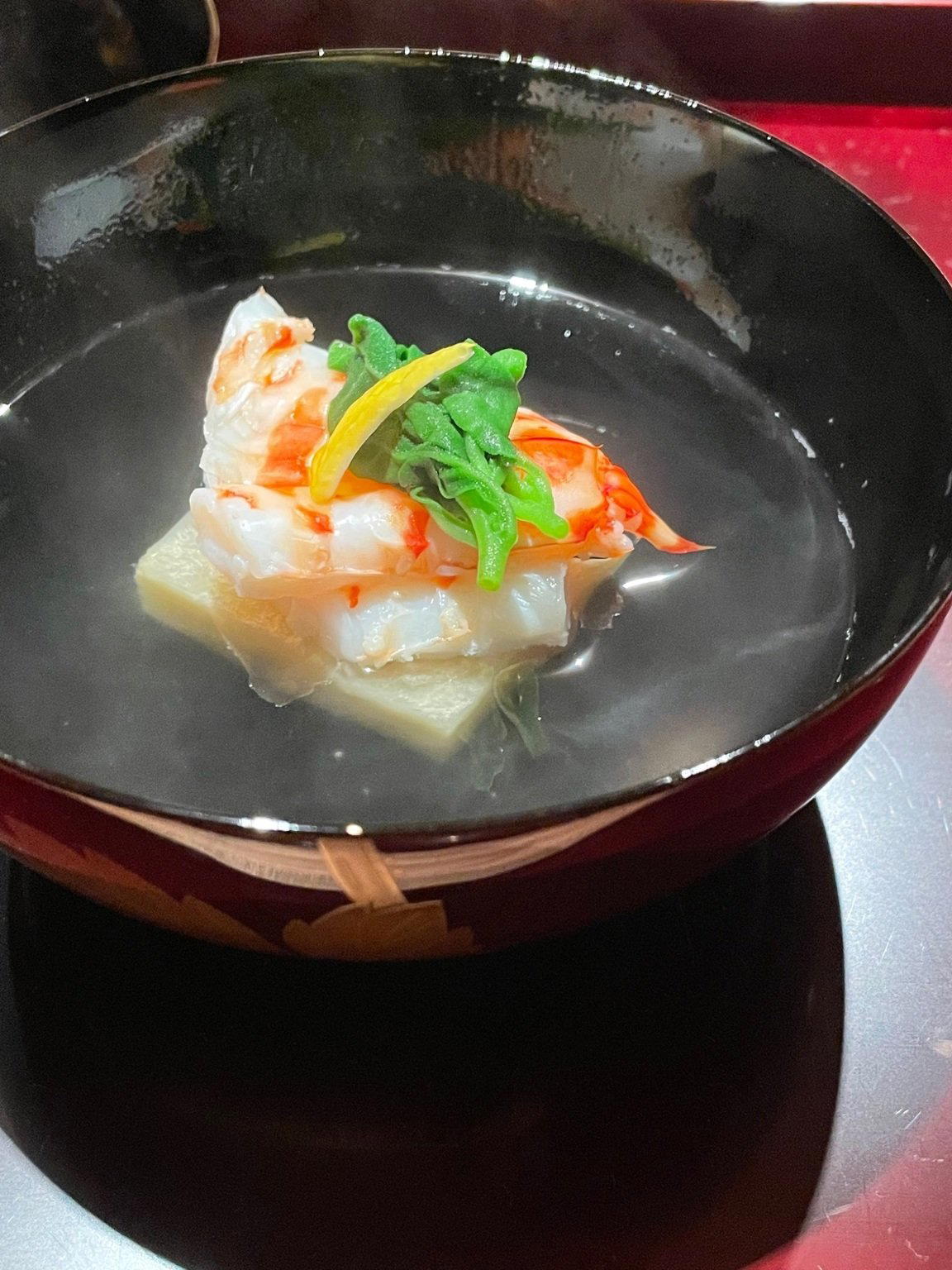
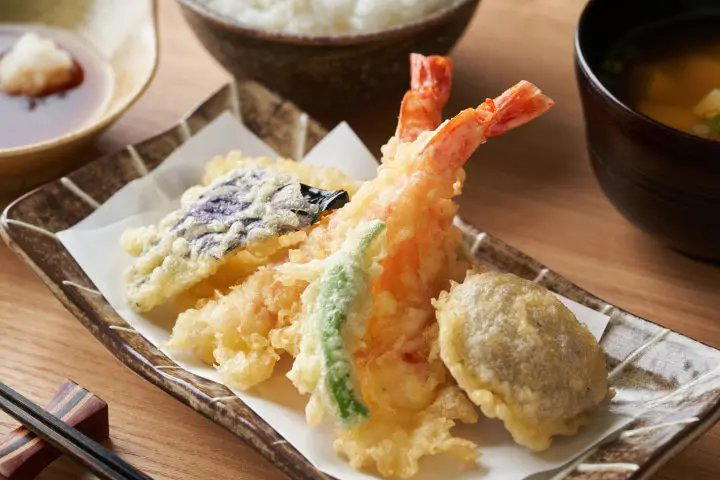
Fish also matters here. The kitchen is described as particular about fish, placing the meal within a broader Japanese soba tradition rather than a noodles-only brief. Serious soba restaurants often use small seafood dishes, tempura, or drinking snacks to frame the noodles, especially at dinner. Without naming dishes beyond what is confirmed, the reader takeaway is structural: dinner should be approached as a fuller soba-led meal, while lunch is more direct. The budget bands reinforce that split, with lunch lower and dinner priced for a more considered sitting.
Tabelog’s Soba 100 recognition is a useful signal in a category where international awards cover only part of the story. Michelin is not the default map for every Japanese specialist craft; soba often lives in domestic rating culture, repeat local custom, and tightly held small rooms. Selection across multiple years means more than a single appearance because it suggests consistency in a field where noodle work leaves little cover.
For travellers building a Nagoya dining itinerary, the decision is less about chasing a trophy meal than balancing categories. A trip built only around sushi and tasting menus misses the city’s craft-food middle tier, where small counters preserve specialist traditions at prices below luxury omakase. Gensui offers that calibration: compact, award-noted, and rooted in a Japanese form that rewards attention more than appetite.
How to place it in a Nagoya itinerary
Nishiki and Sakae make logistical sense for travellers already staying or drinking in central Nagoya, and the area’s density lets a soba meal sit naturally before or after a broader evening plan. The counter scale means this is not a loose group choice; four or more guests are handled through course reservations, and the maximum seated party size matches its nine-seat footprint. Lunch is cash-only, dinner has a separate service charge, and the restaurant is closed Sunday and Monday. Those details matter because this kind of address rewards precision over improvisation.
EP Club readers should treat this as a specialist reservation, not a backup noodle stop. For a wider city view, start with Our full Nagoya restaurants guide, then build around adjacent categories with Our full Nagoya hotels guide, Our full Nagoya bars guide, Our full Nagoya wineries guide, and Our full Nagoya experiences guide. Other Nagoya restaurant pages in the collection include 1022, 451, Aaron, Alan., and All Day Dining Montmartre.
Japan’s regional dining map also benefits from contrast. Travellers following specialist formats beyond Nagoya might compare the category logic with -Grilled beef Sukiyaki- KAMAKURA TANUKIAN 鎌倉 たぬき庵 in Kamakura. 鮪と炭火焼き うお炭 秋葉原店 in Tokyo.cafe in Osaka.know in Kumamoto, (Shoku) Vietnam in Kawasaki, and [Curry Senmon Ten] Maruyama Kyoju. in Sapporo. For Japanese drinking and casual formats outside Japan, Jōdo Saké Bar in Los Angeles and Onigiri Time in Pasadena show how focused Japanese categories translate abroad.
Comparison Snapshot
Comparable venues by cuisine and price in the same metro.
| Venue | Cuisine | Price | Notes |
|---|---|---|---|
| GensuiThis venue — the venue you are viewing | Traditional Soba & Sake | $$$ | Not listed |
| Tachigui Sushi Kiwami Meieki 4 chome ten | Casual Stand-Up Edo-Style Sushi | $$$ | Nakamura |
| Shoya Meieki | Yakiniku (Japanese BBQ) | $$$ | Nakamura |
| Taverna Sukima | Yoshoku (Japanese-style Western cuisine) | $$$ | Chikusa |
| Yasui | Seasonal Japanese Cuisine with Clay Pot Rice | $$$ | Nakamura |
| Teppan Ryori Rakuda Nagoya ten | Seasonal Teppanyaki | $$$ | Higashi |
Recognition history
Dated appearances from independent guides and award organizations, with the underlying list record or original source where available.
Tabelog 100 #20 · No. 20
Tabelog · Tabelog 100 - Soba - EAST - 2025
Continue exploring
More in Nagoya
Restaurants in Nagoya
Browse all →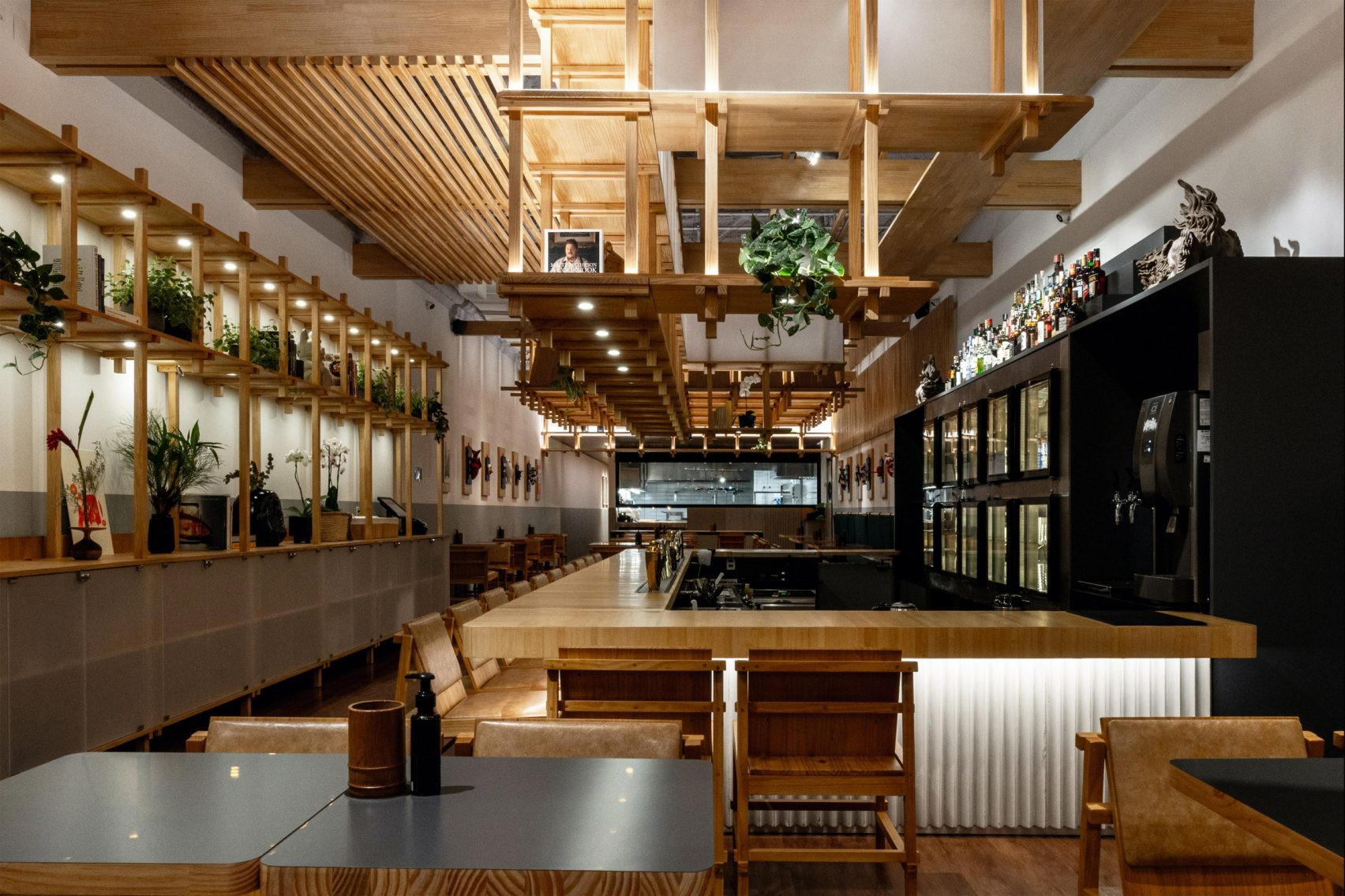
At a Glance
- Cozy
- Classic
- Elegant
- Intimate
- Date Night
- Solo
- After Work
- Business Dinner
- Special Occasion
- Standalone
- Design Destination
- Sake Program
- Beer Program
- Local Sourcing
Current opening hours
- Monday
- Closed
- Tuesday
- 11:30 AM–2 PM, 5:30–10 PM
- Wednesday
- 11:30 AM–2 PM, 5:30–10 PM
- Thursday
- 11:30 AM–2 PM, 5:30–10 PM
- Friday
- 11:30 AM–2 PM, 5:30–10 PM
- Saturday
- 11:30 AM–2 PM, 5:30–10 PM
- Sunday
- Closed
Hours can change for holidays and private events. Last verified .
A small, traditional Japanese soba restaurant with a warm, wood-accented interior and calm, intimate atmosphere suited to quietly enjoying noodles, tempura, and sake rather than a noisy group setting.