Located in Fukuoka's Hirao district, 三本木 石橋 sits within a city that has quietly built one of Japan's most concentrated collections of serious restaurants. With sparse public-facing information and no direct booking portal, securing a table here demands the kind of advance planning that defines Fukuoka's more deliberate dining tier. The venue rewards those who approach it with research rather than impulse.
Pearl is the En Primeur Club membership app — saves, bookings, and concierge access live there. Same editors, same standards.
- Address
- 1 Chome-9-13 Hirao, Chuo Ward, Fukuoka, 810-0014, Japan
- Phone
- +815036281484
- Website
- tablecheck.com
 Saves & bookings on Pearl
Hirao and the Quiet Discipline of Fukuoka's Inner Dining Circuit
Fukuoka's dining reputation tends to be framed around its street-level energy: ramen stalls along the Nakagawa, the yakitori counters of Tenjin, the seafood markets feeding the city from Genkai-nada. But the Hirao district, tucked into Chuo Ward's southern residential stretch, belongs to a different register entirely. This is where the city's more considered restaurants have settled, away from tourist circuits and closer to the rhythms of a local clientele that books weeks or months ahead and expects precision in return. Chikamatsu (Sushi) operates in this same register, as does Asago, each occupying the quieter, more deliberate end of Fukuoka's dining spectrum. 一本木 石橋, addressed at 1 Chome-9-13 Hirao, belongs to this cohort by geography and by disposition.
Japan's smaller-city fine dining scene has undergone a meaningful shift over the past decade. Venues that once operated beneath the visibility of Tokyo or Osaka's critical apparatus now draw attention from the same informed travellers who think nothing of booking Gion Sasaki in Kyoto or HAJIME in Osaka months in advance. Fukuoka has benefited from this shift. Its proximity to Korea and China, its deep seafood culture, and a local dining public with high expectations have created conditions where serious restaurants can sustain themselves without the scale that Tokyo demands. 三本木 石橋 sits in that environment, operating in a neighbourhood where the absence of foot traffic is a feature, not a liability.
The Planning Layer: What You Need to Know Before You Arrive
The practical reality of dining at venues like 三本木 石橋 is that the experience begins long before you walk through the door. Fukuoka's upper-tier restaurants have largely migrated away from walk-in culture. The venues that matter in Hirao and the surrounding Chuo Ward districts operate on reservation systems that reward early planning, and in many cases, the booking process itself signals the restaurant's tier. Reservations are essential, and advance planning is wise.
This is not unusual for Japan's more serious dining establishments. Across the country, from Harutaka in Tokyo to akordu in Nara, the booking layer functions as a form of curation. Restaurants that limit their public-facing information are, in many cases, relying on word-of-mouth and existing networks to filter their clientele. The implication for travellers is clear: approach this category of venue through intermediaries, confirm any visit well in advance, and treat the absence of a website as information rather than oversight.
That said, this is a residential neighbourhood, and the expectation is that you arrive knowing exactly where you are going. Wandering and discovering is not the mode here.
Fukuoka's Broader Dining Context: Where 三本木 石橋 Sits
Understanding what 三本木 石橋 represents requires mapping it against the full range of what Fukuoka offers. The city's dining scene is genuinely pluralist. At one end, you have the accessible, high-volume energy of venues like Beef Taigen (Beef泰元), which draws on the city's beef culture and operates with a clarity of concept that makes it immediately readable to visitors. At another end, you have French-inflected precision at venues like Goh (French), which demonstrates how far Fukuoka's kitchen talent extends beyond its regional specialities. Bekk adds further range to the city's mid-to-upper tier.
Within this field, the Hirao-area restaurants occupy the tier that requires the most deliberate engagement from the traveller. These are not venues that announce themselves. Their presence in the neighbourhood is low-key by design, and their reputations circulate through the channels that serious diners in Japan have always relied on: personal referral, chef networks, and the kind of editorial coverage that reaches readers who already know what they are looking for. Venues across Japan working in this mode, from 三本柳 川端制 in Nanao to 夕佳亭山乃 in Sapporo, share a common operating logic: small, considered, and built for a clientele that comes prepared.
Japan's regional dining circuit, which now includes venues like 湖畔荘 in Takashima, 庭羽屋 in Nishikawa Machi, and further afield Birdland in Sakai and Bistro Ange in Toyohashi, has made it possible to construct serious multi-city itineraries around Japan without defaulting to the Tokyo-Kyoto-Osaka corridor. Fukuoka is increasingly central to that kind of itinerary, and venues in Hirao are part of the reason why. The comparison set is no longer regional: travellers who have navigated the booking processes at Le Bernardin in New York City or Atomix in New York City will recognise the discipline required and apply it accordingly.
Arriving in Hirao: The Physical Context
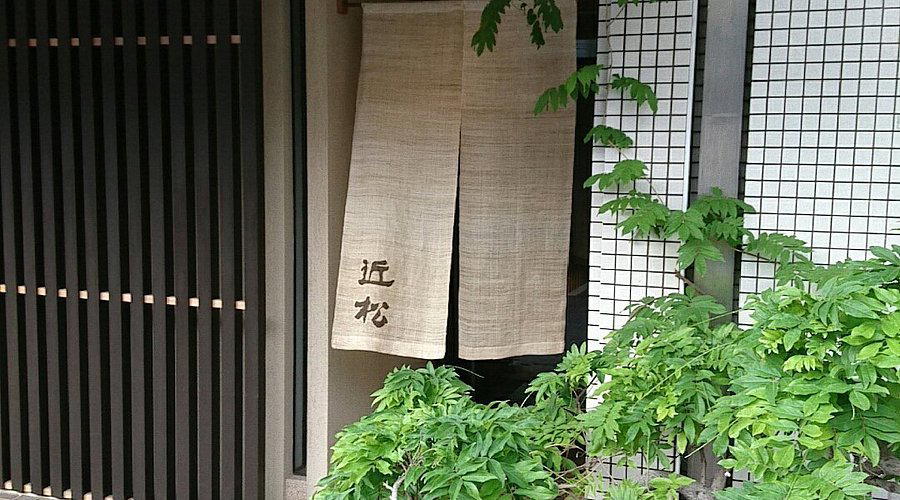
The address at 1 Chome-9-13 Hirao places 三本木 石橋 in a stretch of Chuo Ward that reads as distinctly residential. This is not a dining district in the conventional sense: there is no cluster of competing restaurants, no foot traffic generated by nearby hotels or attractions. The neighbourhood's character is domestic and unhurried, which shapes the experience of arriving here. The physical environment signals that what follows will be considered rather than casual, and that the restaurant's relationship with its surroundings is one of deliberate separation from Fukuoka's more commercial dining zones.
This quality, common to serious dining establishments across Japan, creates a particular kind of anticipation. You are not arriving because you happened to pass by. You are arriving because you planned to be here, which means the meal begins with intention.
Planning Your Visit
For visitors building a Fukuoka dining itinerary, 三本木 石橋 should be treated as a venue requiring early groundwork. The most reliable path to a reservation runs through hotel concierge services at Fukuoka's higher-end properties, or through specialist travel platforms with established local networks. Given the absence of publicly listed contact information, direct approaches are unlikely to be the most efficient route. Expect that securing a table here, as with many of Fukuoka's more serious restaurants, will take more lead time than a casual dinner reservation, and plan the rest of your Hirao evening accordingly.
Comparable Spots, Quickly
Comparable venues nearby, for context on price, style, and recognition.
| Venue | Cuisine | Price | Awards | Notes |
|---|---|---|---|---|
| 一本木 石橋This venue — the venue you are viewing | Kappo-Style Kaiseki | $$$$ | , | |
| Zaisho | Seasonal Sushi Omakase by Sushi Sakai | $$$$ | , | Chūō |
| 茶懐石 中伴 | Kappo Kaiseki | $$$$ | , | Chūō |
| Ningyocho Imahan JR hakata shiti ten | Traditional Japanese sukiyaki & shabu-shabu | $$$ | , | Hakata |
| 明珠ひら緒 | Japanese Fine Dining | $$$$ | , | Chūō |
| Teppanyaki Hiyori | Kyushu-focused Japanese Teppanyaki | $$$ | , | Sawara |
At a Glance
- Intimate
- Elegant
- Sophisticated
- Special Occasion
- Date Night
- Chefs Counter
- Open Kitchen
- Sake Program
- Local Sourcing
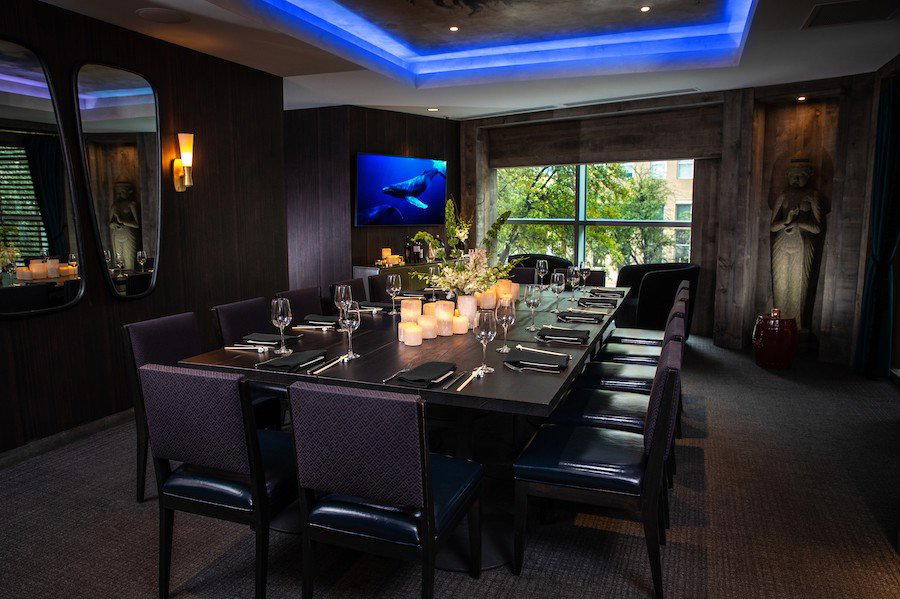
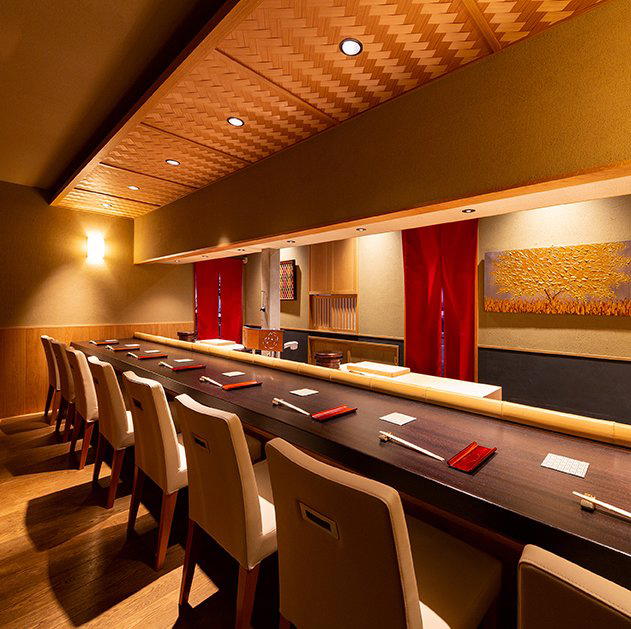
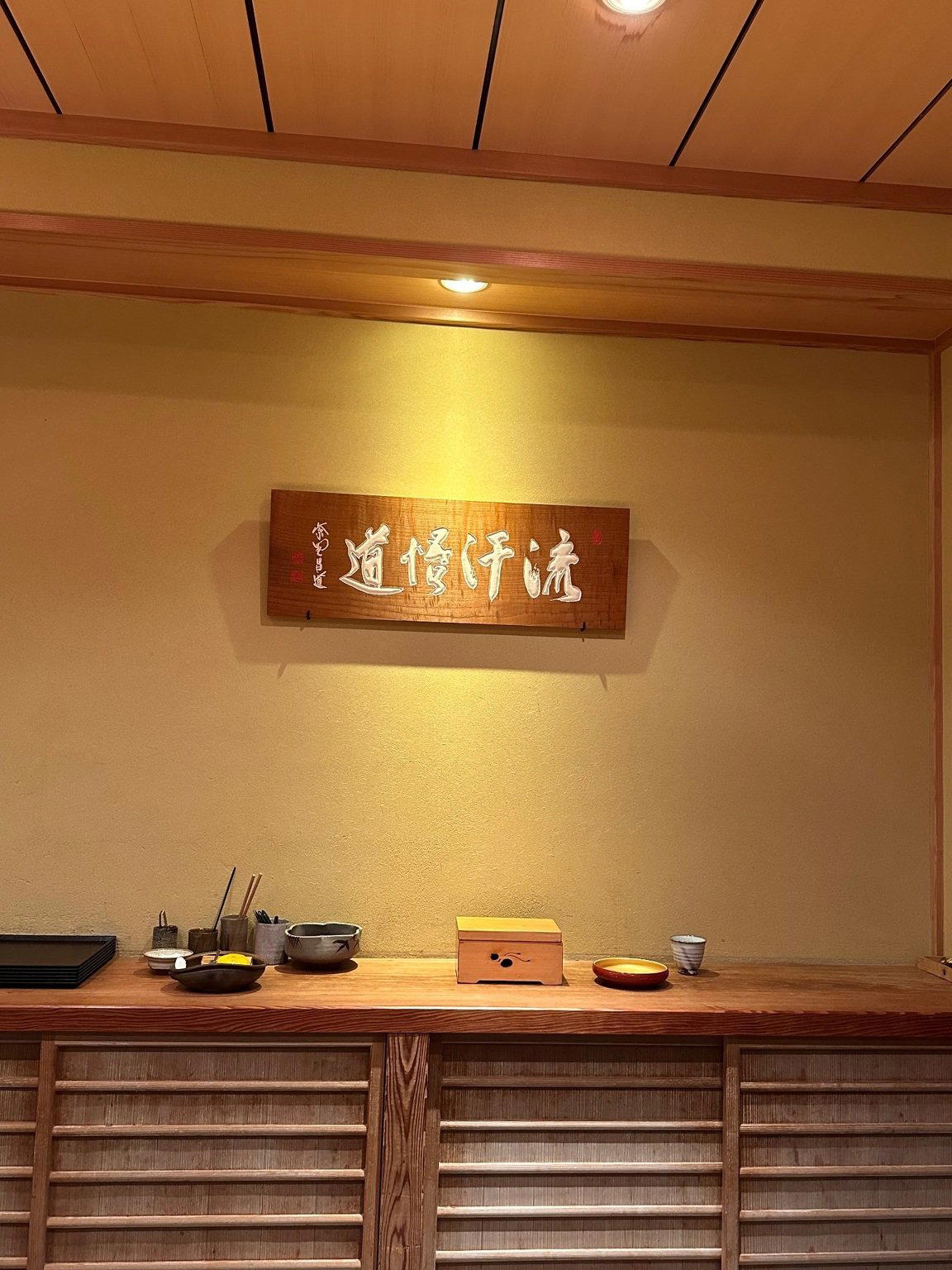
Dimly lit minimalist interior with serene stone and wood accents, fostering an intimate and contemplative atmosphere.