Situated on the second floor of BAY HILL COURT in Nishinakasu, 超寿司 中伴 is part of Fukuoka's compact sushi scene, where the city's proximity to Genkai Sea fishing grounds shapes what lands on the counter. The restaurant occupies a district where serious eating is done without ceremony, and the address places it among Fukuoka's more considered dining options in Chuo Ward.
Pearl is the En Primeur Club membership app — saves, bookings, and concierge access live there. Same editors, same standards.
- Address
- Japan, 〒810-0002 Fukuoka, Chuo Ward, Nishinakasu, 3−19-2F BAY HILL COURt
- Phone
- +81927251115
- Directions
- Get directions
 Saves & bookings on Pearl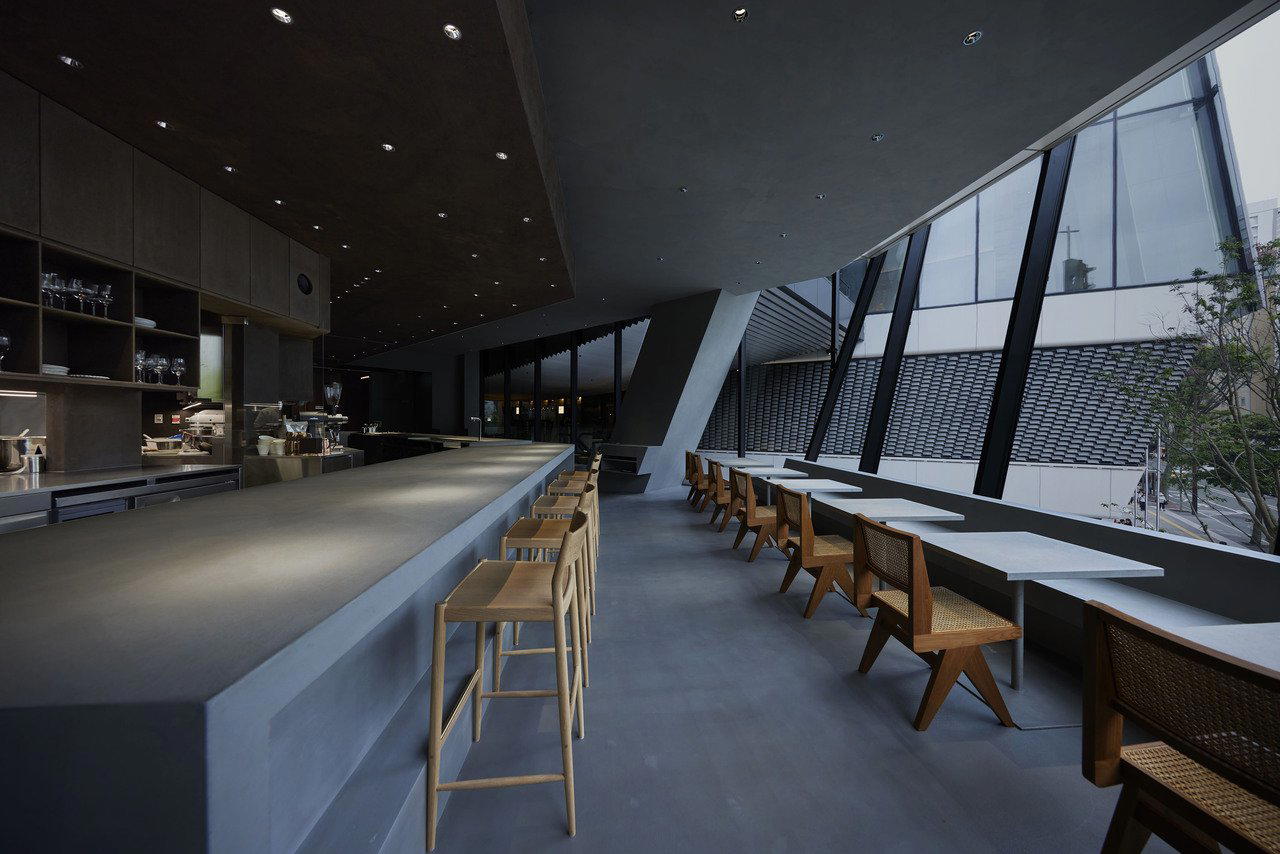
Nishinakasu and the Logic of Fukuoka Sushi
Fukuoka's Chuo Ward is where the city's serious dining concentrates, and Nishinakasu sits at its centre. The district runs along the Naka River, close enough to Nakasu's neon bustle to absorb its energy, but distinct enough to support a quieter register of restaurant. The second floors of buildings here tend to house the more considered addresses: rooms where the work on the plate takes precedence over ground-floor visibility. 茶懐石 中伴, located on the second floor of BAY HILL COURT at 3-19 Nishinakasu, is a Kappo Kaiseki restaurant in Fukuoka with a price tier of 4 and an estimated spend of about $250 per person.
This is the structural logic that shapes Fukuoka's sushi tier. Unlike Tokyo, where the geography of omakase is defined by Ginza's vertical compression and Roppongi's expense-account clientele, or Kyoto, where tradition operates as its own form of prestige, Fukuoka's counters compete on access to ingredient supply. The city's position as a hub for Kyushu's fishing industry means that what matters most is proximity to source, not the accumulated mythology of a particular district. Sushi bars here are evaluated first on the quality of what comes off the boats at Yanagibashi market and the Genkai Sea, then on technique.
Where the Ingredient Sourcing Argument Lives
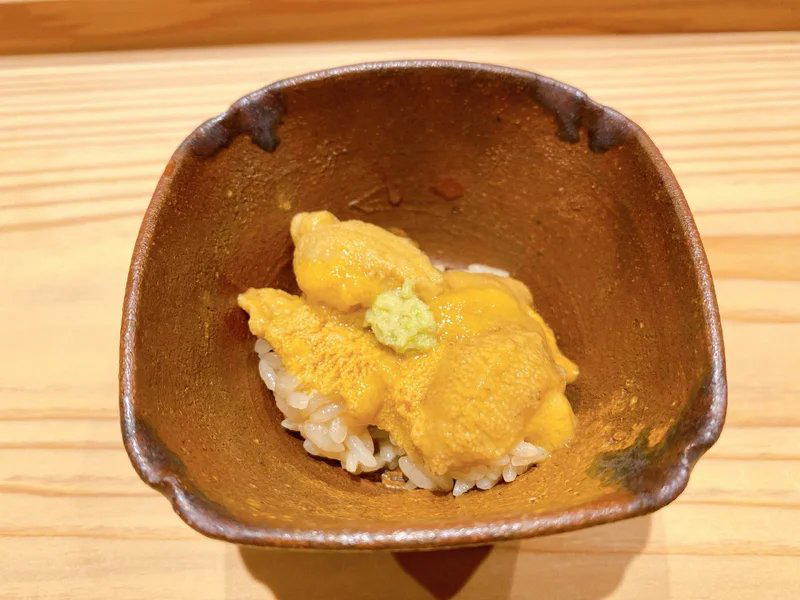
The editorial case for Fukuoka sushi has always rested on geography. The Genkai Sea, which lies between northern Kyushu and the Korean peninsula, produces seafood with characteristics distinct from the Pacific waters that supply Tokyo's counters. Mackerel from this region, particularly the saba that defines Fukuoka's local eating identity, carries higher fat content at specific points in the year. Squid, sea bream, and amberjack from these waters arrive at Fukuoka counters with a freshness advantage that is not rhetoric but logistics: shorter transport distances, faster turnaround from catch to preparation.
This sourcing geography is the reason that Fukuoka's sushi scene repays attention from visitors who have already worked through the major counters in Tokyo or Osaka. The fish is different in character, and the preparations that work leading here are calibrated to those differences. Venues like Chikamatsu (Sushi) operate within this same sourcing framework, placing Fukuoka's counter dining in a regional tradition that diverges meaningfully from its counterparts elsewhere in Japan.
The Nishinakasu Room
BAY HILL COURT is a mixed-use building that functions as a container for several of the area's dining addresses. The second-floor positioning of 超寿司 中伴 creates a remove from street level that is characteristic of how Fukuoka's more focused restaurants position themselves. Approaching from Nishinakasu's riverside streets, the building sits within walking distance of the entertainment corridor that connects Nakasu to Tenjin, but the room itself operates in a different register from that surrounding activity.
In a district where ramen counters and yakitori stalls dominate the ground level, the upper-floor sushi counter represents a different commitment from the diner. You are not passing by and stepping in. You have looked up the address, found the building, and taken the stairs or lift. That self-selecting process is part of what defines the experience tier in areas like this across Japan's regional cities. The same dynamic operates at focused addresses in other cities: Goh (French) and Bekk both operate within Fukuoka's considered-dining layer, and each rewards the effort of finding them over the convenience of stumbling upon them.
Fukuoka's Counter Dining in National Context
Fukuoka's sushi counters occupy a different position in Japan's national conversation than they did a decade ago. The city's food reputation, long anchored to tonkotsu ramen and mentaiko, has expanded as the counter dining scene has matured. Sushi has become a more visible part of what draws visitors from Tokyo and Osaka, particularly those who have noted that the ingredient profile of Kyushu seafood offers something that the capital's supply chains cannot replicate.
That shift is visible in how Fukuoka is now discussed alongside other regional cities with serious counter scenes. Venues at the precision end of Japanese dining elsewhere in the country, such as Gion Sasaki in Kyoto or Harutaka in Tokyo, operate within well-established culinary hierarchies in their respective cities. Fukuoka's equivalent addresses are part of a newer articulation of regional authority, one grounded in supply-chain proximity rather than accumulated institutional prestige. HAJIME in Osaka and akordu in Nara demonstrate how Japan's regional cities have developed serious dining identities independent of Tokyo's frame of reference, and Fukuoka's counter scene fits within that broader pattern.
For visitors building an itinerary across Japan's regional dining, addresses like 一本木 石川制 in Nanao, 夕仙山乃 in Sapporo, and 湖遊庵 in Takashima collectively indicate that Japan's most interesting ingredient-led dining is dispersed across the country rather than concentrated in the capital. Fukuoka fits that dispersal, and 超寿司 中伴's Nishinakasu address places it within that regional narrative.
Planning Your Visit
Nishinakasu is accessible from Tenjin station, with the walk taking approximately ten minutes along the river. The BAY HILL COURT building at 3-19 Nishinakasu, Chuo Ward, Fukuoka 810-0002, houses the restaurant on its second floor. Pricing is about $250 per person, and reservations are essential. Reservations are essential.
For those building a wider itinerary around Fukuoka's counter dining, the city's geographic concentration makes it possible to cover multiple addresses in a short visit. The riverside corridor from Nakasu through Nishinakasu to Tenjin contains a disproportionate share of the city's more focused restaurants, which makes logistical planning relatively contained compared to Tokyo's spread.
Quick Comparison
Comparable venues nearby, for context on price, style, and recognition.
| Venue | Cuisine | Price | Notes |
|---|---|---|---|
| 茶懐石 中伴This venue — the venue you are viewing | Kappo Kaiseki | $$$$ | Not listed |
| 鮨おさむ | Hakata-style Omakase Sushi | $$$$ | Takamiya |
| Sushi Dokoro Ishibashi | Seasonal Kyushu Omakase Sushi | $$$$ | Chūō |
| 嗣味 | Modern Japanese Omakase | $$$$ | Chūō |
| Nakahan | Cha-Kaiseki Omakase | $$$$ | Chūō |
| Kuwaman | Traditional Japanese Izakaya & Sake Bar | $$$ | Chūō |
At a Glance
- Intimate
- Elegant
- Sophisticated
- Special Occasion
- Date Night
- Chefs Counter
- Open Kitchen
- Sake Program
- Local Sourcing
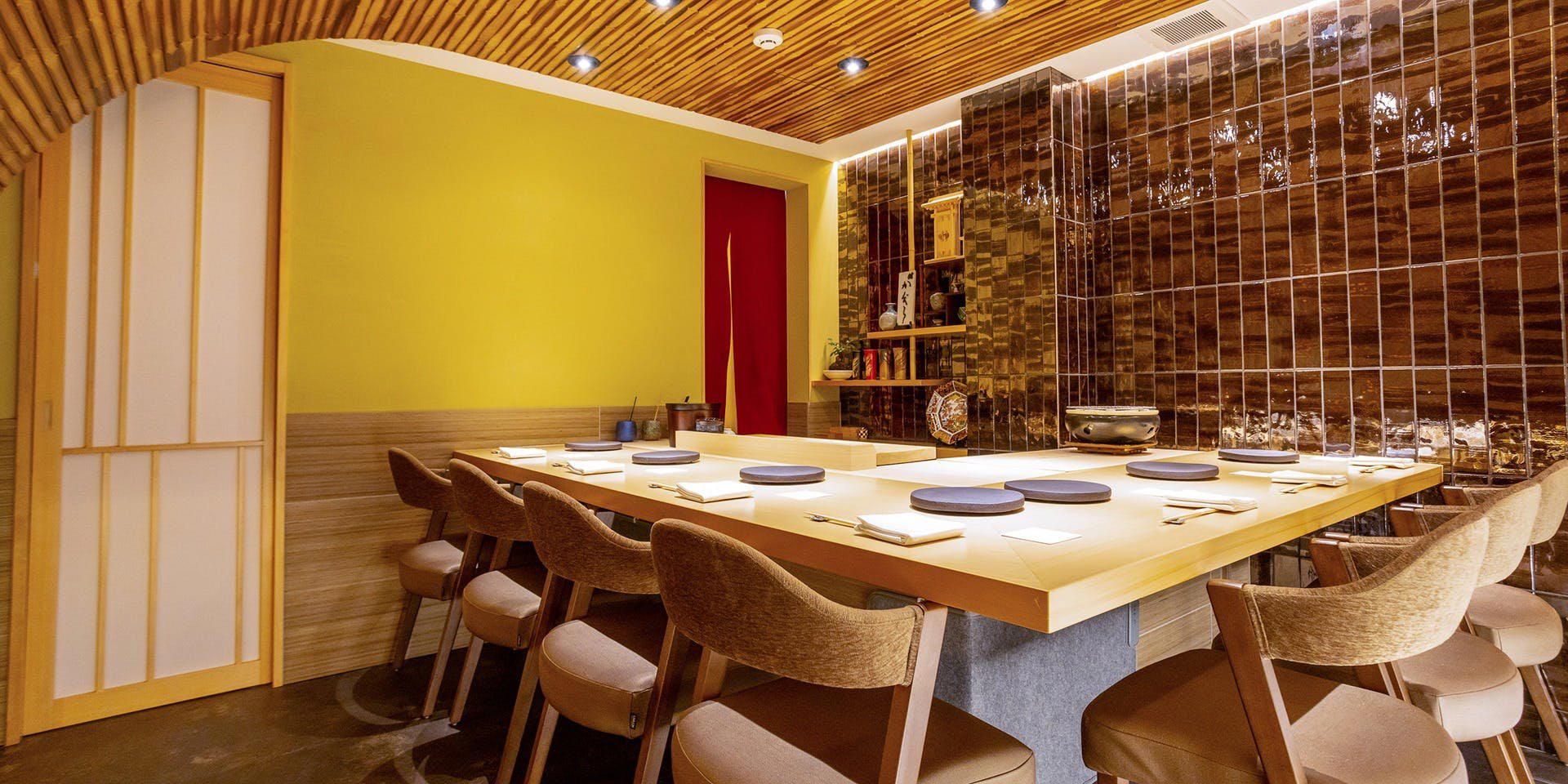
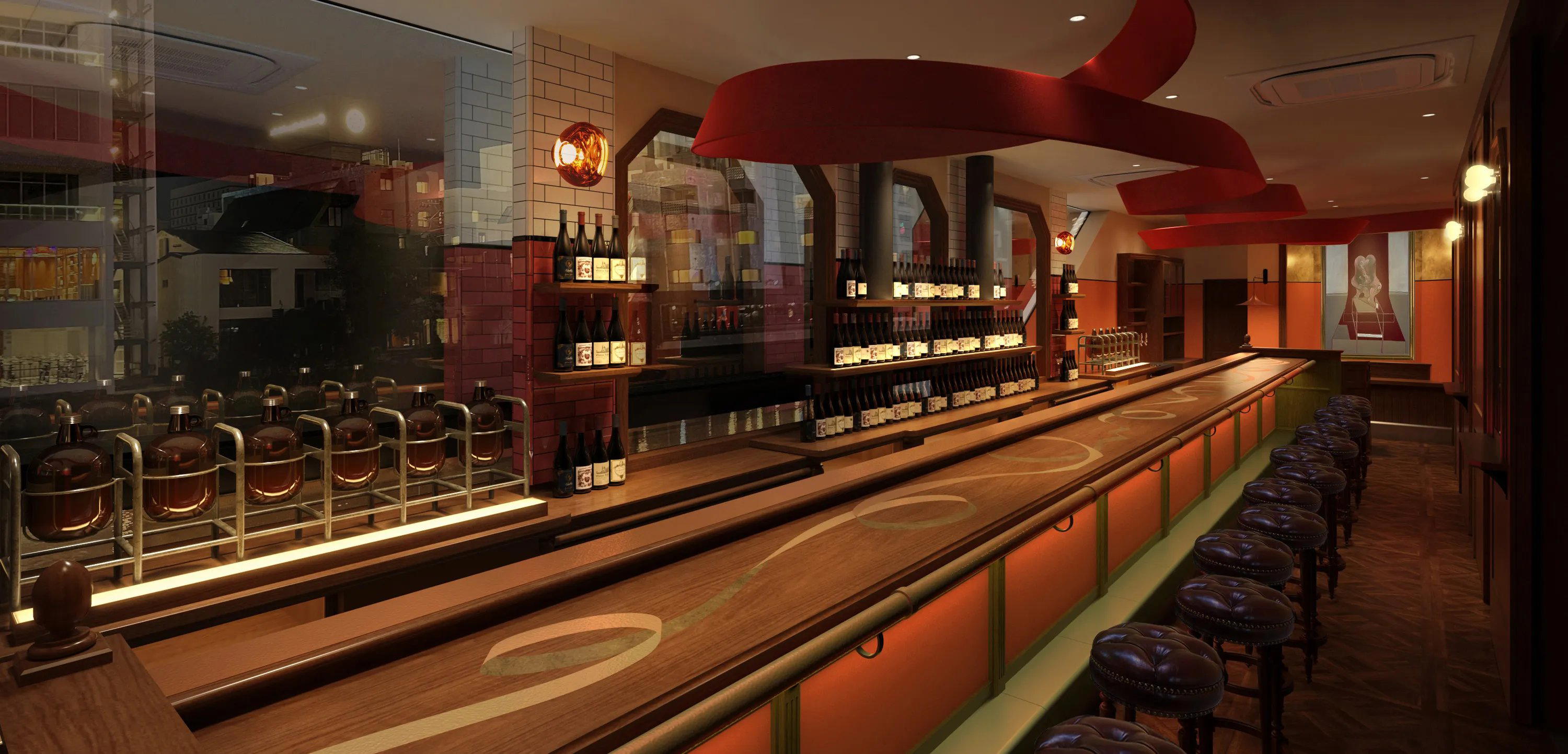
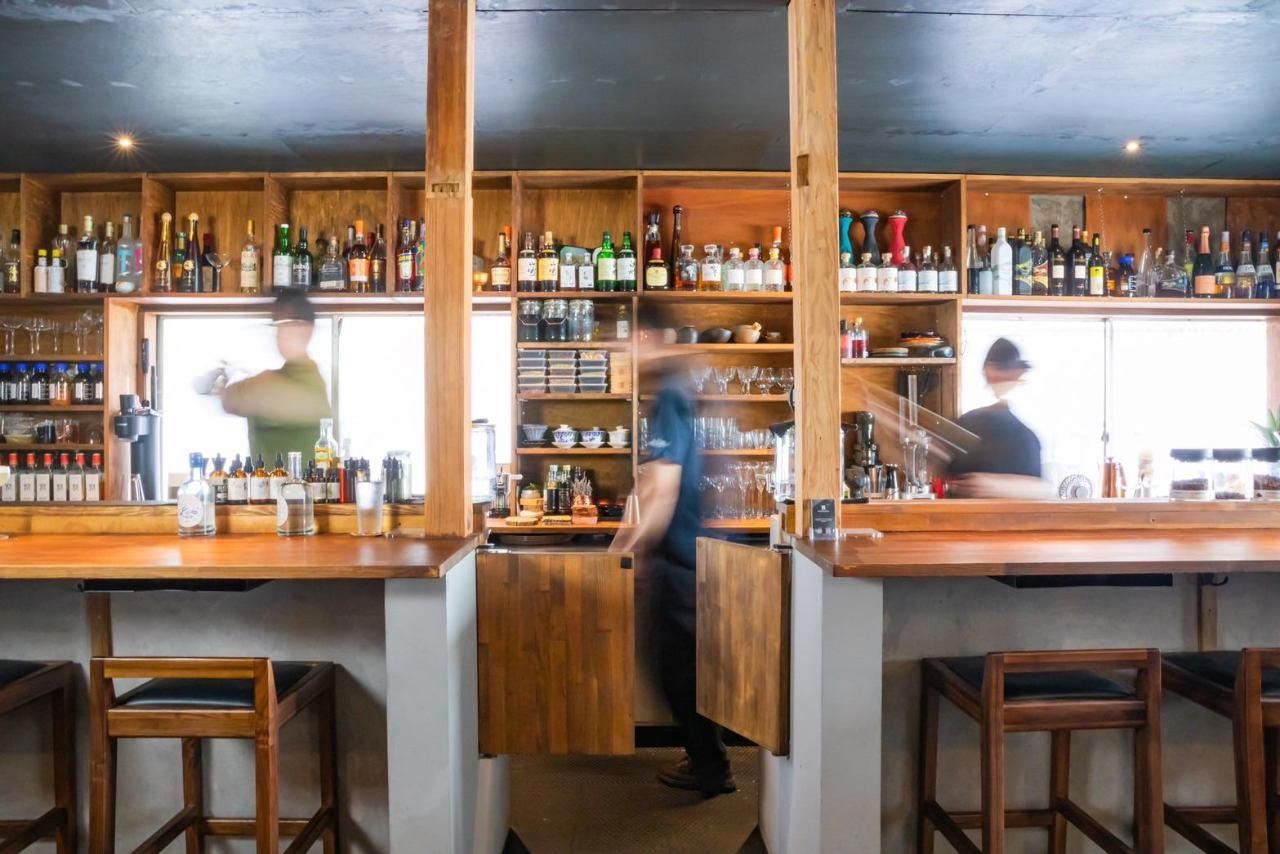
Dimly lit, serene counter with focus on the chef's precise preparations and subtle elegance.