
Zaisho places Fukuoka sushi in its Nishinakasu context: a compact counter culture shaped by the river district, Tenjin proximity, and Kyushu’s serious fish economy. Tabelog recognition, including a 2026 Bronze award and selection for Sushi WEST 100 in 2025, puts it in a competitive bracket alongside the city’s better-known sushi rooms rather than casual neighbourhood counters.
Pearl is the En Primeur Club membership app — saves, bookings, and concierge access live there. Same editors, same standards.
- Address
- Japan, 〒810-0002 Fukuoka, Chuo Ward, Nishinakasu, 3−20 LANEラウンドビル 2F
- Phone
- +81 92-726-6289
- Website
- sakai-sushi.jp
 Saves & bookings on Pearl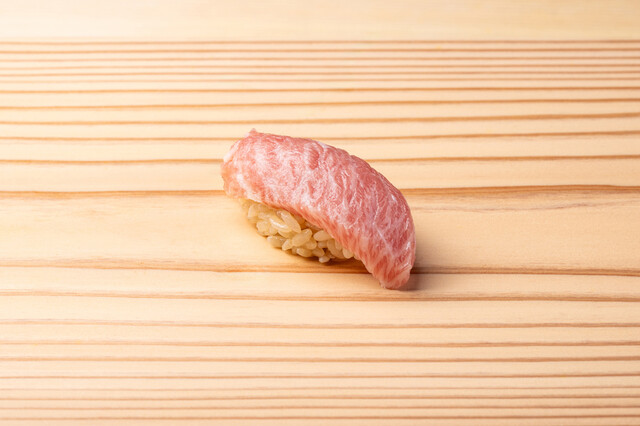
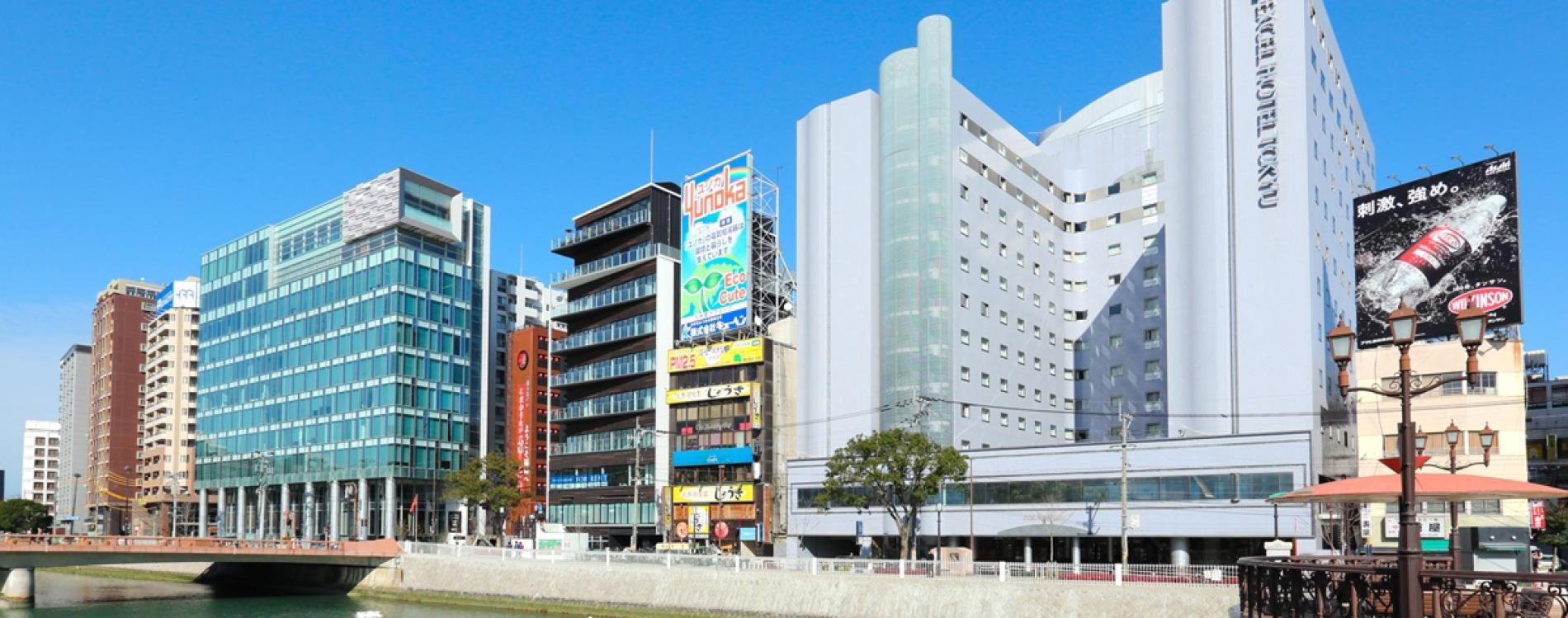
Nishinakasu changes tone after dark. The district sits between Tenjin’s commercial grid and Nakasu’s late-night glare, close enough to both to feel urban, but small enough that restaurant entrances can disappear into upper floors and narrow building approaches. That geography matters for sushi. Fukuoka does not sell itself through the grand ceremonial language of Ginza; its strongest counters often feel tied to a local market rhythm, a drinking culture that understands sake and shochu, and a guest who knows that Kyushu’s coastline is not background scenery but supply chain.
Zaisho belongs to that register. The room is built around counter seating rather than a sprawling dining room, and its public recognition places it in the serious Fukuoka sushi conversation: The Tabelog Award 2026 Bronze and selection for Tabelog Sushi WEST 100 in 2025. In a city where sushi is judged less by spectacle than by fish handling, pacing, and the confidence of the counter, those signals matter. They also put it in dialogue with Fukuoka names such as Sushi Sakai and Gahoujin 我逢人, while the broader local dining map stretches from Japanese cuisine at Nakahan to tofu-focused Mihara Tofuten and French-leaning Raisin d'Or.
Nishinakasu gives Fukuoka sushi a tighter, quieter frame
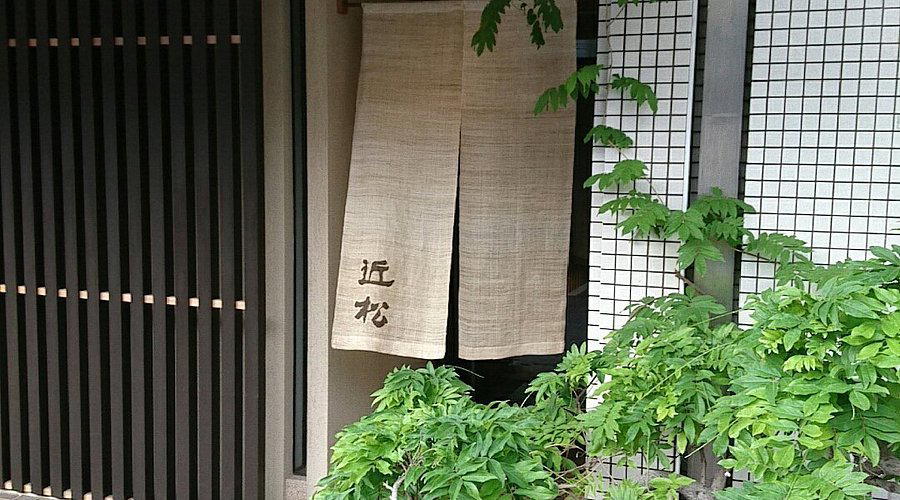
The neighbourhood is the point of entry. Nishinakasu is not remote, but it asks for a little attention: the district’s small buildings, upper-floor addresses, and side-street feel create a different arrival psychology from hotel dining rooms or station restaurants. That suits sushi, especially the modern reservation-only counter format, where the meal is less about choosing from a menu than entering a timed sequence. Zaisho operates inside that format, and the two-hour seating structure reflects a common premium sushi logic in Japan: control the rhythm, limit drift, and let the counter run with concentration.
Fukuoka’s sushi identity benefits from proximity to water and from a citywide appetite for serious but unshowy dining. The same traveller comparing sushi counters may also be looking at izakaya, tonkatsu, curry, South Indian cooking, bars, and hotels across the city rather than treating sushi as an isolated luxury category. For that wider scan, Our full Fukuoka restaurants guide, Our full Fukuoka hotels guide, Our full Fukuoka bars guide, Our full Fukuoka wineries guide, and Our full Fukuoka experiences guide give the surrounding city context.
The counter format matters more than decorative luxury
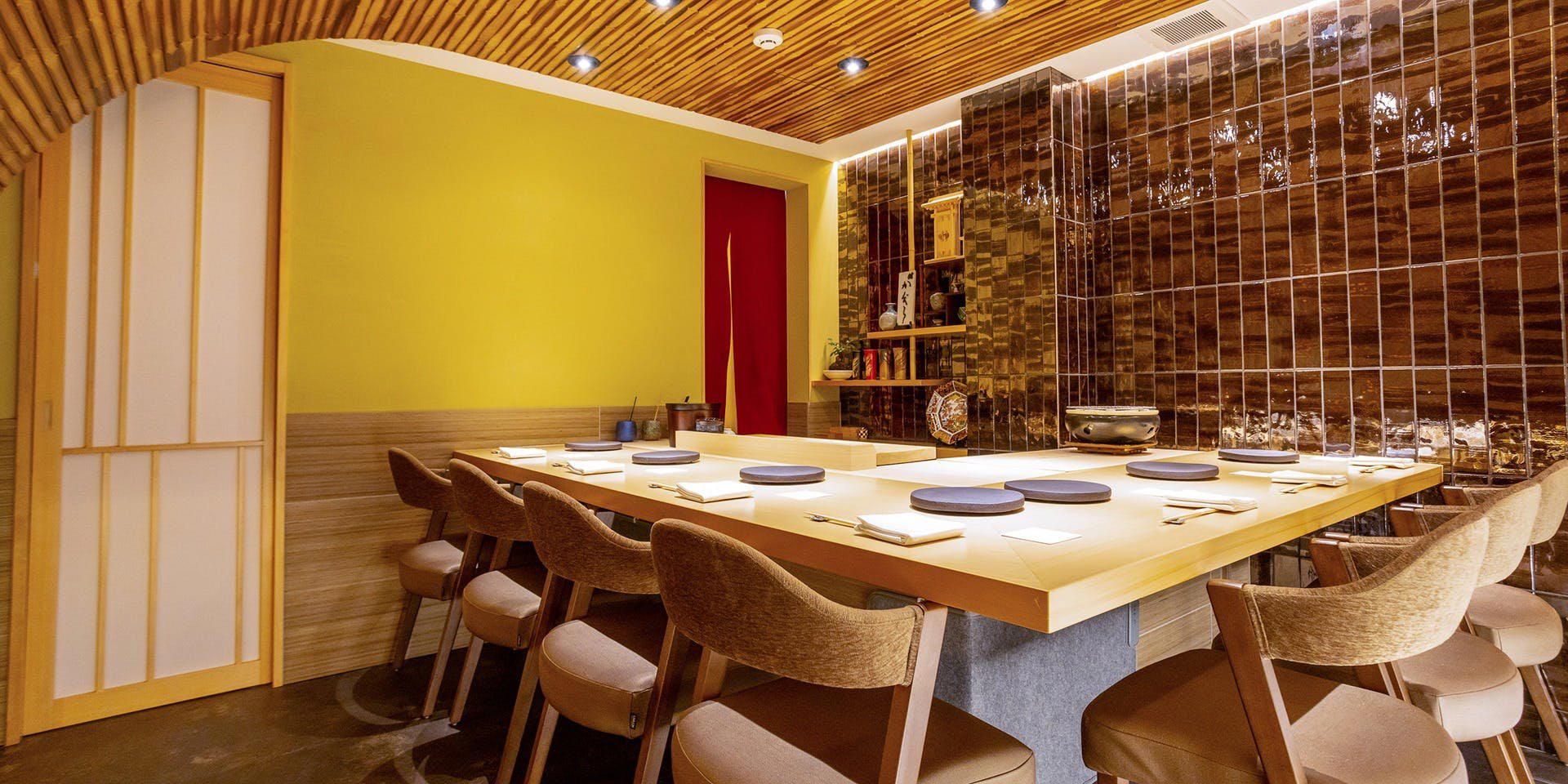
At this tier, the useful question is not whether a sushi counter feels lavish. It is whether the format supports precision. Zaisho lists sushi as its category, counter seating as part of the space, no private rooms, and a compact capacity with only part of the counter currently in use. That is a meaningful distinction from restaurants that can absorb walk-ins, large parties, or loose à la carte dining. Smaller counters make the meal dependent on timing and the shared cadence of the room; guests who want privacy, menu browsing, or a long drinking session after the last piece should choose a different format.
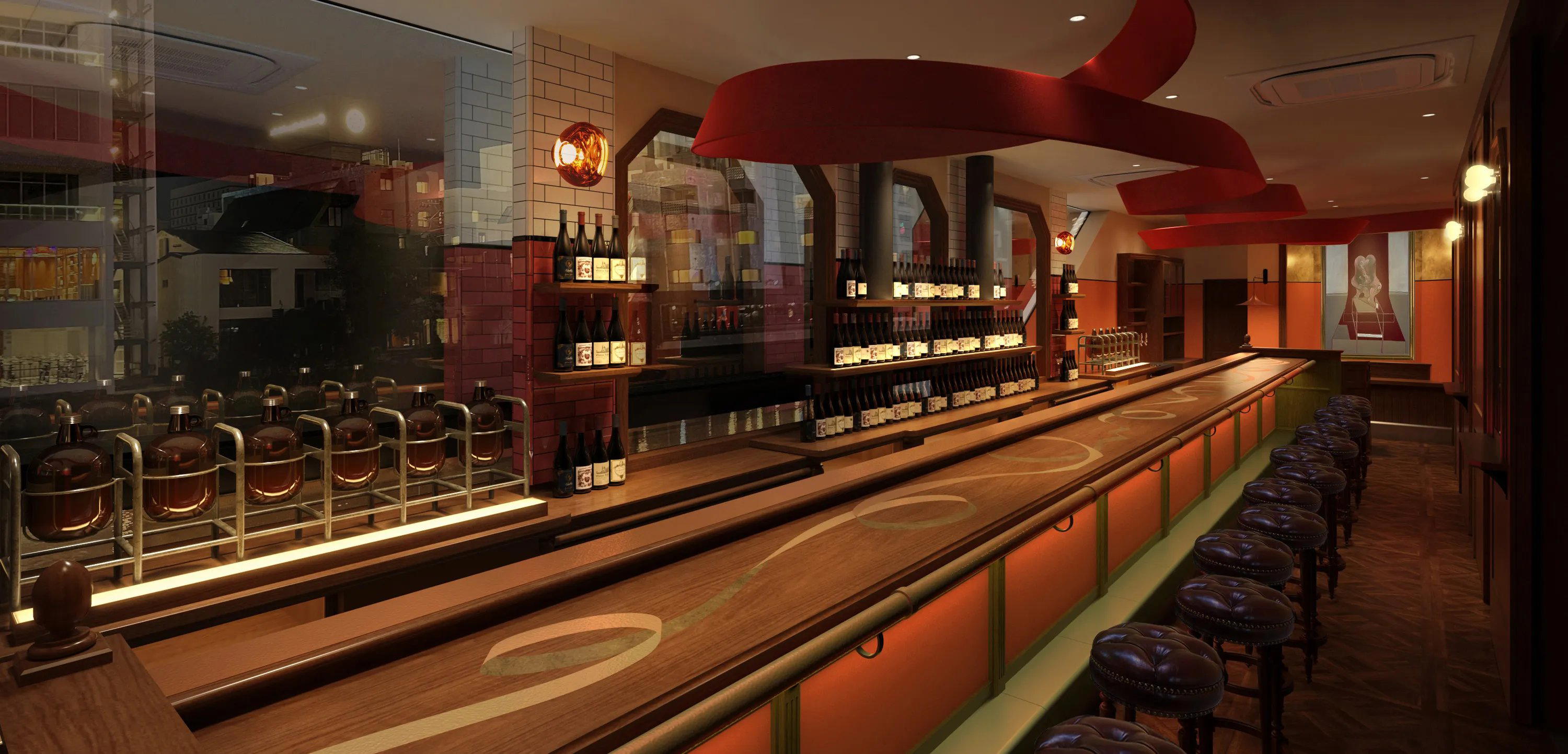
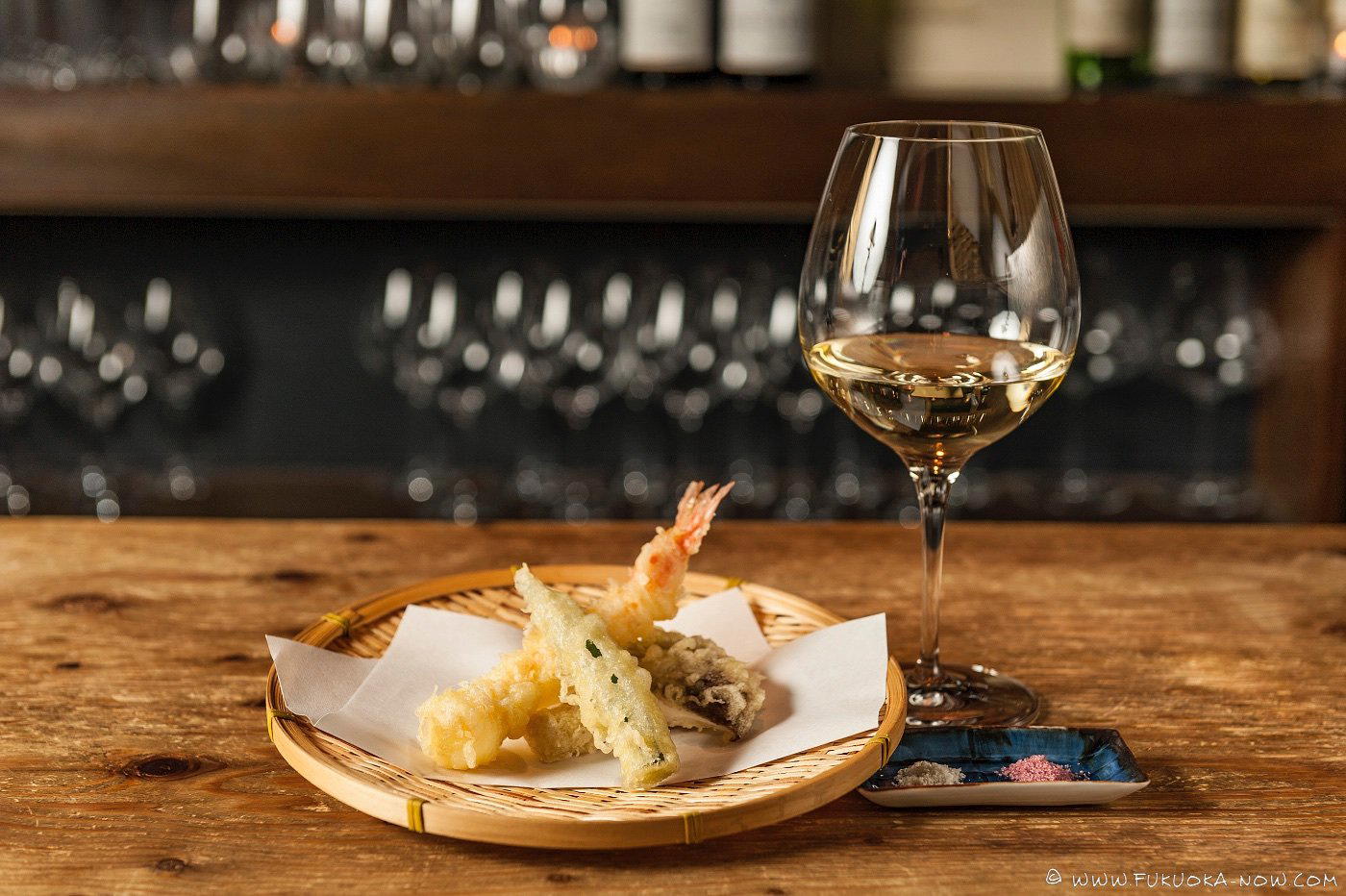
The drinks side also suggests the kind of audience being addressed. Sake, shochu, and wine are all part of the offer, with a sommelier listed. In Fukuoka, that matters because sushi counters often sit near a broader drinking culture rather than apart from it. The presence of wine alongside nihonshu and shochu positions the restaurant for diners who want pairing flexibility without moving the meal into French restaurant territory. It also makes sense in Nishinakasu, where compact, adult dining rooms compete not just with other sushi counters but with bars and late-evening restaurants across the river district.
Price positioning puts the experience in Fukuoka’s premium bracket rather than its everyday sushi bracket. That comparison is important because the city remains unusually rewarding at lower and middle price points, from fried fish specialists to curry rooms and counter-led Japanese restaurants. A traveller building a sharper itinerary could place Zaisho against more casual local choices such as Aji Furai Shokudo Kaba, Aji no Katsueda, Aji Dokoro Taro Gen Sougyou ten, Afterglow, or 106 South Indian Fukuoka tenjin ten. The decision is not cuisine versus cuisine; it is whether a given night should be formal, counter-led, and tightly paced.
How to read Zaisho within a Japan itinerary
For travellers moving through Japan, Fukuoka sushi is often compared with Tokyo or Osaka by default. That comparison can mislead. Tokyo has greater density at the luxury end and a reservation culture built around global demand; Osaka brings its own appetite and hospitality register. Fukuoka is more compact, and its sushi appeal lies in how quickly the city connects dining districts, seafood culture, and evening drinking. Zaisho makes sense for a night when the city itself is part of the experience, not merely the location of a meal.
The broader EP Club Japan map shows how differently regional dining can behave. A beef sukiyaki specialist such as -Grilled beef Sukiyaki- KAMAKURA TANUKIAN 鎌倉 たぬき庵 in Kamakura, a Tokyo seafood-and-charcoal room such as. 鮪と炭火焼き うお炭 秋葉原店 in Tokyo.cafe in Osaka.know in Kumamoto, (Shoku) Vietnam in Kawasaki, and [Curry Senmon Ten] Maruyama Kyoju. in Sapporo all answer different travel needs. Outside Japan, sake-led and Japanese casual formats such as Jōdo Saké Bar in Los Angeles and Onigiri Time in Pasadena underline the same point from another angle: context changes the meal.
The editorial case for Zaisho is strongest for diners who value Fukuoka’s restrained, place-specific version of sushi: counter focus, recognized standing, serious drinks, and a Nishinakasu setting that keeps the evening close to the city’s adult dining core. It is not the right choice for a loose group dinner or a casual first bite after arrival. It is better read as a controlled sushi session in a neighbourhood where the city’s polished side stays compact, discreet, and close to the river.
A Tight Comparison
Comparable venues to anchor price and recognition.
| Venue | Cuisine | Price |
|---|---|---|
| ZaishoThis venue — the venue you are viewing | Not listed | $$$$ |
| 一本木 石橋 | Chūō, Kappo-Style Kaiseki | $$$$ |
| Torira | Chūō, Yakitori | $$$$ |
| Sushi Soejima | Hakata, Seasonal Kyushu Sushi Omakase | $$$$ |
| Yakiniku Sudou Haruyoshi | Chūō, Premium Yakiniku Omakase | $$$$ |
| Sushi Gosuian | Chūō, Edomae Sushi Omakase | $$$$ |
Recognition history
Dated appearances from independent guides and award organizations, with the underlying list record or original source where available.
Tabelog 100 #31 · No. 31
Tabelog · Tabelog 100 - Sushi - WEST - 2025
At a Glance
- Elegant
- Intimate
- Modern
- Classic
- Sophisticated
- Date Night
- Special Occasion
- Business Dinner
- Solo
- Chefs Counter
- Design Destination
- Standalone
- Extensive Wine List
- Sake Program
- Sommelier Led
- Local Sourcing
- Sustainable Seafood
Current opening hours
- Monday
- Closed
- Tuesday
- 6–8 PM, 8:30–10:30 PM
- Wednesday
- 1:30–3:30 PM, 6–8 PM, 8:30–10:30 PM
- Thursday
- 1:30–3:30 PM
- Friday
- 1:30–3:30 PM, 6–8 PM, 8:30–10:30 PM
- Saturday
- 1:30–3:30 PM, 5–7 PM, 7:30–9:30 PM
- Sunday
- Closed
Hours can change for holidays and private events. Last verified .