Sushi Hase sits on the second floor of a Ginza address that positions it squarely within Tokyo's premium omakase tier, where counter dining and seasonal Edomae technique set the standard. Compared to peers like Harutaka, it occupies a quieter register within the neighbourhood's competitive sushi scene. Advance reservations are the norm at this level, and walk-ins are rarely accommodated.
Pearl is the En Primeur Club membership app — saves, bookings, and concierge access live there. Same editors, same standards.
- Address
- Japan, 〒104-0061 Tokyo, Chuo City, Ginza, 7 Chome−11−6 Ginza Isono Bldg., 2F
- Phone
- +81335757880
- Website
- sushi-takeru.com
- Directions
- Get directions
 Saves & bookings on Pearl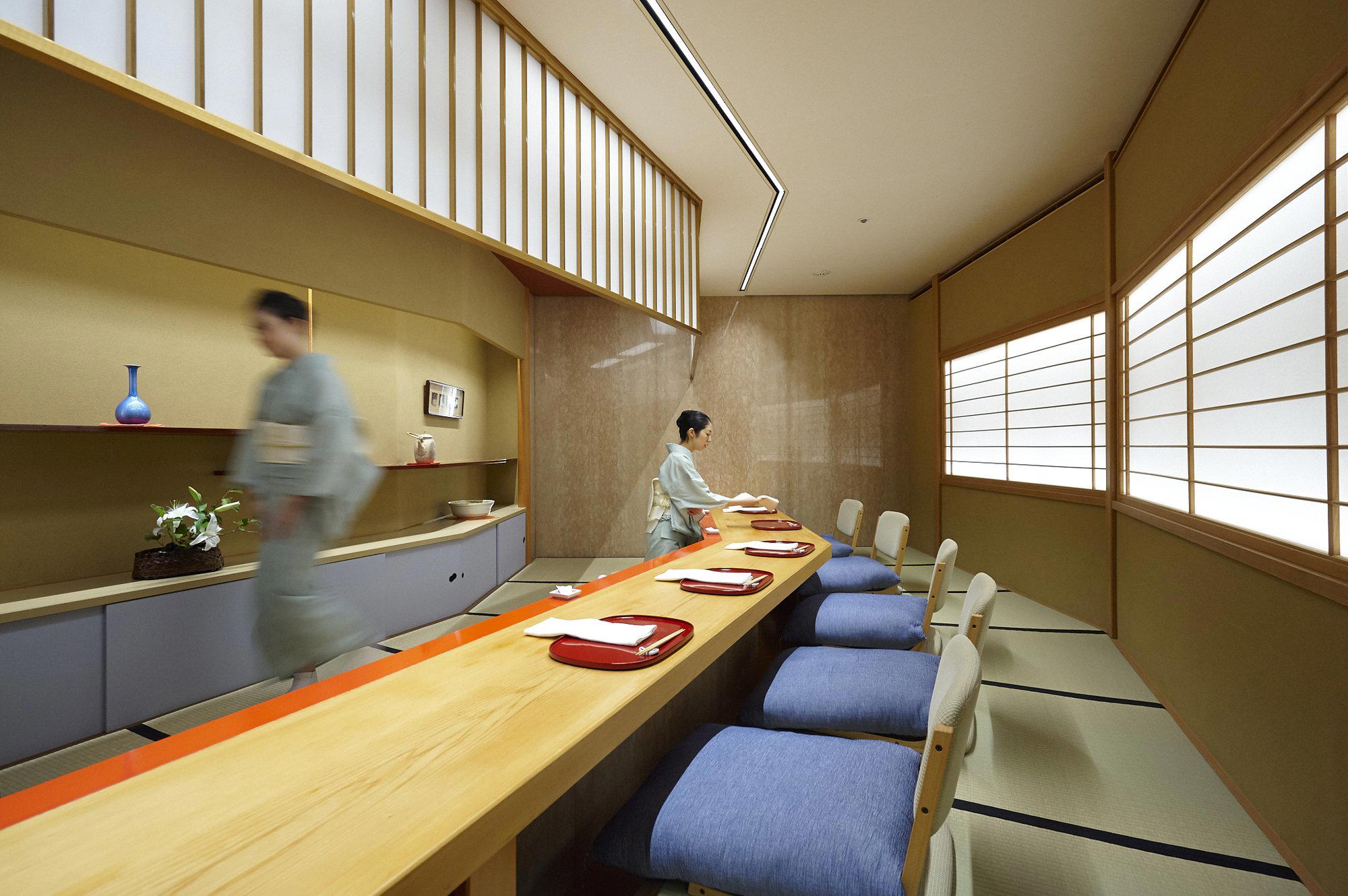
Ginza's Omakase Register: Where Sushi Hase Sits
Sushi Hase is a Michelin Three-Star Omakase Sushi restaurant in Tokyo, priced at about $250 per person. The second floor of Ginza Isono Building on 7-chome is not an address that announces itself loudly. Ginza's sushi corridor operates on earned recognition rather than street-level visibility, and the counters that matter most in this neighbourhood tend to occupy upper floors of low-profile buildings, accessible to those who already know to look. Sushi Hase follows that pattern. It is part of a well-established tradition in Chuo City's Ginza district, where the density of high-calibre omakase counters is greater than almost anywhere else in the world, and where the competitive reference point for any serious sushi-ya is the block itself, not the city at large.
Within that context, Ginza's upper-tier sushi counters have spent the past decade sorting themselves into a progressively tighter upper bracket. The starred addresses, the counters with Jiro or Kanesaka lineage, and those drawing international visitors alongside Tokyo regulars have all pushed toward a format defined by restraint: fewer seats, longer lead times for reservations, and a strong commitment to the Edomae canon. Harutaka, operating in the same neighbourhood at the ¥¥¥¥ price tier, exemplifies the standard this comparable set is measured against. Sushi Hase operates within that same geographic and culinary frame.
The Edomae Tradition and What It Demands of a Counter
Edomae sushi is a specific technical tradition, not a marketing category. It refers to the preservation and preparation techniques developed in Edo-period Tokyo: vinegar-marinated fish, kelp-cured white fish, lightly simmered shellfish, aged tuna with controlled oxidation. The rice, seasoned with red vinegar derived from sake lees, carries a distinctive tang that separates it from the milder profiles found in most contemporary sushi. A counter working seriously within this tradition is asking its guests to engage with a cuisine that rewards prior knowledge and repeated visits rather than spectacle on the first.
The wine list question at this level is largely beside the point in orthodox Edomae contexts. The beverage pairing tradition at serious sushi counters in Tokyo remains anchored in sake, shochu, and whisky. Where wine appears, it tends to function as an accommodation rather than a curated programme. The sommelier expertise model associated with French-influenced fine dining in Tokyo, practised at addresses like L'Effervescence or Sézanne, operates on a different axis entirely. At a traditional Ginza sushi counter, the depth of the beverage selection is most meaningfully assessed through the sake list: the range of producers, the presence of aged or single-brewery junmai daiginjo, and whether the recommendation tracks with the season and the specific fish being served that evening.
For guests arriving from markets where wine is the default pairing language, this requires a calibration. The counters that handle this most fluently tend to carry a short, thoughtful selection of Champagne and white Burgundy alongside their sake programme, treating both as legitimate if parallel tracks.
The Ginza Counter Format and Its Practical Logic
Counter dining at this level in Ginza functions as a structured sequence rather than an a la carte experience. The chef determines the order and composition of the meal based on what has arrived from the market that morning, which means the format has built-in seasonal intelligence. What is served in March, when cherry blossom approaches and white fish from colder northern waters peaks, differs substantially from what appears in high summer or at the turn of autumn. Guests who visit multiple times over a year are engaging with a programme that shifts materially with the calendar.
This seasonal attentiveness is one of the features that distinguishes serious Edomae counters from more casual sushi restaurants, and it places them in productive comparison with kaiseki formats elsewhere in Japan. RyuGin in Tokyo and Gion Sasaki in Kyoto follow comparable seasonal logics within the kaiseki tradition, where the chef's role is partly to act as a seasonal editor. At a sushi counter, that editorial function compresses into the briefer, more intense arc of an omakase sequence. Japan's broader network of serious counters, from HAJIME in Osaka to Goh in Fukuoka, each express regional ingredient access within their own seasonal logic. Ginza counters, by contrast, pull from Tokyo's wholesale markets and have direct access to fish from across the Japanese archipelago.
Booking, Timing, and Practical Realities
The Ginza premium omakase tier operates almost exclusively on advance reservations. Walk-in access at this level is uncommon as a matter of format rather than policy: the counter structure, the market-dependent sourcing, and the fixed-sequence meal all require the chef to know the cover count well in advance. Guests who arrive without a reservation should not expect to be seated. In some cases, last-minute cancellations create availability, but that is circumstantial rather than a reliable strategy.
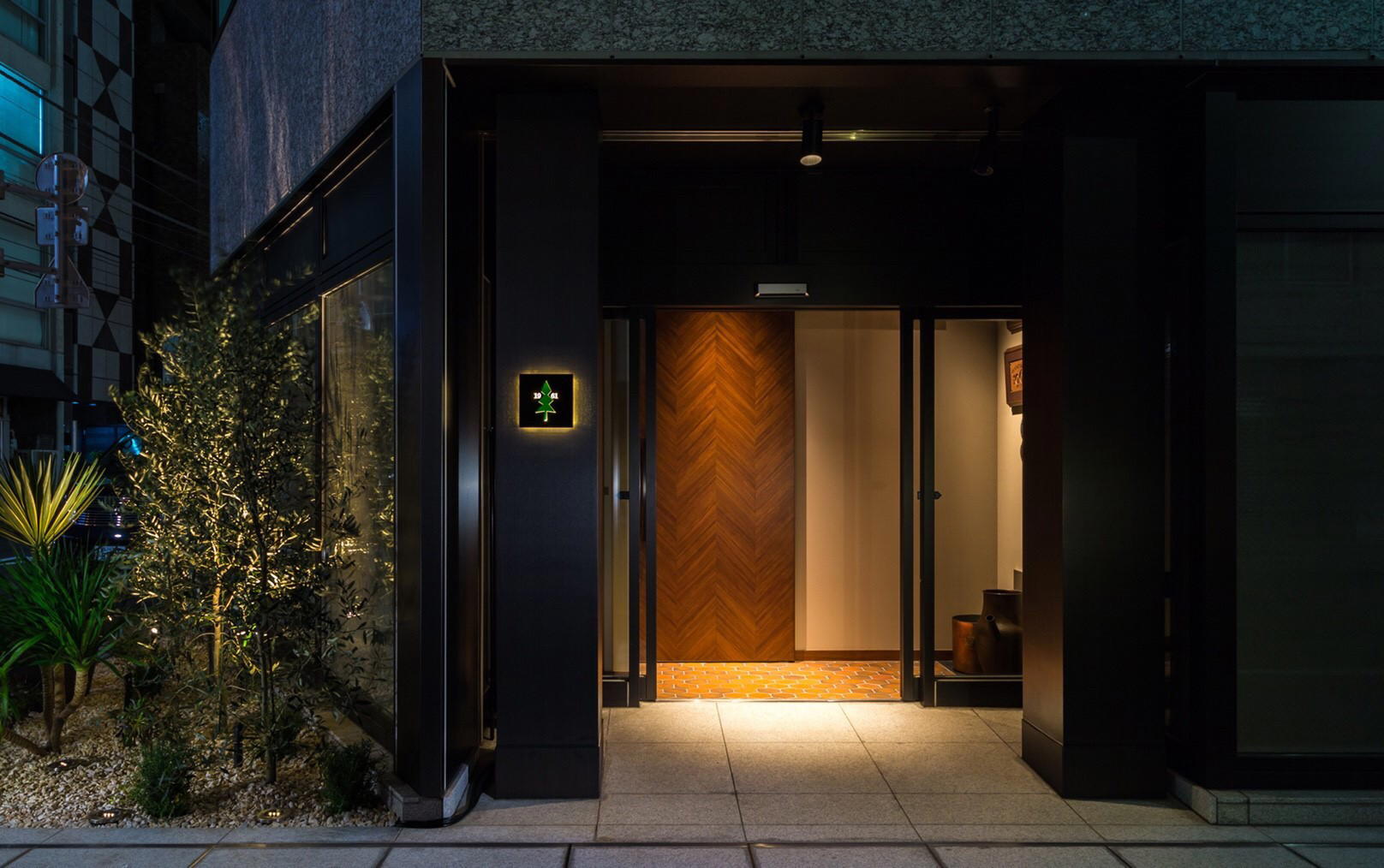
Booking for counters in this bracket typically requires either a direct reservation made in Japanese or assistance from a hotel concierge service with established restaurant relationships. International visitors staying at properties in the Ginza or Marunouchi corridors often find concierge assistance one reliable route. The address itself is on the second floor of Ginza Isono Building, 7-11-6 Ginza, Chuo City, with the entrance accessible from street level in a building that does not publicise its tenants prominently.
For guests building a broader Tokyo itinerary around this tier of dining, the city's range extends well beyond sushi. Crony represents the innovative French register at ¥¥¥¥, while L'Effervescence operates at the French fine dining ceiling. For those extending travel beyond Tokyo, akordu in Nara and regional Japanese addresses including 一本木 川島製 in Nanao and 湖鮨庵 in Takashima provide interesting contrasts in how serious Japanese fish-focused dining translates outside the major cities. Additional regional counters such as 北の大地乃 in Sapporo, 奥羽凰 in Nishikawa Machi, Birdland in Sakai, and Bistro Ange in Toyohashi illustrate the geographic breadth of Japan's serious dining circuit.
The Essentials
Comparable venues nearby, for context on price, style, and recognition.
| Venue | Cuisine | Price | Notes |
|---|---|---|---|
| 寿司 健This venue — the venue you are viewing | Chūō, Michelin Three-Star Omakase Sushi | $$$ | Not listed |
| Kuzushi Teppan AVAGURA Kanda ten | Chiyoda, Modern Teppanyaki | $$$ | Not listed |
| Yokoyama | Minato, Seasonal Japanese Kaiseki | $$$ | Not listed |
| Iwasawa | Shinagawa, Edo-style Omakase Sushi | $$$ | Not listed |
| 焼肉トラジ新宿西口店 | Not listed | $$$ | Shinjuku, Premium Yakiniku (Japanese Grilled Beef) |
| Shoto Ran Kan | Shibuya, Refined Japanese Izakaya | $$$ | Not listed |







At a Glance
- Elegant
- Intimate
- Sophisticated
- Special Occasion
- Date Night
- Business Dinner
- Chefs Counter
- Hotel Restaurant
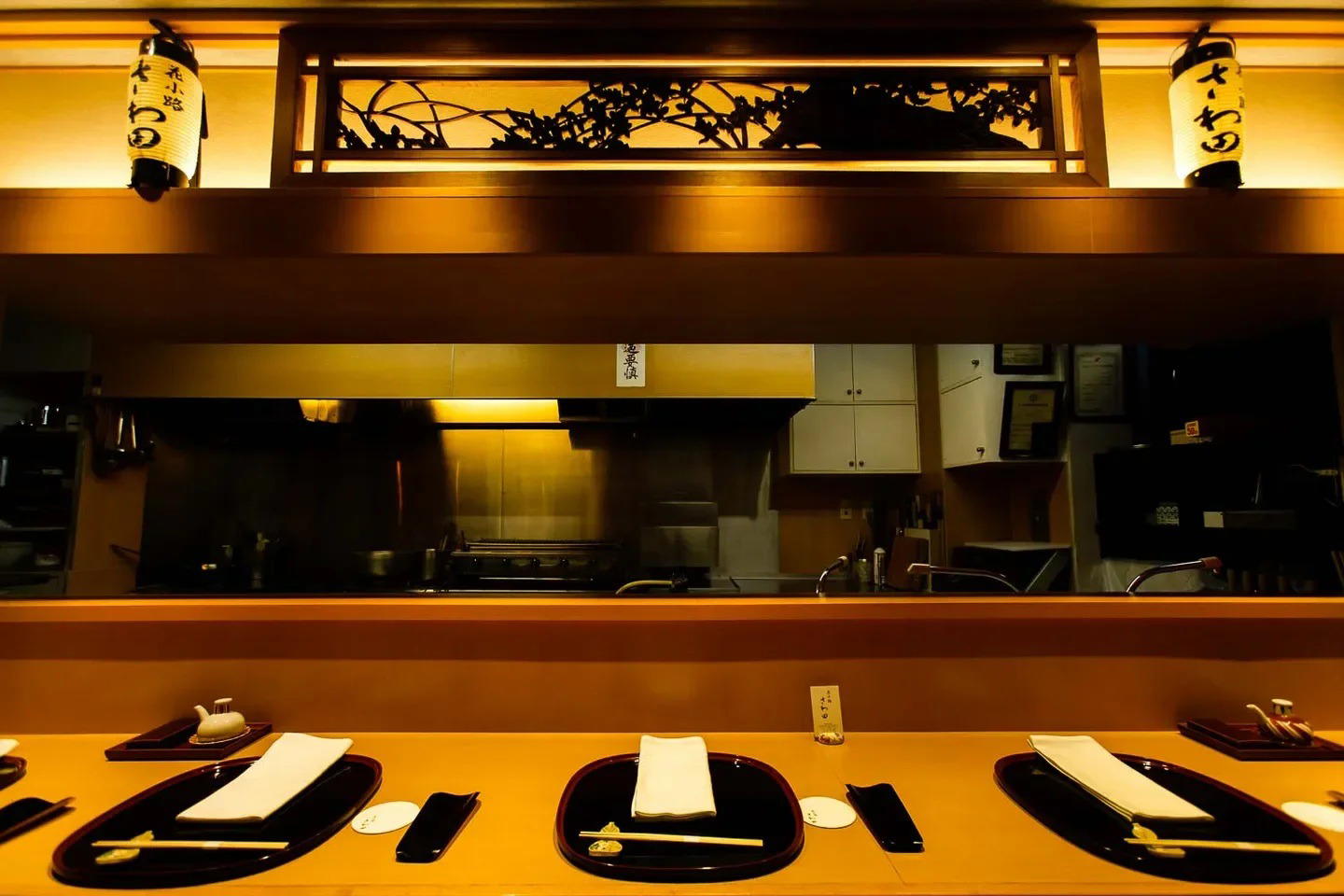
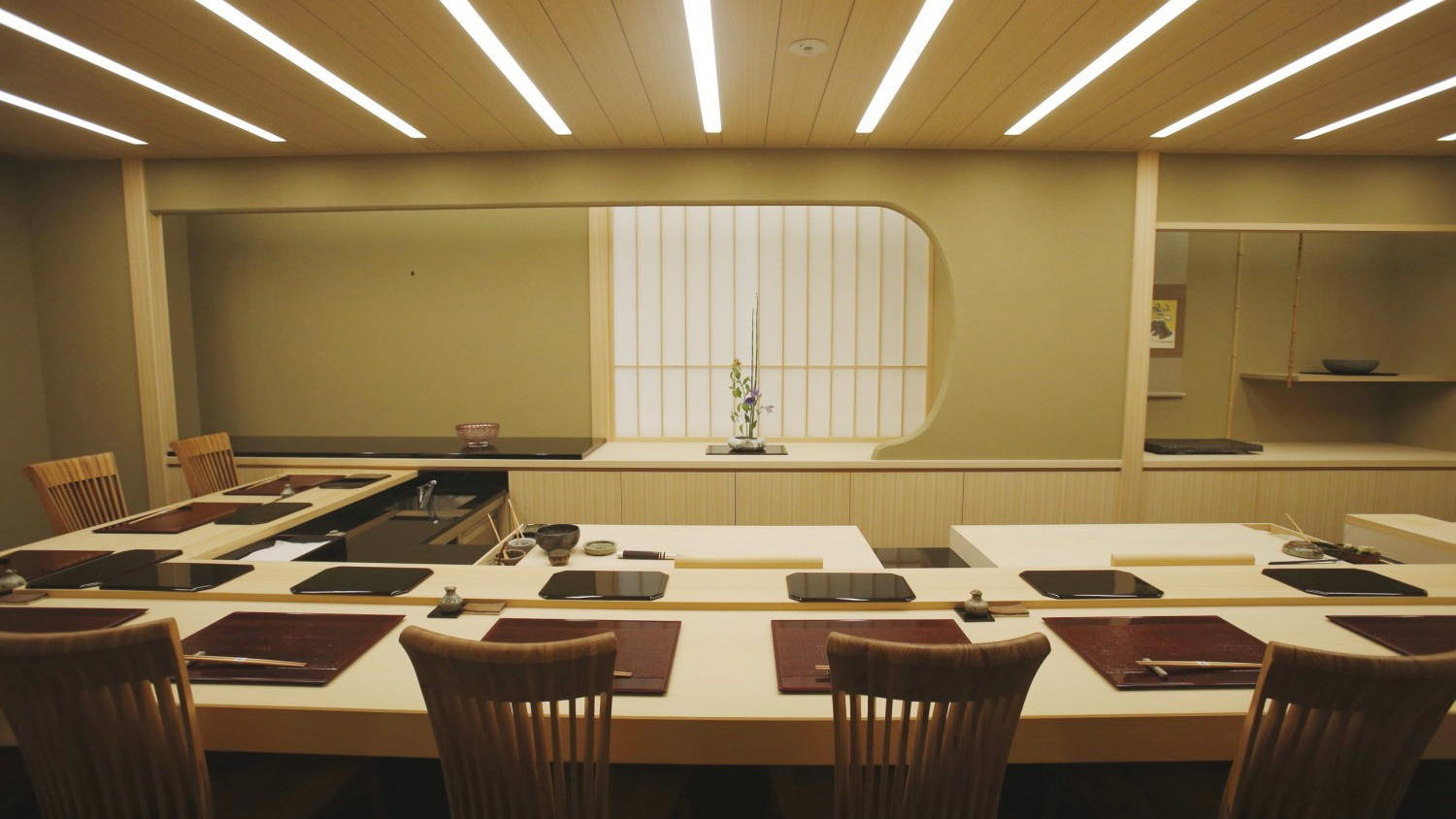
Refined and minimalist counter setting with focus on chef-guest interaction and precision craftsmanship.