如院 occupies a measured position within Hangzhou's upper-tier Zhejiang dining scene, where classical regional technique and considered service converge. The name itself gestures toward a courtyard sensibility: contained, deliberate, unhurried. For visitors tracing the city's serious restaurant circuit, 如院 sits alongside the ¥¥¥¥-tier tables that define Hangzhou's current fine-dining conversation.
Pearl is the En Primeur Club membership app — saves, bookings, and concierge access live there. Same editors, same standards.
- Address
- 杭州市, 浙江
- Directions
- Get directions
 Saves & bookings on Pearl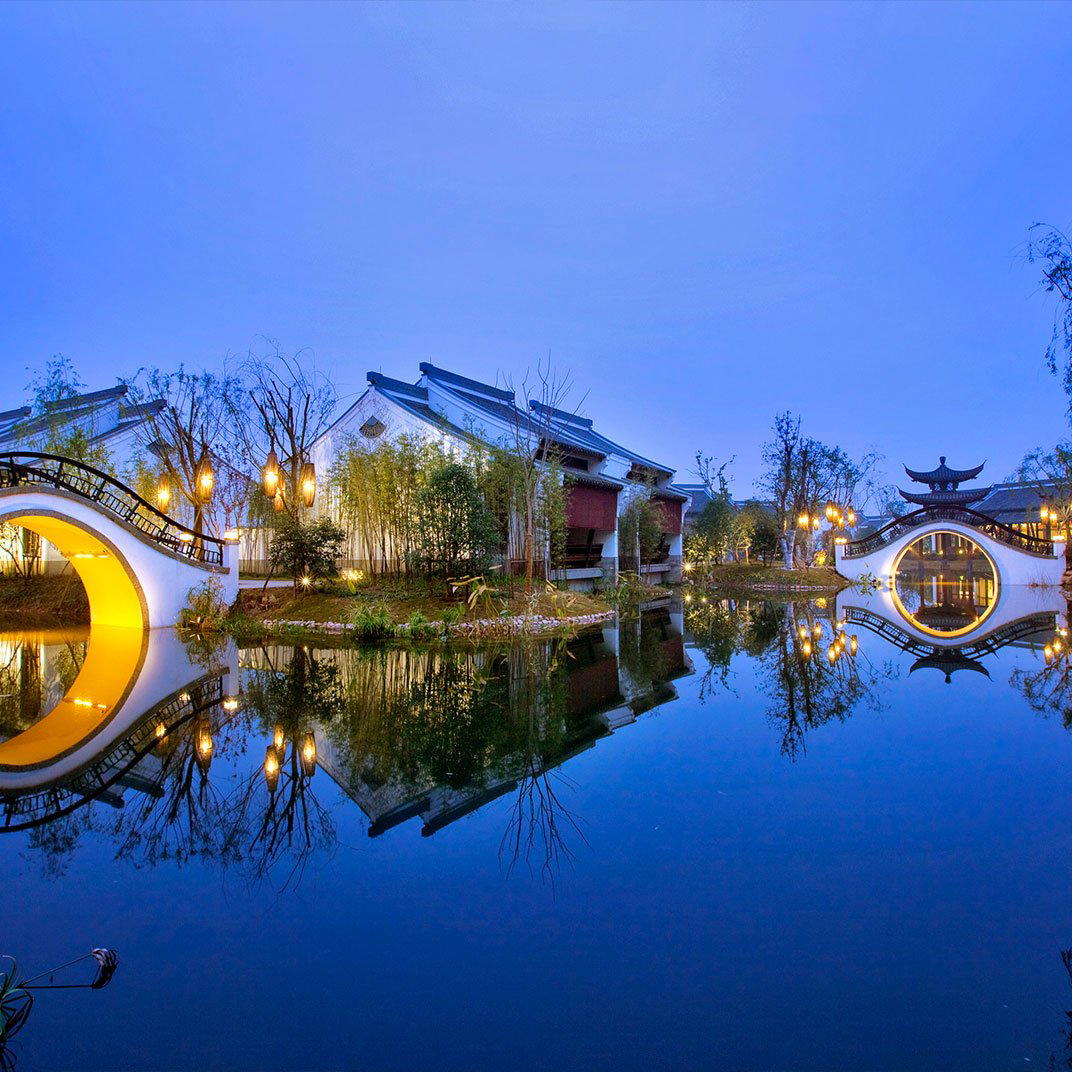
Hangzhou's Refined Tier and Where 如院 Fits
Hangzhou has spent the better part of a decade building a fine-dining identity that doesn't simply defer to Shanghai or Beijing. The city's leading tables now draw on Zhejiang's larder with the same seriousness that Cantonese kitchens apply to their own regional canon. Within that conversation, a handful of restaurants operate at a ¥¥¥¥ price tier. 如院 occupies that bracket. Its name, which carries the feel of a scholar's courtyard residence, signals an aesthetic position before a single dish arrives: restraint over spectacle, depth over volume.
That positioning matters in a city where the dining scene has split clearly between accessible Zhejiang traditions at the ¥¥¥ level, represented by restaurants like Hangzhou House and Jie Xiang Lou, and the more considered upper tier where format, pacing, and team coordination become as important as the food itself. 如院 operates in the latter space.
The Courtyard Sensibility: Atmosphere and Approach
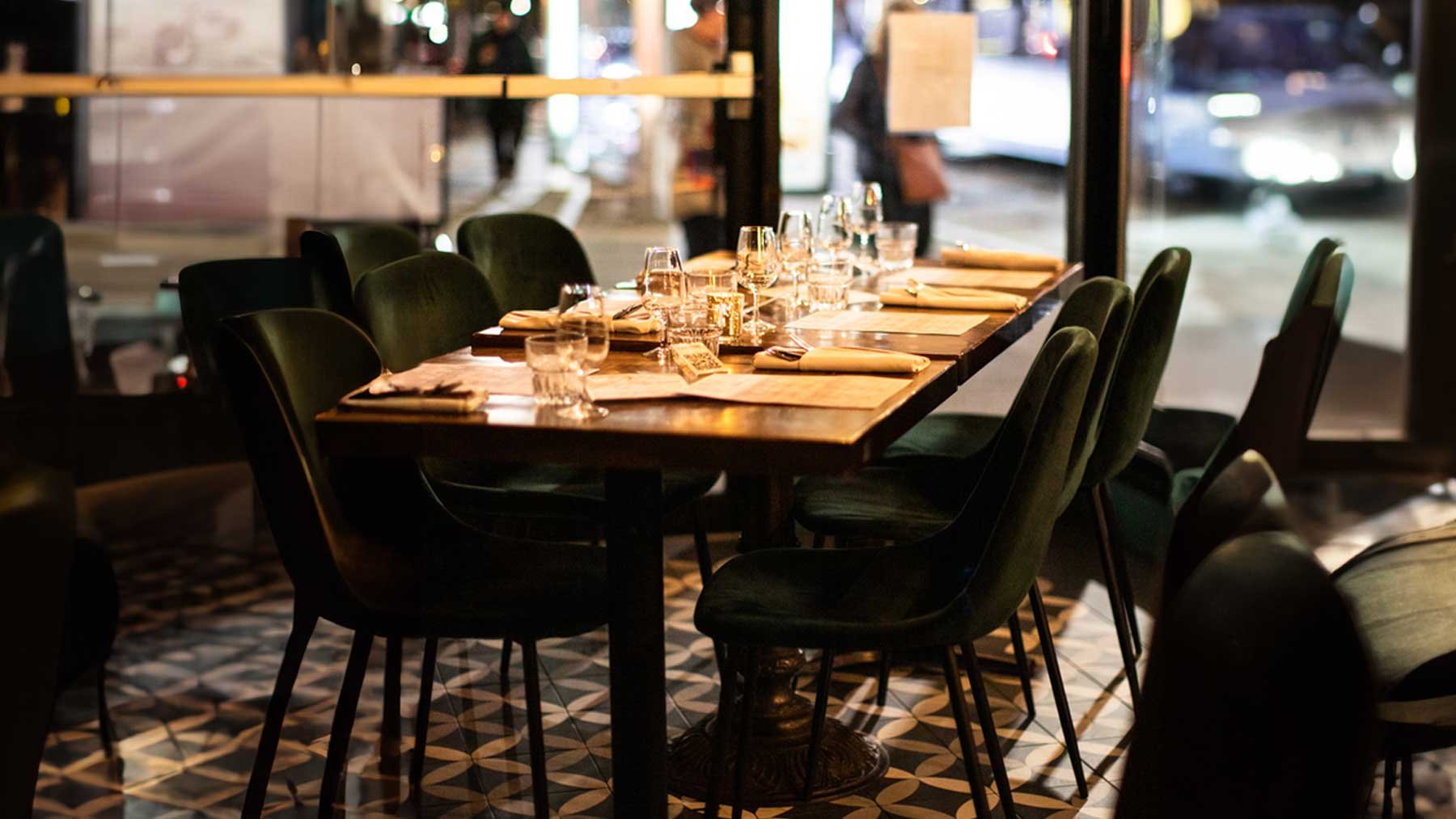
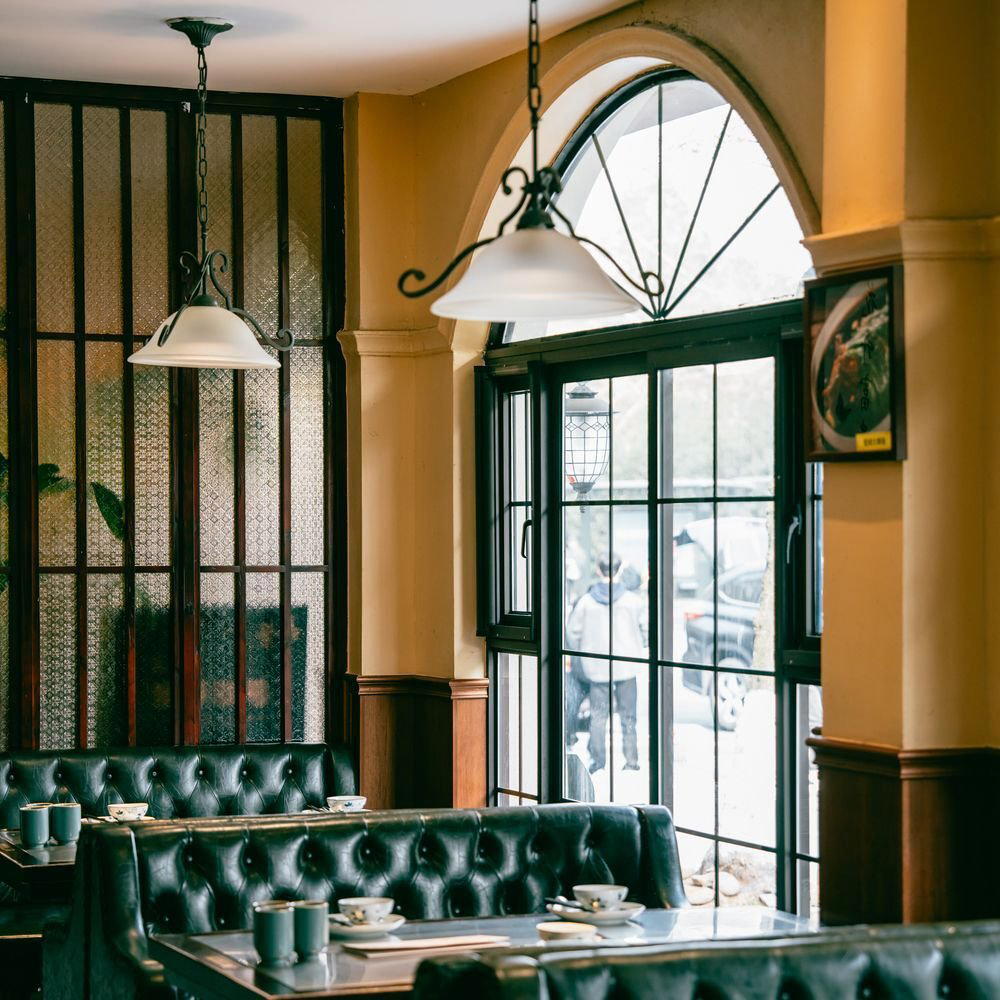
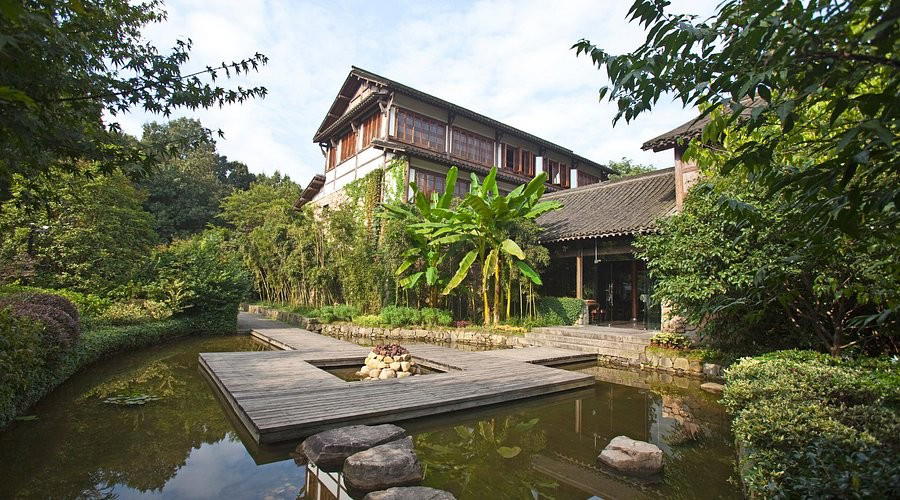
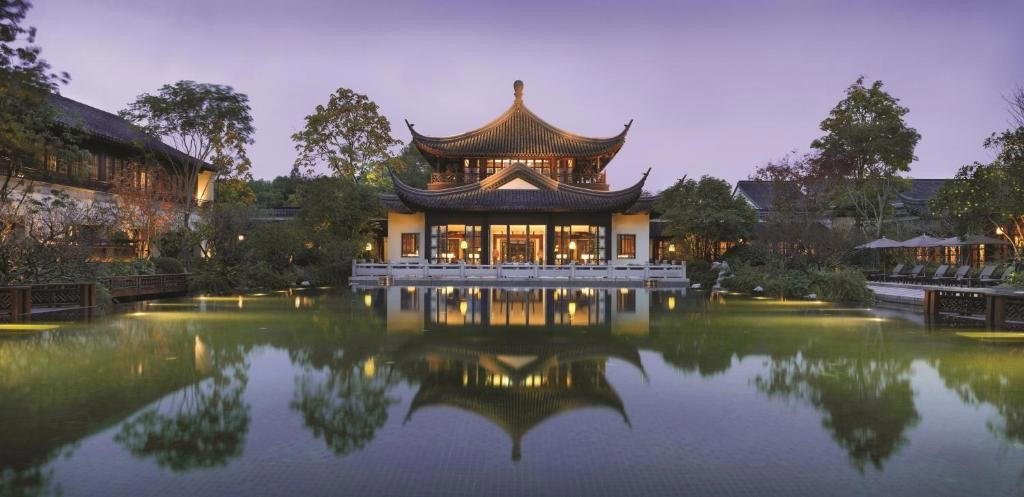
One useful frame for understanding 如院 is architectural rather than culinary. Courtyard-style dining spaces in Chinese restaurant culture carry specific expectations: an interior turned inward, natural light handled carefully, acoustics that keep conversation contained rather than amplified. Whether the physical space fully realises that courtyard logic depends on execution, but the name establishes the contract. You arrive expecting to feel enclosed in the better sense: held rather than exposed. That sensibility shapes how the front-of-house team reads the room, how the progression of a meal is timed, and what the overall register of the experience communicates to the table.
In the upper tier of Hangzhou dining, atmosphere is not incidental. Restaurants like Ambré Ciel, which takes an innovative approach to its own spatial logic, have demonstrated that the city's serious diners notice and respond to environmental decisions. The question at 如院 is whether the courtyard framing translates into an experience that justifies the price tier, or whether it functions primarily as branding.
Team Dynamics at the summit of Hangzhou's Market
At the ¥¥¥¥ level in any Chinese city, the gap between a good meal and a cohesive experience usually comes down to team coordination rather than raw kitchen talent. The technically accomplished kitchen in a city can be undermined by front-of-house that doesn't read the pace of a table, or by a beverage program that treats wine as an afterthought to food. The inverse is equally true: confident, warm floor service can carry a meal across minor kitchen inconsistencies.
Look at how Xin Rong Ji in Beijing has built its reputation partly through disciplined service rhythm, or how 102 House in Shanghai approaches the integration of culinary and hospitality craft. At the highest end of Chinese fine dining regionally, venues like Chef Tam's Seasons in Macau have shown that the team dynamic between kitchen, floor, and beverage is what separates a special occasion table from a genuinely memorable one. The pattern holds whether you're looking at Xin Rong Ji in Chengdu or the Cantonese formality of Imperial Treasure Fine Chinese Cuisine in Guangzhou.
For 如院, the service model should match the culinary ambition. A courtyard-named restaurant at the summit of its city's price tier is implicitly promising a coordinated, unhurried experience. That coherence is the real measure of the venue's standing. Across the broader Yangtze Delta dining circuit, where tables like Dai Yuet Heen in Nanjing and Dingshan·Jiangyan in Suzhou are setting the regional benchmark, team execution is increasingly the differentiating variable.
Zhejiang Cuisine in a Premium Format
Zhejiang cooking at its leading is not showy. The tradition prizes freshness, seasonal produce, and techniques that preserve rather than transform. West Lake fish, Dongpo pork, and longjing shrimp are the canonical markers of the regional repertoire, and the better Hangzhou restaurants use them as reference points rather than menu centrepieces. What the ¥¥¥¥ tier adds to this tradition is procurement depth: access to better-sourced ingredients, more precise timing in preparation, and the kind of mise en place discipline that entry-level Zhejiang restaurants rarely sustain.
The relevant comparison is whether 如院 advances what premium Zhejiang cooking looks like in 2024 and beyond. Restaurants in adjacent coastal provinces are pushing similar questions: Jiangnan Wok·Rong in Fuzhou and Fleurs Et Festin in Xiamen each approach the question of regional identity at a premium price point from different angles. Internationally, the challenge of maintaining regional integrity while serving an increasingly cosmopolitan audience is one that venues from Le Bernardin in New York City to Atomix in New York City have navigated in their own culinary traditions. Shang Palace in Yangzhou offers another model: classical Chinese technique within a luxury hotel format. 如院 appears to take a different path, grounding itself in Hangzhou specifically rather than reaching for a broader Chinese fine-dining vocabulary.
Planning a Visit
Given the absence of confirmed booking infrastructure in the public record, the practical approach is to treat 如院 as a reservation that requires advance planning. Restaurants at this price tier in Hangzhou typically fill weekend evenings two to four weeks ahead, and those operating with a courtyard-format dining room often have limited covers by design. Timing-wise, the spring longjing harvest season, running from late March through early May, is when Zhejiang cuisine's most celebrated seasonal ingredient is at its peak, and the better Hangzhou restaurants adjust their menus accordingly. That window also represents one competitive booking period.
Cost and Credentials
Comparable venues nearby, for context on price, style, and recognition.
| Venue | Cuisine | Price | Notes |
|---|---|---|---|
| 如院This venue — the venue you are viewing | Xihu, Modern Zhejiang | $$$$ | Not listed |
| Hangzhou House at Amanfayun | Xihu, Refined Zhejiang Cuisine | $$$$ | Not listed |
| Jiexianglou at Seven Villas | Hangzhoushi, Modern Jiangnan Cuisine | $$$$ | Not listed |
| Ziwei Hall | Not listed | $$$$ | Hangzhoushi, Refined Hangzhou Jiangzhe Cuisine |
| 荣鲜面馆 | Not listed | $$$ | West Lake, Hangzhou Silver Carp Head Specialty |
| Li’An - Conrad Hangzhou | Not listed | $$$$ | Qianjiang New Town, Modern Hangzhou Cuisine |
At a Glance
- Elegant
- Scenic
- Sophisticated
- Quiet
- Special Occasion
- Celebration
- Business Dinner
- Garden
- Design Destination
- Local Sourcing
- Garden
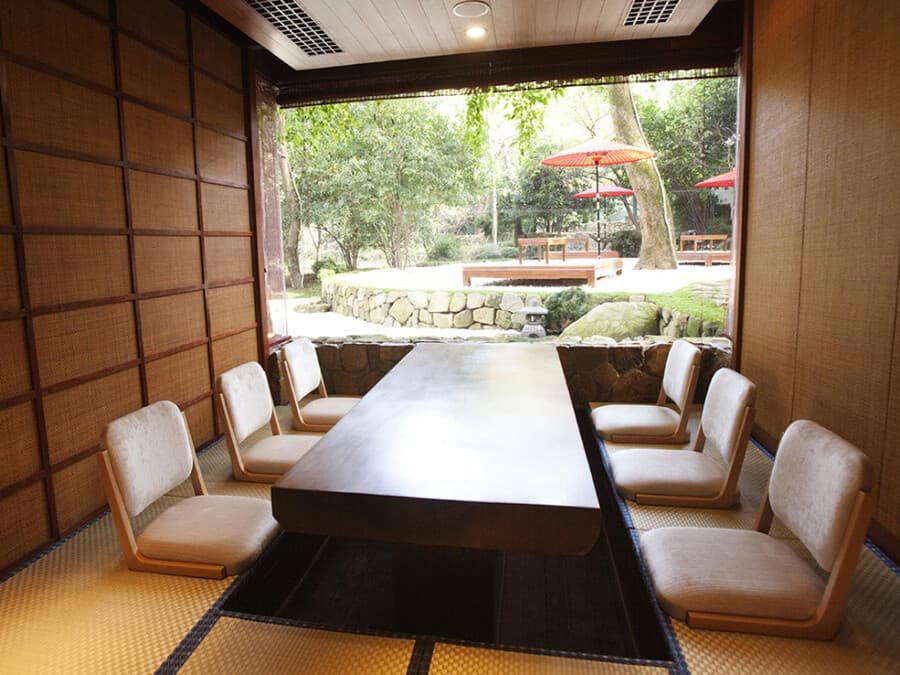
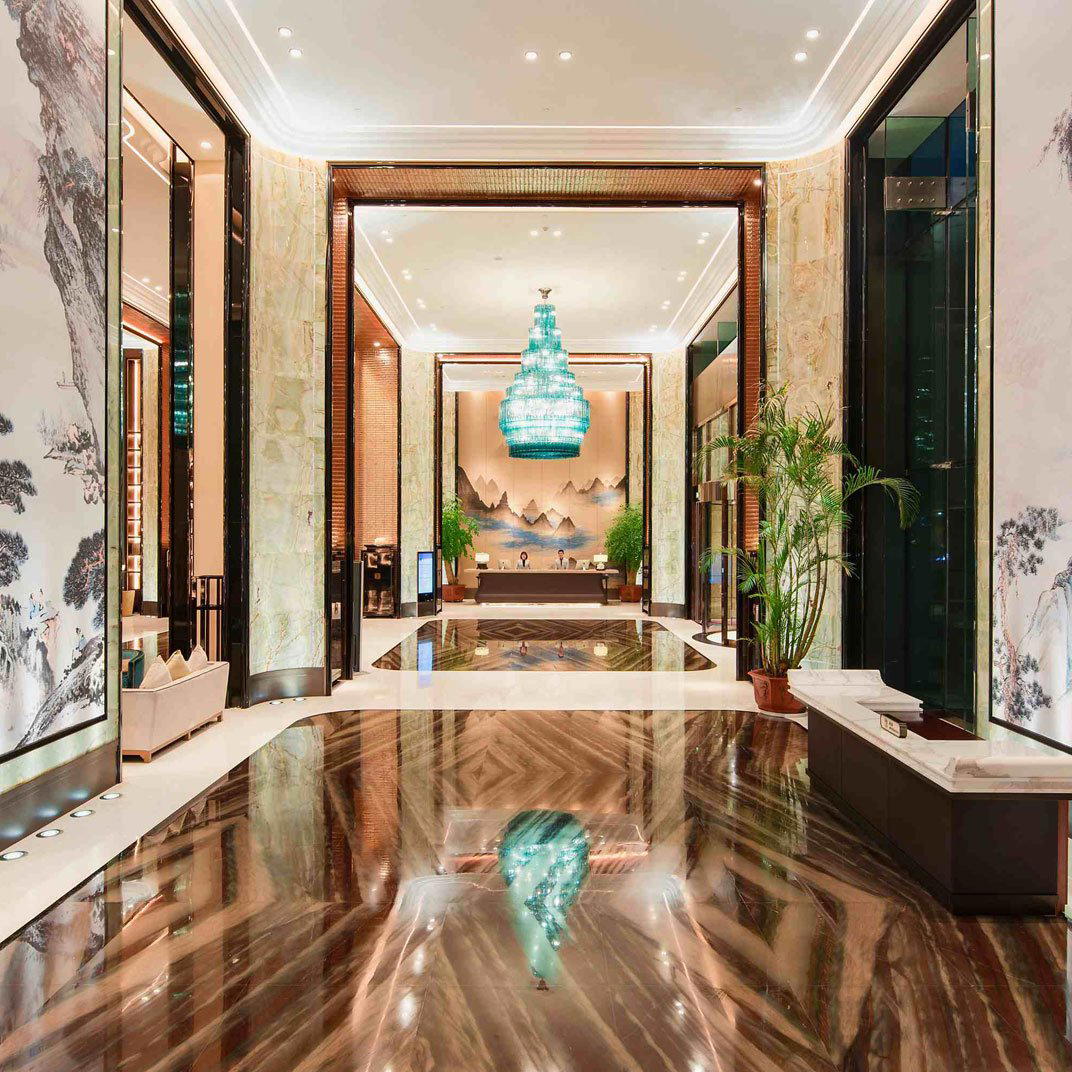
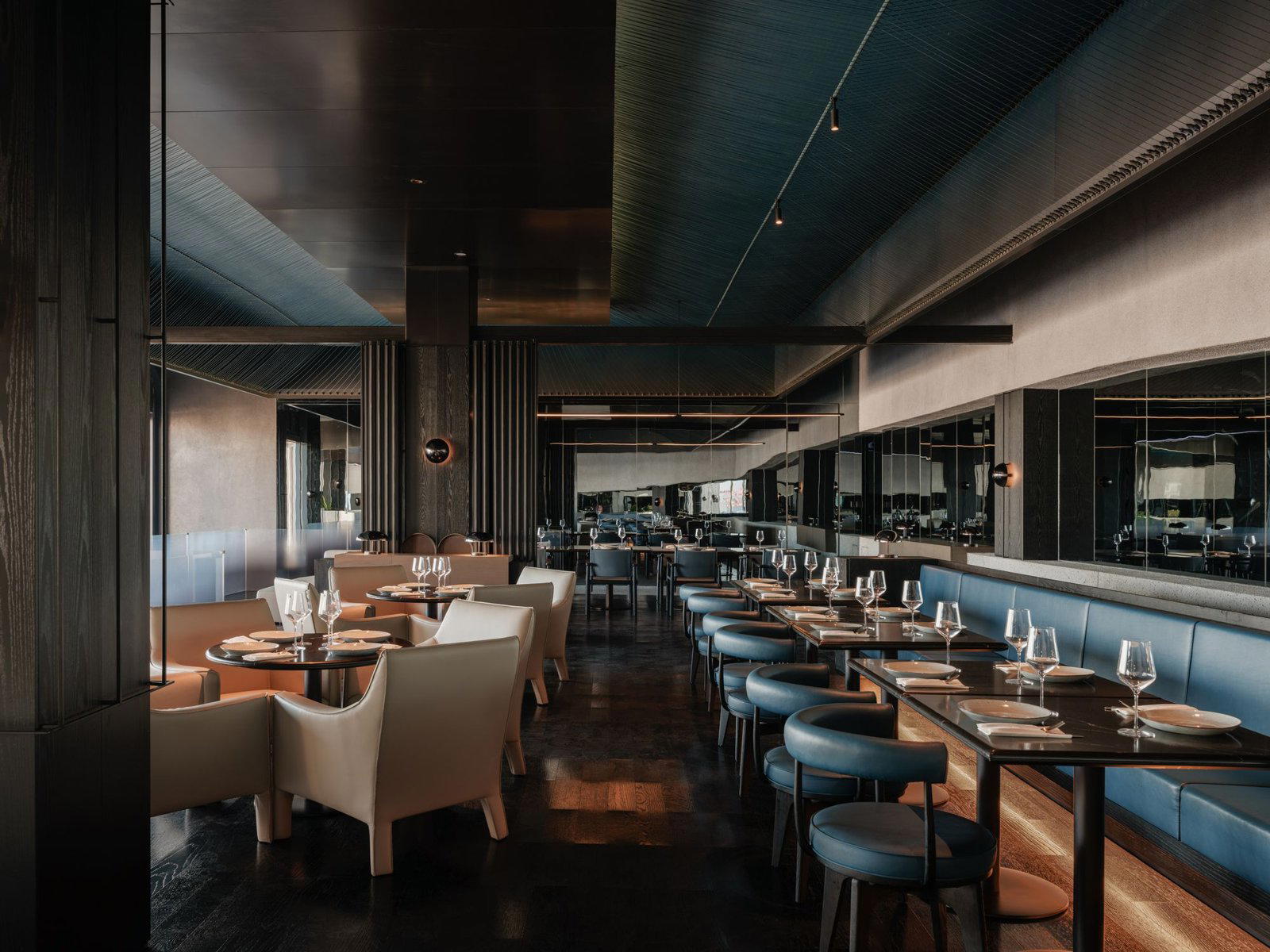
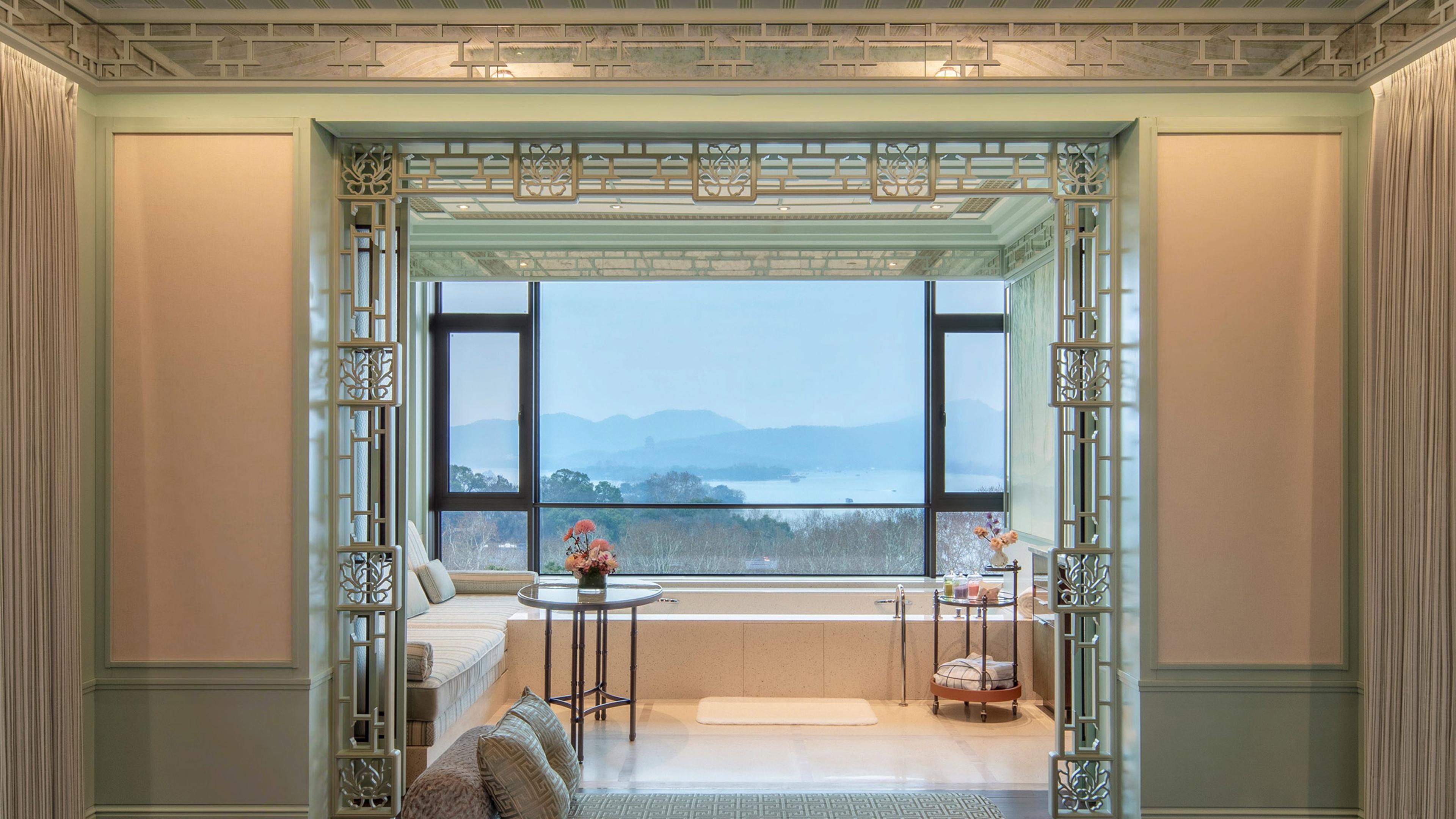
Serene and refined atmosphere surrounded by lush gardens, with meticulous attention to detail in both presentation and execution.