荣鲜面馆 focuses on Hangzhou Silver Carp Head Specialty, with Dongting Lake Silver Carp Head and Braised Pork Belly on a leisurely, conversational dinner plan at 629 Qianjiang Rd in Shangcheng District.
Pearl is the En Primeur Club membership app — saves, bookings, and concierge access live there. Same editors, same standards.
- Address
- 629 Qianjiang Rd, Shangcheng District, Hangzhou, Zhejiang, China, 310008
- Phone
- +8615058100830
- Directions
- Get directions
 Saves & bookings on Pearl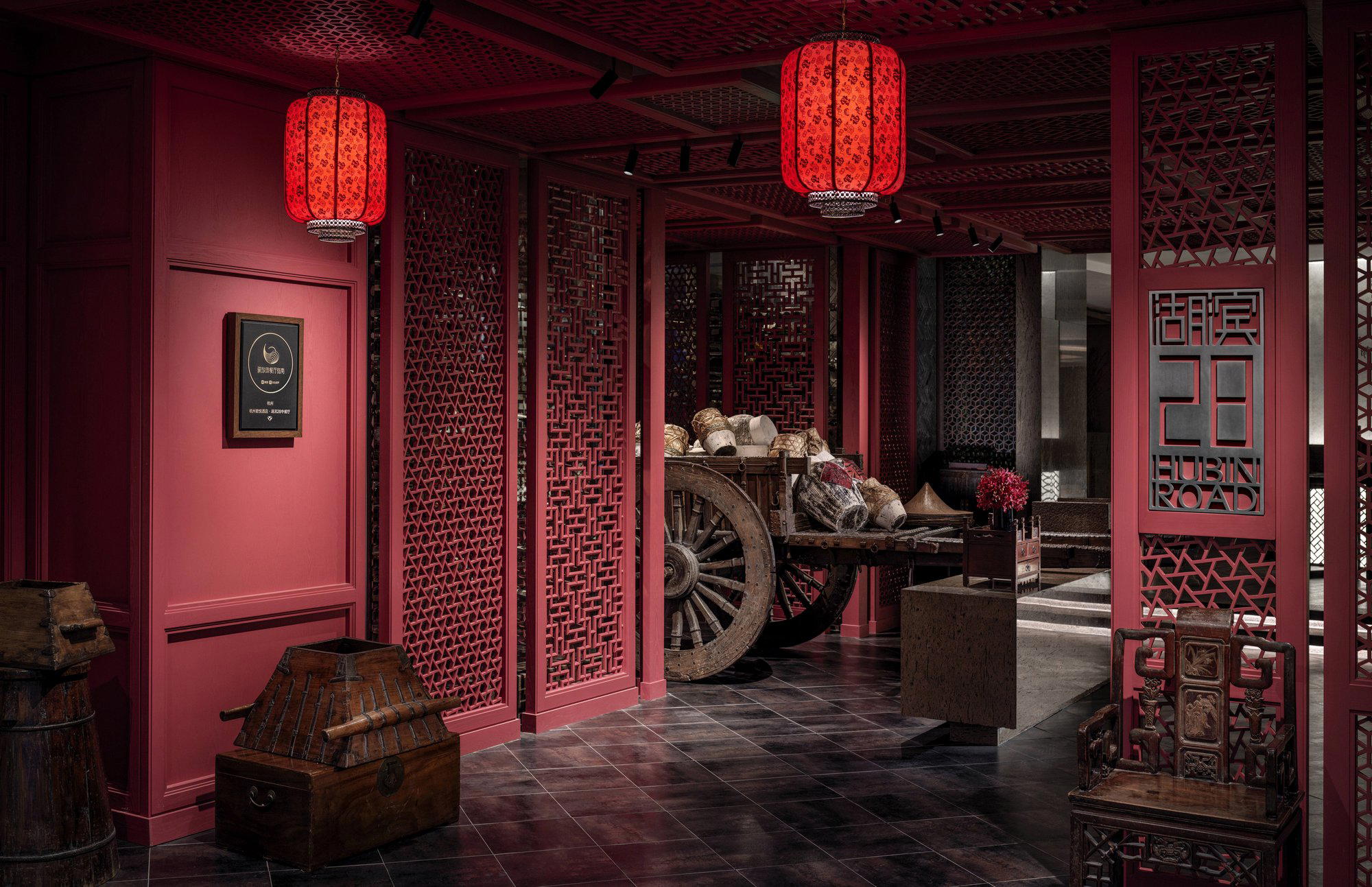
Qianjiang Road and the Eastward Pull of Hangzhou Dining
Hangzhou's dining identity has long been anchored around the western lakeside corridors, where Zhejiang cuisine institutions cluster around West Lake's tourist gravity. The address at 629 Qianjiang Road, Shangcheng District, tells a different story. Shangcheng sits on the city's eastern commercial spine, closer to the Qiantang River than to the tea-house gardens of Longjing. Restaurants that land here do so for a local clientele with different expectations: less scenery, more substance, and a room that earns its place through what arrives on the table rather than what can be seen through the window. That positioning matters when reading any Hangzhou restaurant that has chosen this side of the city.
The broader Shangcheng corridor has developed into one of Hangzhou's more commercially credible dining districts, with business-banquet culture and neighbourhood regulars creating a different rhythm from the lake-adjacent tourist circuit. A restaurant operating at 629 Qianjiang Road is drawing from that local reservoir rather than from visiting tour groups, and the standards that come with that audience tend to be less forgiving.
Zhejiang Cuisine and Its Current Moment
Zhejiang cuisine occupies a specific position in the Chinese regional cooking hierarchy. It is one of the eight recognised great cuisines of China, built on a philosophy of light seasoning, fresh seasonal produce, and techniques that prioritise the natural character of ingredients over transformation. West Lake fish in vinegar sauce, Dongpo pork braised low and slow in Shaoxing wine and soy, longjing shrimp cooked with tea harvested from the hillsides above the city: these are not merely dishes but cultural markers that define what it means to eat well in this part of Zhejiang province.
Hangzhou's restaurant scene has developed a layered response to that tradition. At one end, high-volume interpretations serve the city's enormous tourism flow. At the other, a smaller cohort of restaurants operates with tighter kitchens, more sourcing discipline, and pricing that reflects ambition rather than throughput. Peers in the Hangzhou Zhejiang-cuisine tier include Ru Yuan, which sits at the ¥¥¥¥ bracket, and Guiyu (Xihu), which pairs lakeside setting with Zhejiang technique. Hangzhou House and Jie Xiang Lou represent the more established institutional end of the same tradition, while Ambré Ciel has moved into innovative territory that crosses regional boundaries. Where 裕鲞鱼馆 positions itself within that spread is determined by its Qianjiang Road address, which suggests a neighbourhood-rooted rather than destination-tourist orientation.
Reading the Room: What This Address Signals
In Chinese restaurant culture, an address on a commercial arterial road in a business-residential district carries specific social coding. These are not rooms designed to impress first-time visitors arriving by taxi with luggage. They are built for return visits, for family gatherings where grandmothers have opinions about the stock, for corporate dinners where the host's reputation depends on the food being correct rather than merely photogenic. The standard of scrutiny applied by that audience is harder to pass than the lower bar set for tourists who may never return to compare notes.
This dynamic is visible across eastern Chinese cities. In Suzhou, Pingjiangsong has built its standing in a comparable neighbourhood-anchored format. In Nanjing, Dai Yuet Heen operates within a similar logic of local credibility over tourist positioning. The model requires consistency above spectacle, and the Qianjiang Road location places 裕鲞鱼馆 within that framework.
The Broader East China Fine-Dining Context
Hangzhou does not operate in isolation. The city sits within a cluster of high-performing culinary destinations across eastern China, each with distinct regional identities that inform how local restaurants develop. Fu He Hui in Shanghai has shown how vegetarian-forward Chinese cooking can operate at a fine-dining register. Xin Rong Ji in Beijing and Xin Rong Ji in Chengdu demonstrate how Taizhou cuisine, geographically adjacent to Zhejiang, has been able to travel and build credibility in distant markets. Chef Tam's Seasons in Macau and Imperial Treasure Fine Chinese Cuisine in Guangzhou illustrate how southern Chinese fine dining has developed its own premium tier with distinct sourcing and presentation conventions.
Against those reference points, Hangzhou's Zhejiang-cuisine restaurants occupy a specific lane: seasonal, lake-and-river-focused, tea-culture-adjacent, and increasingly conscious of the gap between heritage technique and contemporary presentation. Restaurants that can hold that tension without collapsing into nostalgia or novelty tend to build particularly durable reputations in this city.
For those drawing comparisons to international fine-dining formats, the seasonal-produce focus and technique-over-transformation philosophy of serious Zhejiang cooking shares structural DNA with institutions like Le Bernardin in New York City, where the ingredient is always the argument, and with chef-driven formats like Lazy Bear in San Francisco, where format discipline and sourcing transparency carry significant weight. The comparison is not direct, but the editorial logic, that cooking philosophy precedes spectacle, runs parallel.
Planning a Visit
629 Qianjiang Road sits in Shangcheng District, accessible from central Hangzhou by metro or taxi. The Shangcheng commercial corridor is better served by ride-hailing than by tourist shuttle, and the surrounding area is functional rather than scenic, which reinforces the read that this address serves working Hangzhou rather than visiting Hangzhou. Booking is essential. The Qianjiang Road address places it outside the immediate West Lake walking circuit, so visitors staying near the lake should plan for a 15-to-20-minute taxi transfer depending on traffic.
For a full picture of where 荣鲜面馆 sits within the city's dining options, its Qianjiang Road address places it firmly in central Hangzhou.
The Essentials
Comparable venues nearby, for context on price, style, and recognition.
| Venue | Cuisine | Price | Notes |
|---|---|---|---|
| 荣鲜面馆This venue — the venue you are viewing | Not listed | $$$ | Not listed |
| Tianlunli | Hangzhoushi, Jiangnan Crab Specialist | $$$ | Not listed |
| Yinshi Restaurant | Xiaoshanshi, Modern Hangzhou Cuisine | $$ | Not listed |
| Jiexianglou at Seven Villas | Hangzhoushi, Modern Jiangnan Cuisine | $$$$ | Not listed |
| Shui Mo Hui | Hangzhoushi, Hui Cuisine | $$$ | Not listed |
| Four Seasons Hotel Hangzhou at West Lake Jin Sha | Not listed | $$$$ | Xihu, Seasonal Zhejiang Fine Dining in a Lakeside Four Seasons |
At a Glance
- Elegant
- Sophisticated
- Intimate
- Special Occasion
- Business Dinner
- Date Night
- Standalone
- Sake Program
- Local Sourcing
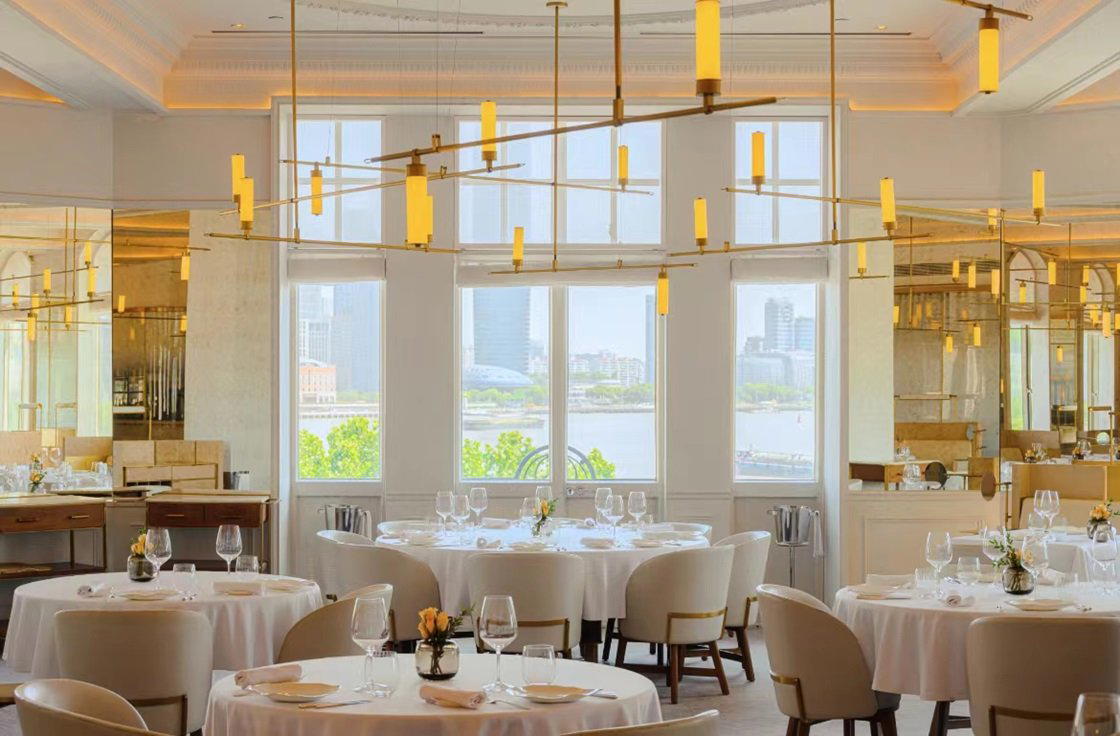
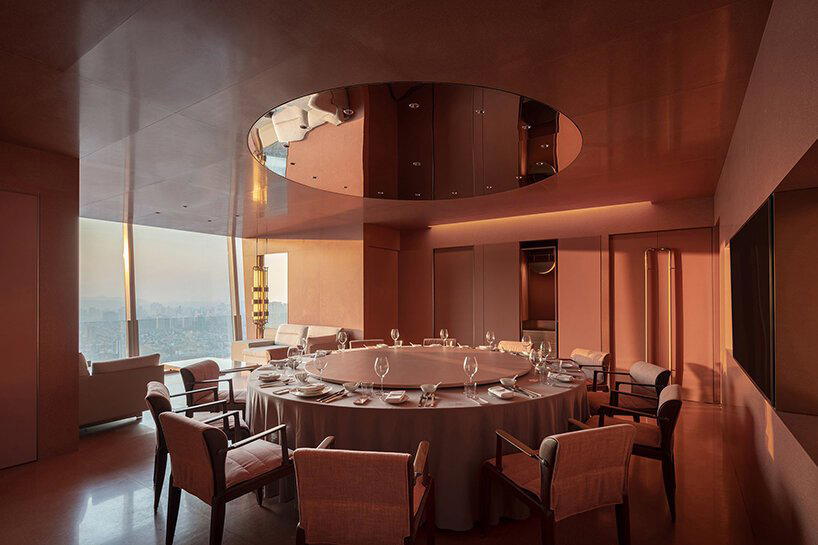
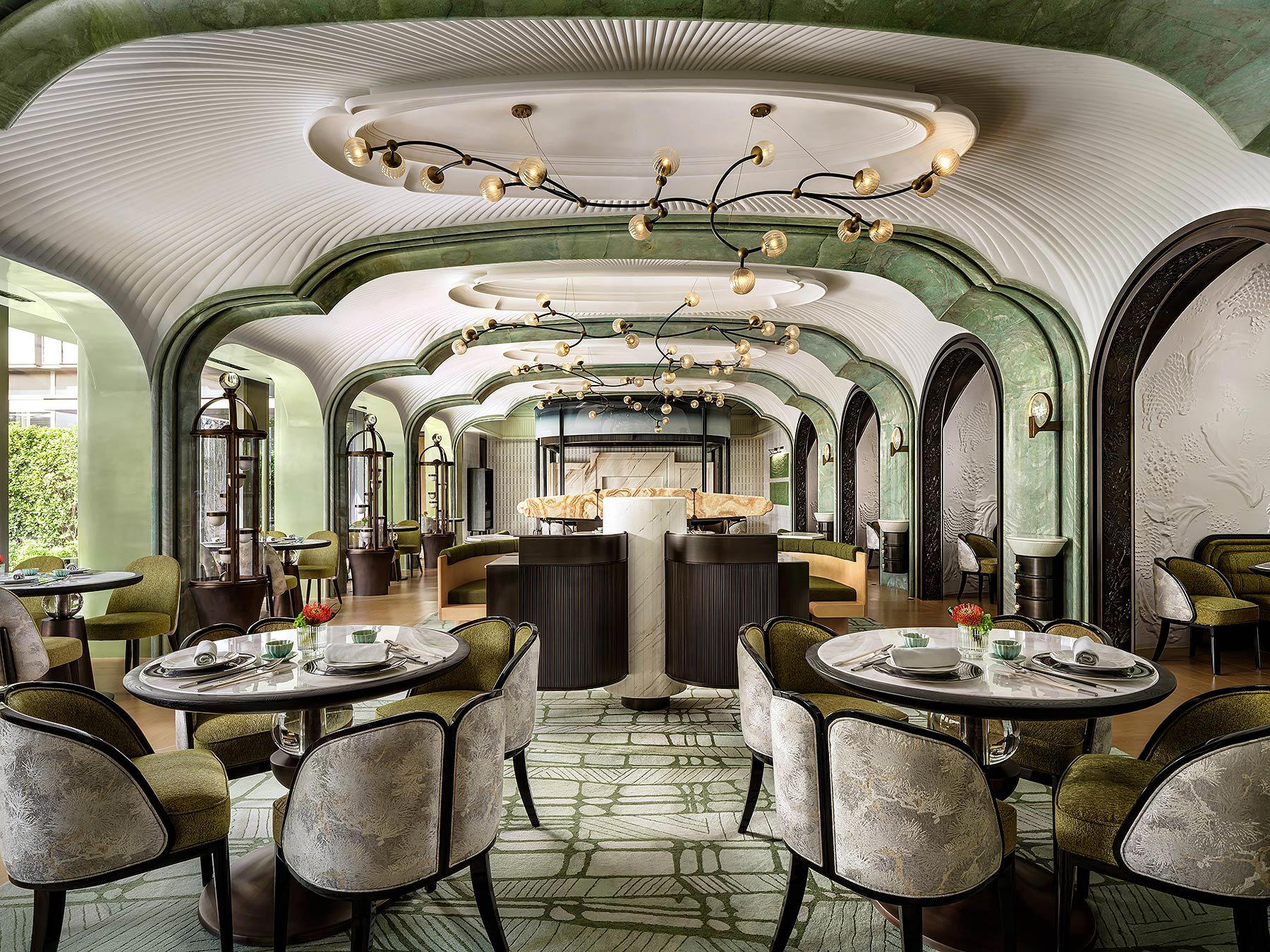
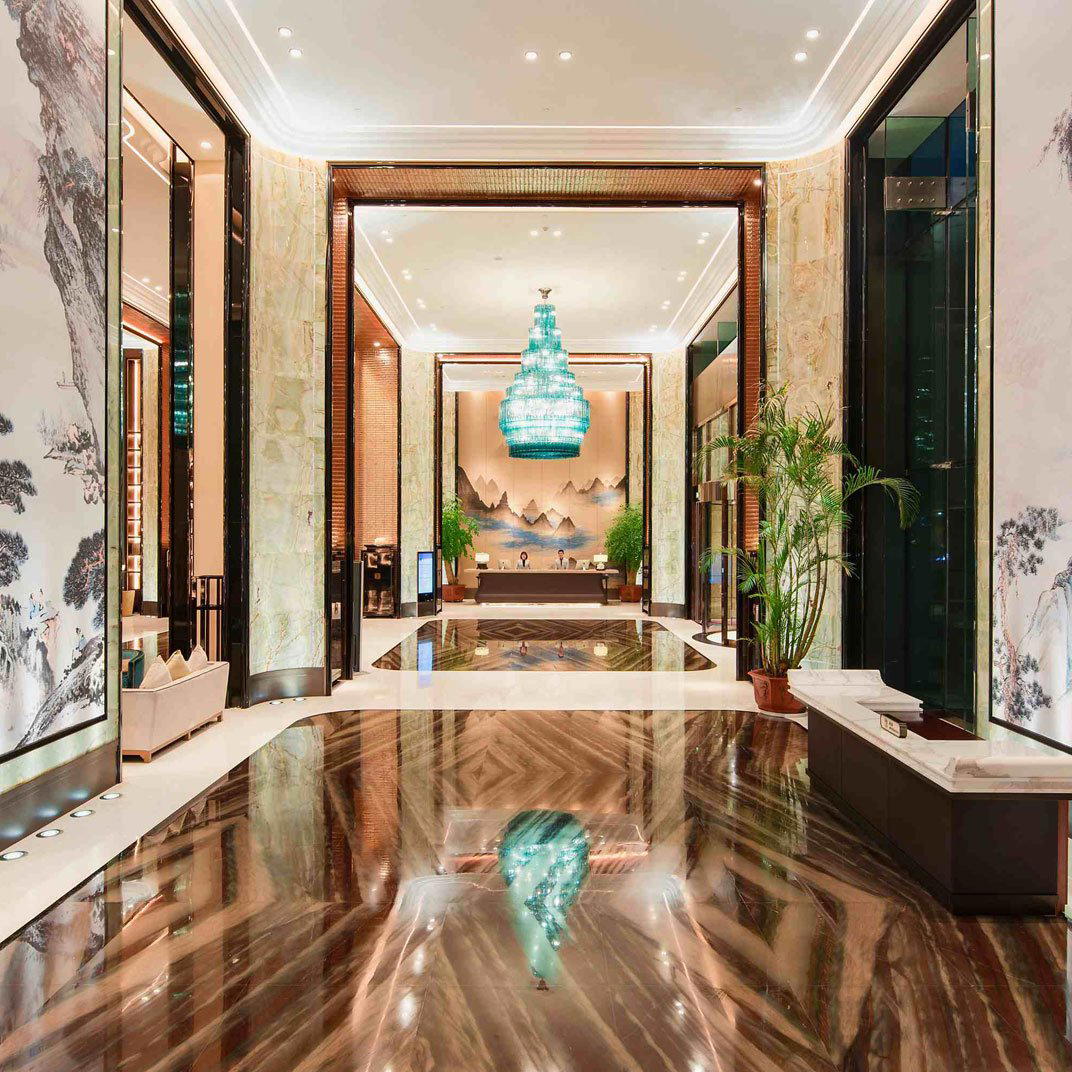
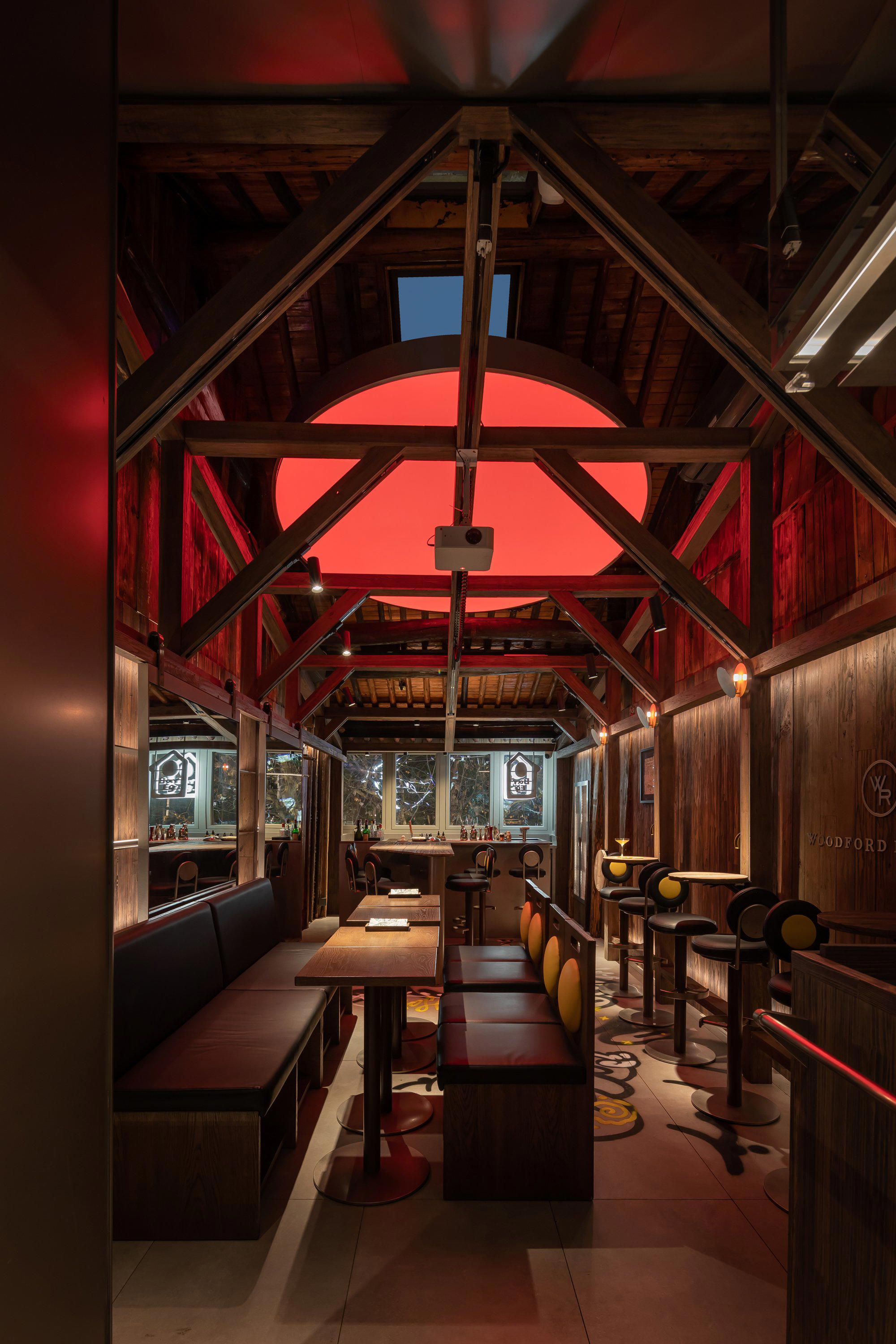
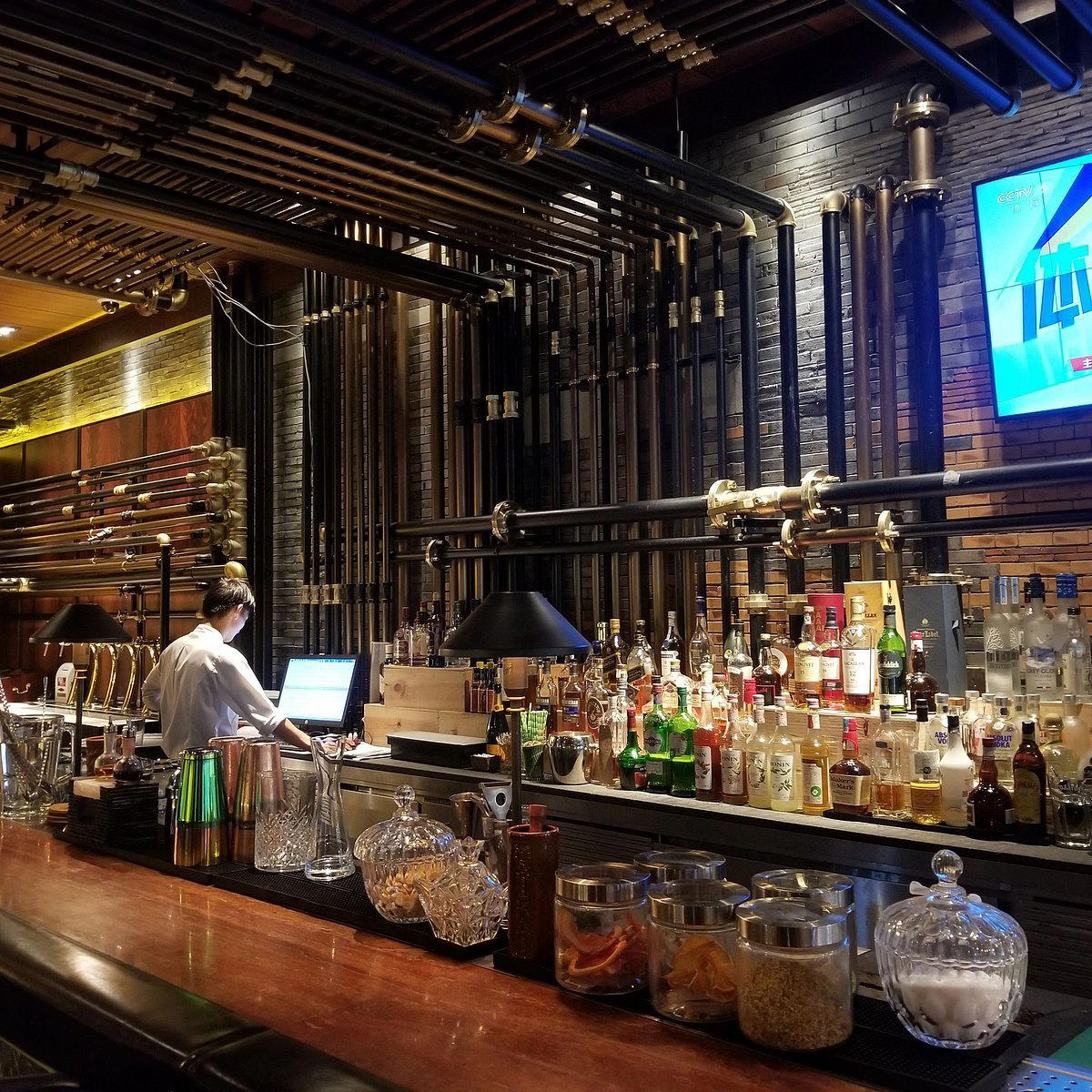
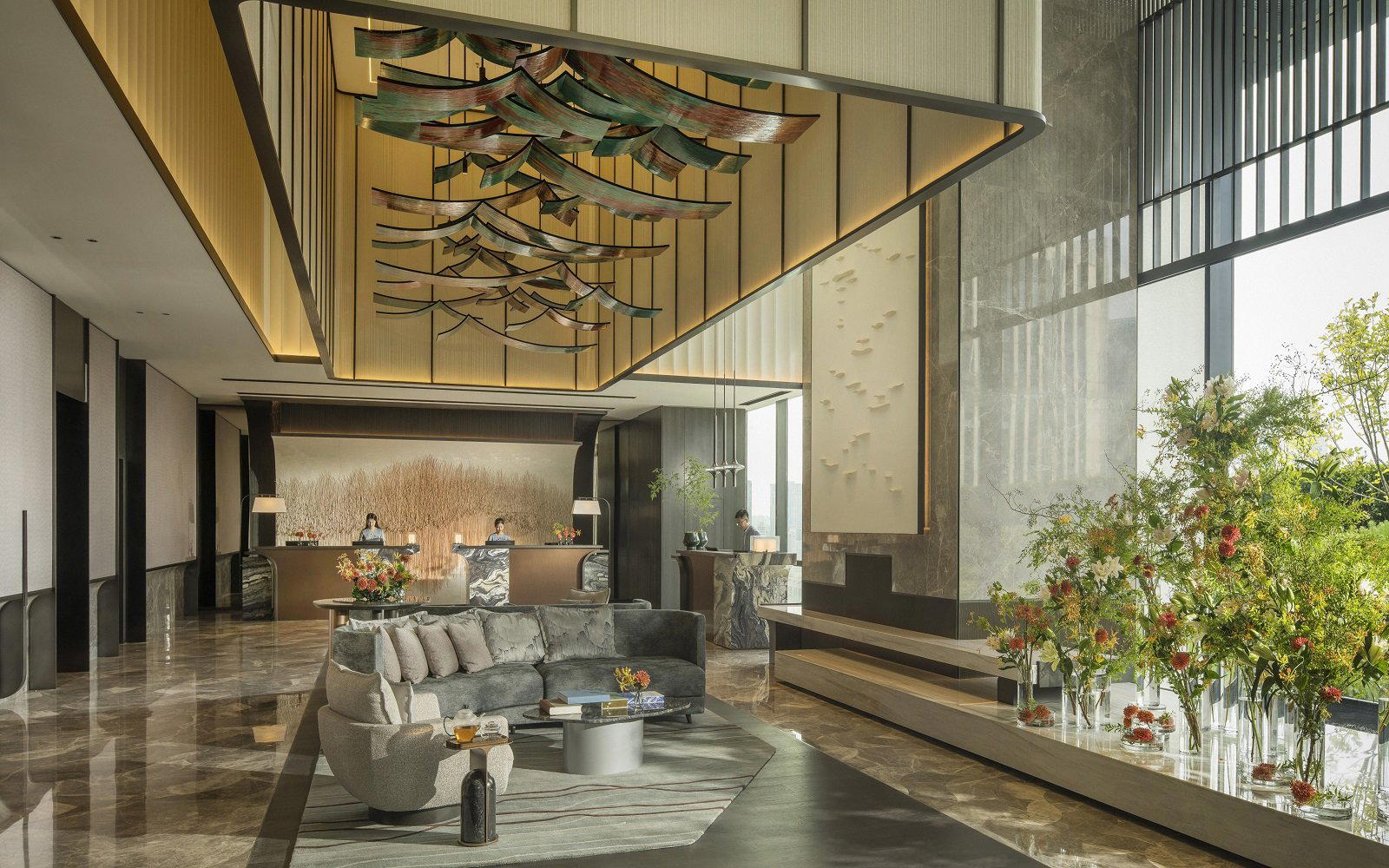
Elegant dining room with traditional Chinese decor, soft lighting, and a refined atmosphere ideal for savoring delicate seafood preparations.