ソワン occupies a quiet residential block in Fukui's Takagi district, operating with the rhythm of a neighbourhood address built on returning local guests rather than visitor trade. The restaurant reflects Fukui's broader dining character: seasonal, understated, and rooted in the Japan Sea ingredient supply that defines the prefecture's most considered kitchens.
Pearl is the En Primeur Club membership app — saves, bookings, and concierge access live there. Same editors, same standards.
- Address
- 2 Chome-112-3 Takagi, Fukui, 910-0805, Japan
- Phone
- +81776975633
- Website
- soin-cuisine.com
- Directions
- Get directions
 Saves & bookings on Pearl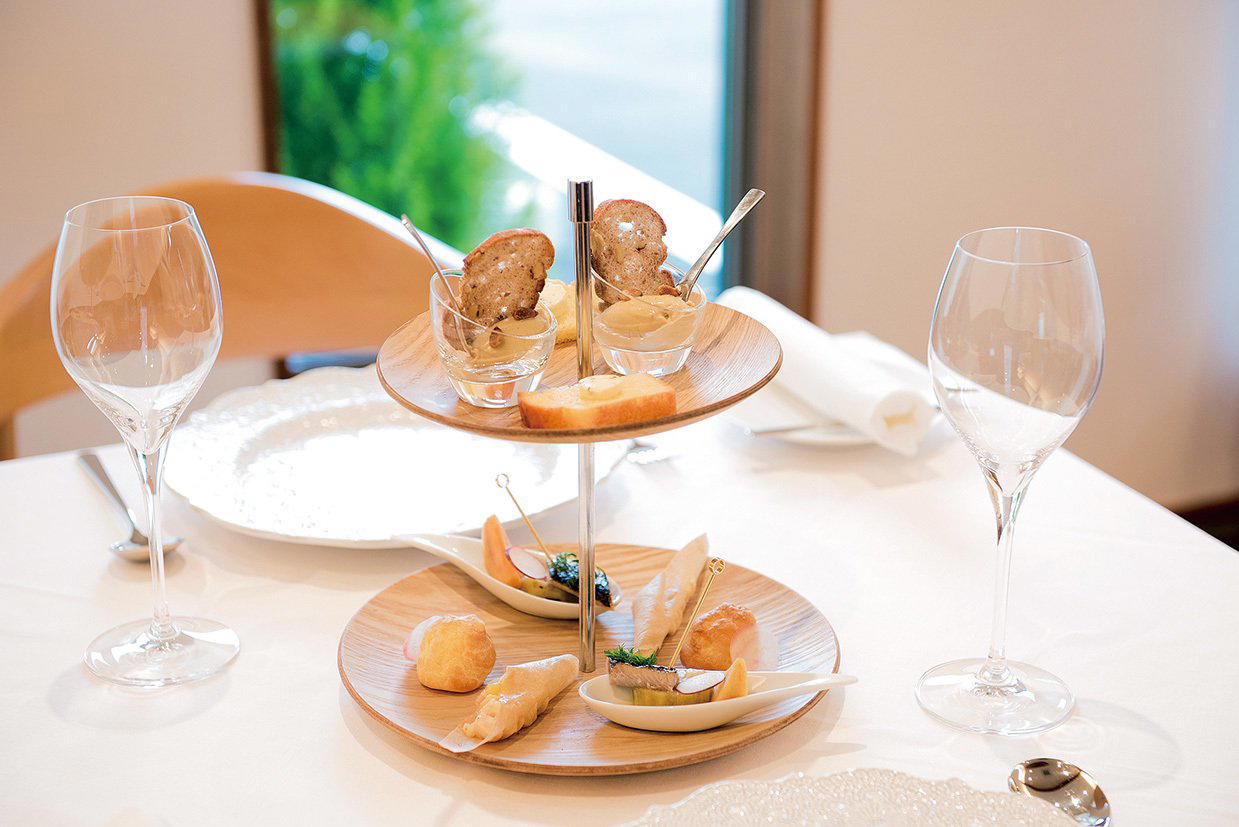
A Neighbourhood Address That Regulars Guard Closely
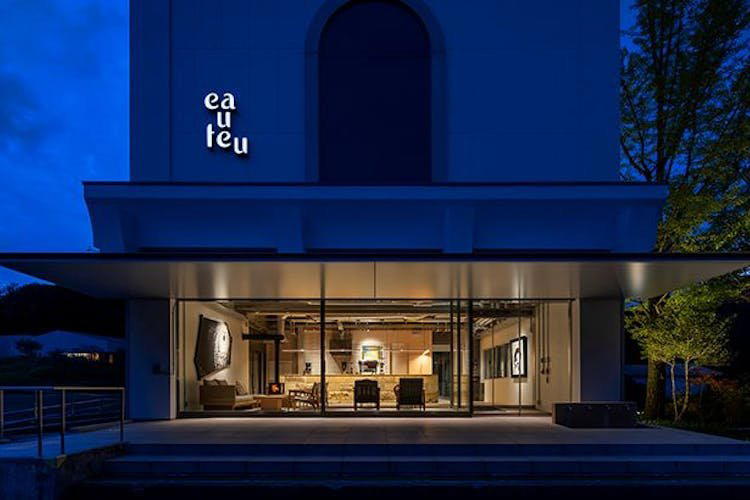
The Takagi district of Fukui sits at a comfortable remove from the prefectural capital's main commercial drag, a residential area where the rhythm is set by locals rather than transit schedules. Arriving at ソワン (Soin), there is no marquee signage competing for attention, no street-level theatre designed to catch passing trade. The address itself, tucked along a quiet block in the 2-chome section, reads more like a house call than a dining destination. That quality is not accidental. Fukui's strongest neighbourhood restaurants have long operated this way, relying on returning guests rather than new discovery to fill seats each evening.
Fukui's dining culture has historically prioritised craft and consistency over visibility, a pattern visible across the city's more considered addresses. ソワン fits within that tradition, and its position in the Takagi neighbourhood reinforces a dining scene that rewards those who know where to look rather than those who follow crowd signals.
What Keeps Regulars Returning
In cities like Fukui, where the restaurant-going population is smaller and more tightly networked than in Tokyo or Osaka, the concept of a regular clientele takes on specific meaning. Repeat visitors to neighbourhood addresses like ソワン are not simply people who enjoyed a meal. They are the connective tissue of the place itself, the ones who arrive on quiet weeknights, who know which evening the kitchen tends to take more creative risks, and who have developed an understanding of what the room does well across seasons.
This dynamic is particularly visible in smaller Japanese cities where the split between locals-only dining and tourist-facing venues is pronounced. The restaurants that sustain themselves on repeat custom tend to develop an implicit fluency with their guests, adjusting pacing, portion weight, and course sequencing based on the table rather than a fixed script. For a visitor, positioning yourself within that rhythm rather than outside it is the practical challenge. Arriving with patience, willingness to follow the kitchen's sequence rather than impose preferences, and genuine interest in Fukui's ingredient calendar tends to produce better results than arriving with a set of external expectations.
Fukui's food culture draws on the Japan Sea coast's seafood supply, which skews toward cold-water species with pronounced mineral character. Seasonal transitions here are compressed and distinct. The timing of visits relative to those seasonal shifts shapes what appears at the table more than any fixed menu document, which is part of what keeps regulars returning at different points in the calendar year rather than settling into a single annual visit.
Fukui's Dining Scene in Context
Fukui does not carry the international dining profile of Kyoto or Tokyo, but the prefecture has a coherent food identity built around specific local products: echizen crab (in season from November through March), Obama port fish landings from the Japan Sea, and soba traditions that draw visitors from neighbouring prefectures. Restaurants across the city reference this supply chain at varying levels of formality and price. The dining scene splits broadly between neighbourhood addresses that serve a local clientele and the handful of more formal rooms that position against destination dining in larger regional cities.
For comparison, the standard set by Michelin-starred addresses elsewhere in the Kansai and Chubu regions, including HAJIME in Osaka, Gion Sasaki in Kyoto, or akordu in Nara, is built on regional produce and chef-driven interpretation. Fukui's smaller dining addresses operate within a different scale but share the underlying logic: local supply chain, seasonal rhythm, and sustained relationship with a fixed guest base. The same pattern extends further across Japan's regional restaurant culture, from Goh in Fukuoka to Harutaka in Tokyo.
Within Fukui itself, ソワン exists alongside a range of styles. Kaikatei represents the city's Chinese dining tier, while Sushi Jubei and 寿司濱 anchor the sushi end of the spectrum. Miyazaki and 御料理 壬生 round out the city's more formal Japanese dining options. Each operates within a distinct niche, but collectively they signal a city where serious eating happens outside the spotlight of national dining guides. Regional comparisons extend to places like 一本木 能川製 in Nanao and 湖鱒庵 in Takashima, both operating with a similar local-first logic along the Sea of Japan corridor. Further afield, 北の大地乃 in Sapporo, 羽根屋 in Nishikawa Machi, and Birdland in Sakai demonstrate how Japan's regional dining network sustains quality through local commitment rather than metropolitan exposure.
Planning a Visit
Fukui is accessible by limited express train from Kyoto (approximately 75 minutes on the Thunderbird service) and sits on the Hokuriku Shinkansen line opened in March 2024, which reduced travel times significantly from Kanazawa and Tokyo. The Takagi address for ソワン places the restaurant within practical reach of the city centre, accessible by taxi or local bus from Fukui Station. Reservations at smaller Japanese neighbourhood restaurants of this character typically run through phone or a concierge introduction rather than online booking platforms, and timing your inquiry several weeks ahead is a reasonable baseline. Visiting during the November-to-March window aligns with Fukui's echizen crab season.
Cuisine-First Comparison
Comparable venues nearby, for context on price, style, and recognition.
| Venue | Cuisine | Price | Notes |
|---|---|---|---|
| ソワンThis venue — the venue you are viewing | Local Fusion French | $$$ | Not listed |
| グラン・シェフ クーゼー | Fukui French Fine Dining | $$$ | Harmony Hall area |
| サラマンジェフ | French Bistro with Japanese Western Influences | $$$ | 北の庄 |
| 鮨 åå µè¡ | Kaiseki in Fukui | Not listed | Fukui |
| Tengiku Ten | Traditional Tempura & Unagi Counter | $$$ | Junka, Fukui City |
| Soba Yasutake | Traditional Fukui Soba Noodle Shop | $$ | .null |
Continue exploring
More in Fukui
Restaurants in Fukui
Browse all →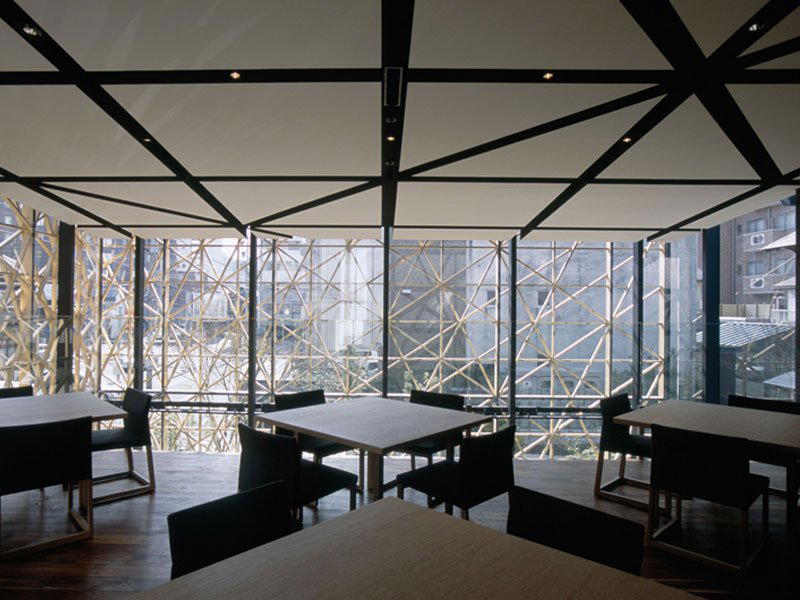
At a Glance
- Intimate
- Elegant
- Cozy
- Date Night
- Special Occasion
- Standalone
- Sake Program
- Local Sourcing
Current opening hours
- Monday
- 11:30 AM–2:30 PM, 6–10 PM
- Tuesday
- Closed
- Wednesday
- 11:30 AM–2:30 PM, 6–10 PM
- Thursday
- 11:30 AM–2:30 PM, 6–10 PM
- Friday
- 11:30 AM–2:30 PM, 6–10 PM
- Saturday
- 11:30 AM–2:30 PM, 6–10 PM
- Sunday
- 11:30 AM–2:30 PM, 6–10 PM
Hours can change for holidays and private events. Last verified .
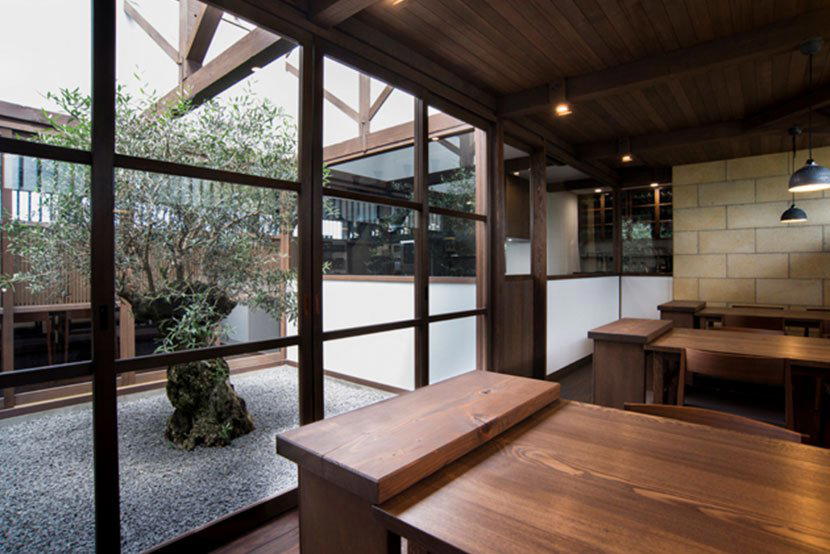
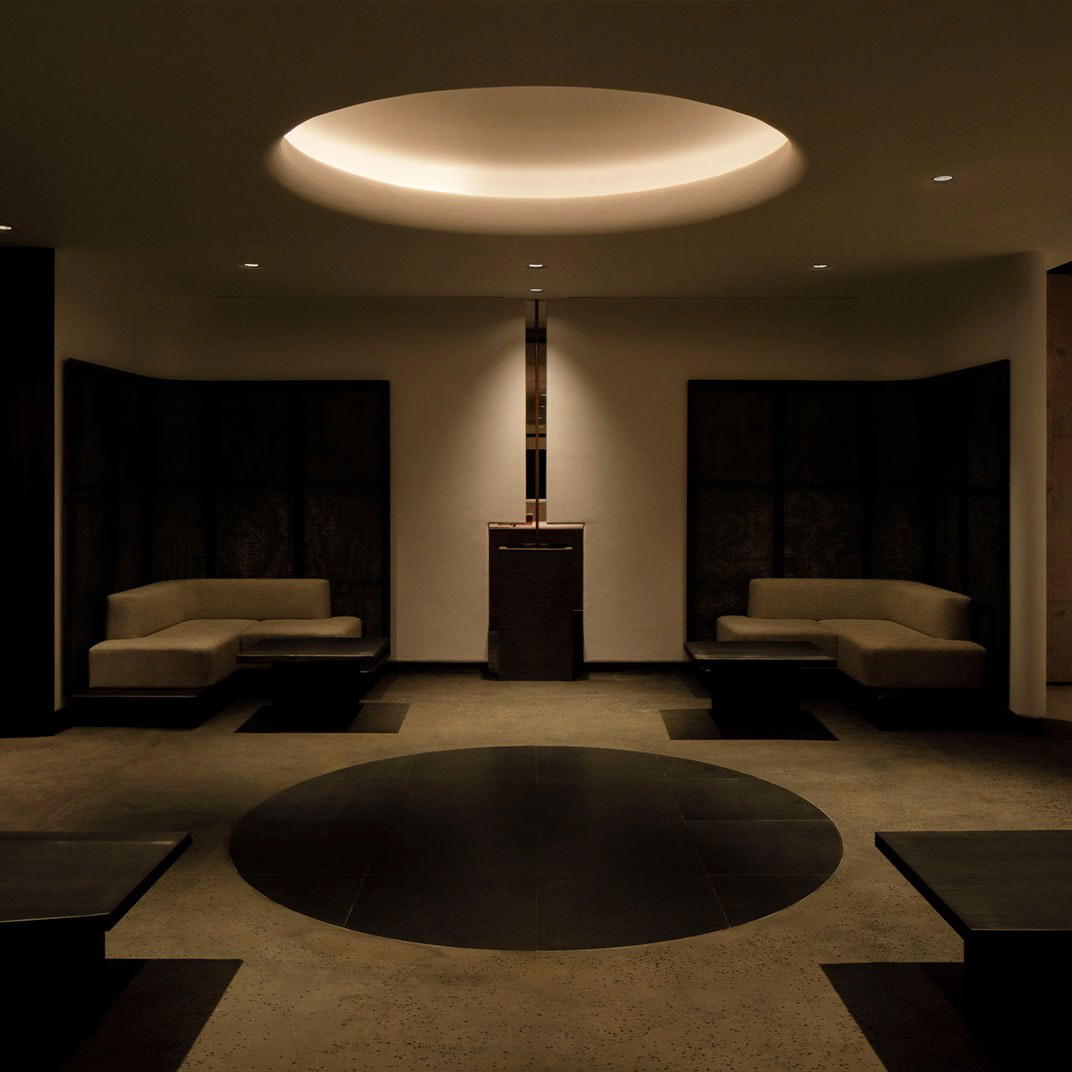
Intimate low-profile address with careful attention to taste, temperature, aroma, color, and presentation, creating a caring and healing atmosphere.