Ingredient Sourcing as the Central Argument
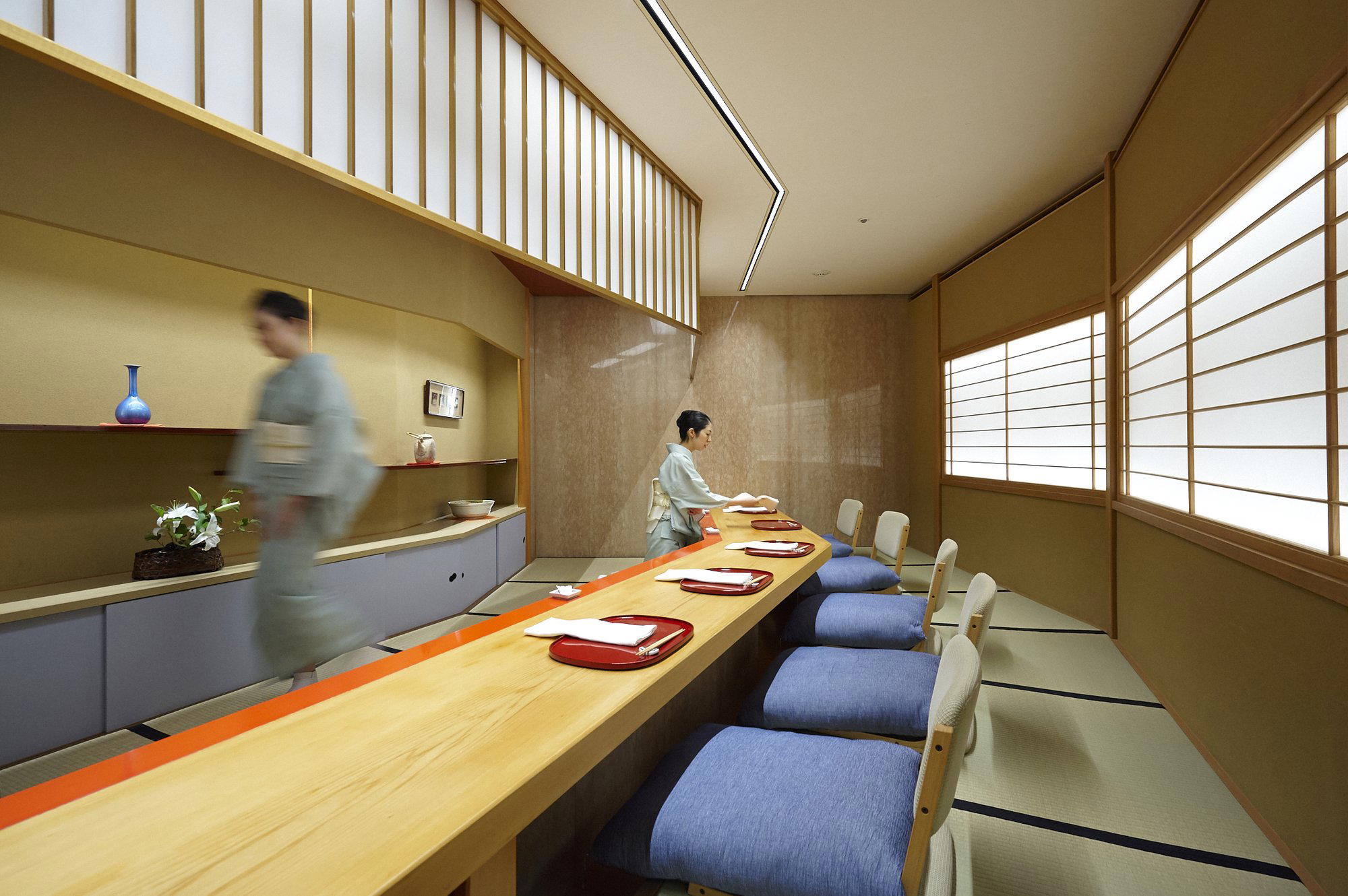
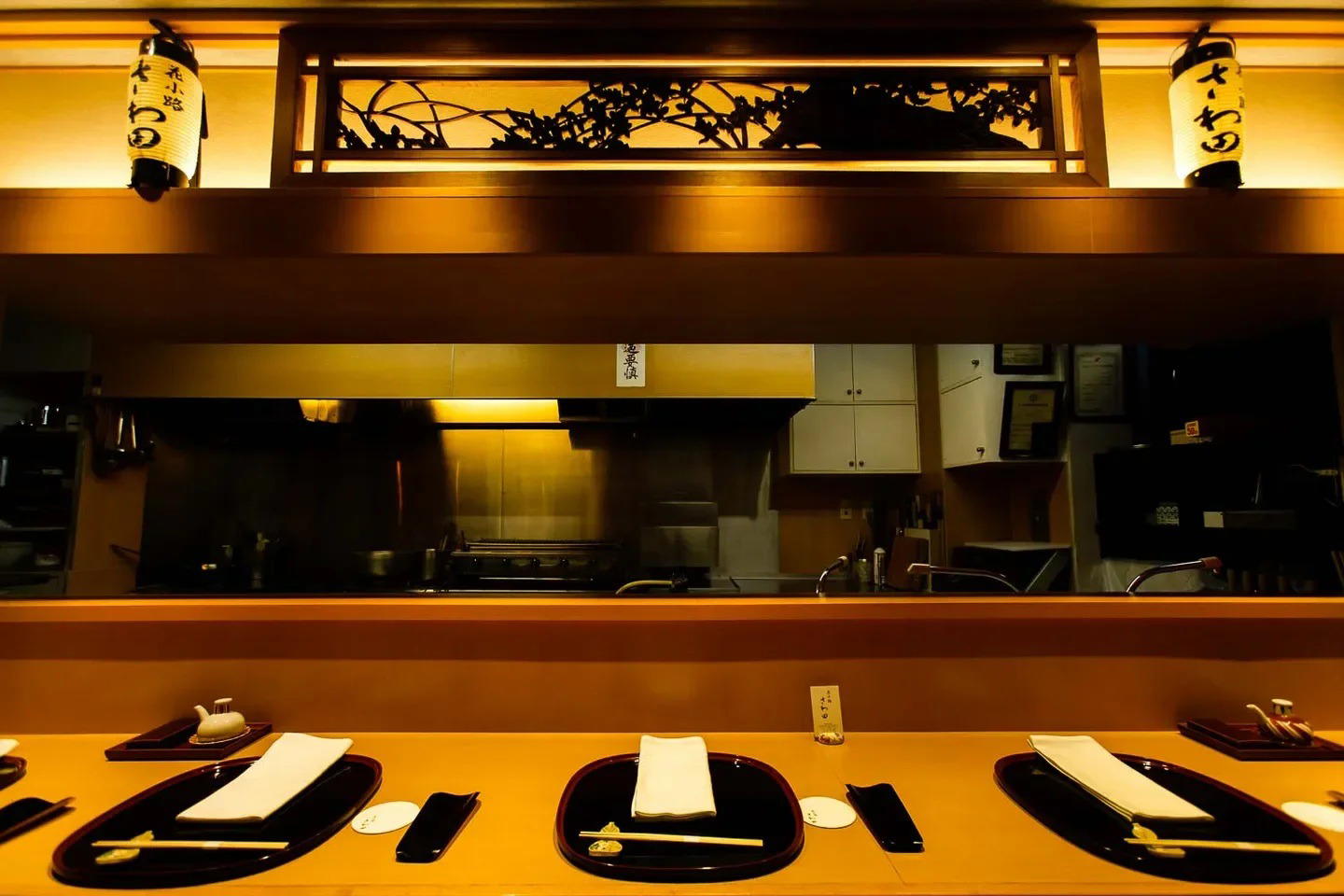
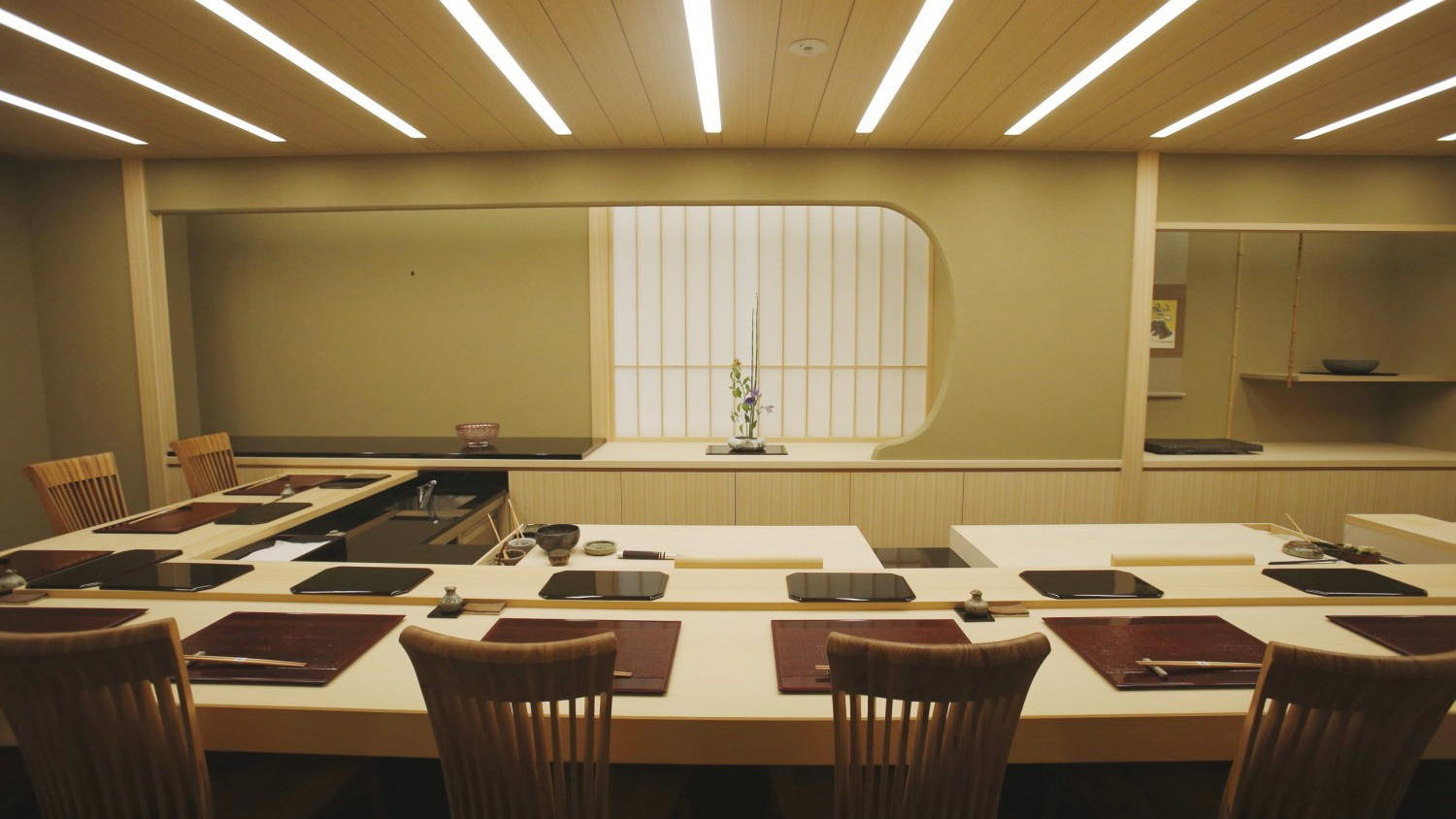
One informative lens through which to read any serious Japanese counter restaurant is not the menu format, or even the chef lineage, but the sourcing network that feeds it. At the level of dining Rokuro occupies in Ginza, the gap between kitchens is increasingly explained by access: which fishing ports, which agricultural prefectures, which seasonal windows a restaurant has developed relationships with over time. Japan's geography makes this particularly consequential. The country's protein and produce supply varies with unusual granularity by region and season, and counters that have built direct supplier relationships rather than going through the standard Tokyo wholesale markets are working with a materially different ingredient set.
This matters because it shapes the entire logic of a meal. When sourcing is the primary variable, the role of technique shifts slightly: the kitchen's job becomes revealing what the ingredient already is, rather than constructing something from it. The broader kaiseki and kappo tradition, which frames cooking as a form of seasonal argument, is built on exactly this premise. Counters that hold to it rigorously tend to produce menus that feel like a specific point in time rather than a repeatable format. A guest eating in autumn eats the autumn of that year's harvest, that year's waters.
For Tokyo diners accustomed to the transparency that upper-tier restaurants now offer on sourcing, the expectation is specific: named prefectures, named fishing boats when relevant, an acknowledgment that the ingredient arrived today and will be gone by the end of service. Peer counters in the same Ginza bracket, including the omakase format at Harutaka, operate with this level of specificity. It has become table stakes at this price point rather than a differentiator.
Where Rokuro Sits in the Tokyo Counter Hierarchy
Tokyo's premium counter dining has stratified more clearly over the past decade. At the leading sit the three-Michelin-star counters with international reservation queues and allocation systems that function more like wine futures than standard bookings. Below that, a second tier of one- and two-star counters operates with high precision, often comparable ingredient quality, but shorter booking horizons and a guest mix that skews more local. The entry point for serious omakase or kappo has risen sharply in price across both tiers.
Kaiseki-adjacent formats that draw on similar sourcing logic but operate with more flexibility in menu construction, closer in spirit to the kaiseki counter at RyuGin or the produce-led work at L'Effervescence, represent a third current in the market. These are rooms where the format is less fixed and the cooking reflects a more individual interpretation of seasonal Japanese produce. Rokuro's Ginza address places it in a competitive zone where the comparison set is demanding.
Outside Tokyo, the same sourcing-first philosophy appears at different scales. HAJIME in Osaka builds an entirely different argument from Japanese ingredients read through French technique. Gion Sasaki in Kyoto represents the Kyoto kaiseki tradition at its most rigorous, where access to Kyoto's specific vegetable suppliers and Nishiki Market relationships is itself a form of pedigree. Akordu in Nara and Goh in Fukuoka demonstrate how regional sourcing networks produce distinctly local dining identities even when the format is internationally influenced. The point is that sourcing is not just a quality signal; it is also a geographical statement about where a kitchen has chosen to root itself.
The Ginza Context for International Visitors
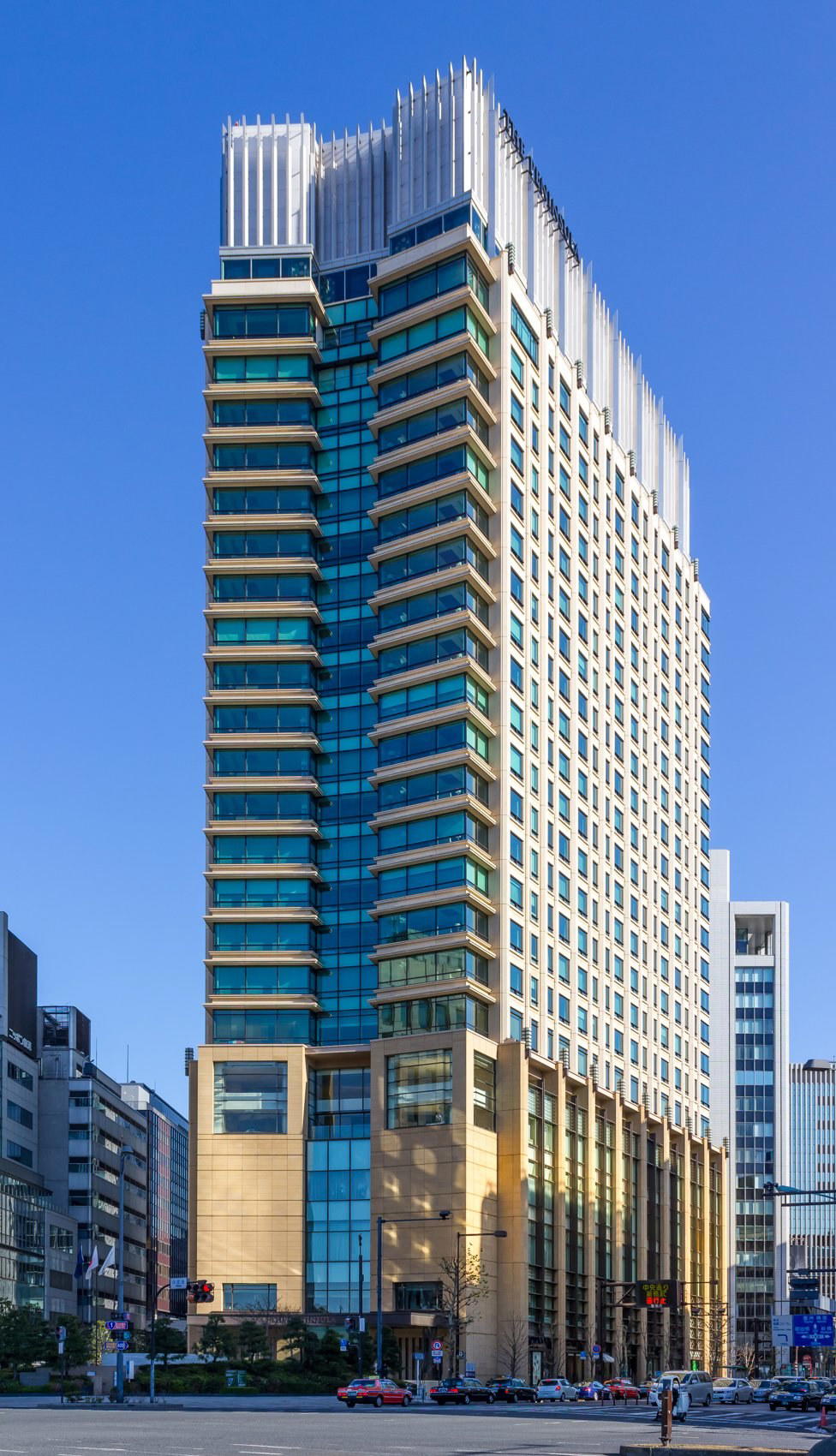
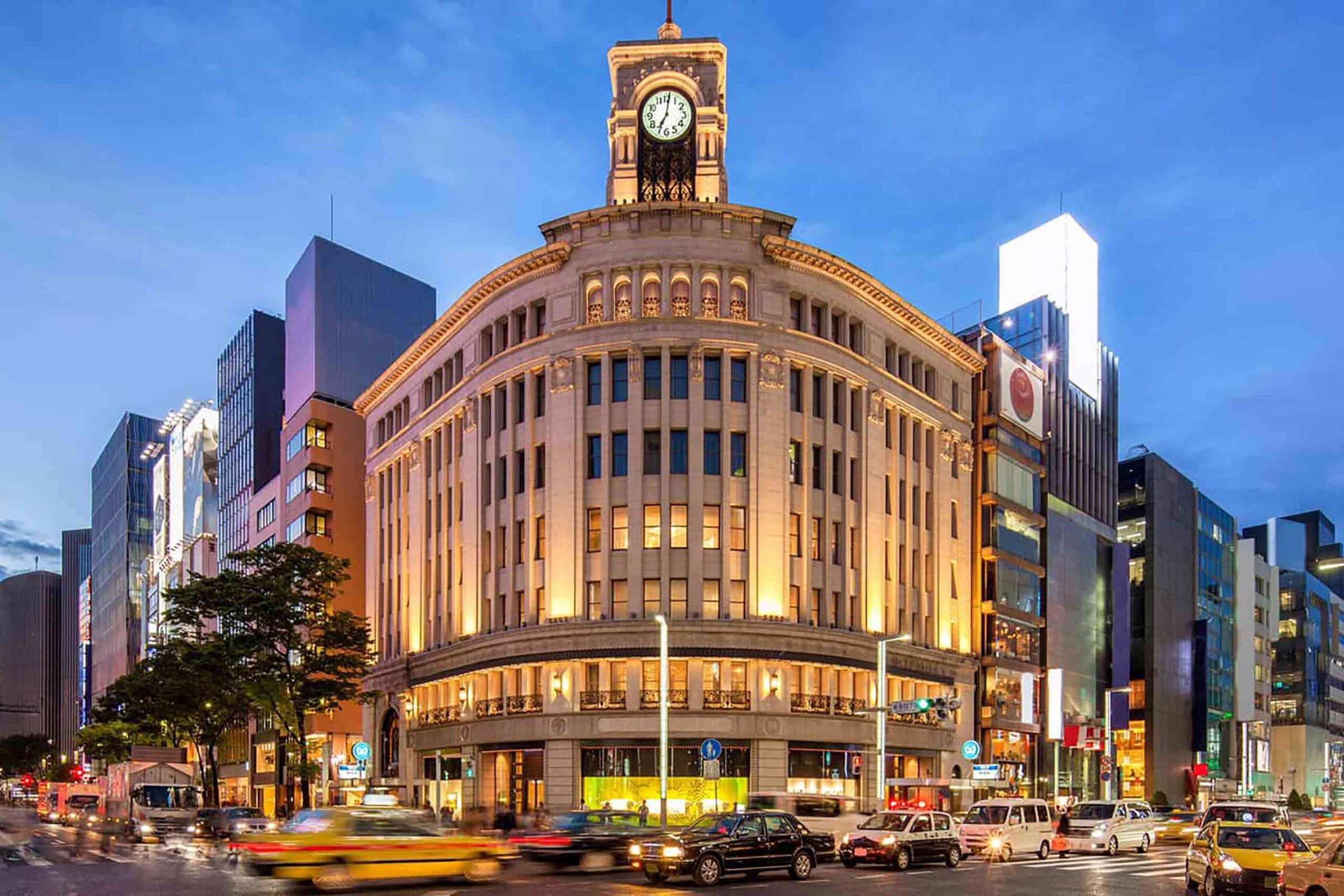
For visitors coming from outside Japan, Ginza functions as the district most legible within a luxury travel frame. The major international fashion houses, department stores, and a dense concentration of Michelin-recognised restaurants make it the obvious first port of call for premium dining. That density is both an asset and a complication. Competition is high, and restaurants at this level are not always easy to access without local contacts or a hotel concierge with established relationships.
The broader Tokyo scene, covered in depth in our full Tokyo restaurants guide, shows that the city's dining strength extends well beyond Ginza into Shibuya, Azabu-Juban, and the quieter residential neighbourhoods. French-influenced cooking at Sézanne and the format experiments at Crony represent how international technique is absorbed and transformed in Tokyo's current dining culture. At an international comparison level, the sourcing rigour of Tokyo's counter tradition is closer in philosophy to what Le Bernardin in New York City does with seafood provenance, or what Atomix does with Korean ingredient identity, than it is to generic fine dining.
Across Japan's regional restaurant scene, the sourcing specificity extends in interesting directions. 一本木 志川製 in Nanao draws on Noto Peninsula seafood with a locality that Tokyo counters can approximate but not replicate. 冬木亭山乃 in Sapporo accesses Hokkaido dairy, seafood, and game in a form unavailable further south. 湖畔荘 in Takashima and 羽根屋 in Nishikawa Machi represent the depth of regional Japan's own ingredient-first kitchens. Birdland in Sakai and Bistro Ange in Toyohashi show how that ethos extends into formats well outside the kaiseki bracket.