Located in Fukuoka's Hakata Ward on Narayamachi, 奈寿屋紺野 occupies a corner of the city where traditional hospitality formats and neighbourhood dining culture intersect. The address places it within walking distance of Hakata's older commercial streets, where small-format restaurants have defined the local eating rhythm for decades. For visitors tracing Fukuoka's quieter dining registers, this is a useful reference point.
Pearl is the En Primeur Club membership app — saves, bookings, and concierge access live there. Same editors, same standards.
- Address
- Japan, 〒812-0023 Fukuoka, Hakata Ward, Narayamachi, 4丁目11−3
- Phone
- +81 92-272-2400
- Website
- narayamachiao.com
 Saves & bookings on Pearl
Hakata Ward and the Narayamachi Dining Register
Fukuoka's dining reputation travels mostly on tonkotsu ramen and upscale omakase, but the city's most instructive eating happens in the streets that fall between those poles. Hakata Ward's Narayamachi is one such address: a stretch where small-format restaurants operate with the low-profile consistency that defines neighbourhood dining across Japan's mid-sized cities. Here, the room count is modest, the signage rarely faces the main road, and the relationship between a kitchen and its regulars tends to outlast any critical recognition the venue might attract.
奈寿屋紺野 sits inside that register. The address on Narayamachi places it in a ward where the built environment is dense and low-rise, and where restaurants that survive do so on repeat custom rather than tourist flow. This corner of Hakata operates at a different frequency, one closer to the daily rhythms of the people who live and work here.
The Atmosphere Approaching the Room
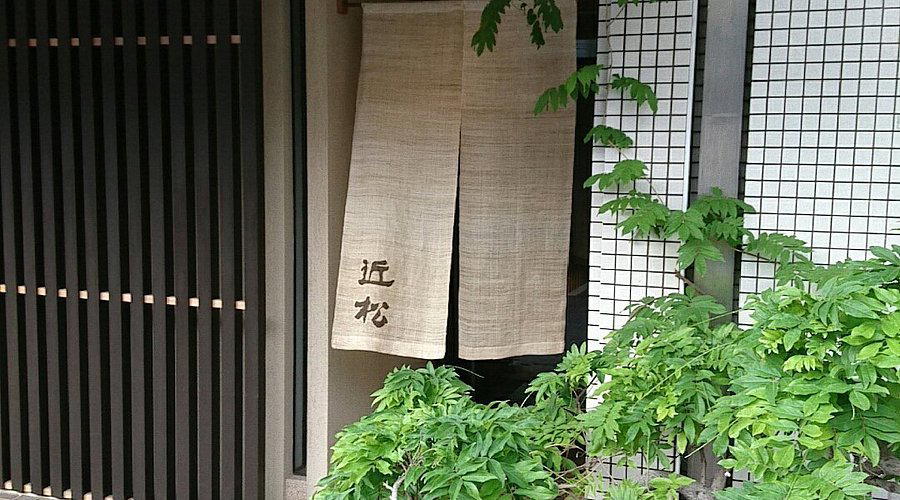
Approaching small restaurants in this part of Hakata follows a consistent pattern across the neighbourhood: narrow streets, ground-floor frontages, and interiors that reveal themselves only once you step through the entrance. The experience of arrival is part of the format. Japanese dining at this scale rarely performs itself from the outside. The physical environment, whatever is visible through a sliding door or a half-curtain noren, signals something about pace and intention before a single dish arrives.
In districts like Narayamachi, where the street grid is older and the storefronts sit close together, the ambient sound is low: foot traffic, distant kitchen noise, occasionally the sound of a neighbouring bar's door opening and closing. This is a different sensory register from the covered arcades of Tenjin or the tourist-facing izakayas around Nakasu. For anyone arriving from either of those areas, the adjustment is noticeable and, for a certain kind of diner, preferable.
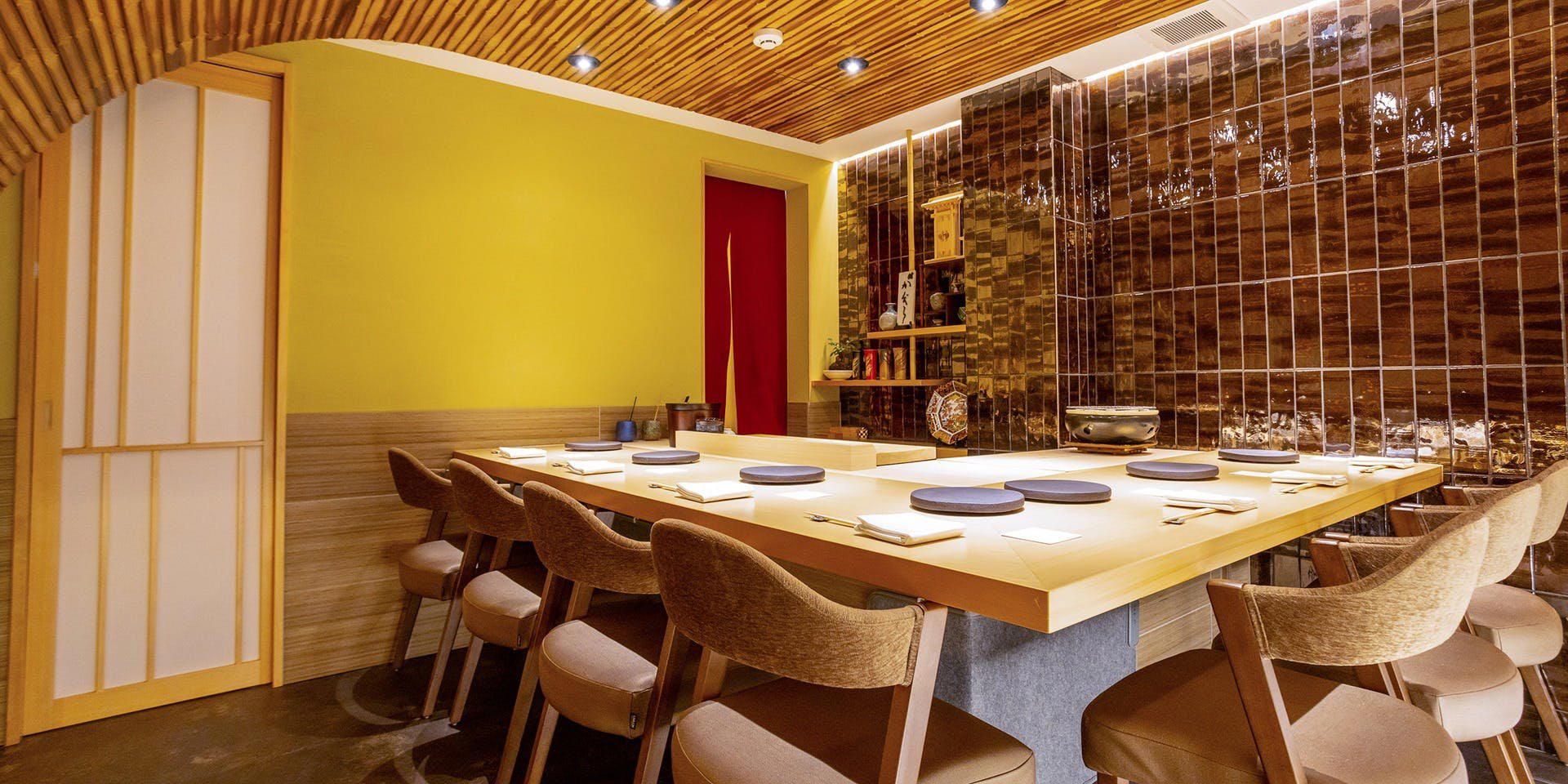
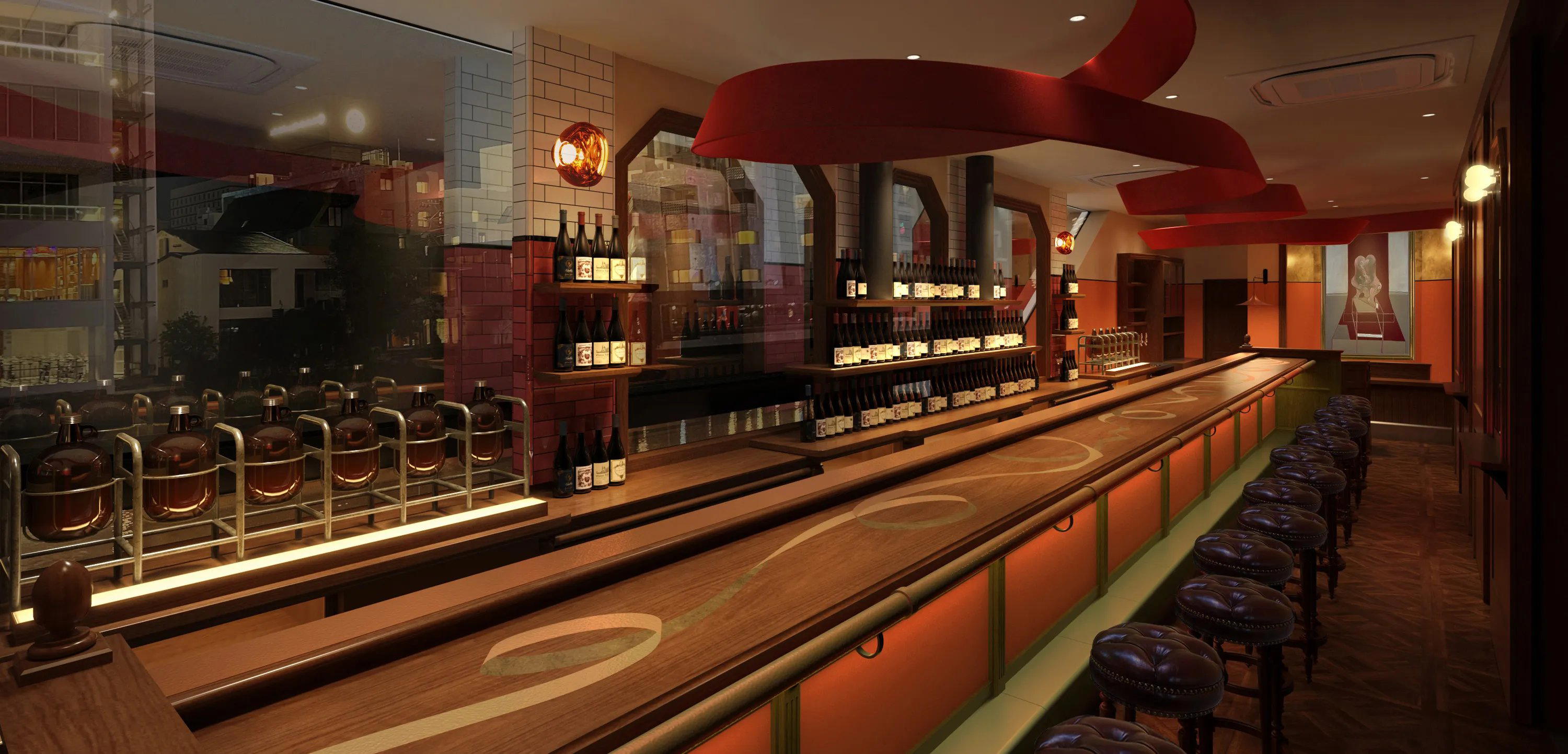
Small Hakata restaurants at this address type typically seat between eight and twenty guests, with counters and low tables configured to make the kitchen's rhythm audible without amplification. The absence of background music is common. The result is a format where the cooking becomes the dominant sensory event, a structure that, across Japan's smaller restaurant culture, tends to concentrate attention in ways that larger rooms rarely achieve.
Where 奈寿屋紺野 Sits in Fukuoka's Broader Dining Pattern
Fukuoka's restaurant scene has developed along two recognisable tracks over the past decade. One track runs toward destination dining: venues like Goh (French), which has brought sustained international attention to the city's upper tier, and Chikamatsu (Sushi), which operates within the city's serious sushi tier. The other track, less documented, more embedded, runs through neighbourhood streets where small kitchens serve regulars on daily schedules with menus that rarely change dramatically season to season.
奈寿屋紺野 belongs to the second track, at least in terms of address and format. Japan's dining culture has long understood that critical recognition and daily neighbourhood utility are different functions, and that the leading restaurant towns sustain both simultaneously. Fukuoka, with its density of eating options relative to population and its tradition of market-sourced cooking tied to the seasons of the Genkai Sea and Kyushu's agricultural hinterland, does this more successfully than most Japanese cities of comparable size.
For visitors who have covered the higher-profile addresses, perhaps Asago, Bekk, or Beef Taigen (Beef泰元), a meal in Narayamachi offers a different kind of access to what the city actually eats. That contrast, between the curated and the quotidian, is where travel in Japan tends to produce its more durable impressions.
Japan's neighbourhood restaurant culture extends well beyond Fukuoka, of course. Gion Sasaki in Kyoto and HAJIME in Osaka operate at very different scales and price points, but they share the same underlying logic: that a kitchen committed to a specific place and a specific customer builds something that purely destination-driven restaurants rarely achieve. Harutaka in Tokyo and akordu in Nara demonstrate the same principle across different cuisine types and city contexts.
Seasonal Timing and What the Hakata Calendar Means for This Address
Fukuoka's proximity to the sea and to Kyushu's farming regions means the seasonal calendar is pronounced in local kitchens. Autumn and winter bring the strongest argument for visiting: the prefecture's seafood, including squid from Yobuko and various flatfish from the Genkai Sea, tends toward its peak condition between October and February. Spring brings the shorter window of bamboo shoots and the early vegetable push from the mountains east and south of the city. Summer, while humid, carries its own specific products from local markets.
For neighbourhood restaurants in Hakata, this seasonal pressure is not abstract. Small kitchens that source locally adapt their offerings as conditions change, which means that what a regular orders in November differs materially from what they would order in May. Visitors planning around this rhythm, and booking accordingly, tend to have more productive meals than those arriving without seasonal awareness.
Japan's broader neighbourhood dining circuit rewards this kind of attention across prefectures. 一本木川魚製 in Nanao, 夕仙亭丸乃 in Sapporo, and 湖雅荘 in Takashima each demonstrate how local sourcing rhythms shape small-format restaurants in ways that destination dining, with its more controlled supply chains, sometimes obscures. 鳥羽屋 in Nishikawa Machi and Birdland in Sakai carry the same logic into their specific protein specialisations.
Planning a Visit
The address, Narayamachi, Hakata Ward, Fukuoka, is accessible from Hakata Station in under fifteen minutes on foot, passing through streets that shift gradually from the station's commercial density toward quieter residential and mixed-use blocks. The walk itself is useful orientation. Reservations are recommended, and direct confirmation before arrival is advisable. In this part of Hakata, where small restaurants sometimes operate on reservation-only or limited-seating models, arriving without prior contact carries real risk of finding the room full. Narayamachi is no exception.
Nearby-ish Comparables
Comparable venues nearby, for context on price, style, and recognition.
| Venue | Cuisine | Price | Notes |
|---|---|---|---|
| 奈良屋町 青This venue — the venue you are viewing | Japanese Izakaya | , | |
| Nakanishi Shokudo | Japanese Cafeteria / Donburi | $$ | Higashi |
| æç åç¿ | Japanese Coffee House | , | Chūō |
| Teuchi Soba Yabukin | Handmade Soba (Japanese Buckwheat Noodles) | $$ | Chūō |
| Sabatarou | Traditional Japanese clay-pot rice breakfast & lunch | $$ | Chūō |
| 神戸焼肉大山 | Japanese Robatayaki Grill | $$ | Hakata |
At a Glance
- Sake Program
Cozy and classic.