

Tsugumi operates an eight-seat counter in Fukuoka's Chuo Ward, anchoring its kaiseki-style menu to a rotating cast of Kyushu's most distinctive seasonal ingredients: natural tiger puffer fish in winter, wild Ariake Sea eel in summer, and the prized local grouper kue through autumn. Tabelog Bronze recognition in each year from 2022 through 2026, and selection for the Tabelog Japanese Cuisine WEST 100 in 2021, 2023, and 2025, place it firmly within western Japan's most closely watched regional-cuisine counters.
Pearl is the En Primeur Club membership app — saves, bookings, and concierge access live there. Same editors, same standards.
- Address
- Japan, 〒810-0801 Fukuoka, Hakata Ward, Nakasu, 5 Chome−2−3 B1F
- Phone
- +81 92-409-4700
- Website
- hotpepper.jp
- Directions
- Get directions
 Saves & bookings on Pearl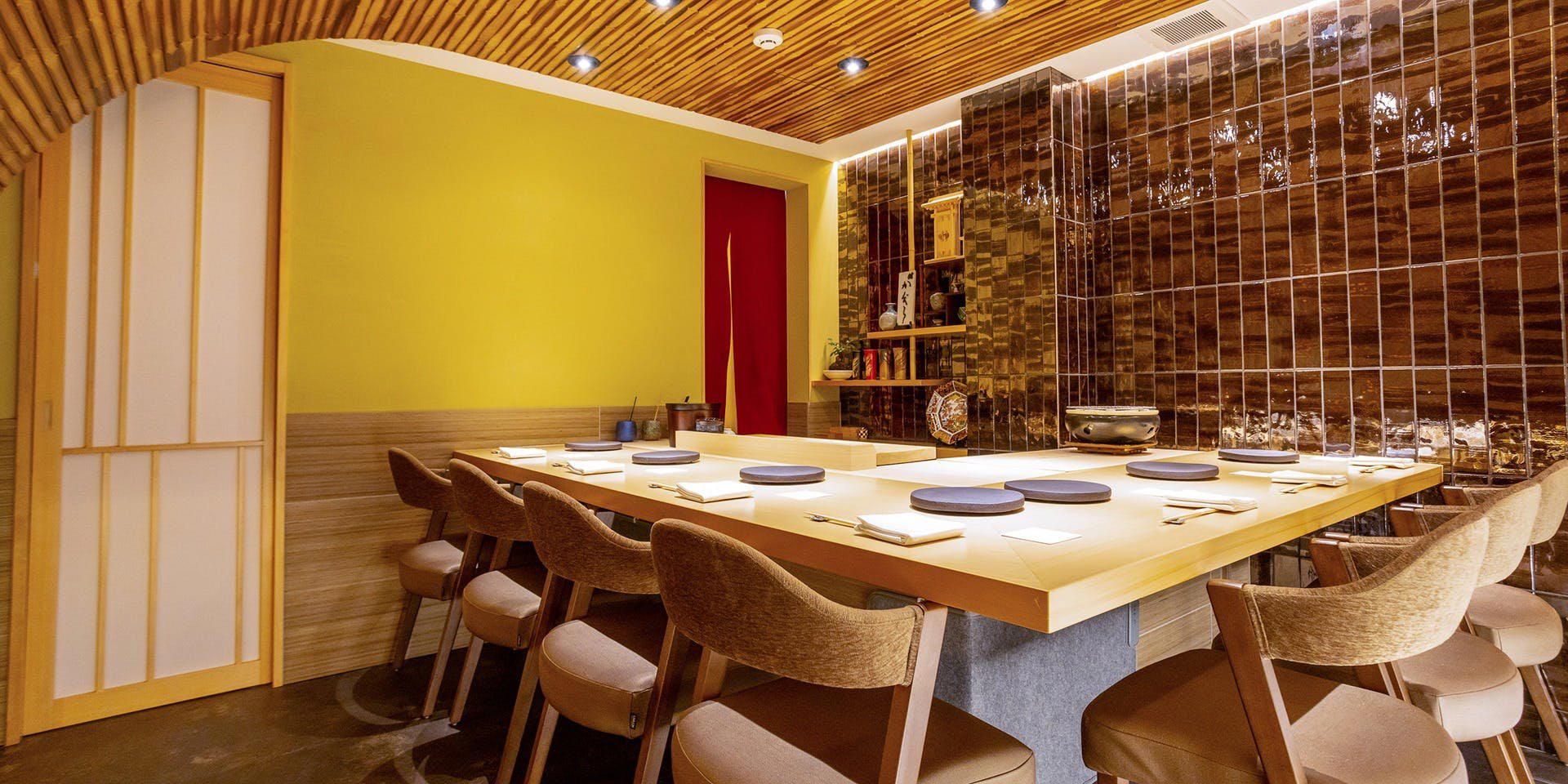
Counter Discipline in the Hakata Dining Quarter
Descend one level below street level in Nakasu and the spatial logic of a serious Japanese counter becomes immediately clear: eight seats, no private rooms, no background noise beyond the preparation happening directly in front of you. The format is the message. At this scale, the chef-to-guest ratio makes close observation unavoidable, and the cooking at Tsugumi is designed to reward that attention. Fukuoka has long operated a parallel fine-dining circuit to Osaka and Kyoto, smaller in profile but often sharper in its use of the prefecture's own ingredients, and small-counter regional cuisine is where that circuit runs at its most concentrated.
Tsugumi holds a Tabelog score of 4.06 and has earned the Tabelog Bronze Award consecutively from 2022 through 2026. For a restaurant that has been open fewer than six years, this is a fast-consolidating record in a category where reputations typically build over decades.
A Menu Built Around a Quarterly Calendar
The editorial logic of the menu at Tsugumi is direct and deliberately restrictive: one primary ingredient anchors each three-month block of the year, and the entire course rotates around it. This is not the seasonal variation common to most kaiseki programs, where a spring ingredient might appear in one or two dishes. Here the featured ingredient structures the full arc of a meal, treated through multiple cooking methods in sequence. The framework creates a different kind of counter theatre from the dish-by-dish revelation of omakase sushi: the cooking shows you what one notable ingredient can yield across formats, rather than demonstrating range across a catch.
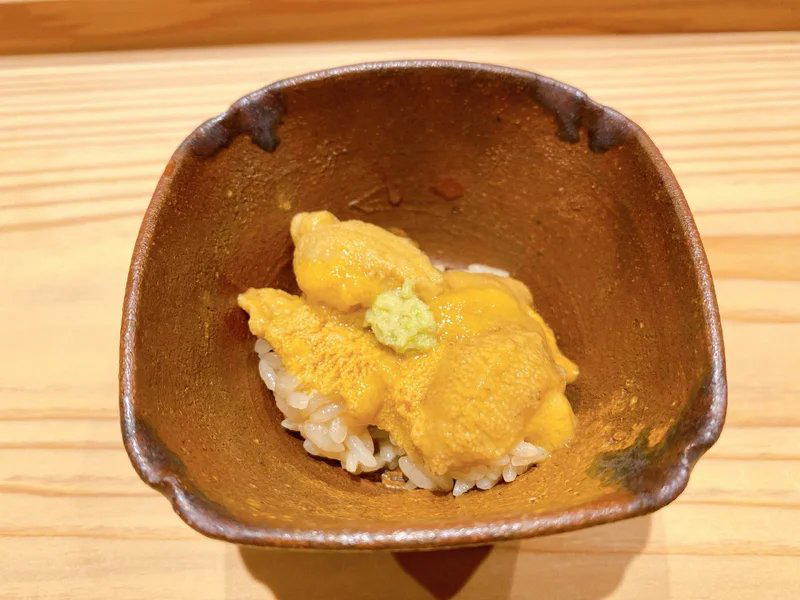
From January through March, the focus is natural tiger puffer fish, specifically the expensive grade of fugu. Wild tiger puffer is fished from the Genkai Sea off Fukuoka's northern coast and is subject to strict licensing requirements for preparation. The January-to-March lunch course is priced at JPY 18,700 (tax included), reflecting the cost of the ingredient. From April through June, the menu shifts to a broader seasonal ingredient focus drawing from Kyushu's spring larder. July through September centres on wild eel from the Ariake Sea, among the more ecologically specific bodies of water in Japan for eel, concluded with a steamed preparation using bamboo steamers in the traditional Fukuoka method. From October through December, the headline ingredient is kue, a grouper variety treated as a prestige fish in the Fukuoka culinary tradition, prepared across multiple cooking approaches over the course of the meal.
This calendar-locked structure positions Tsugumi differently from counters in Tokyo's premium tier, where a broader repertoire and year-round menu versatility are often the markers of seriousness. In Fukuoka's regional cuisine tradition, the constraint is the statement: an eight-seat counter serving one primary ingredient per quarter signals that the kitchen's relationships with specific fishermen and suppliers are the foundation of the program, not the flexibility of the chef's technique. Comparisons to counters like Chikamatsu (Sushi) or Chiso Nakamura show different orientations within Fukuoka's Japanese cuisine tier: sushi counters prioritise the quality of the rice-fish relationship; kaiseki-style regional counters like Tsugumi foreground ingredient provenance and transformation over time.
The Counter as Stage
At eight seats, the counter at Tsugumi functions with the same spatial logic as a teppanyaki stage, even if the cooking techniques are drawn from traditional kaiseki rather than live-fire iron. The preparation is visible; the pacing is controlled by the chef rather than the guest; the sequence of treatments is the performance. Counter-side cooking in this format involves watching an ingredient transition from one state to another across several courses, which requires a different kind of attention from both kitchen and diner than a plated tasting menu delivered from a separate kitchen.
Chef Takeshi Inoue runs this eight-seat format under reservation-only conditions, with dinner seating slots at 18:00, 19:00, and 20:40. The 20:40 slot is notably late by kaiseki standards, suggesting accommodation for guests coming from other engagements in Fukuoka's business and entertainment district. Lunch requires a minimum party of two. The entire restaurant can be reserved for private use with an additional fee, though the absence of private rooms as a default configuration keeps the standard experience a shared counter, which is the intended format. Cancellations within one or two days incur a 50% charge; same-day cancellations are 100%.
Reservations are available through Pocket Concierge.
Fukuoka's Position in Western Japan's Fine Dining Circuit
Fukuoka does not market itself as a fine-dining destination in the way Kyoto or Tokyo do, but the depth of its Japanese cuisine counter scene is consistent with a city that produces and sources particularly distinctive seafood in Japan. The Genkai Sea to the north and the Ariake Sea to the south give Fukuoka chefs access to ingredients that counters in other cities can only obtain at distance and cost. This geographical advantage is most legible at a restaurant like Tsugumi, where the menu is structured around the specific seasonal behaviour of those fisheries rather than a generalised Japanese cuisine repertoire.
Within Fukuoka's broader fine dining scene, the restaurant occupies a different register from the French-influenced contemporary cooking at Goh (French) or the kaiseki traditions at Asago and Bekk. Its closest comparators in the national Japanese cuisine WEST 100 tier operate with similar supply-chain logic, where counter format and ingredient-source discipline define the restaurant's identity more than aesthetic philosophy or plating style. For visitors building a Fukuoka itinerary, the distinction matters: Tsugumi is a place to eat one thing deeply, not broadly.
For context on how western Japan's counter cuisine scene relates to the national picture, comparable programs at Gion Sasaki in Kyoto, HAJIME in Osaka, and akordu in Nara show how sharply individual cities develop their own register within what outsiders often treat as a single "Japanese cuisine" category. In Tokyo, counters like Myojaku, Azabu Kadowaki, and Harutaka operate within a denser competitive set and a different procurement logic. Further afield, 1000 in Yokohama and 6 in Okinawa illustrate how regional identity shapes counter cuisine differently in each geography.
Planning Your Visit
Tsugumi is located in Chuo Ward, approximately 430 metres from Watanabe Dori Station and within a ten-minute walk of Yakuin Station. The address is 高砂1-6-6 サンクス高砂 1F, and the restaurant is a basement-level counter. No parking is available. The space is entirely non-smoking. Credit cards are accepted (Visa, Mastercard, JCB, Amex, Diners Club, UnionPay); electronic money and QR code payments are not. There is no service charge. Lunch pricing from April to December runs from JPY 13,200 to JPY 25,300 (tax included); dinner from JPY 22,000 to JPY 25,300. January through March carries a winter premium reflecting the fugu season, with dinner at JPY 25,300 and lunch at JPY 18,700. Reservations are reservation-only via Pocket Concierge.
- charcoal-grilled fish
- fugu sashimi with shirako
- mackerel sushi
- kue with seasonal vegetables
- abalone with shiitake
- wild boar shabu-shabu
Awards and Standing
Comparable venues nearby, for context on price, style, and recognition.
| Venue | Cuisine | Price | Notes |
|---|---|---|---|
| TsugumiThis venue — the venue you are viewing | Seasonal Kyushu Omakase | $$$$ | Not listed |
| Sagano | Traditional Kaiseki | $$$$ | Hakata |
| Nakahan | Cha-Kaiseki Omakase | $$$$ | Chūō |
| Ichitaka | Modern Kyushu Sushi Omakase | $$$ | Hakata |
| Sushi Karashima | Kyushu-Style Edomae Omakase | $$$$ | Chūō |
| Takeuchi | Tempura Kaiseki | $$$ | Nakagawa |
Recognition history
Dated appearances from independent guides and award organizations, with the underlying list record or original source where available.
Opinionated About Dining Top Restaurants in Japan Recommended
Opinionated About Dining
Tabelog Bronze #483
Tabelog
Tabelog Bronze
Tabelog
Tabelog 100 #72 · No. 72
Tabelog · Tabelog 100 - Japanese cuisine - WEST - 2025
Opinionated About Dining Top Restaurants in Japan Ranked #372
Opinionated About Dining
At a Glance
- Intimate
- Elegant
- Quiet
- Sophisticated
- Minimalist
- Date Night
- Special Occasion
- Celebration
- Chefs Counter
- Open Kitchen
- Sake Program
- Sommelier Led
- Local Sourcing
Current opening hours
- Monday
- 5–10 p.m.
- Tuesday
- 5–10 p.m.
- Wednesday
- 5–10 p.m.
- Thursday
- 5–10 p.m.
- Friday
- 5–11 p.m.
- Saturday
- 5–11 p.m.
- Sunday
- Closed
Hours can change for holidays and private events. Last verified .
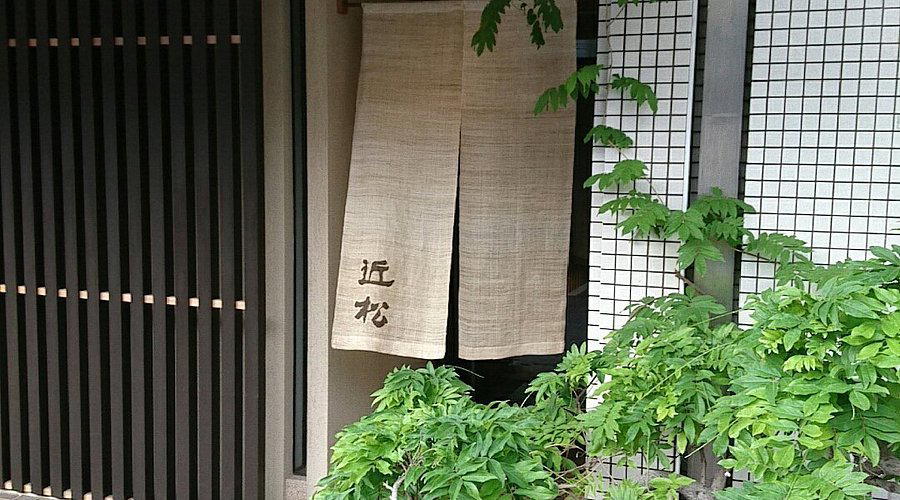
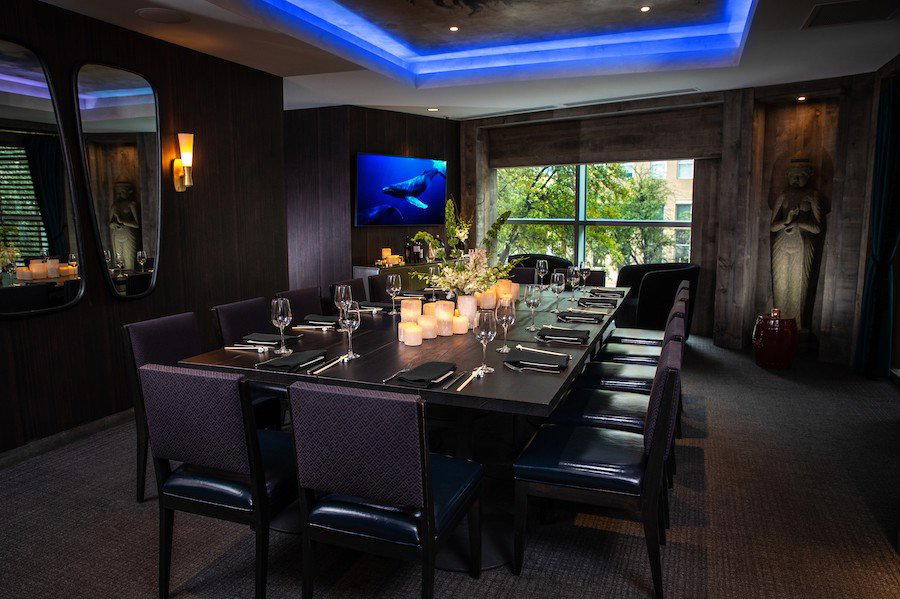
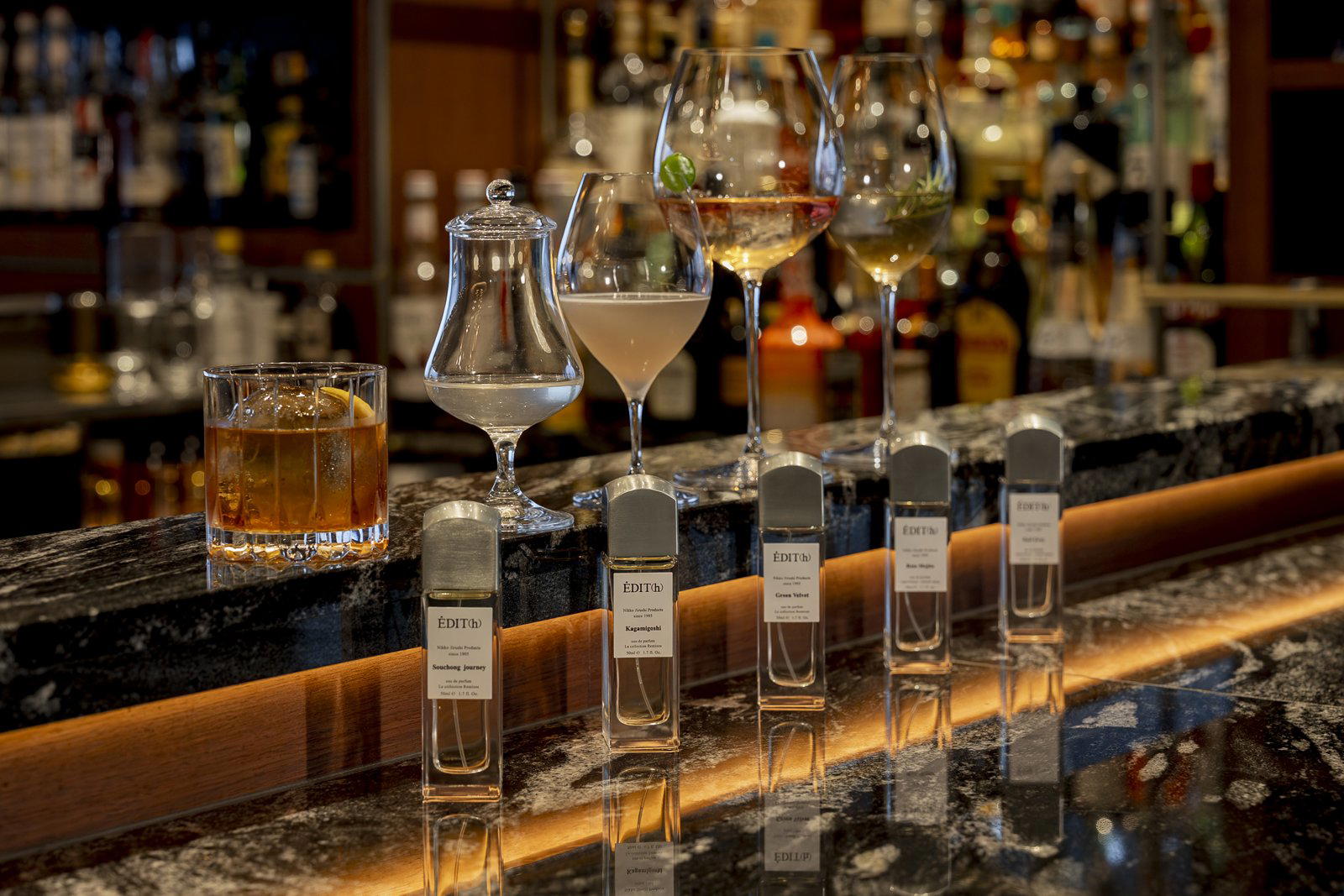
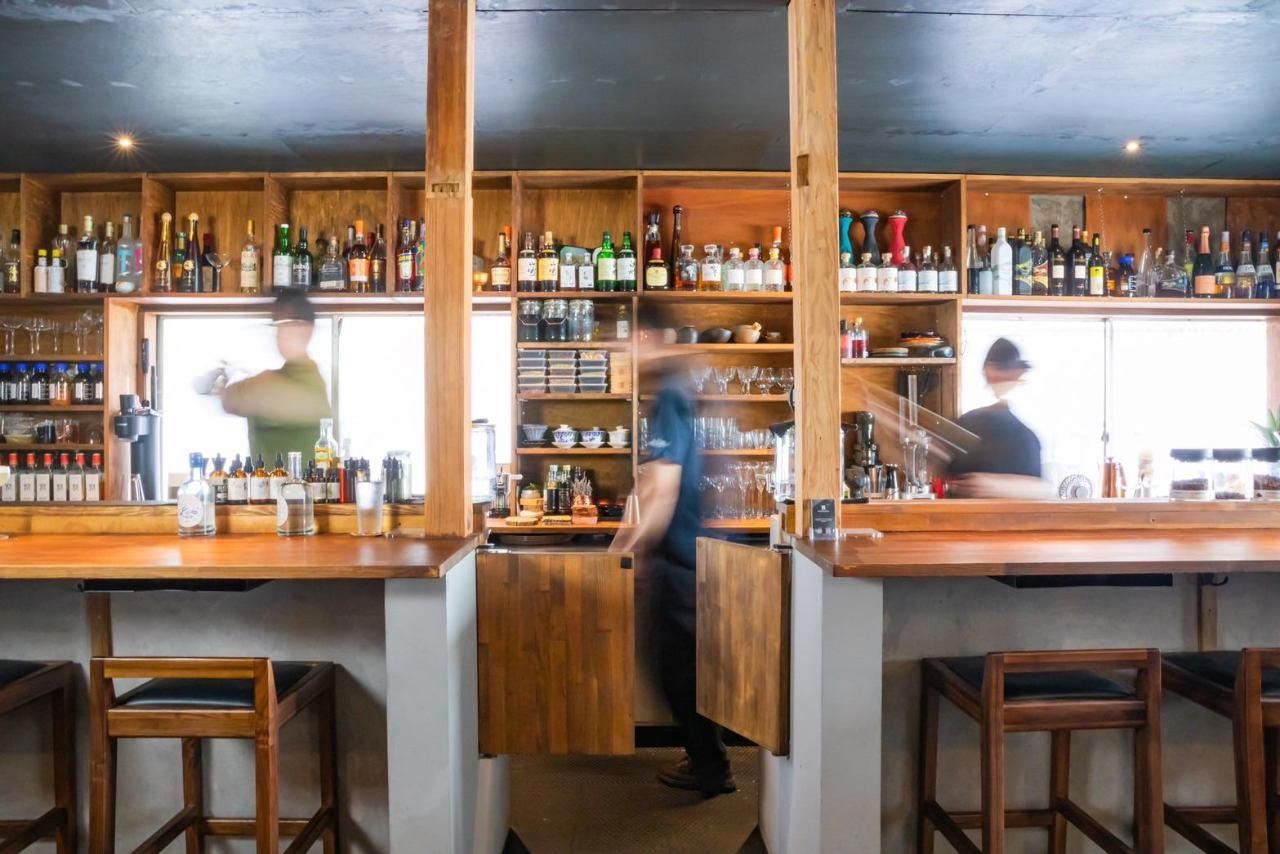
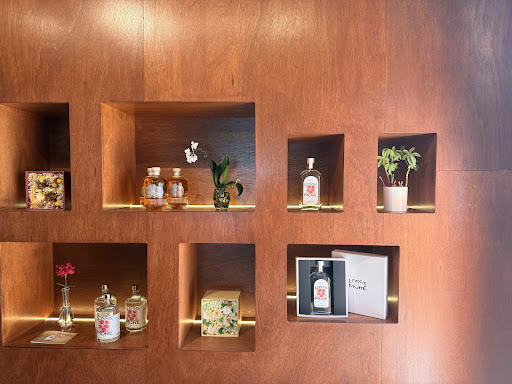
Serene, gallery-like space with smooth cedar, soft linen-like lighting, and a restrained palette of cork and unfinished concrete; adorned with Kyushu pottery and Edo-period artwork; hushed and contemplative atmosphere.