
Sabatarou brings Fukuoka’s everyday shokudo tradition into a tighter, reservation-led format in Akasaka, with clay-pot rice at the centre of the meal. Its selection for Tabelog Diner “Tabelog 100” 2026 places it in a serious national conversation about modest Japanese dining rooms, not just luxury counters.
Pearl is the En Primeur Club membership app — saves, bookings, and concierge access live there. Same editors, same standards.
- Address
- 福岡県福岡市中央区赤坂1-5-11 アバンダント89
- Phone
- +81924064388
- Website
- tabelog.com
 Saves & bookings on Pearl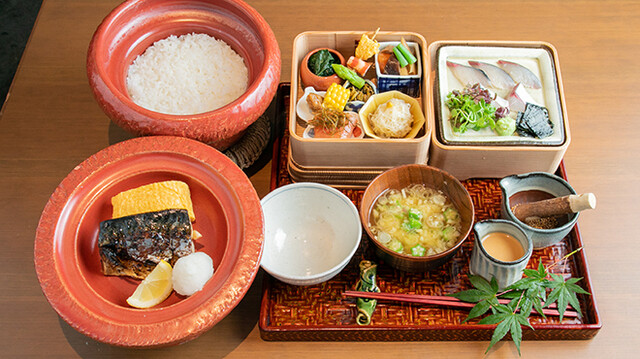
Akasaka’s restaurant streets do not announce themselves with grand theatre. The rhythm is lower and more practical: office workers moving between small buildings, compact dining rooms turning over with purpose, and the smell of rice, stock and grilled fish doing more persuasive work than signage. In that setting, Sabatarou belongs to a Fukuoka category that visitors often under-read: the shokudo, or everyday dining room, treated with the focus usually reserved for far costlier formats.
Fukuoka’s reputation abroad still leans heavily on tonkotsu ramen, yatai stalls and seafood from the Genkai Sea. Those matter, but they can flatten the city into a few repeatable tropes. The more useful reading is that Fukuoka has a broad middle tier of restaurants where set meals, rice cookery, pickles, miso soup and Kyushu drinking culture carry serious weight. Sabatarou’s selection for Tabelog Diner “Tabelog 100” 2026 gives that tier a national signal: recognition for a dining style built around daily Japanese structure rather than spectacle.
Clay-pot rice and the Fukuoka shokudo tradition
The shokudo is not a minor form in Japan. It is where balance matters: rice as anchor, side dishes as seasoning logic, soup as tempo, and the meal designed for completeness rather than escalation. In premium travel terms, this is where a visitor can misjudge the stakes. A meal that appears modest on paper can say more about local appetite than a long tasting menu, because the details depend on timing, texture and restraint.
Sabatarou’s defining format is freshly cooked rice in individual clay pots, a detail that places the meal in a lineage older than the current obsession with counter dining. Donabe-style rice cookery rewards patience and precision; it is not a garnish to the meal but the meal’s centre of gravity. In Fukuoka, where seafood, soy, sake and regional side dishes are all strong enough to dominate, a rice-first dining room makes a pointed argument for quiet composition.
That argument also explains why the recognition matters. Tabelog’s Diner category is not measuring the same thing as a haute cuisine list. It points toward restaurants where regular Japanese meal formats are executed with enough clarity to draw national attention. Within Fukuoka, that puts Sabatarou in a different lane from the city’s high-spend counters and formal Japanese rooms, and closer to the category of places that define how locals actually eat when the meal needs substance rather than ceremony.
Akasaka's quieter role in Fukuoka dining
Akasaka sits close enough to Tenjin to share its convenience, but it has a different dining character. Tenjin absorbs the retail crowds and late-night traffic; Akasaka feels more measured, with smaller restaurants operating for diners who plan rather than drift. That distinction matters for shokudo cooking. The format depends on pace and preparedness, not walk-in chaos.
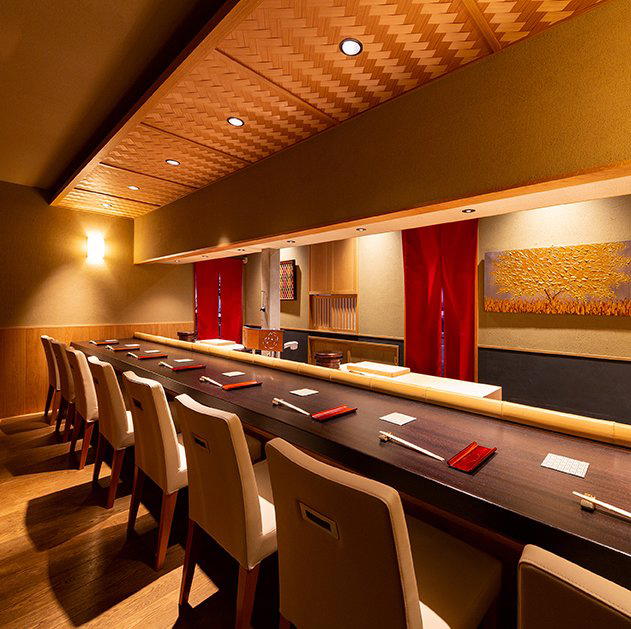
The comparison set in Fukuoka makes the point. Oryori Uchiyama and Sushi Dokoro Ishibashi occupy more formal, higher-spend Japanese dining territory. Akasaka Komikan sits in a mid-range bracket, while Kamakiri Udon and Toho Yushusai Nuwara Eliya show how the city also supports serious casual eating at lower prices. Sabatarou sits between these ideas: not a luxury counter, not a quick noodle stop, and not a loose canteen. Its 18-seat scale and national diner-list recognition put pressure on the experience without turning it into fine-dining theatre.
For travellers building a Fukuoka itinerary, that middle position is useful. A city’s food culture is easier to understand when meals are not all climactic. Pairing a rice-led shokudo with a ramen stop, a seafood meal and a bar night gives a better map of Fukuoka than chasing only high-priced reservations. EP Club readers planning more widely can cross-reference Our full Fukuoka restaurants guide, then layer in stays from Our full Fukuoka hotels guide, drinking rooms from Our full Fukuoka bars guide, regional bottles through Our full Fukuoka wineries guide, and cultural planning via Our full Fukuoka experiences guide.
How to place it in a serious Fukuoka food crawl
The smarter way to use Sabatarou is not as a trophy booking but as a calibration meal. It gives a diner a read on rice quality, set-meal architecture and the quieter side of Kyushu hospitality before or after louder Fukuoka experiences. Around it, the city’s range becomes clearer: South Indian cooking at 106 South Indian Fukuoka tenjin ten, spice-driven dining at Afterglow, local Japanese comfort at Aji Dokoro Taro Gen Sougyou ten, fish-fry focus at Aji Furai Shokudo Kaba, and long-running local flavour at Aji no Katsueda.
Seen against Japan more broadly, the appeal is even clearer. Not every serious meal needs Tokyo ceremony or Kyoto polish. The same national dining map that includes -Grilled beef Sukiyaki- KAMAKURA TANUKIAN 鎌倉 たぬき庵 in Kamakura. 鮪と炭火焼き うお炭 秋葉原店 in Tokyo.cafe in Osaka.know in Kumamoto, (Shoku) Vietnam in Kawasaki, and [Curry Senmon Ten] Maruyama Kyoju. in Sapporo also has room for a Fukuoka dining room where the central claim is rice, timing and proportion. For overseas context on Japanese comfort forms travelling well, compare Jōdo Saké Bar in Los Angeles and Onigiri Time in Pasadena.
The editorial case for Sabatarou is simple: it represents Fukuoka at table level, not postcard level. The city’s strongest meals are not always the loudest ones. Here, the cultural signal is a Japanese dining form that treats rice as craft, the set meal as composition, and the small room as a serious stage.
A Pricing-First Comparison
Side-by-side context: comparable cuisine and price.
| Venue | Cuisine | Price | Notes |
|---|---|---|---|
| SabatarouThis venue — the venue you are viewing | Not listed | $$ | Not listed |
| Kurobuta Tonkatsu Kuromatsu | Chūō, Kurobuta tonkatsu specialty | $$ | Not listed |
| 安春計 | Chūō, Japanese Izakaya | Not listed | Not listed |
| 奈良屋町 青 | Hakata, Japanese Izakaya | Not listed | Not listed |
| Shokudo Nizakana Shonen | Hakata, Japanese Seafood Set Meals | $$ | Not listed |
| Hakata Daruma (博多だるま) | Not listed | $$ | Chuo (Watanabedori) / Hakata, Traditional Hakata Tonkotsu Ramen |
Recognition history
Dated appearances from independent guides and award organizations, with the underlying list record or original source where available.
Tabelog 100 #2 · No. 2
Tabelog · Tabelog 100 - Diner - 2026
At a Glance
- Cozy
- Quiet
- Classic
- Intimate
- Solo
- Date Night
- Special Occasion
- Casual Hangout
- Standalone
- Design Destination
- Sake Program
- Local Sourcing
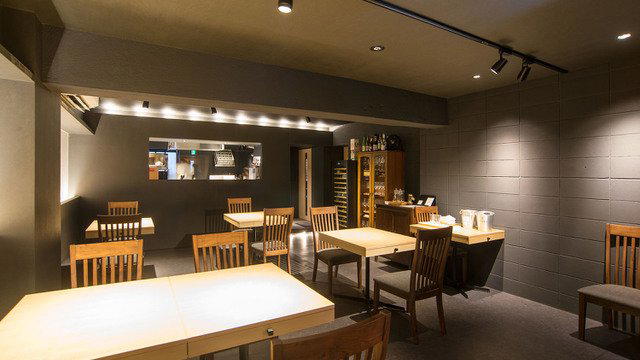
A small 18-seat, non-smoking dining room with a calm, minimalist feel where guests sit quietly over personal clay pots of steaming rice and neatly arranged small side dishes, creating an intimate and almost contemplative breakfast experience.