Our verdict
Located in Nishinakasu, the heart of Fukuoka's evening dining district, 神楽坂焼肉大山 sits within a neighbourhood where serious eating is taken for granted. Fukuoka has developed a distinct yakitori and grilled-meat culture that runs parallel to its more publicised ramen and seafood scenes, and this address positions itself inside that tradition.

Pearl is the En Primeur Club membership app — saves, bookings, and concierge access live there. Same editors, same standards.
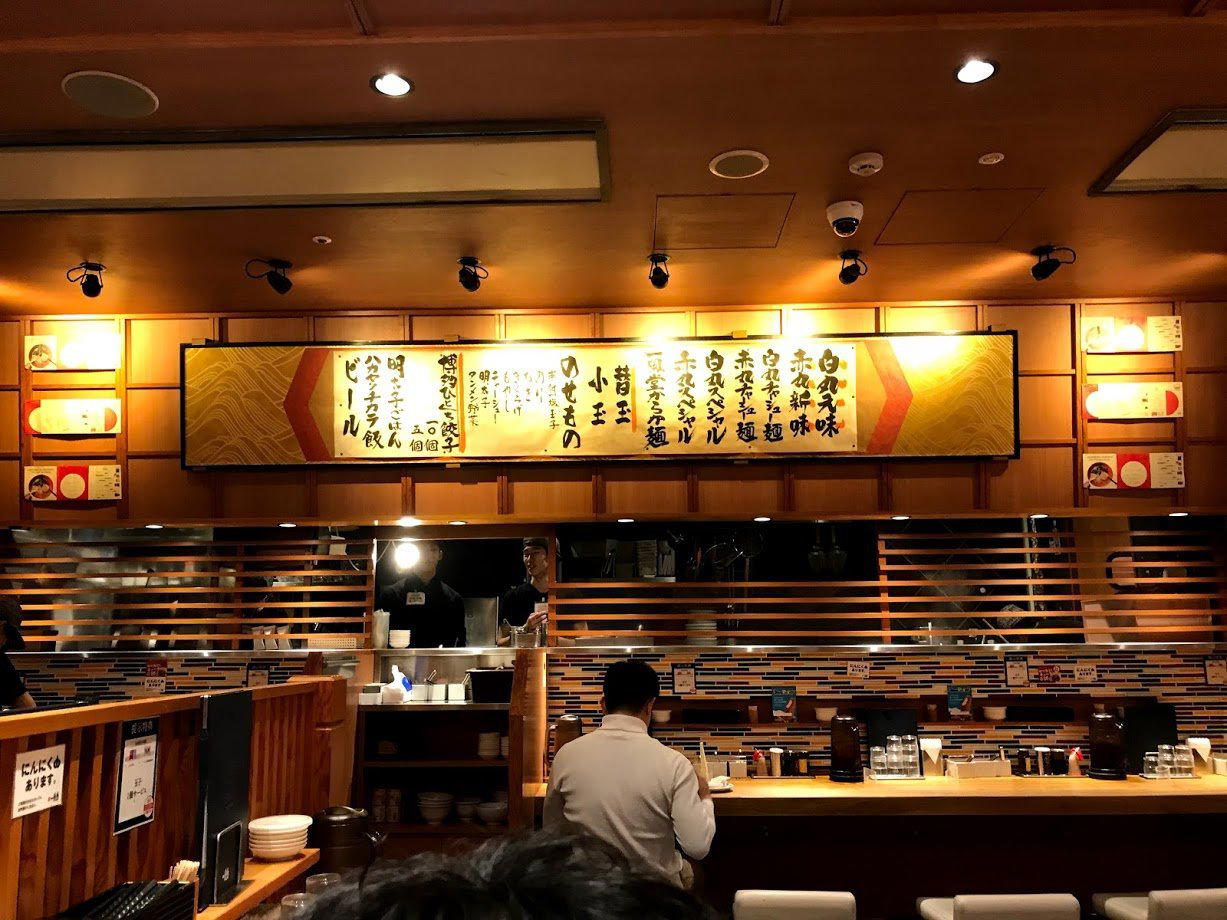
Nishinakasu and the Geography of Fukuoka's Night Dining
Nishinakasu is one of those addresses in Fukuoka that does considerable editorial work on its own. Wedged between the Naka River and the entertainment corridors of Nakasu, it functions as the city's middle register: not the tourist-facing yatai strip along the waterfront, not the neighbourhood izakaya grid of Daimyo or Yakuin, but a zone where Fukuoka residents eat seriously after dark. Restaurants on this block compete for a local clientele that has strong opinions and regular habits, which tends to produce sharper cooking and less tolerance for mediocrity than venues built around transient foot traffic.
Within that context, 神楽坂焼肉大山 at 1-4 Nishinakasu occupies a position worth examining. The address alone places it in the company of Fukuoka dining that functions as a local institution rather than a visitor attraction. For context on the full range of serious eating in the city, see our full Fukuoka restaurants guide.
Yakitori and Yakiniku in Fukuoka: A Distinct Regional Character
Japan's grilled-meat tradition is not monolithic. The yakiniku model, in which diners cook their own cuts over tabletop grills, and the yakitori counter, where a chef manages the flame, occupy different social registers and attract different evening rituals. Fukuoka's version of each has been shaped by the city's position as Kyushu's dominant food city, with local beef and pork from the surrounding prefectures feeding a grilled-meat scene that operates somewhat independently of the Tokyo benchmark.
Fukuoka beef culture in particular has developed around Kyushu breeds and cuts that don't always make the same trade press as Wagyu from Kobe or Matsusaka, but which have sustained serious local demand for decades. A restaurant carrying the word 焼肉 (yakiniku) in a Nishinakasu address is placing itself in that tradition, targeting a clientele that measures quality by the sourcing and preparation of the meat itself rather than by room design or celebrity association.
For comparison, Beef Taigen (Beef泰元) represents the kind of focused beef-specialist approach that Fukuoka has developed across multiple formats, and the two venues together illustrate how the city's grilled-meat scene has fragmented into distinct positioning tiers.
Placing 神楽坂焼肉大山 alongside its neighbourhood peers reveals something about how Fukuoka's evening dining is structured. Nishinakasu sits at the intersection of several different dining traditions: the sushi counter, the French-influenced kaiseki hybrid, and the grilled-meat house all operate within a few blocks of each other, drawing from an overlapping pool of local regulars.
Sushi at this level in Fukuoka is represented by addresses like Chikamatsu (Sushi), where the counter format and sourcing expectations align with what a serious diner would find at comparable addresses in Osaka or Tokyo. The French-Japanese synthesis has its own representative in Goh (French), and quieter evening formats appear at venues like Asago and Bekk. A yakiniku house in this neighbourhood is not competing on spectacle. It is competing on the precision and sourcing of what goes over the heat.
That competitive positioning matters when thinking about what kind of evening 神楽坂焼肉大山 is designed to produce. In Nishinakasu, the assumption is that diners already know what they want and are choosing a specific register of experience, not sampling the city's options at random.
Fukuoka in National Context
Fukuoka's position within Japan's dining hierarchy has shifted over the past decade. For years, the city was treated as a regional satellite, its restaurants measured against Tokyo and Kyoto benchmarks rather than on their own terms. That framing has largely collapsed. The concentration of Michelin-recognised addresses, the depth of the local seafood supply chain, and the growing number of chefs choosing Fukuoka over the capital have repositioned the city as a primary dining destination rather than a regional footnote.
Nationally, this shift is visible in how Fukuoka restaurants now compare with peers in other major cities. HAJIME in Osaka and Gion Sasaki in Kyoto sit at the apex of their respective city dining scenes. In Tokyo, counter-format precision dining like Harutaka sets a benchmark for omakase expectations. Fukuoka has developed its own parallel tier across multiple categories, including grilled meat, where the combination of Kyushu sourcing and a demanding local clientele has produced venues that hold up in national comparison.
Beyond Japan's major cities, restaurants in smaller or less-trafficked prefectures confirm that serious cooking is not confined to the obvious addresses: akordu in Nara, Aji Arai in Oita, and aki nagao in Sapporo each operate with the kind of local specificity that Fukuoka's dining scene also embodies at its strongest.
Planning a Visit
Nishinakasu restaurants at the serious end of the market tend to fill quickly on weekends and on evenings when Fukuoka's business dining calendar is active. Advance contact is advisable, particularly for groups larger than two, as the dining room configuration at most yakiniku houses in this neighbourhood is designed around intimate settings rather than large parties. The address at 1-4 Nishinakasu places the restaurant within walking distance of the Naka River and the central Tenjin district, making it accessible from most central Fukuoka hotels without requiring transport. Evenings begin early by Japanese restaurant standards in Fukuoka's Nishinakasu corridor, with many serious dining rooms reaching capacity by 7:30 pm.
For readers building a broader Fukuoka itinerary, pairing a grilled-meat dinner with a next-day kaiseki or sushi lunch at a venue like Chikamatsu or an evening at Goh covers two of the city's strongest dining registers in a single trip. For reference points further afield, Abon in Ashiya and affetto akita in Akita offer instructive comparisons for how Japan's smaller-city dining scenes operate at their most focused.
Frequently asked questions
Where do I go for ç¥æ¸ç¼è大山?
ç¥æ¸ç¼è大山 is located at 1-4 Nishinakasu, Chuo Ward, Fukuoka, 810-0002, Japan, Fukuoka.
What do people recommend at 神楽坂焼肉大山?
神楽坂焼肉大山 sits within Fukuoka's yakiniku tradition, where the focus falls on tabletop grilling rather than chef-plated service. Regulars at this class of Nishinakasu restaurant typically prioritise the prime cuts — the quality of the beef and the pace of the meal matter more than any single dish. Without a confirmed current menu on record, the safest approach is to ask staff for their recommended cuts on the night, which is standard practice at serious yakiniku counters across Fukuoka.
How far ahead should I plan for ç¥æ¸ç¼è大山?
Reservations are recommended for ç¥æ¸ç¼è大山 in Fukuoka. Confirm current policy via the venue's official channels.
What's the standout thing about ç¥æ¸ç¼è大山?
ç¥æ¸ç¼è大山 is best approached by focusing on the core concept and signature offerings.
A Tight Comparison
| Venue | Cuisine | Price | Awards | Notes |
|---|---|---|---|---|
| ç¥æ¸ç¼è大山This venue (the venue you are viewing) | Japanese Robatayaki Grill | $20–30 | Not listed | Not listed |
| Chikamatsu | Edomae Sushi Omakase | $200–300 | La Liste Top Restaurants · Tabelog Gold #5 | Sushi |
| Gahoujin 我逢人 | Seasonal Sushi Omakase | $200–300 | Tabelog Bronze #80 | Sushi |
| Genkiippai | Hakata Tonkotsu Ramen | $10–20 | Tabelog 100 #51 | Ramen |
| Matsuyama | Seasonal Kyushu Kaiseki Omakase | $300–500 | Tabelog Silver #74 | Western |
| Mihara Tofuten | Traditional Japanese Tofu Izakaya | $30–50 | Not listed | Tofu |
Continue exploring
More in Fukuoka
Restaurants in Fukuoka
All restaurants in Fukuoka →
Details
- Casual Hangout
- Open Kitchen
- Sake Program
- A La Carte
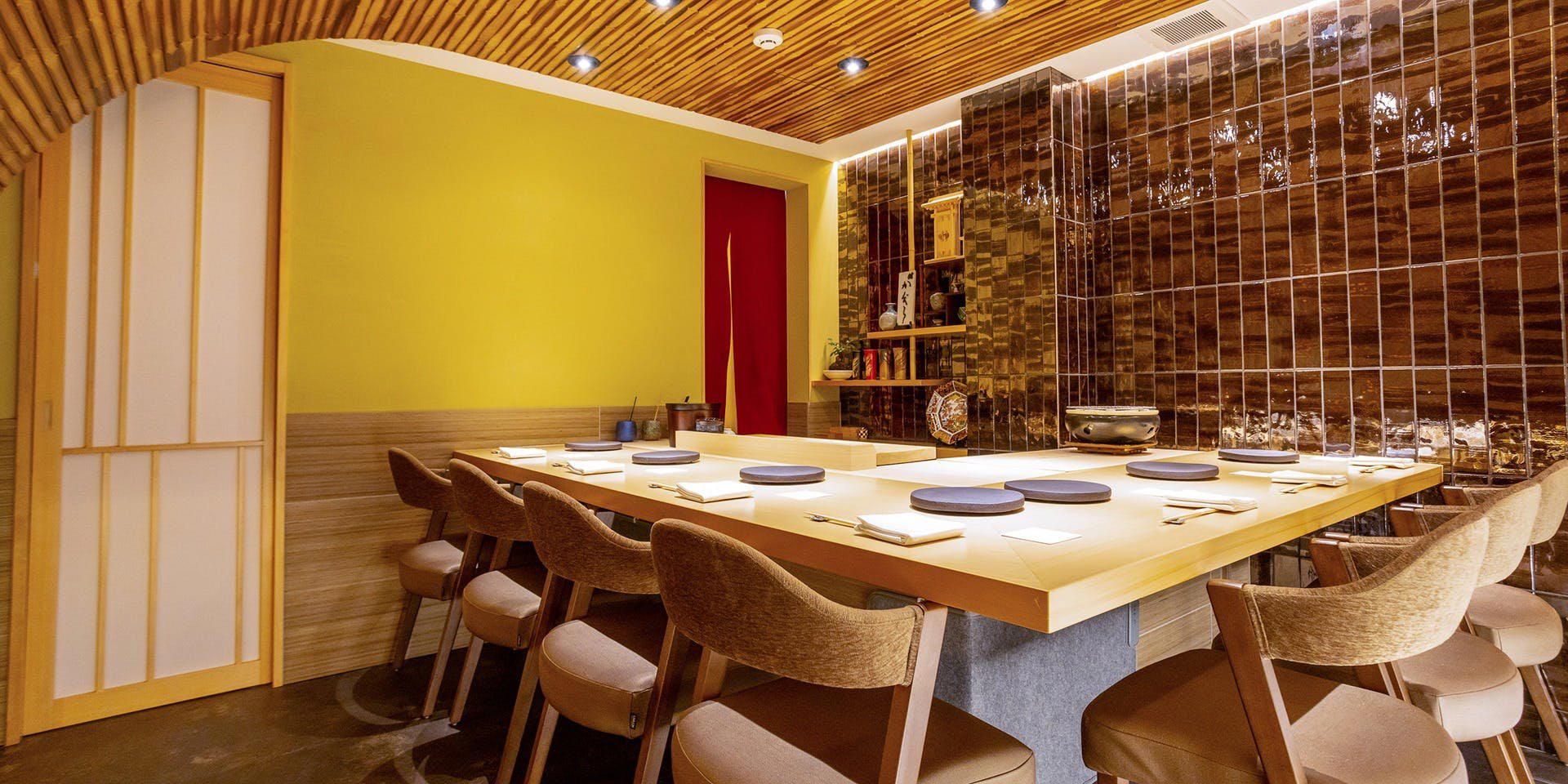
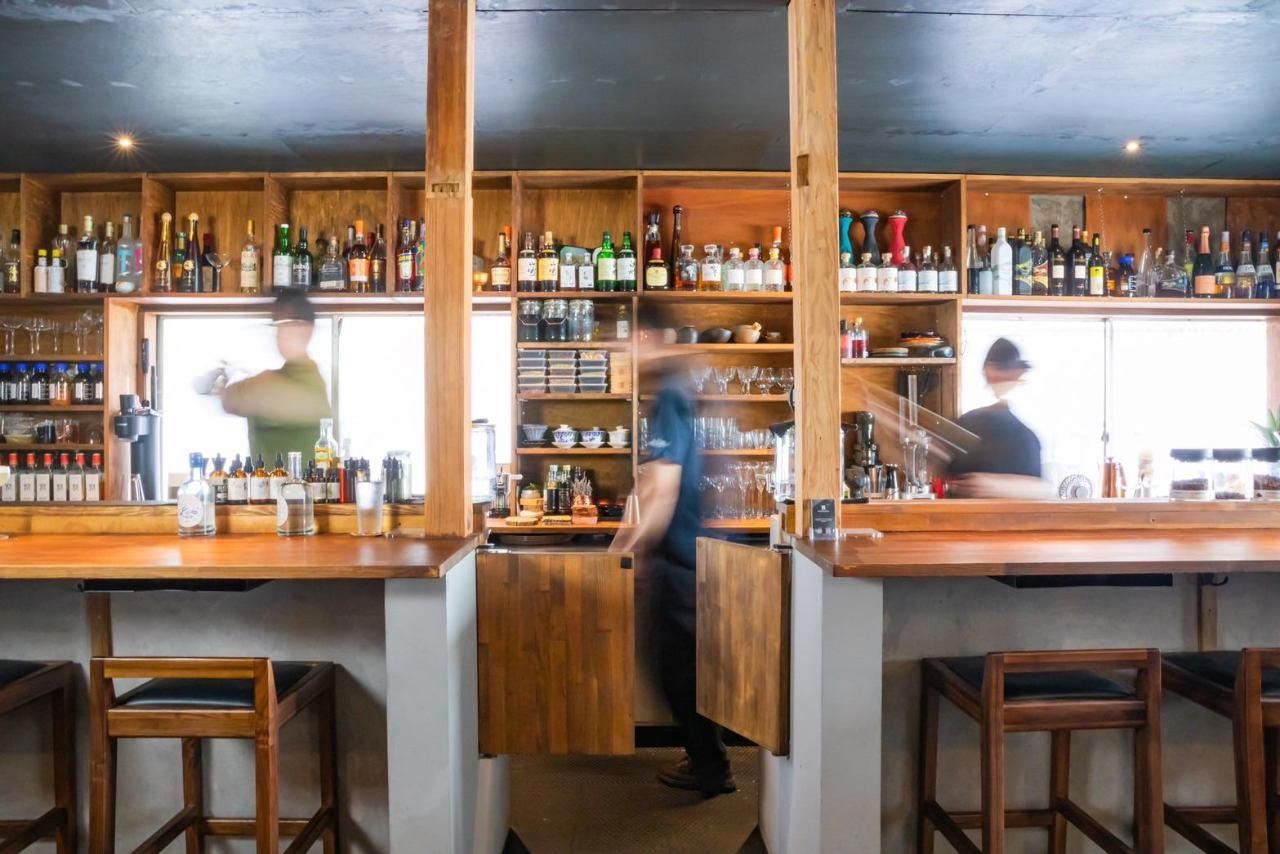
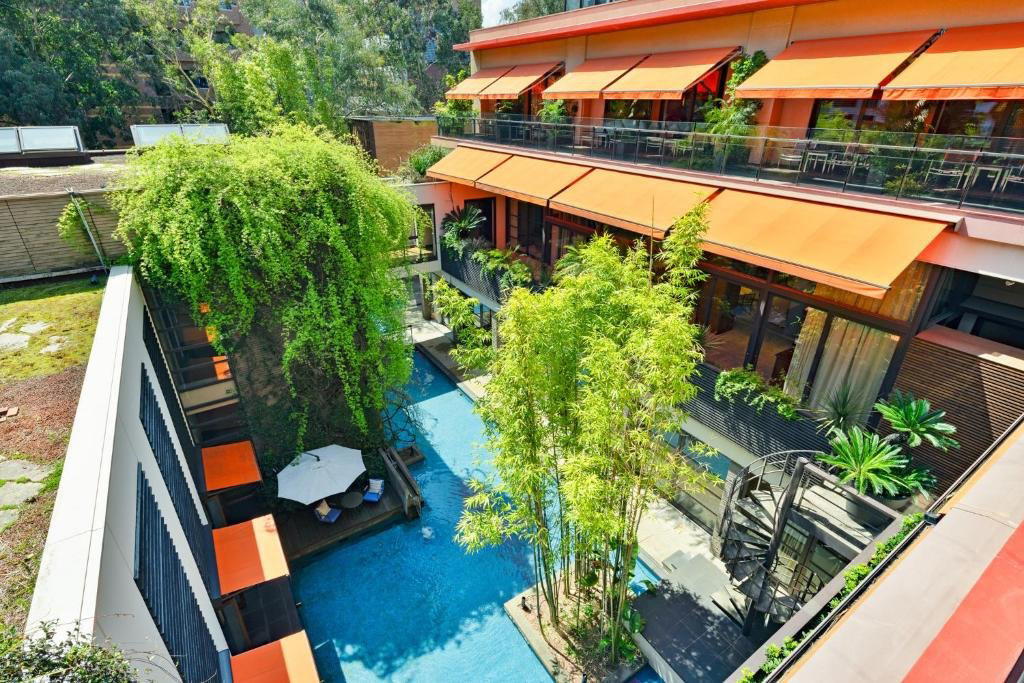
Cozy traditional Japanese atmosphere with focus on grilled dishes.