
Teuchi Soba Yabukin places hand-cut soba inside Daimyo’s compact central dining circuit, where Fukuoka’s casual noodles, drinking snacks, and small specialist rooms sit close together. Its Tabelog Soba WEST 100 selections in 2024 and 2025 give it a clear quality signal without pushing the experience into formal tasting-menu territory.
Pearl is the En Primeur Club membership app — saves, bookings, and concierge access live there. Same editors, same standards.
- Address
- 福岡県福岡市中央区大名2-1-16
- Phone
- +81927610207
- Website
- tabelog.com
 Saves & bookings on Pearl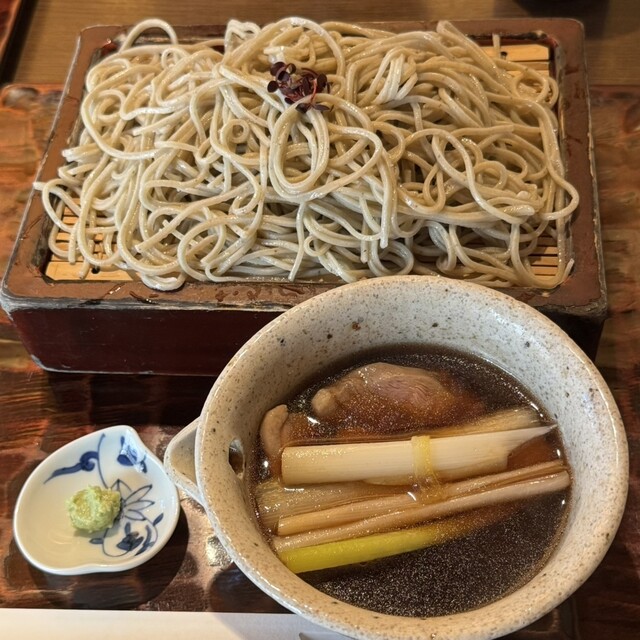
Daimyo changes register quickly: shopfronts, side streets, small drinking rooms, and restaurants that feel more local than ceremonial. In that setting, soba reads differently from Fukuoka’s louder noodle identity. Ramen carries the city’s export reputation, but hand-cut buckwheat belongs to a quieter rhythm: shorter menus, closer attention to texture, and a drinking culture that can treat noodles as either the centre of the meal or the final act after sake.
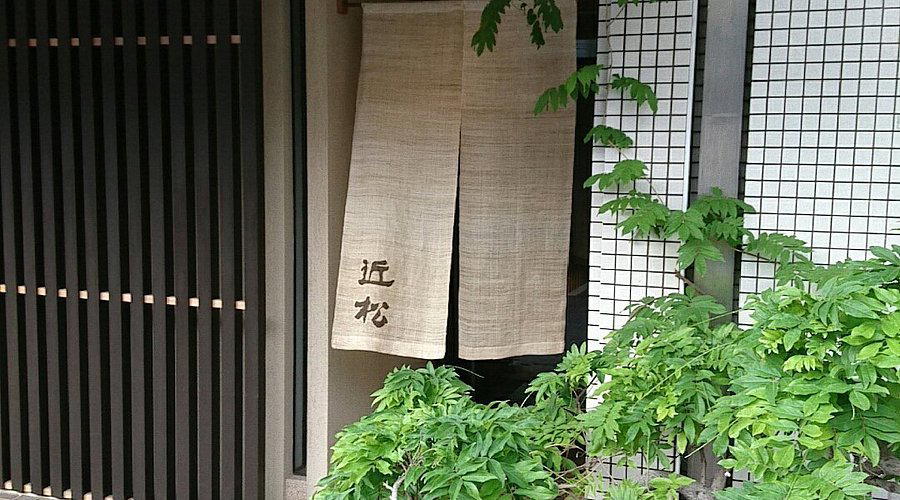
Teuchi Soba Yabukin fits that Daimyo pattern because it is neither a destination dining room in the Tokyo sense nor a quick counter built for turnover alone. The useful way to read it is as a specialist soba house inside a neighbourhood that rewards compact, focused meals. Its selection for Tabelog Soba WEST 100 in both 2024 and 2025 puts it in a regional conversation rather than a city-only one, and that matters in Kyushu, where soba has to compete for attention against ramen, udon, izakaya cooking, and seafood-led drinking.
Daimyo gives soba a different kind of audience
Fukuoka’s central dining map is unusually compressed. Tenjin supplies department-store polish and late-evening movement; Akasaka and Daimyo pull the meal into narrower streets where small restaurants can run with less theatre. That geography helps explain the appeal here. Soba is not trying to outshout the district. It offers a calmer counterpoint to nearby casual formats, the sort of meal that can sit between shopping, drinks, and a second stop without becoming a full evening production.
The comparison with nearby casual names is useful. Kurobuta Tonkatsu Kuromatsu and Tempura Dokoro Hirao Daimyou ten operate in the same broad everyday-specialist lane, while Ganso Akanoren Setchan Ramen Tenjin hon ten belongs to the city’s lower-priced ramen current. Soba occupies another position: still accessible, but more dependent on craft, grain character, and timing. In a city where noodles often mean pork-bone broth and speed, a hand-cut soba address asks for a slower read.
That slower read does not mean preciousness. The format is compact, the room is small by international dining standards, and the appeal is tied to repetition rather than spectacle. Soba houses gain authority through consistency: dough, cut, boil, rinse, dipping broth, and drink pairing all need restraint. The Tabelog recognition is useful because it points to that kind of repeatable confidence, not to ceremony for its own sake.
Hand-cut buckwheat, drinks, and the old Fukuoka habit of eating in stages
Good soba culture is built around decisions that look modest from the outside. Buckwheat does not hide poor handling, and hand-cut noodles carry a different risk profile from factory consistency. The category rewards cooks who understand friction, temperature, and the transition from noodle to broth. In Fukuoka, where late meals often move through several small stops, that makes soba unusually flexible: it can function as lunch, an early evening drink-and-noodle stop, or a restrained finish after richer food.
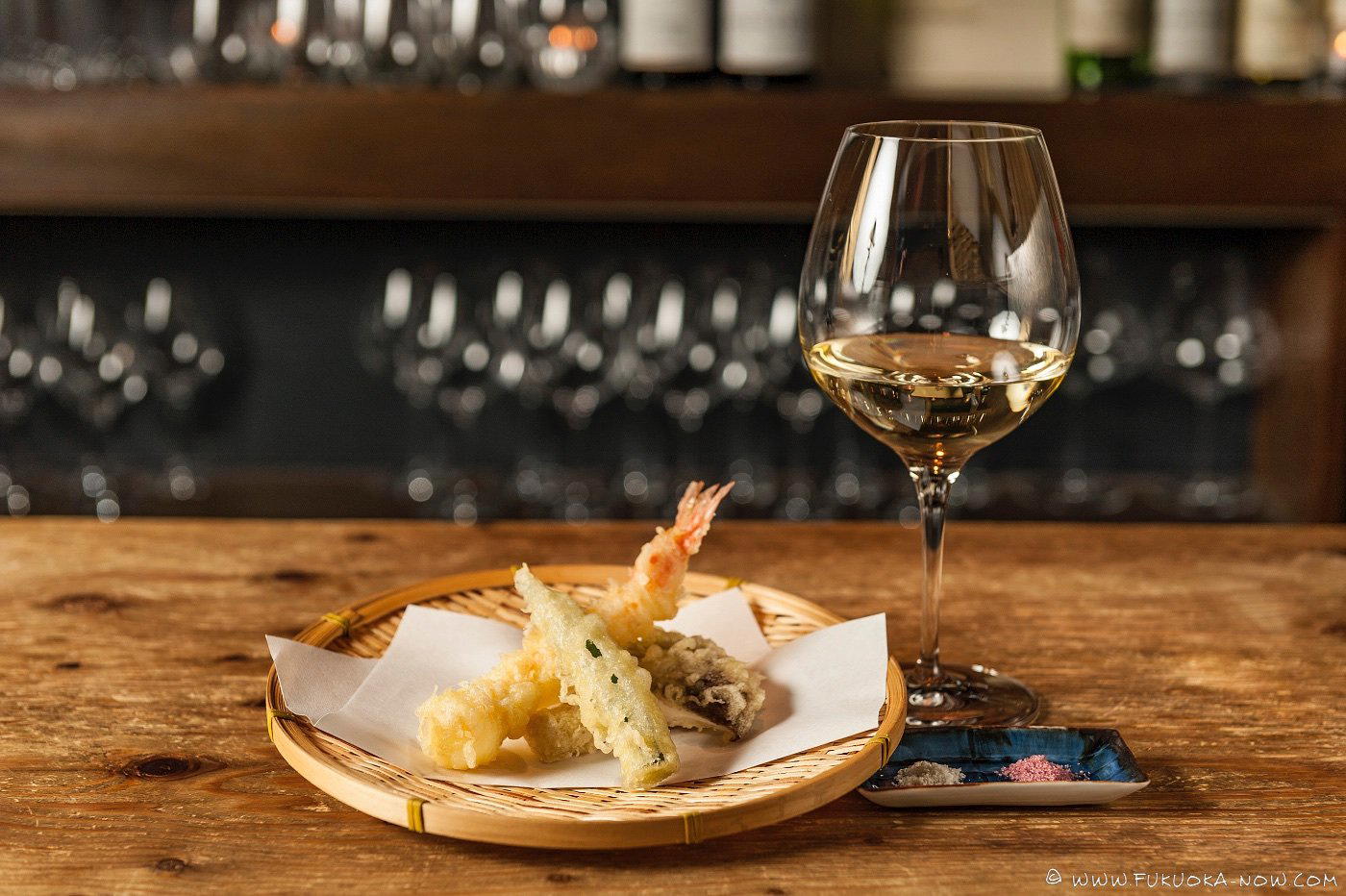
The drinks signal matters. Sake, shochu, and wine appear as part of the offering, which places the restaurant closer to the soba-ya drinking tradition than to a pure noodle refuelling stop. That tradition is old in Japan: soba houses have long doubled as places for a small plate, a drink, and noodles at the end. Fukuoka’s drinking culture makes the format feel natural, particularly in Daimyo, where the difference between dinner and a sequence of small meals is often blurred.
There is also a generational weight to the place. A restaurant celebrating 70 years is not merely trading on age; in soba, longevity suggests a regular clientele and a format that has survived changing neighbourhood economics. The relocation in July 2010 from another Daimyo address adds a local continuity point without turning the story into nostalgia. The more relevant point is that this is a long-running soba specialist inside a district that has become increasingly mixed: fashion, cafés, bars, casual counters, and small destination restaurants now share the same walking radius.
For readers building a broader Fukuoka dining map, this soba stop makes better sense alongside other tightly focused local choices than alongside formal fine dining. Nearby and citywide references include 106 South Indian Fukuoka tenjin ten, Afterglow, Aji Dokoro Taro Gen Sougyou ten, Aji Furai Shokudo Kaba, and Aji no Katsueda. For a wider route through the city, use Our full Fukuoka restaurants guide, then layer in Our full Fukuoka hotels guide, Our full Fukuoka bars guide, Our full Fukuoka wineries guide, and Our full Fukuoka experiences guide.
Where it sits in a Japan-wide noodle itinerary
Travellers often build Japan food trips around ramen, sushi, tempura, and beef. Soba deserves a separate lane because its pleasures are quieter and less forgiving. A good soba stop does not need a long menu to justify the detour; it needs a clear relationship between noodle craft, broth, and the room’s pace. Teuchi Soba Yabukin’s regional Tabelog Soba WEST 100 recognition gives it a firmer claim than a generic neighbourhood noodle shop, especially for visitors who want Fukuoka to mean more than tonkotsu.
Across Japan, specialist meals can be more revealing than grand ones. A traveller comparing regional formats might pair this Fukuoka soba address with -Grilled beef Sukiyaki- KAMAKURA TANUKIAN 鎌倉 たぬき庵 in Kamakura. 鮪と炭火焼き うお炭 秋葉原店 in Tokyo.cafe in Osaka.know in Kumamoto, (Shoku) Vietnam in Kawasaki, and [Curry Senmon Ten] Maruyama Kyoju. in Sapporo. Outside Japan, the same appetite for focused, compact formats can extend to Jōdo Saké Bar in Los Angeles and Onigiri Time in Pasadena.
The editorial case is simple: this is the kind of Fukuoka meal that corrects an overly narrow reading of the city. Tonkotsu may dominate the postcard version, but Daimyo’s appeal lies in range at close quarters. A hand-cut soba house with repeated regional recognition gives that range a quieter anchor.
The Quick Read
Comparable venues for orientation by cuisine and category.
| Venue | Cuisine | Price | Notes |
|---|---|---|---|
| Teuchi Soba Yabukin | Not listed | $$ | Chūō, Handmade Soba (Japanese Buckwheat Noodles) |
| Daikoro Youha / Tonkatsu Youha | Chūō, Tonkatsu & Japanese Izakaya | $$ | Not listed |
| Motsunabe Rakutenchi Tenjin Imaizumi So-Honten | Chūō, Hakata Motsunabe | $$ | Not listed |
| Nakasu Yatai Kibun | Hakata, Japanese Izakaya | $$ | Not listed |
| Yakitori Inada | Hakata, Traditional Yakitori & Izakaya | $$ | Not listed |
| Grill Sen | Not listed | $$ | Chūō, Japanese Yoshoku Grill & Steakhouse |
Recognition history
Dated appearances from independent guides and award organizations, with the underlying list record or original source where available.
Tabelog 100 #5 · No. 5
Tabelog · Tabelog 100 - Soba - WEST - 2025
At a Glance
- Cozy
- Classic
- Trendy
- Casual Hangout
- After Work
- Solo
- Group Dining
- Historic Building
- Standalone
- Sake Program
- Extensive Wine List
- Local Sourcing
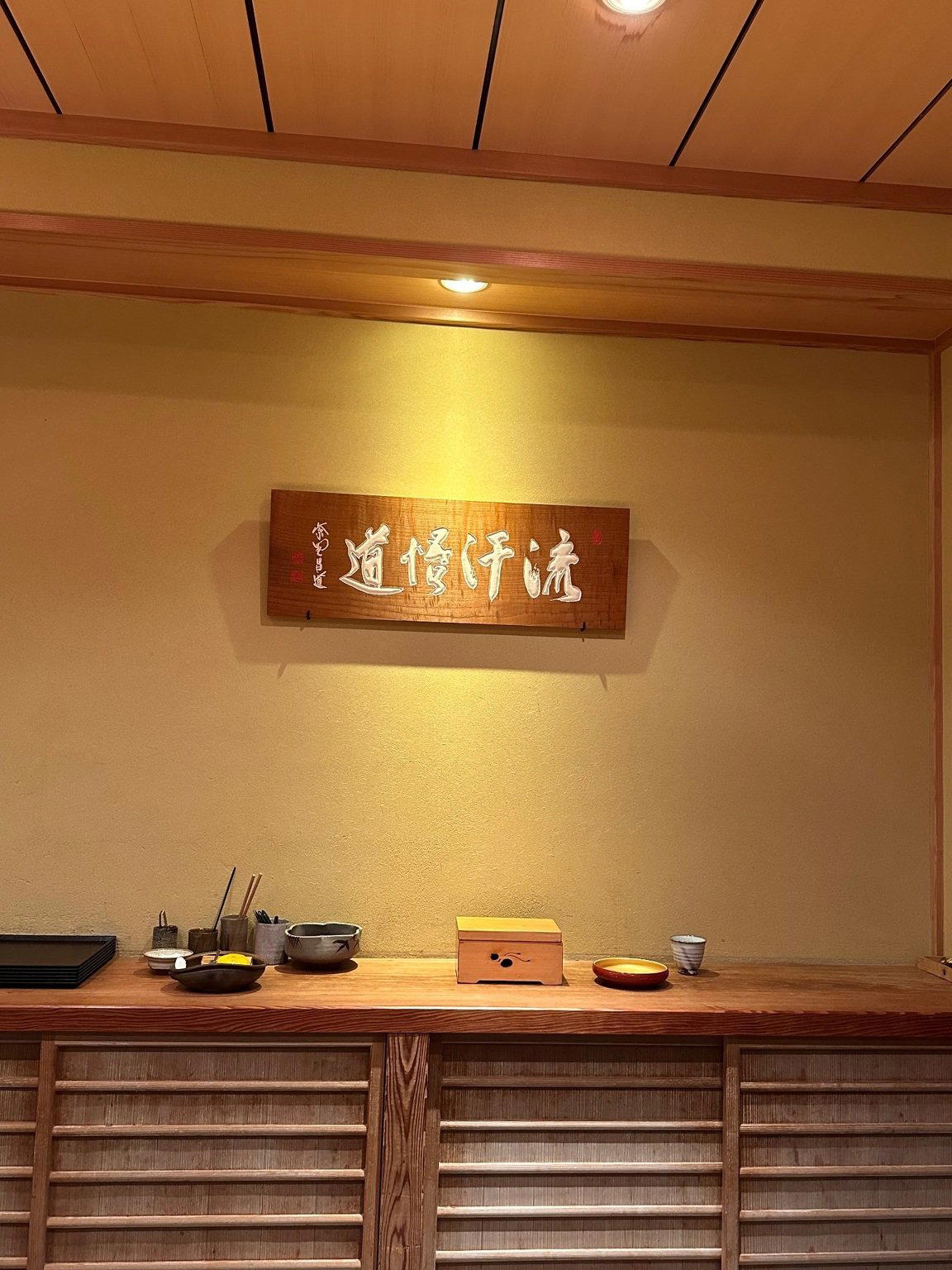
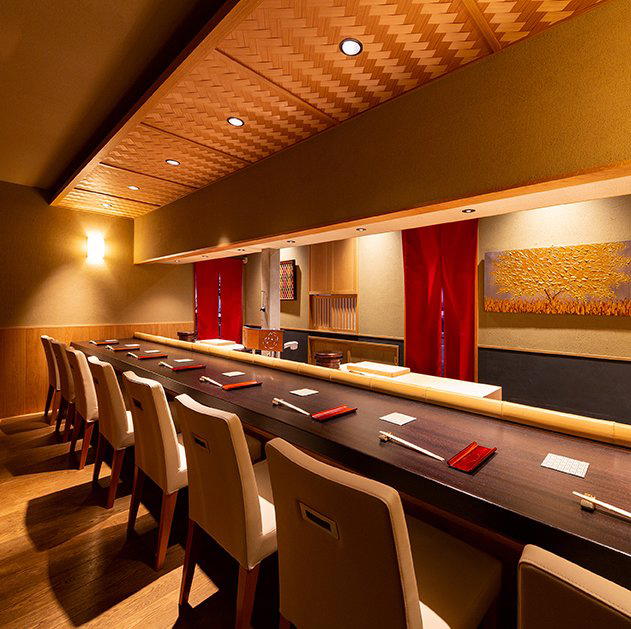
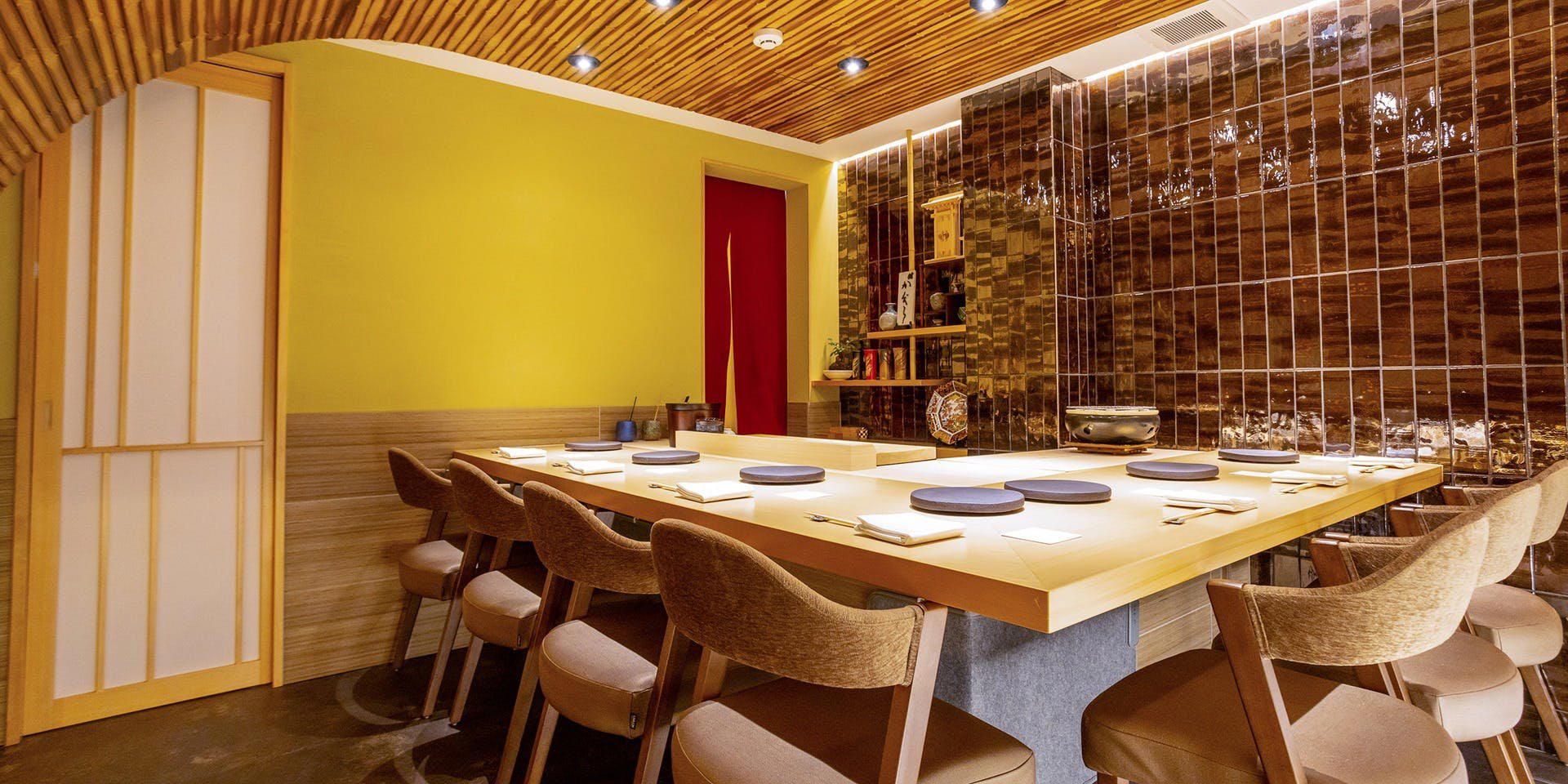
A calm, stylish space inside a traditional house tucked into the lively Daimyo/Akasaka area, giving a relaxed hideout feel suited to quiet meals, solo guests, or small groups over soba and drinks.