
Il Lato places Tokyo-Italian cooking in Shinjuku Sanchome’s compact, serious dining tier: small room, counter energy, seafood emphasis, and a wine-minded service style. Its Tabelog Italian TOKYO 100 selection in 2025 and 2023 gives it a clear trust signal, while the format suits diners who want Japanese ingredients handled through Italian structure rather than a broad trattoria playbook.
Pearl is the En Primeur Club membership app — saves, bookings, and concierge access live there. Same editors, same standards.
- Address
- 東京都新宿区新宿3-6-2 栄ビル 4F
- Phone
- +81367099987
- Website
- tabelog.com
 Saves & bookings on Pearl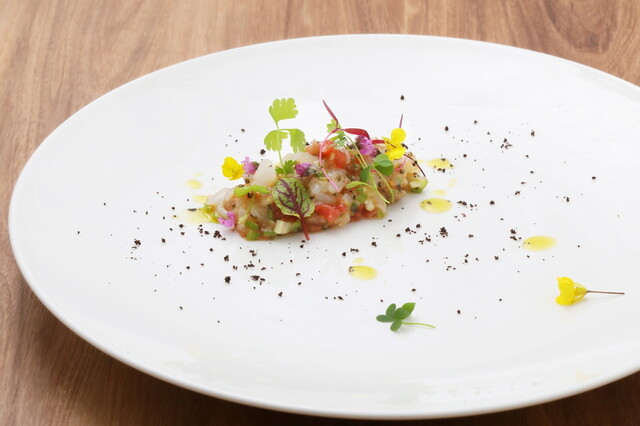
Shinjuku Sanchome changes register quickly: department-store crowds, basement bars, narrow upper-floor dining rooms, and a density of small restaurants that reward exact addresses. Il Lato belongs to that Tokyo category where the room is compact, the cooking is more focused than the neighbourhood noise suggests, and the pleasure lies in seeing Italian technique filtered through Japanese sourcing rather than imported whole cloth.
Tokyo has long treated Italian food as a serious local language, not a tourist-friendly substitute for French or sushi. The city’s stronger Italian rooms tend to split into two camps: rustic regional cooking with generous à la carte energy, and tighter chef-led formats where pasta, seafood, wine, and course pacing take on the discipline of Japanese counter dining. Il Lato sits in the latter camp. Its recognition on Tabelog Italian TOKYO 100 in both 2023 and 2025 places it inside a competitive Tokyo category where consistency matters as much as novelty.
Seafood-led Italian cooking in a Japanese market city
The defining context here is Tokyo’s produce chain. Italian technique travels well, but in Tokyo it becomes sharper when it meets local fish markets, seasonal vegetables, and the city’s expectation of precision. Il Lato is explicitly seafood-oriented, with a format that points toward fish rather than meat-heavy Italian comfort cooking. That matters in Shinjuku, where the surrounding dining field runs from late-night izakaya to specialist counters and curry rooms. For a wider reading of the city’s range, Our full Tokyo restaurants guide is the better map; this address belongs to the more composed end of that spectrum.
The comparison within Tokyo is useful. Le Parang works at a lower listed spend, while OSTERIA OLIERA sits closer to the serious Italian bracket at JPY 10,000 to JPY 14,999. Il Lato prices above that at dinner, a signal that it competes less with casual pasta houses and more with small-format restaurants where ingredient cost, wine service, and pacing shape the evening. Epitaph Curry and Marugo illustrate the opposite side of Tokyo specialization: narrow categories, strong local followings, and clear value logic. Italian dining in this city has to earn attention against that kind of category confidence.
Seafood emphasis also separates the experience from the red-sauce expectations some travellers bring to Italian restaurants abroad. Tokyo-Italian cooking often borrows the grammar of Italy, pasta structure, olive oil, wine pairing logic, then lets Japanese fish and market timing set the tone. At its stronger addresses, the result is not fusion for novelty’s sake. It is a practical local adaptation: Italian methods used in a city with unusually exacting standards for seafood handling.
A small Shinjuku Sanchome room with counter logic
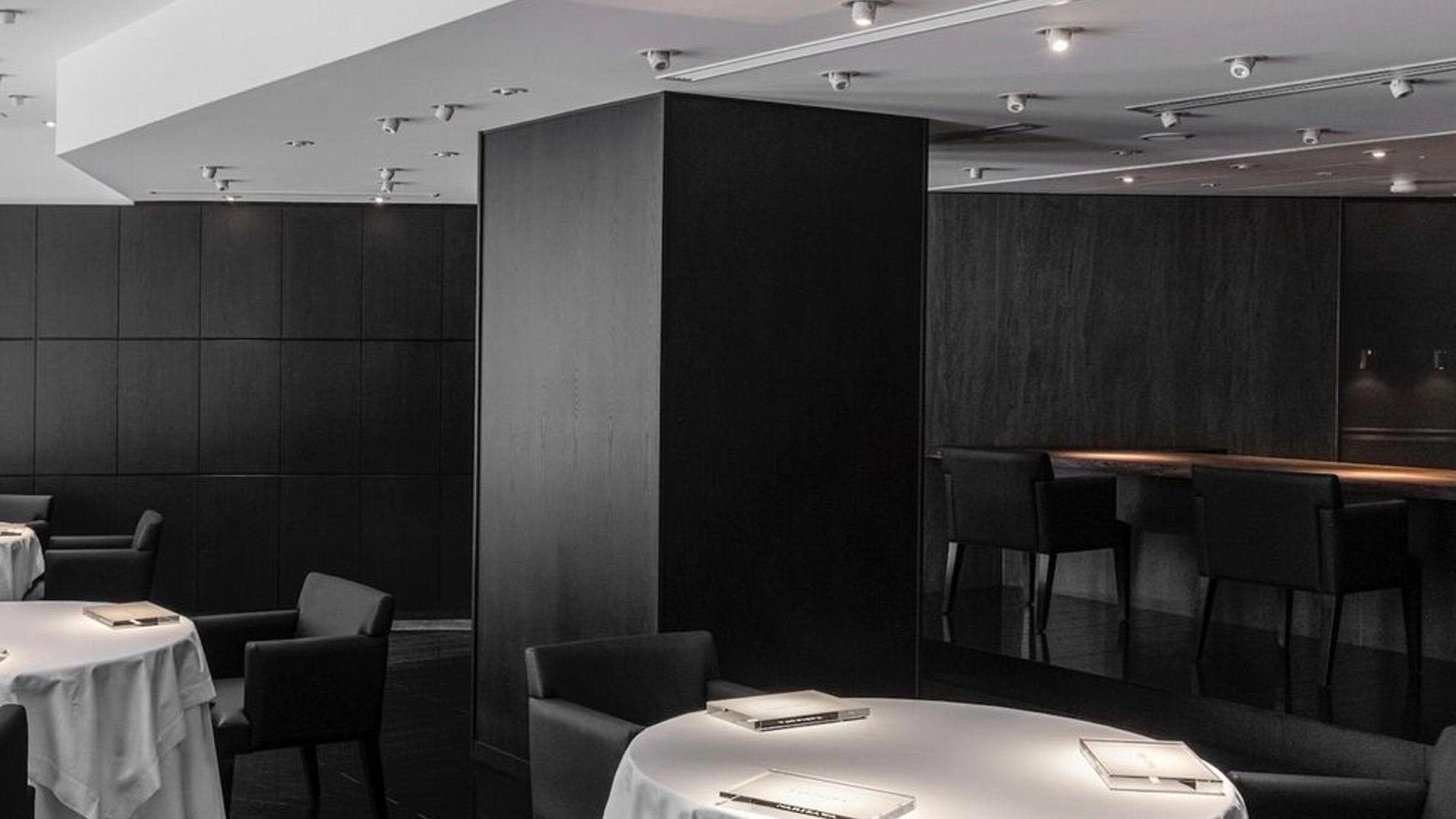
Seventeen seats changes the rhythm of dinner. A room of this size, with seven counter seats and ten table seats, behaves differently from a broad dining room: courses land with less ceremony, the kitchen remains part of the atmosphere, and wine service becomes more conversational. That scale also explains why the restaurant reads as part of Tokyo’s specialist dining culture rather than a general-purpose Italian stop. Small rooms do not forgive vague concepts.
Shinjuku Sanchome is the right setting for that kind of restaurant. It is close enough to Shinjuku’s transport crush to be convenient, but its better dining rooms often hide vertically, above street level or behind building directories. The neighbourhood rewards diners who are comfortable with Tokyo’s layered addresses. Nearby editorial contrasts are instructive: 12/10 Shinjuku ten reflects another Shinjuku register, while 2D Cafe shows how theatrical café culture can sit in the same urban fabric as more restrained dining.
The restaurant’s wine orientation is not incidental. Tokyo’s better Italian restaurants often compete through wine depth as much as through pasta or fish, because the cuisine invites bottle-driven meals more naturally than many Japanese formats. A sommelier-supported service style places the restaurant in that wine-aware subset. Travellers building a broader evening around drinks should treat it as part of a larger city circuit rather than a standalone category; Our full Tokyo bars guide gives that second act proper context.
Where it fits in a Tokyo itinerary
The value proposition is clearest for diners who already know Tokyo’s cheaper specialisms and want a more composed dinner without moving into grand hotel formality. At lunch, the listed spend sits at JPY 10,000 to JPY 14,999; at dinner, JPY 15,000 to JPY 19,999. That is not casual pricing, but in Tokyo’s small-room Italian category it reads as a controlled premium rather than a trophy-table number. The Tabelog score of 3.86 reinforces the point: this is a restaurant with local traction in a crowded field, not merely an address with foreigner-facing polish.
For neighbourhood sequencing, Shinjuku Sanchome is efficient. Diners can compare it with central Tokyo specialist formats such as 3 Chome no Curry Ya San, 124. KAGURAZAKA (Yakitori), or. 鮪と炭火焼き うお炭 秋葉原店 across separate meals to understand how Tokyo’s dining culture prizes focus over breadth. The same principle applies beyond the capital: -Grilled beef Sukiyaki- KAMAKURA TANUKIAN 鎌倉 たぬき庵 in Kamakura, [ki:] in Kyoto.cafe in Osaka.know in Kumamoto, [Curry Senmon Ten] Maruyama Kyoju. in Sapporo, and (Shoku) Vietnam in Kawasaki all underline how Japan’s restaurant culture often rewards a narrow brief executed with conviction.
Internationally minded diners can also read the restaurant against the global spread of Japanese ingredient literacy. Jōdo Saké Bar in Los Angeles and Onigiri Time in Pasadena show Japanese formats moving outward; this Shinjuku room shows the reverse, Italian technique absorbed into Tokyo’s ingredient culture. For trip planning around the meal, Our full Tokyo hotels guide, Our full Tokyo wineries guide, and Our full Tokyo experiences guide help place dinner inside the city rather than treating it as an isolated reservation.
The critical read is simple: choose this for a small-scale, seafood-minded Tokyo-Italian dinner with local recognition and a wine-aware frame. Skip it if the priority is sprawling à la carte choice, private-room entertaining, or a vegetarian-first meal. In a city where Italian cooking has matured into a local dialect, the restaurant’s appeal is the discipline of that translation.
Reputation Context
Comparable venues by category and price.
| Venue | Cuisine | Price | Notes |
|---|---|---|---|
| Il LatoThis venue — the venue you are viewing | Italian Omakase | $$$ | Not listed |
| Partenope (パルテノペ) | Authentic Neapolitan Pizza | $$$ | Ebisu |
| Yoshokudo Budo Kagurazaka Kagurazaka | Italian-influenced Yoshoku & Wine Bar in a Traditional House | $$$ | Shinjuku |
| luogo | Innovative Japanese-inflected Italian | $$$ | Meguro |
| トラットリア ブカ・マッシモ | Authentic Tuscan Trattoria | $$$ | Kōtō |
| AURELIO | Modern Italian Handmade Pasta & Wine Bar | $$$ | Shibuya |
Recognition history
Dated appearances from independent guides and award organizations, with the underlying list record or original source where available.
Tabelog 100 #27 · No. 27
Tabelog · Tabelog 100 - Italian - TOKYO - 2025










At a Glance
- Cozy
- Intimate
- Sophisticated
- Modern
- Date Night
- Celebration
- Special Occasion
- Solo
- Business Dinner
- Chefs Counter
- Open Kitchen
- Standalone
- Extensive Wine List
- Sommelier Led
- Sustainable Seafood
- Local Sourcing
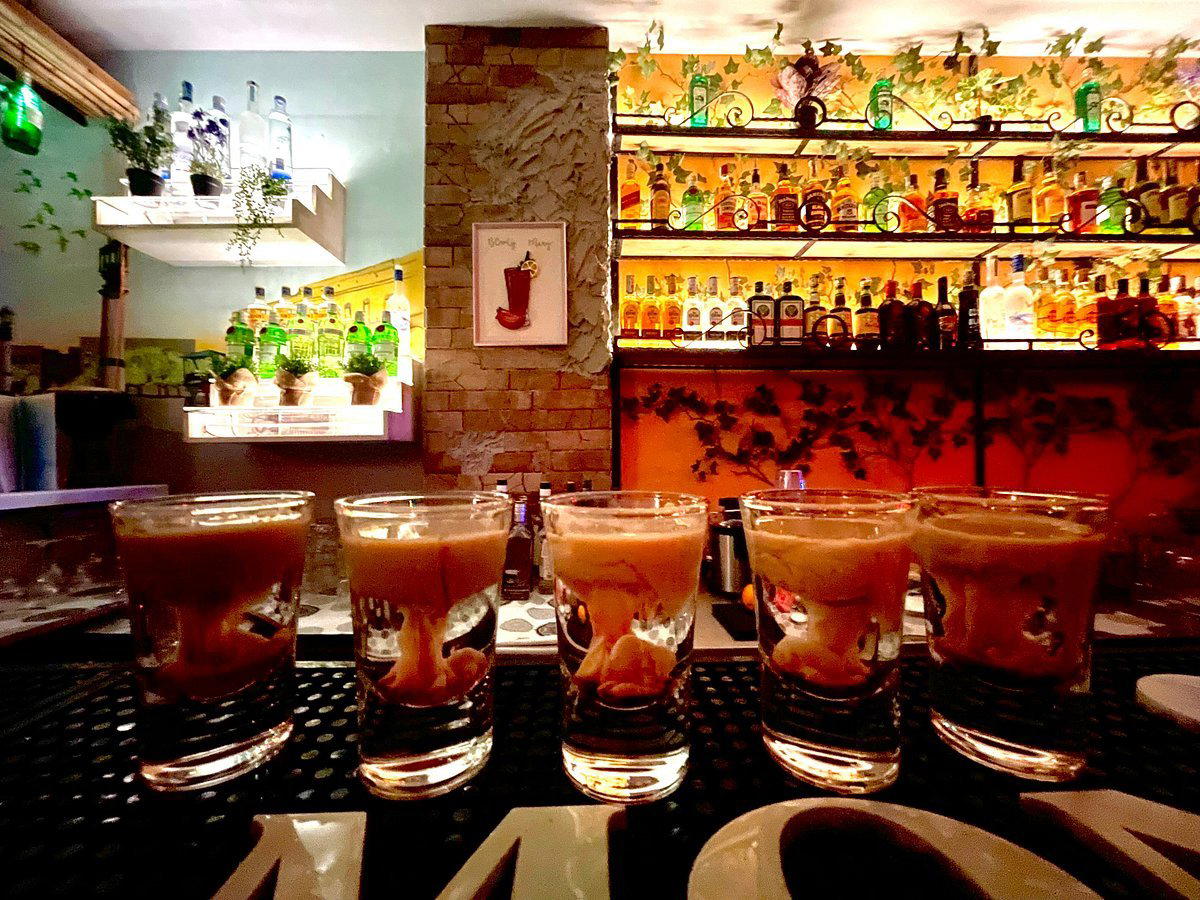
A calm, warm, and stylish space that feels removed from the bustle of central Shinjuku, with counter seats facing an open kitchen and a relaxed, hideaway-like atmosphere.