Located on Jiefang Road in Hangzhou's Shangcheng District, 奎元馆 sits within the older commercial fabric of a city that has shaped Zhejiang cuisine for centuries. The restaurant operates in a culinary tradition where noodle craft carries the same cultural weight as banquet cooking, placing it alongside Hangzhou's broader canon of preserved regional dishes. Visitors seeking a ground-level entry point into Zhejiang food culture will find it here.
Pearl is the En Primeur Club membership app — saves, bookings, and concierge access live there. Same editors, same standards.
- Address
- 154 Jiefang Rd, 湖滨 Shangcheng District, Hangzhou, Zhejiang, China, 310001
- Phone
- +8657187012043
- Website
- hzkyg.com
- Directions
- Get directions
 Saves & bookings on Pearl
Jiefang Road and the Weight of Zhejiang Noodle Culture
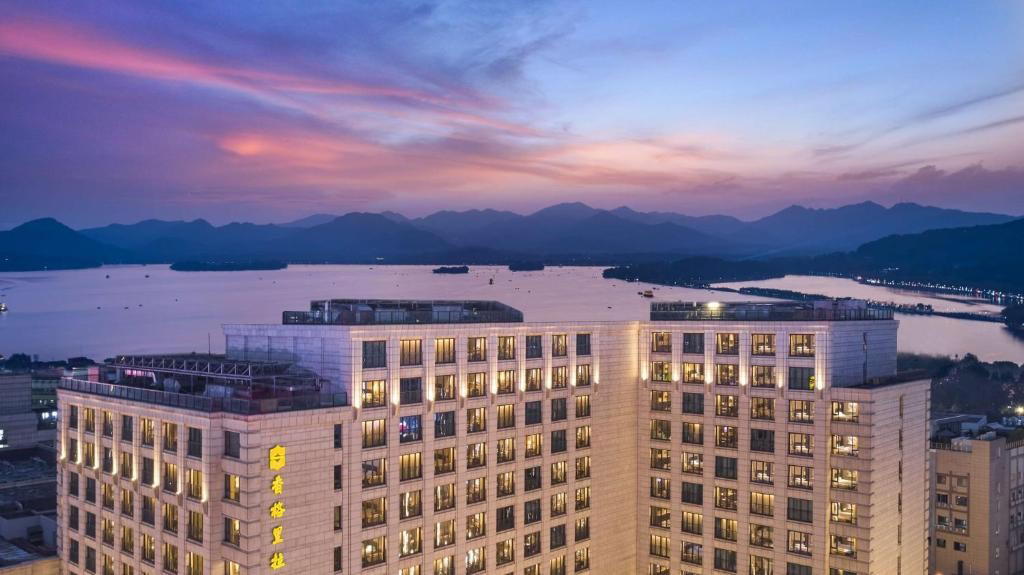
On Jiefang Road, one of Hangzhou's older commercial arteries running through Shangcheng District, the physical approach to 奎元馆 is shaped less by design theatre and more by the accumulated character of a working city street. Shangcheng sits on the eastern edge of West Lake's cultural orbit, where the tourist-facing lakeside polish gives way to blocks that have housed the same trades and food institutions for generations. In this context, a restaurant occupying a traditional address on Jiefang Road carries a different kind of authority than the newer dining clusters around Qianjiang New City.
Zhejiang cuisine, the regional tradition to which Hangzhou belongs, is frequently discussed in terms of its freshwater fish preparations, its restrained use of spice, and its reliance on seasonal produce from the province's lakes, rivers, and mountains. What receives less attention outside China is the noodle culture embedded in this tradition. In cities like Hangzhou, noodle houses have historically operated as a distinct institutional category: not incidental to the dining scene but central to it, occupying a role closer to the Lyonnaise bouchon or the Tokyo ramen-ya than to a casual side option. 奎元馆 sits within this category, and its address in Shangcheng reflects the geographical concentration of that tradition in the district where it took root.
Where 奎元馆 Sits in Hangzhou's Dining Structure
Hangzhou's premium Zhejiang dining has stratified considerably over the past decade. At the higher end of the price range, restaurants such as Ru Yuan (Zhejiang) operate at the ¥¥¥¥ tier, positioning themselves against the city's growing appetite for refined regional cooking with formal service structures. Properties like Guiyu (Xihu) and Hangzhou House occupy similar territory, offering Zhejiang cooking at price points that target business entertainment and special-occasion dining. Further along, Jie Xiang Lou represents another node in the city's Zhejiang canon, and Ambré Ciel sits at the innovative end of Hangzhou's contemporary dining spectrum.
奎元馆 occupies a different position in this structure. The institutional noodle house in Chinese provincial cities does not compete with banquet-format restaurants on the same terms. It competes on authenticity of craft, longevity of recipe, and accessibility of format. In Hangzhou, where the regional food identity is strong enough to anchor its own culinary tourism, that position is not a lesser one. It is simply a different register of seriousness. The city's food culture has room for both the multi-course Zhejiang banquet and the bowl of noodles prepared according to methods that predate the modern restaurant industry.
The Cultural Logic of the Hangzhou Noodle House
To understand what 奎元馆 represents, it helps to understand the structural role of noodle culture in Jiangnan food history. The Jiangnan region, which encompasses Zhejiang, Jiangsu, and Shanghai, developed one of China's most refined culinary traditions on the back of abundant freshwater produce, fertile agricultural plains, and a merchant class wealthy enough to sustain both high cuisine and its popular derivatives. Noodle houses in this tradition were not street food in the informal sense. They were, and in the leading cases remain, institutions with specific house preparations, regional sourcing commitments, and a clientele that returns not for novelty but for consistency. The appetite for this kind of reliability is one of the defining features of Hangzhou's food culture.
This is the broader pattern that connects 奎元馆 to comparable institutions across the Yangtze Delta. Fine Zhejiang and Jiangnan cooking has found expression in different formats across China's eastern cities: 102 House in Shanghai represents the contemporary-residential interpretation of this tradition, while Dai Yuet Heen in Nanjing and Dingshan·Jiangyan (Xiangcheng) in Suzhou show how Jiangnan cooking adapts to different city contexts. The further reach of Chinese regional cooking into Macau's Chef Tam's Seasons and Guangzhou's Imperial Treasure Fine Chinese Cuisine illustrates how the same broad tradition disperses across format types and price tiers. Against this range, the Hangzhou institutional noodle house sits closest to the source.
For readers interested in how this Zhejiang-Jiangnan axis compares to the more technically codified precision of, say, Le Bernardin in New York City or the tasting-menu formalism of Atomix in New York City, the contrast is instructive. Those formats are built on separation from tradition, on individual authorship. The Hangzhou noodle house is built on the opposite premise: continuity, collective memory, and the discipline of not changing what works.
What to Know Before You Go
奎元馆 is located at 154 Jiefang Road in Shangcheng District, Hangzhou, postcode 310001. Shangcheng is accessible by Hangzhou Metro Line 1, with nearby stations providing direct connections from the West Lake area and the main railway hub at Hangzhou East. The Jiefang Road address places the restaurant within walking range of several of Hangzhou's older commercial blocks, away from the lake crowds that concentrate further west.
For broader context on eating well across the city, including the Taizhou-inflected cooking found at Xin Rong Ji (Xinyuan South Road) in Beijing and Xin Rong Ji in Chengdu, both of which show how eastern Chinese coastal cooking travels into other regional formats. Those with interest in how this broader tradition extends into Fujian and Xiamen's coastal food culture may find Fleurs Et Festin in Xiamen and Jiangnan Wok·Rong in Fuzhou useful reference points, and Shang Palace in Yangzhou anchors the northern edge of the Jiangnan arc.
Budget and Context
Comparable venues nearby, for context on price, style, and recognition.
| Venue | Cuisine | Price | Awards | Notes |
|---|---|---|---|---|
| å¥å é¦This venue — the venue you are viewing | Hangzhoushi, Japanese Coffee House | $$ | Not listed | Not listed |
| Fuyuanju | Hangzhoushi, Authentic Hangzhou Cuisine | $$ | Not listed | Not listed |
| Hao Canteen | Hangzhoushi, Authentic Hangzhou Cuisine | $ | Not listed | Not listed |
| Guiyu Family Noodles | Xihu District, Zhejiang Cuisine | $$$ | Not listed | Not listed |
| Hu Ge Si Fang Cai | Hangzhoushi, Hangzhou Classics | $$ | Michelin Plate | Not listed |
| 荣鲜面馆 | Not listed | $$$ | Not listed | West Lake, Hangzhou Silver Carp Head Specialty |
At a Glance
- Cozy
- Casual Hangout
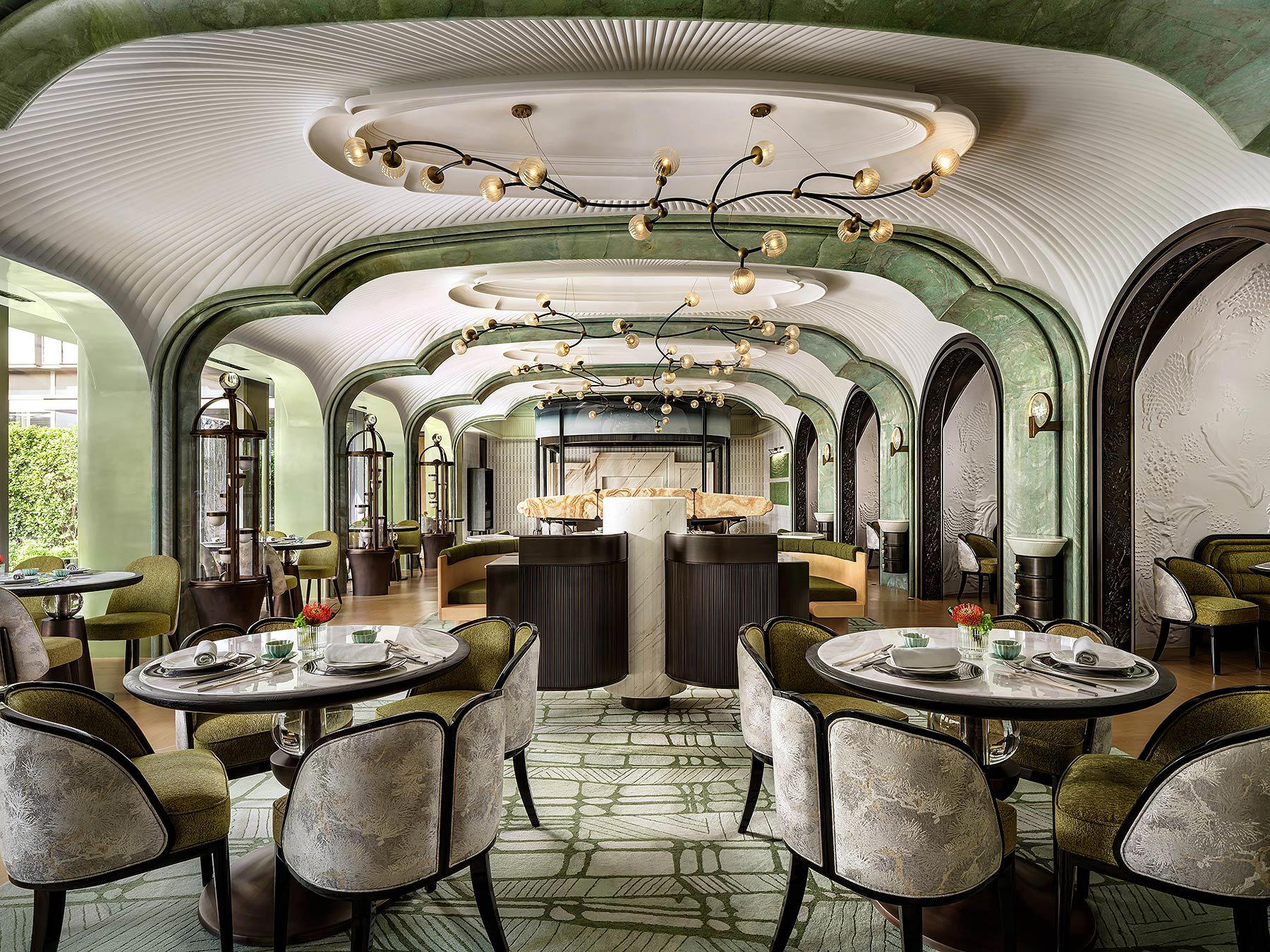
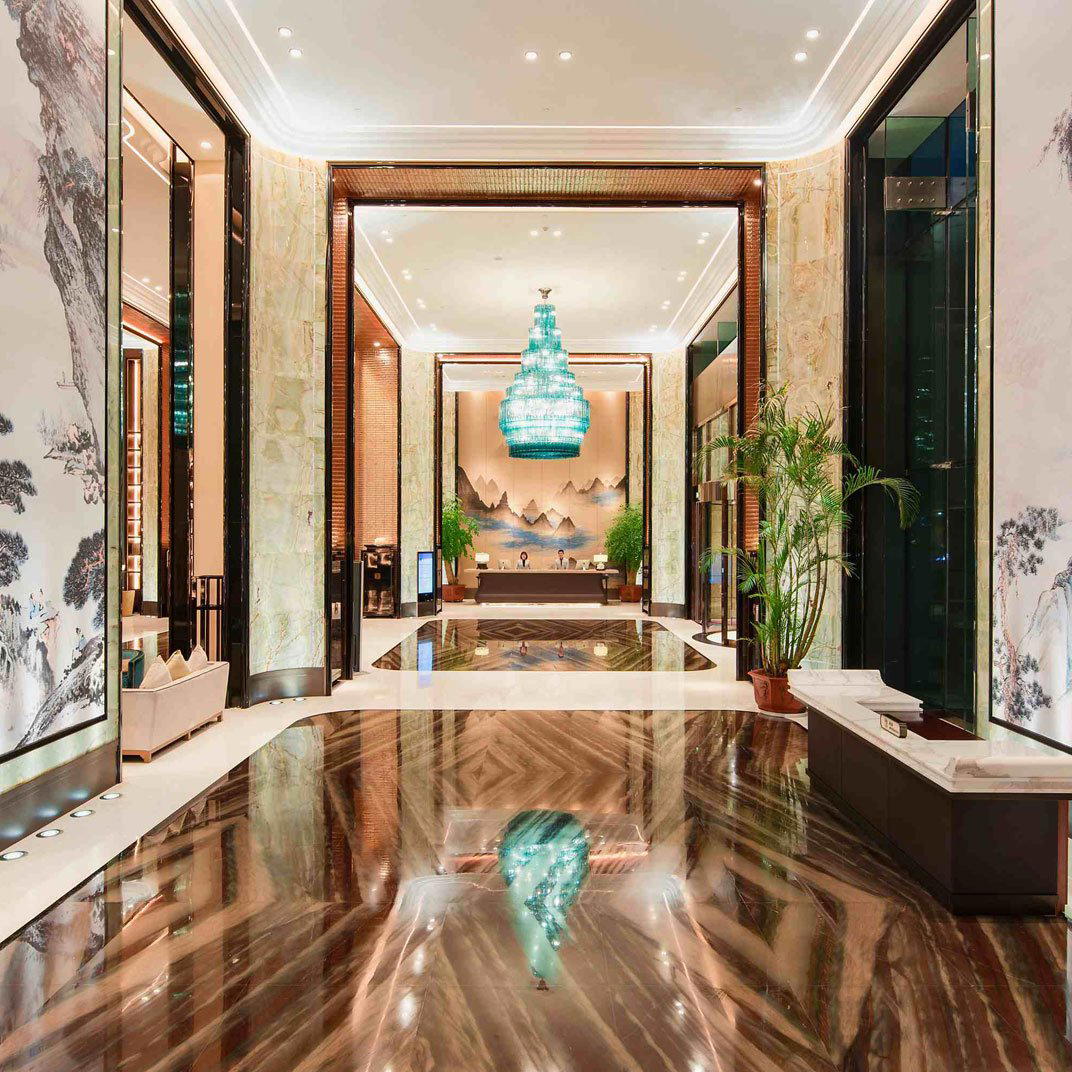
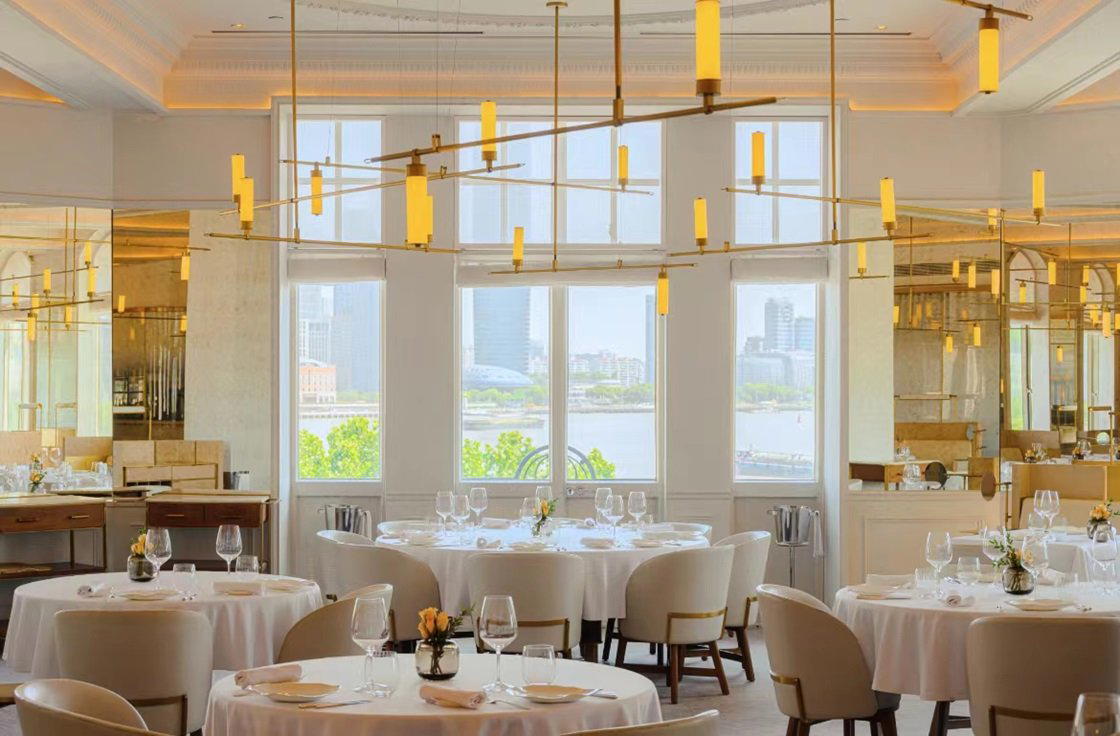
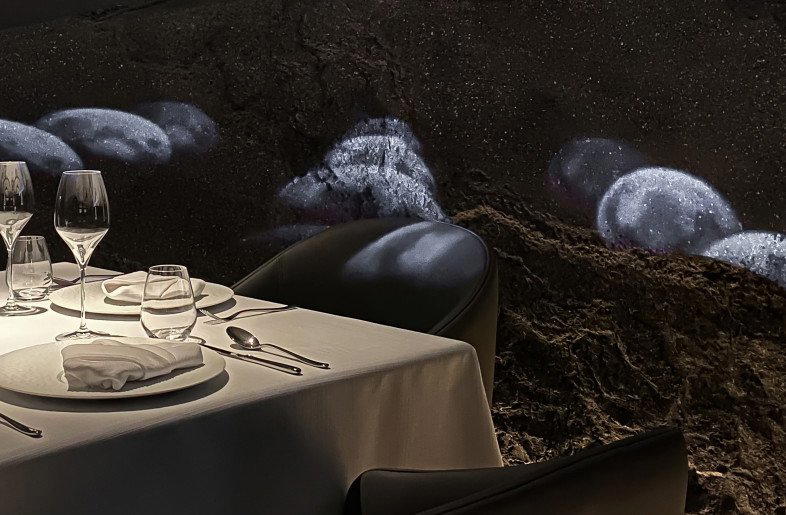
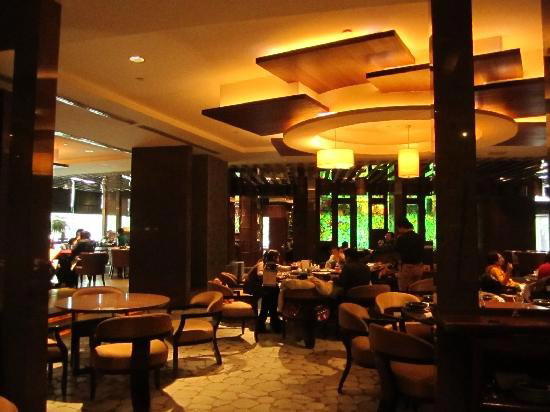
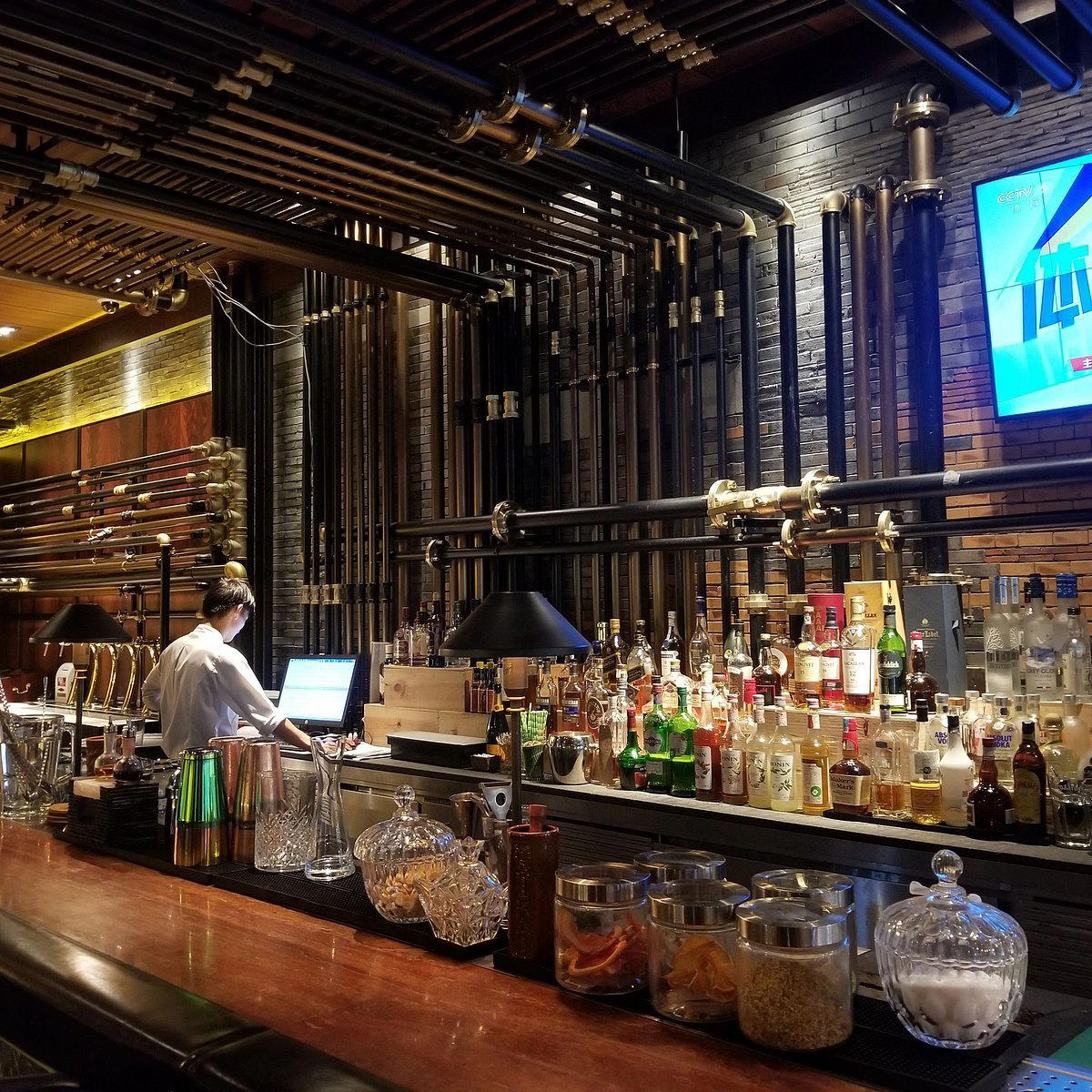
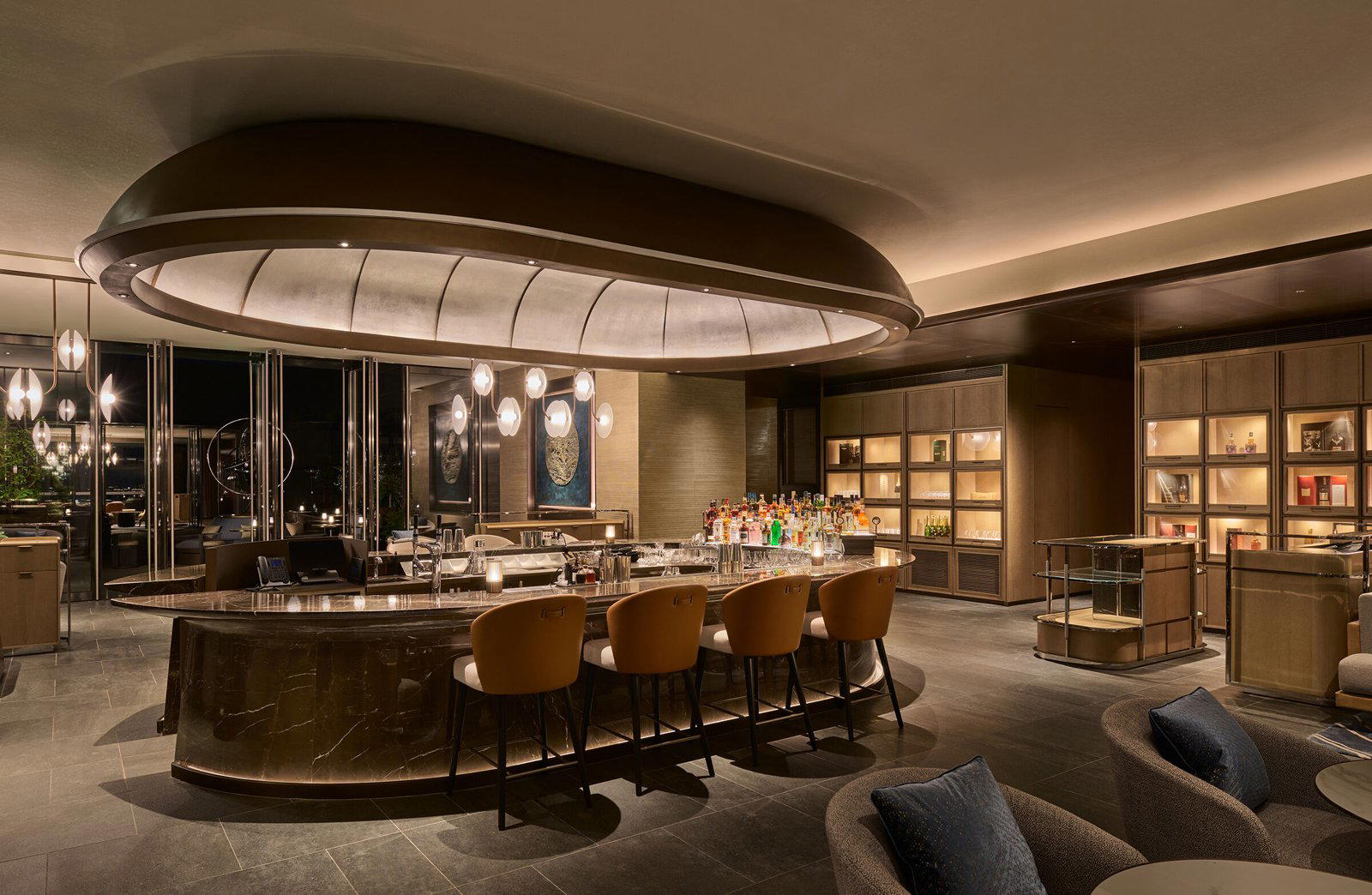
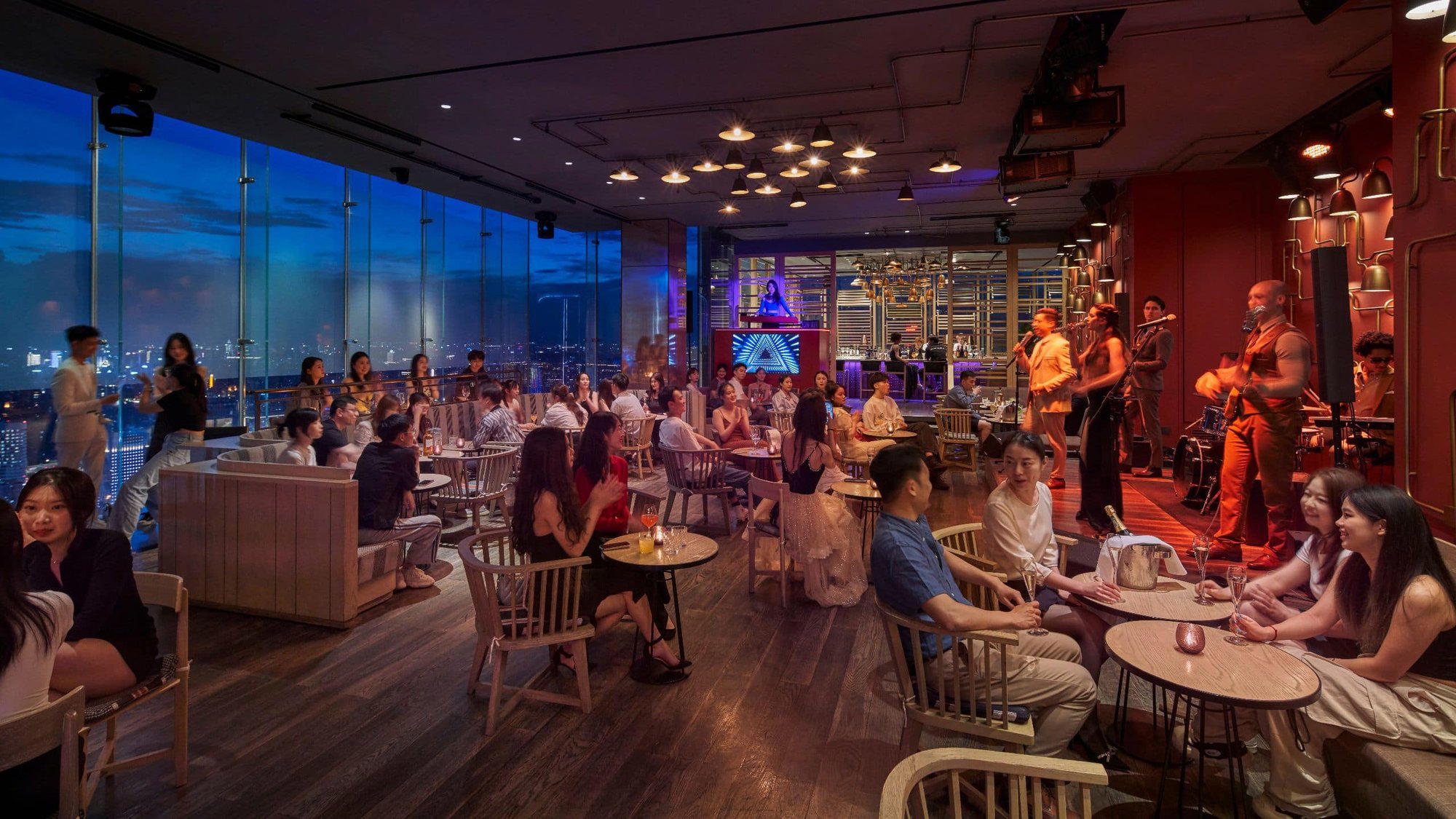
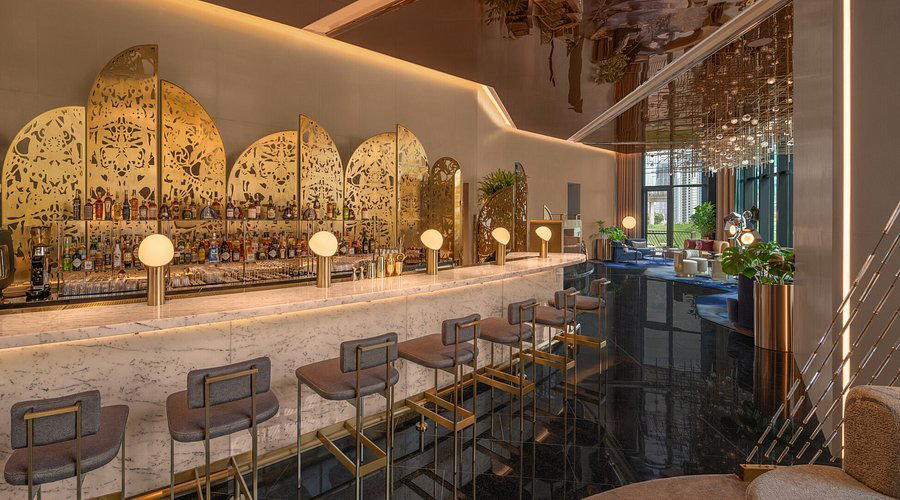
Chilaxing atmosphere ideal for afternoon tea with warm lighting and comfortable seating.