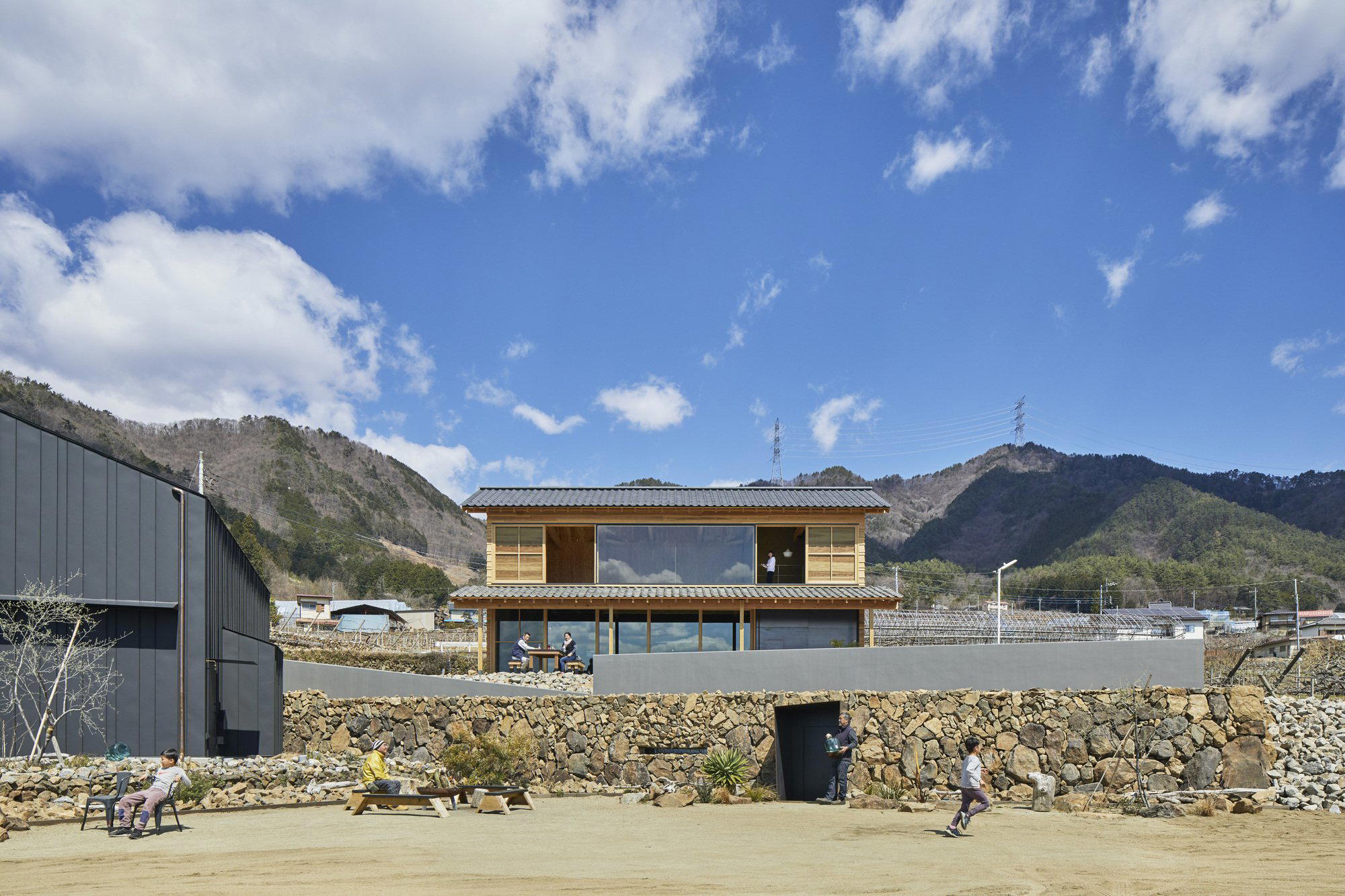
In the mountain town of Chichibu, Saitama, クチーナ サルヴェ brings Italian cooking into dialogue with the region's agricultural rhythms. The restaurant sits at 17-14 Banbamachi, close enough to the Chichibu basin's farms and river valleys that the sourcing story is embedded in its geography. For visitors making the journey from Tokyo, it represents a distinct reason to pause in a town more often associated with temples and sake than with Italian food.
Pearl is the En Primeur Club membership app — saves, bookings, and concierge access live there. Same editors, same standards.
- Address
- 17-14 Banbamachi, Chichibu, Saitama 368-0041, Japan
- Phone
- +81494226227
- Website
- salvagest.jp
- Directions
- Get directions
 Saves & bookings on Pearl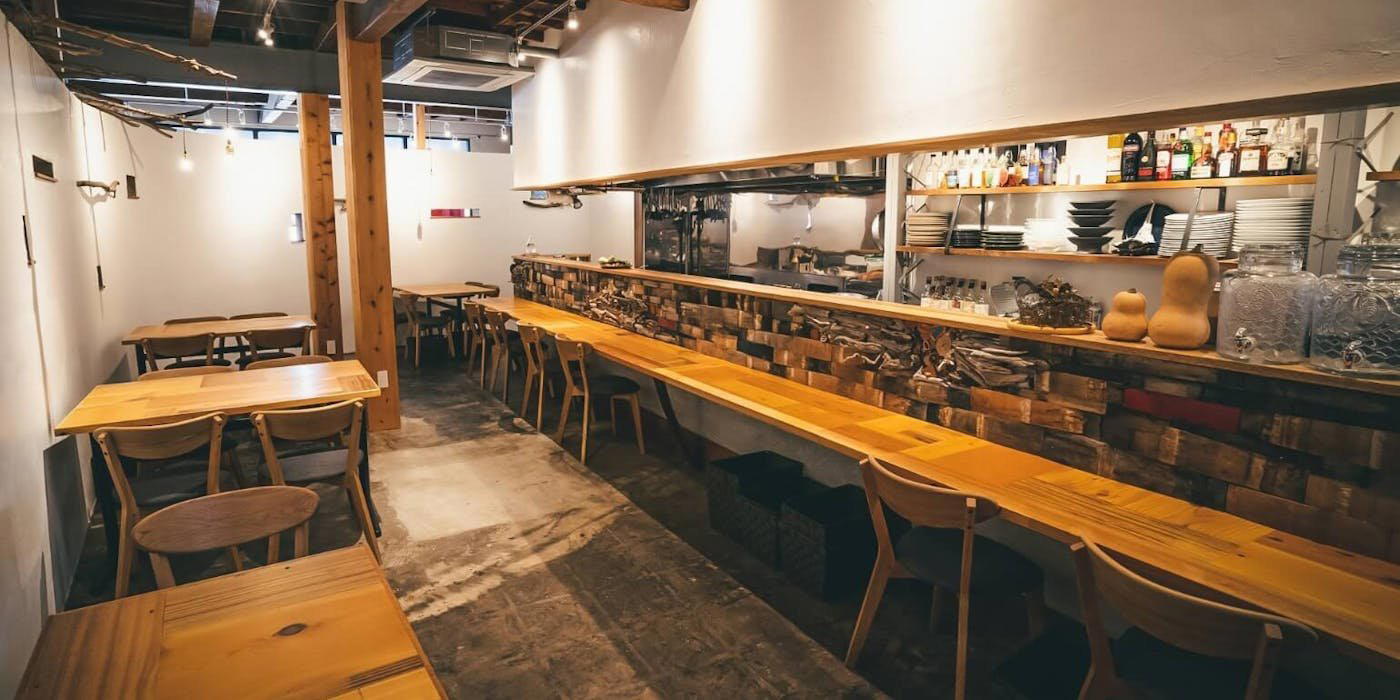
Italian Cooking at the Edge of Saitama's Farm Country
Chichibu occupies an unusual position in Japan's regional dining conversation. The town sits in a mountain basin roughly 80 kilometres northwest of central Tokyo, hemmed in by ranges that create their own microclimate and agricultural identity. The Arakawa River runs through it; the surrounding hills produce wasabi, konnyaku, and a range of field vegetables tied to Saitama's farming traditions. Most visitors arrive for Chichibu Shrine or the autumn festival. A smaller cohort comes specifically to eat, drawn by restaurants that have learned to work with what the basin produces rather than importing their identity wholesale from the capital. クチーナ サルヴェ, at 17-14 Banbamachi, belongs to that second group.
Italian cuisine in rural Japan has followed a particular arc over the past three decades. The first wave arrived in cities and mimicked European models closely, importing ingredients and technique with equal fidelity. A second, more considered wave — evident in spots like akordu in Nara, which treats its region's produce as a legitimate Italian pantry — recognised that Japan's regional agriculture could speak the grammar of Italian cooking without apology. Chichibu, with its cool-climate vegetables and proximity to serious livestock farming in the broader Kanto interior, offers the right raw material for exactly that kind of kitchen. クチーナ サルヴェ operates in this tradition, where the Italian framework is a methodology rather than a nationality claim.
Ingredient Geography as Menu Logic
The logic of sourcing-led Italian cooking depends on a geographic coincidence: the ingredients available locally must map, even imperfectly, onto the flavour architecture of the cuisine. In Chichibu's case, the argument holds. Mountain vegetables carry the bitterness and density that Italian cooking channels through chicory, radicchio, or agretti. River fish, where it appears, carries a clean minerality that works against acidity in ways coastal fish sometimes do not. The basin's altitude means a shorter, more intense growing season, which concentrates flavour in a manner that chefs working in this register find useful.
This regional sourcing logic is not unique to クチーナ サルヴェ; it runs through serious destination restaurants across Japan's secondary cities and towns. Gion Sasaki in Kyoto has long demonstrated how a kitchen defined by its region's produce can achieve recognition that transcends geography. In Osaka, HAJIME frames its entire menu philosophy around ecological and agricultural sourcing systems. The point is not that these restaurants share a cuisine type with クチーナ サルヴェ, they do not, but that the methodology of letting ingredient origin drive menu structure is a well-established route to culinary seriousness in Japan, regardless of the cuisine's national origin.
For a restaurant at Chichibu's scale, working with local suppliers is also a practical arrangement. The town's farm network is small enough to allow direct relationships of the kind that larger city kitchens spend considerable effort and expense to replicate. That proximity is an advantage that the address itself provides, without needing to manufacture it.
Chichibu's Dining Position in the Wider Saitama Picture
Saitama Prefecture is rarely the destination for Japanese food travel, that attention concentrates on Tokyo, Kyoto, Osaka, and a handful of regional capitals. But the prefecture contains pockets of serious eating that reward the specific journey. Chichibu, in particular, has a compact town centre that can sustain a half-day or full-day visit: the shrine precinct, the riverside brewery district, and a small but genuine restaurant ecosystem within walking distance of Seibu-Chichibu Station.
The train from Ikebukuro takes around 80 minutes on the Seibu Ikebukuro Line, making a day trip from Tokyo entirely feasible. The practical calculation for visitors is direct: Chichibu is far enough from the capital to justify a meal that uses the town's specific produce, and close enough that the logistics do not require overnight planning unless you want them to. For those inclined to extend the journey, the Chichibu region's ryokan options allow a slower approach that makes a dinner reservation considerably more relaxed than the last-train calculation.
This stands in contrast to the category of destination restaurant that requires serious advance planning and a metropolitan budget to match, Harutaka in Tokyo or Goh in Fukuoka operate at a different tier of scarcity and price. クチーナ サルヴェ's Chichibu address situates it in a more accessible register, where the journey is the qualifier, not the reservation queue or the bill.
For broader context on eating in the area, our full Chichibu restaurants guide maps the town's current dining options across cuisine types and price points. Elsewhere in Japan's regional Italian conversation, Bistro Ange in Toyohashi and bodai in 那智勝浦町 represent comparable examples of European cooking rooted in local Japanese produce. Further afield, 三本松 石川製 in Nanao, 湖籟庵 in Takashima, and 庄羽屋 in Nishikawa Machi each illustrate how rural Japan's restaurant culture has developed its own logic, separate from urban prestige systems. For reference points outside Japan entirely, Atomix in New York City and Le Bernardin in New York City demonstrate how ingredient provenance has become a primary editorial axis for serious restaurants globally, regardless of format.
Other restaurants worth noting in the regional context include 夕仙松乃屋 in Sapporo, Birdland in Sakai, Blue Ocean Steak in Nakagami District, Cafe Naoshima Konichiwa in Naoshima, and Denko Sekka in Hiroshima, each occupying distinct positions in Japan's regional dining map.
Planning a Visit
The restaurant's address, 17-14 Banbamachi, Chichibu, Saitama 368-0041, places it in the town's central district, within the area most visitors will already be moving through. Phone and booking details are not publicly listed in current records; contacting the restaurant directly in advance is advisable, particularly for weekend visits when the town draws more day-trippers from the capital. Chichibu's compact size means the walk from the main station takes under fifteen minutes for most of the central restaurant zone.
How クチーナ サルヴェ Chichibu compares with similar nearby venues.
| Venue | Price |
|---|---|
| Takasago Horumon | JPY 2,000 - JPY 2,999 View spending breakdown |
| Lapin Noir | JPY 1,000 - JPY 1,999 JPY 1,000 - JPY 1,999 |
| Asami Reizo Kanasaki honten | JPY 1,000 - JPY 1,999 |
| Asami Reizo Houdosandou ten | JPY 1,000 - JPY 1,999 JPY 1,000 - JPY 1,999 View spending breakdown |
| Asobi | JPY 1,000 - JPY 1,999 View spending breakdown |
Continue exploring
More in Chichibu
Restaurants in Chichibu
Browse all →
Hotels in Chichibu
Browse all →
Wineries in Chichibu
Browse all →

At a Glance
- Rustic
- Cozy
- Intimate
- Elegant
- Date Night
- Special Occasion
- Open Kitchen
- Sake Program
- Farm To Table
- Organic
- Local Sourcing
Current opening hours
- Monday
- 5:30–10 PM
- Tuesday
- Closed
- Wednesday
- Closed
- Thursday
- Closed
- Friday
- 5:30–10 PM
- Saturday
- 11:30 AM–2 PM, 5:30–10 PM
- Sunday
- 11:30 AM–2 PM, 5:30–9 PM
Hours can change for holidays and private events. Last verified .
Cozy and intimate second-floor setting with warm, rustic atmosphere focused on seasonal, farm-fresh produce.
Know Before You Go
- Getting there
- 17-14 Banbamachi, Chichibu, Saitama 368-0041, Japan