
Tabelog 100 #51
Our verdict
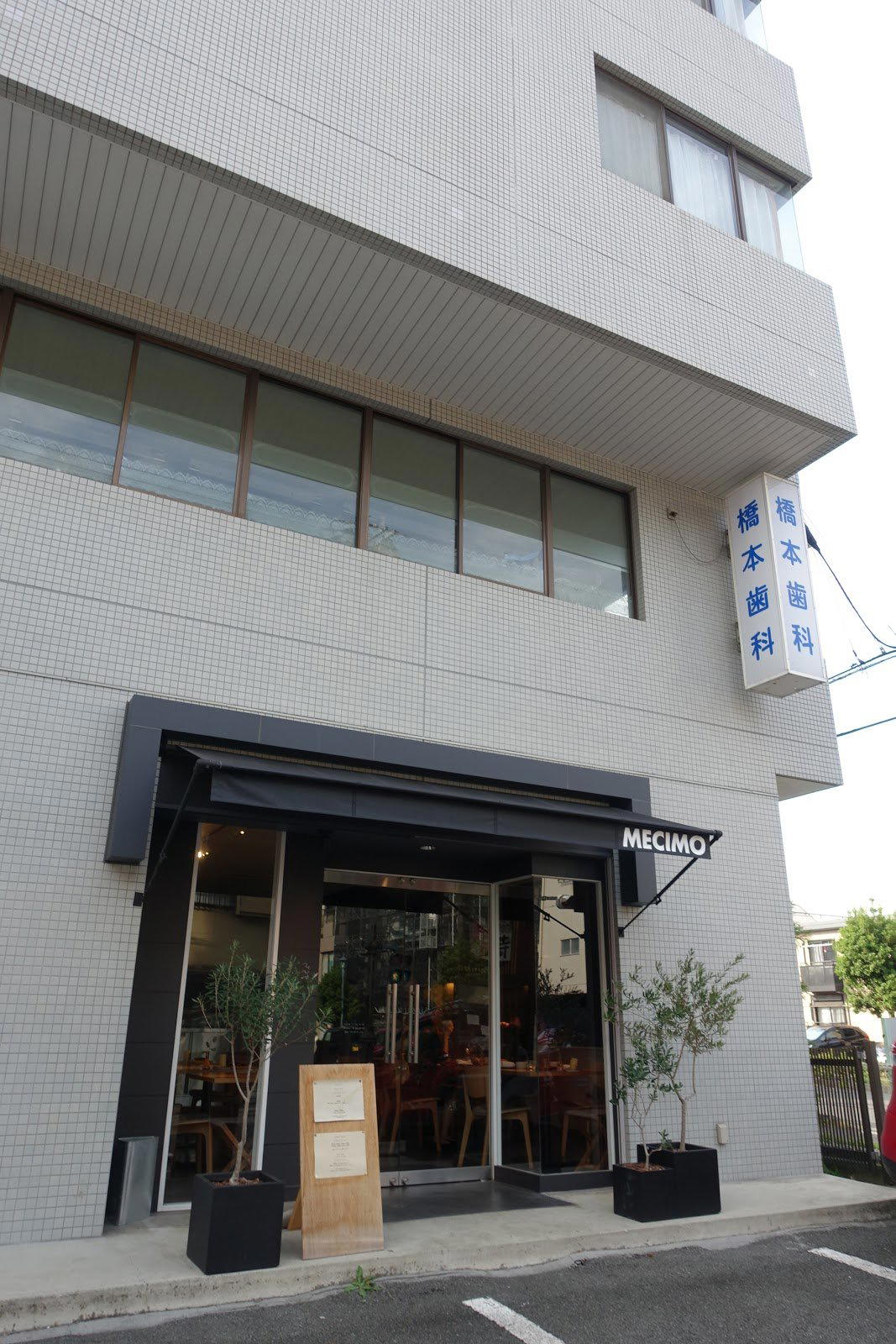
メシモ occupies a second-floor space in Sakaecho, one of Odawara's quieter commercial blocks, within walking distance of the castle district. The venue's address and name place it in a city better known as a transit stop than a dining destination, which is precisely what makes it worth tracking. For the full picture on Odawara's emerging restaurant scene, see our full Odawara restaurants guide.

Pearl is the En Primeur Club membership app, where members save venues, book tables and use the concierge.
Odawara's Quiet Dining Room: What メシモ Represents in a City Still Finding Its Table
Odawara sits at an odd crossroads in the Japanese travel imagination. Most visitors pass through on the shinkansen, bound for Hakone or Kyoto, registering the city as little more than a platform and a distant view of the castle. That transit-stop reputation has kept the city's restaurant scene genuinely underexamined, even as a small cluster of addresses in the Sakaecho district has begun to reward the traveller willing to stop. メシモ, addressed at 2-5-22 in the Kido Building on Sakaecho, belongs to that cluster, a second-floor venue in a commercial block that makes no effort to announce itself at street level, which in Japan is rarely an accident.
The geography matters here. Kanagawa Prefecture occupies a particular position in Japan's culinary hierarchy: close enough to Tokyo that serious diners can commute, far enough from the capital that restaurants must build local loyalty rather than ride metropolitan foot traffic. That dynamic has historically suppressed ambition in smaller Kanagawa cities, but it has also, in recent years, produced a handful of addresses that operate with the focus and discipline of Tokyo venues at notably different price assumptions. Our full Odawara restaurants guide maps that shift in more detail, but メシモ's Sakaecho location is a useful marker of where the scene is concentrating.
The Cultural Weight of the Address
Japanese dining culture assigns particular meaning to the act of finding a restaurant. The concept of kakurega, a hidden or retreated place, runs through the country's food geography, from the backstreet yakitori counters of Yurakucho to the unmarked kaiseki rooms of Kyoto's Gion district. A second-floor address on a quiet commercial block, with no website listed and no phone number in public databases, participates in that tradition whether deliberately or not. The message to the diner is legible: you are expected to have arrived through recommendation, not discovery by algorithm.
That framing positions メシモ alongside a broader Japanese restaurant archetype that resists easy categorisation. Venues operating in this register, low-visibility, word-of-mouth driven, removed from tourist infrastructure, tend to define their offer through consistency and relationship rather than through seasonal press cycles. Compare that to the mode of operation at addresses like Gion Sasaki in Kyoto or Harutaka in Tokyo, where Michelin recognition has made booking infrastructure a necessity. In Odawara's quieter register, the dynamic is different: the absence of public-facing booking systems often signals a room that runs on repeat clientele and direct contact.
Odawara as a Dining Reference Point
Understanding メシモ requires understanding what Odawara is becoming as a restaurant city. The historical frame is feudal: Odawara Castle and its surrounding merchant district shaped the city's commercial geography for centuries, and Sakaecho, the neighbourhood where メシモ sits, was part of that original merchant fabric. Food culture in castle towns across Japan tends to be conservative and quality-conscious, shaped by the demands of a local elite rather than by tourist economics. That inheritance doesn't vanish; it redirects.
In the contemporary moment, Odawara's proximity to the Hakone resort corridor means it absorbs a visitor demographic that skews toward experienced travellers with high standards and limited patience for mediocrity. A restaurant that survives in that environment without a public profile does so because its regulars are reliable and its kitchen is consistent. That's a meaningful credential, even without formal award recognition. For context on what award-recognised Japanese cooking looks like at the high end, HAJIME in Osaka and Goh in Fukuoka represent the tier where innovation and regional identity intersect with formal critical recognition, a different competitive set, but a useful reference for what serious Japanese cooking aspires toward nationally.
What the Venue Data Does and Doesn't Tell You
The available record for メシモ is sparse: an address in the Kido Building on Sakaecho, a venue name, a city. No cuisine type is listed, no price range confirmed, no chef name in public record, no hours or booking method documented. That sparseness is itself informative. In Japan's restaurant ecosystem, venues that operate without a web presence or public phone number tend to cluster toward one of two poles: neighbourhood staples serving a fixed local clientele, or more deliberate operations that communicate availability through personal networks.
What can be said with confidence is that Odawara's restaurant geography includes Japanese formats ranging from seafood-focused rooms drawing on Sagami Bay catch to yoshoku and modern Japanese hybrids that reflect the city's position between Tokyo influence and regional ingredient identity. Any serious dining room on Sakaecho operates within that local ingredient context whether explicitly or not. Kanagawa's coastal access, Sagami Bay sits directly south of the city, gives local kitchens a supply chain that Tokyo venues actively seek out and pay a premium to access.
Neighbouring restaurants in the Odawara context, including Tomoei, offer a useful sense of the local register. Beyond Odawara, venues such as akordu in Nara and Bistro Ange in Toyohashi illustrate how mid-sized Japanese cities have developed serious restaurant addresses that operate outside the main critical circuits without sacrificing kitchen standards.
Planning a Visit: What to Know Before You Go
メシモ is located at 2-5-22 Sakaecho, Odawara, in the Kido Building. Odawara Station, served by both the JR Tokaido Line and the Odakyu Line from Shinjuku, is the practical arrival point, with Sakaecho walkable from the station's central exits. The shinkansen also stops at Odawara, making it accessible from Tokyo in under 40 minutes and from Kyoto in roughly 90 minutes, which means a meal here can be structured as a deliberate stop rather than a side trip.
Arriving without a reservation at a Sakaecho venue of this type is inadvisable; the format almost certainly assumes prior arrangement.
For those building a broader Kanagawa itinerary, cross-referencing メシモ with other regional addresses tracked on EP Club, including venues in Takashima, Sapporo, and Nishikawa Machi, gives a fuller sense of how regional Japanese dining operates outside the major metro circuits. The pattern that emerges from that map is consistent: the venues worth finding are rarely the ones easiest to find.
Frequently asked questions
What's メシモ's location?
メシモ is located at Japan, 〒250-0011 Kanagawa, Odawara, Sakaecho, 2 Chome−5−22 木戸ビル, Odawara.
Is メシモ worth stopping at between Odawara and Hakone?
Odawara Station sits on both the JR Tokaido Line and the Odakyu Line, making Sakaecho, a short walk from the station, a logistically reasonable stop before continuing to Hakone. メシモ's address at 2-5-22 Sakaecho in the Kido Building places it within the neighbourhood rather than on the main tourist circuit.
What's the best thing to order at メシモ?
Venues of this format in Odawara's Sakaecho district tend to run tight, seasonally driven menus with limited choice by design. Asking the staff directly when you arrive is the only reliable approach.
Is メシモ reservation-only?
No phone number or website is publicly documented for メシモ, which makes walk-in attempts a risk given the venue's second-floor, low-street-presence position in the Kido Building on Sakaecho. Restaurants of this format in Odawara typically operate with limited covers and fill quickly. Finding a contact method through local sources before you travel is advisable.
What has メシモ built its reputation on?
What the venue does have is a fixed address in Sakaecho, Odawara, a city where most dining attention clusters around the castle district and Hakone transit crowds, which suggests it serves a local, repeat clientele rather than tourist traffic. Persistence in that context is its own form of credibility.
How does メシモ handle allergies?
No allergy policy is documented for メシモ, and with no website or phone number in the public record, there is no way to confirm dietary requirements in advance through standard channels. Arriving with clear, written communication of your needs, in Japanese, is the most practical route given the venue's Odawara location and likely limited English-language capacity.
Is メシモ good value for money?
No price range is confirmed for メシモ, so a direct assessment isn't possible. Within Odawara's Sakaecho neighbourhood, smaller second-floor venues operating without a public web presence typically run at mid-range local pricing rather than destination-restaurant rates. Budget assumptions should be verified on arrival or through local contacts before you commit.
Budget and Context
Comparable venues nearby, for context on price, style, and recognition.
| Venue | Cuisine | Price | Awards | Notes |
|---|---|---|---|---|
| メシモThis venue (the venue you are viewing) | Modern Local French | $100–150 | Tabelog 100 #51 | Not listed |
| Moriya Sei Pan Ten | Bakery | $1–10 | Tabelog 100 #42 | Odawara Station area, Bakery |
| Tomoei | Traditional Japanese Unagi | $50–100 | Tabelog Silver #145 | Kazamatsuri, Traditional Japanese Unagi |
| Ichiyajo Yoroizuka Farm | Farm-to-table patisserie & bistro café | $20–30 | Tabelog 100 #36 | Hayakawa, Farm-to-table patisserie & bistro café |
| Menan Chitose | Ramen shop | $10–20 | Tabelog 100 #13 | Kazamatsuri, Ramen shop |
| Il Mare | Seasonal seafood-focused Italian set-course dining by Odawara Fishing Port | $50–100 | Tabelog 100 #9 | Hayakawa, Seasonal seafood-focused Italian set-course dining by Odawara Fishing Port |
Recognition history
Dated appearances from independent guides and award organizations, with the underlying list record or original source where available.
Tabelog 100 #51 · No. 51
Tabelog · Tabelog 100 - French - EAST - 2025
Continue exploring
More in Odawara
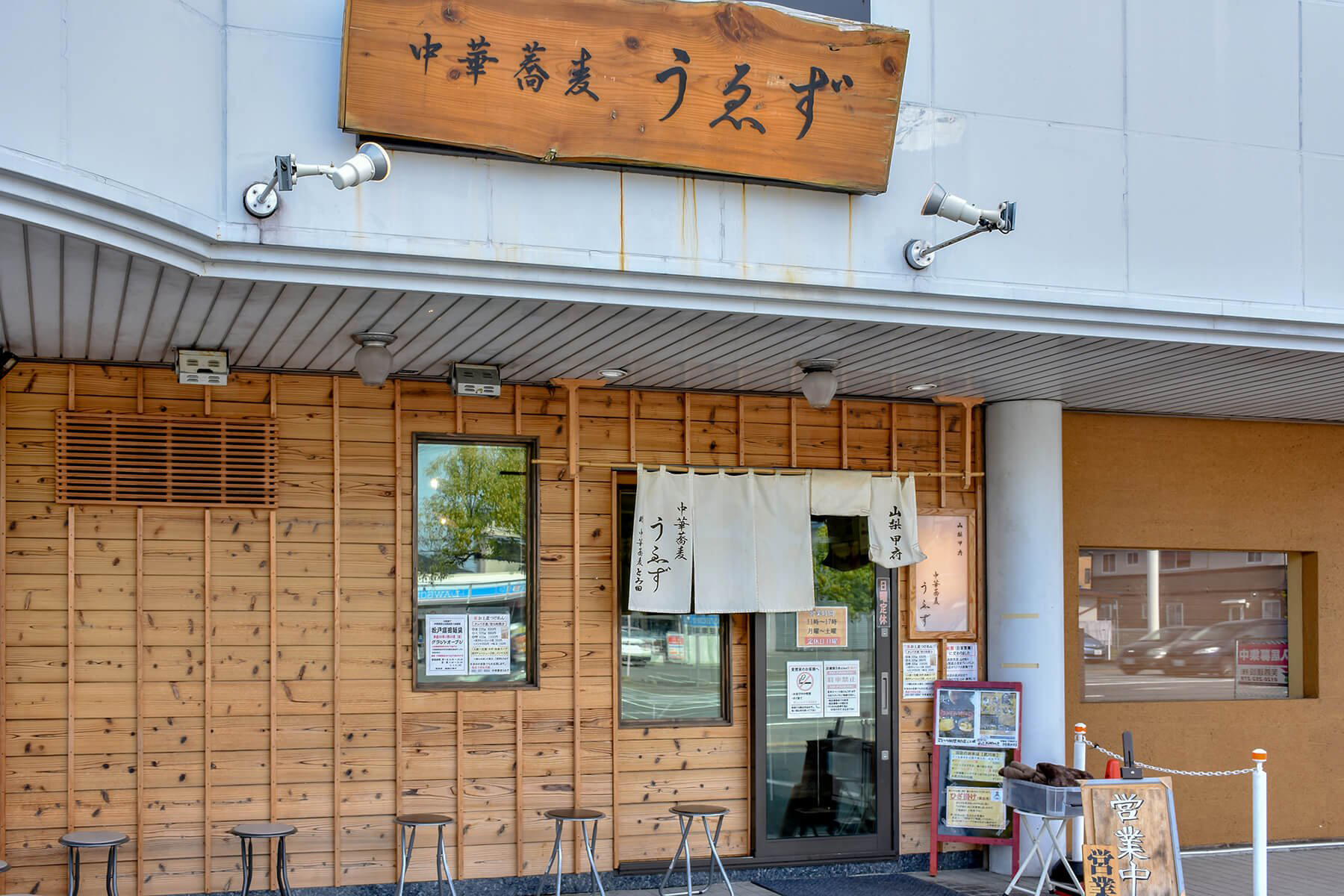
Restaurants in Odawara
All restaurants in Odawara →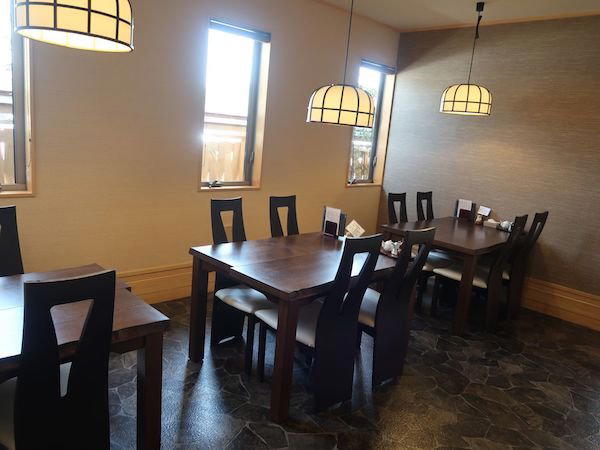
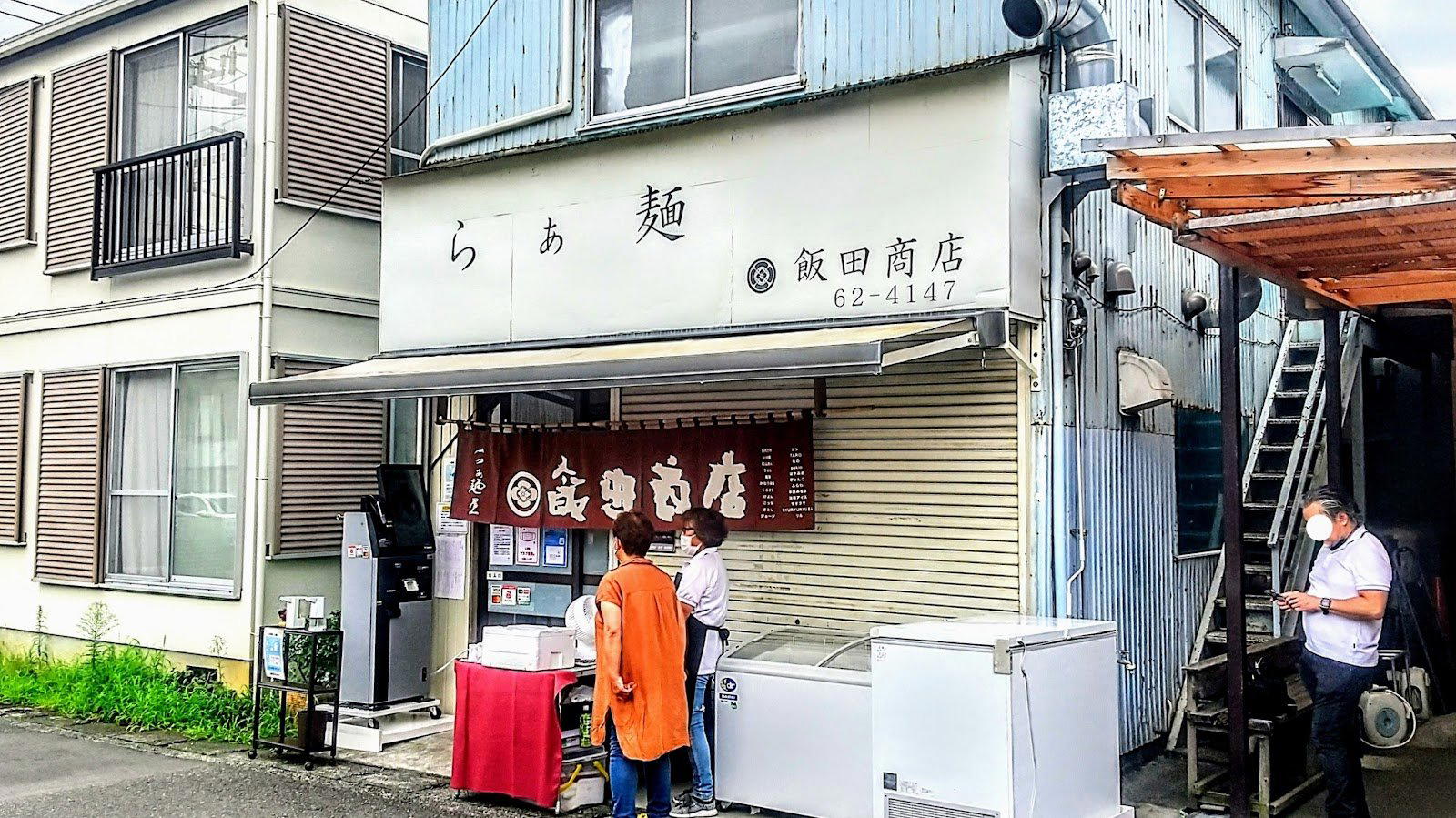
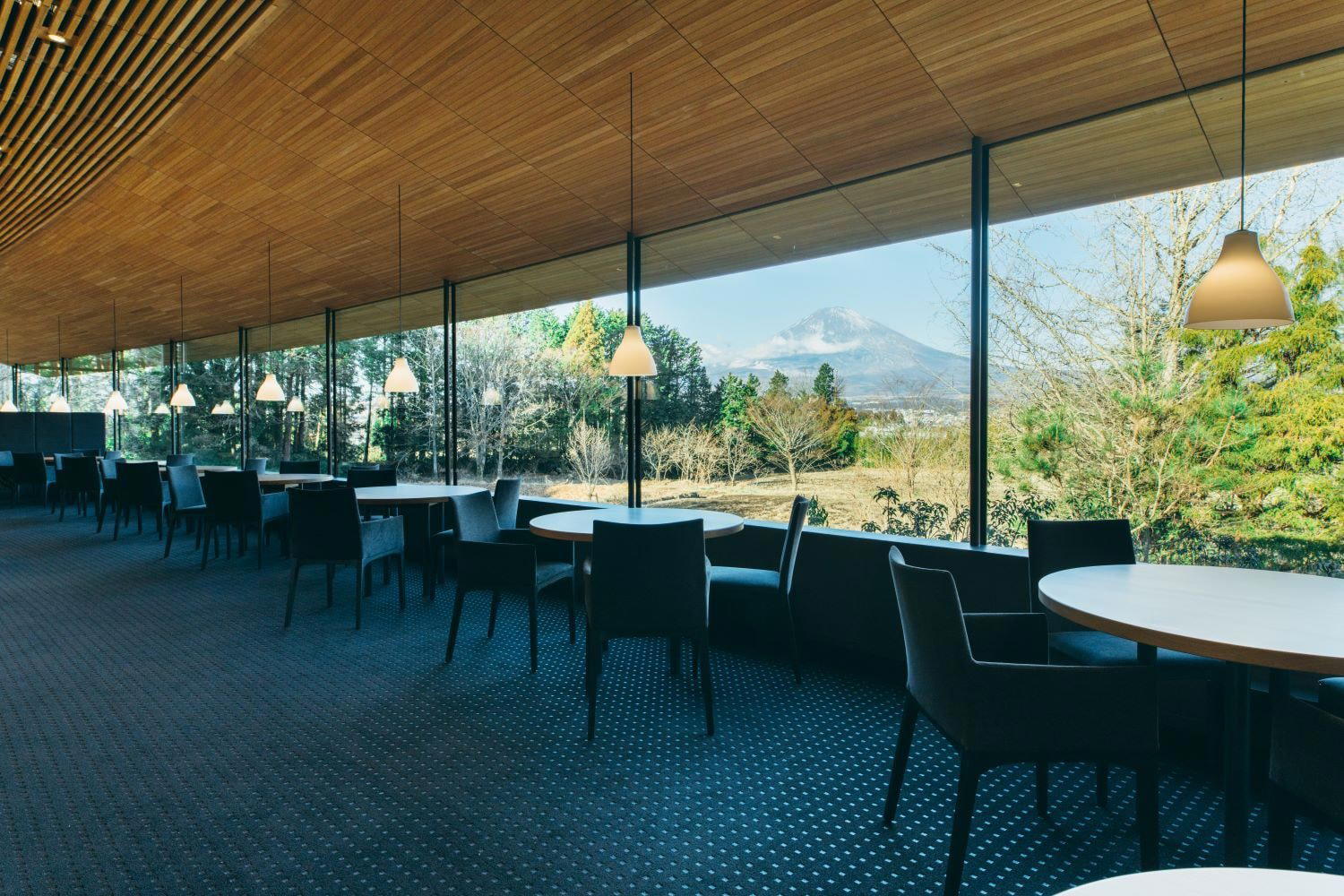
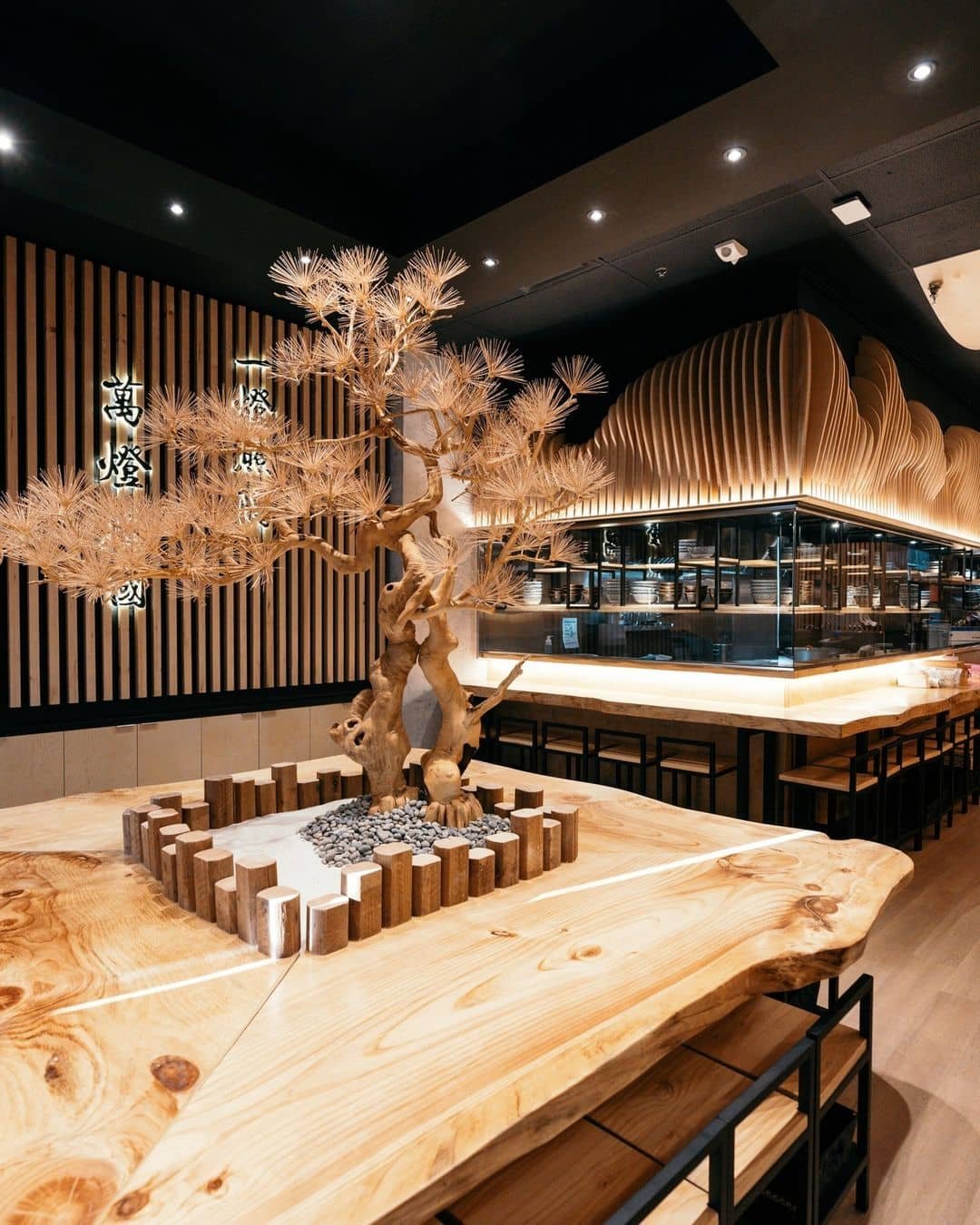
Bars in Odawara
Browse all →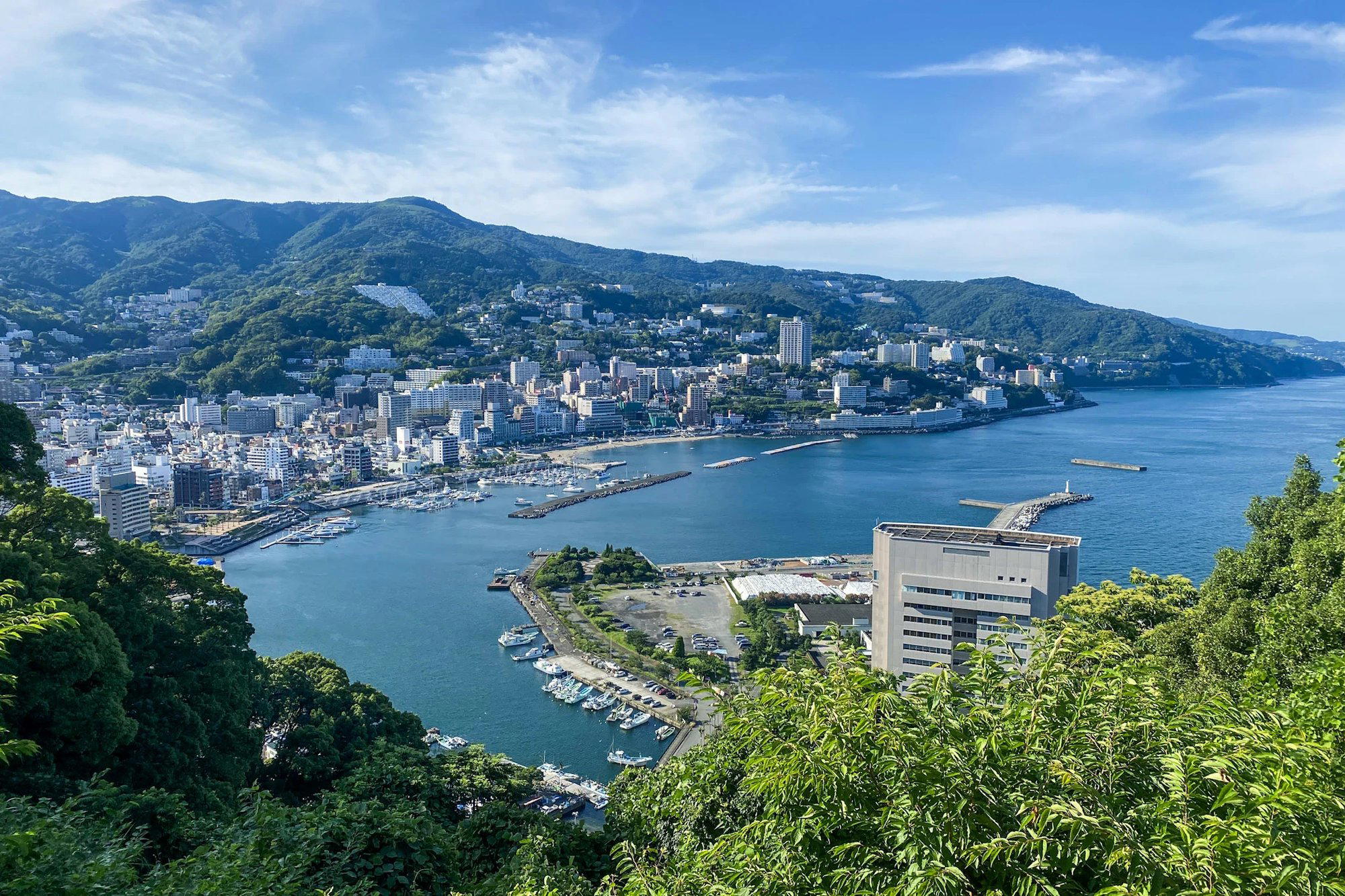
Hotels in Odawara
Browse all →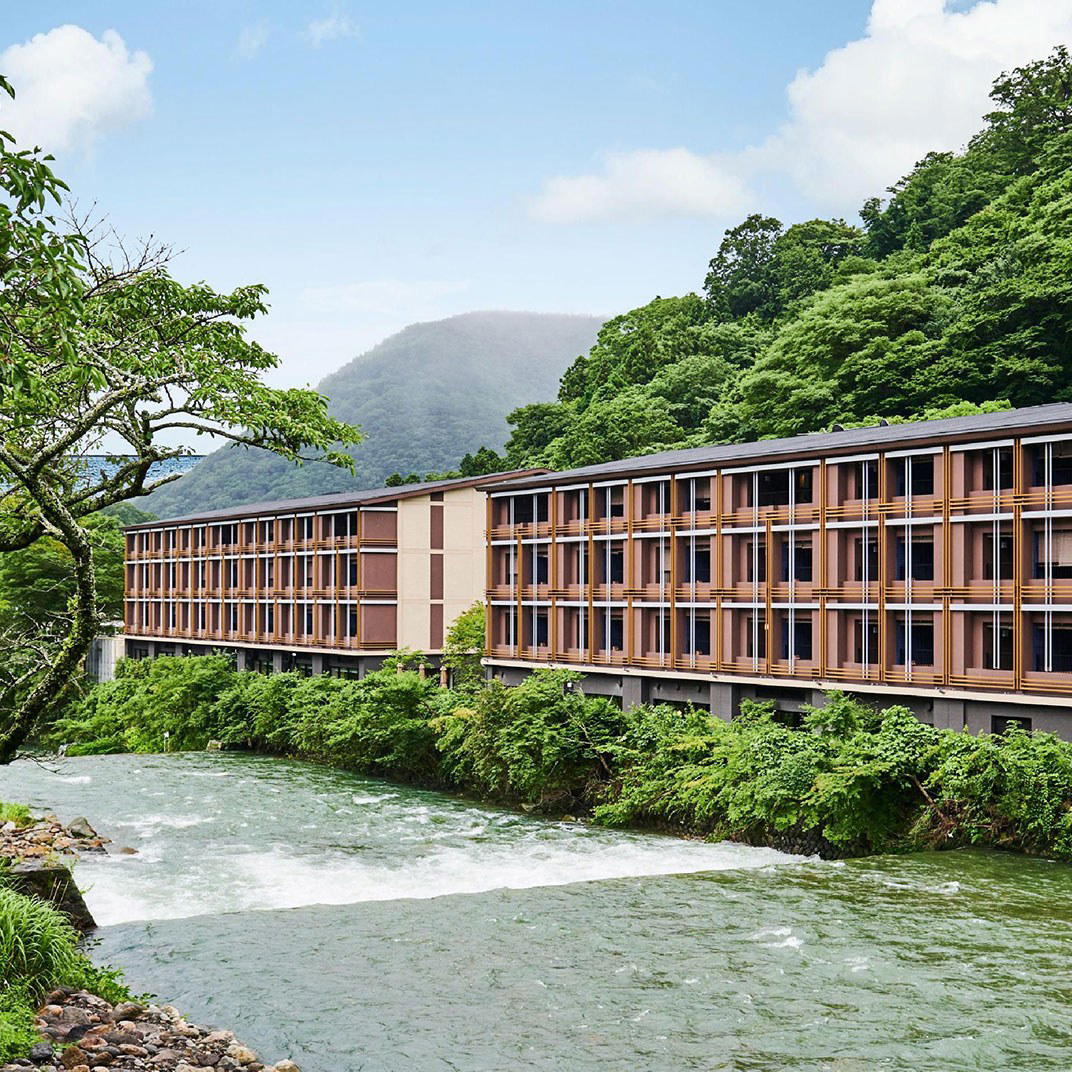
Wineries in Odawara
Browse all →
Details
- Elegant
- Modern
- Intimate
- Sophisticated
- Date Night
- Special Occasion
- Open Kitchen
- Sake Program
- Local Sourcing
- Tasting Menu
- Omakase
Current opening hours
- Monday
- Closed
- Tuesday
- 11:30 AM–1:30 PM, 6–10 PM
- Wednesday
- 11:30 AM–1:30 PM, 6–10 PM
- Thursday
- 11:30 AM–1:30 PM, 6–10 PM
- Friday
- 11:30 AM–1:30 PM, 6–10 PM
- Saturday
- 11:30 AM–1:30 PM, 6–10 PM
- Sunday
- 11:30 AM–1:30 PM, 6–10 PM
Hours can change for holidays and private events. Hours as of .
Modern and chic interior with spacious layout for only 10 seats, ensuring privacy and comfort.