In Osaka's Kita Ward, お料理 宮本 operates from a quiet address in Higashitenma, a neighbourhood that sits between the dense restaurant corridors of Umeda and the older residential streets around Tenjinbashi. The restaurant occupies a format common to serious Osaka dining: a small, focused room where the cooking rather than the setting carries the evening. Limited public information makes direct research essential before visiting.
Pearl is the En Primeur Club membership app — saves, bookings, and concierge access live there. Same editors, same standards.
- Address
- Japan, 〒530-0044 Osaka, Kita Ward, Higashitenma, 2 Chome−10−28 第一住建フローライト南森町 102
- Phone
- +81668096990
- Directions
- Get directions
 Saves & bookings on Pearl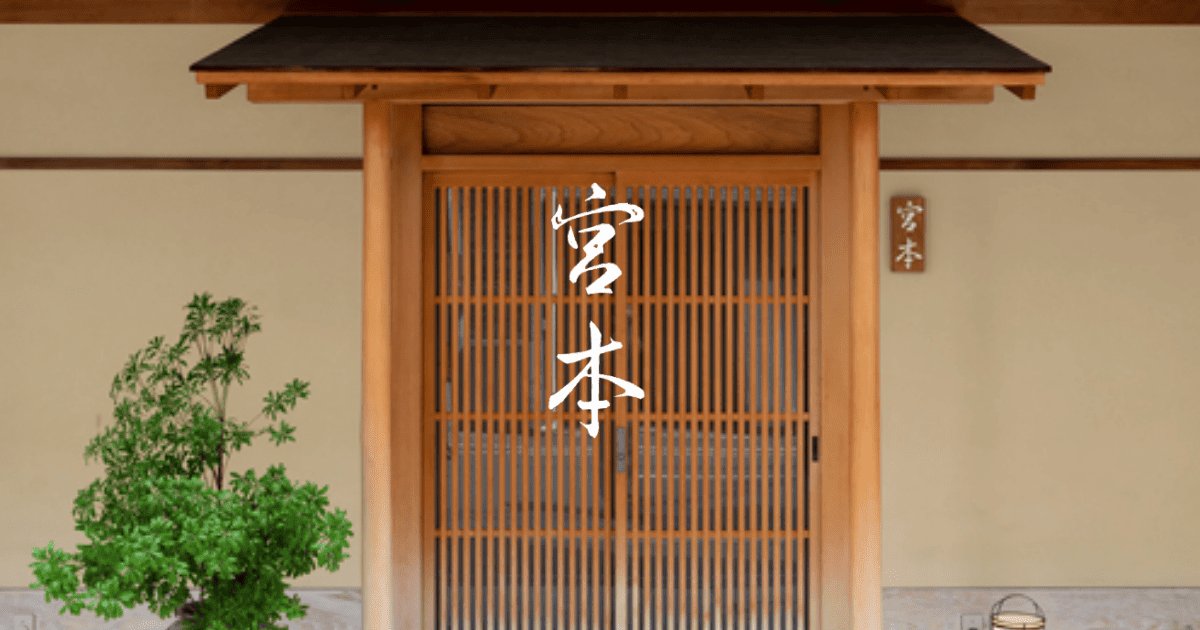
Higashitenma and the Quiet End of Kita Ward's Dining Circuit
Osaka's Kita Ward is usually read through its loudest coordinates: the department store basement food halls of Umeda, the yakitori lanes behind Osaka Station, the long covered arcade of Tenjinbashisuji. Higashitenma sits at the ward's quieter southern edge, where the density thins and the restaurants that survive do so on repeat local custom rather than tourist foot traffic. It is the kind of sub-district where a small room with minimal online presence can sustain a committed clientele for years, simply because the cooking earns it. お料理 宮本 occupies that position, at an address on the second block of Higashitenma, reachable in a short walk from Minami-Morimachi station on the Tanimachi and Sakaisuji lines.
The broader category of o-ryori restaurants in Osaka spans a wide range, from multi-seat kaiseki operations to compact neighbourhood rooms where a short course menu changes with the market and the season. What connects them is a shared assumption: that the produce dictates the menu, not the other way around. Osaka's position as a historical distribution hub for Kansai ingredients, fish from the Seto Inland Sea, vegetables from Kyoto's northern farms, citrus from Wakayama, gives even a small kitchen access to a supply chain that larger cities would require significant logistics to replicate.
Local Ingredients as the Editorial Frame
The intersection of classical Japanese technique with hyper-local sourcing defines one serious end of Osaka's non-Michelin dining tier. Osaka's cooking culture has historically prioritised the ingredient over the performance of technique, a disposition sometimes described as kui-daore in its broadest sense: a city that eats seriously, often without ceremony. Where Tokyo's upper-tier restaurants frequently foreground chef lineage and culinary genealogy as primary signals of quality, Osaka's mid-tier serious dining rooms tend to let the sourcing and the execution speak.
Restaurants working in this register, whether kaiseki-adjacent or in a looser o-ryori format, typically build their seasonal logic around Kansai produce calendars. Spring brings bamboo shoots from Kyoto's Rakusai district and sakura-dai sea bream from the Akashi Strait. Summer shifts toward hamo eel, a fish that requires significant knife skill to prepare, and ayu sweetfish from clear mountain rivers. Autumn and winter move into matsutake mushroom territory and the richer proteins of the cold season. A restaurant in Higashitenma working in this tradition has access to those supply lines through Osaka's central wholesale markets and the specialist traders that serve the city's professional kitchens.
Where お料理 宮本 Sits in the Osaka Dining Spectrum
Osaka's serious dining tier is not monolithic. At the upper end, restaurants like HAJIME in Osaka operate at a global reference point, with Michelin recognition and a format oriented toward international visitors and special-occasion spending. Below that, and often more interesting for readers seeking consistent quality over occasion dining, sits a layer of smaller, less publicised rooms where the cooking is technically grounded but the format is more personal. Ajikitcho Bunbuan and Ajihei Sonezaki represent different points in that mid-to-upper tier, each with their own sourcing emphasis and format logic.
お料理 宮本 appears to operate in the quieter portion of that spectrum: a restaurant with a specific address, a residential-commercial building context, and the kind of low-visibility profile that in Osaka often correlates with a local-first clientele. Restaurants at this level in Kita Ward rarely depend on guidebook placement or social media presence for their bookings.
For comparative reference, the discipline of matching classical Japanese cooking methods to the leading available local produce is a thread that runs through serious dining across the Kansai region. Gion Sasaki in Kyoto represents one expression of that approach at the highest recognised level. akordu in Nara applies a different cultural lens to the same regional produce base. At the national level, Harutaka in Tokyo and Goh in Fukuoka demonstrate how the local-ingredient, refined-technique model translates across Japan's different regional food cultures. Within Osaka itself, Aka to Shiro, Calendrier, and Az each occupy distinct positions in the French-Japanese cross-technique tier.
Further afield, the global framing of local-ingredient cooking is illustrated by Le Bernardin in New York City and Atomix in New York City.
Know Before You Go
Address: 2 Chome-10-28 Higashitenma, Kita Ward, Osaka 530-0044, Japan (Daiichi Juken Fluorite Minamimorimachi, Room 102)
Access: A short walk from Minami-Morimachi Station (Osaka Metro Tanimachi Line / Sakaisuji Line)
Booking: Reservation essential.
Price range: About $300 per person.
Hours: Mon, Tue, Thu, Fri, Sat, Sun 6:30-8:30 PM; Wed closed.
Where It Fits
Comparable venues nearby, for context on price, style, and recognition.
| Venue | Cuisine | Price | Notes |
|---|---|---|---|
| お料理 宮本This venue — the venue you are viewing | Kaiseki | $$$$ | Not listed |
| Kawaharasaki | Kamigata Tempura | $$$$ | Kita |
| Naniwa kappo Kigawa | Naniwa Kappo (Osaka-style Kaiseki) | $$$$ | Chūō |
| KURA - Teppanyaki & Sushi | Teppanyaki & Sushi | $$$$ | Kita |
| 老松 ひさ乃 | Seasonal Kaiseki | $$$$ | Kita |
| Kizuna | Edomae Sushi Tasting | $$$$ | Chūō |
Continue exploring
More in Osaka
Restaurants in Osaka
Browse all →




Bars in Osaka
Browse all →




Hotels in Osaka
Browse all →




Wineries in Osaka
Browse all →
At a Glance
- Elegant
- Intimate
- Sophisticated
- Special Occasion
- Date Night
- Chefs Counter
- Sake Program
- Local Sourcing
- Organic
Current opening hours
- Monday
- 6:30–8:30 PM
- Tuesday
- 6:30–8:30 PM
- Wednesday
- Closed
- Thursday
- 6:30–8:30 PM
- Friday
- 6:30–8:30 PM
- Saturday
- 6:30–8:30 PM
- Sunday
- 6:30–8:30 PM
Hours can change for holidays and private events. Last verified .
Intimate counter seating in a serene, refined space fostering conversation between chef and guests.