Our verdict
In a city where old Japan is preserved at street level, Fukiyamachi's Italian address reads as a quiet counterpoint to the kaiseki and sake houses that define Takayama's dining reputation. オステリア・ラ・フォルケッタ occupies the territory where European kitchen discipline meets the produce rhythms of the Hida highlands, making it a distinct reference point for travellers looking beyond the town's traditional circuit.

Pearl is the En Primeur Club membership app — saves, bookings, and concierge access live there. Same editors, same standards.
- Address
- 3 Fukiyamachi, Takayama, Gifu 506-0831, Japan
- Phone
- +81577374064
- Hours
- Mon–Wed 6–9 PMThu ClosedFri–Sun 6–9 PM
- Website
- forchetta.hida-ch.com
- Directions
- Get directions
The menu
What to order
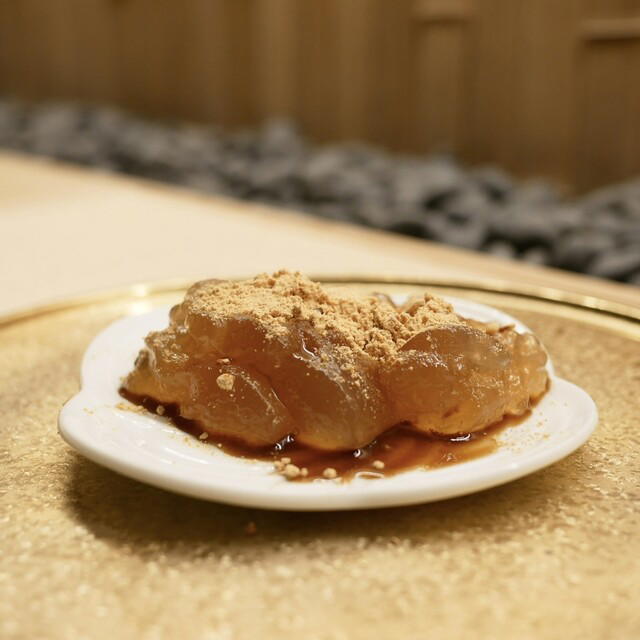
- Homemade pasta
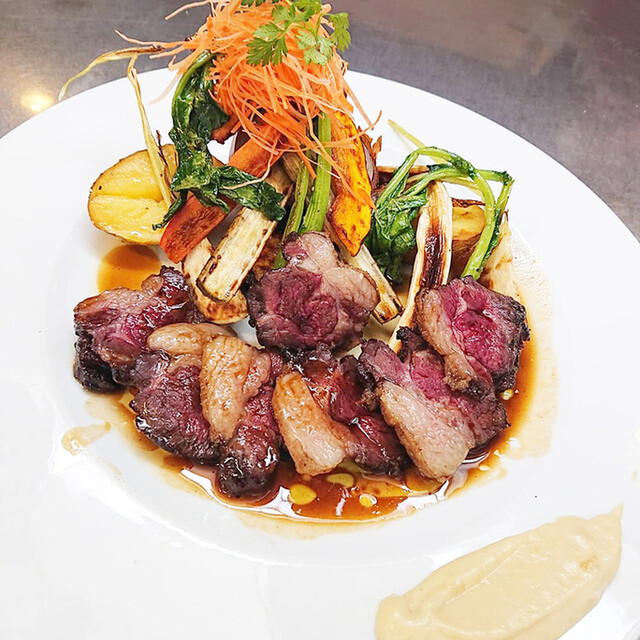
- Game meat dishes
- House-cured ham
Where Fukiyamachi's Streetscape Meets an Italian Kitchen
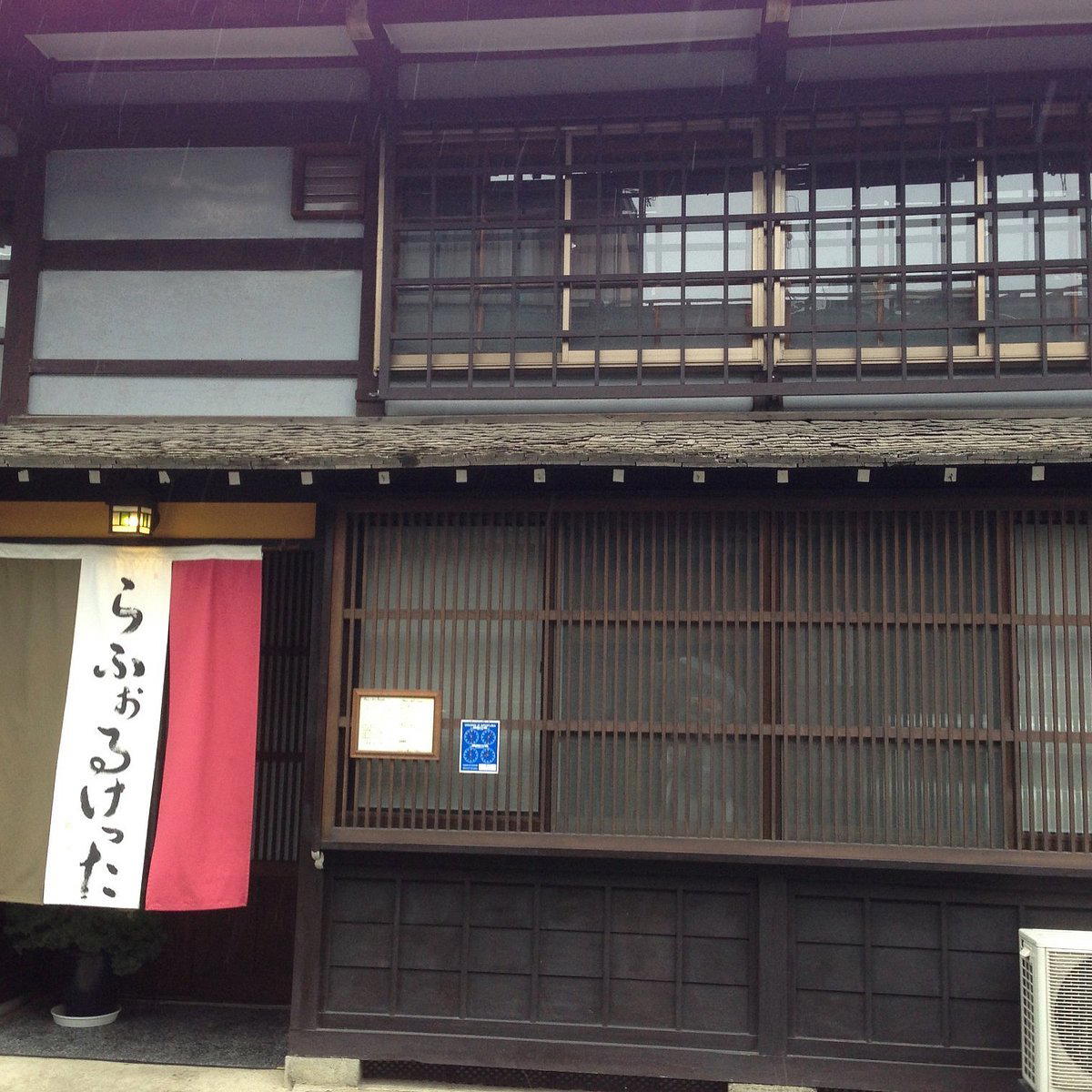
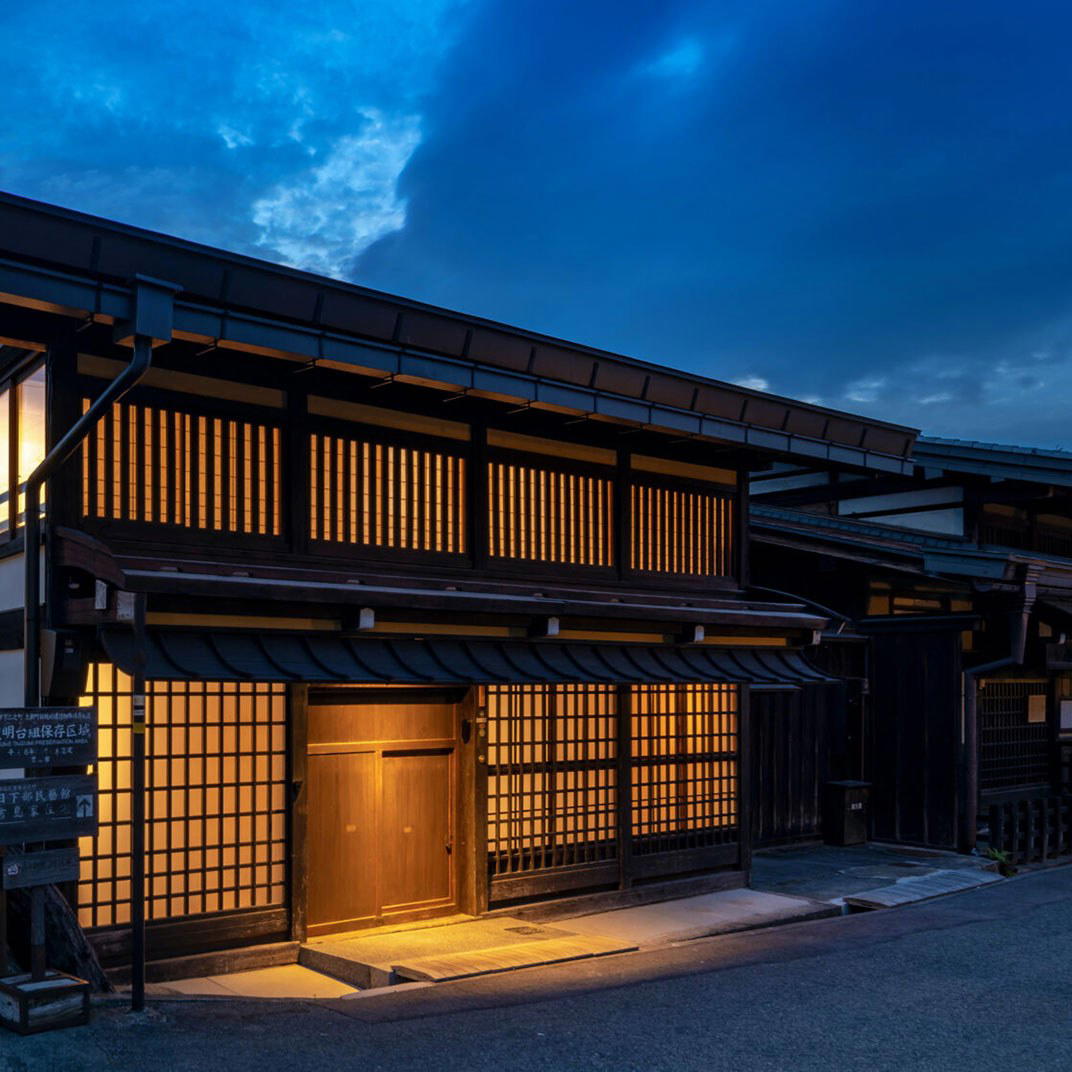
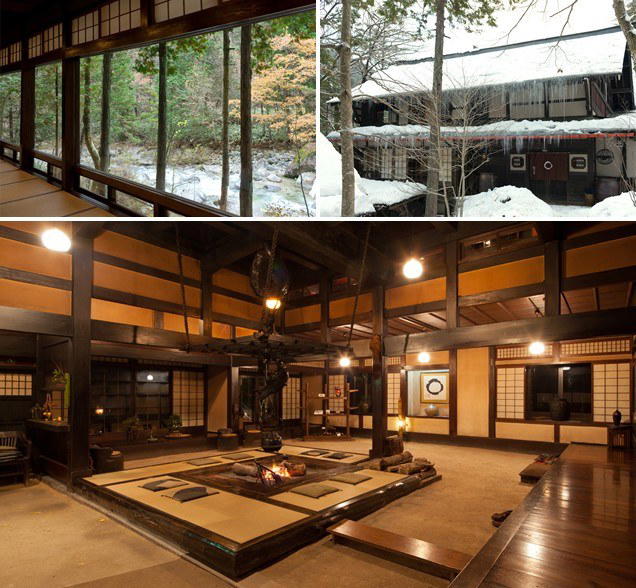
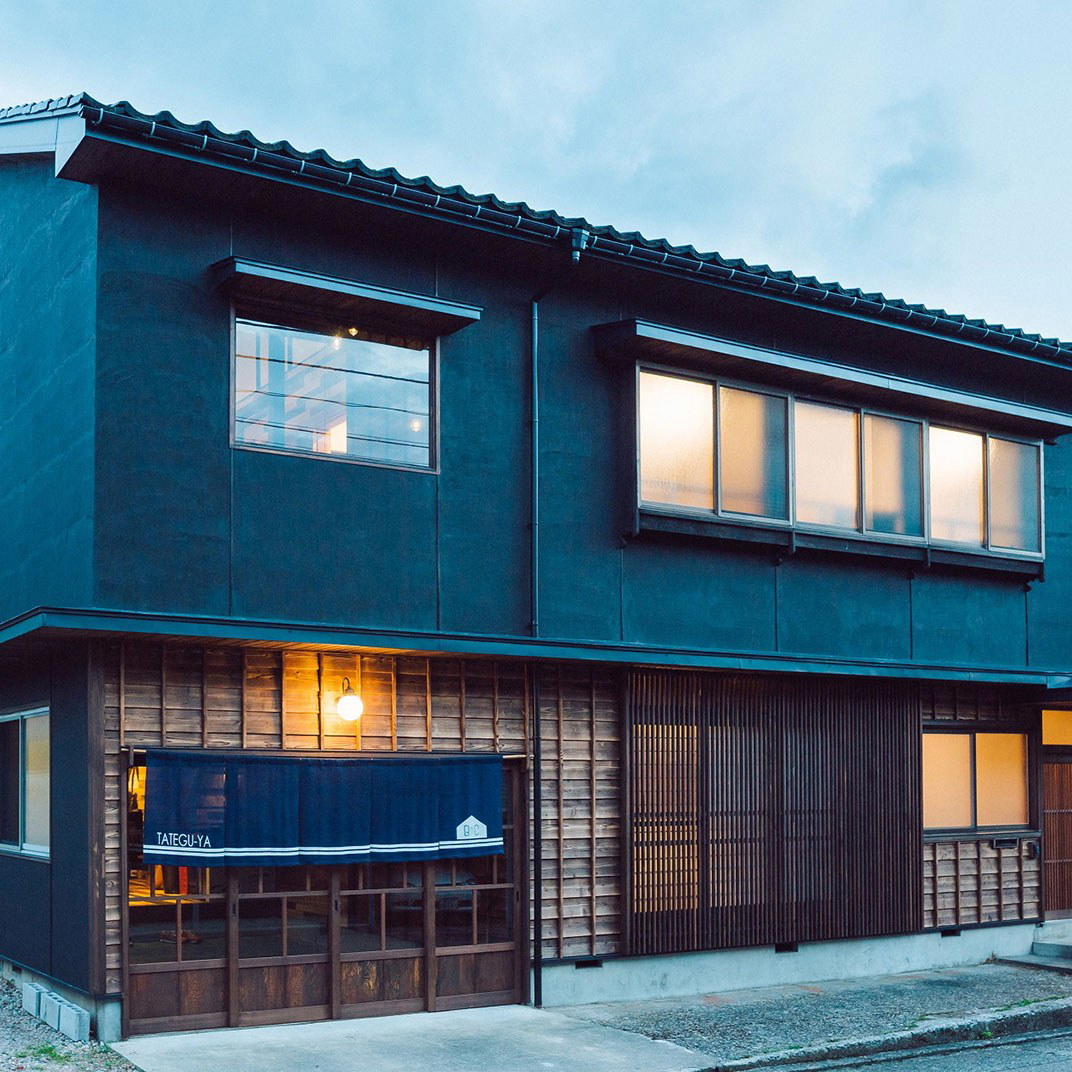
Takayama earns its reputation on preservation. The Sanmachi Suji district holds merchant townhouses that have stood since the Edo period, and the broader Fukiyamachi neighbourhood carries that same quality of compressed history, narrow lanes, and wooden facades that make this corner of Gifu Prefecture a reference point for travellers seeking Japan away from the Shinkansen corridor. Against that backdrop, encountering an osteria — Italian for the kind of unpretentious wine-and-food house that anchors neighbourhood life across northern Italy — registers as a deliberate act of translation. オステリア・ラ・フォルケッタ, addressed at 3 Fukiyamachi, operates in exactly that register: a European kitchen format set inside the grain of one of Japan's most carefully conserved provincial cities.
That placement matters more than it might initially appear. Takayama's dining identity has been built around kaiseki sequences, Hida beef preparations, and sake breweries that draw from the same soft mountain water that defines the city's sake output. Italian dining exists here not as a tourist concession but as part of a broader pattern across Japan's secondary cities, where European technique, particularly from Italy and France, has taken root through chefs who trained abroad or under returnees, then chose to work with local produce rather than import their ingredient base. The result, in the leading cases, is a cuisine that speaks two languages simultaneously: the vocabulary of a specific Italian regional tradition and the seasonal logic of the Hida highlands.
The Osteria Format in a Provincial Japanese Context
In Italian practice, an osteria sits below the ristorante in formality and above a simple trattoria in ambition. It prioritises wine, keeps the menu tighter than a full restaurant operation, and generally rewards return visits over single grand occasions. That format has proven adaptable in Japan's regional cities, where smaller venues with focused menus align well with local dining habits and the constraints of running a kitchen far from a major distribution network. Takayama sits roughly two and a half hours from Nagoya by limited express train on the Hida line, which concentrates the city's ingredient sourcing around what the surrounding mountains and valleys produce rather than what arrives overnight from Toyosu.
For a venue operating under an Italian frame in this geography, that constraint becomes a creative condition. Hida beef, with its marbled fat derived from cattle raised slowly at altitude, has obvious affinities with the kind of slow-cooked preparations associated with northern Italian mountain cooking, braised cuts, ragu-style constructions, dishes where time in the pot matters more than high heat. Wild mushrooms from the Hida forest floor carry the same earthiness as porcini from the Apennines. The logic of Italian regional cooking, rooted in what grows within reach, maps onto Hida's seasonal calendar more cleanly than cuisines built on tropical ingredients or coastal seafood. Whether オステリア・ラ・フォルケッタ pursues that mapping explicitly or lets it operate implicitly is a question the venue's sparse public profile leaves open, but the geographic and culinary conditions for it are present.
Takayama's Dining Tiers and Where This Address Fits
Takayama's restaurant offerings spread across a wider range than the city's compact footprint might suggest. At the formal end, ryokan kaiseki at properties like Hanaougi Bettei Iiyama Ryokan sets the benchmark for seasonal precision and service depth. Counter dining at Amane Dining represents the intimate, chef-forward format that has become a marker of serious intention in Japan's regional dining circuit. Teppan cooking at TEPPAN たなか addresses the Hida beef question through live-fire directness. ニム and 飛騨季節料理 恵 extend the range further across format and price.
An Italian osteria in this company occupies a distinct tier: less ceremonial than kaiseki, more wine-focused than most Japanese dining contexts, and structured around a kitchen logic that visitors from Europe or North America may find easier to read even as the ingredients shift their expectations. That readability is not a concession to tourism; it is a structural feature of European dining formats that has made them durable in Japanese provincial cities across the past two decades. For the full scope of what Takayama offers across formats and price points, the EP Club Takayama restaurants guide maps the broader field.
The Case for European Technique in Hida's Larder
Japan's regional Italian dining scene draws on a longer history than many visitors realise. The country has sent chefs to Italy in significant numbers since the 1980s, and the returning generation brought back not just recipes but an understanding of how Italian cuisine functions as a system: the relationship between preserved and fresh ingredients, the role of fat as flavour carrier, the structural importance of pasta and risotto as vehicles for whatever the season provides. In the mountain prefectures of central Honshu, that system has found a particularly coherent application because the climate and terrain produce ingredients that Italian cooking already knows how to treat.
Venues operating under this logic in smaller Japanese cities tend to share certain characteristics: limited seat counts that keep the kitchen manageable, menus that change with the agricultural calendar rather than following a fixed template, and wine lists that lean toward Italian regions rather than French classics. The comparison set for a Takayama osteria is not Le Bernardin in New York or HAJIME in Osaka; it is the neighbourhood Italian that every serious provincial Japanese city has quietly developed over twenty years of culinary exchange. Closer regional comparisons exist at akordu in Nara, where European fine dining has been applied with similar regional seriousness.
Planning a Visit to Fukiyamachi
Fukiyamachi sits within easy walking distance of Takayama's historic core, which keeps the approach direct for guests staying in the Sanmachi area or arriving by train at Takayama Station. The Hida region's tourist season concentrates in spring cherry blossom and autumn foliage periods, when accommodation and dining reservations across the city tighten considerably; planning ahead by several weeks is advisable during those windows. Takayama's dining scene is compact enough that most serious addresses are within a fifteen-minute walk of the station, which makes an evening at an osteria combinable with an afternoon at sake breweries or the Jinya historical site without logistical difficulty.
For travellers building a wider itinerary around Japan's regional dining scene, the context provided by venues like Gion Sasaki in Kyoto, Harutaka in Tokyo, Goh in Fukuoka, and regional addresses including 三本木 川魚製 in Nanao, 夕仙山之 in Sapporo, 湖辺庵 in Takashima, 庭羽屋 in Nishikawa Machi, Birdland in Sakai, and Atomix in New York City illustrates how European-Japanese culinary exchange operates across very different scales, cities, and ambition levels.
Frequently asked questions
Can I bring kids to オステリア・ラ・フォルケッタ?
An osteria format generally runs at a relaxed register — less ceremonial than kaiseki, less hectic than a city-centre izakaya. In Takayama's quieter dining culture, that translates to an environment where children are typically manageable, provided they are comfortable sitting through a multi-course Italian meal. The Fukiyamachi address keeps the setting unhurried rather than rowdy.
Is オステリア・ラ・フォルケッタ better for a quiet night or a lively one?
Takayama operates at a fundamentally lower decibel level than Tokyo or Osaka, and that tone carries into its restaurants. Osteria La Forchetta, positioned in Fukiyamachi within walking range of the historic Sanmachi Suji district, fits the city's pace: an evening here is likely to be calm and conversation-friendly rather than energetic. Expect this to be a good choice for a slow dinner, not a late-night gathering.
Why visit an Italian osteria in Takayama rather than a ryokan kaiseki restaurant?
Takayama's kaiseki and Hida beef tables represent the city's core culinary identity, but a multi-day visit makes the contrast worthwhile. Osteria La Forchetta on Fukiyamachi offers Italian osteria structure — wine-forward, moderately priced by format, and less ritualised than formal kaiseki — which makes it a practical option on evenings when guests want a lighter commitment than a full ryokan dinner. The two traditions sit in parallel rather than in competition.
What should I eat at オステリア・ラ・フォルケッタ?
EP Club does not hold confirmed menu data so specific dish recommendations cannot be made responsibly. What can be said is that Italian osterias in Japan's mountain regions frequently draw on local produce — Hida beef, seasonal mountain vegetables, and regional dairy — interpreted through Italian technique. Asking the kitchen directly about seasonally driven dishes is the most reliable approach.
What part of town is オステリア・ラ・フォルケッタ in?
オステリア・ラ・フォルケッタ is located at 3 Fukiyamachi, Takayama, Gifu 506-0831, Japan, Takayama.
The Quick Read
Comparable venues nearby, for context on price, style, and recognition.
| Venue | Cuisine | Price | Awards | Notes |
|---|---|---|---|---|
| オステリア・ラ・フォルケッタThis venue — the venue you are viewing | Seasonal Italian Trattoria | $30–50 | Not listed | Not listed |
| 洲さき | Traditional Sōwa-ryū Honzen Ryori | $100–150 | Tabelog 100 #10 | Shinmeimachi, Traditional Sōwa-ryū Honzen Ryori |
| フランス食堂Nature | Casual French Bistro with Hida Ingredients | $30–50 | Not listed | Hachikenmachi, Casual French Bistro with Hida Ingredients |
| Kin no Kotteushi (金乃こって牛) | Hida Beef Nigiri Sushi | $10–20 | Not listed | 上二之町, Hida Beef Nigiri Sushi |
| Hanaougi Bettei Iiyama Ryokan | Traditional Japanese Kaiseki Ryokan | $200–300 | Not listed | Honobu-cho, Traditional Japanese Kaiseki Ryokan |
| Restaurant LE MiDi | Hida beef steak & hamburger by a French-trained chef | $50–100 | Tabelog 100 #22 | Honmachi, Hida beef steak & hamburger by a French-trained chef |
Continue exploring
More in Takayama
Restaurants in Takayama
Browse all →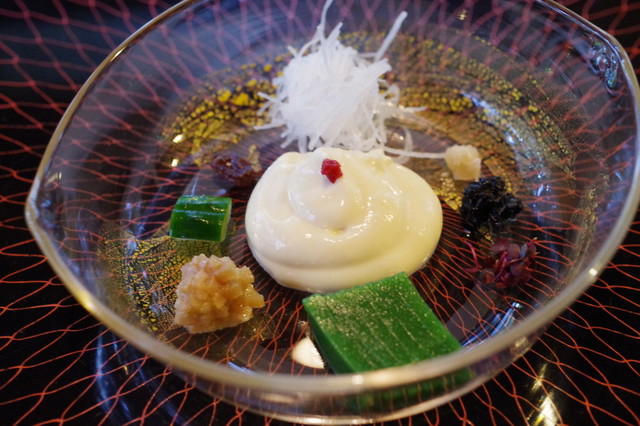
Details
- Rustic
- Romantic
- Elegant
- Date Night
- Special Occasion
- Group Dining
- Historic Building
- Standalone
- Local Sourcing
- Farm To Table
- A La Carte
- Set Menu
- Allergy Accommodating
Current opening hours
- Monday
- 6–9 PM
- Tuesday
- 6–9 PM
- Wednesday
- 6–9 PM
- Thursday
- Closed
- Friday
- 6–9 PM
- Saturday
- 6–9 PM
- Sunday
- 6–9 PM
Hours can change for holidays and private events. Last verified .
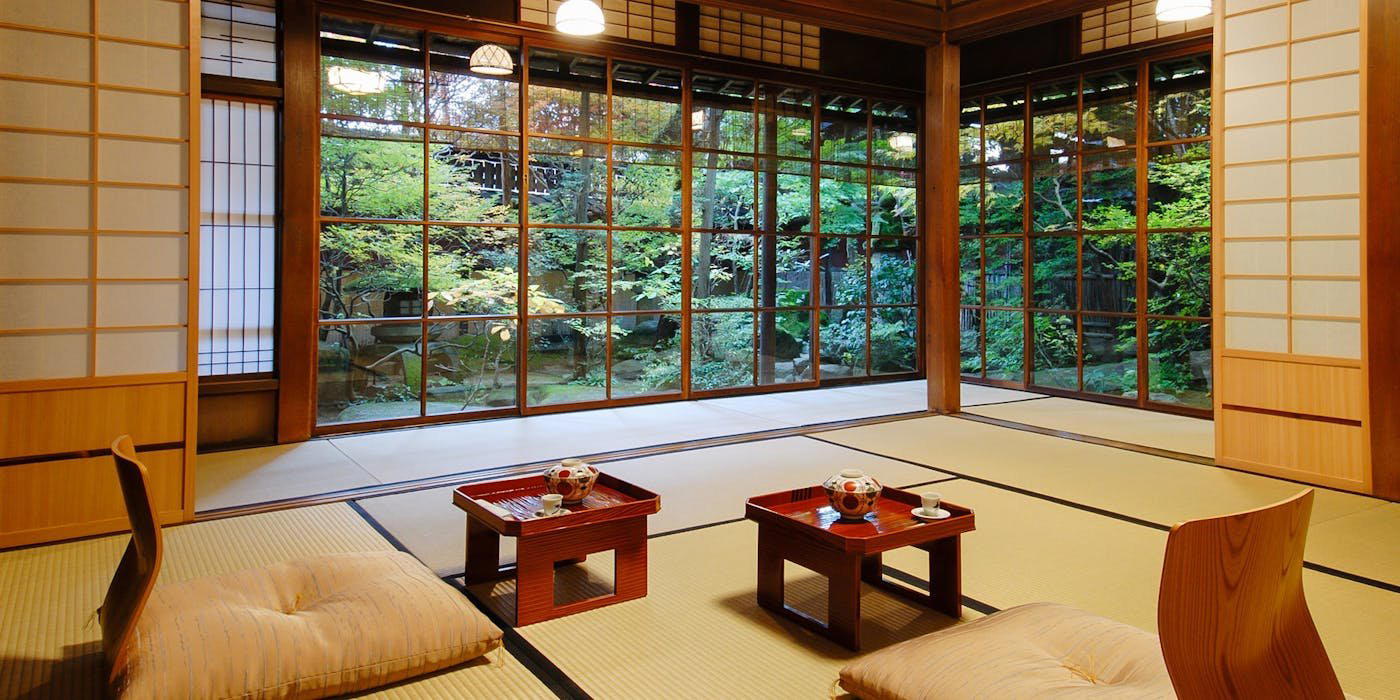
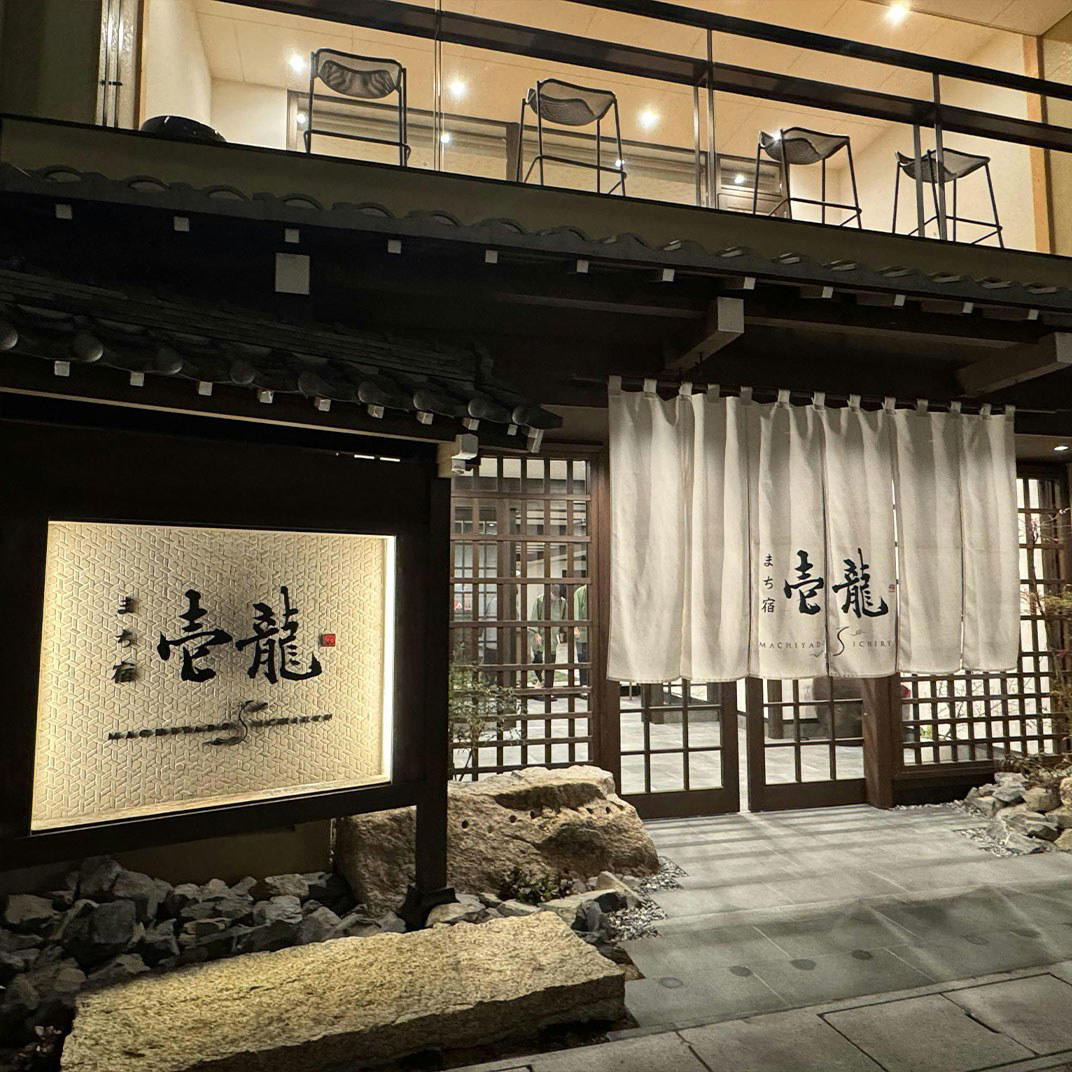
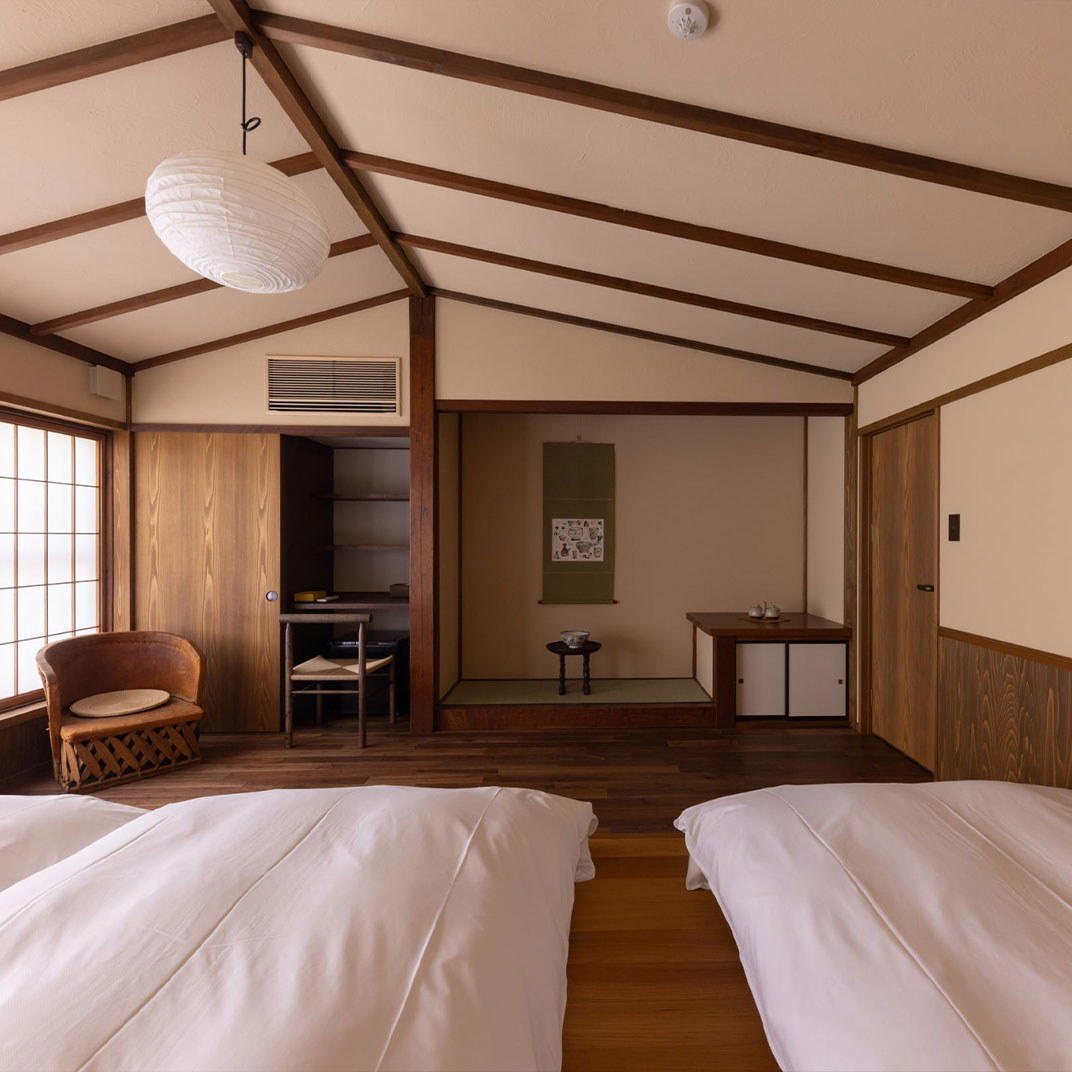
Warm and intimate atmosphere within an old-fashioned Japanese home with refined yet approachable Italian dining.