Our verdict
A teppan restaurant in Takayama's Enakomachi district, TEPPAN たなか occupies the quieter residential edge of a city already defined by restraint and seasonal precision. The format centers the iron griddle as both cooking surface and theatrical focal point, placing the meal in a tradition where the chef's movements and timing are as legible as the ingredients themselves. For visitors cross-referencing Takayama's tight dining scene, this is a counter worth tracking.

Pearl is the En Primeur Club membership app — saves, bookings, and concierge access live there. Same editors, same standards.
- Address
- 2238-1 Enakomachi, Takayama, Gifu 506-0818, Japan
- Phone
- +81577629190
- Website
- japonmaps.org
- Directions
- Get directions
The menu
What to order
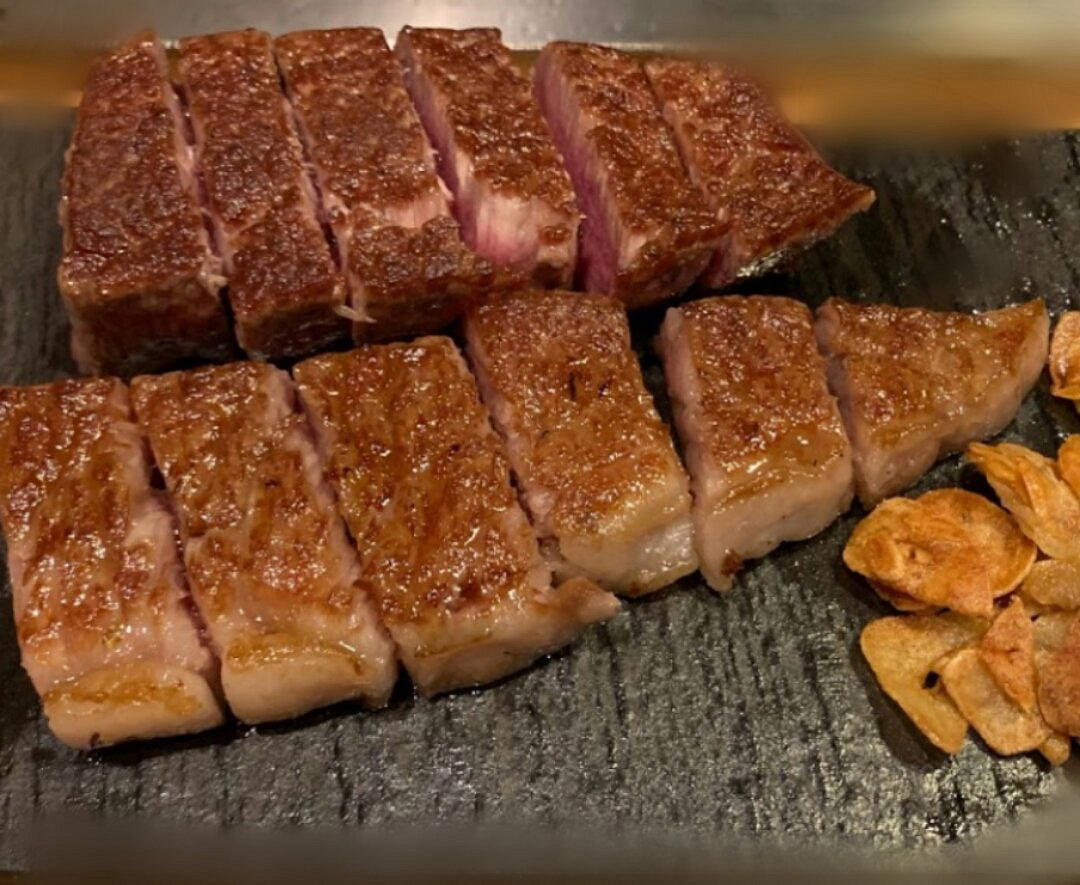
- A5 Hida Wagyu Teppanyaki
- Sukiyaki-style Wagyu
- 8-Course Premium Teppanyaki Kaiseki
The Iron Griddle in a Mountain City
Takayama operates on a different register than Japan's metropolitan dining centers. The city's geography — high in the Hida mountains of Gifu Prefecture, seasonally cut off by snow, historically reliant on its own agricultural and artisan traditions — has shaped a food culture that prizes local specificity over cosmopolitan range. The restaurants that endure here tend to do so not through ambition scaled to Tokyo or Osaka, but through a disciplined relationship with what the surrounding land and season produce. Against that backdrop, the teppan format carries particular weight.
Teppanyaki dining in Japan is often misread abroad as performance cooking, a category shaped by the theatrical tableside grills that export markets have come to expect. In its more serious domestic form, the iron griddle is a precision instrument. Heat management, ingredient sequencing, and resting time are as consequential here as they are at any multi-course kaiseki counter. The format demands that the cook work in direct sight of the guest, which creates a specific kind of accountability, there is no kitchen buffer, no plating station backstage. TEPPAN たなか, at 2238-1 Enakomachi in Takayama, sits inside this tradition.
What Teppan Ritual Actually Means
The dining ritual of a teppan counter differs structurally from other Japanese formats. At a sushi counter, the pacing is largely set by the chef's read of the guest; at a kaiseki table, it is choreographed across courses with considerable kitchen coordination. At a teppan counter, the rhythm is more continuous and more visible. Guests watch each stage of preparation unfold on the griddle surface directly in front of them, and the sequencing of proteins, vegetables, and accompaniments becomes its own form of culinary argument, what comes first, what rests, what is served immediately off the iron.
This visibility imposes a specific etiquette on both sides of the counter. Guests at serious teppan establishments in Japan tend to engage more attentively with timing than at other formats, it is considered natural, even expected, to observe the cook's process rather than to retreat into conversation. The meal becomes, in part, a shared reading of heat and ingredient. Compared to the contemplative remove of a kaiseki room or the rapid-fire pacing of a high-volume yakitori counter, teppan occupies a middle ground: intimate, sequential, and structured around the logic of the griddle itself.
Takayama's dining scene is modest in scale, the city's permanent population is small, and the serious restaurant tier is correspondingly compact. Venues like Amane Dining and the Hanaougi Bettei Iiyama Ryokan operate within the city's premium hospitality register, while establishments like 飛騨季節料理ちか貴 represent the seasonal Japanese dining tradition in its more formal expression. Alongside these, the オステリア・ラ・フォルケッタ and ニム suggest that Takayama has developed enough of a discerning visitor base to support formats that would have been unusual here a generation ago. TEPPAN たなか occupies a distinct niche within this compact set: the griddle format is not widely represented in the city's serious dining tier, which gives it a specificity that matters when the scene is this concentrated.
Locating the Venue in Takayama's Dining Geography
The address, Enakomachi, places TEPPAN たなか at the quieter residential fringe of Takayama rather than within the tourist-facing density of Sanmachi Suji, the preserved merchant district that draws the majority of day visitors. This positioning is consistent with the pattern seen at smaller Japanese cities where the restaurants most interesting to serious diners are deliberately off the main pedestrian axis. Getting there requires a specific intention; it is not a venue one stumbles into while walking between temples. That logistical fact shapes the guest composition, walk-ins from the sightseeing circuit are less likely, and the room tends toward those who have sought the address in advance.
For context on what the broader Chubu and Kansai region offers in terms of benchmark dining, the gap between Takayama's scale and that of major urban centers is worth acknowledging. HAJIME in Osaka, Harutaka in Tokyo, and Gion Sasaki in Kyoto operate within competitive peer sets shaped by Michelin recognition and decades of international attention. Takayama's leading dining tier is not competing in that register, but it is not trying to. Venues here are measured against the city's own strengths: seasonal Hida ingredients, proximity to Shirakawa-go's agricultural traditions, and a tourist calendar that concentrates around spring cherry blossom and autumn foliage. Akordu in Nara and Goh in Fukuoka illustrate how smaller Japanese cities have cultivated internationally oriented fine dining; Takayama's trajectory is different, rooted more in domestic seasonal traditions than in global fine dining codes.
Wider regional comparisons are useful for calibrating expectations. 一本木かわ乃 in Nanao and 奥仙山乃 in Sapporo each operate in cities where local ingredient specificity drives the menu logic, a parallel that applies here. 湖鱗庵 in Takashima and 庄羽屋 in Nishikawa Machi further illustrate how smaller mountain and lakeside destinations in central Japan are building dining identities around local produce rather than imported culinary frameworks. For reference points beyond Japan, Birdland in Sakai demonstrates how a single-format Japanese counter can achieve long-term critical traction through precision and consistency, a model relevant to the teppan format at its finest. Le Bernardin in New York City and Atomix in New York City represent international benchmarks for format discipline and counter-dining ritual at the highest level, a reminder that the grammar of counter dining, whether in Manhattan or the Hida highlands, rewards similar things: sequencing, restraint, and the cook's direct accountability to the guest.
Planning a Visit
Takayama is most comfortably reached by the JR Hida limited express from Nagoya (approximately 2.5 hours) or from Osaka via a transfer. The city's serious restaurants are concentrated enough that a two-night stay allows for a considered meal at more than one venue without feeling rushed. For those building a wider Gifu or Chubu itinerary, Takayama pairs naturally with Shirakawa-go to the north and Gero Onsen to the south. The full Takayama restaurants guide covers the city's dining tier with greater breadth, and cross-referencing it against the teppan format here is a useful step before committing to a booking sequence. Given the limited dining infrastructure in the city, reservations at any serious venue should be confirmed well in advance of arrival, the margin for same-day adjustment is narrow in a market this small.
Frequently asked questions
Where is TEPPAN たなか in Takayama?
TEPPAN たなか is located at 2238-1 Enakomachi, Takayama, Gifu 506-0818, Japan, Takayama.
Is TEPPAN たなか a good choice for visitors arriving by train from Nagoya or Osaka?
Takayama is served by the JR Hida limited express from Nagoya, a journey of roughly 2.5 hours, making it a realistic day-trip or short-stay destination from either city. The Enakomachi address puts TEPPAN たなか on the quieter residential edge of Takayama rather than within walking distance of the station's immediate tourist cluster, so factor in local transit or a short walk. Arriving earlier in the day allows time to orient before an evening counter seating.
What's the must-try dish at TEPPAN たなか?
The teppan counter format centres on iron-griddle cooking, which in Gifu Prefecture's Hida region most naturally aligns with locally sourced beef and mountain vegetables. The counter setting means the cook sequence is visible throughout, so the griddle work itself — timing, temperature, resting — is as much the draw as any single item. Without confirmed menu documentation, ordering around the local protein is the structurally sound approach at any Hida-area teppan house.
How hard is it to get a table at TEPPAN たなか?
Takayama has a compact dining scene relative to the volume of visitors it receives, particularly during spring cherry blossom and autumn foliage periods, which compresses availability at smaller counter venues significantly. TEPPAN たなか is located in Enakomachi, away from the main tourist corridor, which suggests a more local customer base — and local regulars at teppan counters tend to book consistently. Contacting the venue directly well ahead of your travel dates is the practical approach, especially for weekend seatings.
Cuisine Context
| Venue | Cuisine | Price | Awards |
|---|---|---|---|
| TEPPAN たなかThis venue — the venue you are viewing | Premium Teppanyaki Kaiseki with A5 Hida Wagyu | $300–500 | Not listed |
| Amane Dining | Japanese-French Fusion | $50–100 | Not listed |
| é£é¨¨å£ç¯æç è´ | Hida Beef Kaiseki | $100–150 | Not listed |
| オステリア・ラ・フォルケッタ | Seasonal Italian Trattoria | $30–50 | Not listed |
| ニム | Modern French with Hida Ingredients | $100–150 | Tabelog 100 #46 |
| フランス食堂Nature | Casual French Bistro with Hida Ingredients | $30–50 | Not listed |
Continue exploring
More in Takayama
Restaurants in Takayama
Browse all →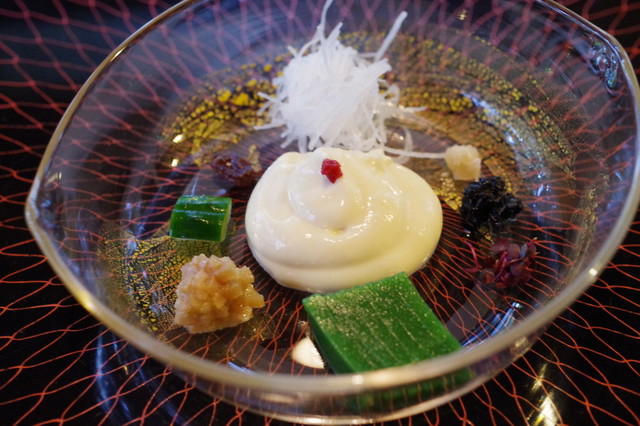
Details
- Elegant
- Intimate
- Sophisticated
- Date Night
- Special Occasion
- Celebration
- Chefs Counter
- Open Kitchen
- Private Dining
- Sake Program
- Local Sourcing
- Tasting Menu
- Counter Dining
- Set Menu
- Sake
- Wine
- Shochu
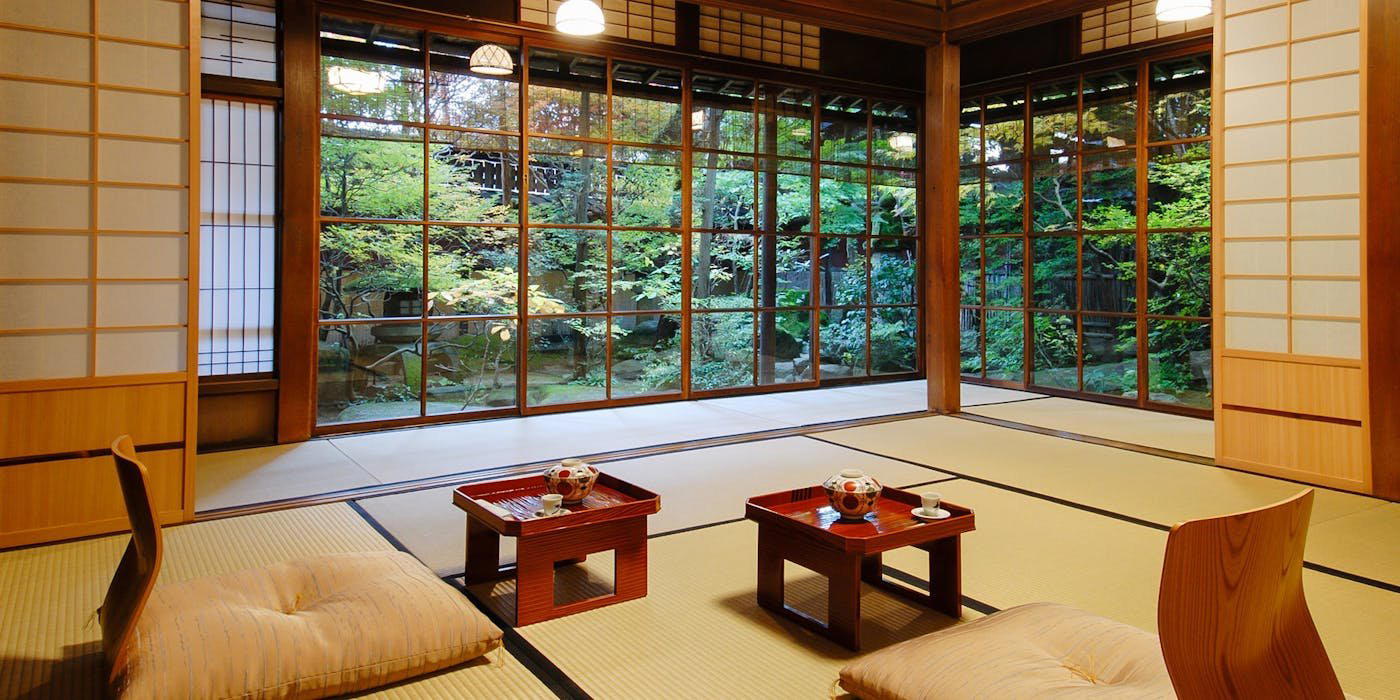
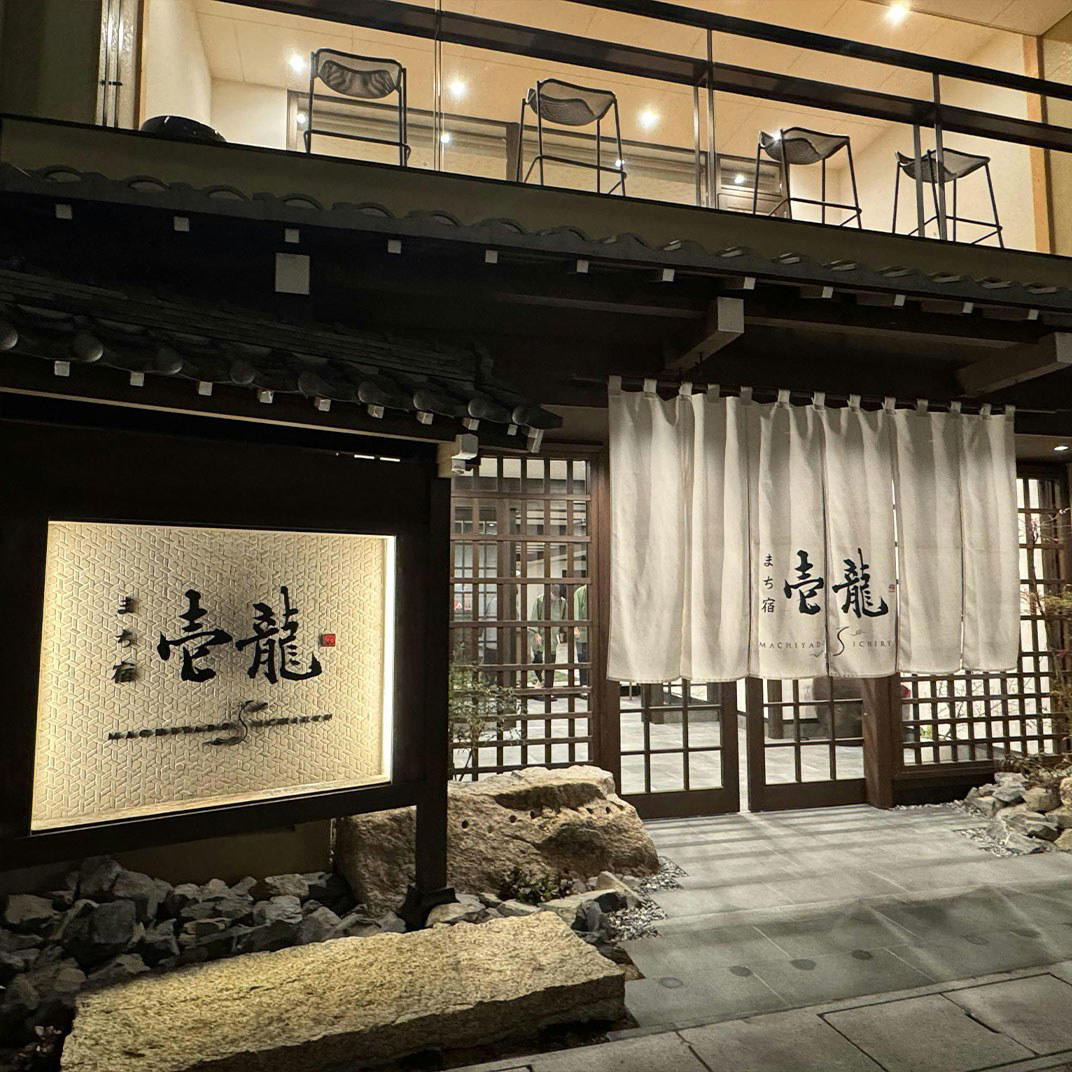
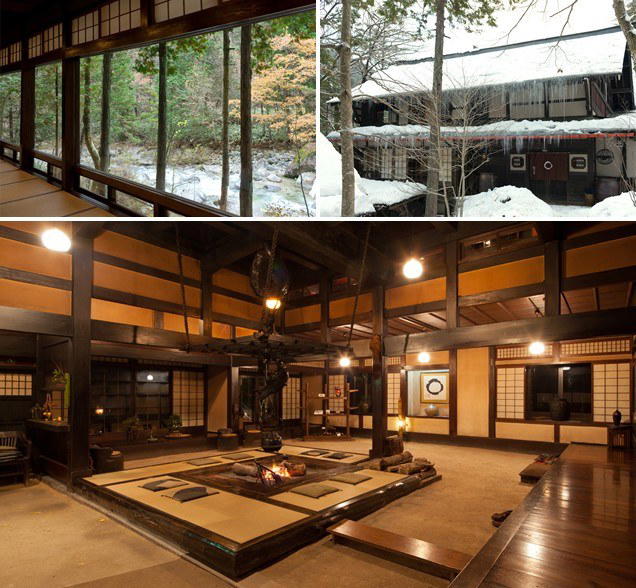
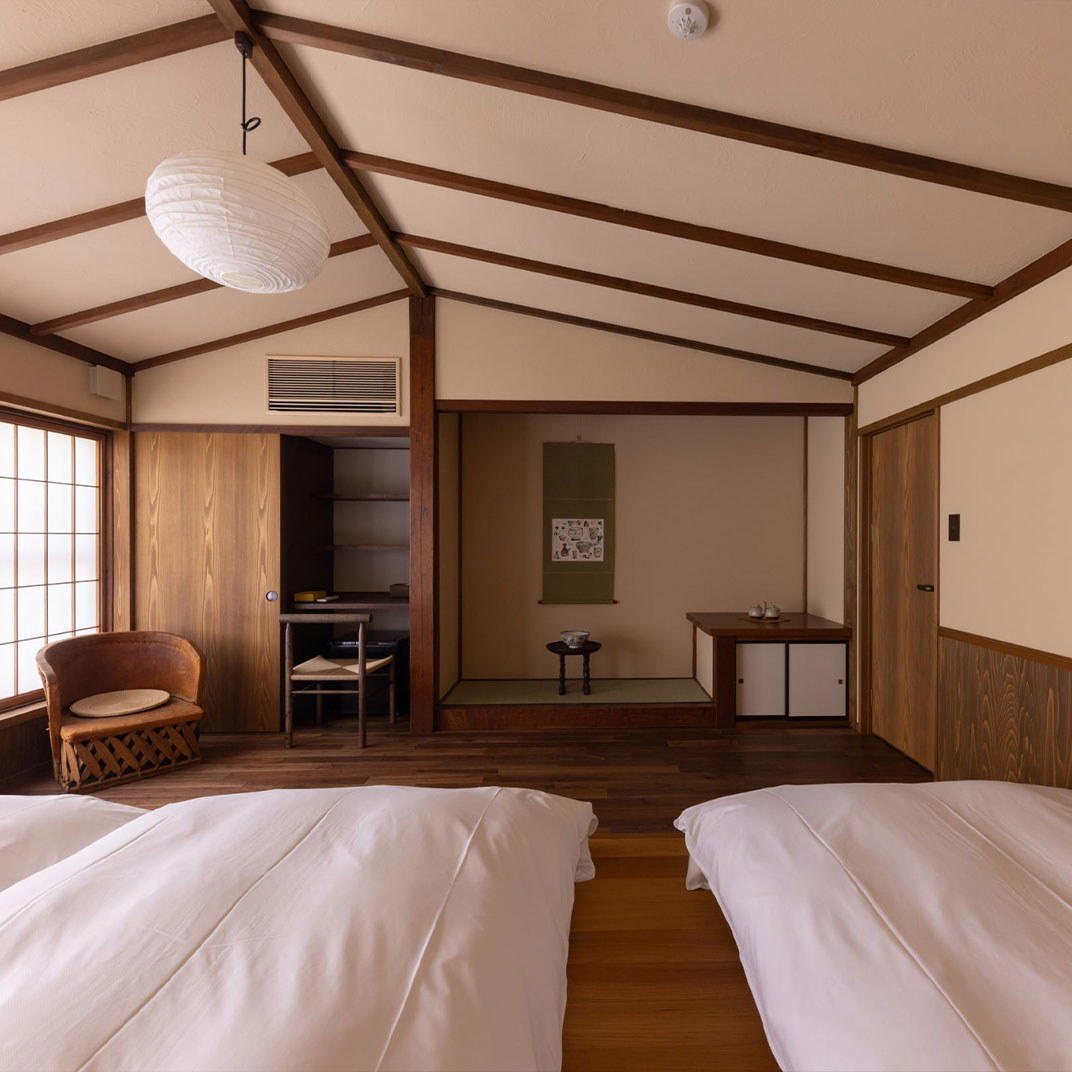
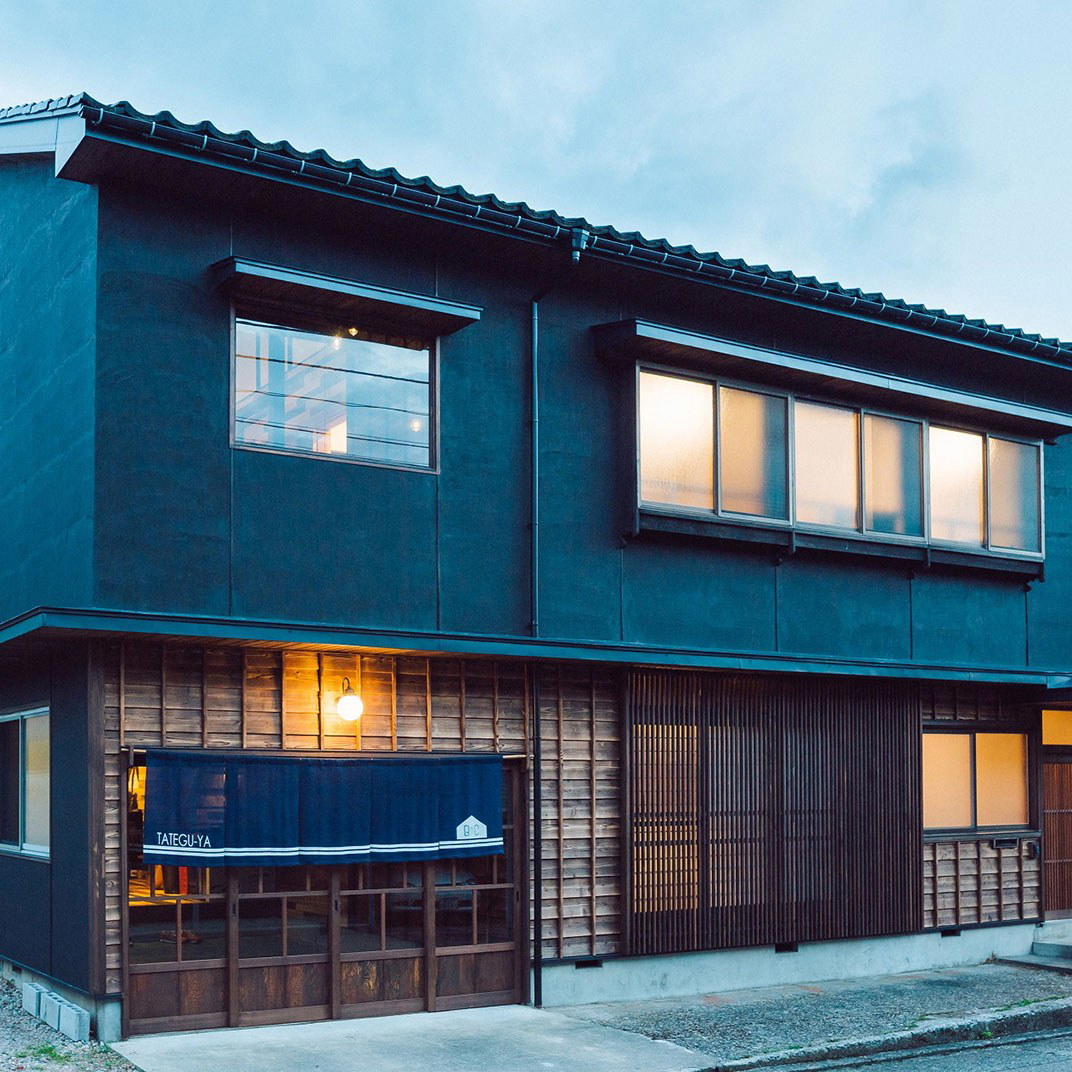
Stylish and relaxing space with refined aesthetics, counter seating overlooking the teppan griddle, creating an intimate and sophisticated dining atmosphere.