Our verdict
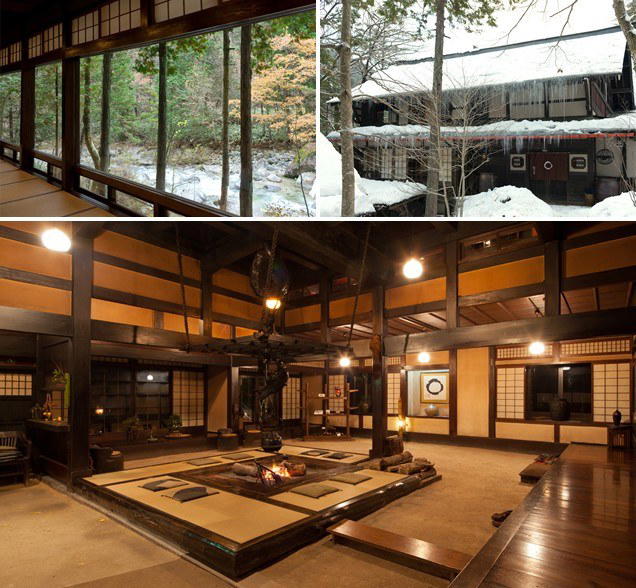
Amane Dining pairs Japanese-French Fusion with a sake program in a historic building. Quiet, leisurely dinner service suits a paced evening in Takayama.

Pearl is the En Primeur Club membership app — saves, bookings, and concierge access live there. Same editors, same standards.
- Address
- Japan, 〒506-0007 Gifu, Takayama, Sowamachi, 2 Chome−14
- Phone
- +81577363766
- Hours
- Mon–Sat 5:30–11 PMSun Closed
- Directions
- Get directions
The menu
What to order
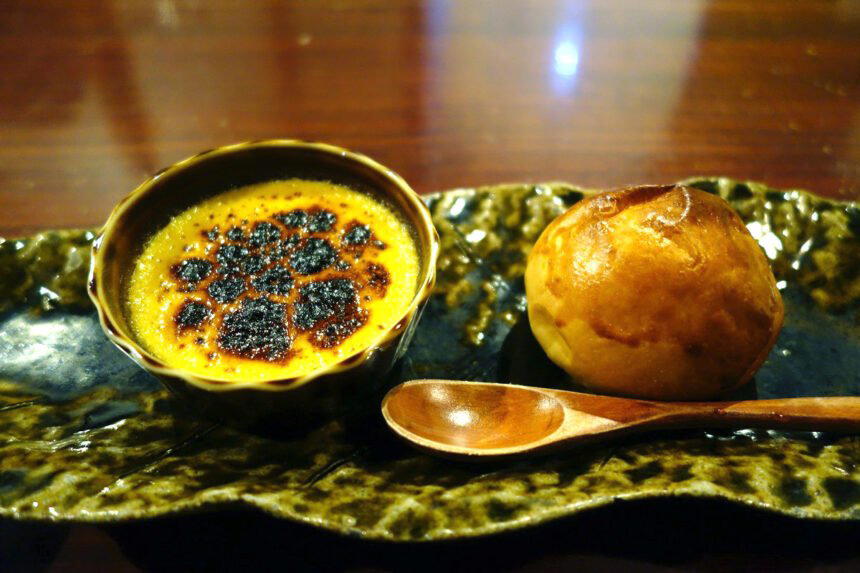
- Amane Egg
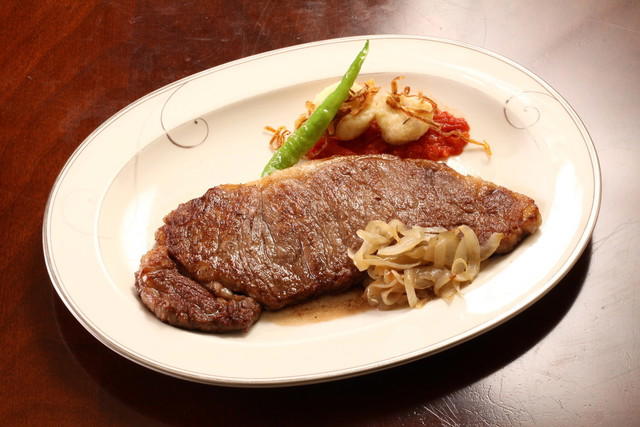
- Hidagyu Steak
Where Hida's Fields and Forests Arrive at the Table
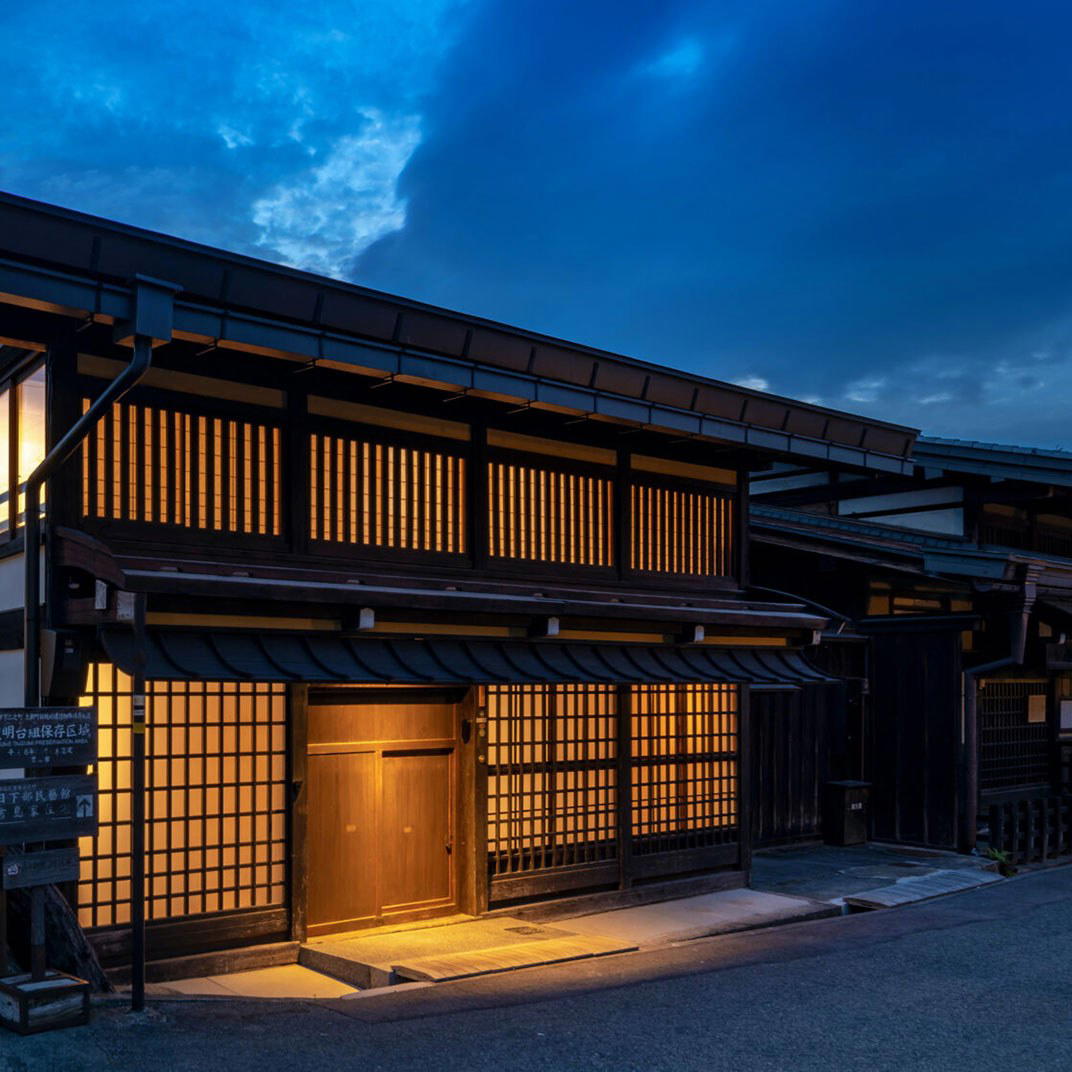
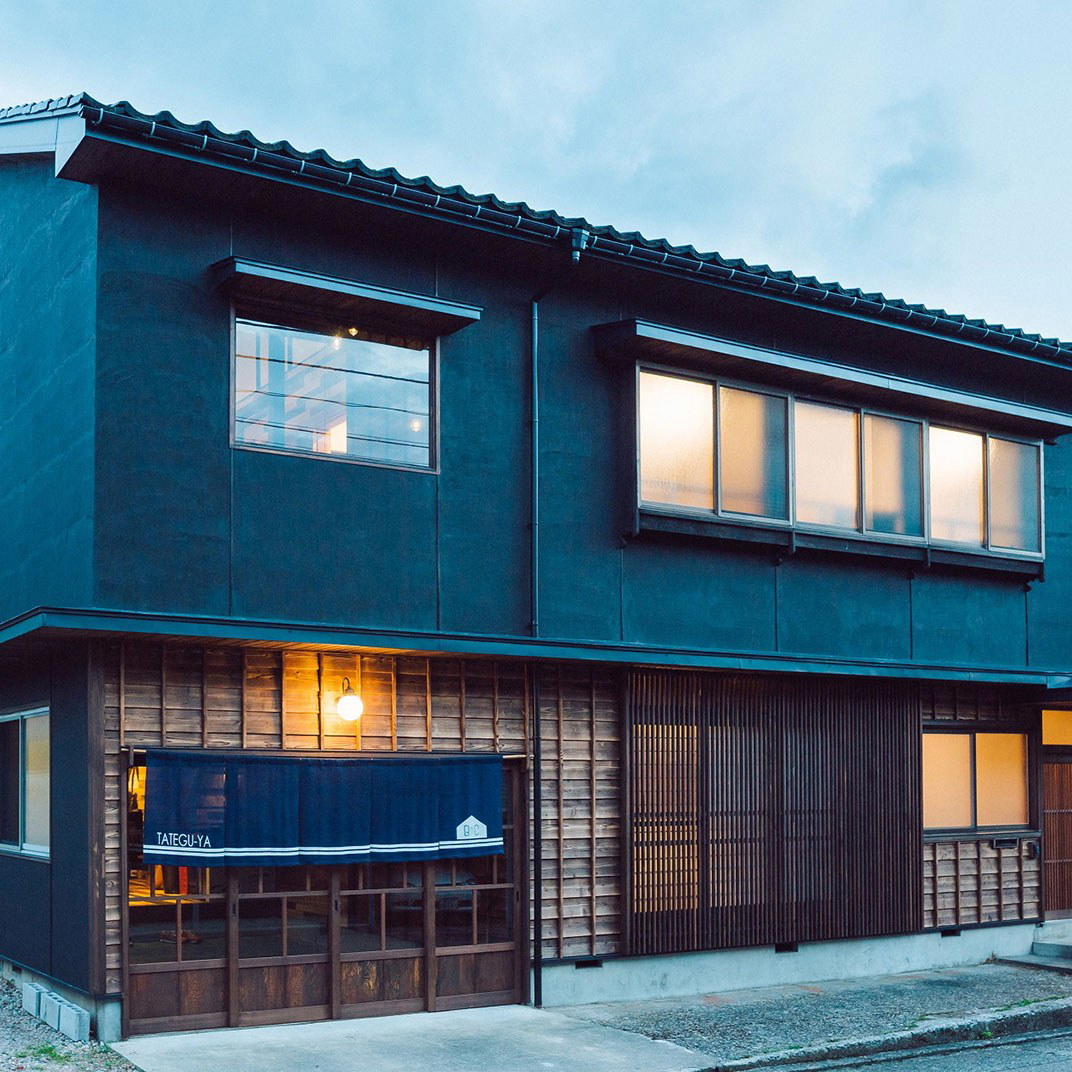
Takayama sits at roughly 570 metres above sea level in the Hida region of Gifu Prefecture, ringed by the Northern Japan Alps on three sides. The mountain geography that isolates the city also concentrates its agricultural identity: Hida beef, foraged mountain vegetables, river fish, and wild mushrooms drawn from the surrounding slopes define a regional pantry that urban Japan has historically underestimated. Amane Dining, located in the Sowamachi district on the southern edge of the old town, occupies that tradition directly. Approaching along narrow streets lined with dark timber facades and paper lanterns, the transition from Takayama's preserved Edo-period streetscape into a dining room is less a gear-change than a continuation of the same environment.
The Regional Ingredient Argument
The broader case for ingredient-led dining in regional Japan has grown considerably over the past decade, driven partly by the post-2010 expansion of the Michelin Guide into provincial cities and partly by a domestic shift toward satoyama cuisine — food that draws on the boundary zone between mountain forest and cultivated land. Takayama sits precisely in that zone. The Miyagawa morning market, running daily along the riverbank, has supplied local restaurants and households for centuries, and the seasonal rhythm it imposes on menus is genuine rather than performative. Venues like Amane Dining operate within this supply chain, where the distance between producer and plate is measured in kilometres rather than logistics chains.
The Hida region's most exported ingredient is its beef. Hida beef, produced from Japanese Black cattle raised in the mountains of Gifu, carries a reputation comparable to Matsusaka and Omi in marbling density and regional specificity. What distinguishes it from the international shorthand of "wagyu" is precisely its locality: the feed, the altitude, and the cold mountain climate contribute characteristics that do not transfer elsewhere. For dining rooms drawing on this supply directly, provenance is not a marketing position — it is the condition of the cuisine.
Mountain vegetables, sansai, are the other structural pillar of Hida cooking. Fiddlehead ferns, kogomi, and warabi appear from late March through May; mushrooms, including matsutake in good years, arrive in autumn. The seasonality is strict and non-negotiable, and menus in this tradition shift with it. Diners arriving in summer encounter a different table from those who come in November, and that variation is the point. For travellers calibrating when to visit Takayama, the ingredient calendar is as relevant as the weather calendar. Spring and autumn represent the widest range of foraged product; winter menus lean into preserved and root-cellar traditions that are themselves worth experiencing.
Sowamachi and the Dining Tier It Represents
Takayama's restaurant scene divides roughly into three registers. The first is the tourist-facing soba and mitarashi dango economy of the Sanmachi Suji historic district, built for day-trippers arriving by limited express from Nagoya. The second is the mid-range kaiseki and izakaya tier, where restaurants like 飛騨季節料理 天ぷら貞 and TEPPAN たなか serve local ingredients in formats accessible to a broad visitor range. The third, smaller tier is composed of dining rooms that position themselves against the regional fine-dining conversation rather than against local competition alone, places where a multi-course format, sourcing discipline, and a specific culinary point of view align with what venues like Hanaougi Bettei Iiyama Ryokan offer through their in-house dining experiences.
Amane Dining operates in that third register. The Sowamachi address is deliberate in this context: removed from the peak tourist concentration around Sanmachi but still within the old town grid, it draws guests who have moved past the obligatory sightseeing stops and are looking for a meal that uses the region rather than merely referencing it. Other Takayama venues worth noting in this tier include ニム and オステリア・ラ・フォルケッタ, the latter applying an Italian framework to Hida ingredients, a cross-referencing that has become increasingly common in provincial Japanese fine dining.
The Wider Japanese Regional Fine-Dining Frame
To understand where Amane Dining sits nationally, it helps to place Takayama within Japan's regional dining map. The country's most recognition-dense provincial dining scenes are concentrated in Kyoto, Osaka, Fukuoka, and increasingly Nara, cities where venues like Gion Sasaki in Kyoto, HAJIME in Osaka, Goh in Fukuoka, and akordu in Nara have drawn international attention. Further afield, dining rooms in places like Akita, Oita, Imabari, and Yubari District are building cases based on hyper-local sourcing rather than the prestige proximity of a major city. Takayama belongs to this second group, a city where the ingredient story is strong enough to carry serious dining without metropolitan infrastructure behind it.
The comparison also extends internationally. The model of a destination restaurant in a geographically isolated setting, where the sourcing logic is the primary draw, is well-established: Abon in Ashiya uses proximity to Kobe producers similarly, while venues further afield like Lazy Bear in San Francisco and Le Bernardin in New York City demonstrate that the discipline of sourcing, whether Northern California seasonal or North Atlantic sustainable, can anchor an entire culinary identity regardless of geography. In Takayama's case, the isolation is the asset: ingredients from this mountain basin don't travel well, which means eating them here is the condition of eating them at their leading.
For context on the full range of dining available in the city, the EP Club Takayama restaurants guide maps options across price registers and format types. Within Tokyo, Harutaka represents what the upper end of Japanese tasting-format dining looks like in a capital context, a useful comparison for calibrating expectations when considering Takayama's own fine-dining tier.
Planning a Visit
Takayama is accessible by limited express from Nagoya (roughly 2.5 hours) or by highway bus from Matsumoto and Tokyo, and overnight options make it viable as a standalone destination rather than a day trip. Given the small scale of Takayama's upper dining tier and the limited covers available at venues in this register, reservations made several weeks in advance are advisable, particularly for autumn visits when the combination of foliage season and mushroom-forward menus draws peak demand. Spring, from late March through May, is the window for sansai menus and is similarly pressured. For the most direct reservation approach, contacting the venue through its address in the Sowamachi district, or via a hotel concierge familiar with Hida dining, is the established route when online booking infrastructure is not available.
Frequently asked questions
Is Amane Dining okay with children?
Amane Dining sits within Sowamachi, Takayama's upper register of dining, where the format is likely to be counter or small-room service oriented toward adult guests seeking a focused regional meal. Families with young children should check the venue's official channels before booking, as this tier of Takayama dining generally suits older children comfortable with a considered, slower-paced format. No explicit children's policy is publicly documented for Amane Dining.
What is the atmosphere like at Amane Dining?
Sowamachi, where Amane Dining is addressed, sits apart from Takayama's high-traffic Sanmachi Suji tourist corridor and draws a quieter, more intentional dining crowd. The register here favors restraint over spectacle, in keeping with Takayama's broader aesthetic of craftsmanship and material quality over ornament. Expect a composed, unhurried room rather than a convivial or social one.
Does Amane Dining reflect the regional ingredient traditions of Hida, and how does that compare to other Gifu Prefecture restaurants?
Takayama and the wider Hida region have built a distinct culinary identity around altitude-specific produce: Hida beef raised in the mountain valleys, sansai wild greens, river fish, and fermented traditions that predate the current regional-dining movement by generations. Amane Dining, addressed in Sowamachi at the higher end of Takayama's restaurant tiers, operates within that tradition rather than against it. Comparable ingredient-led regional tables in Gifu Prefecture are relatively sparse outside Takayama itself, which gives the city's better kitchens an outsized role in defining what Hida cooking means at a national level.
What's the signature dish at Amane Dining?
No specific dish has been documented publicly for Amane Dining, so naming one would be speculative. What is well established is that the Hida region supplies some of Japan's most closely identified ingredients: Hida beef, mountain vegetables foraged from the Northern Alps foothills, and Gifu's freshwater fish. Any kitchen in this Sowamachi tier is likely to orient its menu around that regional larder.
Where is Amane Dining located?
Amane Dining is located at Japan, 〒506-0007 Gifu, Takayama, Sowamachi, 2 Chome−14, Takayama.
How far ahead should I plan for Amane Dining?
Takayama's dining scene at the Sowamachi level operates on limited covers, and the town's peak travel windows, cherry blossom in April and autumn foliage in October and November, compress reservation availability sharply. Booking four to eight weeks ahead is a reasonable baseline outside those peaks; during them, further lead time is advisable.
In Context: Similar Options
| Venue | Cuisine | Price | Awards |
|---|---|---|---|
| Amane DiningThis venue — the venue you are viewing | Japanese-French Fusion | $50–100 | Not listed |
| オステリア・ラ・フォルケッタ | Seasonal Italian Trattoria | $30–50 | Not listed |
| ニム | Modern French with Hida Ingredients | $100–150 | Tabelog 100 #46 |
| フランス食堂Nature | Casual French Bistro with Hida Ingredients | $30–50 | Not listed |
| 旬亭 なか川 | French-Japanese Teppanyaki with Hida Beef | $100–150 | Tabelog 100 #24 |
| 洲さき | Traditional Sōwa-ryū Honzen Ryori | $100–150 | Tabelog 100 #10 |
Continue exploring
More in Takayama
Restaurants in Takayama
Browse all →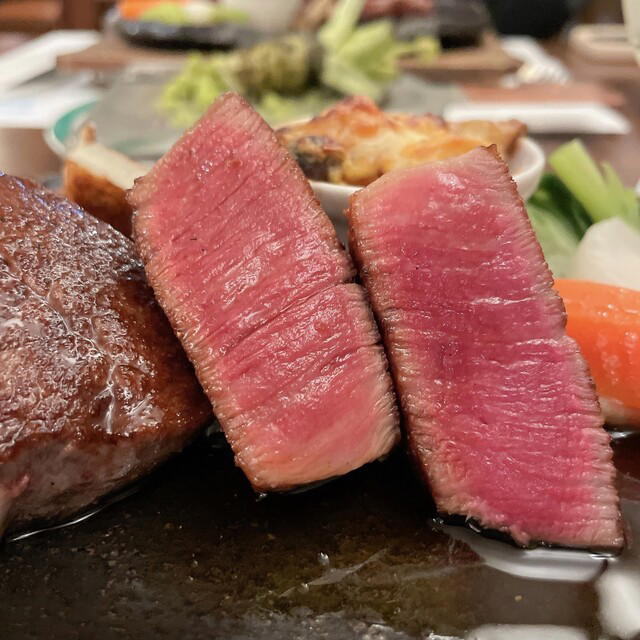
Details
- Intimate
- Elegant
- Rustic
- Date Night
- Special Occasion
- Historic Building
- Sake Program
- A La Carte
- Sake Program
Current opening hours
- Monday
- 5:30–11 PM
- Tuesday
- 5:30–11 PM
- Wednesday
- 5:30–11 PM
- Thursday
- 5:30–11 PM
- Friday
- 5:30–11 PM
- Saturday
- 5:30–11 PM
- Sunday
- Closed
Hours can change for holidays and private events. Last verified .
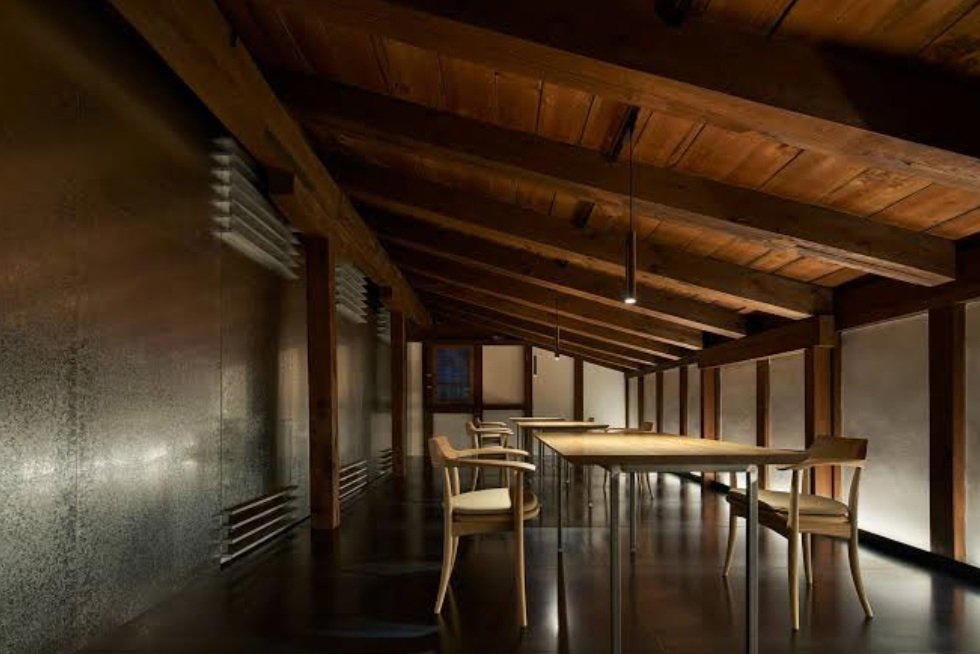
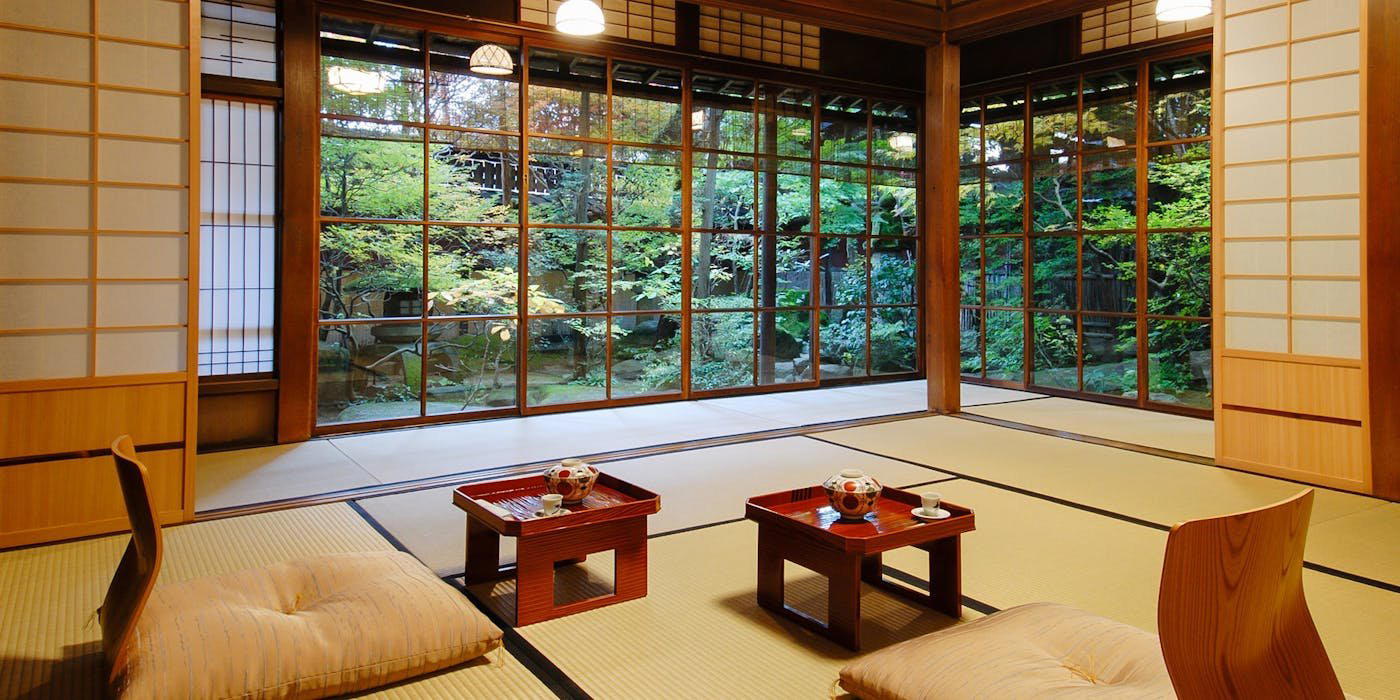
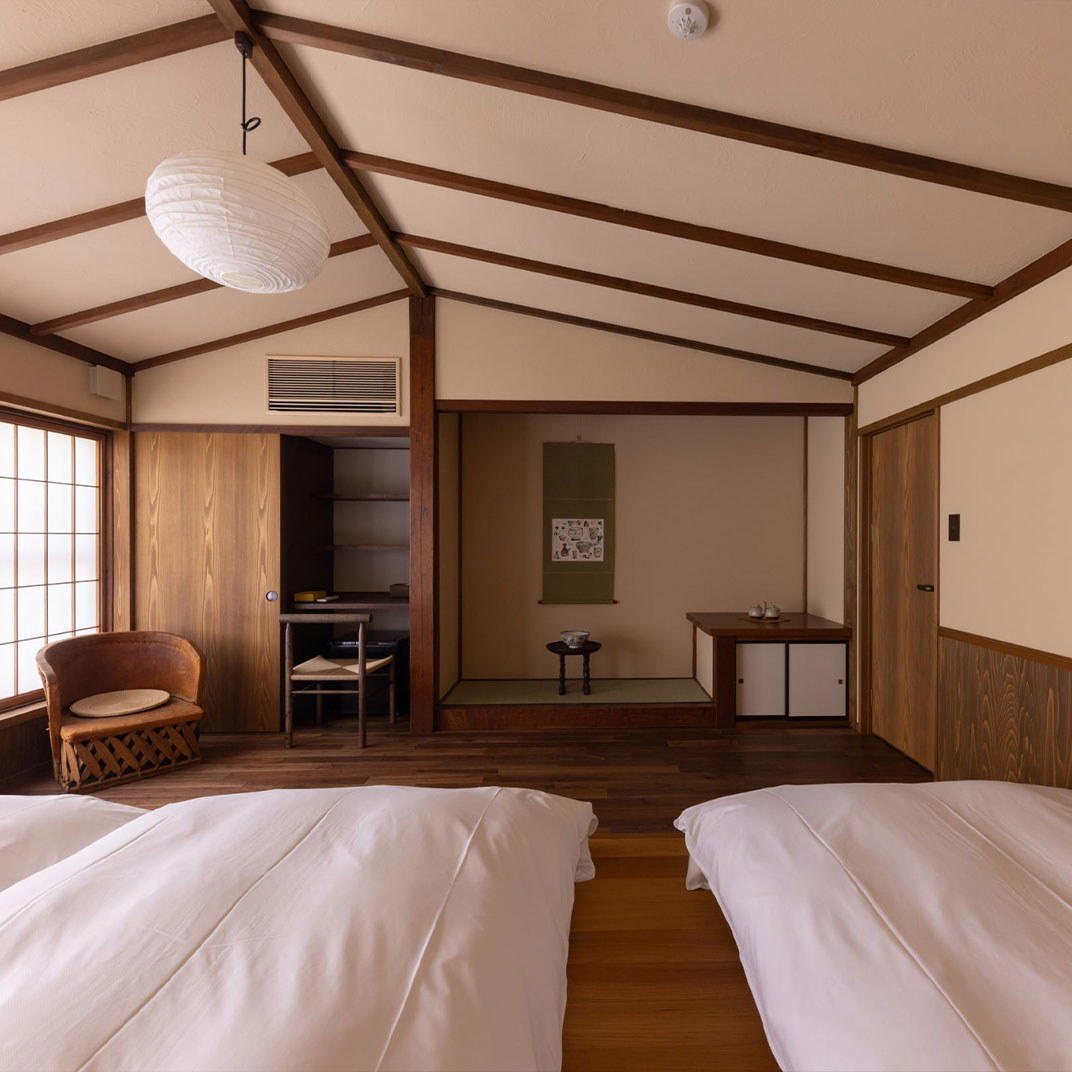
Warm and intimate atmosphere in a traditional Japanese house.