Our verdict
A French bistro operating in the heart of old Takayama, フランス食堂Nature brings classical European technique into a city better known for its Edo-period merchant houses and Hida beef. The address on Hachikenmachi places it within the historic preservation district, where French cooking occupies an unexpected but increasingly familiar niche in Japan's rural fine-dining circuit.

Pearl is the En Primeur Club membership app — saves, bookings, and concierge access live there. Same editors, same standards.
- Address
- 2 Chome-62 Hachikenmachi, Takayama, Gifu 506-0012, Japan
- Phone
- +81577701331
- Hours
- Mon–Wed 6–10 PMThu ClosedFri–Sun 6–10 PM
- Website
- tablecheck.com
- Directions
- Get directions
- Booking
- Book on TableCheck
The menu
What to order
- Hida vegetables
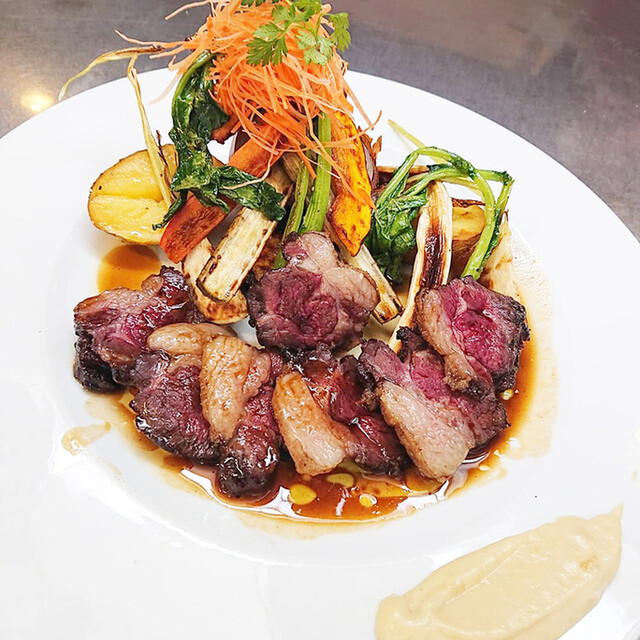
- Game meat dishes
- Foraged wild vegetables and mushrooms
French Cooking in an Edo-Period Town
Takayama's historic core was built for commerce in lacquerware, sake, and preserved foods, not for Burgundy-trained chefs and house-made terrines. Yet the pattern of European cuisine finding serious footing in Japan's preserved rural towns is well established. Kyoto proved it first; smaller cities like Nara followed, as seen in the acclaim around akordu in Nara, where Spanish-inflected tasting menus operate far from any metropolitan dining cluster. Takayama is a later chapter in the same story. The town draws roughly 2.4 million visitors annually.
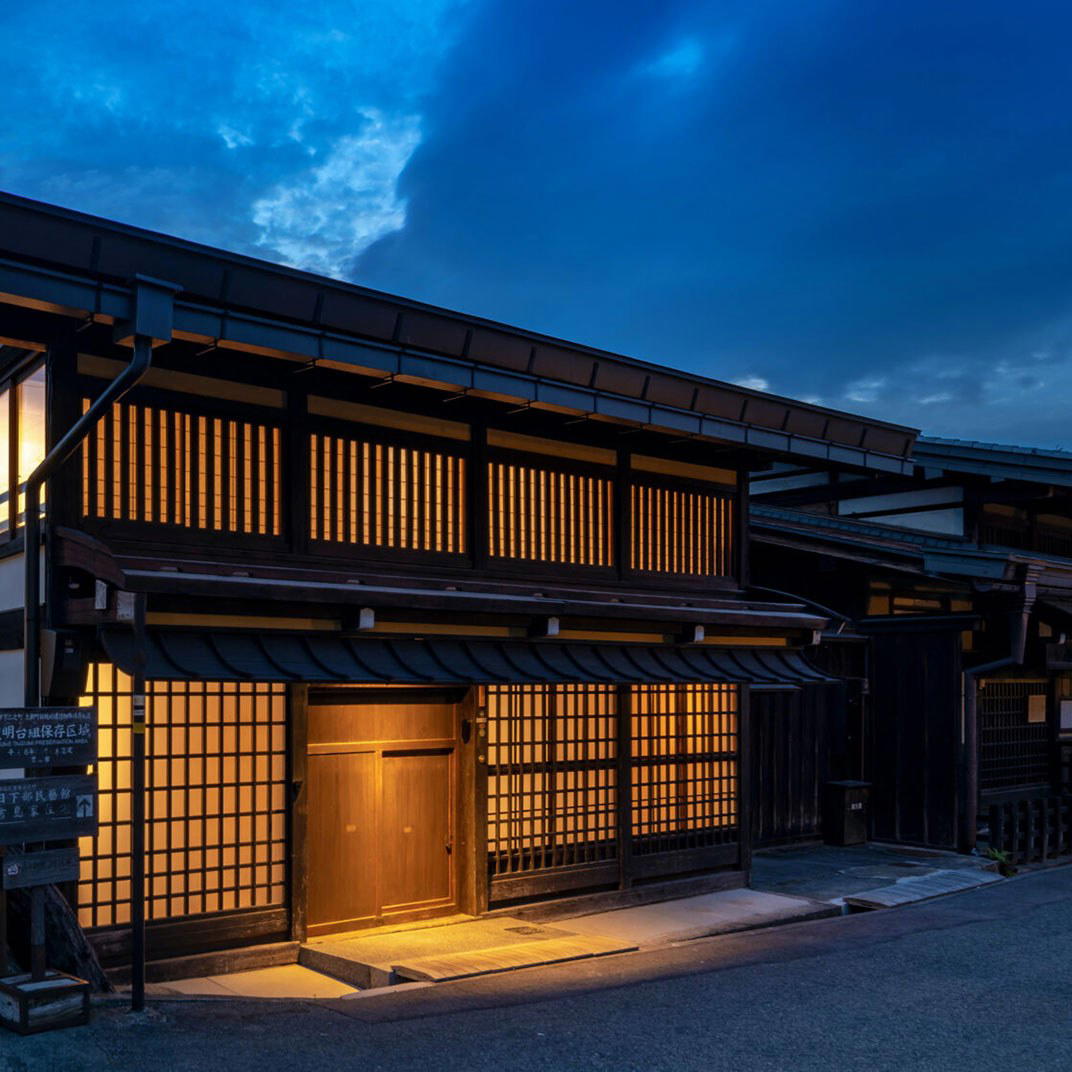
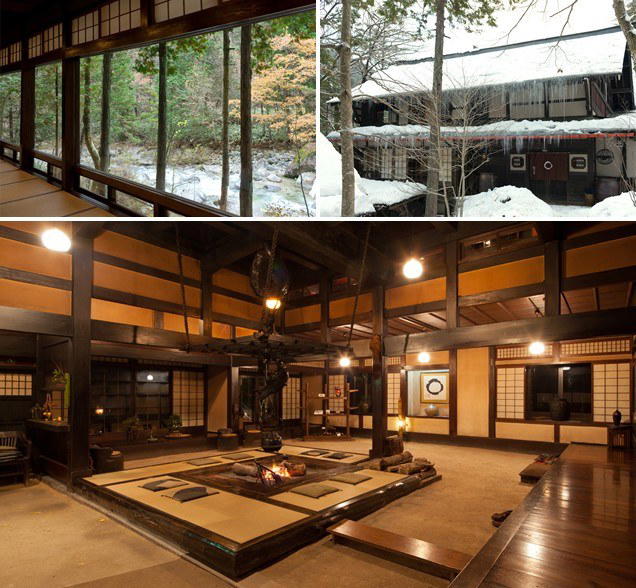
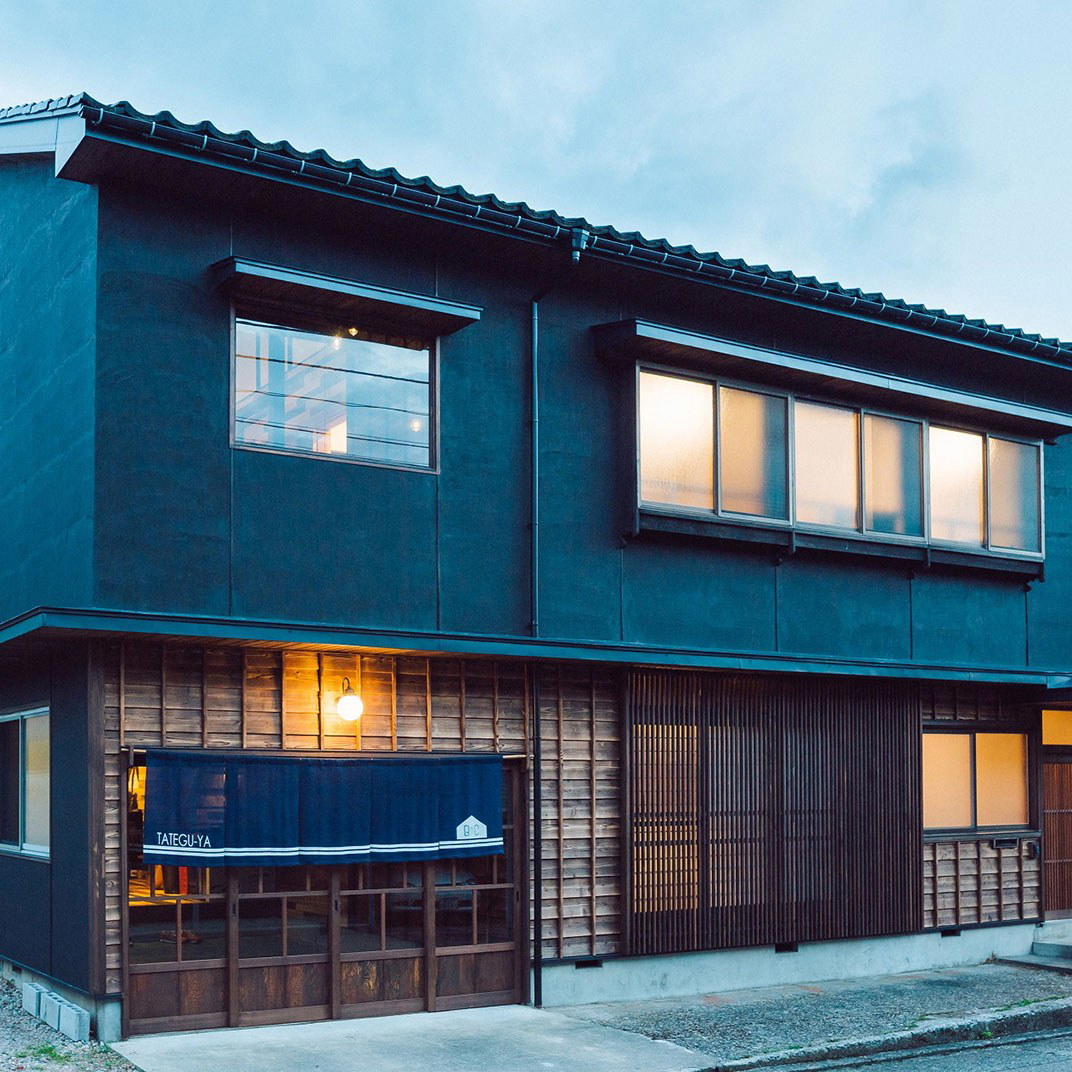
フランス食堂Nature sits on Hachikenmachi, a street that runs through the Sanmachi Suji preservation zone, where dark-timbered merchant houses and sake breweries from the Edo period have been maintained largely intact. The physical environment before you even open a door is one of the more quietly arresting approaches to a French restaurant in Japan: latticed wooden facades, the low sound of water in drainage channels, and the particular stillness that comes from a district regulated against modern signage. French restaurants in Tokyo or Osaka compete visually with their surroundings; here, the contrast between the cuisine inside and the streetscape outside is itself part of the experience.
Where This Fits in Takayama's Dining Picture
Takayama's restaurant scene divides broadly into three tiers. The first is kaiseki and traditional Japanese cooking, anchored by established names and ryokan dining rooms like Hanaougi Bettei Iiyama. The second is teppanyaki and regional meat-focused cooking, with Hida beef as the prestige ingredient, represented by venues like TEPPAN たなか. The third, and smallest, tier is Western-influenced cooking, where French bistro formats occupy a niche that serves both the international tourist population and a domestic traveller base increasingly comfortable with European cuisine outside of major cities.
フランス食堂Nature falls into that third category. The name itself signals the register: shokudo, the Japanese word in the title, connotes an unpretentious dining room, a step down from formal restaurant in the hierarchy of Japanese eating establishments. The pairing of shokudo with a French address is a deliberate positioning that places this closer to a neighbourhood bistro than a tasting-menu destination. For comparison, Amane Dining occupies a different bracket in the same city, and the range between venues like that and Nature illustrates how Takayama's Western dining options have developed across price points and formality levels. Italian formats follow a similar logic nearby at オステリア・ラ・フォルケッタ, suggesting that European cuisine in Takayama has moved past novelty and into something closer to a functioning category.
The Sensory Case for French in Rural Japan
The argument for French cooking in a town like Takayama is partly seasonal and partly about ingredient logic. The Hida region produces some of Japan's most carefully raised beef, alongside mountain vegetables, river fish, and dairy products that align naturally with the produce-driven side of French bistro cooking. Autumn, when Hida's forests produce matsutake and the mountain air drops sharply, is the season when this alignment is at its most coherent: the same cold-weather produce that drives French regional cooking in October also defines Hida cuisine. Spring brings mountain vegetables, sansai, that map equally well onto French preparations as onto Japanese ones.
This is the broader pattern across Japan's rural French restaurants. At HAJIME in Osaka and Gion Sasaki in Kyoto, French and French-influenced cooking have absorbed Japanese seasonality as a structural principle rather than a garnish. The smaller operations in secondary cities do the same at a lower formality level, where the result is less architectural and more directly edible: dishes that taste of the place they are cooked in, expressed through a European technique that most of the dining room understands without a lengthy introduction.
For visitors already making the most of Takayama's seasonal calendar, a French bistro dinner sits differently from an evening at 飛騨季節料理 酒肴處, which operates squarely within the Japanese tradition. Nature offers a different point of access to the same regional produce, which is reason enough to consider it if you are spending more than one night in town.
Reading the Room
French bistro dining in Japan's preserved historic districts has a particular atmosphere that does not translate easily from metropolitan equivalents. The rooms tend to be small, the lighting warm, the pace unhurried in a way that reflects both French service norms and the general character of provincial Japanese hospitality. Noise levels stay low. The crowd, at least at dinner, skews toward couples and small groups rather than the large tour groups that move through Sanmachi Suji during daylight hours. The gap between Takayama by day, when the lanes are dense with visitors, and Takayama by evening, when the same streets empty and the old timber buildings take on a different weight, is one of the more significant shifts in atmosphere of any city in Japan. A French dinner fits the evening version of the town far more than it would fit the daytime one.
That shift is worth planning around. The leading approach is to walk the main preservation district in the late afternoon as the crowds thin, reach the restaurant having already absorbed the streetscape, and let the continuity between the exterior environment and the interior one do some of the work. French cooking that arrives after an hour in those streets lands with more context than it would after stepping from a taxi.
Planning Your Visit
フランス食堂Nature is located at 2 Chome-62 Hachikenmachi, Takayama, Gifu, within the Sanmachi preservation zone and within walking distance of Takayama Station. Takayama is served by limited express trains from Nagoya on the Hida Line, a journey of roughly two and a half hours. The town is also reachable from Matsumoto to the east, making it a practical stop on a broader Chubu itinerary that might include Kanazawa, accessible in under two hours by highway bus.
The broader Takayama dining scene, including the full range from ryokan kaiseki to Western-influenced independent restaurants, is covered in our full Takayama restaurants guide. For context on how French and European cooking operates in Japan's more formal register, the programmes at Harutaka in Tokyo and Goh in Fukuoka provide useful points of reference, as do European-influenced formats at places like Birdland in Sakai and international benchmarks such as Le Bernardin in New York City and Atomix in New York City for what this cuisine looks like at its most technically demanding.
Frequently asked questions
What's the address for フランス食堂Nature?
フランス食堂Nature is located at 2 Chome-62 Hachikenmachi, Takayama, Gifu 506-0012, Japan, Takayama.
Is フランス食堂Nature a good option for solo travellers visiting Takayama?
French bistro and shokudo formats both tend toward counter or small-table configurations that accommodate solo diners without the awkwardness of large kaiseki rooms designed for groups. Located at 2 Chome-62 Hachikenmachi in Takayama's Sanmachi preservation zone, the restaurant sits within walking distance of the city's main historic sights, making it a practical single-person lunch stop between neighbourhood visits. Confirming seat availability for solo bookings directly with the venue is advisable during Takayama's busy spring and autumn seasons.
What should I order at フランス食堂Nature?
What the shokudo format does signal is a bistro register rather than a tasting-menu structure: expect French staples rendered with regional Hida ingredients, the kind of cooking built around weekly market availability in Takayama's Sanmachi district. Confirm the current menu directly with the venue before visiting.
How far ahead should I plan for フランス食堂Nature?
Takayama draws significant visitor numbers during the spring cherry blossom window (late March to April) and the autumn foliage period (October to November), when accommodation and dining across Hachikenmachi fills weeks in advance. A small French bistro in a preservation district operates on limited covers by definition, so same-day walk-ins during peak season carry real risk. Booking several weeks ahead is a reasonable baseline outside those peaks; during them, treat a month's notice as the minimum.
What's フランス食堂Nature best at?
The shokudo designation in the name positions this as deliberately accessible French cooking, not formal or ceremony-heavy dining. In a city like Takayama, where the dominant restaurant mode is kaiseki or traditional Japanese formats, a French bistro anchored in Hida-region ingredients occupies a distinct gap. The likely strength is everyday French technique applied to local produce, the kind of cooking that holds up as a lunch or relaxed dinner rather than a special-occasion production.
City Peers
Comparable venues nearby, for context on price, style, and recognition.
| Venue | Cuisine | Price | Awards | Notes |
|---|---|---|---|---|
| フランス食堂NatureThis venue — the venue you are viewing | Casual French Bistro with Hida Ingredients | $30–50 | Not listed | Not listed |
| Restaurant LE MiDi | Hida beef steak & hamburger by a French-trained chef | $50–100 | Tabelog 100 #22 | Honmachi |
| Kin no Kotteushi (金乃こって牛) | Hida Beef Nigiri Sushi | $10–20 | Not listed | 上二之町 |
| Amane Dining | Japanese-French Fusion | $50–100 | Not listed | Sowa-cho |
| 洲さき | Traditional Sōwa-ryū Honzen Ryori | $100–150 | Tabelog 100 #10 | Shinmeimachi |
| オステリア・ラ・フォルケッタ | Seasonal Italian Trattoria | $30–50 | Not listed | Takayama |
Continue exploring
More in Takayama
Restaurants in Takayama
Browse all →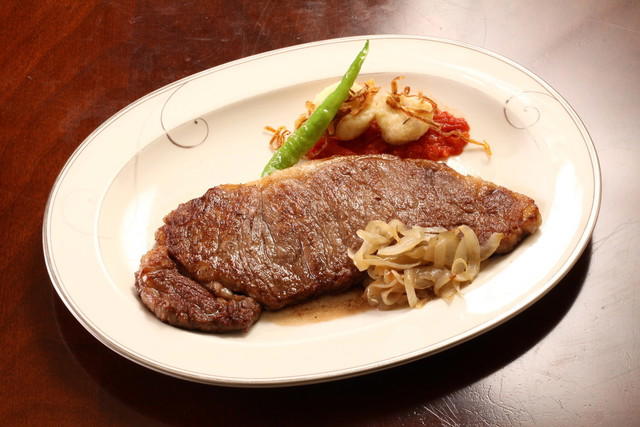
Details
- Cozy
- Intimate
- Rustic
- Date Night
- Group Dining
- Solo
- Casual Hangout
- Open Kitchen
- Private Dining
- Natural Wine
- Extensive Wine List
- Farm To Table
- Local Sourcing
- Natural Wine
- Zero Waste
- A La Carte
- Prix Fixe
- Counter Dining
- Natural Wine
- Glass Wine Selections
- Vegetarian Friendly
- Allergy Accommodating
Current opening hours
- Monday
- 6–10 PM
- Tuesday
- 6–10 PM
- Wednesday
- 6–10 PM
- Thursday
- Closed
- Friday
- 6–10 PM
- Saturday
- 6–10 PM
- Sunday
- 6–10 PM
Hours can change for holidays and private events. Last verified .
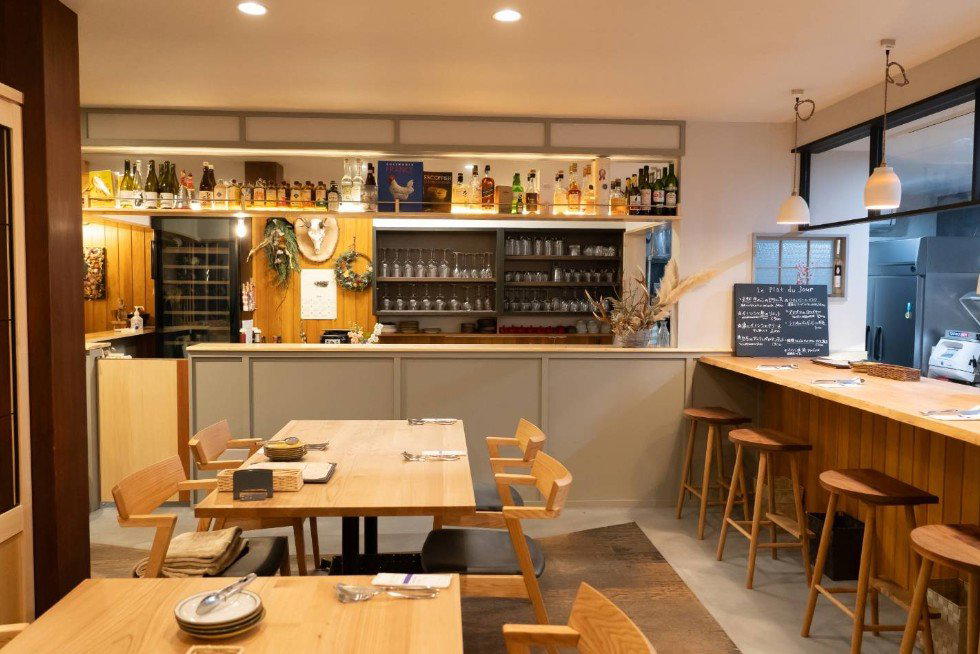
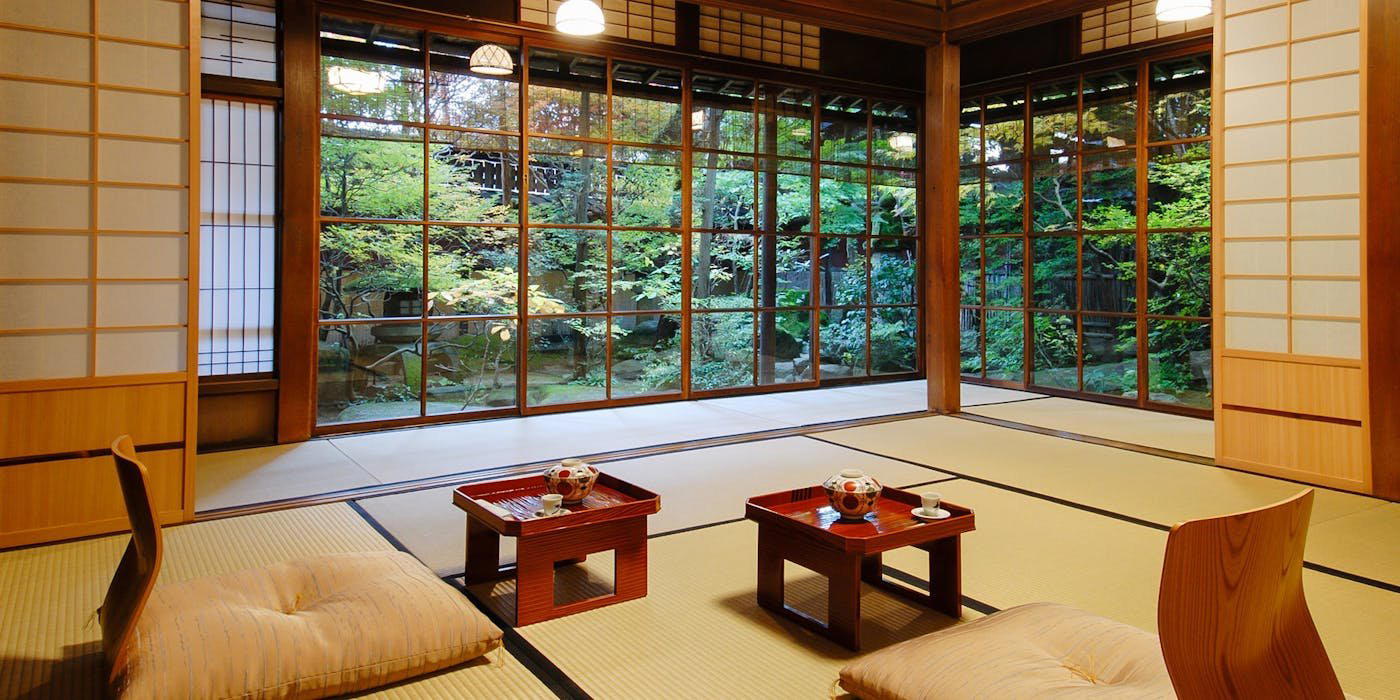
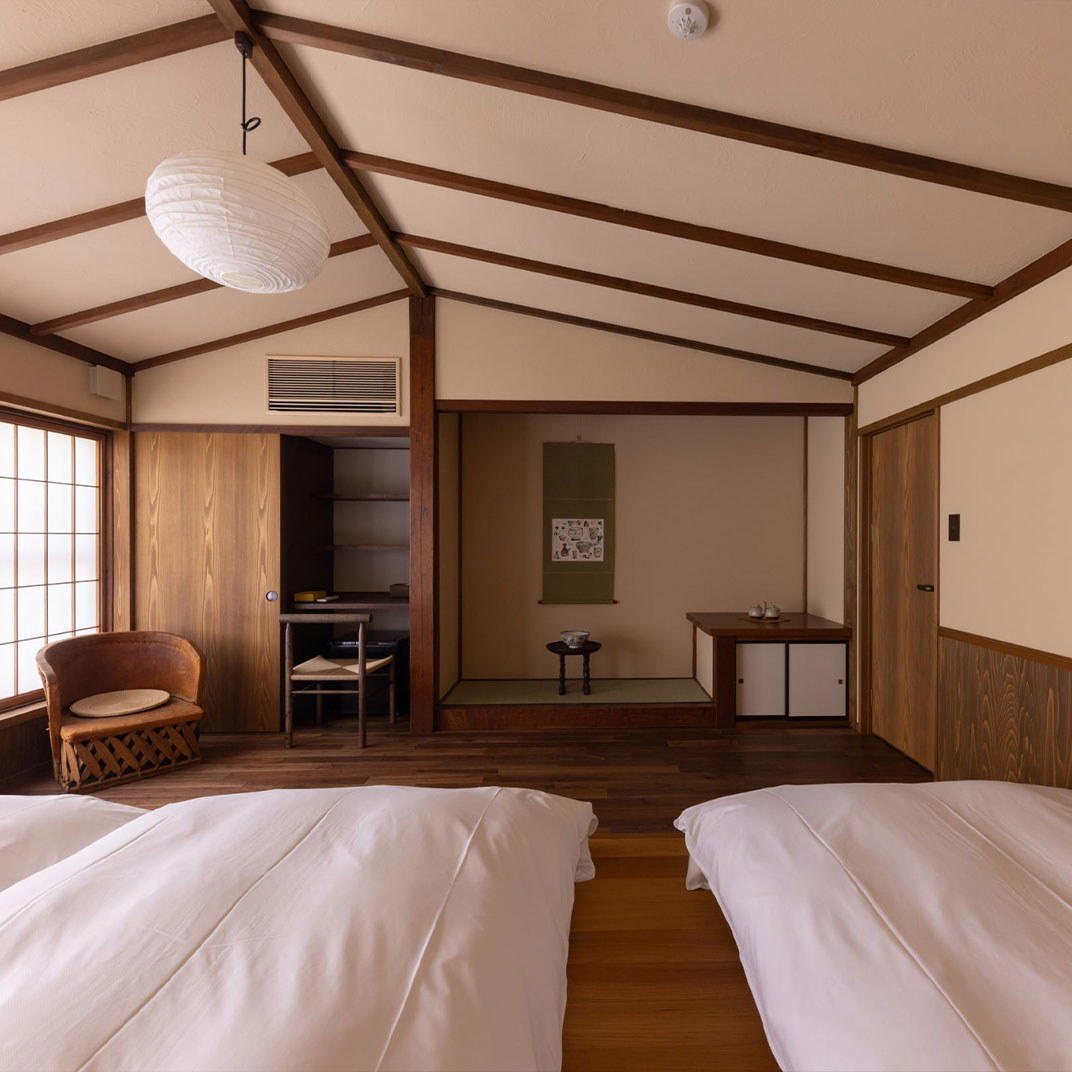
Warm, intimate space renovated from a historic Takayama ramen shop, featuring Hida furniture and a welcoming counter-and-table layout with semi-private seating options.