Our verdict
A seasonal kaiseki address in Takayama's historic Echigomachi district, 飛騨季節料理 掬佳 connects the Hida region's agricultural calendar to the kaiseki tradition in a city known for its preserved Edo-period fabric. Visitors seeking a formal engagement with local terroir through the kaiseki format will find this a considered choice within Takayama's compact fine-dining scene.

Pearl is the En Primeur Club membership app — saves, bookings, and concierge access live there. Same editors, same standards.
- Address
- 1126-1 Echigomachi, Takayama, Gifu 506-0033, Japan
- Phone
- +81577361288
- Website
- takayama-sakana.com
- Directions
- Get directions
- Booking
- Book on the venue's website
The menu
What to order
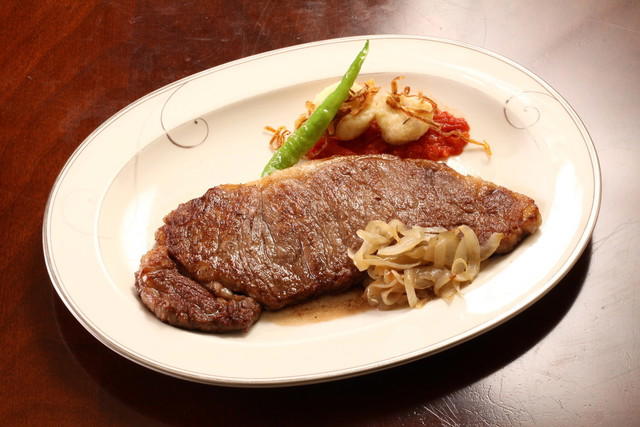
- Hida Beef Sukiyaki
- Seasonal Sashimi
Kaiseki in the Hida Highlands: What Takayama Offers That Kyoto Cannot
Kaiseki — the sequential, ingredient-led formal meal that evolved from the tea ceremony tradition — is usually discussed in relation to Kyoto, where the form was codified and where the density of Michelin-starred practitioners remains the highest in the world. But the kaiseki structure carries different weight in provincial cities, and Takayama, the well-preserved castle town in Gifu Prefecture's Hida region, offers a version of that tradition anchored to an ingredient base that Kyoto's urban suppliers cannot easily replicate. Hida beef, mountain vegetables harvested from the Japanese Alps, wild river fish from the Miyagawa, and fermented preparations unique to this altitude and climate, these are the materials that shape what seasonal cooking means here, in ways distinct from what you find at Gion Sasaki in Kyoto or Harutaka in Tokyo.
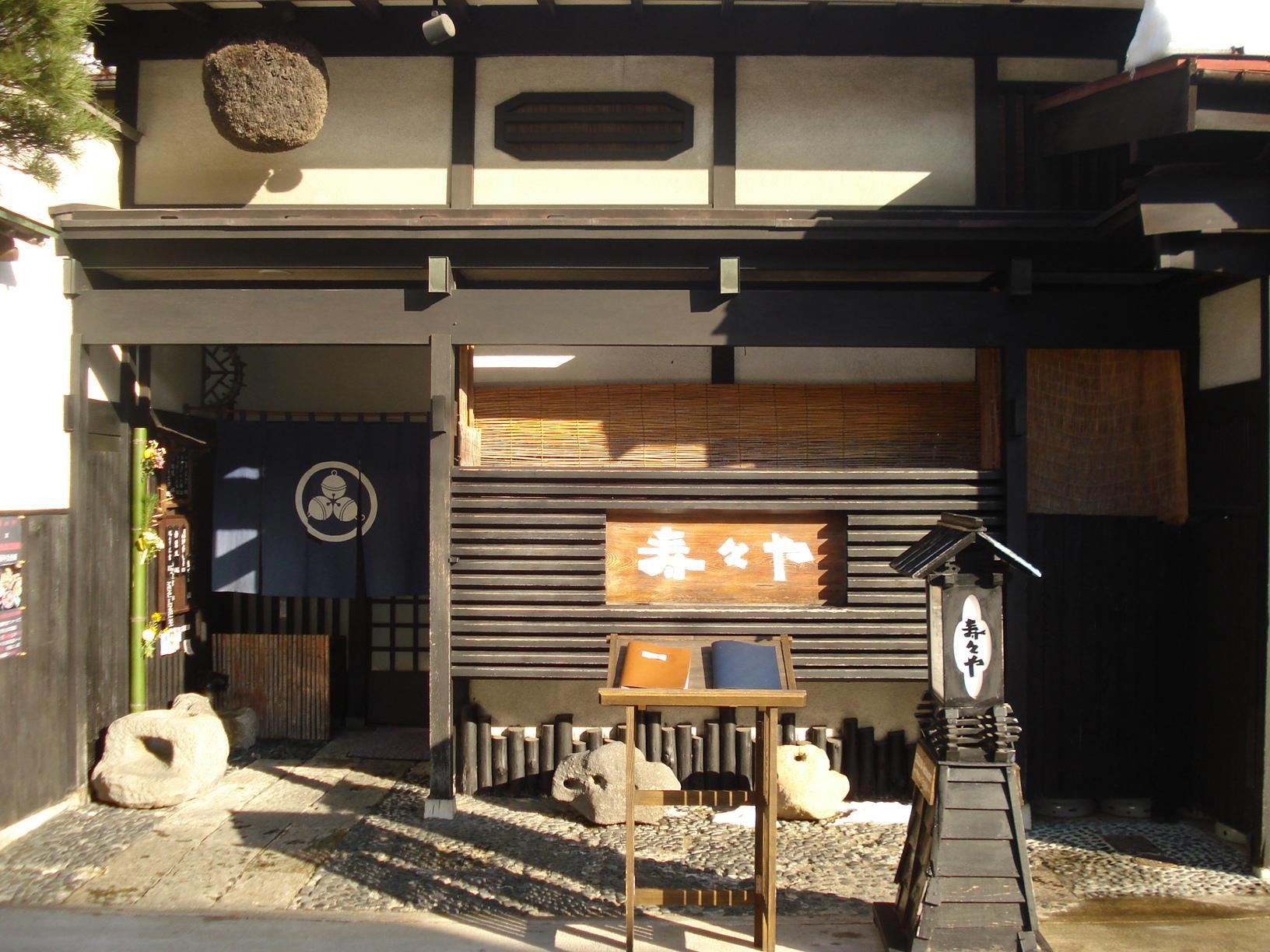
飛騨季節料理 掬佳 (Hida Seasonal Cuisine Kikkei) sits within this regional tradition, operating from an address in Echigomachi, a district that retains much of the spatial character that makes Takayama one of Japan's most legible historic towns. The name itself signals intent: 飛騨 (Hida, the historical province) paired with 季節 (seasonal), this is cooking that foregrounds geography and the agricultural calendar as its primary logic.
The Hida Ingredient Tradition and Why It Shapes a Formal Meal Differently
Kaiseki, in its classical structure, was never about exoticism or imported luxury. It was about demonstrating mastery through restraint and seasonality, using whatever the local land and season produced to show technique, restraint, and compositional intelligence. In Kyoto, that tradition developed against a backdrop of refined urban commerce and imperial proximity. In the Hida highlands, a different set of constraints applies: harsh winters, significant snowfall, a growing season compressed by altitude, and a preservation culture, pickles, ferments, salted fish, dried mountain herbs, that developed from necessity and became distinctive.
That cultural history feeds directly into how seasonal cuisine operates in Takayama's formal dining rooms. The mountain vegetables that appear in spring, ostrich ferns, butterbur shoots, kogomi, have a different character at this elevation than their cultivated equivalents found in urban markets. Autumn in Hida brings matsutake from the surrounding forests, and the region's clear rivers supply ayu (sweetfish) and iwana (char) that form a distinct local vocabulary within the broader kaiseki tradition. For comparison, restaurants working with equally specific regional ingredients at the premium tier, such as Goh in Fukuoka or HAJIME in Osaka, demonstrate how powerfully geography can define a formal meal's identity even within the same national culinary tradition.
Takayama's Compact Fine-Dining Scene
Takayama receives substantial international visitor numbers relative to its small population, the city's three parallel historic streets and morning markets draw travellers who have already covered Kyoto and Osaka and want something less saturated. But its formal dining scene remains limited in scale. A visitor seeking kaiseki or high-end Japanese cuisine in Takayama works within a short list of addresses, rather than the multi-tier abundance of a larger city. 飛騨季節料理 掬佳's position in Echigomachi places it within walking distance of the Sanmachi Suji historic district, making it accessible for visitors based in central Takayama without requiring transport arrangements.
Other addresses in the city's serious dining tier include Amane Dining and Hanaougi Bettei Iiyama Ryokan, the latter offering kaiseki in the ryokan context, a format where the meal is embedded in the full overnight experience rather than standing alone. For those who want to contrast styles, the city also contains more approachable Western-influenced options: TEPPAN たなか for teppan cooking, オステリア・ラ・フォルケッタ for Italian, and ニム for a different register entirely. The full picture of where 飛騨季節料理 掬佳 sits within the city's dining options is mapped in our full Takayama restaurants guide.
Regional comparisons beyond Takayama are instructive too. 一本木 古川製 in Nanao, 湖畔荘 in Takashima, and 吉羽屋 in Nishikawa Machi are all examples of formal Japanese dining in smaller provincial cities, contexts where the regional ingredient supply and local identity shape the meal more directly than the competitive market forces that govern urban fine dining. 友丹山乃 in Sapporo and Birdland in Sakai occupy a parallel position in their respective cities. At the international frame, the commitment to seasonal precision and sourcing rigour in kaiseki at this level is comparable in ambition, if not in format, to what Le Bernardin in New York City or Atomix in New York City do within their own culinary traditions. And akordu in Nara is a useful parallel for understanding how cuisine rooted in a specific regional identity can speak to an international audience.
When to Visit and What to Consider
The seasonal logic built into 飛騨季節料理 掬佳's name has direct practical implications for visit timing. Takayama's position in the Japanese Alps means four genuinely distinct seasons, each producing different ingredients and a different character in the city itself. Spring brings mountain vegetable harvests and the famous Sanno Festival in April. Autumn delivers the most photographed foliage in central Honshu and the peak of the matsutake and Hida beef season. Summer is cooler than lowland cities and manageable. Winter is snow-heavy and quieter, with some travellers specifically seeking the snow-covered historic streets alongside a warming seasonal meal.
Because Takayama attracts high visitor volumes during cherry blossom season and autumn peak, formal dining reservations at the better addresses should be secured well in advance, ideally at the same time as accommodation. The address at 1126-1 Echigomachi confirms the Echigomachi district location. For context on pricing norms, kaiseki in regional Japanese cities at this quality tier typically runs at a meaningful premium over the city's casual dining, but below the pricing of comparable Kyoto or Tokyo counters, a structural advantage for visitors who want serious cooking without the capital-city premium.
Frequently asked questions
What part of town is é£é¨¨å£ç¯æç è´ in?
é£é¨¨å£ç¯æç è´ is located at 1126-1 Echigomachi, Takayama, Gifu 506-0033, Japan, Takayama.
What is the signature dish at 飛騨季節料理 掬佳?
Kaiseki as a format does not operate around fixed signature dishes — the menu rotates with the season, which is precisely what the restaurant's name signals: 飛騨季節料理 translates roughly to 'Hida seasonal cuisine.' What remains consistent is the ingredient logic: the Hida highlands supply ingredients — mountain vegetables, river fish, regional proteins — that define the meal's character at any given time of year. Expect the menu to reflect Takayama's position in the Japanese Alps rather than the urban supplier networks that underpin Kyoto kaiseki.
Do I need a reservation for é£é¨¨å£ç¯æç è´?
Reservations are recommended for é£é¨¨å£ç¯æç è´ in Takayama. Confirm current policy via the venue's official channels.
Do I need a reservation for 飛騨季節料理 掬佳?
Advance reservation is strongly advisable. Takayama draws visitor numbers that are disproportionately high relative to its small population, and the city's fine-dining options are correspondingly limited. Kaiseki-format restaurants in this tier typically prepare ingredients to order for a specific guest count, meaning walk-ins are rarely accommodated. check the venue's official channels well ahead of your intended visit date, particularly if travelling during spring cherry blossom or autumn foliage seasons, when Takayama reaches peak capacity.
Cost Snapshot
A quick peer reference to anchor this venue in its category.
| Venue | Cuisine | Price | Awards |
|---|---|---|---|
| é£é¨¨å£ç¯æç è´This venue — the venue you are viewing | Hida Beef Kaiseki | $100–150 | Not listed |
| Amane Dining | Japanese-French Fusion | $50–100 | Not listed |
| TEPPAN たなか | Premium Teppanyaki Kaiseki with A5 Hida Wagyu | $300–500 | Not listed |
| オステリア・ラ・フォルケッタ | Seasonal Italian Trattoria | $30–50 | Not listed |
| ニム | Modern French with Hida Ingredients | $100–150 | Tabelog 100 #46 |
| フランス食堂Nature | Casual French Bistro with Hida Ingredients | $30–50 | Not listed |
Continue exploring
More in Takayama
Restaurants in Takayama
Browse all →
Details
- Rustic
- Intimate
- Cozy
- Special Occasion
- Date Night
- Historic Building
- Sake Program
- Local Sourcing
- Tasting Menu
- Set Menu
- Sake
- Vegetarian Friendly
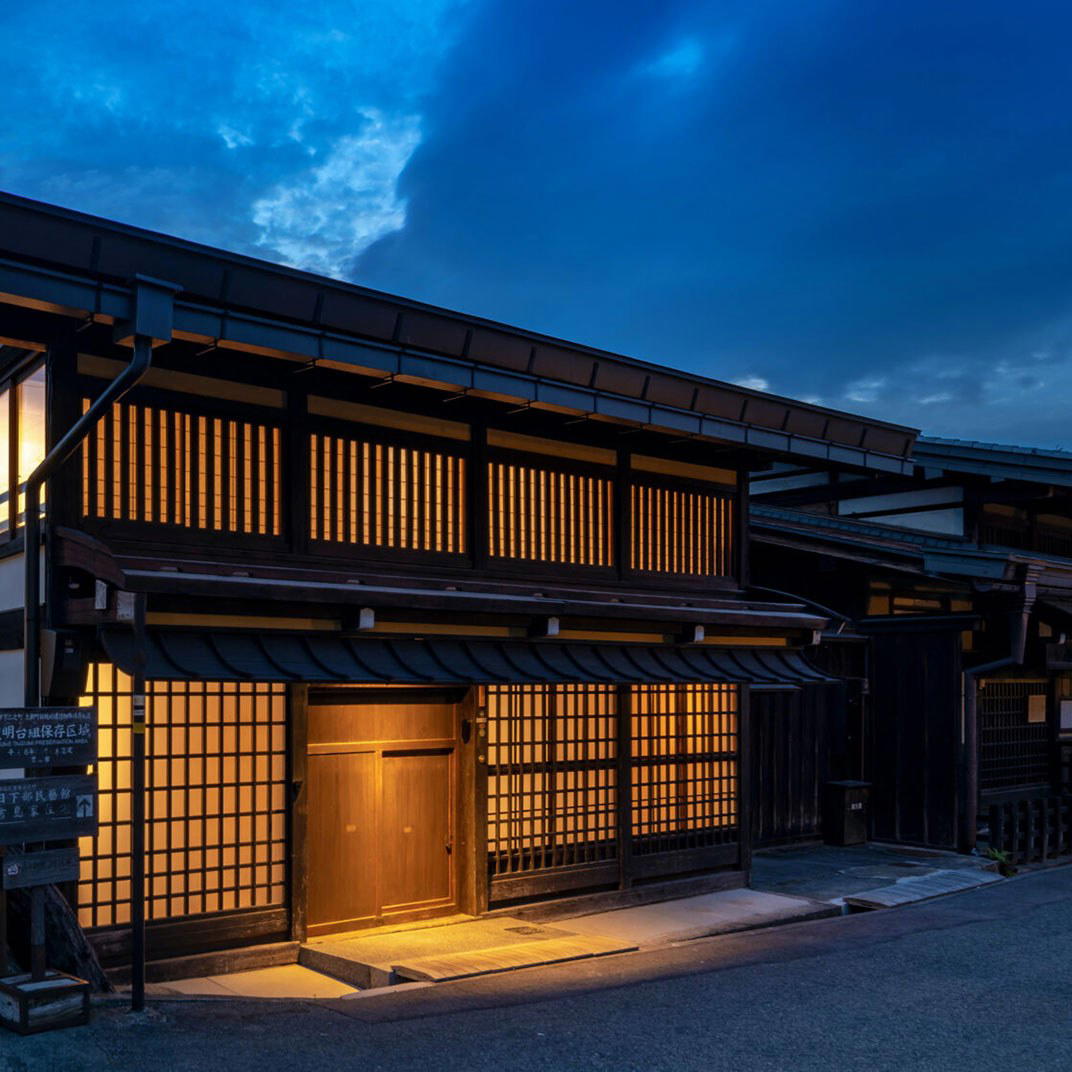
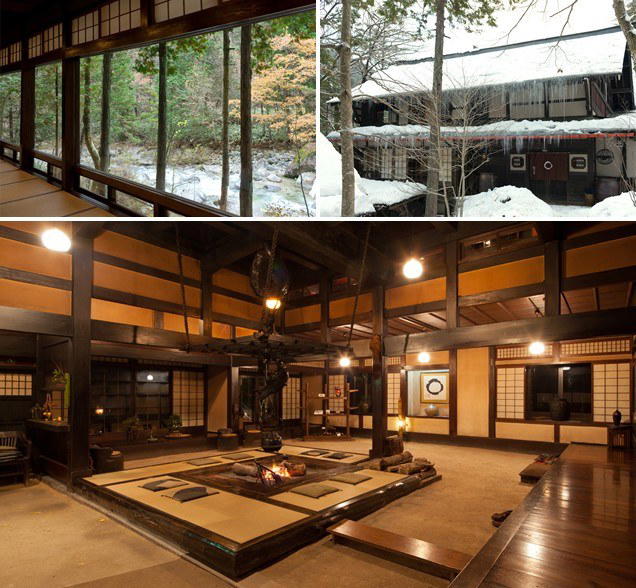
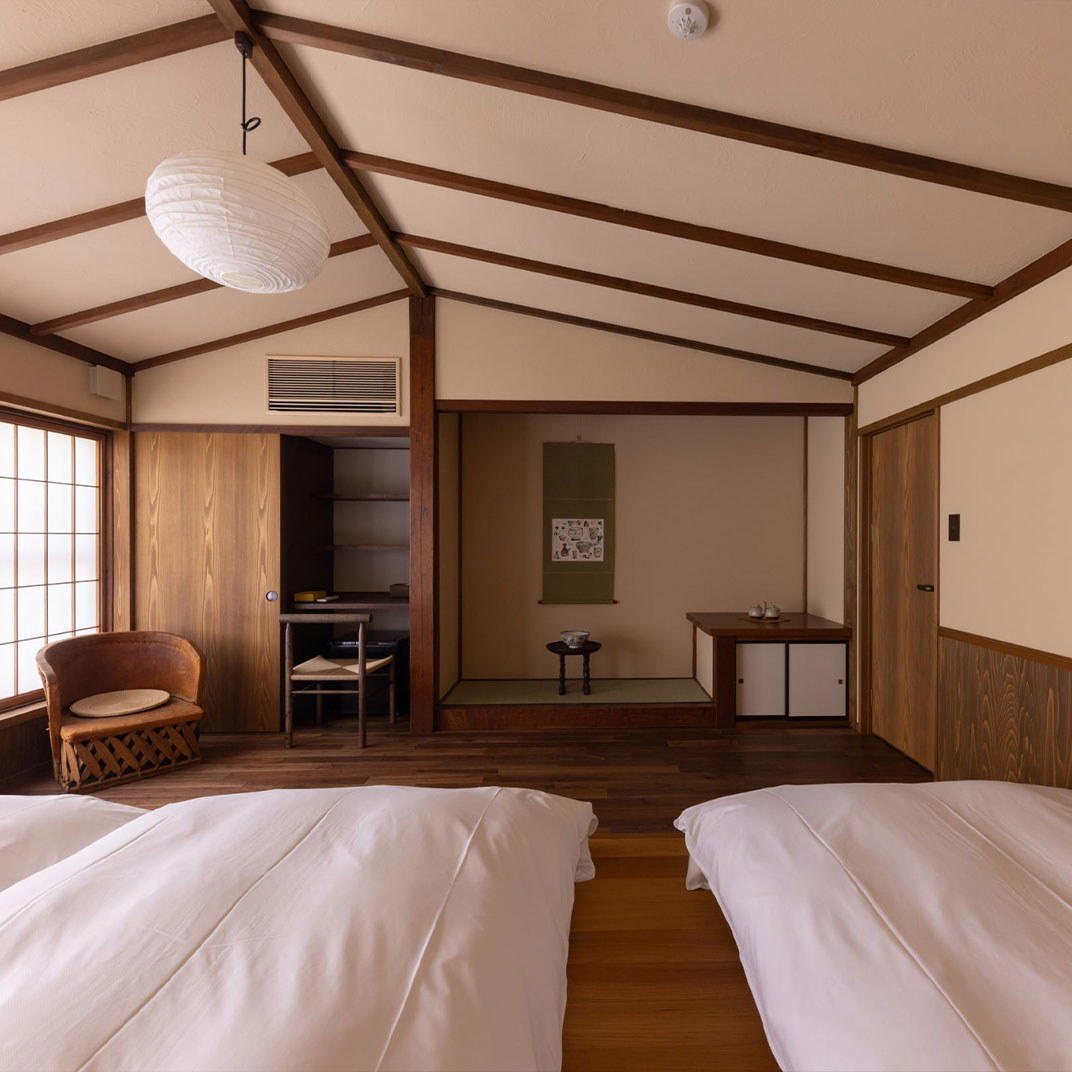
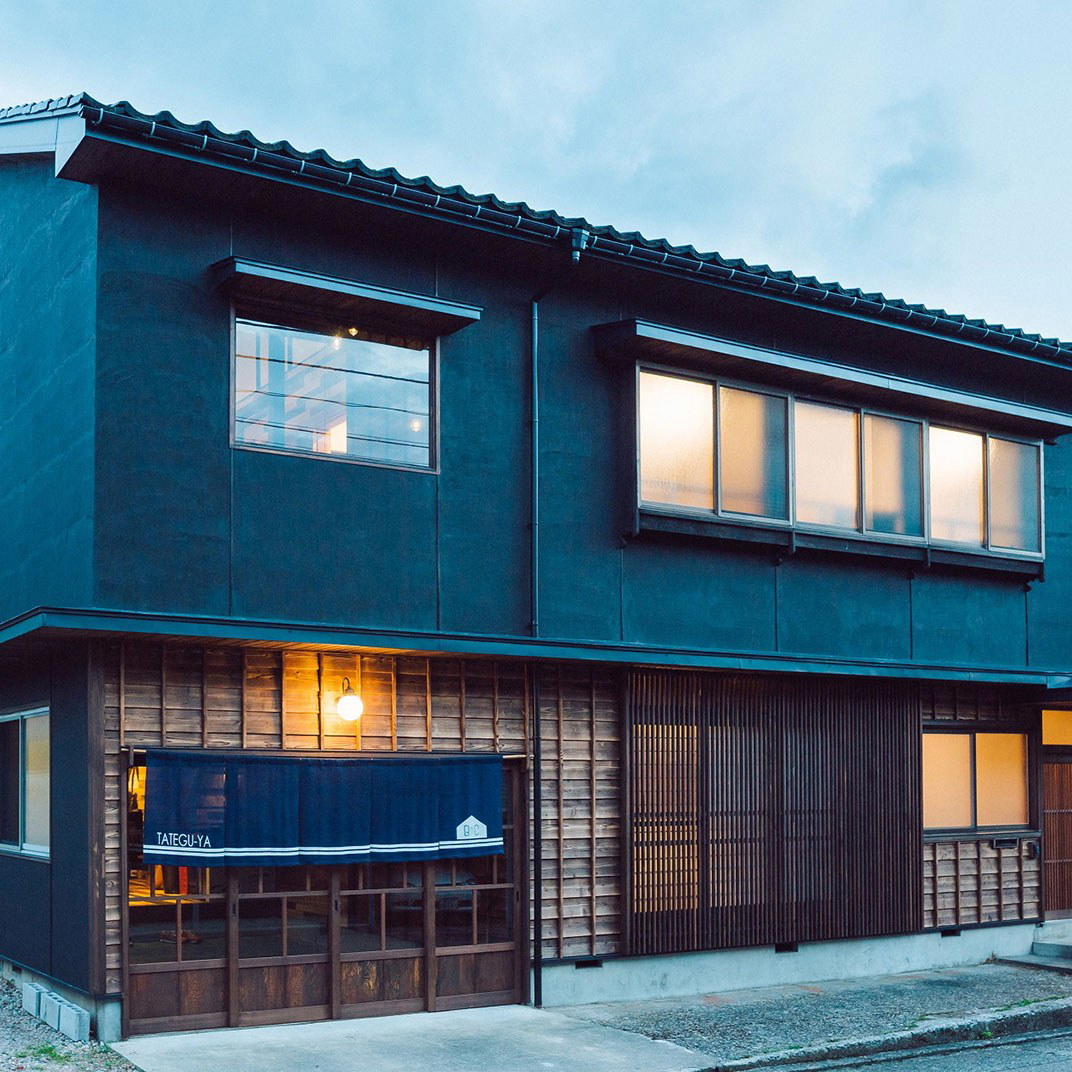
Warm wooden interiors with tatami rooms and soft lantern lighting creating a serene traditional atmosphere.