
Tabelog 100 #46
Our verdict
ニム occupies a quiet address in Oshinmachi, one of Takayama's older residential streets, where the dining format reflects the broader regional shift toward intimate, structure-led meals rather than à la carte breadth. The menu architecture places it inside a small cohort of destination restaurants that treat Hida's larder as a point of departure rather than a marketing device.

Pearl is the En Primeur Club membership app — saves, bookings, and concierge access live there. Same editors, same standards.
- Address
- 1 Chome-39-3 Oshinmachi, Takayama, Gifu 506-0851, Japan
- Phone
- +81577701817
- Hours
- Mon 11:30 AM–1 PM, 5:30–7:30 PMTue–Wed ClosedThu–Sun 11:30 AM–1 PM, 5:30–7:30 PM
- Website
- nim-hidatakayama.com
- Directions
- Get directions
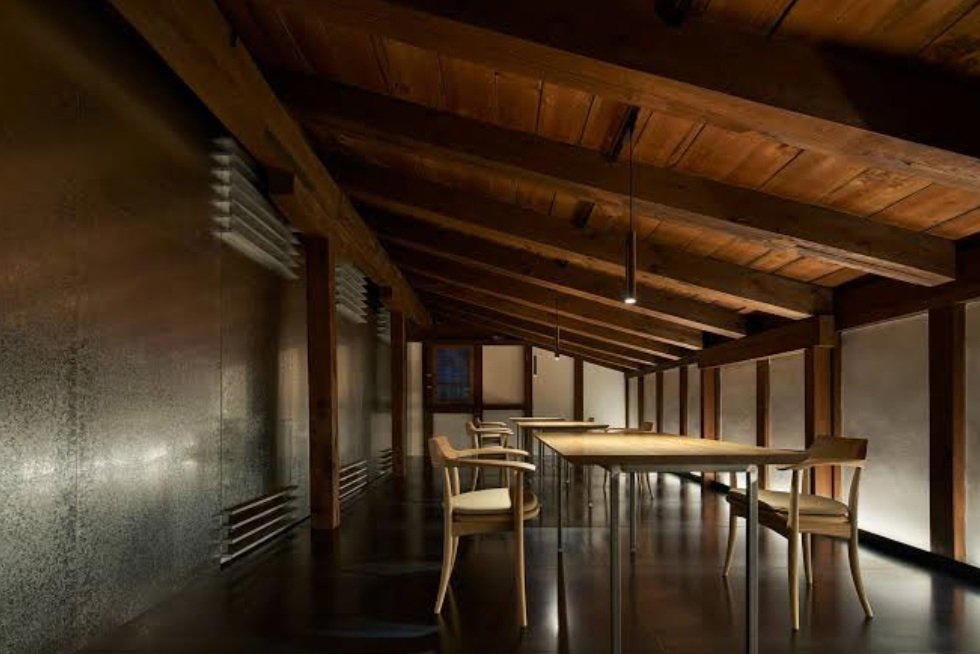
Oshinmachi and the Shape of Takayama Dining
Takayama has long operated at a remove from the competitive pressure of Japan's major dining cities, and that distance has produced something the Tokyo or Osaka scenes rarely sustain: a cluster of small, unhurried restaurants where the format itself is the primary editorial statement. The street address for ニム, in the Oshinmachi district at the northern edge of the old town grid, places it in that quieter register. Oshinmachi is not the tourist corridor of Sanmachi Suji, with its sake breweries and lacquerware shops pulling midday crowds. It is a residential quarter where the built environment is lower, the foot traffic lighter, and restaurants that operate here do so on the assumption that guests arrive with purpose rather than passing curiosity.
This geographic positioning matters because it shapes what a menu can do. A restaurant on a high-traffic lane must offer immediate legibility, price anchors visible from the door, and a format that turns tables efficiently. A restaurant in Oshinmachi is under no such constraint. The menu at ニム, in keeping with the location, is structured rather than open, which places it within a broader trend across regional Japanese dining: the shift toward fixed or semi-fixed formats that use Hida-Takayama's larder as a serious curatorial frame rather than a decorative one.
Menu Architecture as Argument
Across Japan's mid-sized destination cities, the most considered restaurants now use menu structure itself to make an argument about ingredients, seasonality, and sequence. This is distinct from the kaiseki tradition, which has its own codified arc, and from omakase counters in the sushi sense. What has emerged in cities like Takayama is something between those poles: menus that are fixed enough to control the narrative but loose enough to absorb the week's leading sourcing without a complete reprint.
ニム sits within that category. The menu's structure, insofar as it can be read from the restaurant's positioning in Oshinmachi, appears to prioritize the logic of the meal over the volume of its components. This is a format where each course exists in relation to the next, where the protein or the vegetable or the prepared element is chosen because of what precedes and follows it, not because it needs to appear. Restaurants working this way in regional Japan tend to source from a narrow, named geography, using Hida beef, Takayama's mountain vegetables, or freshwater fish from the Miyagawa as structural anchors rather than incidental garnishes. The menu becomes a seasonal argument, presented once to each guest, non-negotiable in its sequence and more informative for that rigidity.
For comparison, consider what happens at the more voluminous end of Takayama's dining options. TEPPAN たなか and Amane Dining each approach the regional ingredient set with their own structural logic. 飛騨季節料理ひだ貴 works more explicitly within the kaiseki register. オステリア・ラ・フォルケッタ applies a European framework to the same Hida larder. ニム's position among these peers is that of the format-forward outlier: a menu that asks for trust in the sequence rather than negotiation over the components. That is the rarer posture in Takayama's current dining scene, and the more demanding one to execute.
Regional Positioning and the National Frame
Takayama restaurants that operate in this structured, low-capacity register occupy a specific niche in Japan's wider dining geography. They are not competing with the three-Michelin-star counters in Osaka or Tokyo, places like HAJIME in Osaka or the precision-driven omakase operations that feed into global recognition lists. They are also not the same category as the deeply traditional, deeply expensive kaiseki houses represented by Gion Sasaki in Kyoto. Instead, they occupy the middle tier of Japan's destination dining: serious, ingredient-led, fixed-format, and increasingly sought by a travelling guest who has already covered the canonical institutions and wants something more geographically specific.
The comparison with akordu in Nara or Goh in Fukuoka is instructive. Each of those operates in a secondary city with a strong local ingredient identity, using fixed formats to argue that regional sourcing is the point rather than the backdrop.
Within the Chubu and Hokuriku belt, restaurants in smaller cities have gradually built the same kind of destination gravity. 一本木川魚制 in Nanao and 湖畔荘 in Takashima follow a similar regional-ingredient-as-structure logic in their respective locations. The pattern across these places is consistent: limited seatings, deep local sourcing, and a menu that does not accommodate substitution or omission because it is built as a whole rather than a selection.
How to Approach a Meal Here
For guests visiting Takayama specifically to eat, the practical framing matters. ニム is at 1 Chome-39-3 Oshinmachi, a ten-minute walk from the central Sanmachi Suji district and accessible from the main Takayama train station in under twenty minutes on foot. Guests staying at ryokan-style properties in Takayama, such as Hanaougi Bettei Iiyama Ryokan, may find concierge access to be the most reliable channel.
Arriving without a reservation at a restaurant of this type, anywhere in regional Japan, is a low-probability strategy. The format-led, low-capacity model that defines places like ニム is specifically incompatible with walk-in dining: the menu is prepared for a known number of guests, and the sequence is calibrated accordingly. Plan ahead, or accept the possibility of an empty seat.
For broader context on Takayama's dining options across price tiers and format types, our full Takayama restaurants guide maps the current scene in more detail.
Frequently asked questions
What's the address for ニム?
ニム is located at 1 Chome-39-3 Oshinmachi, Takayama, Gifu 506-0851, Japan, Takayama.
How does ニム fit into Takayama's wider dining geography, and is it worth travelling to Gifu specifically to eat there?
Takayama operates at a distance from the competitive pressure of Tokyo and Osaka's dining circuits, and ニム's Oshinmachi address places it within one of the city's most historically embedded neighbourhoods. Restaurants in this structured, low-capacity register in Japan's regional cities occupy a position that is neither competing with metropolitan venues nor replicating rural ryokan cuisine — they draw on Hida region provenance in a format closer to urban counter dining. No awards or third-party ratings are documented for ニム at this time, so the case for a dedicated trip rests on the broader Takayama context rather than verifiable accolades.
What's the best thing to order at ニム?
Without a published menu or declared cuisine type on record, the most reliable approach is to trust the kitchen's structured format rather than arriving with a specific dish in mind. Restaurants operating in Takayama's Oshinmachi at this kind of low-capacity, considered register typically present a set course built around regional Hida ingredients and seasonal availability. Confirm the current format directly when booking.
Can I walk in to ニム?
ニム is at 1 Chome-39-3 Oshinmachi, Takayama — a ten-minute walk from the central Takayama train station area. No public booking policy is documented, but restaurants in this structured, low-capacity category across Japan's regional dining scene almost universally require advance reservations. Attempting a walk-in without prior contact carries a high risk of a closed door.
What's the defining dish or idea at ニム?
The body content frames ニム within a broader Takayama dining argument: that menu structure itself is the primary statement, built to make a case about local ingredients and seasonality rather than to showcase individual signature dishes. In the context of Oshinmachi, where the neighbourhood carries historical weight in Takayama's food identity, the defining idea is restraint applied with deliberate intent.
Awards and Standing
Comparable venues nearby, for context on price, style, and recognition.
| Venue | Cuisine | Price | Awards | Notes |
|---|---|---|---|---|
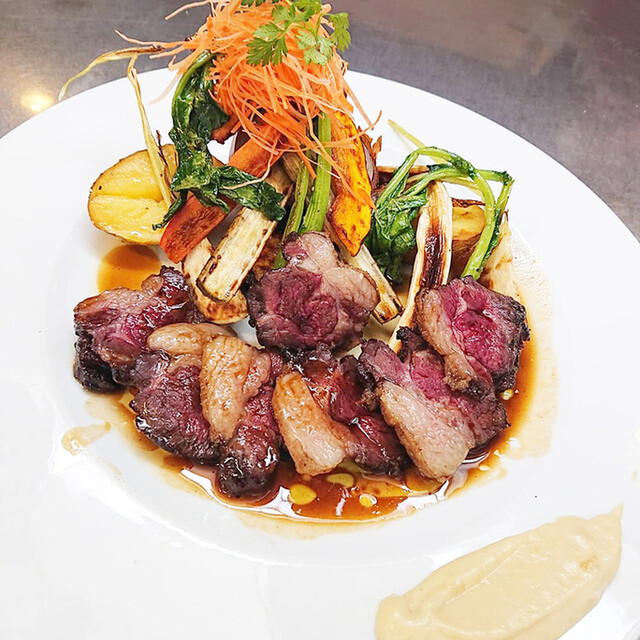
| ニムThis venue — the venue you are viewing | Modern French with Hida Ingredients | $100–150 | Tabelog 100 #46 | Not listed |
| Restaurant LE MiDi | Hida beef steak & hamburger by a French-trained chef | $50–100 | Tabelog 100 #22 | Honmachi |
| フランス食堂Nature | Casual French Bistro with Hida Ingredients | $30–50 | Not listed | Hachikenmachi |
| Amane Dining | Japanese-French Fusion | $50–100 | Not listed | Sowa-cho |
| 旬亭 なか川 | French-Japanese Teppanyaki with Hida Beef | $100–150 | Tabelog 100 #24 | Kamiichinomachi, Takayama |
| Steak House Kitchen Hida | Hida beef steakhouse | $50–100 | Tabelog 100 #17 | Hommachi |
Recognition history
Dated appearances from independent guides and award organizations, with the underlying list record or original source where available.
Tabelog 100 #46 · No. 46
Tabelog · Tabelog 100 - French - EAST - 2025
Continue exploring
More in Takayama
Restaurants in Takayama
Browse all →
Details
- Elegant
- Cozy
- Rustic
- Sophisticated
- Intimate
- Date Night
- Special Occasion
- Historic Building
- Sake Program
- Local Sourcing
- Street Scene
- Prix Fixe
Current opening hours
- Monday
- 11:30 AM–1 PM, 5:30–7:30 PM
- Tuesday
- Closed
- Wednesday
- Closed
- Thursday
- 11:30 AM–1 PM, 5:30–7:30 PM
- Friday
- 11:30 AM–1 PM, 5:30–7:30 PM
- Saturday
- 11:30 AM–1 PM, 5:30–7:30 PM
- Sunday
- 11:30 AM–1 PM, 5:30–7:30 PM
Hours can change for holidays and private events. Last verified .
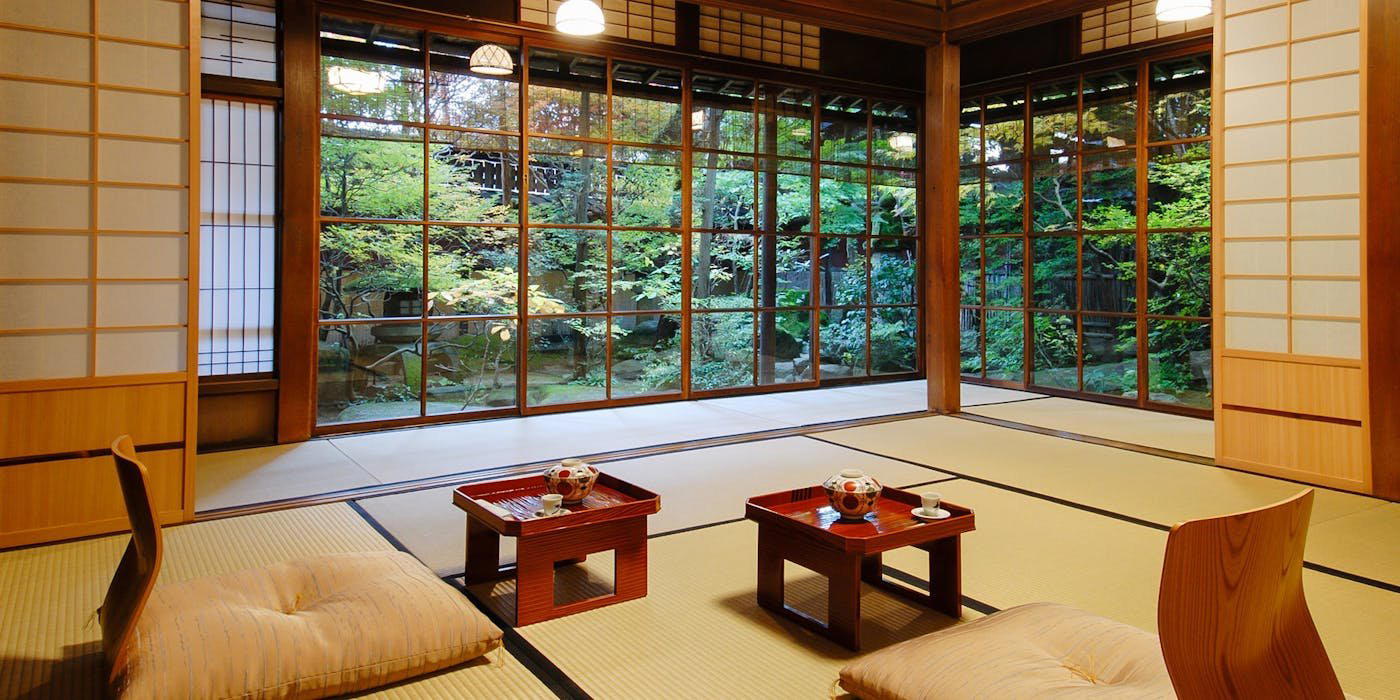
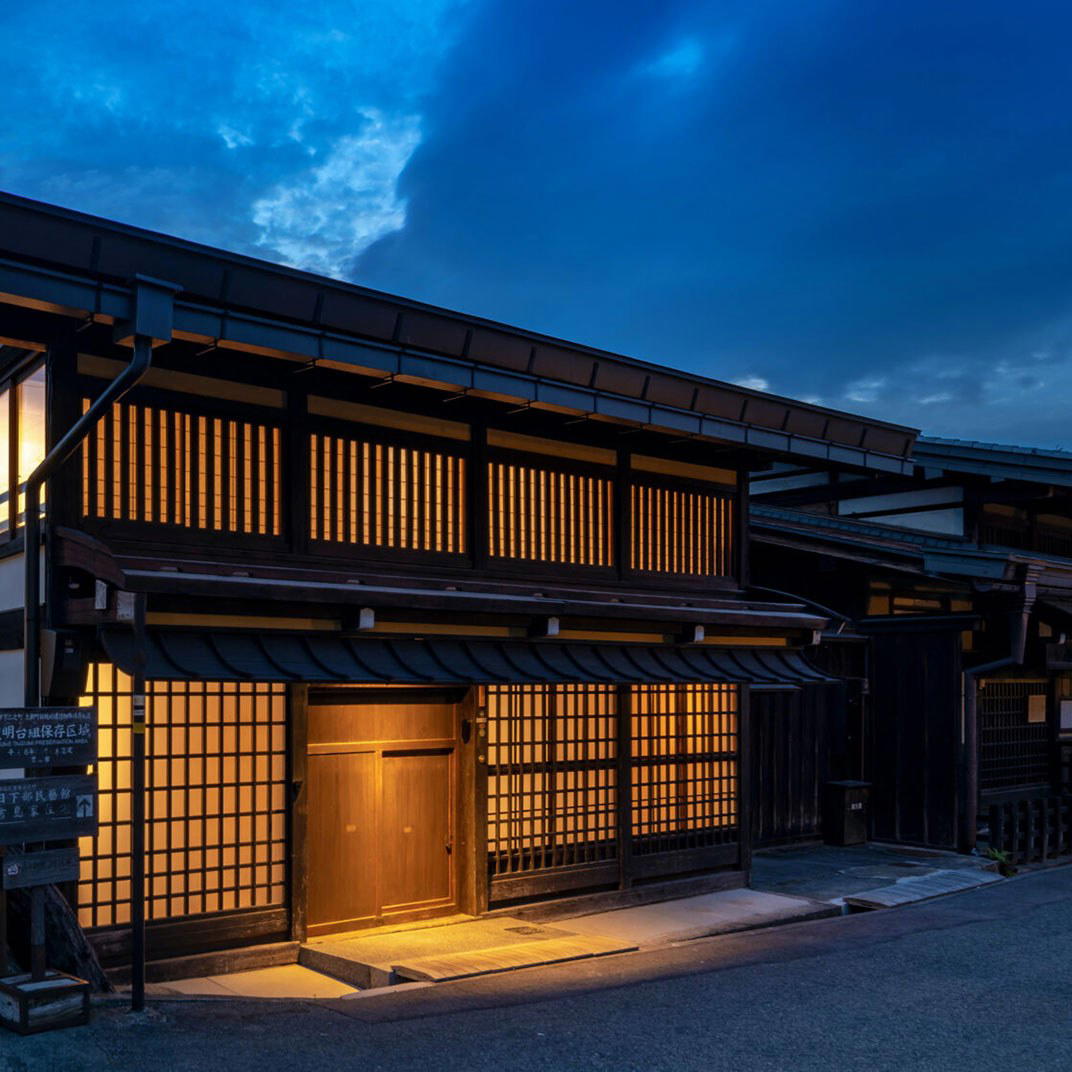
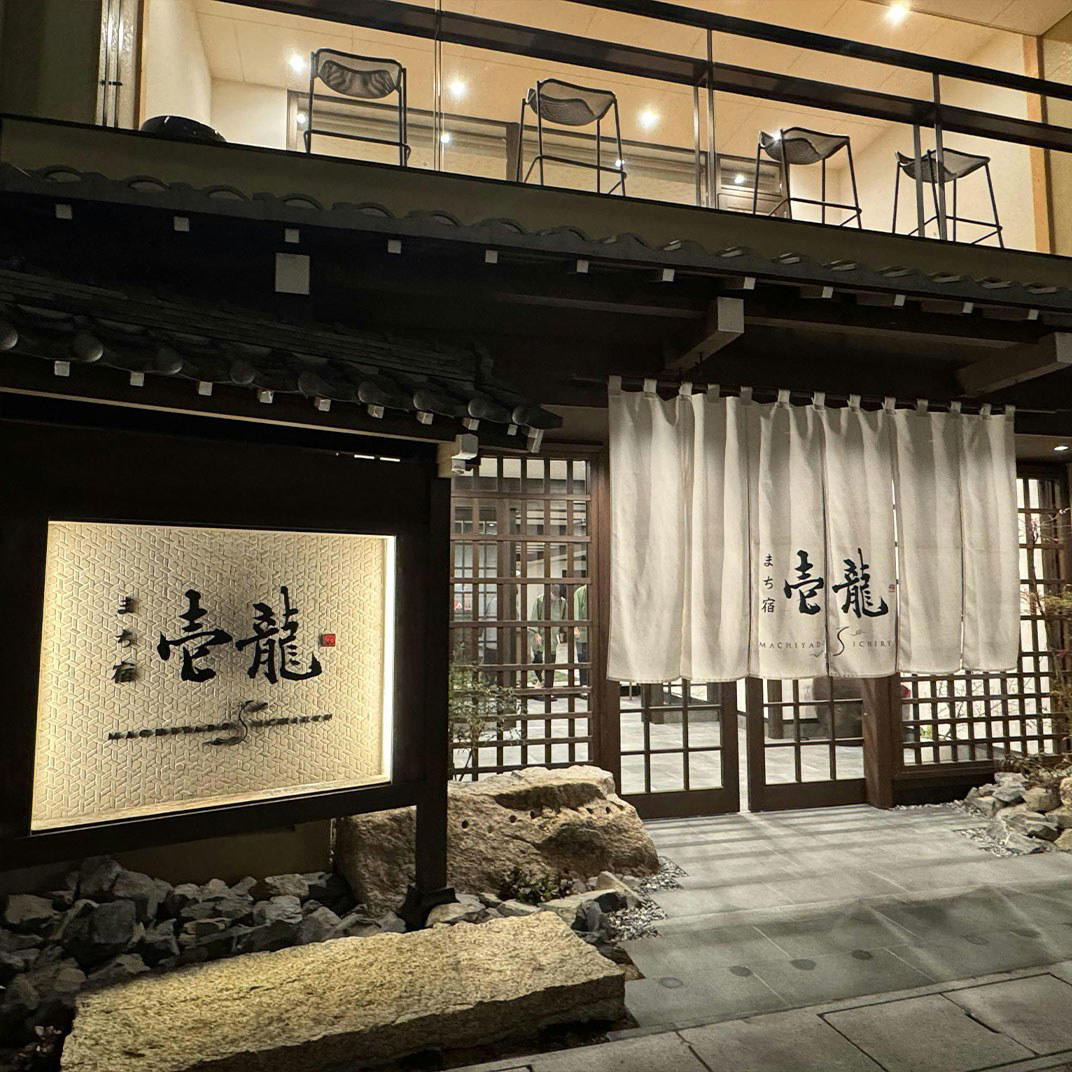
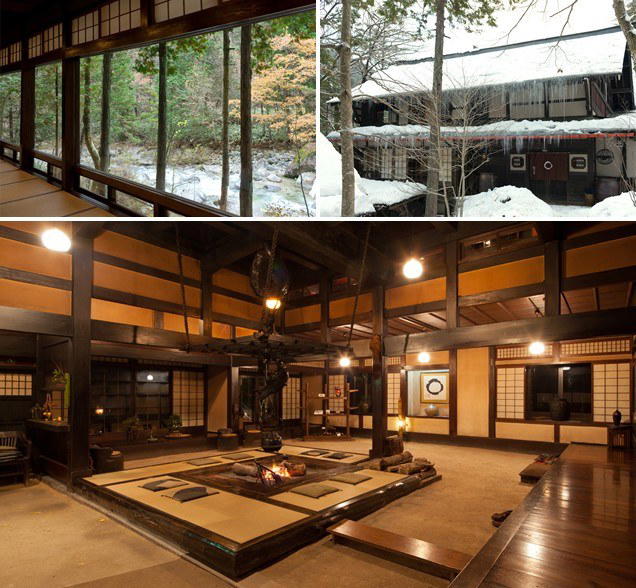
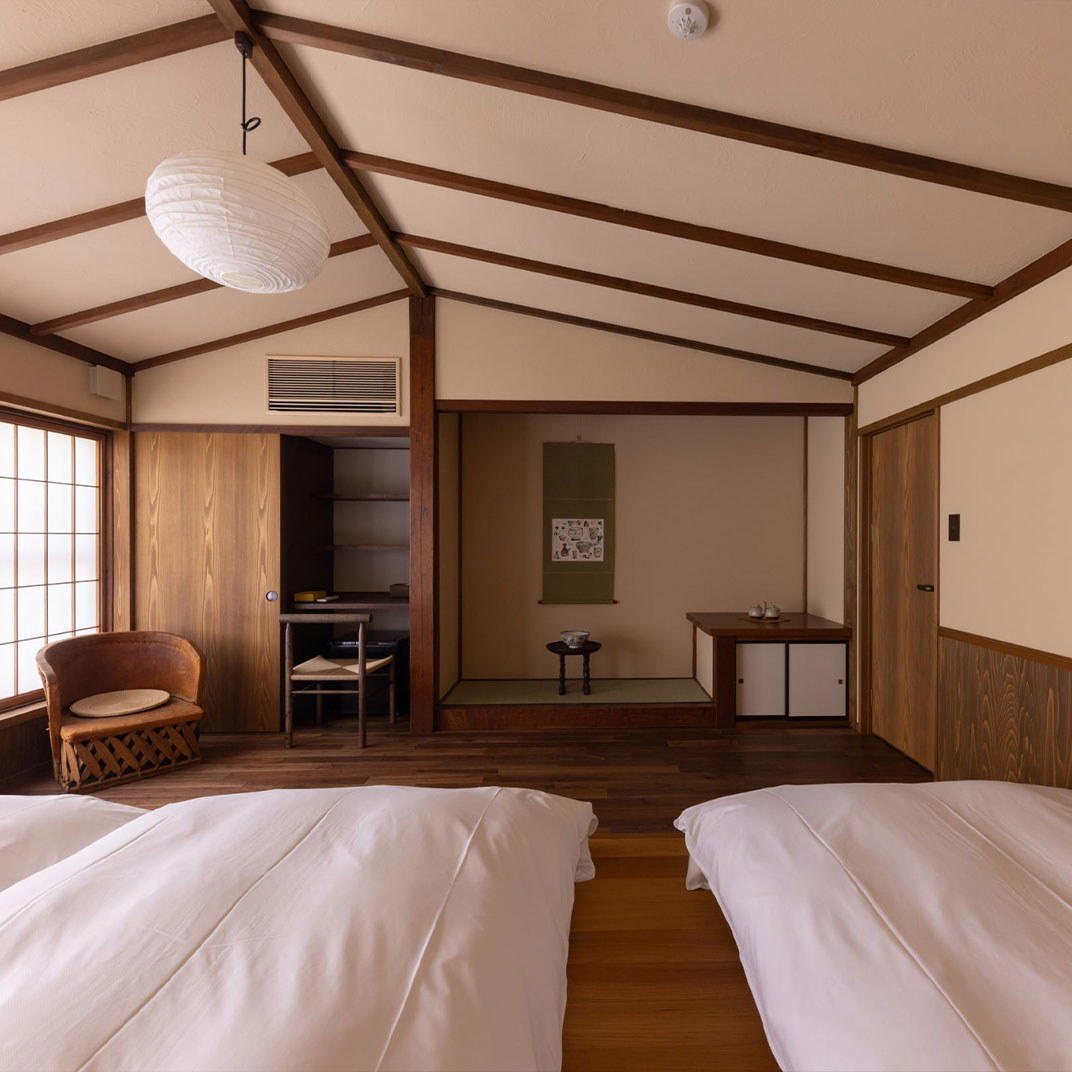
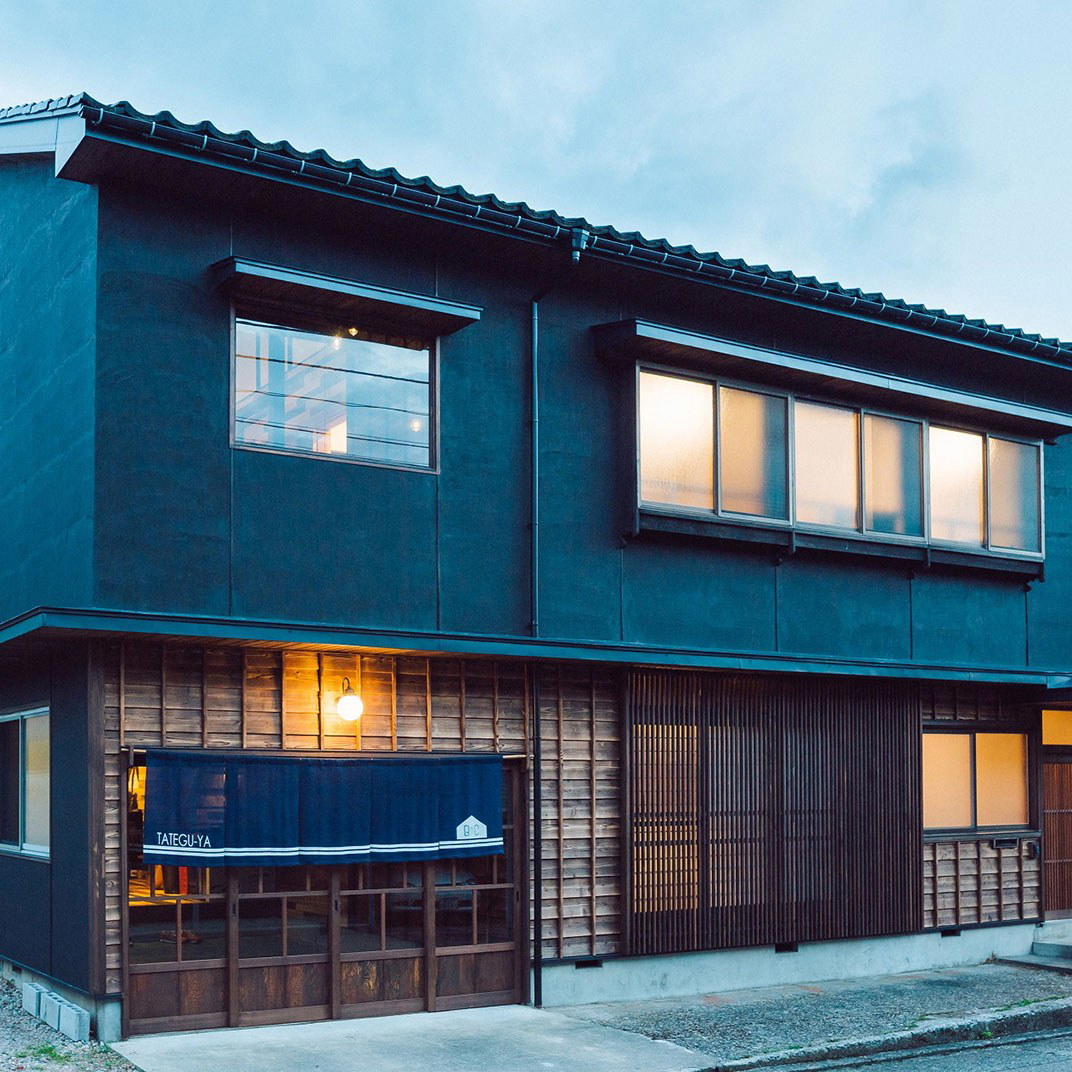
Refined space with light and shadow play, wooden textures, stone coolness, and a calm, stylish atmosphere in a modernized historic storehouse.