
Tabelog 100 #24
Our verdict
In Takayama's Kamiichinomachi district, 旬亭 なか川 operates within a dining tradition that prizes seasonal Hida ingredients and unhurried kaiseki-adjacent rhythms. The restaurant sits in a neighbourhood dense with preserved Edo-period streetscapes, making the approach as considered as the meal itself. Visitors planning a table here should factor in Takayama's limited transport links and the broader competition for seats among the city's serious dining rooms.

Pearl is the En Primeur Club membership app — saves, bookings, and concierge access live there. Same editors, same standards.
- Address
- 33-2 Kamiichinomachi, Takayama, Gifu 506-0844, Japan
- Phone
- +81577344433
- Hours
- Mon 11:30 AM–2 PM, 5:30–9:30 PMTue–Wed ClosedThu–Sun 11:30 AM–2 PM, 5:30–9:30 PM
- Website
- syunteinakagawa.com
- Directions
- Get directions
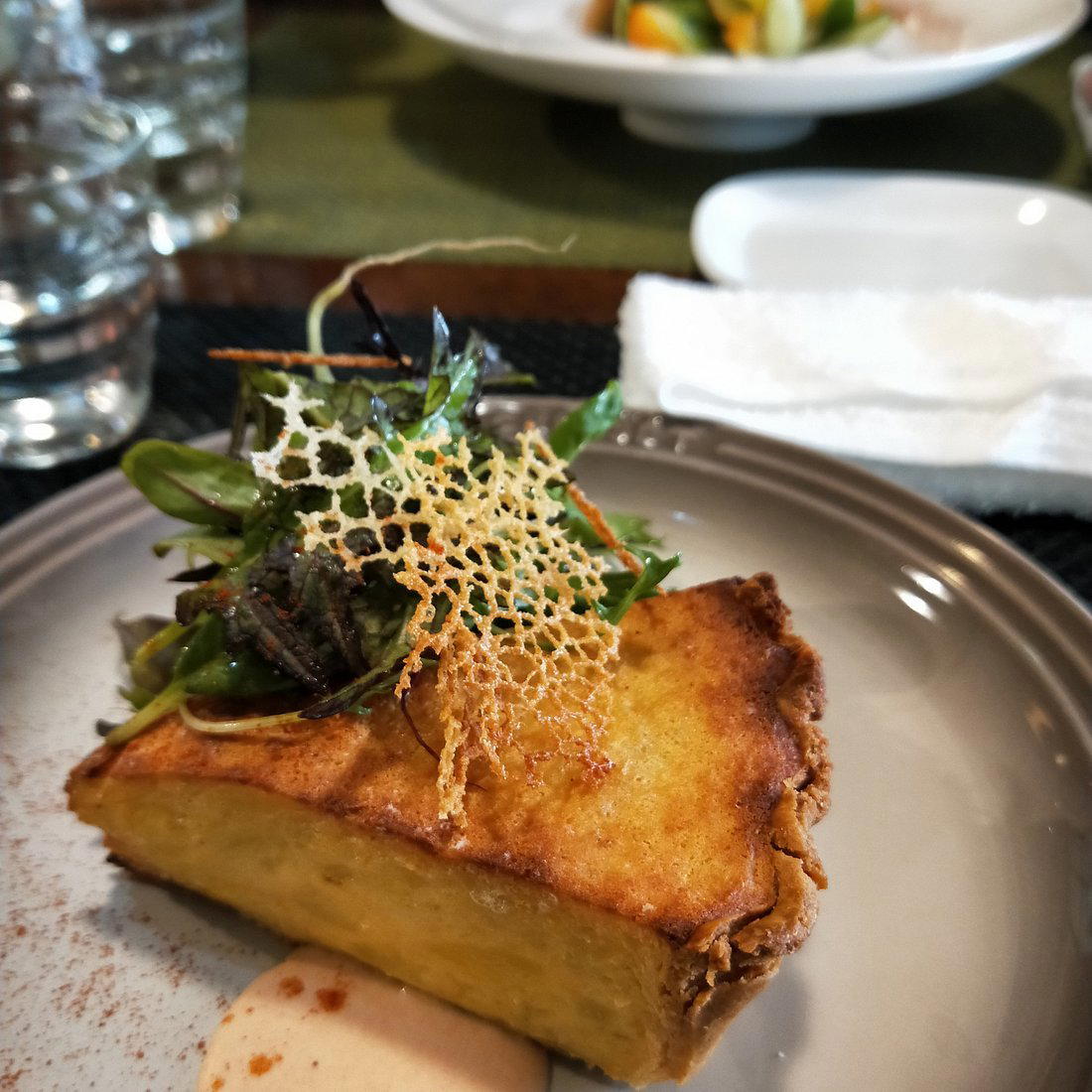
The menu
What to order
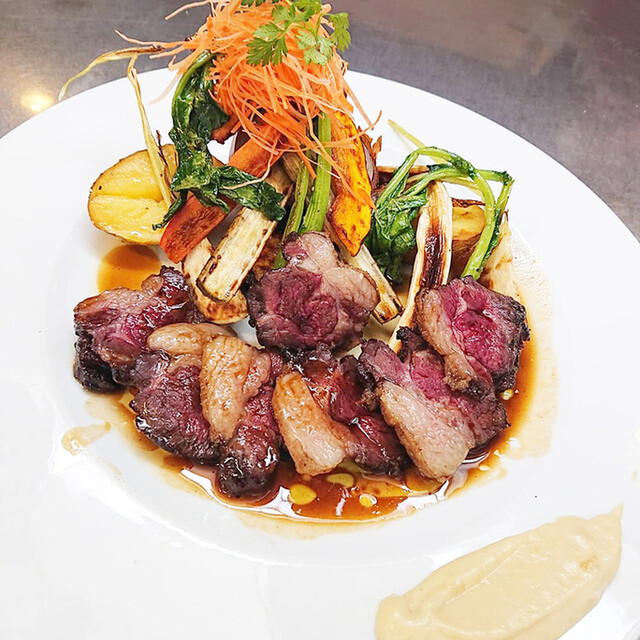
- Hida Beef Kaiseki
- Hida Beef Filet Steak
- Beef Consommé
- Foie Gras Steak
Arriving in Kamiichinomachi
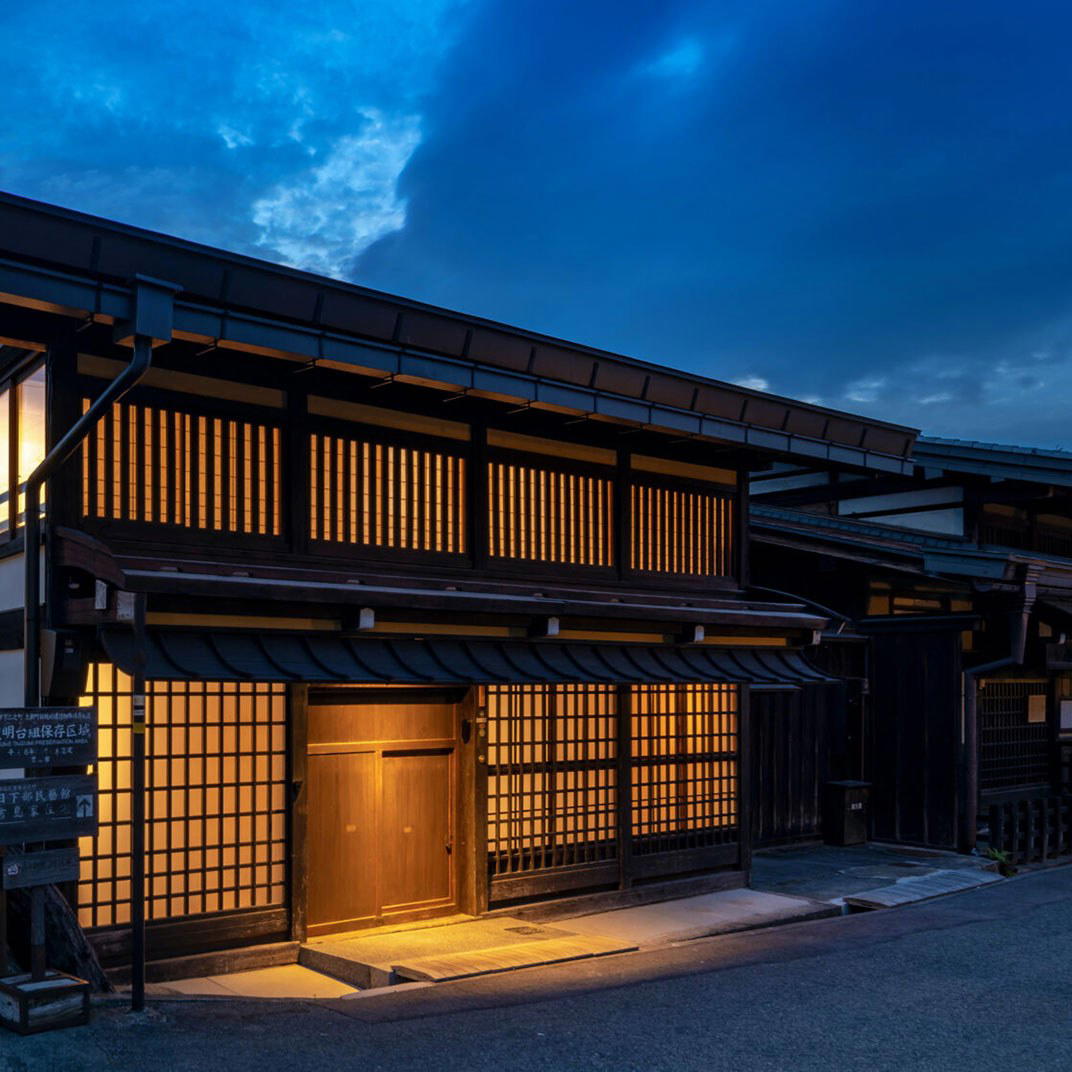
The address — 33-2 Kamiichinomachi — places 旬亭 なか川 inside one of the most intact historic merchant districts in Japan. Kamiichinomachi runs parallel to the Miyagawa River and is flanked by dark-timbered machiya townhouses that have survived largely unchanged since the Edo period. Approaching on foot from Takayama Station, the transition from a contemporary regional rail hub to a streetscape of latticed wooden facades takes fewer than fifteen minutes, but the shift in register is sharp. The built environment here communicates a particular relationship with time, and the dining rooms that occupy it tend to respond in kind.
Takayama sits at roughly 560 metres elevation in the Hida Highlands, which shapes the character of its ingredient calendar more forcefully than any single chef's preference. Spring brings mountain vegetables, warabi, kogomi, taranome, that appear in preserved form elsewhere in Japan but arrive here in their fresh, foraged state. Summer moves toward river fish from the Miyagawa. Autumn is defined by matsutake and hoba miso pairings. Winter calls for Hida beef, one of Japan's wagyu designations with documented regional production credentials. A kitchen in this address is working with an ingredient calendar that is genuinely site-specific rather than trend-assembled.
Booking 旬亭 なか川: What to Plan For
Takayama's dining room concentration is compact relative to its tourism profile. The city draws several million visitors annually, many of them on tight itineraries arriving by the Nohi Bus route from Matsumoto or by the JR Hida limited express from Nagoya, a journey of roughly 2.5 hours. Visitor density peaks during the spring and autumn Takayama festivals, when accommodation books out months ahead and even mid-tier restaurants operate at capacity. For a focused dining room like 旬亭 なか川, securing a reservation during festival windows requires planning well outside the usual two-to-three-week horizon that works in larger cities.
Japan's smaller regional restaurants often do not maintain English-language booking infrastructure. Phone reservations in Japanese remain the standard for many Takayama establishments, and the absence of a confirmed web booking portal for 旬亭 なか川 is consistent with a broader pattern across the city's more traditional dining rooms. Travellers without Japanese language capability who are based abroad typically approach this through a hotel concierge in Takayama, through a specialist travel desk, or through one of the Japan-focused reservation services that have emerged to bridge exactly this gap. The practical effort required to secure a table is, in this sense, part of the self-selection mechanism that keeps these rooms functioning as they do. For comparison, the same dynamic applies at focused regional rooms like 一本木 なか川 in Nanao and 湖畔荘 in Takashima, where reservation logistics reflect local rather than international booking cultures.
Timing matters beyond festival periods. Hida's mountain winters are genuine, snowfall from December through March, with some years extending into April. The ingredient calendar shifts significantly, and a kaiseki-adjacent meal booked in February will differ substantially from one taken in October. Neither is lesser; they are simply different expressions of the same place at different points in its seasonal cycle. Visitors with flexibility should consider which part of that cycle most interests them before setting a date.
The Dining Room in Context
Takayama's serious dining options are more concentrated than the city's size might suggest. TEPPAN たなか covers a different format, live-fire teppan cooking rather than composed seasonal courses, while オステリア・ラ・フォルケッタ represents the small Italian-in-Japan category that has become a fixture in provincial cities with discerning local clientele. 飛騨季節料理 数寄 sits closer to 旬亭 なか川's format, both drawing from the same Hida ingredient tradition with seasonal Japanese menus. Our full Takayama restaurants guide maps the city's dining options across all formats and price tiers.
Against Japan's highest-recognition tier, the kind of focused seasonal Japanese cooking represented by HAJIME in Osaka, Harutaka in Tokyo, or Gion Sasaki in Kyoto, 旬亭 なか川 operates in a different register: a regional room defined by its address and its ingredient access rather than by national accolades. That positioning is not a limitation; it is its own form of argument. The case for dining in Takayama rather than Kyoto is precisely that the sourcing is local in a way that cannot be replicated in a metropolitan kitchen. Hida beef, foraged mountain vegetables, river fish from the Miyagawa, these ingredients travel poorly, and their freshest expression is here. Similar reasoning applies to places like Goh in Fukuoka and akordu in Nara, where regional ingredient specificity defines the value proposition more than formal recognition does.
For reference points further afield, the pursuit of serious seasonal cooking at the regional level, where provenance and place matter as much as technique, echoes the logic that drives diners to rooms like 鳥羽鶴 in Nishikawa Machi or 古伊万里乃 in Sapporo, where the point is not to compete with Tokyo but to offer something that Tokyo cannot replicate. Internationally, the same argument distinguishes focused regional rooms from metropolitan flagships, the way Birdland in Sakai or Atomix in New York City or Le Bernardin in New York City each occupy specific positions within their respective peer sets rather than a single hierarchy.
Planning the Visit
Reaching Takayama from Tokyo is direct by shinkansen to Nagoya followed by the JR Hida limited express, with total journey times typically in the three-to-four-hour range depending on connections. From Osaka or Kyoto, the Hida express via Nagoya adds roughly the same buffer. The Nohi Bus service from Matsumoto operates through the Hida Highlands and is a legitimate alternative for travellers already based in Nagano Prefecture. Within Takayama, the historic centre is walkable; 旬亭 なか川's Kamiichinomachi address is accessible on foot from both the station and the main ryokan concentration near the Jinya.
Dress expectations in Takayama's focused dining rooms tend toward the conservative end of smart casual, not the formal codes of a major city kaiseki house, but not the hiking gear that the mountain setting might otherwise suggest. Given the absence of confirmed booking details in the public record, the most reliable approach remains contact through a Japanese-speaking intermediary or an established concierge service with regional reach.
Frequently asked questions
Where do I go for 旬亭 なか川?
旬亭 なか川 is located at 33-2 Kamiichinomachi, Takayama, Gifu 506-0844, Japan, Takayama.
Is 旬亭 なか川 a good choice for a first serious meal in Takayama?
For visitors unfamiliar with the Hida dining scene, the Kamiichinomachi address at 33-2 provides immediate orientation: the street is central, walkable from the main historic zone, and representative of how the city's better restaurants operate within the preserved architecture rather than apart from it. A meal here functions as an introduction to both Hida seasonal cooking and Takayama's spatial character in a single sitting.
What's the must-try dish at 旬亭 なか川?
The kitchen at 旬亭 なか川 works within the Hida seasonal tradition, meaning the menu rotates with what the Gifu mountain region produces each month. Without current menu documentation, the safest approach is to follow the chef's selection on arrival rather than arriving with a fixed dish in mind. Takayama's highland larder, which includes Hida beef, mountain vegetables, and river fish, shapes what appears on the table.
Can I walk in to 旬亭 なか川?
Takayama draws several million visitors annually against a compact pool of serious dining rooms, which makes walk-in availability unpredictable at best. 旬亭 なか川 sits at 33-2 Kamiichinomachi, one of the city's most visited historic streets, so foot traffic pressure is constant. Advance booking is the practical approach, particularly during the spring and autumn high seasons.
What's the signature at 旬亭 なか川?
The defining characteristic is the address itself: Kamiichinomachi is among the most intact Edo-period merchant districts in Japan, and dining here carries a spatial context that modern Takayama restaurants away from the historic core cannot replicate. The kitchen's output is rooted in Hida seasonal produce, which shifts the experience across visits throughout the year.
Can 旬亭 なか川 handle vegetarian requests?
Traditional Hida cuisine is built around mountain vegetables, tofu, and river produce alongside meat, so there is a natural base for plant-forward courses. Communicating requirements clearly at the time of booking is the standard practice for any Japanese restaurant operating a seasonal or fixed menu format.
Does 旬亭 なか川 justify its prices?
Price data for 旬亭 なか川 is published details are limited, which is common for Takayama restaurants in this category. The city's serious dining rooms generally position at mid-to-upper tier relative to Tokyo equivalents, though overall costs remain lower than comparable Kyoto kaiseki. The location inside Kamiichinomachi's preserved streetscape adds a context that restaurants in more generic settings cannot offer. Check the venue's official channels for the latest details.
A Quick Peer Check
Comparable venues nearby, for context on price, style, and recognition.
| Venue | Cuisine | Price | Awards | Notes |
|---|---|---|---|---|
| 旬亭 なか川This venue — the venue you are viewing | French-Japanese Teppanyaki with Hida Beef | $100–150 | Tabelog 100 #24 | Not listed |
| TEPPAN たなか | Premium Teppanyaki Kaiseki with A5 Hida Wagyu | $300–500 | Not listed | Enakomachi, Takayama |
| オステリア・ラ・フォルケッタ | Seasonal Italian Trattoria | $30–50 | Not listed | Takayama |
| Kuni Hachi Shokudo | Casual Hida regional diner & tofu-teppan shokudo | $10–20 | Tabelog 100 #23 | Hozue / Shimogirimachi |
| Hanaougi Bettei Iiyama Ryokan | Traditional Japanese Kaiseki Ryokan | $200–300 | Not listed | Honobu-cho |
| CENTER4 HAMBURGERS | Hida beef burger & American-style hamburger shop | $20–30 | Tabelog 100 #36 | Furui Machinami (old town) |
Recognition history
Dated appearances from independent guides and award organizations, with the underlying list record or original source where available.
Tabelog 100 #24 · No. 24
Tabelog · Tabelog 100 - Steak / Teppanyaki - EAST - 2025
Continue exploring
More in Takayama
Restaurants in Takayama
Browse all →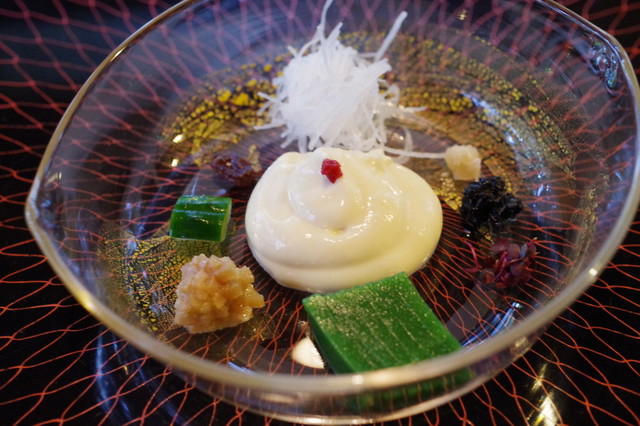
Details
- Elegant
- Intimate
- Quiet
- Classic
- Date Night
- Special Occasion
- Business Dinner
- Celebration
- Open Kitchen
- Historic Building
- Standalone
- Extensive Wine List
- Local Sourcing
- Farm To Table
- Set Menu
- Prix Fixe
- Wine
- Allergy Accommodating
Current opening hours
- Monday
- 11:30 AM–2 PM, 5:30–9:30 PM
- Tuesday
- Closed
- Wednesday
- Closed
- Thursday
- 11:30 AM–2 PM, 5:30–9:30 PM
- Friday
- 11:30 AM–2 PM, 5:30–9:30 PM
- Saturday
- 11:30 AM–2 PM, 5:30–9:30 PM
- Sunday
- 11:30 AM–2 PM, 5:30–9:30 PM
Hours can change for holidays and private events. Last verified .
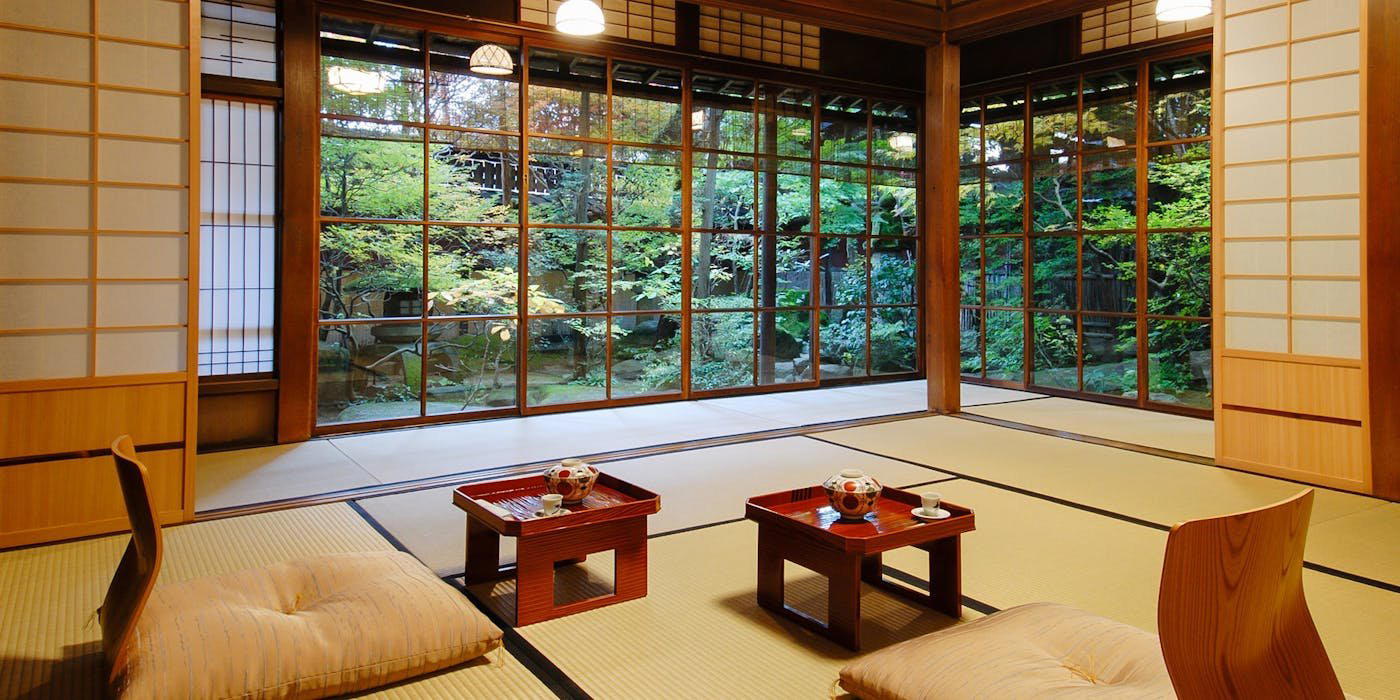
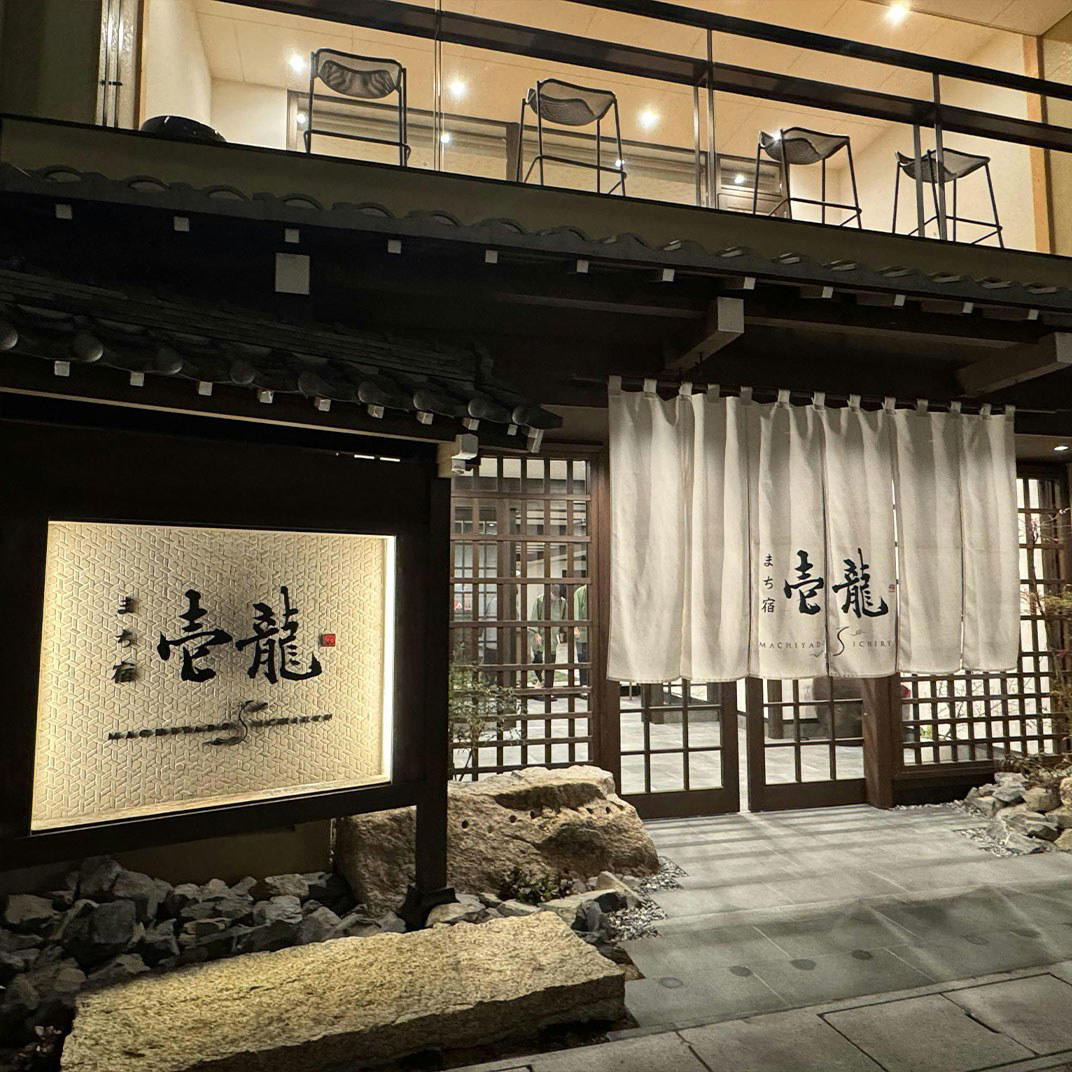
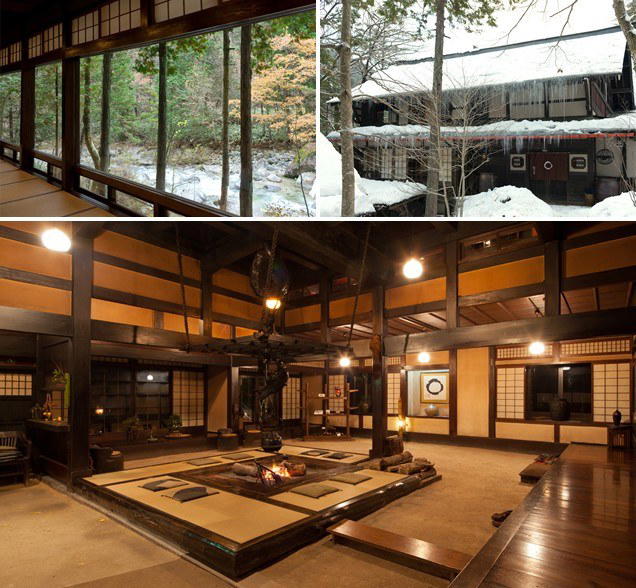
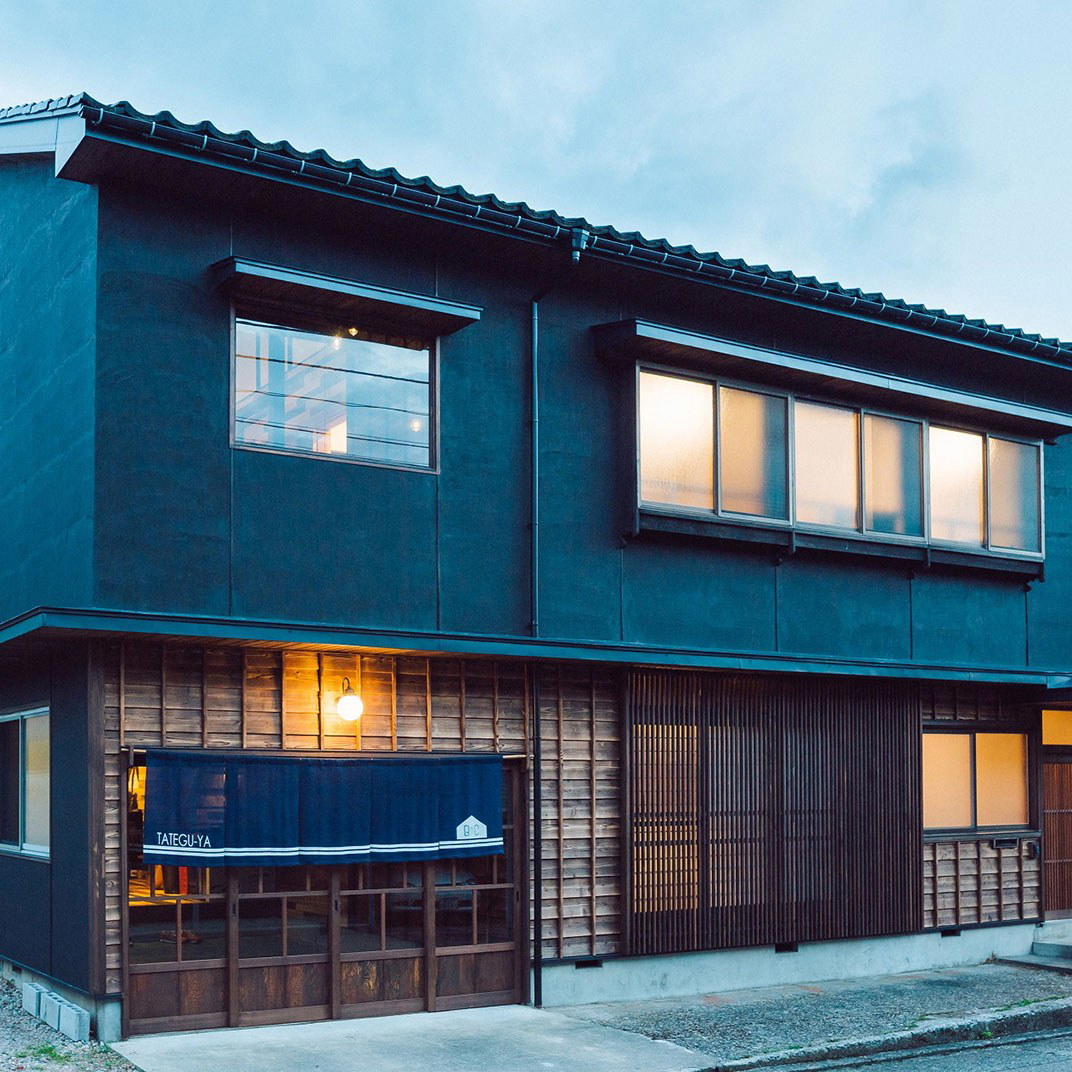
Refined and welcoming atmosphere in a restored traditional Japanese house with antique decor, creating a calm and sophisticated dining environment.