
Tabelog 100 #10
Our verdict
Located on Shinmeimachi in Takayama's preserved historic quarter, 洲さき occupies the kind of quiet street that Gifu Prefecture's old town does better than almost anywhere in Japan. Sparse venue data makes specific menu and pricing details difficult to confirm in advance, so direct contact before visiting is advisable. For context on the broader Takayama dining scene, the EP Club city guide covers the full range of options across price tiers.

Pearl is the En Primeur Club membership app — saves, bookings, and concierge access live there. Same editors, same standards.
- Address
- 4 Chome-14 Shinmeimachi, Takayama, Gifu 506-0821, Japan
- Phone
- +81577320023
- Hours
- Daily 11:30 AM–2 PM, 5–9 PM
- Website
- ryoutei-susaki.com
- Directions
- Get directions
- Booking
- Book on the venue's website
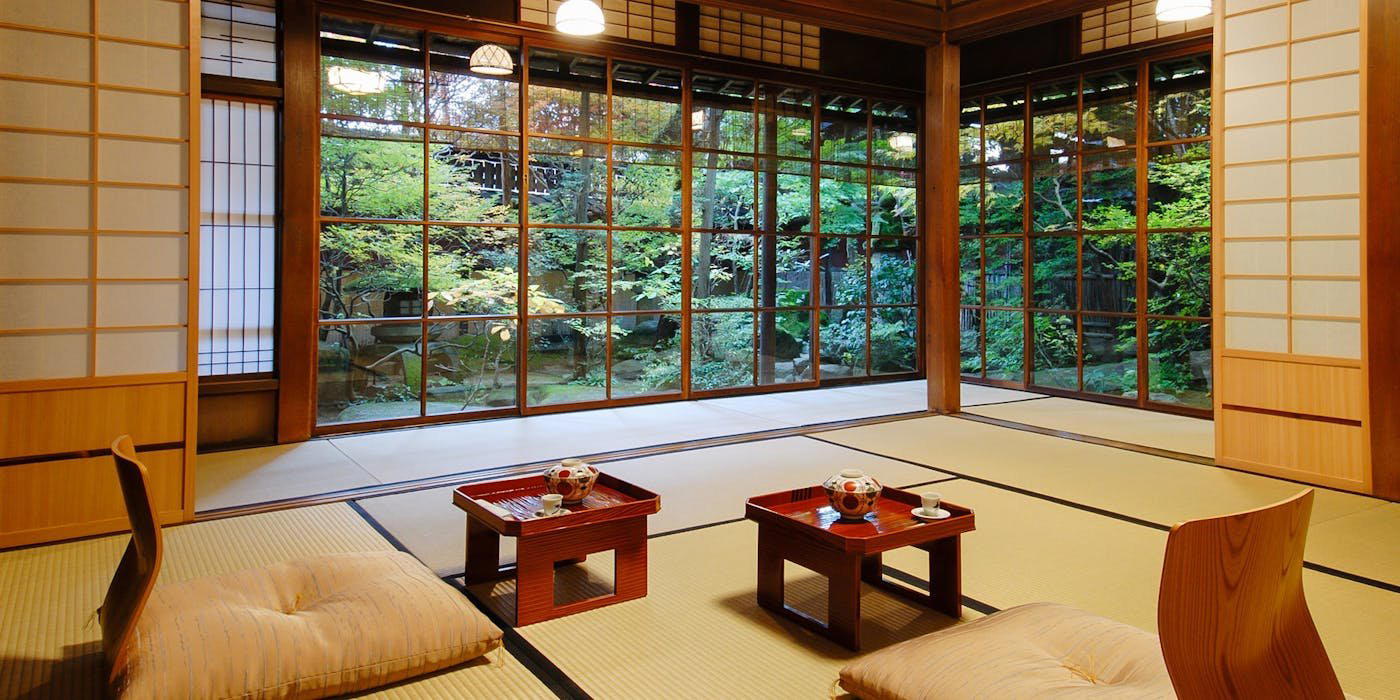
Old Town, Quiet Room: Dining in Takayama's Historic Quarter
Takayama earns its reputation among Japan's best-preserved Edo-period towns not through reconstruction but through continuity. The Sanmachi Suji merchant district and the surrounding streets of Shinmeimachi have maintained their latticed facades and narrow alleys largely intact, and the dining culture that has developed here reflects that context. Restaurants operating in this part of Gifu Prefecture tend to position themselves against the town's particular character: seasonal, deliberate, built around local producers and the rhythms of a mountain environment sitting at roughly 570 metres above sea level. Winter brings Hida beef from the surrounding highlands; spring arrives with mountain vegetables; autumn closes the cycle with mushrooms and river fish. Any serious kitchen in this neighbourhood is, in some way, negotiating with that agricultural calendar.
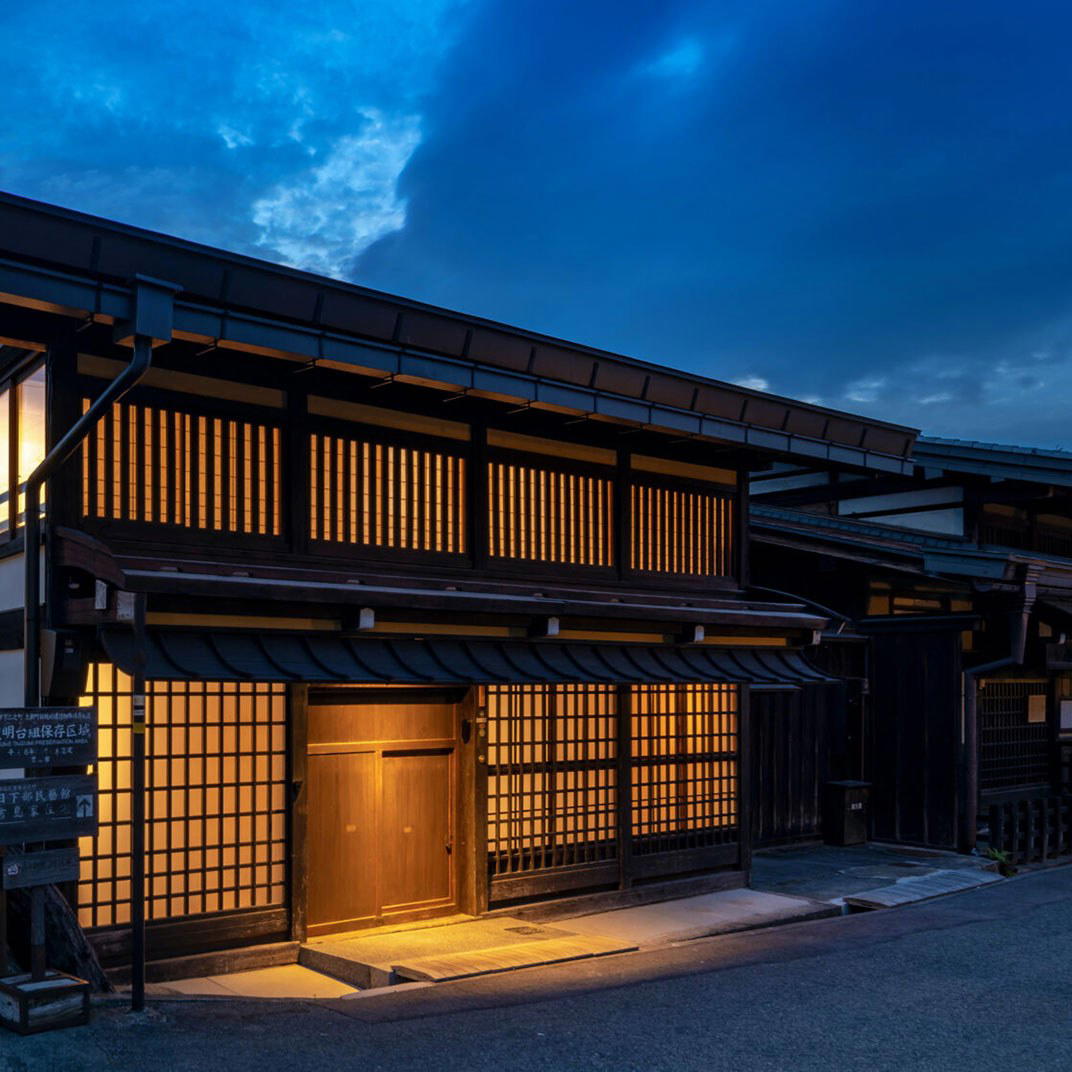
洲さき sits on Shinmeimachi, one of the quieter residential and dining streets within Takayama's historic core. The address places it in the same general orbit as the preserved townhouses and small-scale restaurants that define what dining out in this city actually looks like at its more considered end. This is not the category of destination that announces itself with signage or promotional material. Restaurants of this type in Takayama rely on local knowledge, word of mouth, and the kind of gradual reputation-building that suits a town whose visitors often return specifically because the place resists easy commercialisation.
The Collaboration Behind the Counter
In Japanese dining at the level that Takayama's better restaurants occupy, the quality of a meal rarely comes down to a single person. The most coherent experiences in this category involve a tight coordination between kitchen and front-of-house, where the person managing the room reads the pace of service as carefully as the kitchen manages the heat. In a small-town setting like Takayama, where the dining room is likely compact and the number of covers limited, that coordination becomes even more visible. There is nowhere to hide slack pacing, a poorly chosen sake pairing, or a front-of-house team that doesn't know the provenance of what they're serving.
Restaurants that succeed in environments like Shinmeimachi tend to operate as unified teams rather than kitchen-led hierarchies. The front-of-house in this context is not decorative. Sake selection in the Hida region carries real weight: local breweries including Funasaka Shuzo and Hirase Shuzo produce a style of nihonshu that pairs differently from the cleaner, drier profiles common in urban Japan. A front-of-house that understands when to recommend a junmai daiginjo versus a warmed honjozo, and why the answer changes depending on what the kitchen has sent out, is doing something substantive. This kind of team-level coherence is what distinguishes the more accomplished small restaurants in Takayama's historic district from those operating on the city's tourist-facing perimeter.
For comparison, the integration of service and kitchen programmes at venues like Gion Sasaki in Kyoto or Harutaka in Tokyo demonstrates how front-of-house intelligence functions as a structural element of the meal, not an afterthought. In smaller cities and towns, that principle applies with equal force, compressed into fewer seats and a more intimate room.
Takayama in the Broader Context of Regional Japanese Dining
Takayama occupies an interesting position in the map of serious Japanese dining outside the major urban centres. It is not a city like Kyoto, where the density of high-end kaiseki creates genuine competitive pressure and a very legible hierarchy. Nor is it as food-focused as Fukuoka, where Goh and its peers operate in a dense, ambitious local scene. Takayama is something smaller and more specific: a heritage town where the leading restaurants tend to be intimate, regionally anchored, and not particularly interested in the attention economy.
That makes it harder to benchmark restaurants here against the frameworks that apply in Tokyo or Osaka. It is the small network of careful, ingredient-led restaurants across provincial Japan, from Nanao to Takashima, where the sourcing story is local and the ambition is expressed through restraint rather than scale. In that context, Takayama's better kitchens, including the dining options around Shinmeimachi, are doing something worth paying attention to even if they don't appear on international award shortlists.
Other options in Takayama worth considering alongside 洲さき include Amane Dining, Hanaougi Bettei Iiyama Ryokan, and TEPPAN たなか, each occupying a different register of the local dining scene. 飛騨季節料理 肴貫 and オステリア・ラ・フォルケッタ represent further points on the spectrum. The EP Club full Takayama restaurants guide maps the wider picture.
Planning Your Visit
The address on Shinmeimachi places 洲さき within walking distance of Takayama's central historic district, accessible from Takayama Station on the JR Takayama Main Line in under fifteen minutes on foot. The town is compact enough that most of the historic quarter is navigable without a taxi. Takayama sees its heaviest visitor numbers during the spring festival in April and the autumn festival in October, both of which are among the most attended traditional festivals in the Chubu region. Visiting outside those windows, particularly in late November through February, means a quieter town and a different seasonal menu profile from local kitchens. Given the limited publicly available data on 洲さき's booking method, hours, and pricing, contacting the restaurant directly before visiting is the practical approach. Arriving without a reservation at any serious small restaurant in Takayama's historic quarter is generally not advisable, particularly during festival periods or peak autumn foliage weekends.
For further context on comparable regional dining experiences across Japan, akordu in Nara, 札幌山之 in Sapporo, and 鶴羽屋 in Nishikawa Machi each offer a useful reference point for how ingredient-led restaurants in non-metropolitan Japan approach the question of seasonal menus and regional identity. Le Bernardin in New York City and Birdland in Sakai demonstrate how front-of-house and kitchen collaboration scales across very different contexts and price tiers.
FAQ
- Is 洲さき child-friendly?
- What is the atmosphere like at 洲さき? If the venue follows the format common to Takayama's more considered small restaurants, expect a quiet, intimate room where the pace is set by the kitchen rather than the diner. The Shinmeimachi address suggests a traditional aesthetic consistent with the surrounding neighbourhood.
- What dish is 洲さき famous for? In Takayama's regional cooking tradition, Hida beef and seasonal mountain ingredients are central reference points for kitchens in this district, but specific menu claims for this restaurant require direct verification.
- Can I walk in to 洲さき? Walk-in availability at small historic-quarter restaurants in Takayama is generally limited, particularly during the April and October festival periods. Contact the restaurant before arriving to confirm whether reservations are required.
- What's the standout thing about 洲さき?
- Is 洲さき connected to a particular regional culinary tradition? Takayama sits at the centre of Hida cuisine, a mountain-influenced cooking tradition built around Hida beef, freshwater fish from the Miya and Hida rivers, and foraged vegetables specific to the surrounding highlands. Restaurants on Shinmeimachi operate within that tradition by default, though the specific approach taken by 洲さき's kitchen requires confirmation through direct contact or a firsthand visit. For broader context on how Hida region ingredients appear across the Takayama dining scene, the EP Club Takayama guide provides a fuller picture.
Frequently asked questions
Is 洲さき child-friendly?
Traditional Japanese restaurants in the Shinmeimachi area of Takayama tend to run formal services where quiet and patience are expected from guests. 洲さき sits in this category of establishment, so families with young children should factor that in before booking. Older children comfortable with a seated, course-style format are a better fit.
What is the atmosphere like at 洲さき?
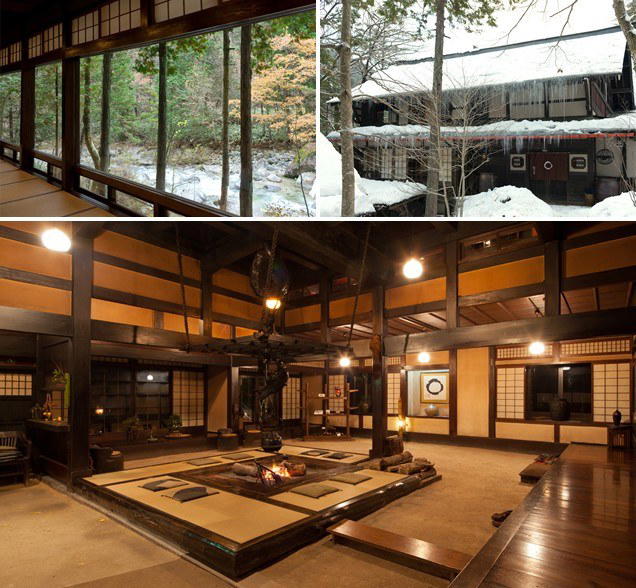
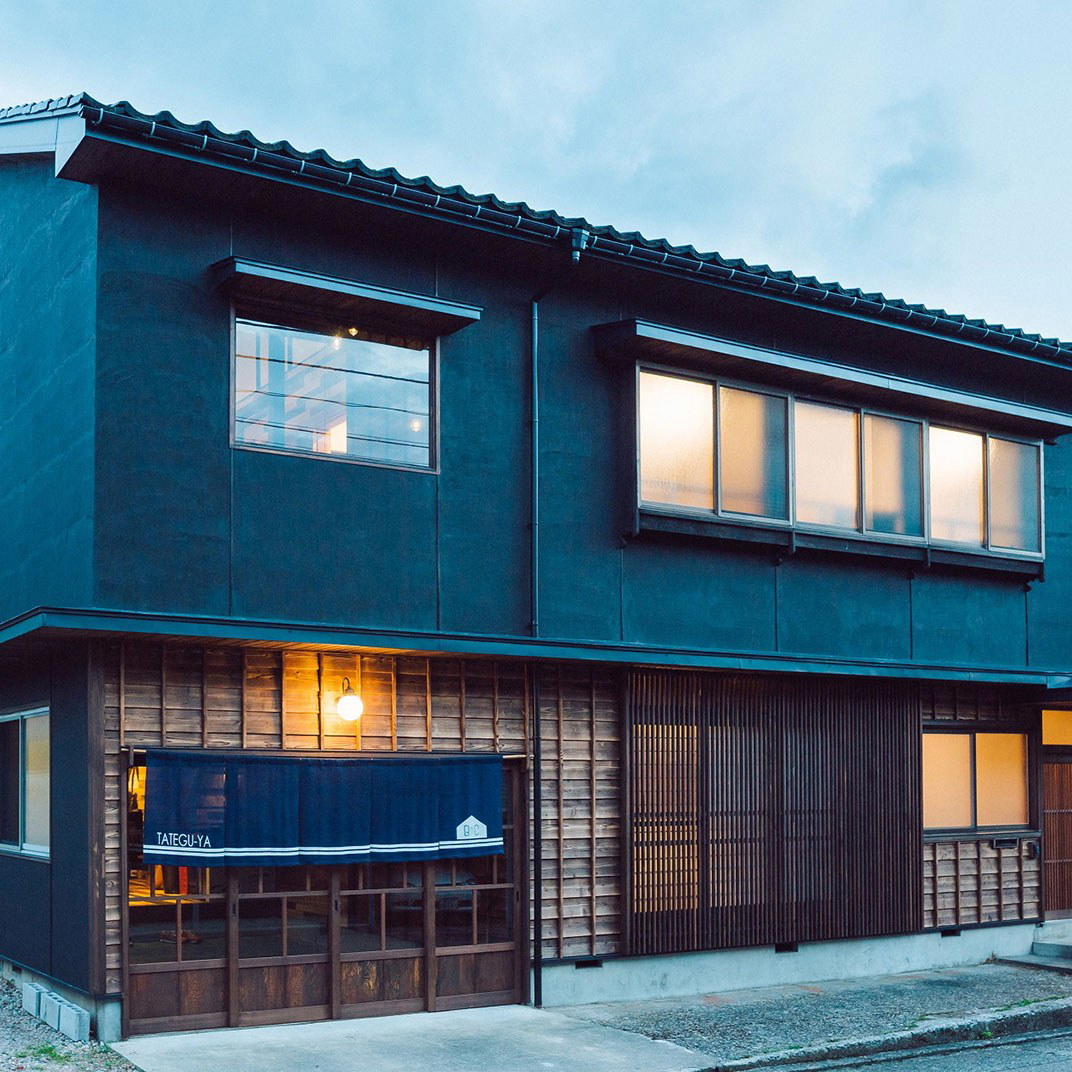
The address on Shinmeimachi places it inside Takayama's historic preservation zone, where the built environment itself shapes the mood — low-slung machiya architecture, narrow lanes, and minimal commercial signage. Inside, expect the restrained register typical of serious regional Japanese dining: unhurried, attentive, and quiet rather than convivial.
How does 洲さき's location on Shinmeimachi compare to other serious dining options in the Takayama historic district?
Shinmeimachi runs parallel to the more heavily trafficked Sanmachi Suji and attracts a smaller volume of foot traffic, which tends to filter the clientele toward those seeking the meal rather than the postcard. In a city like Takayama — positioned between Kyoto's density of acclaimed restaurants and the rural isolation of Japan's deeper mountain towns — a Shinmeimachi address signals intent: this is a kitchen oriented toward the local and regional rather than toward international tourism.
What dish is 洲さき famous for?
What can be said is that Takayama's better kitchens draw on Hida region ingredients — mountain vegetables, river fish, and locally raised Hida beef — and restaurants on Shinmeimachi typically reflect that seasonal, ingredient-led approach.
Where exactly is 洲さき?
洲さき is located at 4 Chome-14 Shinmeimachi, Takayama, Gifu 506-0821, Japan, Takayama.
Can I walk in to 洲さき?
Walk-in availability at restaurants of this type in Takayama's historic quarter is rare, particularly during the spring cherry blossom and autumn foliage seasons when the city draws its heaviest visitor traffic. Booking ahead is the practical approach; contact details should be confirmed through local accommodation or tourism resources since the venue's phone and website are not publicly listed here.
What's the standout thing about 洲さき?
Location is the immediate credential: Shinmeimachi is one of the few addresses in Japan where an Edo-period streetscape has survived intact rather than been restored. Dining in that physical context, at a restaurant that operates within that neighbourhood rather than trading on its proximity, gives the experience a grounding that urban equivalents cannot replicate.
Budget and Context
Comparable venues nearby, for context on price, style, and recognition.
| Venue | Cuisine | Price | Awards | Notes |
|---|---|---|---|---|
| 洲さきThis venue — the venue you are viewing | Traditional Sōwa-ryū Honzen Ryori | $100–150 | Tabelog 100 #10 | Not listed |
| 旬亭 なか川 | French-Japanese Teppanyaki with Hida Beef | $100–150 | Tabelog 100 #24 | Kamiichinomachi, Takayama, French-Japanese Teppanyaki with Hida Beef |
| Hanaougi Bettei Iiyama Ryokan | Traditional Japanese Kaiseki Ryokan | $200–300 | Not listed | Honobu-cho, Traditional Japanese Kaiseki Ryokan |
| 飛騨季節料理 肴 | Hida Beef Kaiseki | $100–150 | Not listed | Old Town, Hida Beef Kaiseki |
| Bourbon | Hida beef steakhouse | $100–150 | Tabelog 100 #10 | Honmachi, Hida beef steakhouse |
| Iwaki | Japanese traditional sweets (warabi mochi specialty) | $1–10 | Tabelog 100 #20 | Kamisannomachi (old town Takayama), Japanese traditional sweets (warabi mochi specialty) |
Recognition history
Dated appearances from independent guides and award organizations, with the underlying list record or original source where available.
Tabelog 100 #10 · No. 10
Tabelog · Tabelog 100 - Japanese cuisine - EAST - 2025
Continue exploring
More in Takayama
Restaurants in Takayama
Browse all →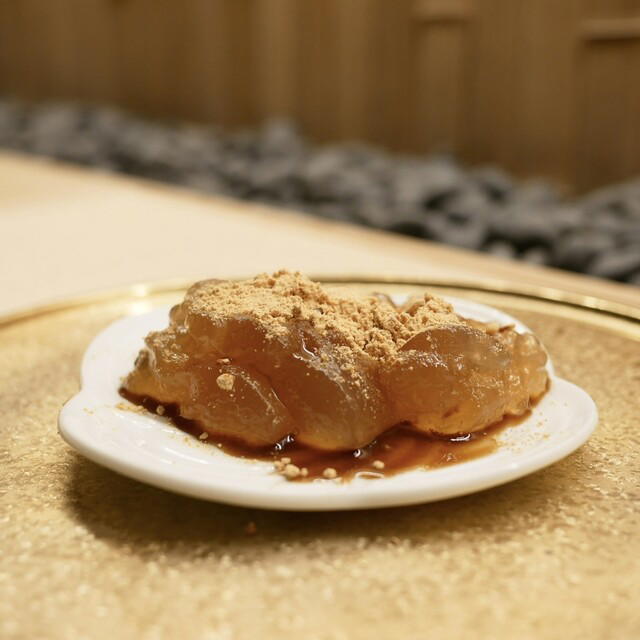
Details
- Classic
- Elegant
- Rustic
- Historic
- Special Occasion
- Celebration
- Historic Building
- Sake Program
- Local Sourcing
- Garden
- Set Menu
Current opening hours
- Monday
- 11:30 AM–2 PM, 5–9 PM
- Tuesday
- 11:30 AM–2 PM, 5–9 PM
- Wednesday
- 11:30 AM–2 PM, 5–9 PM
- Thursday
- 11:30 AM–2 PM, 5–9 PM
- Friday
- 11:30 AM–2 PM, 5–9 PM
- Saturday
- 11:30 AM–2 PM, 5–9 PM
- Sunday
- 11:30 AM–2 PM, 5–9 PM
Hours can change for holidays and private events. Last verified .
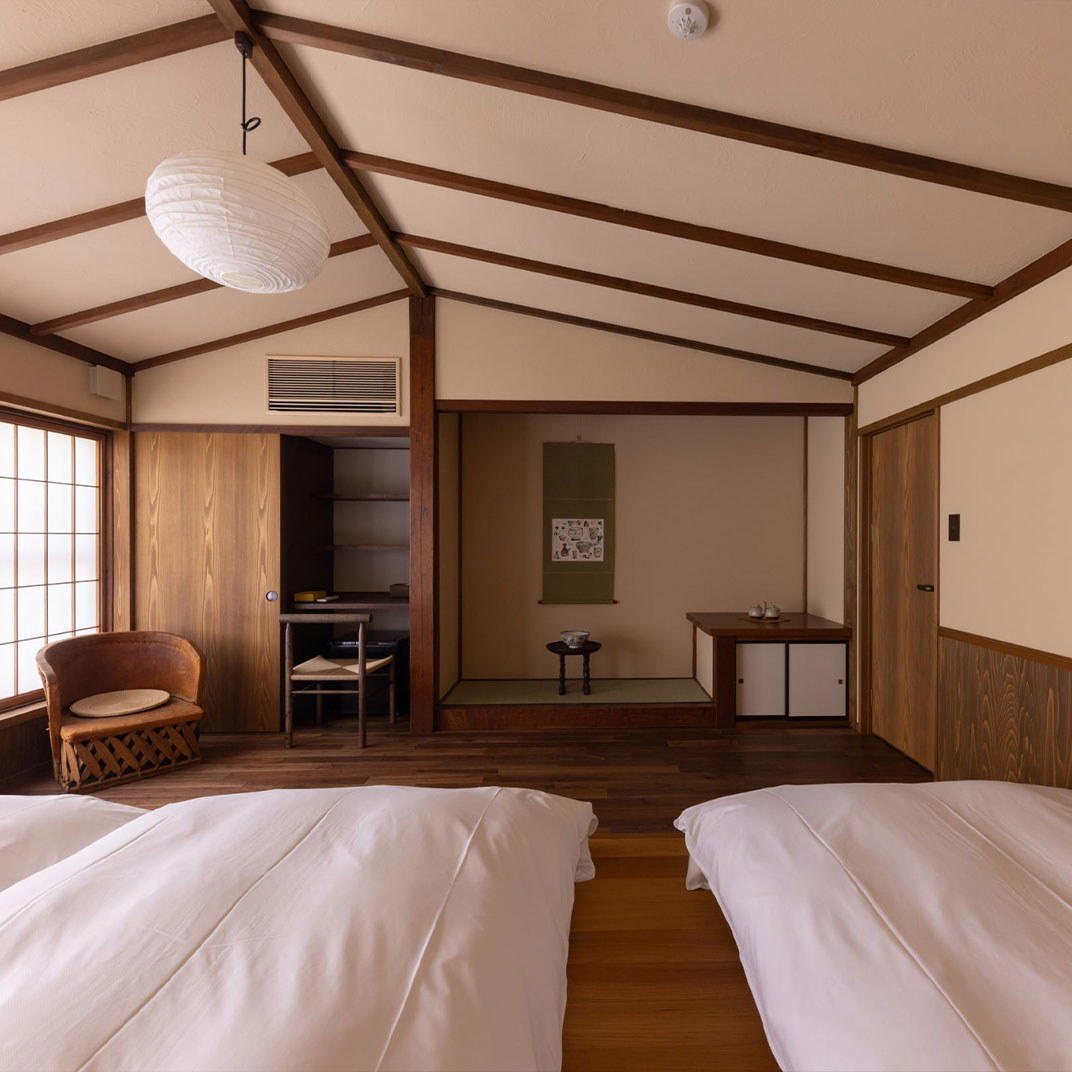
Traditional Japanese atmosphere in a historic building with relaxing spaces, tatami rooms, and a serene Japanese garden.