
Tabelog 100 #83
Our verdict
Hida Takayama Kakusho gives Takayama’s Japanese dining scene a formal, ingredient-led address rather than another casual stop built around Hida beef alone. Its 2025 selection for Tabelog 100 Japanese Cuisine East, reservation-only format, organic category, private rooms, and 80-seat scale place it in the city’s more serious regional-cuisine tier.

Pearl is the En Primeur Club membership app — saves, bookings, and concierge access live there. Same editors, same standards.
- Address
- Japan, 〒506-0838 Gifu, Takayama, Babamachi, 2 Chome−98
- Phone
- +81 577-32-0174
- Hours
- Daily 11:30 AM–2 PM, 5:30–7 PM
- Website
- kakusyo.com
- Directions
- Get directions
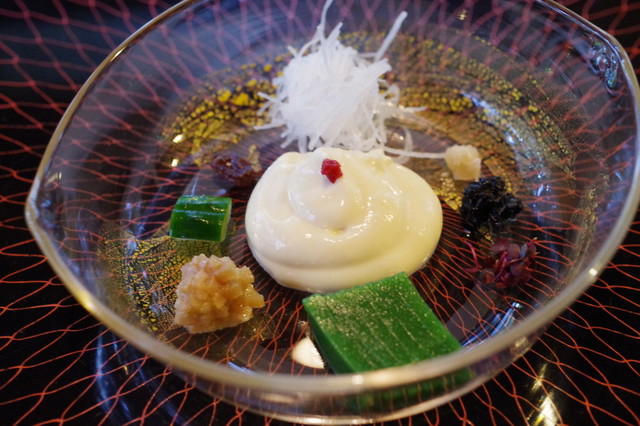
The menu
What to order
- Shojin ryori kaiseki course
- Seasonal vegetable tempura and mountain vegetables
- Tofu and yuba dishes
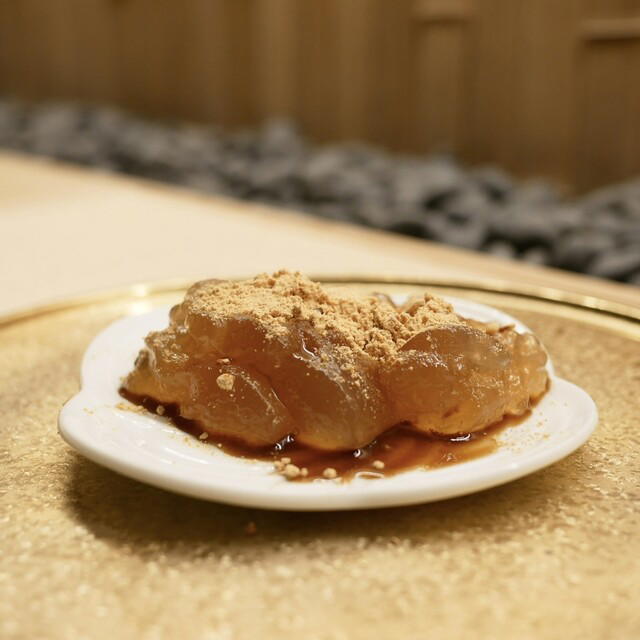
- Mochi dishes
Approaching Takayama, the dining rhythm slows: smaller rooms, quieter thresholds, and meals that treat the city as more than a sightseeing stop. Hida’s food culture is often simplified for visitors, but its more formal Japanese restaurants can offer a broader view of regional dining: seasonal produce, careful pacing, and the composed register expected in Japanese cuisine.
Hida Takayama Kakusho belongs to this composed side of the city. Its inclusion in the Tabelog Hyakumeiten selection for 2025 gives it external standing in a category where regional restaurants are judged beyond Takayama tourist traffic. The listed categories, Japanese Cuisine and Organic, also matter. In a city where many visitors arrive with a single local dish in mind, this points to seasonality and the broader grammar of washoku rather than a one-item meal.
Hida ingredients treated as a full meal, not a souvenir checklist
Takayama’s food economy is shaped by its position in the Hida region. For travelers, the city is often encountered through local markets, preserved foods, regional drinks, and small dining rooms, but a formal Japanese meal has a different task: turning that sense of place into a paced experience where value lies in sequence, restraint, and timing rather than spectacle.
That is the useful way to read Kakusho. It is not competing with burger counters, izakaya, or quick casual stops on convenience. It sits in the Japanese-cuisine tier where pacing and ingredient selection matter as much as individual dishes. The Organic classification sharpens the point: this is a meal framed around procurement and season rather than imported luxury cues. For a Takayama itinerary, it is a counterweight to casual local staples and a structured expression of Japanese dining.
The comparison inside town is instructive. CENTER4 HAMBURGERS represents Takayama’s casual international side at a different price band, while Iwaki sits in the inexpensive local bracket. Other Takayama dining rooms speak to the city’s lodging-linked and everyday food culture. Kakusho’s role is different: a Japanese restaurant positioned for a more formal meal, with the focus placed on regional ingredients and the structure of Japanese cuisine.
Why the Tabelog 100 signal matters in a small-city market
Regional Japanese restaurants often have a visibility problem. Tokyo counters and Kyoto kappo rooms draw international attention, while smaller-city kitchens are judged by travelers on convenience or proximity to sightseeing routes. A Tabelog Hyakumeiten 2025 selection cuts through that noise by placing Kakusho in a broader field beyond Takayama’s tourism loop. The listed Tabelog score of 3.60 is another local-platform signal, useful in Japan where serious diners read ratings by category and region rather than as universal rankings.
The recognition also separates the experience from the quick-stop model that can dominate tourist dining in small cities. It does not make the meal casual; it changes the occasion. The Japanese Cuisine and Organic listing points to a restaurant where sourcing, season, and the shape of the meal carry the experience. That matters in Takayama, where visitors often value pace, privacy, and the sense of a considered meal.
The practical takeaway: this is not a quick refuel between shops. It is a formal Japanese meal in a Takayama plan, especially for diners who want regional ingredients handled within washoku rather than as single-item tourism. For a wider city map, Our full Takayama restaurants guide places it beside casual rooms, lodging-linked dining, and local specialities. Travelers pairing dinner with lodging should also scan Our full Takayama hotels guide, since the city’s dining rhythm often follows where visitors stay.
How to place it in a Takayama trip
Takayama rewards slower scheduling. Daytime sightseeing can make the city feel busy; serious meals benefit from leaving space in the schedule. Kakusho fits that pattern. Its price band, listed for both lunch and dinner at JPY 10,000 - JPY 14,999, makes advance planning sensible, and the meal suits diners treating the restaurant as the day’s anchor rather than a spontaneous stop.
The city’s hospitality scene is compact but varied. A restaurant-led itinerary can sit alongside Our full Takayama bars guide for late drinks, Our full Takayama wineries guide for regional drinks context, and Our full Takayama experiences guide for cultural pacing around meals. The point is not to overfill the day: Takayama’s stronger food experiences make sense when the schedule leaves room for the city and a longer dinner instead of treating it as a photo stop between train rides.
Within Japan’s dining map, Kakusho sits closer to regional washoku than to the metropolitan tasting-menu race. For contrast, other dining in Japan may narrow itself around casual staples, grills, cafés, drinks, or snacks, each serving different travel needs. Takayama’s case is broader: a regional table shaped by place, season, and the formal cadence of Japanese cuisine.
For travelers choosing where to spend a serious meal in town, the argument is clear. Hida Takayama Kakusho is the address for a full regional Japanese meal with sourcing at its center, not another quick stop built around a single local product. Other Takayama addresses may fill different nights, but this is where the city’s ingredient culture receives a more deliberate treatment.
Frequently asked questions
What's the price range at Hida Takayama Kakusho?
Pricing at Hida Takayama Kakusho is listed as JPY 10,000 - JPY 14,999 for both lunch and dinner.
What are the opening hours for Hida Takayama Kakusho?
Opening hours for Hida Takayama Kakusho are not specified in the provided listing.
What's Hida Takayama Kakusho's location?
Hida Takayama Kakusho is located in Takayama.
What's Hida Takayama Kakusho best at?
Hida Takayama Kakusho is strongest as a 2025 Tabelog Hyakumeiten-listed restaurant in Takayama. Its listed categories are Japanese Cuisine and Organic, and its JPY 10,000 - JPY 14,999 lunch and dinner budget places it in a serious bracket for the city.
Comparable Spots, Quickly
Nearby venues at a similar price tier for orientation.
| Venue | Cuisine | Price | Awards | Notes |
|---|---|---|---|---|
| Hida Takayama KakushoThis venue — the venue you are viewing | Traditional Shojin Ryori Kaiseki | $100–150 | Tabelog 100 #83 | Not listed |
| TEPPAN たなか | Premium Teppanyaki Kaiseki with A5 Hida Wagyu | $300–500 | Not listed | Enakomachi, Takayama |
| 洲さき | Traditional Sōwa-ryū Honzen Ryori | $100–150 | Tabelog 100 #10 | Shinmeimachi |
| オステリア・ラ・フォルケッタ | Seasonal Italian Trattoria | $30–50 | Not listed | Takayama |
| Steak House Kitchen Hida | Hida beef steakhouse | $50–100 | Tabelog 100 #17 | Hommachi |
| 飛騨季節料理 肴 | Hida Beef Kaiseki | $100–150 | Not listed | Old Town |
Recognition history
Dated appearances from independent guides and award organizations, with the underlying list record or original source where available.
Tabelog 100 #83 · No. 83
Tabelog · Tabelog 100 - Japanese cuisine - EAST - 2025
Continue exploring
More in Takayama
Restaurants in Takayama
Browse all →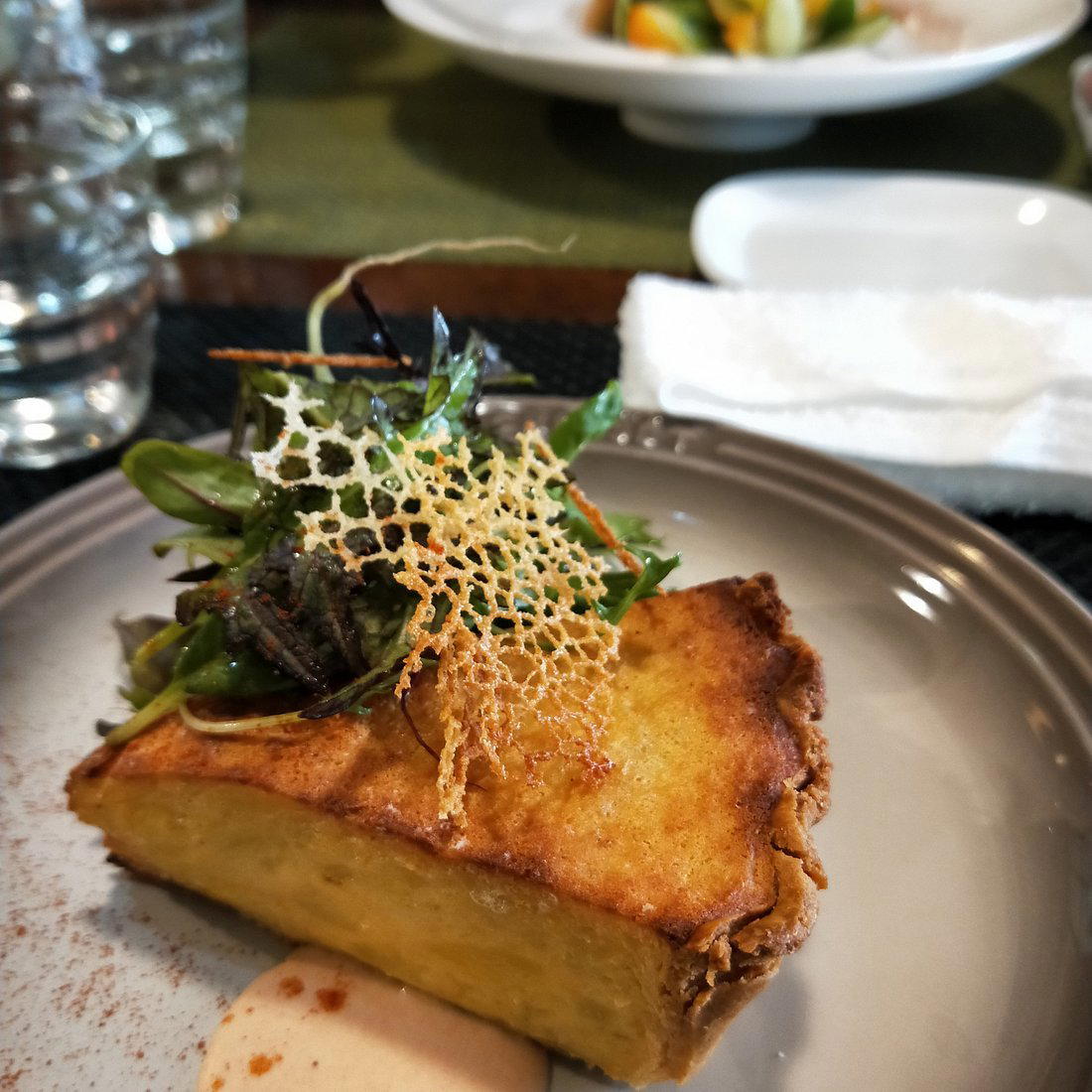
Details
- Classic
- Elegant
- Quiet
- Cozy
- Special Occasion
- Date Night
- Business Dinner
- Celebration
- Group Dining
- Solo
- Historic Building
- Standalone
- Private Dining
- Sake Program
- Local Sourcing
- Tasting Menu
- Omakase
- Set Menu
- Sake
- Beer
- Tea
- Vegetarian Friendly
- Vegan Options
- Pescatarian Friendly
Current opening hours
- Monday
- 11:30 AM–2 PM, 5:30–7 PM
- Tuesday
- 11:30 AM–2 PM, 5:30–7 PM
- Wednesday
- 11:30 AM–2 PM, 5:30–7 PM
- Thursday
- 11:30 AM–2 PM, 5:30–7 PM
- Friday
- 11:30 AM–2 PM, 5:30–7 PM
- Saturday
- 11:30 AM–2 PM, 5:30–7 PM
- Sunday
- 11:30 AM–2 PM, 5:30–7 PM
Hours can change for holidays and private events. Last verified .
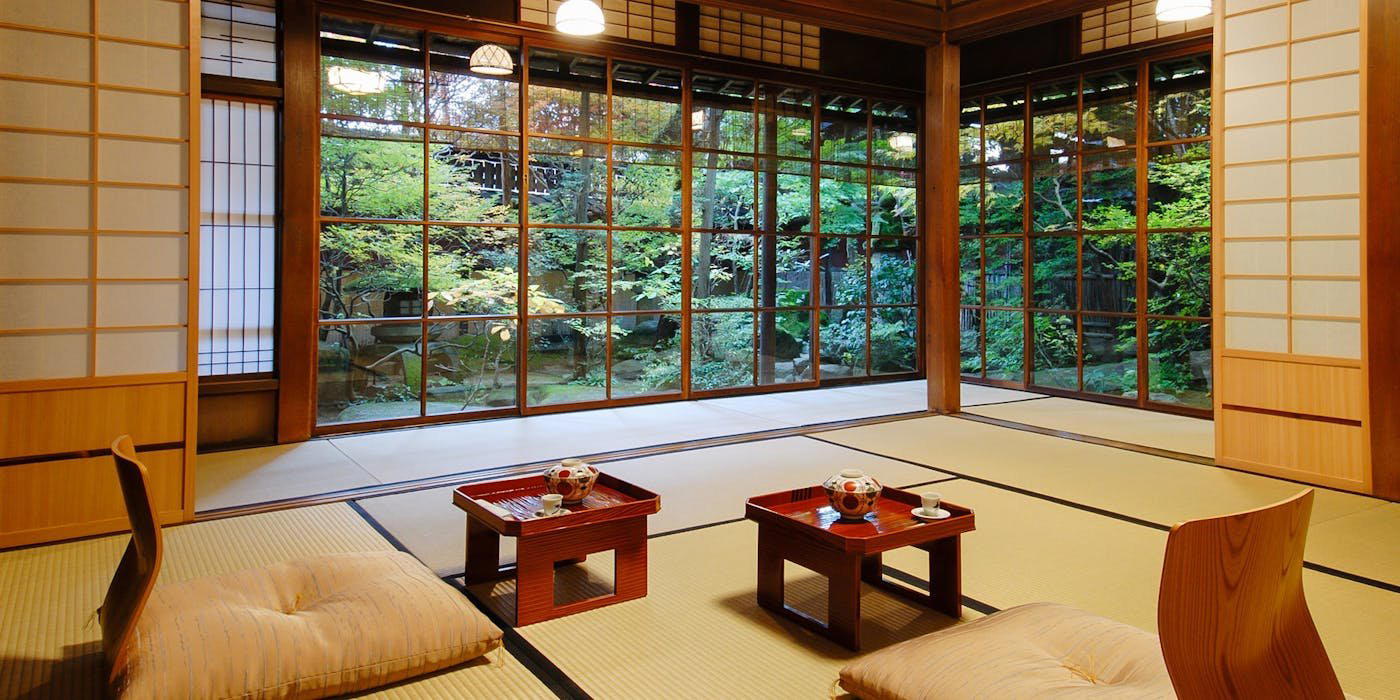
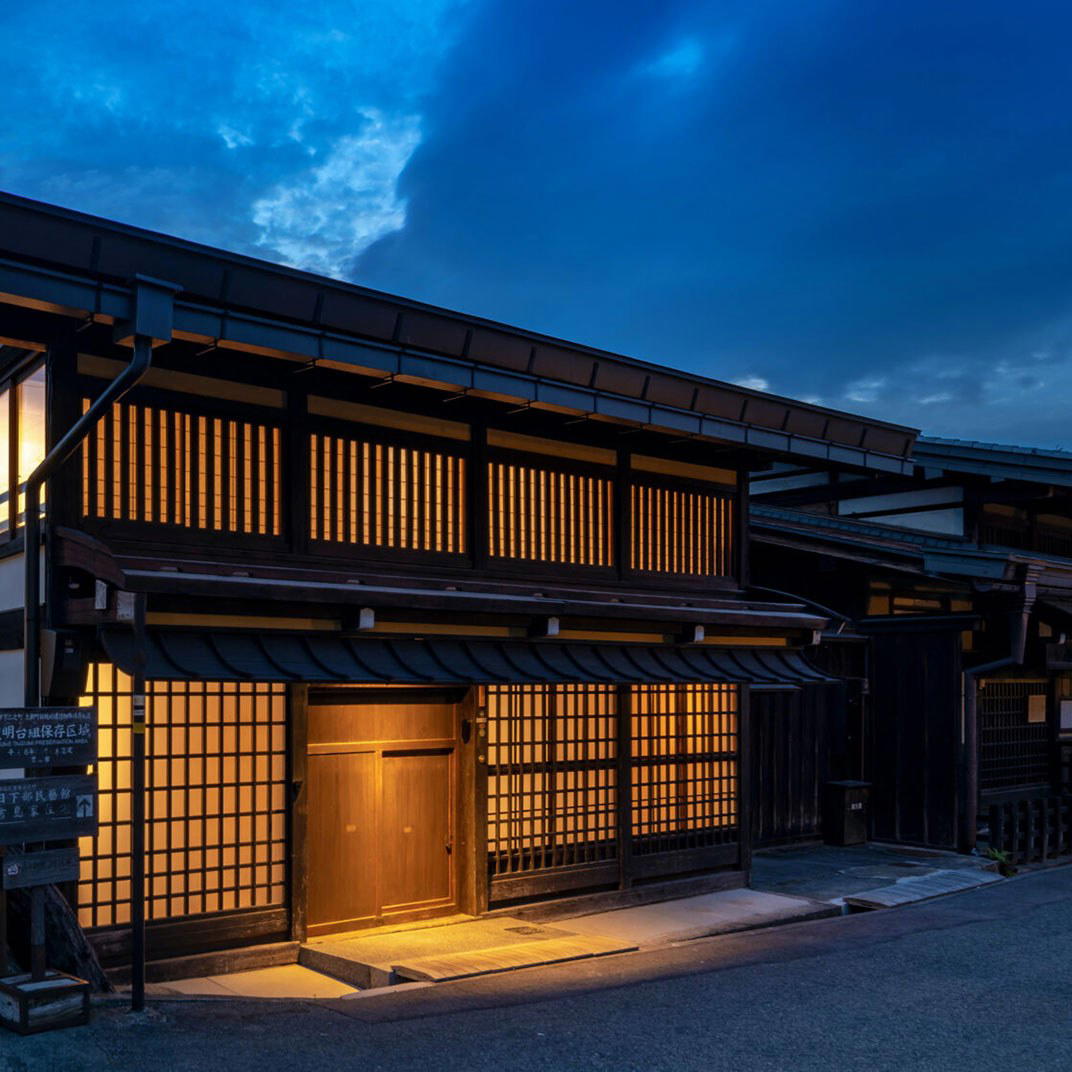
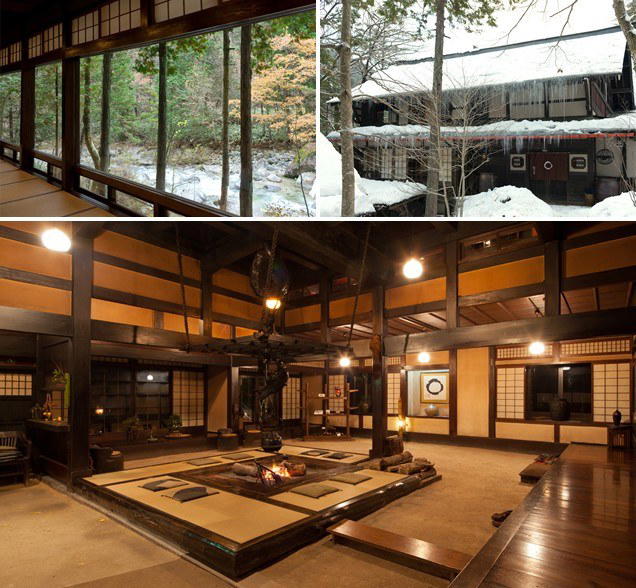
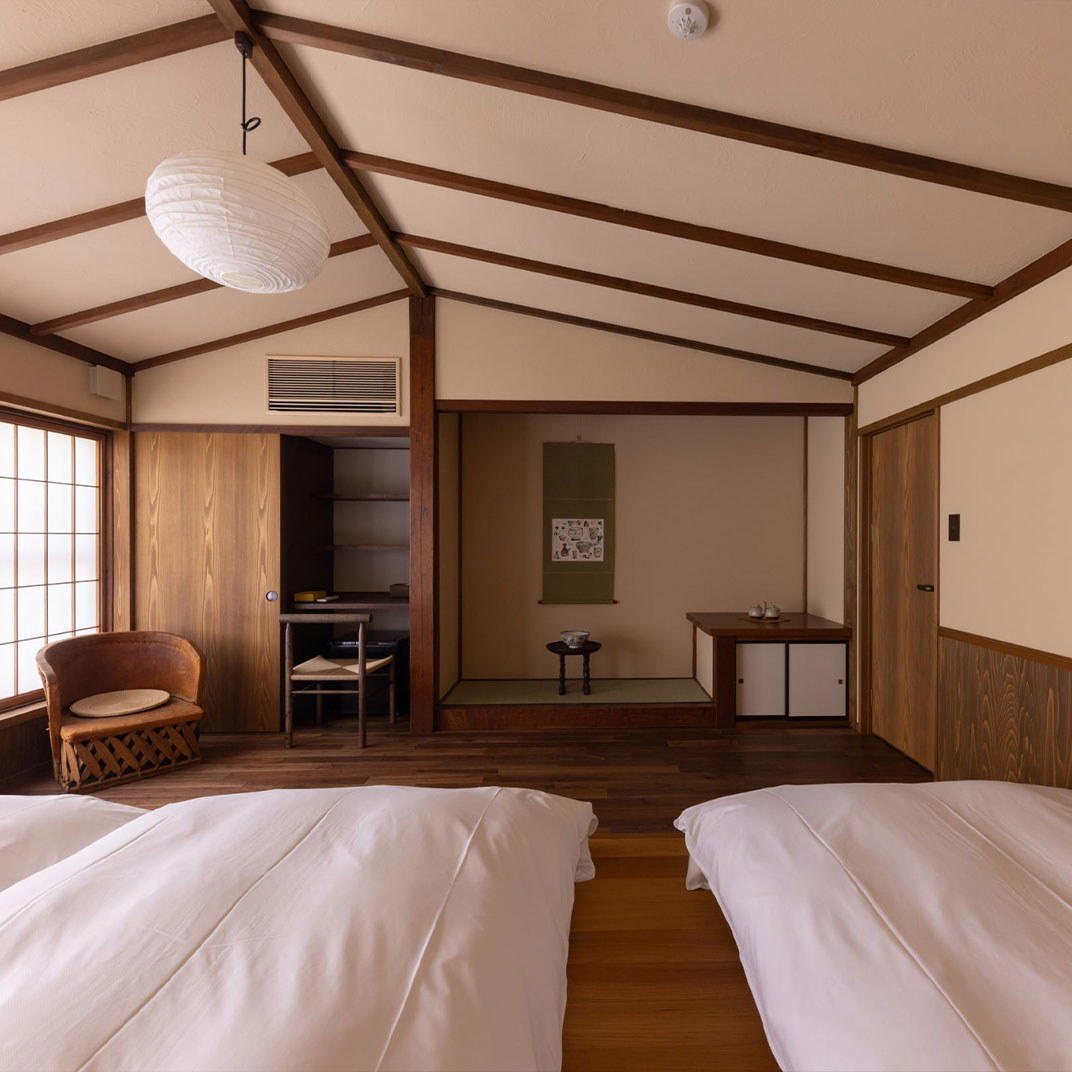
Traditional tatami-mat rooms in a historic wooden townhouse create a serene, softly lit and intimate atmosphere, with attentive formal service that feels like being welcomed into an old Hida family residence.