
Michelin Selected
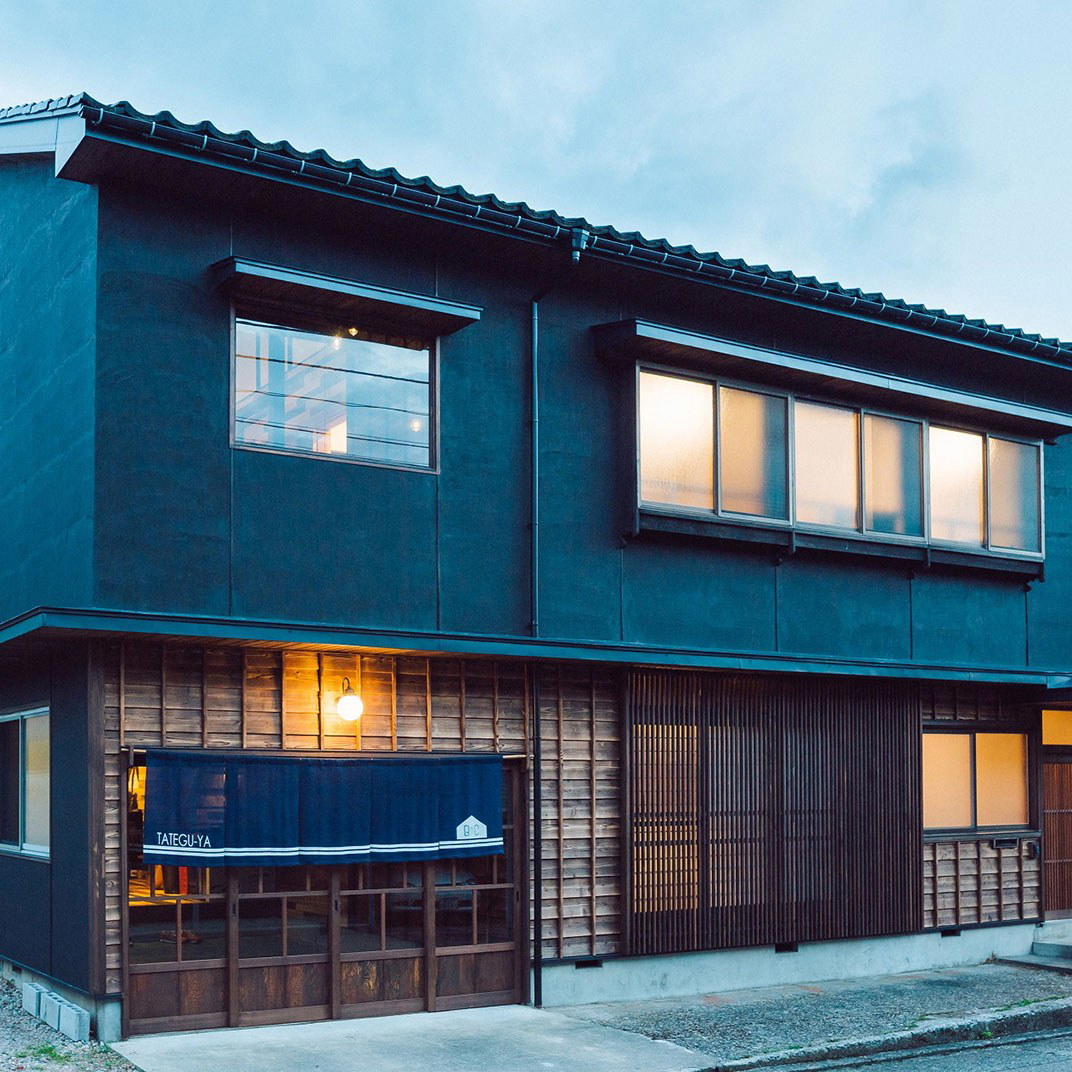
Taniya holds a MICHELIN Selected distinction in the 2025 Michelin Hotels guide and sits on Oshinmachi, the preserved Edo-period merchant street at the heart of Takayama's historic core. The property operates within the classical ryokan format, where architecture, kaiseki dining, and bathing culture are assessed as an integrated whole. For travellers prioritising spatial coherence and regional authenticity, the address and recognition make this one of the more considered choices in Hida.

Pearl is the En Primeur Club membership app — saves, bookings, and concierge access live there. Same editors, same standards.
- Address
- 1 Chome-55 Oshinmachi, Takayama, Gifu 506-0851, Japan
- Phone
- +81 80-2450-6222
- Website
- taniya-hida.com
- Directions
- Get directions
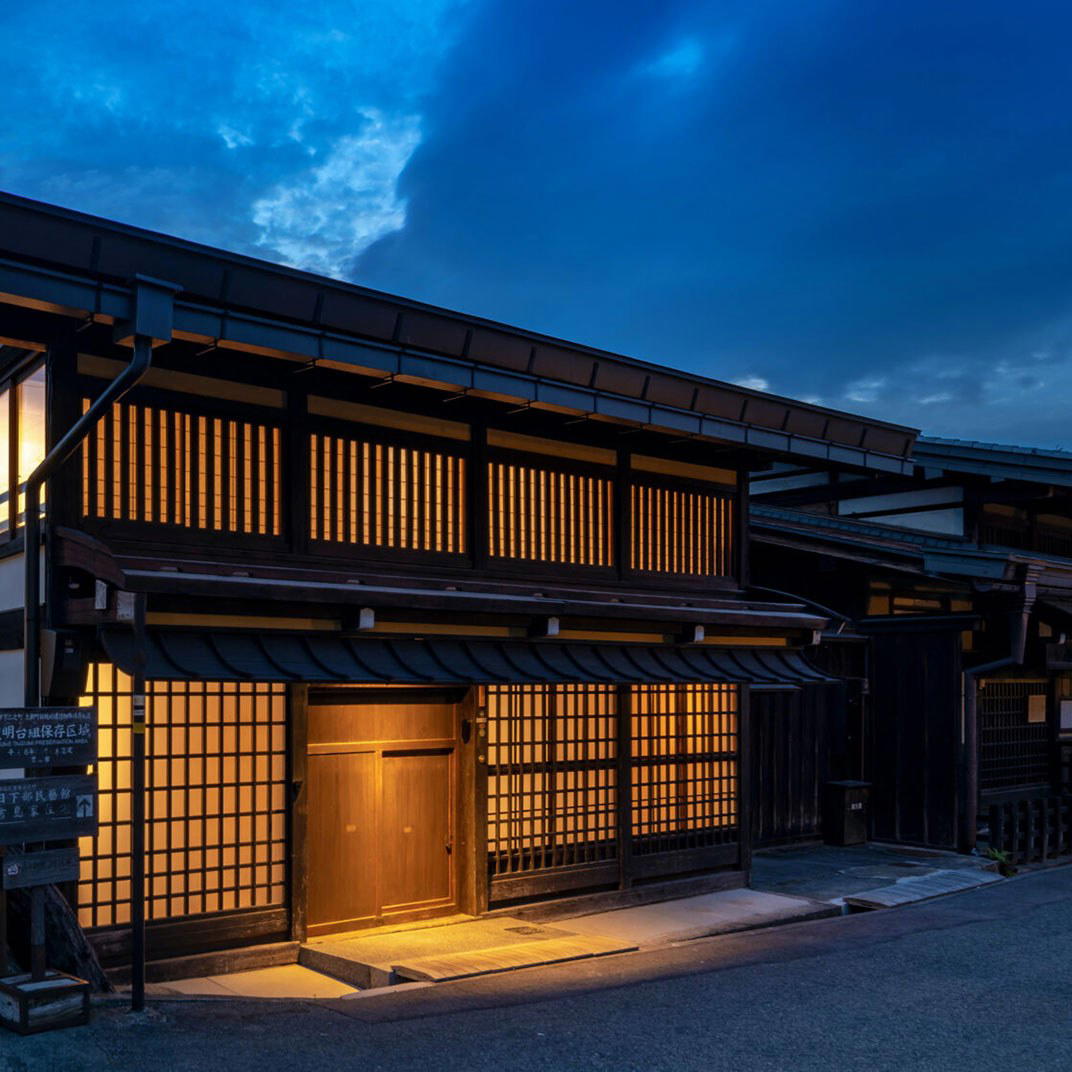
Where Hida Craftsmanship Meets the Ryokan Form
Oshinmachi, the preserved merchant quarter of Takayama, sets a particular standard for what a building should look like. The street runs through the Sanmachi Suji historic district, where dark-timbered facades from the Edo period have been maintained with a consistency rare even by Japanese standards. Taniya sits at 1-55 Oshinmachi, inside that context rather than adjacent to it. The physical approach matters here: the textures of the neighbourhood, the low rooflines, the controlled palette of aged cedar and stone, are not backdrop but argument. This is a part of Japan where the built environment carries significant weight, and a property's design legibility within it determines whether the stay coheres or simply occupies space.
The Michelin Selection and What It Implies
Taniya holds a MICHELIN Selected distinction in the 2025 Michelin Hotels guide, placing it in a curated tier of Japanese accommodation that Michelin's hospitality editors have validated for consistent quality across atmosphere, comfort, and service. The MICHELIN Selected category is not the guide's starred tier, but its significance in the ryokan segment should not be underread: Michelin's hotel selection process in Japan applies particularly rigorous criteria to traditional inn formats, where the relationship between architecture, food, bathing culture, and hospitality ritual is evaluated as an integrated whole rather than as separate scores. Taniya's inclusion places it alongside properties that have demonstrated command across all of those dimensions.
For the traveller choosing between Takayama's accommodation options, Michelin selection functions as a peer-set signal rather than simply a badge. It positions Taniya within a cohort of ryokan that take the traditional format seriously rather than deploying it as surface aesthetic. Comparable Michelin-recognised ryokan in other regions, including Gora Kadan in Hakone, Asaba in Izu, and Nishimuraya Honkan in Kinosaki-cho, share a common register: disciplined spatial design, kaiseki-format dining rooted in regional produce, and bathing facilities treated as architectural statements in their own right.
The Ryokan as Design Object
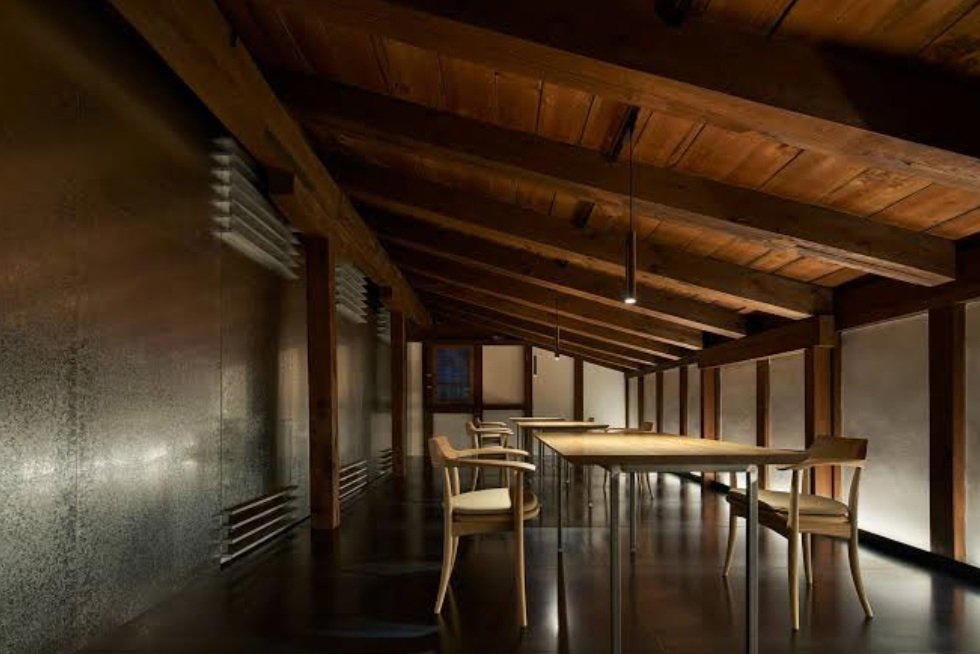
Japan's premium ryokan have split, over the past two decades, into two broadly different design philosophies. One group has moved toward contemporary minimalism, commissioning architects trained in international practice to create rooms that reference traditional spatial logic while using modern materials and proportions. The other has stayed close to the Edo and Meiji-period vernacular, treating authenticity of material and joinery detail as the primary design value. Takayama's historic preservation context makes it one of the few cities in Japan where the second approach carries the stronger argument. The district's building codes and cultural designation mean that certain design gestures that might read as pastiche elsewhere carry genuine structural honesty in Oshinmachi.
Taniya's location within this district makes the design reading inseparable from the neighbourhood reading. The relationship between the inn and its streetscape is part of what the property offers. Properties in Tokyo's urban luxury tier, such as Bvlgari Hotel Tokyo, operate on entirely different terms: they import design distinction into a context that does not impose its own vocabulary. In Oshinmachi, the context does most of the framing, and the property's task is to respond with adequate precision.
The Hida Takayama Setting
Takayama sits in the Hida highlands of Gifu Prefecture, roughly three hours from Nagoya by limited express or two and a half hours from Toyama. The city's isolation through much of the Edo period produced a distinct material culture centred on carpentry: the Hida craftsmen who built Nikkō Tōshōgū and Ise Jingū came from this region, and local construction traditions carry that lineage. Premium ryokan in Takayama consequently carry a different architectural density than comparable properties in coastal or hot-spring towns. The joinery details are not decorative choices but statements within a local craft tradition that is widely documented and seriously regarded.
The city also functions as a staging point for Shirakawa-go's thatched gassho-zukuri farmhouses, a UNESCO World Heritage site accessible in under an hour by bus. Visitors who pair Takayama with broader Hida itineraries will find the infrastructure comfortable, with the city's compact historic core walkable and the transport connections to Nagoya and Toyama direct. For travellers building a Japan route that includes recognised ryokan properties in other regions, pairings with Fufu Nikko in Nikko, Zaborin in Kutchan, or Satoyama-Jujo in Niigata create a coherent survey of Japan's traditional hospitality belt.
Dining and the Hida Produce Context
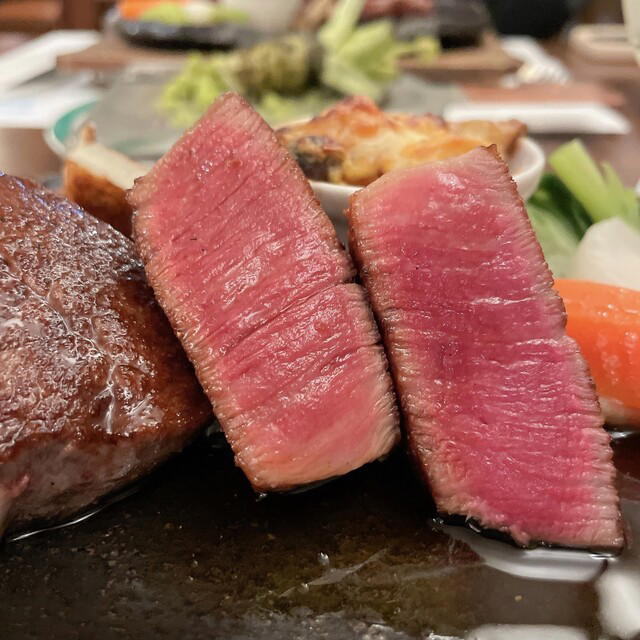
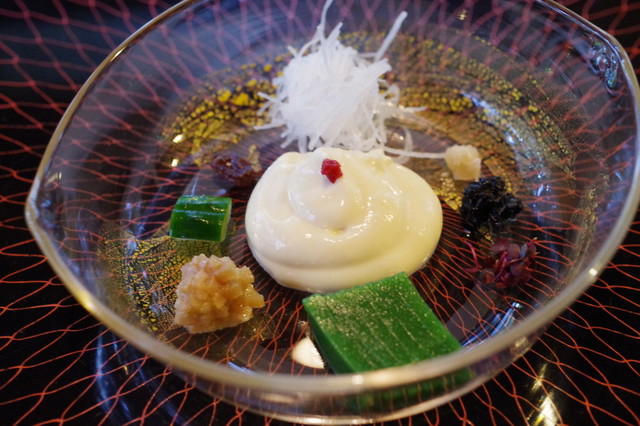
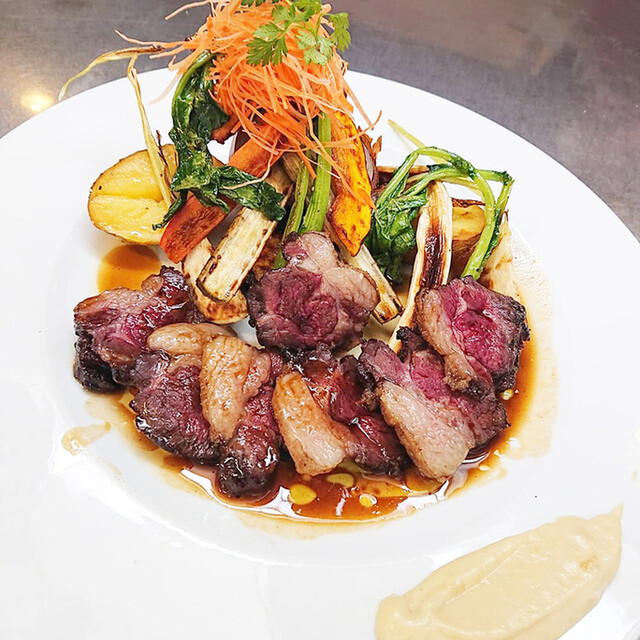
Ryokan in the Hida region carry a distinct advantage in kaiseki dining: the highland agricultural zone produces Hida beef, a Wagyu designation that competes in quality with better-known prefectural brands; local mountain vegetables including warabi, kogomi, and zenmai; and river fish from the Miyagawa that runs through the city. The kaiseki format, which structures the evening meal as a sequence of small courses calibrated to season and regional availability, is the expected delivery vehicle in a property of this calibre. Michelin's hospitality selection process in Japan applies particular weight to the coherence between the dining programme and the inn's regional identity, so inclusion signals that the food offering has been assessed as part of the whole rather than separately.
For those building a broader Japan food itinerary, our full Takayama restaurants guide covers the city's dining scene in depth, including Hida beef specialists, sake breweries open to visitors during winter, and the morning market at Jinya-mae.
How Taniya Sits Within Takayama's Accommodation Tier
Takayama has a well-developed ryokan sector across multiple price bands, from small family-run minshuku through to multi-building properties with private onsen rooms. The Michelin-selected tier is narrow: only a handful of properties in the city carry that validation, and each tends to serve a specific part of the market. Machiyado Ichiryu represents a different format within Takayama's recognised accommodation, organised around the machiya townhouse typology rather than the classical ryokan. The two formats appeal to related but distinct preferences: Taniya's Oshinmachi address and ryokan format will read correctly for travellers who want the full traditional inn structure, including multi-course evening dining, yukata and geta for streetside evening walks, and morning service in the classical pattern.
For comparable ryokan experiences across Japan, Kamenoi Besso in Yufu, Atami Izusan Karaku in Atami, and Nasu Mukunone in Nasu operate in the same register. Design-led properties that prioritise architecture as a primary differentiator include Benesse House in Naoshima and Amanemu in Mie, both of which frame the design conversation differently but share the fundamental logic that a premium Japanese stay should be spatially coherent from arrival to departure.
Planning Your Stay
Takayama's peak seasons fall in spring, when the Sanno and Hachimangu festivals (April and October respectively) draw visitors from across Japan, and in winter, when the snow-covered streetscape of Sanmachi Suji attracts photographers and travellers seeking the quieter, cold-season character of the city. Ryokan at Taniya's tier in Takayama typically book several weeks ahead during festival periods and fill more quickly than their city-hotel equivalents during autumn foliage season in October and November. Contact should be made directly or through a specialist agent; the Oshinmachi address places the property within easy walking distance of the Jinya-mae morning market and the Takayama Jinya historical government building, both of which reward early-morning visits before tourist foot traffic builds.
Side-by-Side Snapshot
Comparable venues nearby, for context on price, style, and recognition.
| Venue | Cuisine | Price | Awards | Notes |
|---|---|---|---|---|
| TaniyaThis venue — the venue you are viewing | Traditional Meiji-period wooden townhouse with contemporary artisan design integration, functioning as a cultural immersion experience rather than conventional hotel. | $750–1,000 | Michelin Selected | Not listed |
| 倭乃里 (Wanosato) (Wanosato) | Traditional Japanese luxury ryokan with preserved heritage architecture | $500–750 | 1 Michelin Key | Ichinomiya |
| Machiyado Ichiryu | Modern Japanese ryokan in renovated townhouse | Not listed | Michelin Selected | Old Town |
| guntu | Floating luxury ryokan blending traditional Japanese inn with modern yacht design | $2,500+ | Michelin Selected · Tablet Hotels Top 40 New Hotels | Onomichi |
| Akan Tsuruga Bessou Hinanoza | Contemporary classic luxury ryokan blending traditional Japanese hospitality with modern comfort and design. | Not listed | Michelin Selected | Akanko Onsen |
| The Windsor Hotel Toya Resort & Spa | Luxury mountain resort with premium and casual accommodations overlooking Lake Toya. | $100–200 | Michelin Selected | Toyako-cho |
Recognition history
Dated appearances from independent guides and award organizations, with the underlying list record or original source where available.
Michelin Selected
Michelin
Continue exploring
More in Takayama
Hotels in Takayama
Browse all →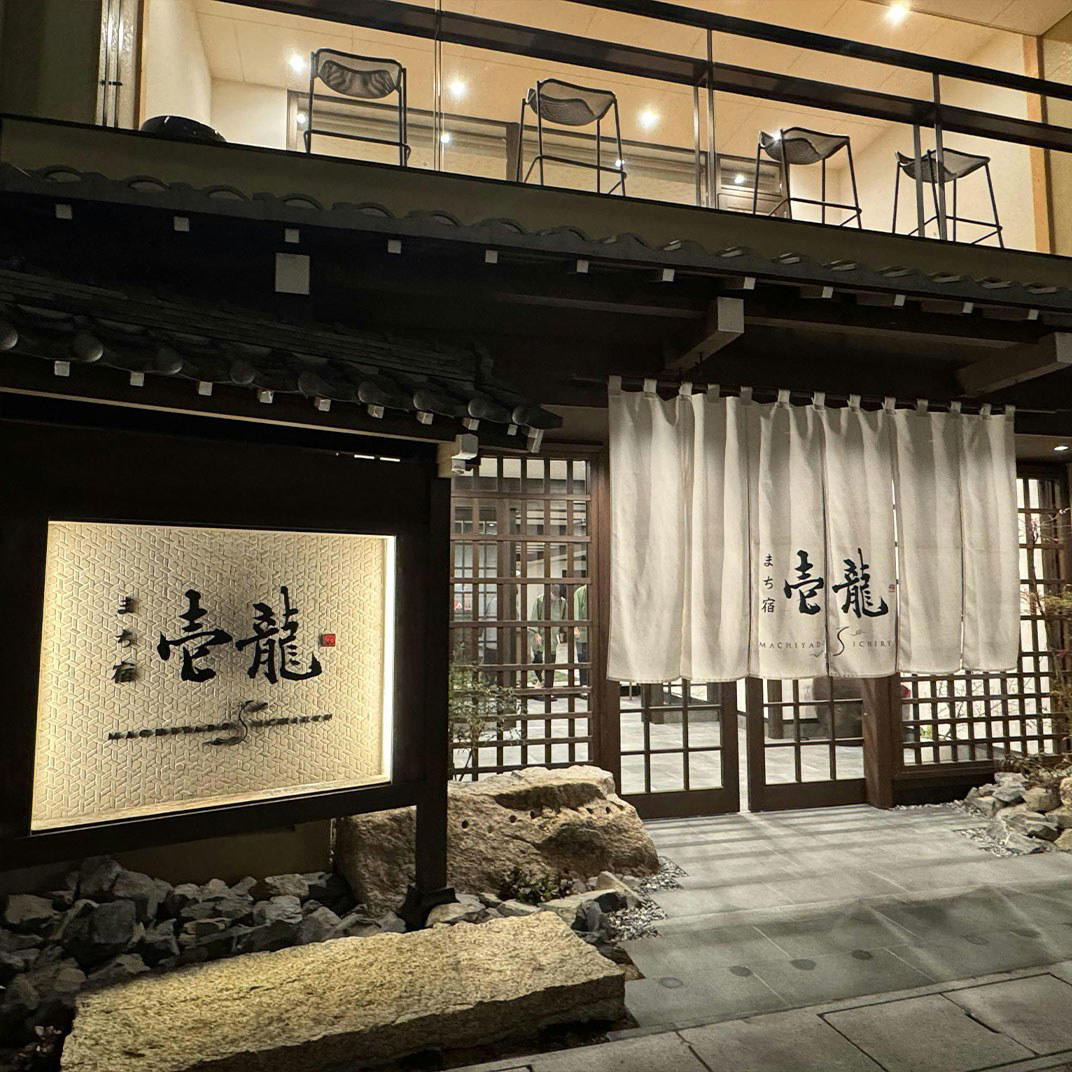
Details
- Quiet
- Intimate
- Historic
- Elegant
- Cozy
- Romantic Getaway
- Anniversary
- Weekend Escape
- Business Trip
- Historic Building
- Private Dining
- Garden
- Design Destination
- Wi Fi
- Concierge
- Free Parking
- Garden
- Garden
- Street Scene
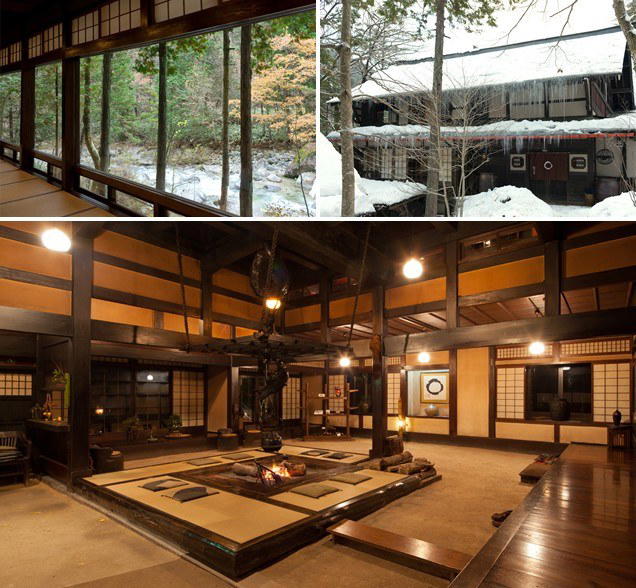
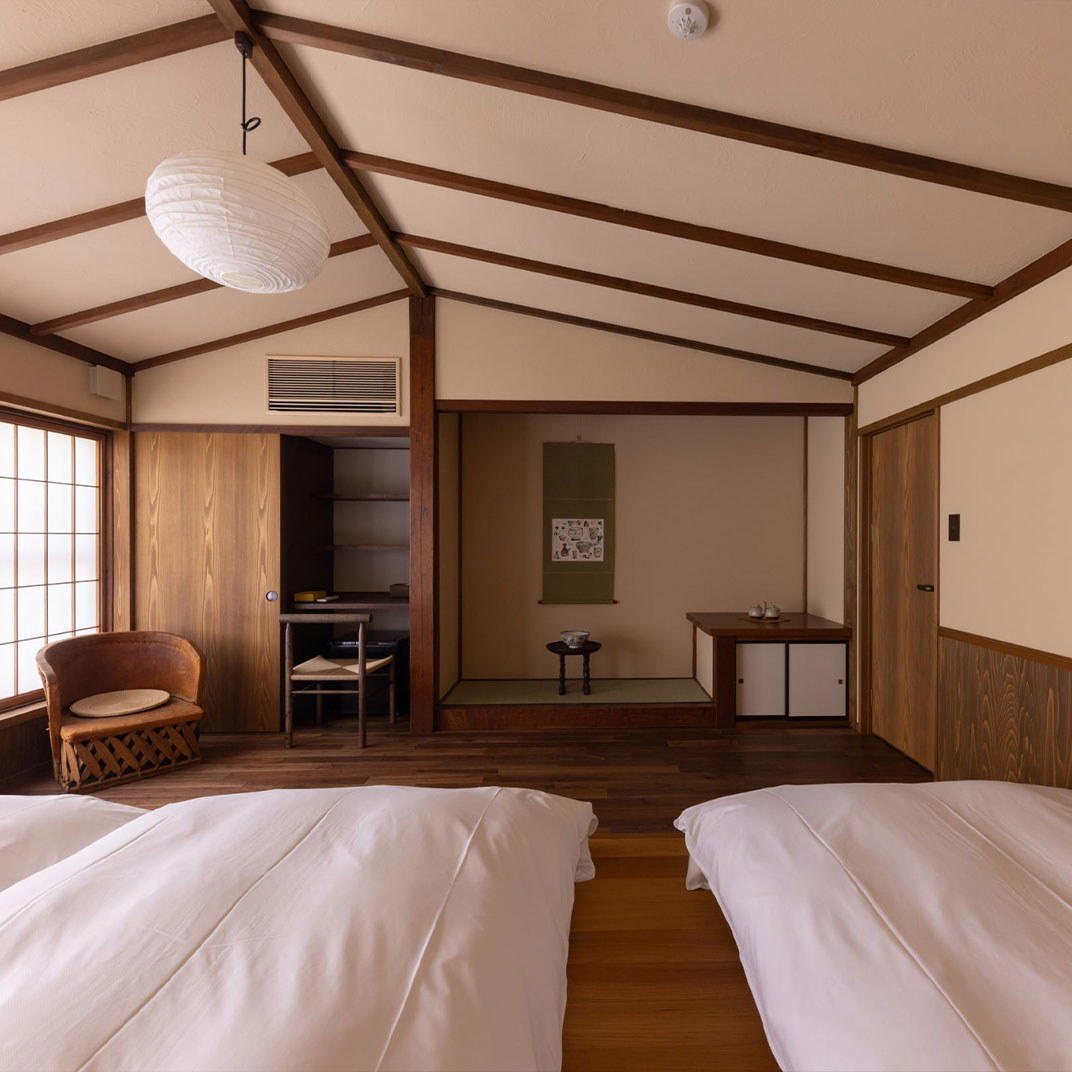
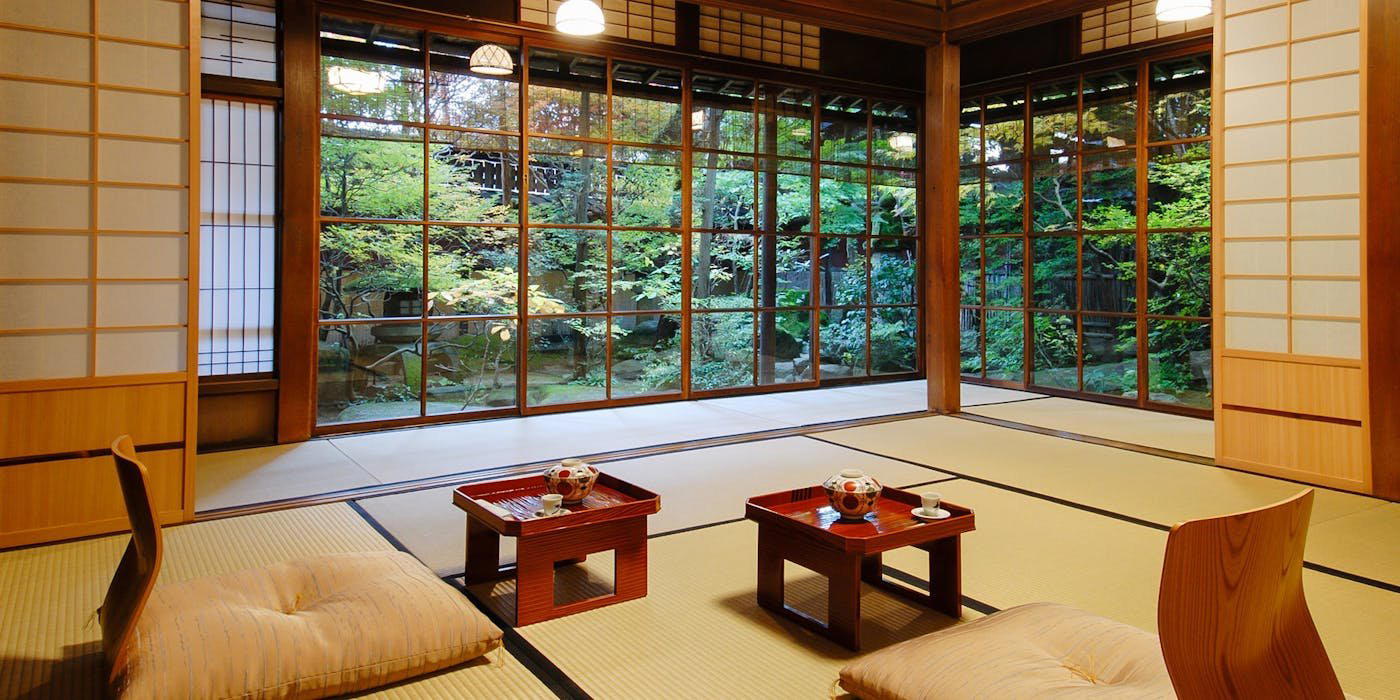
Quiet, intimate, and culturally immersive, with warm wood, soft natural light, a courtyard-facing cypress bath, and a refined traditional townhouse atmosphere.