
Tori Kago puts Kyoto yakitori into a compact, reservation-only frame in Shijo Omiya, where counter scale matters as much as charcoal technique. Its Tabelog Yakitori WEST 100 selections in 2024 and 2025 place it in the city’s serious chicken-skewer conversation rather than the casual izakaya lane.
Pearl is the En Primeur Club membership app — saves, bookings, and concierge access live there. Same editors, same standards.
- Address
- 京都府京都市中京区壬生坊城町8-24
- Phone
- +815018086728
- Website
- tabelog.com
 Saves & bookings on Pearl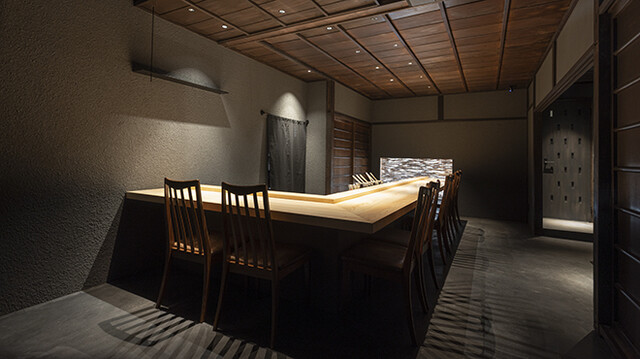
Shijo Omiya sits outside Kyoto’s temple-side dining circuits. The approach is urban and workaday: rail lines, narrow streets, and small restaurants that reveal themselves up close rather than through grand arrival. Here, Kyoto yakitori feels less ceremonial than kaiseki but no less disciplined. The genre depends on compression: a small room, controlled fire, sequenced skewers, and a drink list that keeps pace without turning dinner into a wine-bar performance.
Tori Kago belongs to a newer Kyoto category: compact, reservation-only yakitori with a serious awards signal and a price point above the everyday after-work grill. Its selection for Tabelog’s Yakitori WEST 100 in both 2024 and 2025 matters because the list is regional, not merely city-specific. For travelers, that places the restaurant in a Western Japan conversation about chicken, charcoal, pacing, and counter intimacy, rather than Kyoto’s broader habit of treating every meal as a heritage tableau.
Kyoto yakitori after the kaiseki reflex
Kyoto dining is often read through kaiseki, tea, tofu, and seasonal formality. That frame is useful, but it can flatten the city’s current restaurant culture. The stronger 2026 reading is more varied: low-seat counters, specialist formats, modern Japanese rooms, and neighborhood restaurants operating at a level that does not require hotel-concierge vocabulary. Yakitori fits because it is both elemental and exacting. Its hierarchy is not built on luxury ingredients alone, but on portioning, heat, timing, and the confidence to make chicken the central argument.
Tori Kago’s scale is therefore meaningful. An eight-seat restaurant changes dinner’s social physics. The counter reduces the distance between grill and guest and raises the stakes on pacing: with every seat part of the same sequence, there is little room for drift. Kyoto has plenty of casual skewers and late-night drinking rooms, but its more focused yakitori counters now compete with specialist sushi and tempura formats for diners who value craft in a condensed setting.
The drinks signal the lane. Sake, shochu, and wine are all part of the program, reflecting where serious yakitori has moved in Japan. The old beer-with-skewers binary has widened; wine now appears regularly at higher-spend counters, while shochu keeps the meal grounded in Japanese drinking grammar. The useful question is not whether wine is present, but whether the room can support it without losing grill-led rhythm.
A small counter with regional recognition
The restaurant opened in 2023, entered Tabelog’s Yakitori WEST 100 the following year, and remained selected in 2025. That quick movement says more about Kyoto’s appetite for specialist counters than any origin story could. Newer restaurants gain traction quickly when the format is narrow, seats are scarce, and the category has a clear evaluation culture. Yakitori suits that acceleration because serious diners understand the variables: smoke, salt, tare, cut selection, and the progression from leaner pieces to richer sections.
Within the supplied Kyoto comparison group, Tori Kago occupies a different bracket from Fruit Parlour Yaoiso, Seabura no Kami Mibu honten, and Mujara, all in lower everyday-spend territory. Morita Ya Shijo inokuma honten offers a more useful pricing comparison, but sukiyaki and yakitori ask different things: one centers beef and simmered richness, the other serial precision from the grill. Masaki, listed simply as Japanese, sits closer in seriousness than format. The point is not ranking these rooms; it is understanding that Kyoto’s dining strength comes from specialization, not a single prestige template.
For visitors building a Kyoto itinerary, the choice should be deliberate. This is not the slot for a broad survey of local dishes, nor for a group meal needing conversational looseness over structure. It works as the focused dinner in a trip that also includes lighter city eating and another Kyoto classic. A day might move from street-level snacks such as 551蓬莱 to a serious counter at night, or pair contemporary cooking at [ki:] with a later yakitori booking on another evening. Nearby and central Kyoto options such as 3TOKU6MI Shijo karasuma ten and Abbesses show how varied the city’s compact dining rooms have become, while Aburi Mochi Honke Nemoto Kazariya belongs to the older Kyoto snack tradition, useful as a counterweight to evening formality.
How to place it in a Kyoto dining plan
The Shijo Omiya location helps. This side of central Kyoto is practical rather than postcard-driven, fitting a restaurant whose value is inside the room, not the approach. The nearest rail access is Shijo Omiya, and the area works well for diners staying around central Kyoto rather than the eastern sightseeing axis. The restaurant is non-smoking, private rooms are not part of the format, and the small seat count makes it a counter dinner rather than a flexible night out.
The editorial case is strongest for travelers who understand that Kyoto rewards narrow choices. A yakitori dinner here will not replace kaiseki, sushi, soba, or the city’s old confectionery and tea traditions; it adds a sharper contemporary note. Readers mapping a wider stay should use Our full Kyoto restaurants guide for dining context, then balance meals with Our full Kyoto hotels guide, Our full Kyoto bars guide, Our full Kyoto wineries guide, and Our full Kyoto experiences guide.
For a broader Japan and overseas Japanese-food frame, compare this specialization with formats outside Kyoto: beef-focused cooking at -Grilled beef Sukiyaki- KAMAKURA TANUKIAN 鎌倉 たぬき庵 in Kamakura, charcoal-led seafood at. 鮪と炭火焼き うお炭 秋葉原店 in Tokyo, casual urban dining at.cafe in Osaka, contemporary regional cooking at.know in Kumamoto, Vietnamese cooking in a Japanese city context at (Shoku) Vietnam in Kawasaki, curry specialization at [Curry Senmon Ten] Maruyama Kyoju. in Sapporo, sake-bar translation at Jōdo Saké Bar in Los Angeles, and Japanese comfort-food minimalism at Onigiri Time in Pasadena. Seen this way, the restaurant is part of a larger movement toward tightly defined Japanese formats, where the point is control, not breadth.
A Quick Peer Check
Comparable venues by price and recognition.
| Venue | Cuisine | Price | Notes |
|---|---|---|---|
| Tori KagoThis venue — the venue you are viewing | Modern Yakitori Omakase | $$$ | Not listed |
| Shokudo Miyazaki | Refined Kyoto Omakase | $$$ | Kiyamachi |
| Maeshiro | Traditional Kyoto Kaiseki Omakase | $$$ | Nakagyō |
| Salon de Muge | Traditional Japanese Bento and Sweets | $$$ | Higashiyama |
| Sakaba Ikura Mokuzai | Japanese stand-up izakaya bar | $$$ | Kamigyō |
| 麩屋町 久らく | Japanese Kappo Izakaya | $$$ | 京都市役所前 |
Recognition history
Dated appearances from independent guides and award organizations, with the underlying list record or original source where available.
Tabelog 100 #14 · No. 14
Tabelog · Tabelog 100 - Yakitori - WEST - 2025
Continue exploring
More in Kyoto
Restaurants in Kyoto
Browse all →

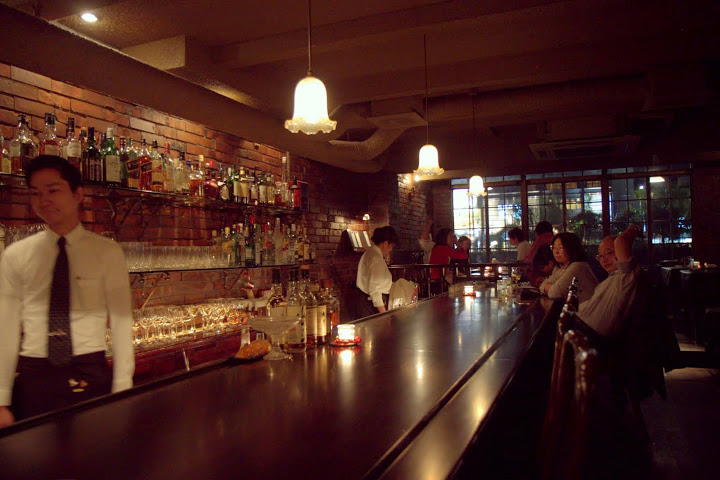
Bars in Kyoto
Browse all →
Hotels in Kyoto
Browse all →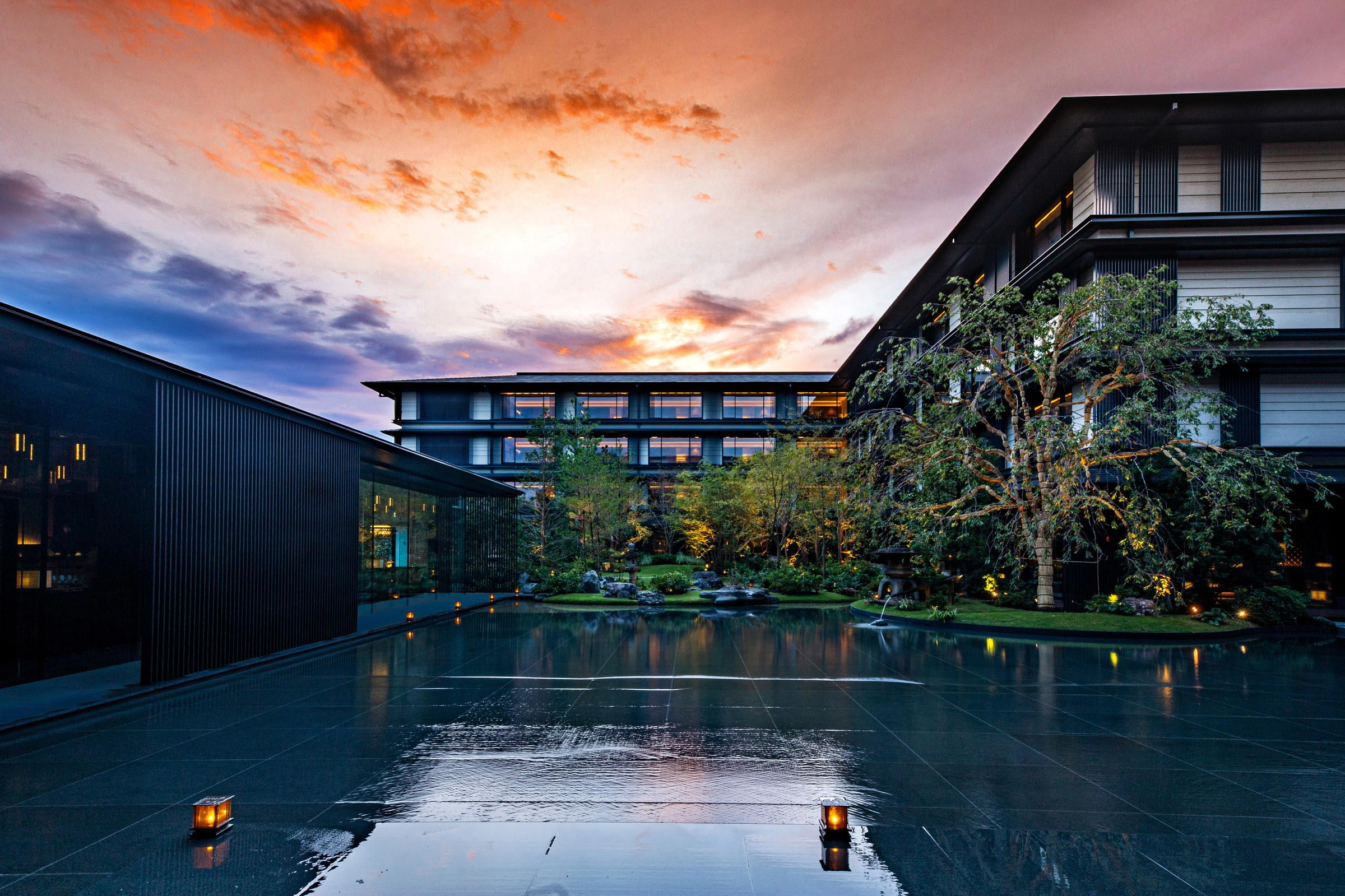
Wineries in Kyoto
Browse all →
At a Glance
- Intimate
- Cozy
- Modern
- Elegant
- Date Night
- Special Occasion
- After Work
- Group Dining
- Solo
- Chefs Counter
- Standalone
- Design Destination
- Sake Program
- Extensive Wine List
- Zero Proof
A small, chic black-toned interior with low brightness and counter-focused lighting that makes the grill and plating feel like a stage, creating a cozy yet refined atmosphere suited to adults.