Hanamizucho sits in Kagurazaka, one of Tokyo's most concentrated pockets of traditional Japanese dining. The address alone signals a particular kind of seriousness: this is a neighbourhood where restaurants earn loyalty through craft and discretion rather than visibility. With limited public-facing information and no walk-in culture, securing a table here requires advance planning and local knowledge.
Pearl is the En Primeur Club membership app — saves, bookings, and concierge access live there. Same editors, same standards.
- Address
- 5 Chome-7 Kagurazaka, Shinjuku City, Tokyo 162-0825, Japan
- Phone
- +81362807141
- Website
- omakase.in
- Directions
- Get directions
 Saves & bookings on Pearl
Kagurazaka and the Dining Tradition It Protects
Kagurazaka is one of those Tokyo neighbourhoods that resists easy description. A former geisha district wedged between Iidabashi and Shinjuku, it has held onto a density of serious, quiet restaurants that most other central Tokyo areas have traded away for visibility and volume. The stone-paved alleys off the main shopping street still hide kappo counters, private kaiseki rooms, and dining establishments that operate almost entirely by word of mouth.
波濤, located at 5 Chome-7 Kagurazaka, Shinjuku City, Tokyo 162-0825, Japan, sits inside this tradition. The address places it in the denser residential and restaurant pocket of the district, away from the tourist-facing main drag. That positioning is not incidental. Restaurants that choose this part of Kagurazaka are making a statement about their intended audience.
The Booking Problem: What You're Actually Dealing With
Tokyo's most serious dining rooms have a well-documented access problem, and 波濤 sits at the sharper end of that pattern. With no listed phone number, no public website, and a recommended reservation policy, this is a restaurant that operates outside the standard reservation infrastructure that services most of the city's premium dining. That is a recognisable model in Tokyo: the gatekeeping is not accidental, it is structural.
Across the city's upper-tier dining circuit, venues like Harutaka and RyuGin operate within recognisable booking frameworks, whether that means phone reservations months in advance or concierge-mediated access for hotel guests. Hanamizucho's public profile is thinner still.
This pattern is common enough in Japan that it has its own logic. Restaurants operating this way are, in effect, curating their dining room. The friction of access functions as a filter. For the reader weighing whether to pursue a table here, that filter should be taken seriously: Hanamizucho is not a restaurant that responds to persistence through conventional channels.
Kagurazaka in Tokyo's Dining Geography
Positioning Hanamizucho against its neighbourhood peers clarifies what kind of room this is. Kagurazaka's dining character leans heavily Japanese, with a concentration of kaiseki, kappo, and traditional formats that would be more scattered in other central wards. The area contrasts with Ginza, where high-end sushi and French-Japanese hybrids dominate, and with Minami-Aoyama, where L'Effervescence and Sézanne anchor a more European-influenced premium tier. Kagurazaka's identity is more specifically rooted in Japanese culinary tradition.
That places Hanamizucho in a comparable set defined by neighbourhood character rather than cuisine category alone. The restaurants in this part of Kagurazaka tend to be small-format, counter or private-room focused, and oriented toward repeat clientele rather than new-customer acquisition. Compare that dynamic with something like Crony, which occupies a more visible and internationally recognised position in the city's innovative dining circuit. The operating logic is different.
What the Address Tells You About the Experience
In Tokyo's premium dining culture, an address in a traditional neighbourhood like Kagurazaka carries weight that newer dining districts do not. It signals age, accumulated reputation, and a clientele that values continuity. Restaurants that have operated here across multiple decades are embedded in a social fabric that newer venues in higher-profile locations have not had time to build. That fabric is part of what makes access difficult and part of what makes the experience different once access is secured.
The comparison extends to how similar formats operate in other Japanese cities. Gion Sasaki in Kyoto operates within a comparable neighbourhood logic, where the setting reinforces the dining tradition rather than providing decorative contrast. HAJIME in Osaka takes a different approach, occupying a more contemporary format while pursuing comparable levels of culinary seriousness. Akordu in Nara operates in a city where the dining scene is smaller but the cultural weight of the setting is similarly significant. Hanamizucho's position within Kagurazaka is closest to the Kyoto model: place and dining tradition working together.
Further afield, venues like Goh in Fukuoka, 一本杉川島 in Nanao, and 夕日丘乃 in Sapporo demonstrate how Japan's most serious dining rooms distribute across the country, often in settings where neighbourhood context matters as much as the menu. Regional counterparts like 湖畔荘 in Takashima and 羽根屋 in Nishikawa Machi follow similar patterns. The model of the serious, low-visibility restaurant embedded in a specific place is not uniquely Tokyo: it runs throughout Japanese dining culture.
Planning a Visit: What to Expect Before You Go
With no publicly listed price range, hours, or booking method, Hanamizucho requires preparation that most Tokyo restaurants do not. For visitors arriving from overseas, the practical advice is to confirm access through a specialist travel concierge, a hotel with a dedicated dining desk, or a local contact before building an itinerary around the reservation. Do not assume that availability confirmed through a third party weeks in advance will hold without direct verification closer to the date.
Kagurazaka itself is served by Iidabashi Station on the Tokyo Metro Tōzai, Namboku, and Yūrakuchō lines, as well as the JR Chūō-Sōbu Line, making it direct to reach from most central Tokyo locations. The walk from Iidabashi into the denser part of Kagurazaka takes approximately ten minutes. The neighbourhood is worth time outside the meal: the cobbled alleys around Hyogo Yokocho and the French-influenced main street reflect the layered history of the area.
For those building a broader Tokyo dining itinerary at a comparable level of seriousness, the city's French-leaning circuit and its Japanese traditional circuit represent different planning challenges. Le Bernardin in New York City and Atomix offer a useful point of contrast for travellers calibrating expectations across markets: both operate with more transparent booking systems than Hanamizucho, while maintaining comparable levels of access difficulty. Japan's most private dining rooms remain a different category of challenge entirely.
Also worth considering on a broader Japan itinerary: Birdland in Sakai and Bistro Ange in Toyohashi represent the regional tier of Japanese dining that rewards travellers willing to move beyond the major city circuits.
Awards and Standing
Comparable venues nearby, for context on price, style, and recognition.
| Venue | Cuisine | Price | Notes |
|---|---|---|---|
| 波濤This venue — the venue you are viewing | Ichiran Tonkotsu Ramen | Not listed | Not listed |
| Sake to Misonikomi Misonikomin | Japanese Udon / Miso Nikomi | $$ | Bunkyō |
| Sakanoue Cafe | Japanese kakigori cafe | $$ | Bunkyō |
| Kirimugi Ya Jinroku | Udon and Tempura | $$ | Shinjuku |
| Usagiya CAFE | Traditional Japanese sweets cafe (dorayaki & kakigori) | $$ | Taitō |
| 虎峰 | japanese | Not listed | Minato |






At a Glance
- Solo
- Casual Hangout
Current opening hours
- Monday
- Closed
- Tuesday
- 5–10 PM
- Wednesday
- 5–10 PM
- Thursday
- 5–10 PM
- Friday
- 5–10 PM
- Saturday
- 5–10 PM
- Sunday
- Closed
Hours can change for holidays and private events. Last verified .
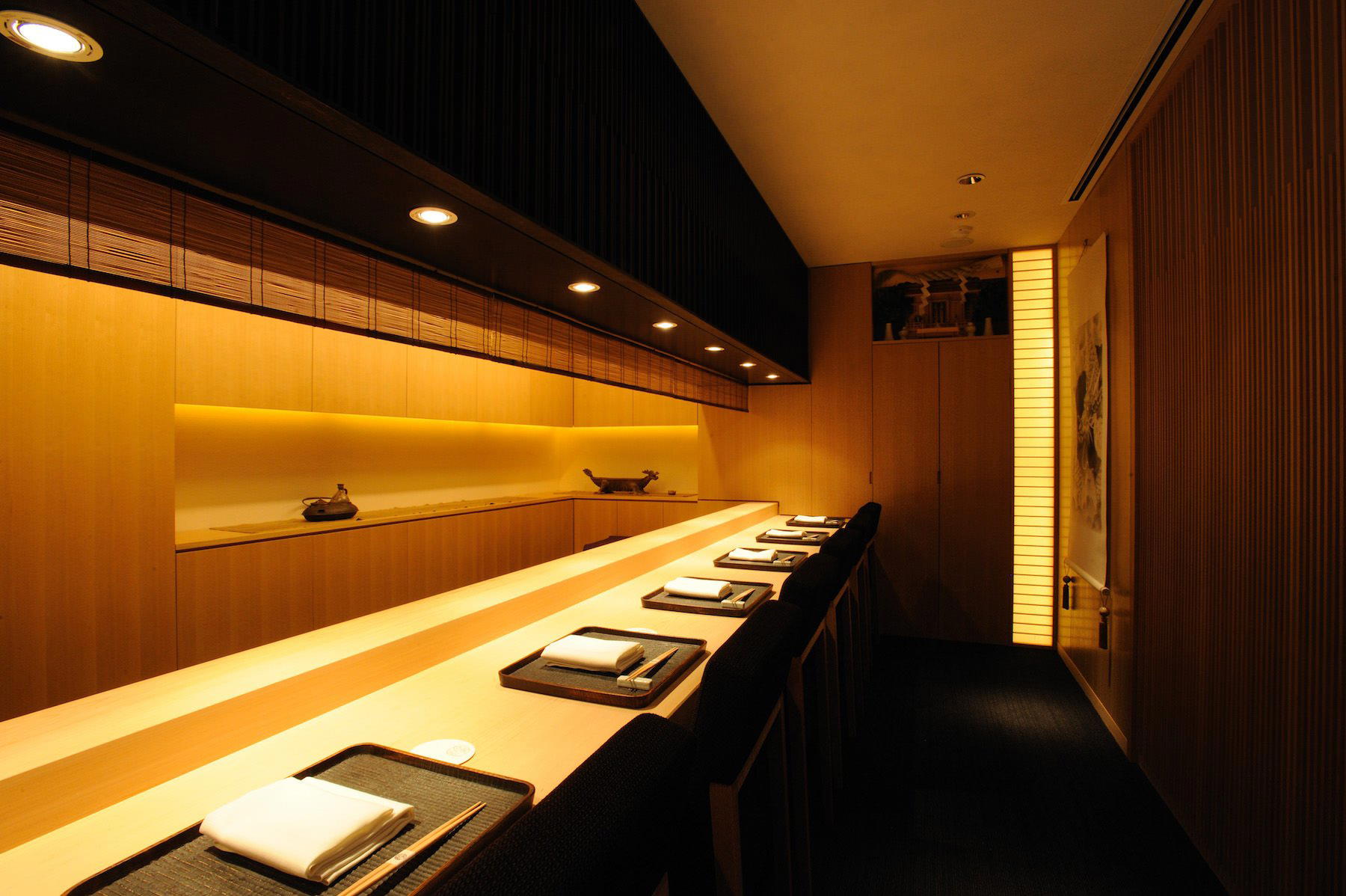
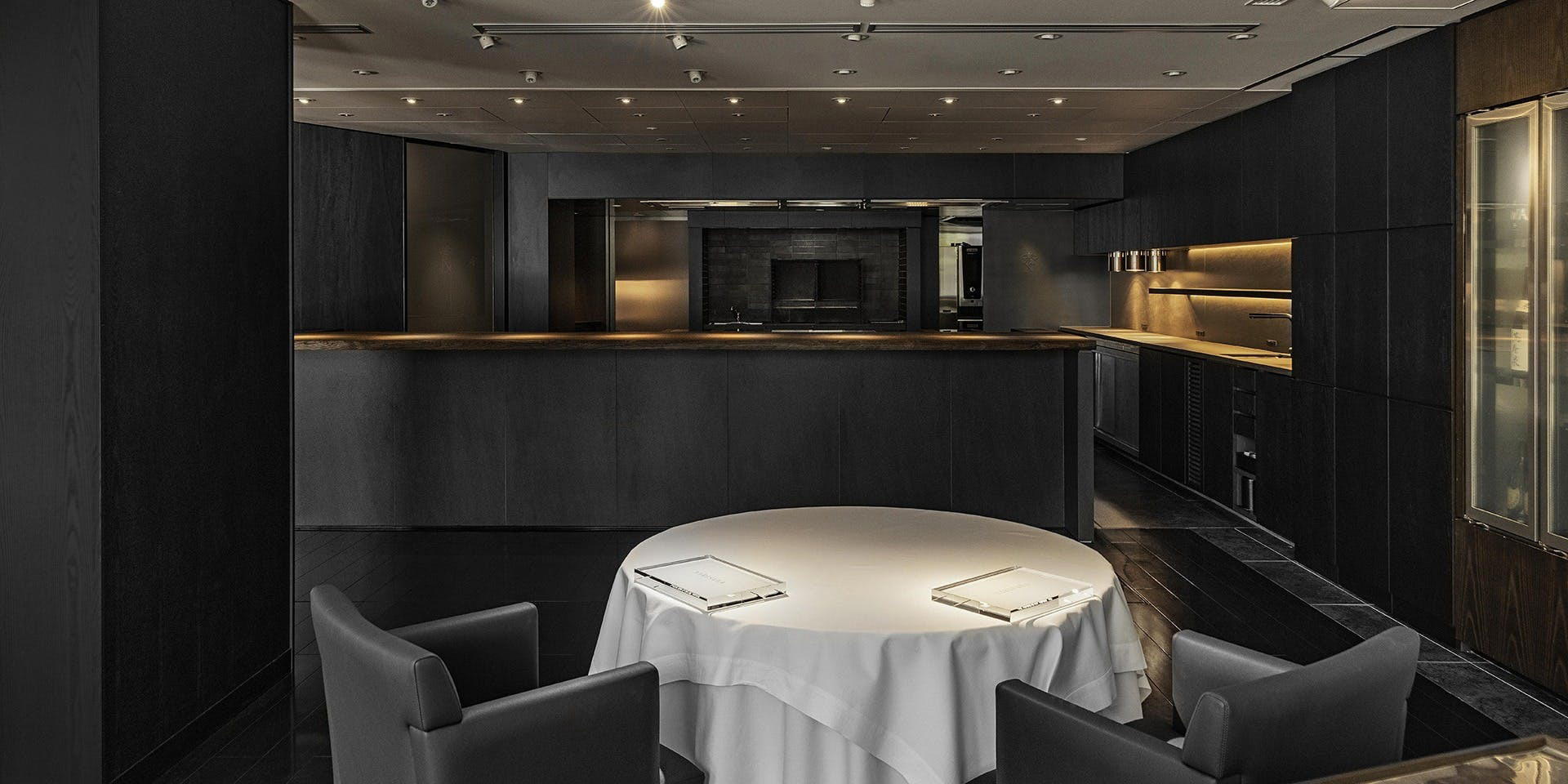
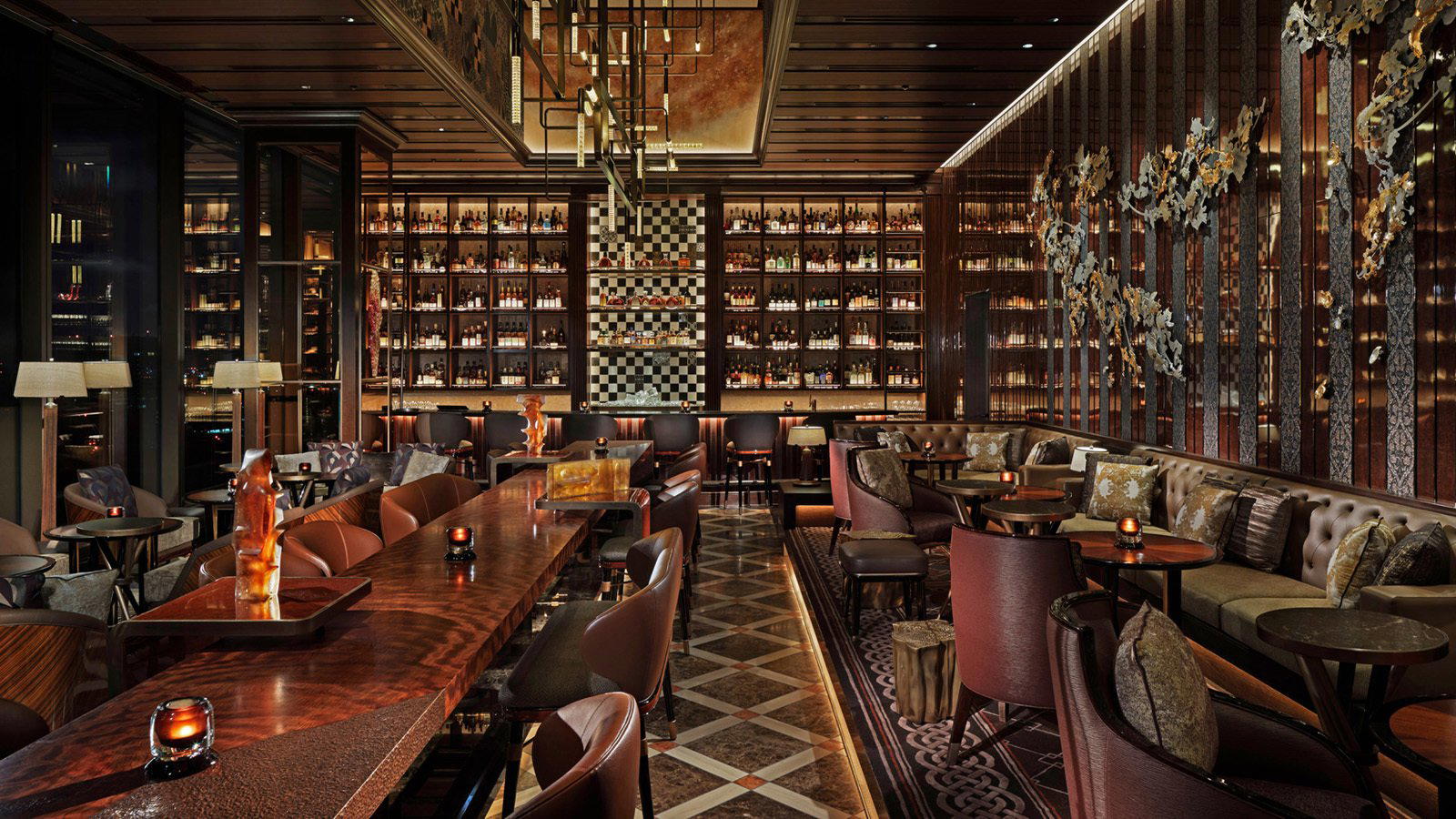
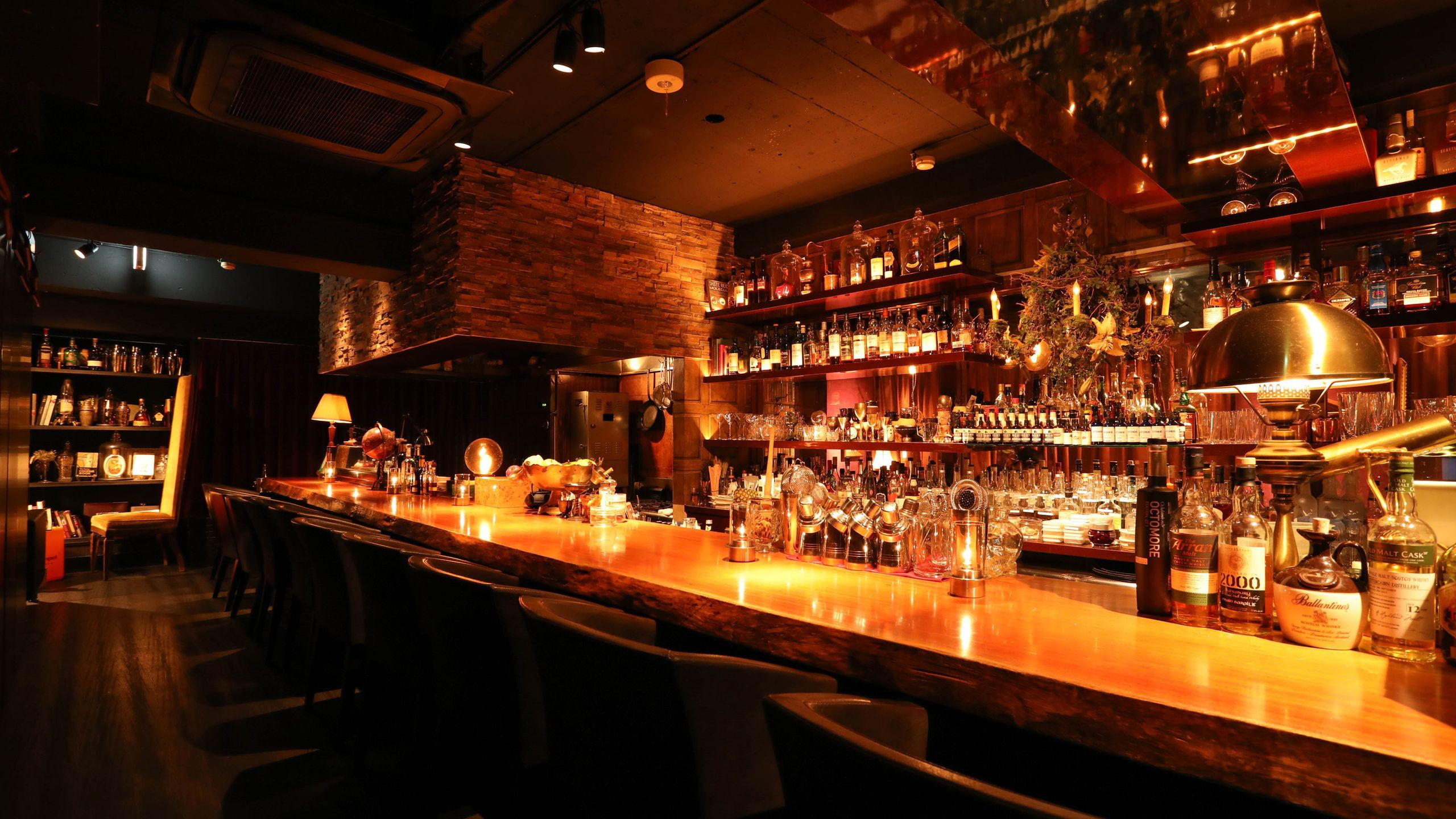
Intimate and focused with private dining booths.