
Kirimugi Ya Jinroku belongs to Tokyo’s serious udon tier: small, low-priced, technically focused, and recognised in Tabelog’s Udon EAST 100 for 2024, with earlier selections in 2019, 2020, and 2022. The draw is the progression from dashi and fresh-cut noodles to tempura and izakaya-style drinking, a format that makes sense at lunch but gains range at night.
Pearl is the En Primeur Club membership app — saves, bookings, and concierge access live there. Same editors, same standards.
- Address
- 東京都新宿区新宿1-17-1 LAND・DEN 1F
- Phone
- +81362732646
- Website
- r.goope.jp
 Saves & bookings on Pearl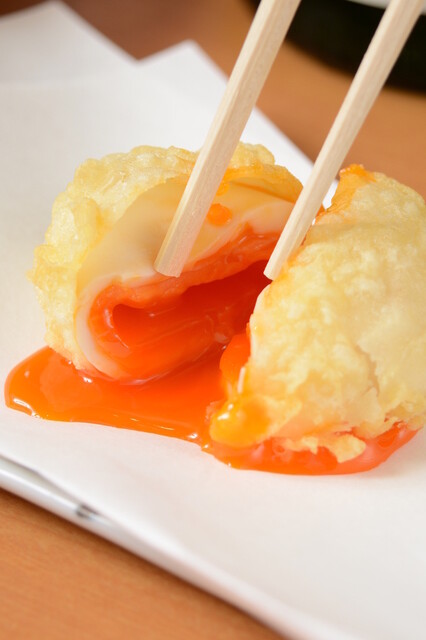
Shinjuku Gyoenmae has a quieter tempo than the station crush to the west. Around the park edge, the better meals tend to reward attention rather than spectacle: a narrow frontage, counter seats, steam, broth, and the sound of noodles being handled for the next order. Kirimugi Ya Jinroku fits that Tokyo category precisely, an udon house where the meal’s structure matters as much as the bowl itself.
Tokyo’s noodle culture often gets flattened into ramen tourism, but udon works by a different logic. The drama is less about fat, garlic, and late-night intensity, more about wheat, water, salt, dashi, temperature, and timing. Here the format is built around freshly kneaded and cut udon, additive-free dashi, tempura, and izakaya-side drinking. That gives the meal a progression: start with broth or noodles, add fried elements for contrast, then let sake or shochu extend the table rather than turning the visit into a quick refuel.
Fresh-cut udon gives the meal its pace
The defining idea is not a chef’s biography or a theatrical tasting menu. It is the craft sequence behind a modest bowl: wheat flour selection, saltwater balance, temperature control, cutting, cooking, and serving before the texture dulls. In Tokyo, that degree of attention separates serious udon shops from generic noodle counters, especially when the price band remains accessible by the city’s dining standards.
The dashi is the other half of the argument. A base using Hokkaido kombu, Seto Inland Sea iriko, and a blend of katsuobushi places the cooking in a recognisable Japanese register: marine, dried, fermented, and disciplined. The point is not heaviness. It is clarity, with the noodle texture carrying equal weight. Tempura then supplies the change in rhythm that a single-bowl meal can lack, bringing heat and crunch into a format that might otherwise stay too linear.
That sequencing explains why the restaurant sits comfortably in the Tabelog 100 - Udon - EAST - 2024 selection, with prior Udon 100 recognition in 2019, 2020, and 2022. Those signals matter in a city where acclaimed sushi counters and kaiseki rooms dominate international attention. Udon at this level asks for a different reading of value: less ceremony, tighter margins, fewer distractions, and a stronger dependence on repeatable technique.
Lunch is direct; evening turns into an udon izakaya
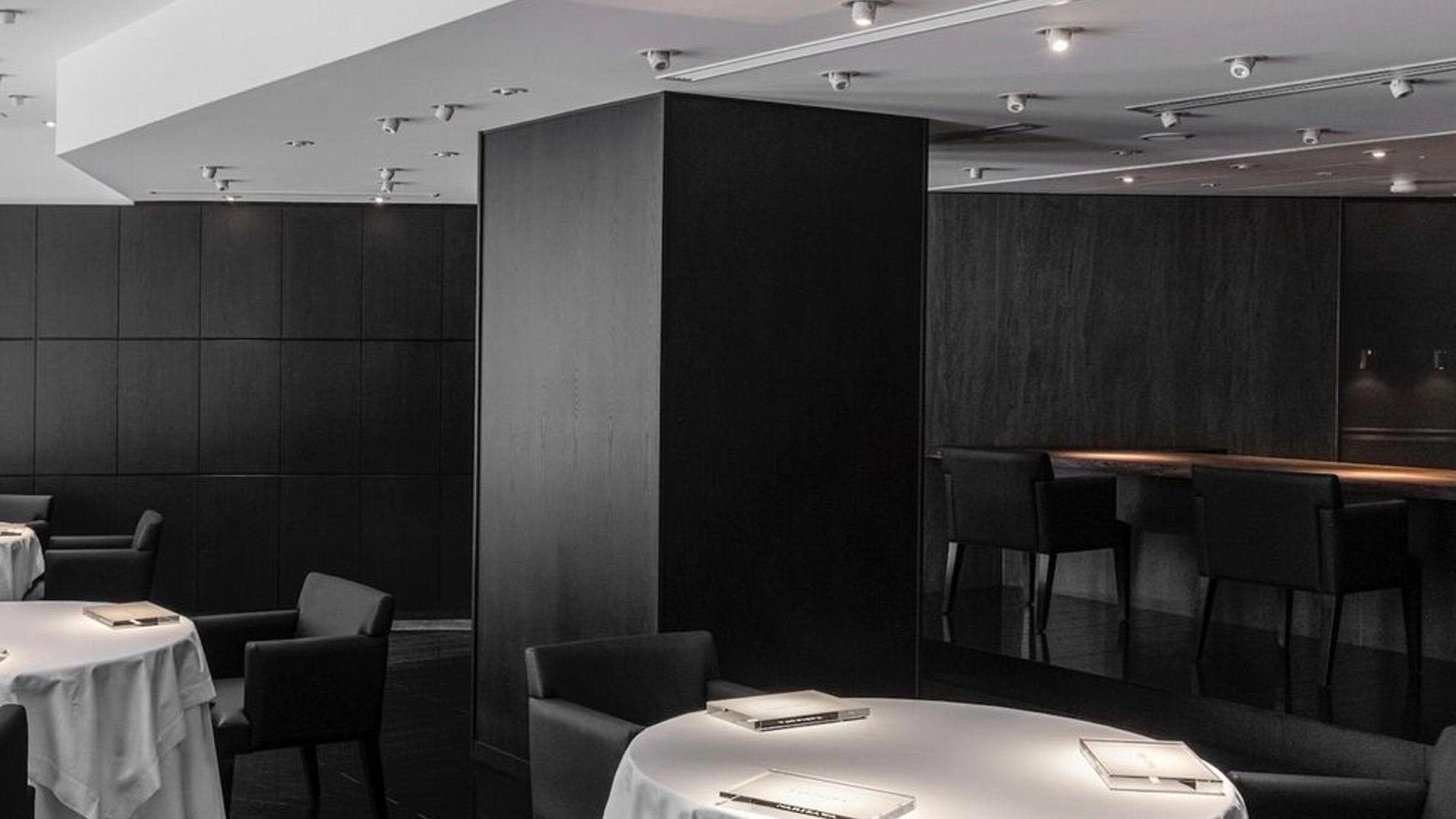
The room is compact, with 20 seats split between counter and table seating. That size changes the experience. Counter dining keeps the focus close to preparation and turnover, while tables make the tempura-and-drinks side of the menu easier to read as a social meal. The categories tell the story: udon, tempura, and izakaya. In practical terms, lunch is likely the sharper expression of noodle craft; evening has a broader arc, with sake, shochu, snacks, fried items, and a final noodle finish.
This places Kirimugi Ya Jinroku in an interesting Shinjuku bracket. It is not priced or formatted like a luxury counter such as Takumi Tatsuhiro, and it is not chasing the general-purpose comfort lane occupied by casual neighbours across curry, burger, and izakaya formats. Compared with CHATTY CHATTY, Hamburg Will, KEN'S CAFE TOKYO Souhonten, and Shokudo Wata, the point here is narrower but more exacting: one staple tradition, built with enough technical confidence to carry both lunch and evening use.
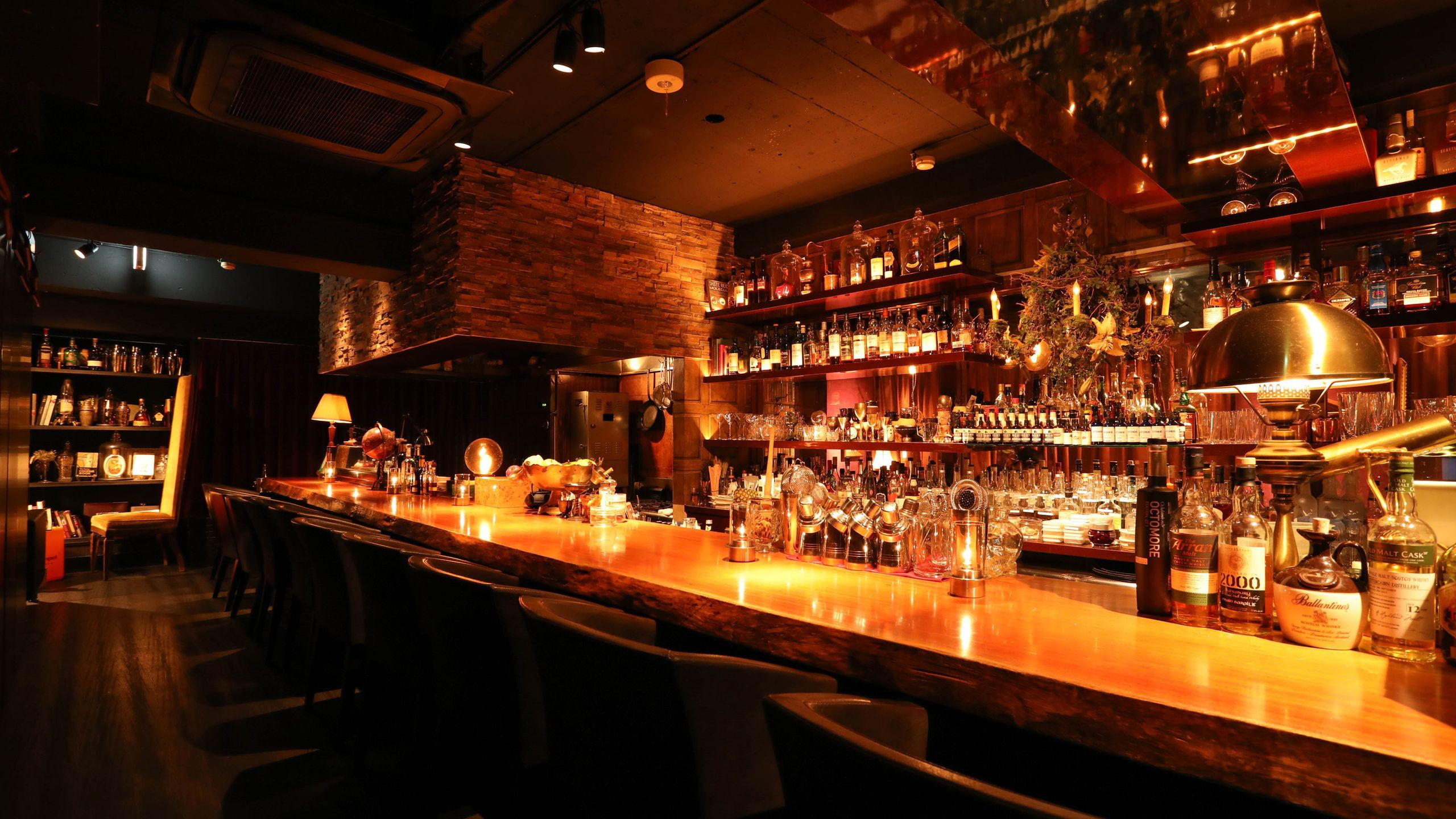
The drink programme also matters. Udon shops can be treated as quick stops, but the presence of sake and shochu changes the pacing. A bowl does not need to be the entire meal. In the Tokyo style of casual serious dining, that flexibility is part of the appeal: a low-commitment lunch, or a small evening sequence that behaves more like an izakaya without losing its noodle centre.
How to place it within a Tokyo eating day
The strongest case for adding this stop to a Tokyo itinerary is category correction. Visitors often allocate planning energy to sushi, wagyu, cocktail bars, and hotel dining, then leave everyday Japanese staples to convenience. That misses a major part of the city’s eating intelligence. A recognised udon shop near Shinjuku Gyoen gives the day a grounded middle: precise, affordable, and close to one of Tokyo’s cleaner neighbourhood transitions between office blocks, parkland, and late-afternoon errands.
Planning should reflect the small room and the payment quirks. Credit cards and electronic money are not accepted, while PayPay is listed; private rooms and private use are unavailable. Weekday evening reservations are accepted, with a cancellation rule if guests arrive more than 10 minutes late. The address is in Shinjuku 1-chome, close to Shinjuku Gyoenmae Station, which makes it easy to pair with a park visit or a longer Shinjuku dining crawl without committing to the full station-side rush.
For broader planning, use Our full Tokyo restaurants guide alongside nearby and category-adjacent entries such as 12/10 Shinjuku ten, 124. KAGURAZAKA (Yakitori), 2D Cafe, 3 Chome no Curry Ya San, and. 鮪と炭火焼き うお炭 秋葉原店. For non-restaurant planning, compare the city through Our full Tokyo hotels guide, Our full Tokyo bars guide, Our full Tokyo wineries guide, and Our full Tokyo experiences guide.
Travellers building a wider Japan food map can cross-reference -Grilled beef Sukiyaki- KAMAKURA TANUKIAN 鎌倉 たぬき庵 in Kamakura.cafe in Osaka.know in Kumamoto, (Shoku) Vietnam in Kawasaki, [Curry Senmon Ten] Maruyama Kyoju. in Sapporo, and [ki:] in Kyoto. For Japanese drinking and casual formats abroad, Jōdo Saké Bar in Los Angeles and Onigiri Time in Pasadena show how these traditions translate outside Japan.
Snapshot
Comparable venues at the same tier.
| Venue | Cuisine | Price | Notes |
|---|---|---|---|
| Kirimugi Ya JinrokuThis venue — the venue you are viewing | Udon and Tempura | $$ | Not listed |
| Azabu Shokudo (麻布食堂) | Yoshoku Omurice | $$ | Nishiazabu |
| Tantantei | Old-School Chuka Soba | $$ | Hamadayama |
| Tsunahashi Shinjuku | Traditional Japanese Tempura | $$ | Shinjuku |
| CENTRE THE BAKERY Aoyama ten | Japanese shokupan bakery | $$ | Shibuya |
| Agezuki | Tonkatsu (Japanese Pork Cutlet) | $$ | Shinjuku |
Recognition history
Dated appearances from independent guides and award organizations, with the underlying list record or original source where available.
Tabelog 100 #68 · No. 68
Tabelog · Tabelog 100 - Udon - EAST - 2024












At a Glance
- Cozy
- Classic
- Minimalist
- Solo
- Casual Hangout
- Standalone
- Sake Program
- Local Sourcing
A compact, neighborhood-focused udon shop with a direct, casual atmosphere centered on handmade noodles and tempura rather than formal dining.