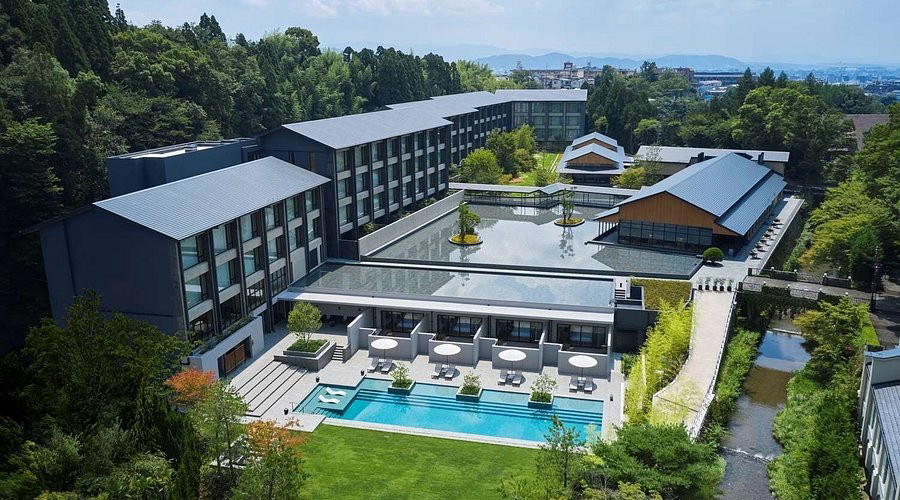
美山荘 occupies a mountain hamlet in Kyoto's Hanase district, roughly an hour north of the city centre, where the kaiseki tradition meets a kitchen sustained almost entirely by foraged and farm-grown ingredients sourced within the surrounding valley. The property operates as a ryokan and restaurant, placing guests inside a working agricultural landscape rather than adjacent to one.
Pearl is the En Primeur Club membership app — saves, bookings, and concierge access live there. Same editors, same standards.
- Address
- 左京区花脊原地町375, 京都市, 京都府, 601-1102
- Directions
- Get directions
 Saves & bookings on Pearl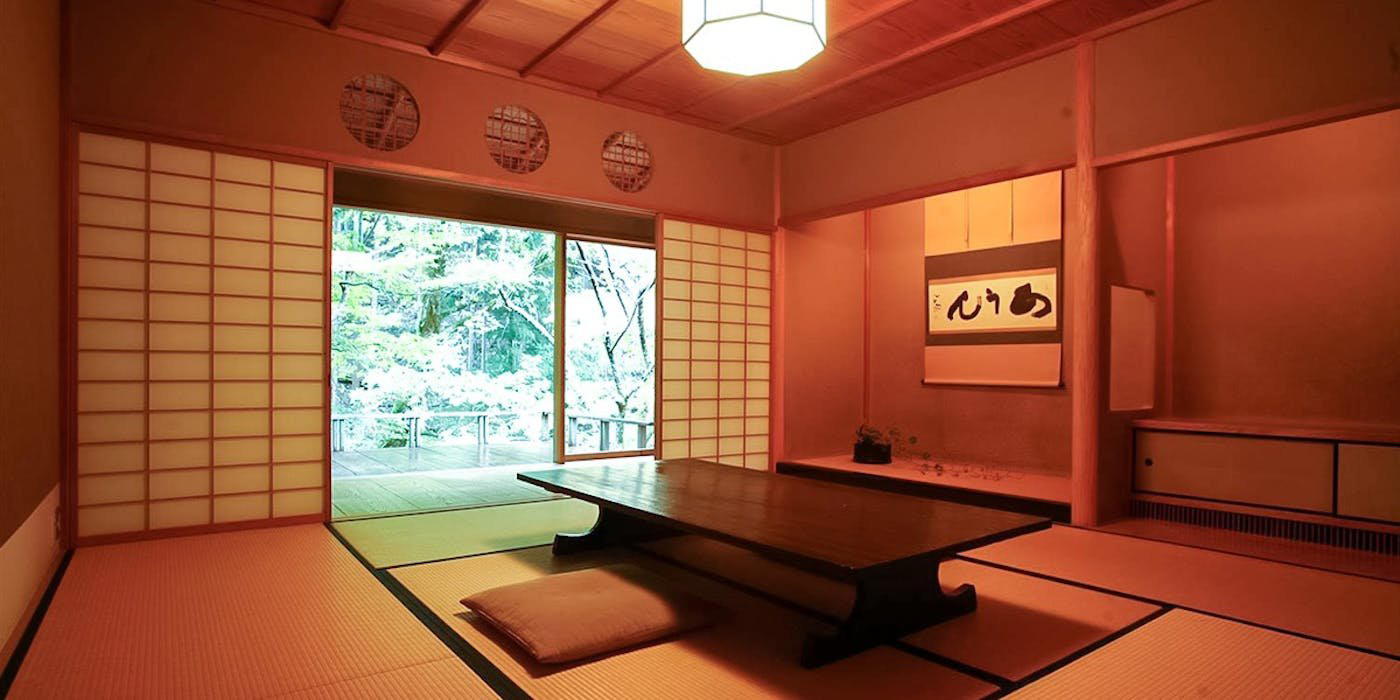
An Hour North of Kyoto, a Different Kind of Kaiseki
Kyoto's kaiseki circuit runs, for most visitors, between the central wards of Higashiyama and Nakagyo: the tight backstreets around Gion where Gion Sasaki holds court, the historic dining rooms of Hyotei and Isshisoden Nakamura, and the formal grandeur of Kikunoi Honten. These are establishments whose address is part of their identity, positioned inside the city's cultural geography as deliberately as their menus. 美山荘 operates on an entirely different logic. The address alone — 左京区花脊原地町375, a hamlet called Hanase in the mountains northwest of the city — signals that the journey to this property is not incidental. It is the first act of the experience.
The road from central Kyoto climbs through cedar forest and narrows along river valleys before arriving at a cluster of buildings that reads less like a destination restaurant than like a working farmstead that happens to feed guests at a high level. That physical remove is not atmospheric decoration. It is the structural condition that makes 美山荘's approach to sourcing coherent: the kitchen draws from the land immediately surrounding it, and the distance from the city is precisely what gives that land its character.
The Sourcing Logic Behind the Kitchen
Among Kyoto's established kaiseki houses, 美山荘 sits in a distinct peer group defined less by price tier or room count than by its relationship to agricultural land. Where city-centre kaiseki restaurants at the ¥¥¥¥ level, like Mizai, concentrate refinement in technique and service choreography, the Hanase property's defining credential is provenance: ingredients foraged from the surrounding mountain slopes, vegetables grown on the property's own cultivated land, and wild plants gathered across seasonal cycles that city kitchens can only purchase at considerable remove.
This is not a recent positioning decision. The property has sustained its agricultural identity across generations, operating in a tradition where the chef and the farmworker are, in some cases, the same person or part of the same extended household. The comparison that clarifies this is not other Kyoto restaurants but rather places like akordu in Nara, which similarly stakes its identity on what grows nearby, or 湖畔荘 in Takashima, another ryokan-restaurant operating at the edge of a natural landscape with sourcing constrained and defined by geography.
Kaiseki as a form was built around seasonal produce long before sustainability became an editorial framework, the entire structure of a multi-course kaiseki meal is an argument about what a specific landscape produces in a specific month. But 美山荘's version of that argument is tighter than most: the distance from wholesale markets is not a disadvantage managed through logistics but a principle enforced by location. What arrives at the table in winter reflects what the surrounding mountain terrain yields in winter, not what the overnight freight network can supply.
Foraging as a Kitchen Practice, Not a Marketing Category
In contemporary fine dining, foraging has become a category signal: menus in cities from Copenhagen to Tokyo list wild ingredients to communicate a posture toward sourcing, often while working with professional foragers who supply multiple restaurants simultaneously. The conditions at Hanase produce something structurally different. The mountain terrain around 美山荘, the Kitayama range that forms Kyoto Prefecture's northern edge, supports a specific ecology of wild plants, mushrooms, river fish, and game that shifts across the year in ways that cannot be entirely planned or standardised. A kitchen sourcing from this landscape operates with genuine seasonal uncertainty, which translates into menus that are written closer to service than those at city addresses working from confirmed supplier allocations.
This has counterparts in other parts of Japan. 一本杉川島 in Nanao works the Noto Peninsula's coastal and mountain terrain in a comparable mode, and 鳥羽旅館 in Nishikawa Machi draws from the Ou mountain range in a similar relationship between the kitchen and the surrounding elevation. These are not city restaurants with countryside sourcing programmes. They are mountain and coastal properties where the sourcing constraint is architectural.
The Ryokan Structure and Why It Matters for Kaiseki
美山荘 functions as a ryokan, which means the kitchen serves guests staying overnight as well as those arriving for a meal. In the kaiseki tradition, the ryokan format was the original context: before kaiseki moved into standalone urban restaurants, it was the cuisine guests experienced across a full evening in a traditional inn, with dinner and breakfast framing a night in the landscape. The kaiseki houses of central Kyoto, however refined, are operating in a compressed version of that experience. At 美山荘, the original temporal structure remains: dinner is one part of a longer encounter with the property and its surroundings.
This is relevant for travellers calibrating where 美山荘 fits relative to Kyoto's urban kaiseki tier. It belongs to a different category: not a restaurant to visit for an evening from a city-centre hotel, but a property that requires an overnight commitment and, consequently, a different planning horizon. The decision to eat here is inseparable from the decision to leave Kyoto's centre and enter a mountain valley with its own rhythm.
For context on the range of approaches within Japan's fine dining geography, the urban intensity of HAJIME in Osaka or the counter discipline of Harutaka in Tokyo occupy one end of the spectrum; 美山荘 sits at the opposite end, where the physical setting is not backdrop but premise. See our full Kyoto restaurants guide for further context on how the city's dining ranges from urban formality to mountain retreat.
Planning the Visit
Know Before You Go
- Location: 左京区花脊原地町375, Hanase, Sakyo Ward, Kyoto. Approximately one hour north of central Kyoto by car; not accessible without private transport or a taxi arranged in advance.
- Format: Ryokan with kaiseki dining. Overnight stay is the standard mode; confirm at booking whether dinner-only arrangements are available for your dates.
- Booking lead time: Plan a minimum of two to three months ahead for weekend and peak-season dates. Autumn (October to November) and spring (March to April) fill the fastest, consistent with Kyoto's broader seasonal demand patterns.
- Seasonal character: The menu changes with what the surrounding land produces. Winter visits yield a different register than autumn, the kitchen does not substitute to maintain a consistent dish list across seasons.
- Nearby context: Hanase is remote by design. There are no adjacent restaurants or hotels. Treat the arrival as the beginning of the experience, not a prelude to it.
Where the Accolades Land
| Venue | Cuisine | Price | Awards |
|---|---|---|---|
| 美山荘This venue — the venue you are viewing | Not listed | Not listed | This venue |
| Gion Sasaki | Kaiseki, Japanese | ¥¥¥¥ | Michelin 3 Star |
| cenci | Italian | ¥¥¥ | Michelin 1 Star |
| Ifuki | Kaiseki | ¥¥¥¥ | Michelin 2 Star |
| Kyokaiseki Kichisen | Japanese | ¥¥¥¥ | Michelin 2 Star |
| Kyo Seika | Chinese | ¥¥¥ | Michelin 1 Star |
Continue exploring
More in Kyoto
Restaurants in Kyoto
Browse all →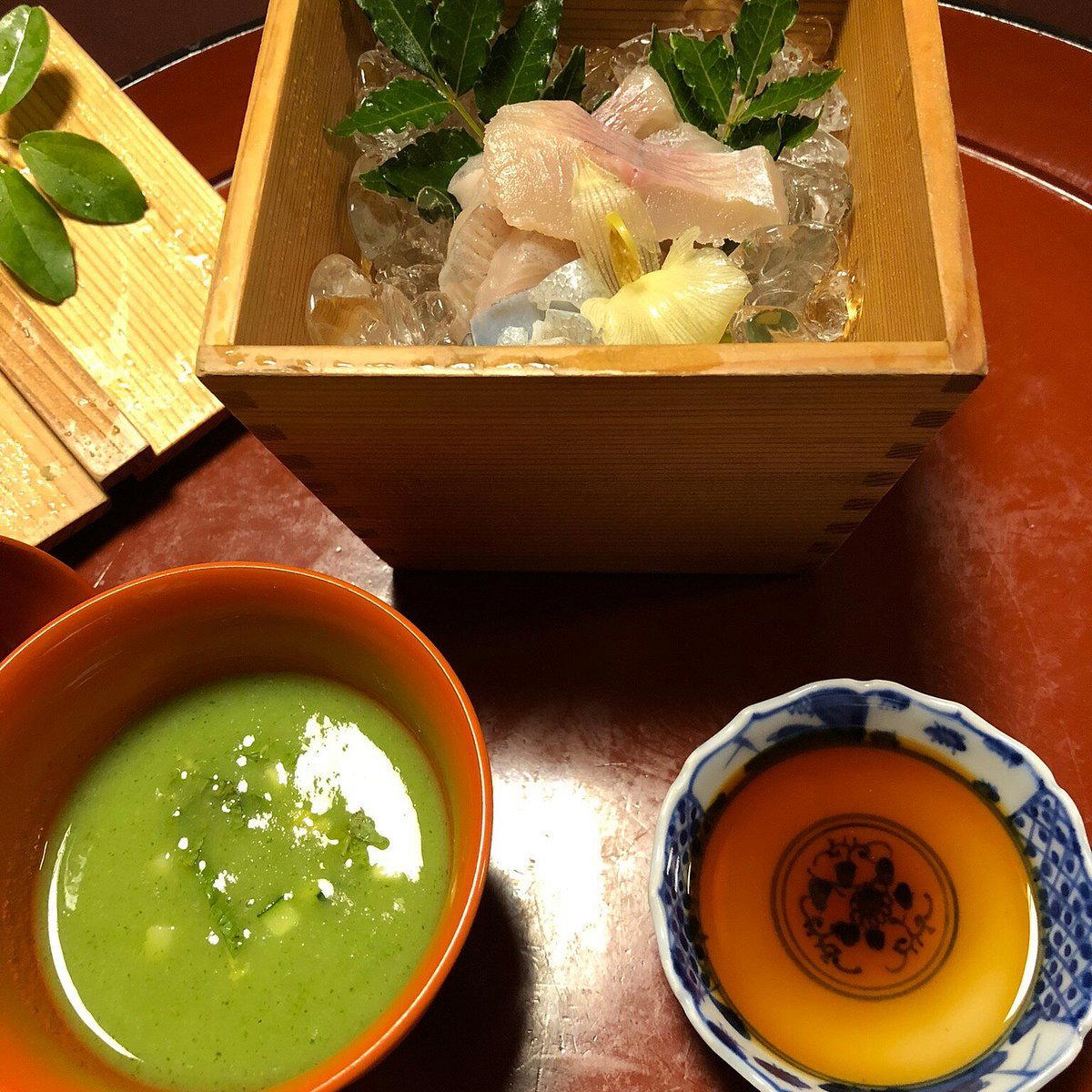
Bars in Kyoto
Browse all →
Hotels in Kyoto
Browse all →
Wineries in Kyoto
Browse all →
At a Glance
- Rustic
- Elegant
- Scenic
- Cozy
- Intimate
- Special Occasion
- Date Night
- Historic Building
- Garden
- Sake Program
- Local Sourcing
- Mountain
- Garden
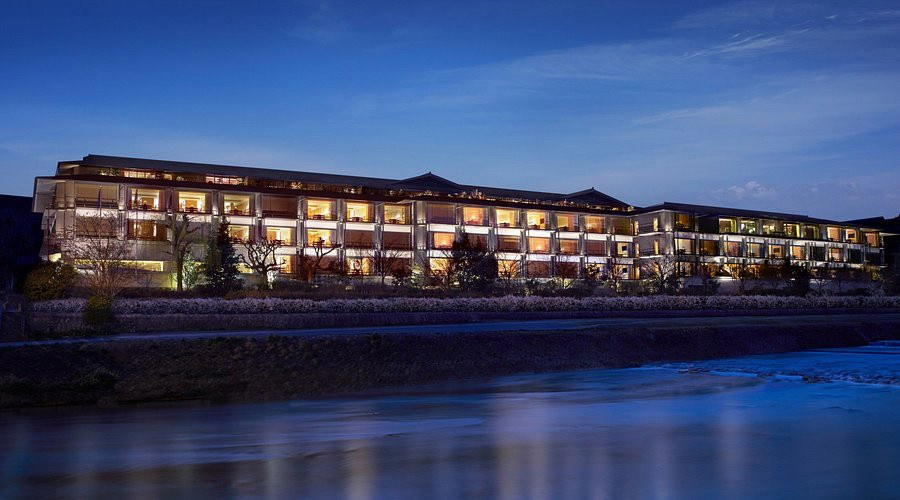
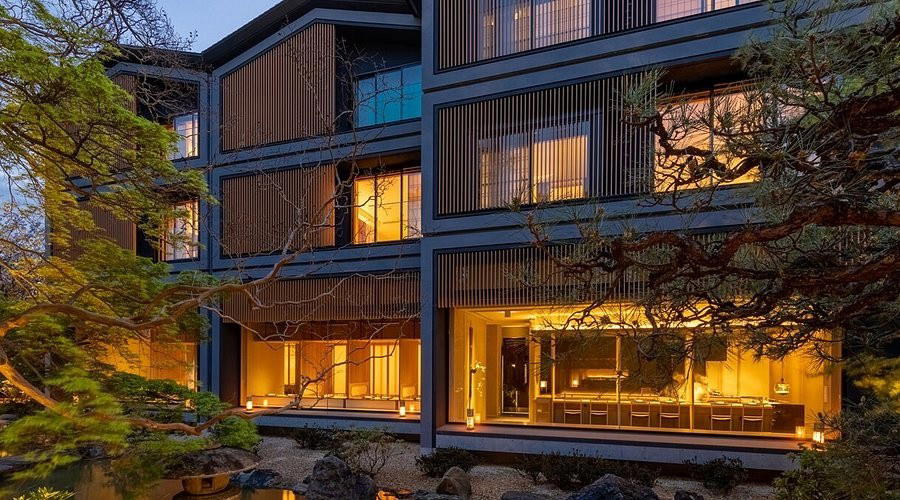
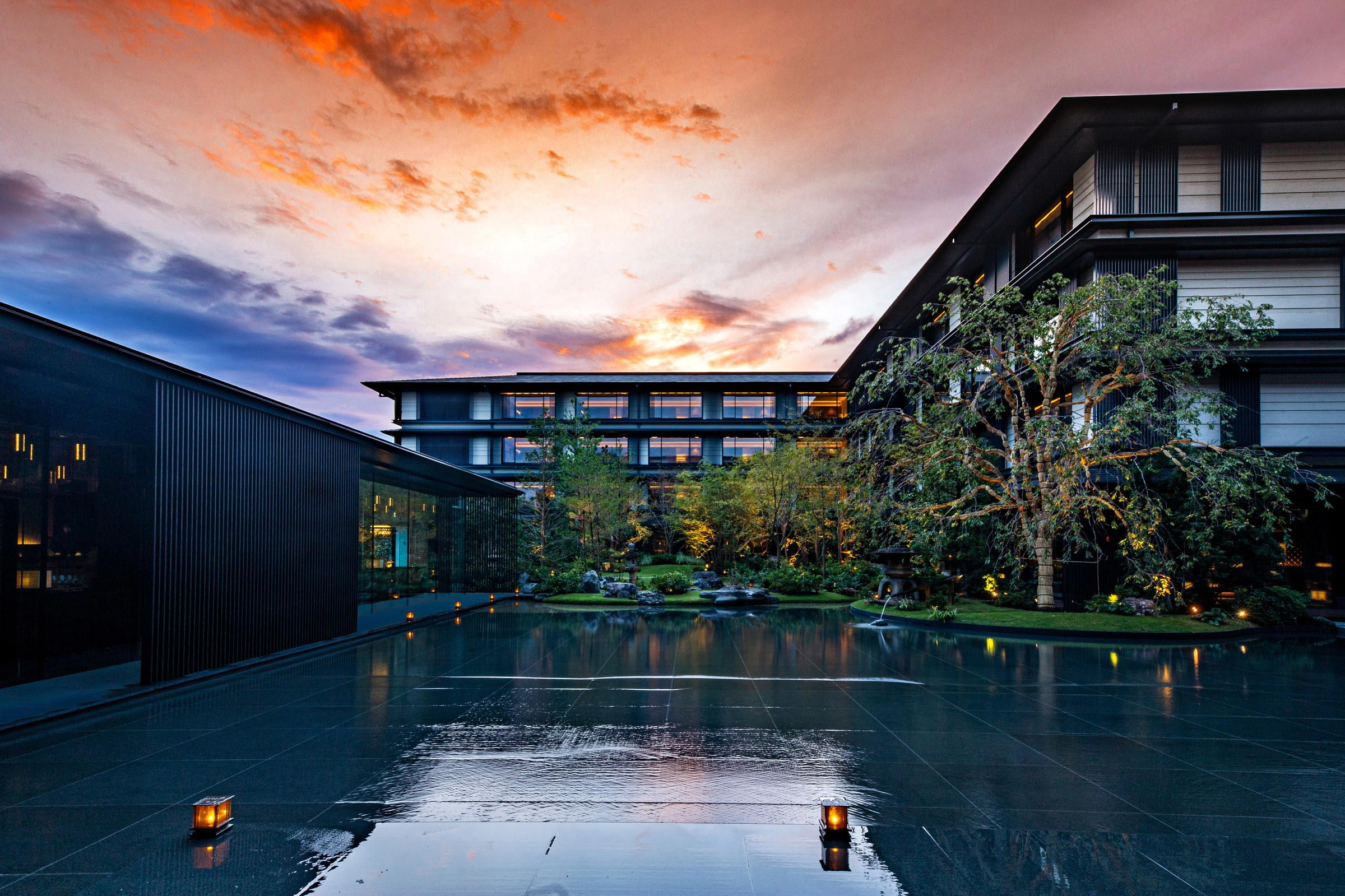
数寄屋建築の名匠による空間に山の光・風・音が流れ、数寄屋の落ち着いた照明と自然の風情が融合した雅やかな里山の雰囲気
Know Before You Go
- Getting there
- 左京区花脊原地町375, 京都市, 京都府, 601-1102