
A French restaurant and wine bar operating inside Kyoto's Gion district, Gion Sho positions itself against the neighbourhood's kaiseki orthodoxy by serving European cooking in one of Japan's most historically loaded addresses. Where most tables in this part of Higashiyama Ward lean on centuries of Japanese culinary tradition, Gion Sho draws from a French framework, offering a different entry point into the same storied streets.
 Discover on Pearl
Pearl is the En Primeur Club membership app — saves, bookings, and concierge access live there. Same editors, same standards.
- Address
- Japan, 〒605-0074 Kyoto, Higashiyama Ward, Gionmachi Minamigawa, 570番地23
- Phone
- +81 75-541-0088
- Website
- gion-sho.com
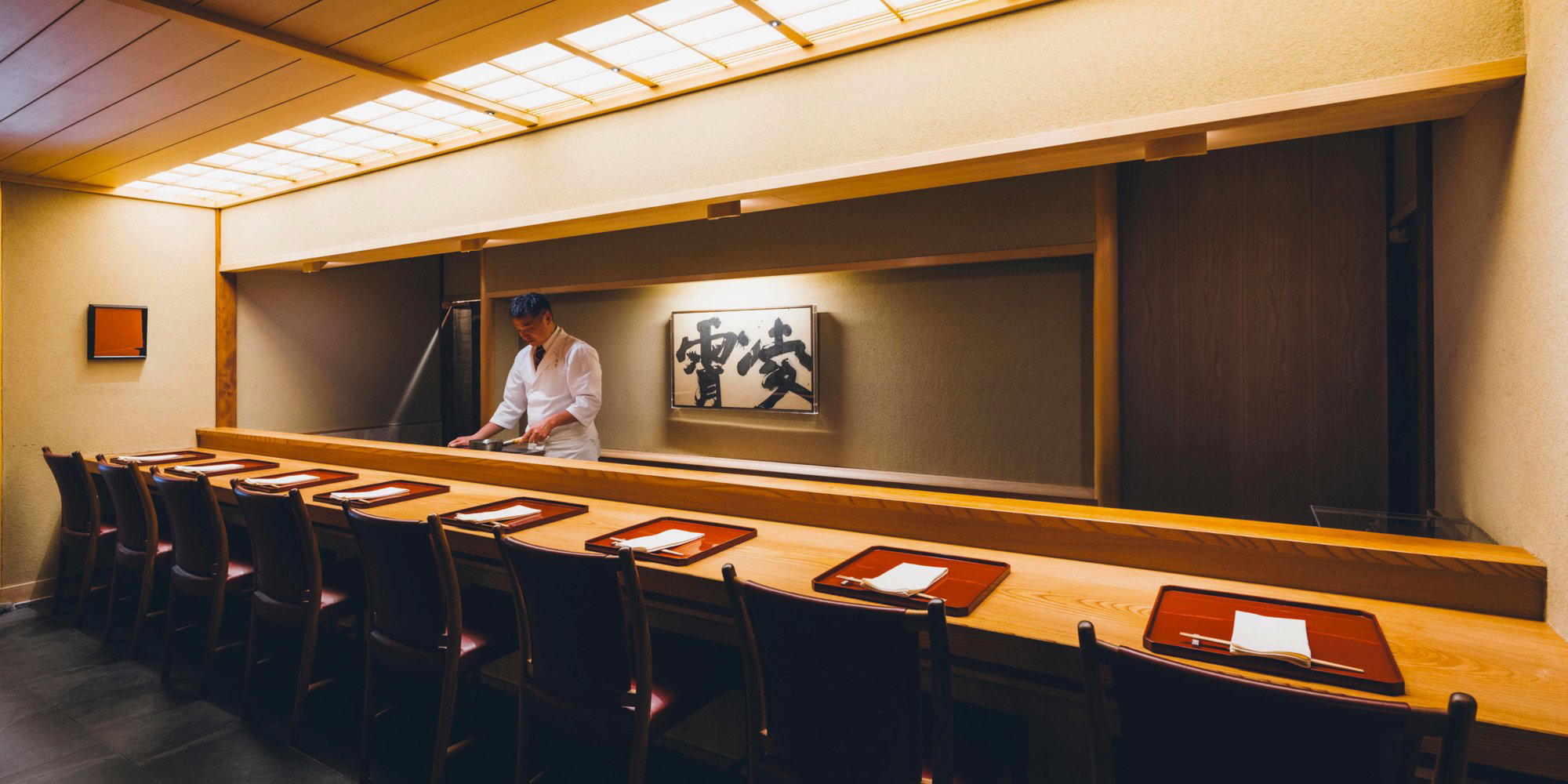
French Cooking in the Heart of Gion
Gionmachi Minamigawa, the southern lane of Kyoto's Gion district, is among the most visually preserved streets in Japan. Stone-paved alleys, ochaya teahouses, and the occasional sight of a Maiko moving between appointments define the atmosphere before you even approach a restaurant door. Gion Sho is a restaurant in Kyoto’s Gionmachi Minamigawa district, serving Modern Kaiseki with Wine Pairing at about $150 per person. In a neighbourhood where the dominant culinary language has been kaiseki for generations, a French restaurant and wine bar operating at this postcode is making a deliberate statement about where European cooking fits inside Kyoto's dining geography.
Gion's restaurant density is high, but its culinary identity has historically been narrow. The kaiseki houses that define the district, including Gion Sasaki, Kikunoi Honten, and Mizai, sit at the apex of a centuries-old Japanese cooking tradition that prizes seasonality, restraint, and the architecture of multi-course progression. Gion Sho instead works in a Modern Kaiseki with Wine Pairing format. It occupies a separate lane: French dishes and a wine-bar format, in a setting where the surrounding streets are doing everything possible to reinforce classical Japan. That contrast is not a disadvantage. For the right diner, it is precisely the point.
What Gion Means as a Dining Address
Understanding Gion Sho requires understanding what Gion is beyond its postcard reputation. The district is divided between northern Gion (Kitagawa) and southern Gion (Minamigawa), with the latter generally considered the more intimate and preserved half. Restaurants here tend to operate behind understated facades, often in machiya townhouses, with little street-level signage to announce their presence. The neighbourhood codes for insider knowledge over accessibility, and the dining options reflect that: this is not an area where you stumble across somewhere good. You arrive with a reservation and a destination already in mind.
Within that context, a wine-bar format carries different implications than it would in, say, Shijo or Kawaramachi. Wine bars in Gion sit closer to the ochaya tradition than they might appear: small, curated, built around the relationship between host and guest rather than throughput. The French framework that Gion Sho applies to this environment draws on Kyoto’s long relationship with Western dining. The city's French dining scene has never reached the critical mass of Tokyo's, but it has produced serious cooking at venues like HAJIME in Osaka and informed comparison points like akordu in Nara, which operates a European framework in a similarly tradition-heavy Japanese city.
French Dining in Kyoto: The Broader Picture
Kyoto is not typically the city that comes to mind when discussing Japan's French restaurant scene. Tokyo commands that conversation, with counters like Harutaka representing the capital's multi-decade investment in Western fine dining. But Kyoto has its own logic. The city's proximity to high-quality Japanese ingredients, combined with a culture of refined hospitality that predates most Western culinary traditions, creates conditions where French cooking can take on a distinctly local character. Chefs working in this environment tend to draw on the same Kyoto-area produce that feeds the kaiseki houses: Kyoto vegetables (kyo-yasai), river fish, and the seasonal markers that define the city's table regardless of culinary nationality.
This is what separates Kyoto's better French tables from the tourist-adjacent international restaurants that cluster near the main sightseeing corridors. The French-Japanese crossover in serious Kyoto dining is less about fusion aesthetics and more about ingredient sourcing: applying European technique to produce that the kaiseki tradition has already validated. Diners exploring this niche might also look at SEN, a French-Japanese hybrid operating in the ¥¥¥¥ tier in Kyoto, as a reference point for how the city's better operators are approaching the same question from different angles.
For those whose Kyoto itinerary is already anchored in Japanese culinary traditions, including visits to Hyotei, Isshisoden Nakamura, or any of the district's kaiseki houses, Gion Sho offers a structurally different evening. The wine-bar format suggests a more relaxed pace than the formal progression of a kaiseki counter, and the French orientation means the beverage program will be calibrated around European wine in a way that kaiseki pairings typically are not.
Placing Gion Sho in Its Competitive Context
The restaurants that Gion Sho is most usefully compared against are not necessarily its Gion neighbours. The relevant comparable set is Kyoto's mid-to-upper-range French and European operators: venues that apply serious cooking standards to a format that does not demand the full ritual of a kaiseki evening. Internationally, the reference points for this kind of positioning sit with places like Le Bernardin in New York City, where French technical rigour is maintained within a specific culinary identity, or Emeril's in New Orleans, which demonstrates how European frameworks can acquire genuine local character over time. Its Gion address and wine-oriented format place it in a more focused category than the city's casual Western dining options.
For those planning a broader trip across Japan's French-influenced dining scene, Bleston Court Yukawatan in Nagano, Goh in Fukuoka, and giueme in Akita each demonstrate the range of approaches operating across the country, from resort fine dining to urban European-Japanese hybrids.
Planning a Visit
Gion Sho sits on Gionmachi Minamigawa in Higashiyama Ward, the address that puts it within walking distance of Yasaka Shrine and the Hanamikoji pedestrian lane. Arriving on foot from either Gion-Shijo Station or Kawaramachi Station takes roughly ten minutes and allows for the full effect of the neighbourhood's architecture to frame the approach. Given the density of dining options in Gion and the area's strong pull for evening visitors, booking ahead is advisable rather than optional. Evenings in this part of the city fill quickly, particularly during cherry blossom season in late March and early April and during the autumn foliage period in November, both of which bring significant visitor numbers to Higashiyama Ward. Hours are 6 to 11:30 PM daily, reservations are essential, and the dress code is smart casual.
The Quick Read
Comparable venues nearby, for context on price, style, and recognition.
| Venue | Cuisine | Price | Notes |
|---|---|---|---|
| Gion ShoThis venue — the venue you are viewing | $$$$ | ||
| 菊乃井 本店 | Higashiyama, Kyoto Obanzai | $$$$ | |
| 草喰 なかひがし | $$$$ | Higashiyama (near Ginkaku-ji), Foraged Vegetable Kaiseki Omakase | |
| Nishi | Higashiyama, Kyoto Kaiseki | $$$$ | |
| Park Hyatt Kyoto | Higashiyama, French-inspired Teppanyaki | $$$$ | |
| Yoshikawa | $$$$ | Nakagyō, Traditional Japanese Tempura Kaiseki |
Continue exploring
More in Kyoto
Restaurants in Kyoto
Browse all →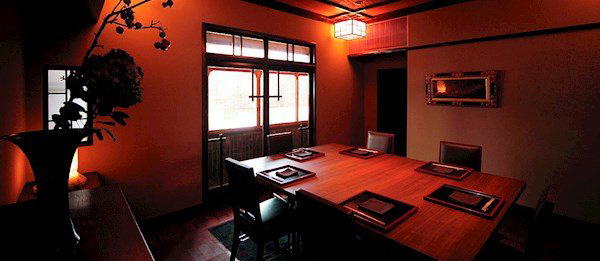
Bars in Kyoto
Browse all →
Hotels in Kyoto
Browse all →
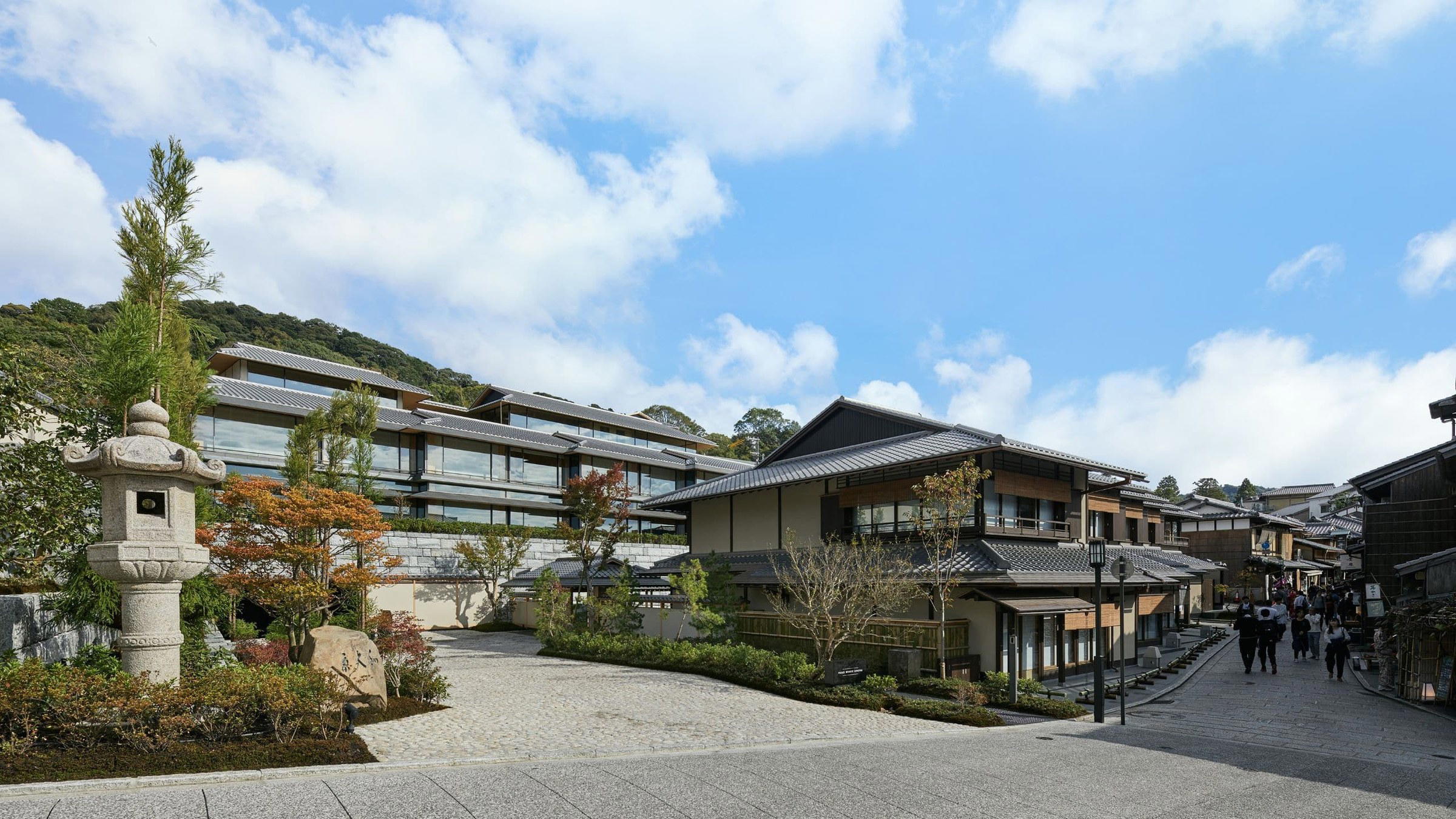
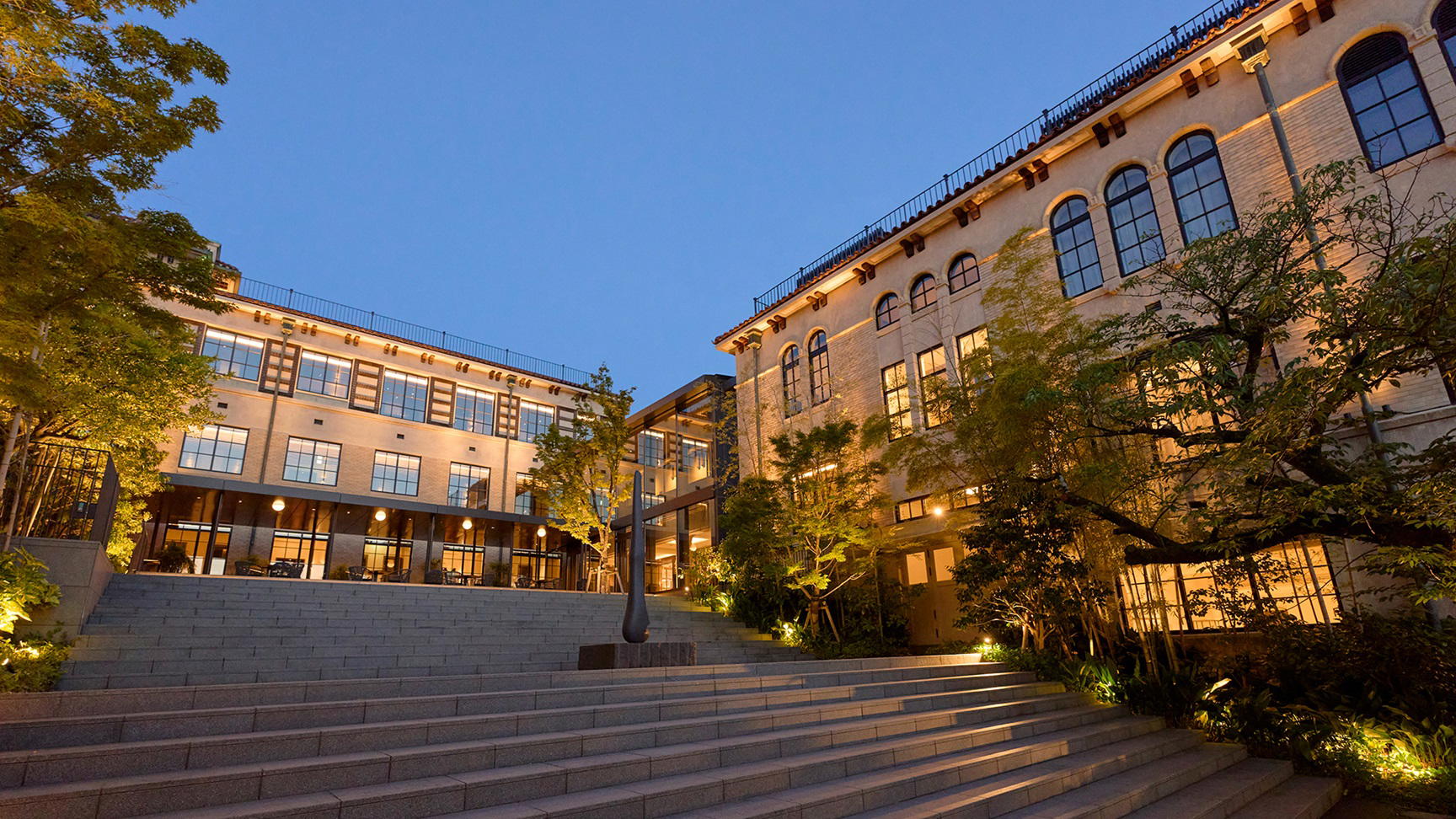
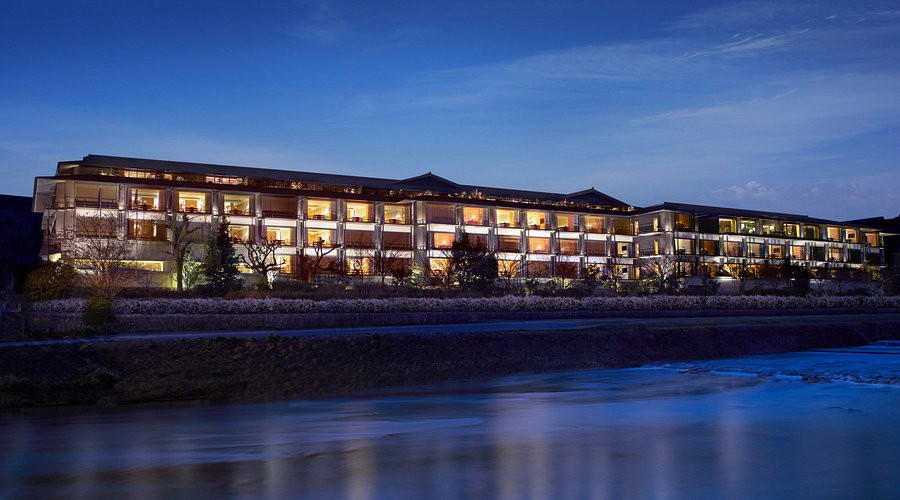
Wineries in Kyoto
Browse all →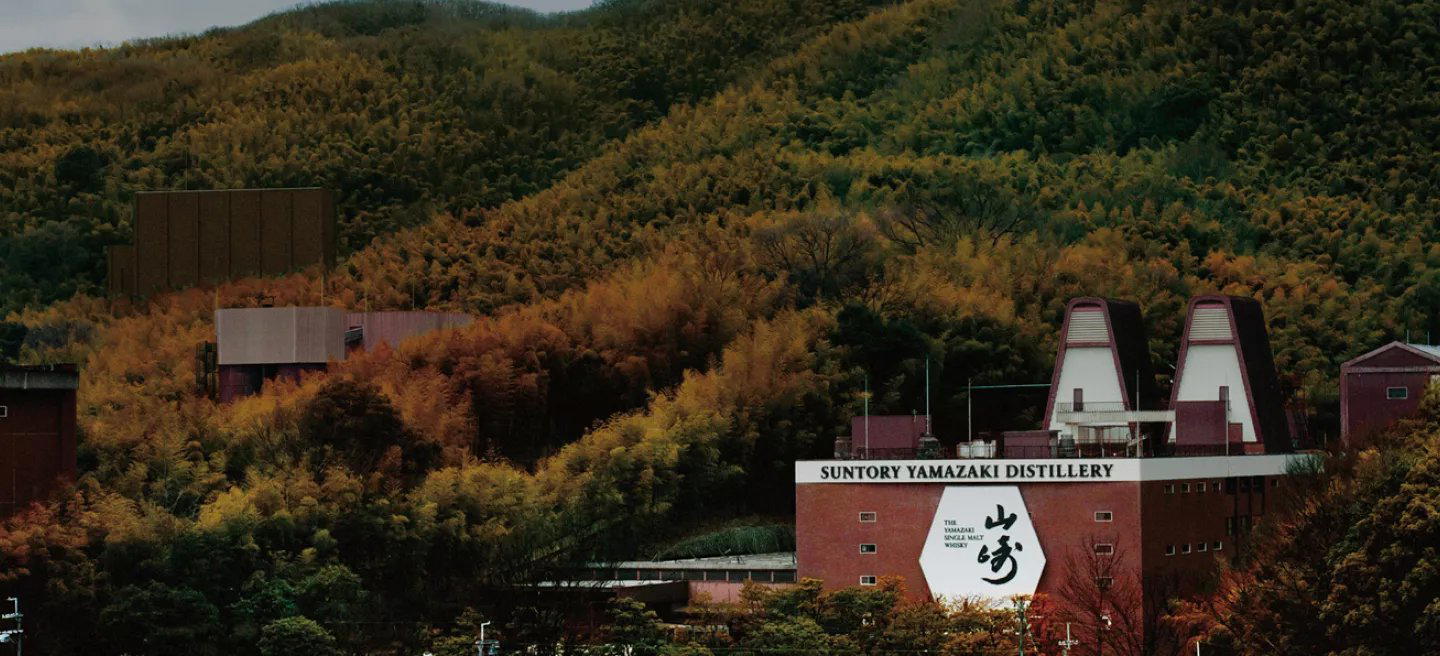
At a Glance
- Intimate
- Elegant
- Sophisticated
- Special Occasion
- Celebration
- Chefs Counter
- Private Dining
- Extensive Wine List
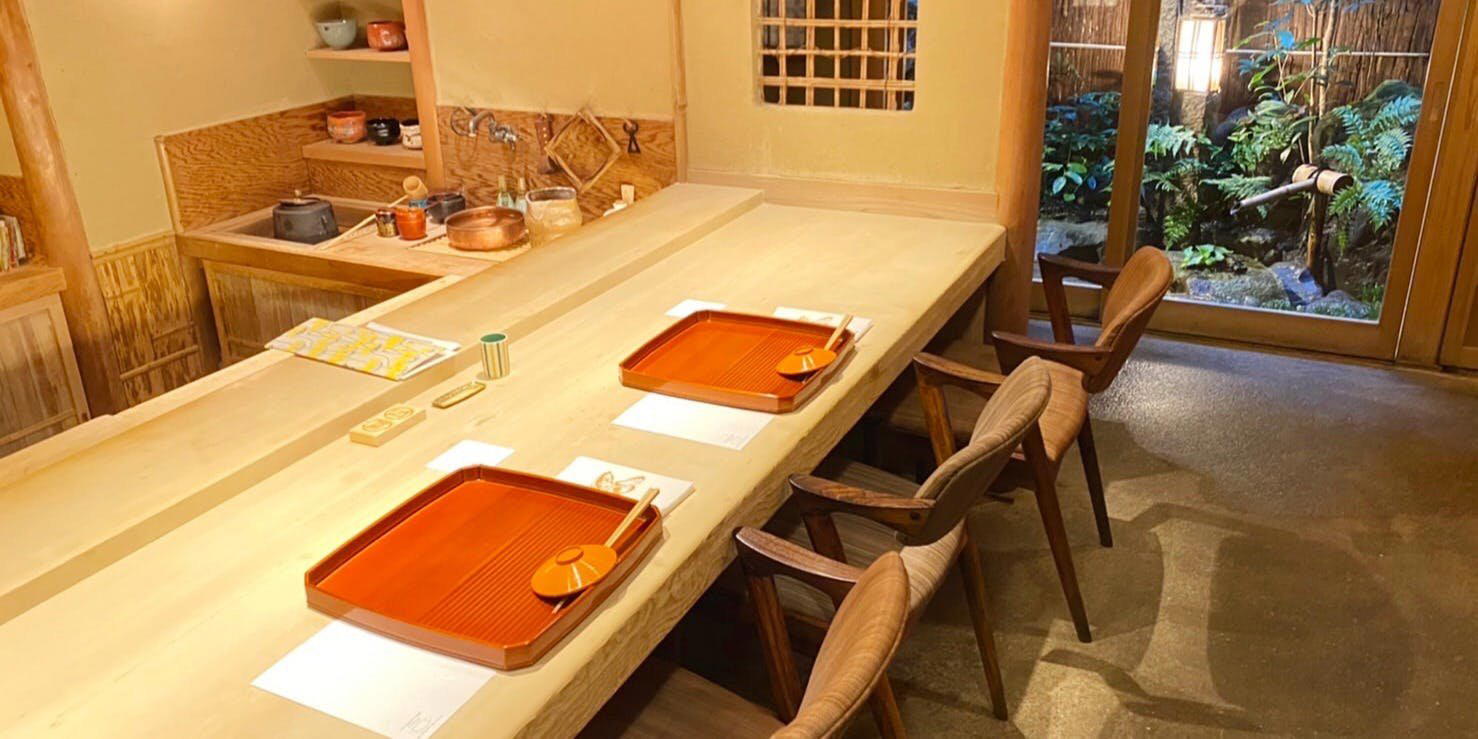
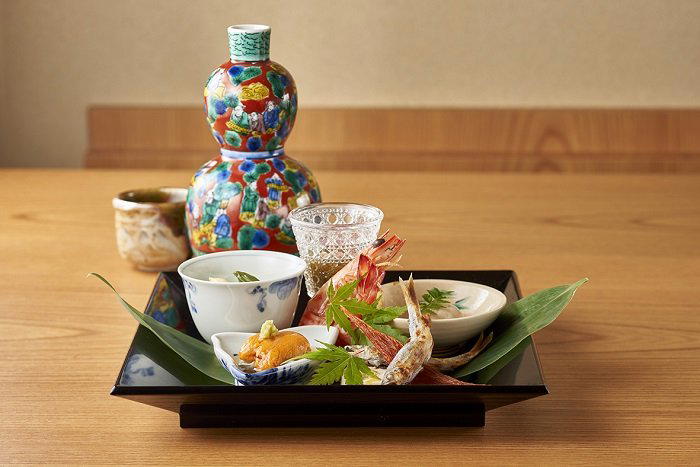
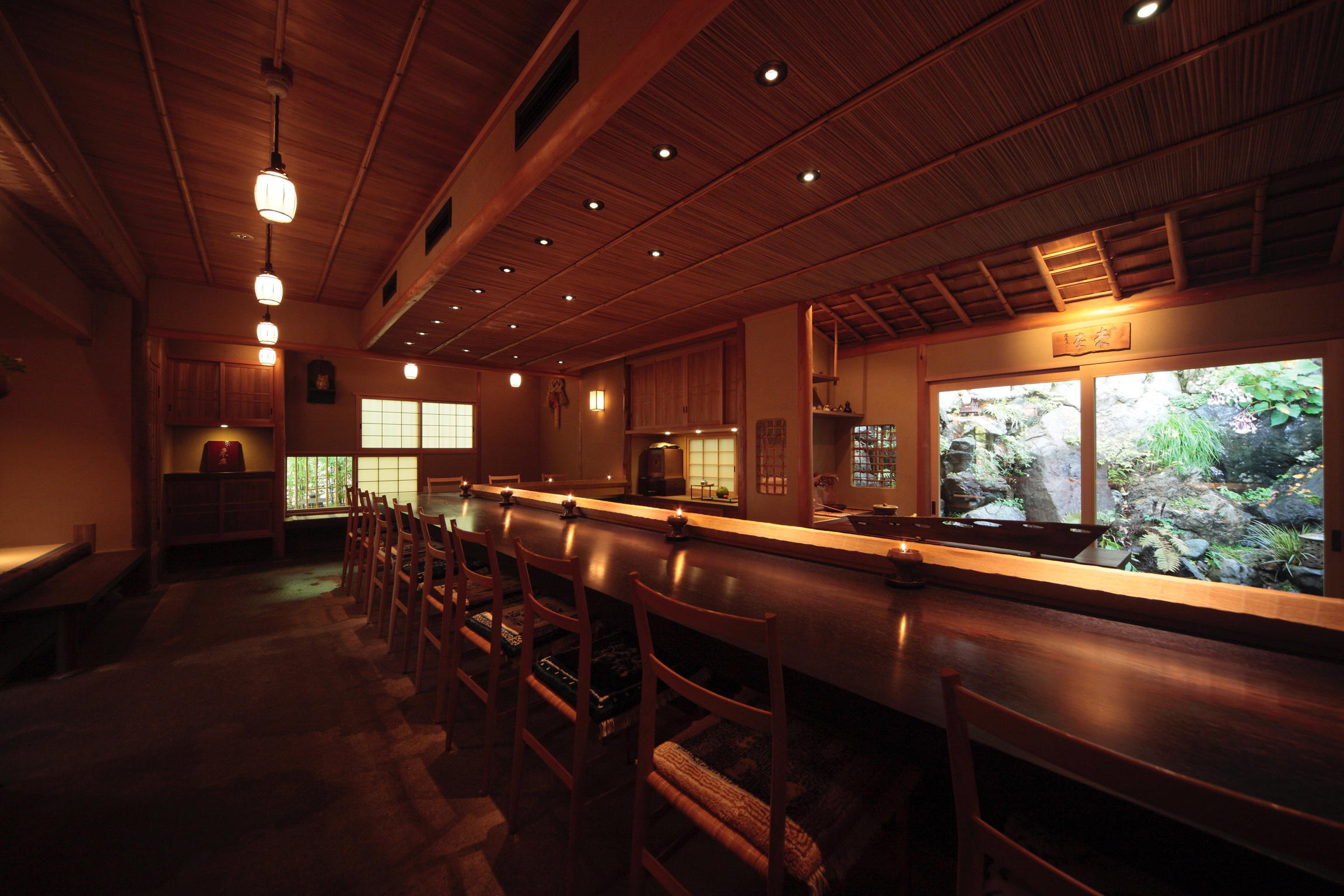
Classy and tranquil with an eight-seat cypress counter and antique porcelain enhancing the elegant atmosphere.