
Our verdict
Tha Sakai brings French technique to Kyoto's Sakyo Ward, where chef Hiroyuki Sakai works within a city more accustomed to kaiseki than Gallic cuisine. For French dining in Kyoto, it occupies a particular niche that rewards the curious diner.

Pearl is the En Primeur Club membership app, where members save venues, book tables and use the concierge.
The menu
What to order
- Sakana with tamarind and wild honey
- River prawns with coconut husk embers
French Cuisine in a City Built Around Kaiseki
Kyoto's dining identity is so thoroughly shaped by kaiseki that any French kitchen here operates against a powerful counter-current. The city's premium restaurant tiers are populated by multi-generation washoku houses, Gion institutions, and temple-adjacent tasting rooms where the cuisine and the setting form an indivisible whole. Into that environment, a French kitchen in Sakyo Ward is not a curiosity, it is a deliberate positioning decision. The few Western kitchens that have carved real credibility in Kyoto have done so by absorbing the city's ingredient discipline and seasonal precision rather than ignoring it. Whether Tha Sakai fits that pattern is the most useful question a visitor can bring to the table.
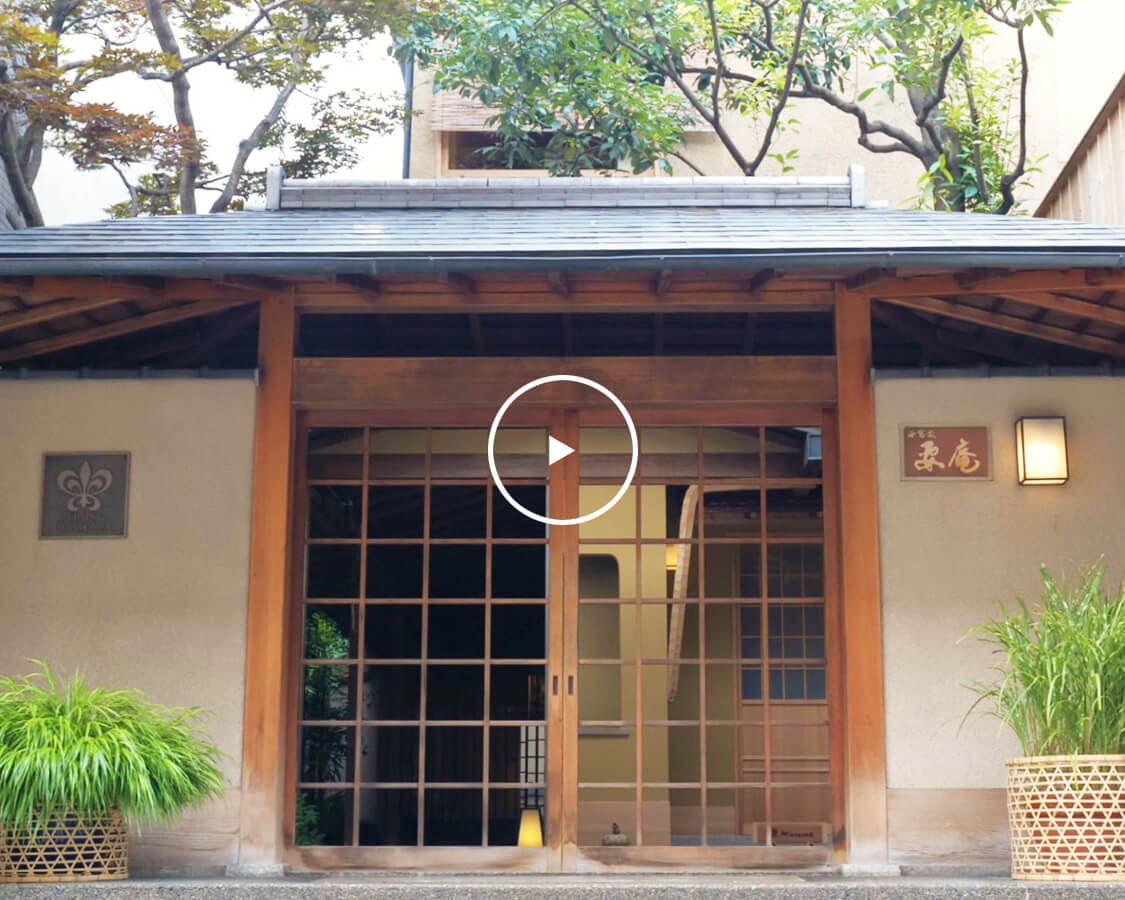
Sakyo Ward itself skews quieter than the tourist-dense corridors of Higashiyama or Gion. The address at 546-1 Okikucho places the restaurant in a part of the city where the approach on foot involves narrower streets and fewer crowds, a contrast to the more theatrical arrivals associated with established kaiseki rooms in the city centre. That physical remove from Kyoto's busiest dining districts is a contextual signal: this is a restaurant for people who know to come, not for those who stumble across it.
Where Tha Sakai Sits in Kyoto's French Dining Tier
French cuisine in Kyoto occupies a smaller, more fragmented tier than in Osaka or Tokyo. The city supports a handful of credible French addresses, each working with the same fundamental tension: how to practice a cuisine rooted in the produce and traditions of northern France within a food culture that draws most of its authority from hyper-local sourcing and centuries of Japanese technique. Kyoto's answer, at least among the more serious kitchens, has generally involved absorbing local ingredient logic rather than importing French terroir wholesale.
Tha Sakai, under chef Hiroyuki Sakai, sits within this smaller French tier. Opinionated About Dining, which operates one of the more data-intensive restaurant ranking systems in circulation, placed Tha Sakai at #233 on its 2025 Leading Restaurants in Japan list. That position is notable: OAD's Japan rankings are scored by a network of experienced eaters rather than by a single guide's inspectors, which means the ranking reflects repeat attention from people eating across the country. Appearing at all in that list, at any position, signals that Tha Sakai is being tracked by serious diners rather than general-interest visitors. For context within Kyoto's French category, comparable addresses include la bûche, Droit, and La Biographie···, each working within broadly similar constraints of audience, format, and geography.
Across Japan more broadly, the French category spans an enormous range. Sézanne in Tokyo and HAJIME in Osaka operate at the top of the national French tier with sustained international recognition and Michelin hardware. Tha Sakai sits below that peak but above the general mid-market French bracket, the #233 OAD ranking places it among restaurants that serious diners in Japan have returned to and actively recommended.
Terroir and the Kyoto Ingredient Tradition
French cuisine's greatest conceptual overlap with Kyoto's own cooking tradition is the terroir principle: the idea that what grows in a specific place, in a specific season, defines what belongs on the plate. Kyoto-yasai, the city's preserved roster of heirloom vegetables, operates on exactly that logic. Varieties like kamo eggplant, Manganji peppers, and kujo negi are tied to specific growing areas in and around the city, and Kyoto's serious kitchens, regardless of cuisine type, treat access to these ingredients as a baseline expectation. A French kitchen in Kyoto that engages with this tradition rather than bypassing it is working in the same register as the kaiseki houses down the street, even if the technique and plating language are entirely different.
The broader context of French kitchens learning from Japanese ingredient culture is well-documented. French chefs who trained or spent time in Japan have consistently noted that the Japanese approach to seasonal produce, where the ingredient's peak condition sets the menu rather than the menu dictating what ingredients are needed, reorients how they cook. A Kyoto-based French kitchen has that pressure applied constantly, simply by operating in a city where the ingredient calendar is treated as a near-sacred framework. For restaurants like anpeiji and Hiramatsu Kodaiji, also working across Western and Japanese frameworks in Kyoto, the seasonal discipline of the city shapes the menu whether or not the chef consciously chooses it.
Placing Tha Sakai in the Wider Kansai Context
Kyoto's French tier operates within the larger Kansai dining region, which includes Osaka's considerably larger and more international French scene and smaller prefectural cities with emerging serious kitchens. akordu in Nara demonstrates how restaurants slightly outside Japan's major cities can build credibility through ingredient sourcing and format precision. Tha Sakai occupies an analogous position within Kyoto: a city with enormous cultural authority but a smaller pool of dedicated fine-dining visitors than Osaka or Tokyo provides.
For visitors whose Japan itinerary extends beyond Kyoto, the country's French restaurant category rewards comparison. Harutaka in Tokyo and Goh in Fukuoka illustrate how different cities across Japan develop their own approach to high-level dining, and 1000 in Yokohama and 6 in Okinawa show how the country's culinary ambition extends well beyond the Kansai-Tokyo axis. At the international reference point, Hotel de Ville Crissier in Crissier represents what the classical French tradition looks like at its most sustained European form, a useful benchmark when assessing how Japanese French kitchens adapt versus preserve that lineage.
Planning Your Visit
The restaurant is located at 546-1 Okikucho, Sakyo Ward, Kyoto. Reservations: booking details are not publicly listed; direct contact with the restaurant or a Kyoto concierge service is advisable. Recognition:Leading timing: Kyoto's ingredient calendar peaks in spring (April to May, for mountain vegetables and early bamboo shoots) and autumn (October to November, for matsutake and root vegetables), making these the periods when any serious Kyoto kitchen is working with the most compelling produce.
For broader trip planning, see our full Kyoto restaurants guide, our full Kyoto hotels guide, our full Kyoto bars guide, our full Kyoto wineries guide, and our full Kyoto experiences guide.
Frequently asked questions
What should I eat at Tha Sakai?
Tha Sakai operates as a French kitchen in Kyoto, which means the menu logic almost certainly follows the city's seasonal ingredient calendar. Chef Hiroyuki Sakai's OAD ranking reflects sustained attention from experienced diners across Japan, which suggests the kitchen exercises enough consistency and ingredient discipline to merit ordering broadly rather than cherry-picking. Visiting in spring or autumn, when Kyoto's produce is at its most compelling, gives the leading chance of eating the menu in its strongest form.
Cost Snapshot
Comparable venues nearby, for context on price, style, and recognition.
| Venue | Cuisine | Price | Awards | Notes |
|---|---|---|---|---|
| Tha SakaiThis venue (the venue you are viewing) | Modern Wood-Fired Japanese | Not listed | Not listed | Not listed |
| Miyama Sou | Tsumikusa Kaiseki | $200–300 | 3 Michelin Stars · We're Smart World 4 Radishes | Sakyō, Tsumikusa Kaiseki |
| SUI Fine Dining Restaurant | Modern Japanese Omakase | Not listed | Not listed | Higashiyama, Modern Japanese Omakase |
| 菊乃井 本店 | Kyoto Obanzai | $50–100 | Not listed | Higashiyama, Kyoto Obanzai |
| Tokuyamazushi Bear Hotpot Takeout | Modern Fermented Japanese Kaiseki | $300–500 | La Liste Top Restaurants · Tabelog Bronze #461 | Yogo, Fermented Regional Japanese Cuisine |
| 鳥さき | Michelin-Starred Yakitori Omakase | $100–150 | 1 Michelin Star · Tabelog Bronze #472 | Nakagyo Ward, Michelin-Starred Yakitori |
Recognition history
Dated appearances from independent guides and award organizations, with the underlying list record or original source where available.
Opinionated About Dining Top Restaurants in Japan Ranked #127
Opinionated About Dining
Full recognition history (2 entries)
Opinionated About Dining Top Restaurants in Japan Ranked #233
Opinionated About Dining
Continue exploring
More in Kyoto
Restaurants in Kyoto
All restaurants in Kyoto →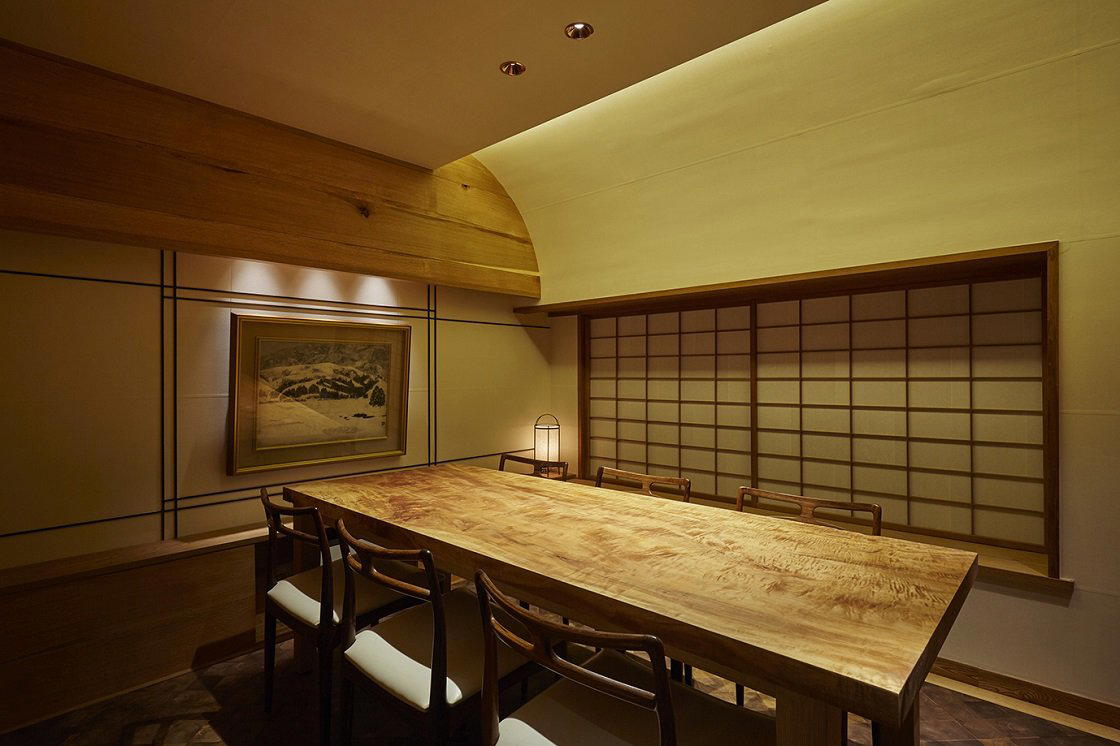
Bars in Kyoto
All bars in Kyoto →
Hotels in Kyoto
All hotels in Kyoto →

Wineries in Kyoto
Browse all →
Details
- Intimate
- Elegant
- Cozy
- Sophisticated
- Minimalist
- Special Occasion
- Chefs Counter
- Open Kitchen
- Sake Program
- Local Sourcing
- Counter Dining
- Sake Program
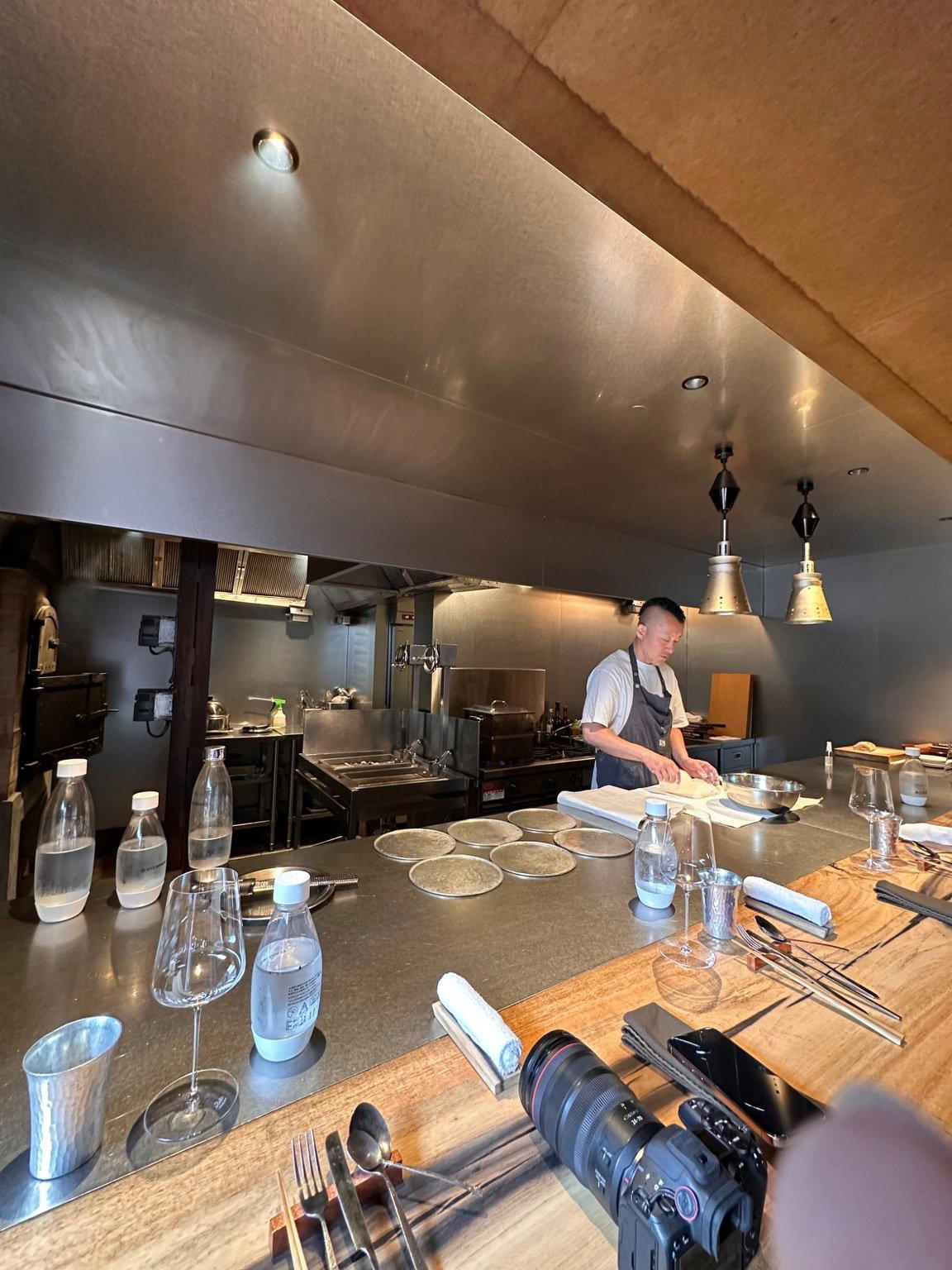
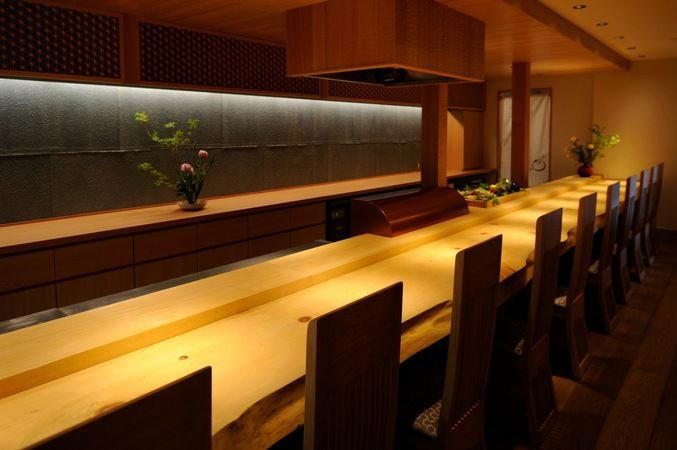
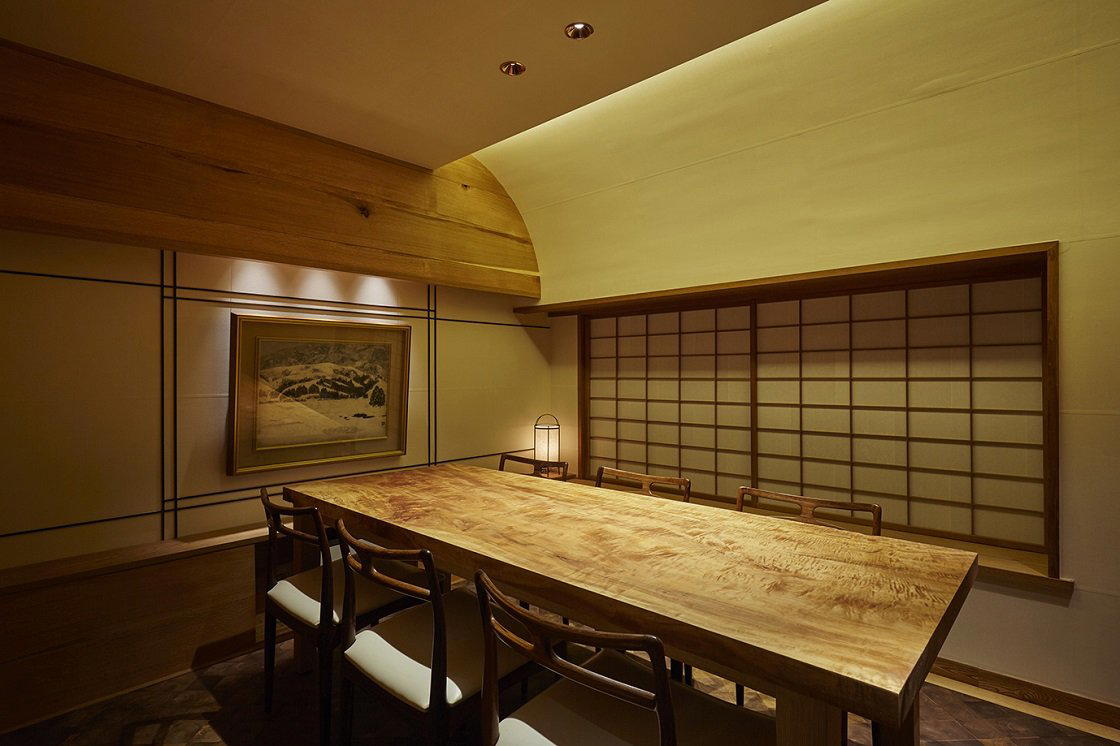
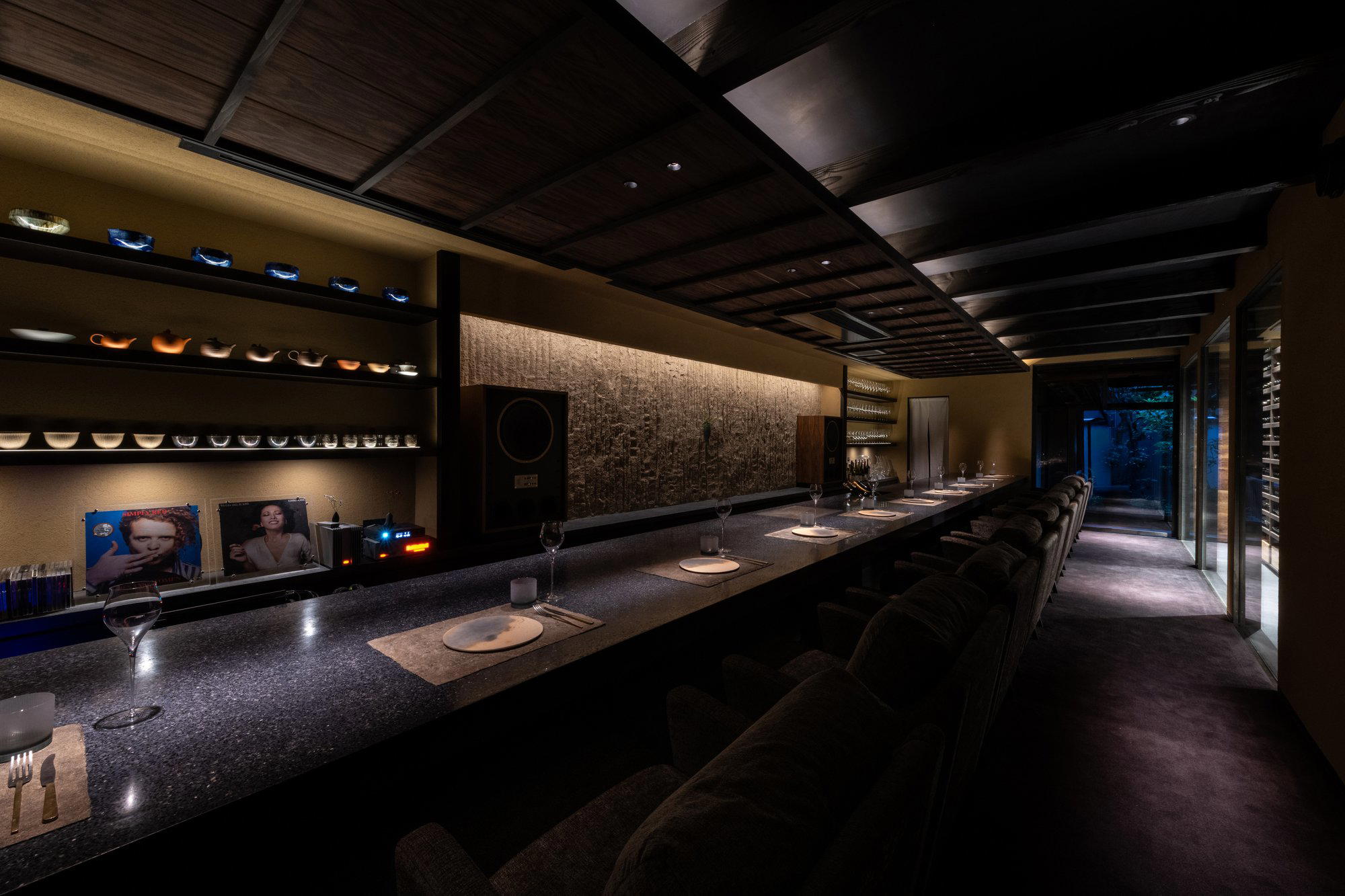
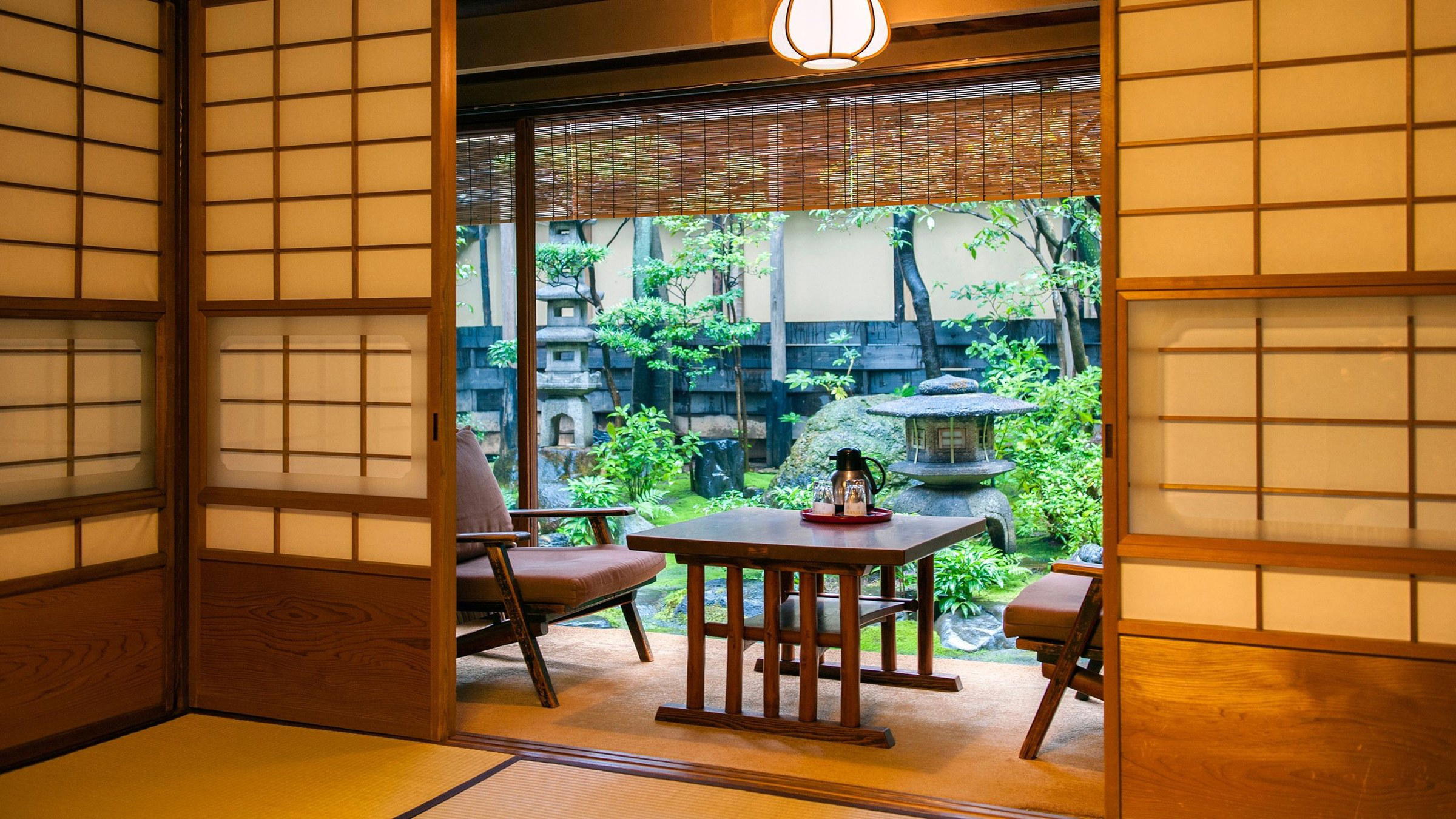
Discreet glow and soft crackle of wood fire, limestone and teak warmed by candlelight, cultivated hush with intimate counter seating.