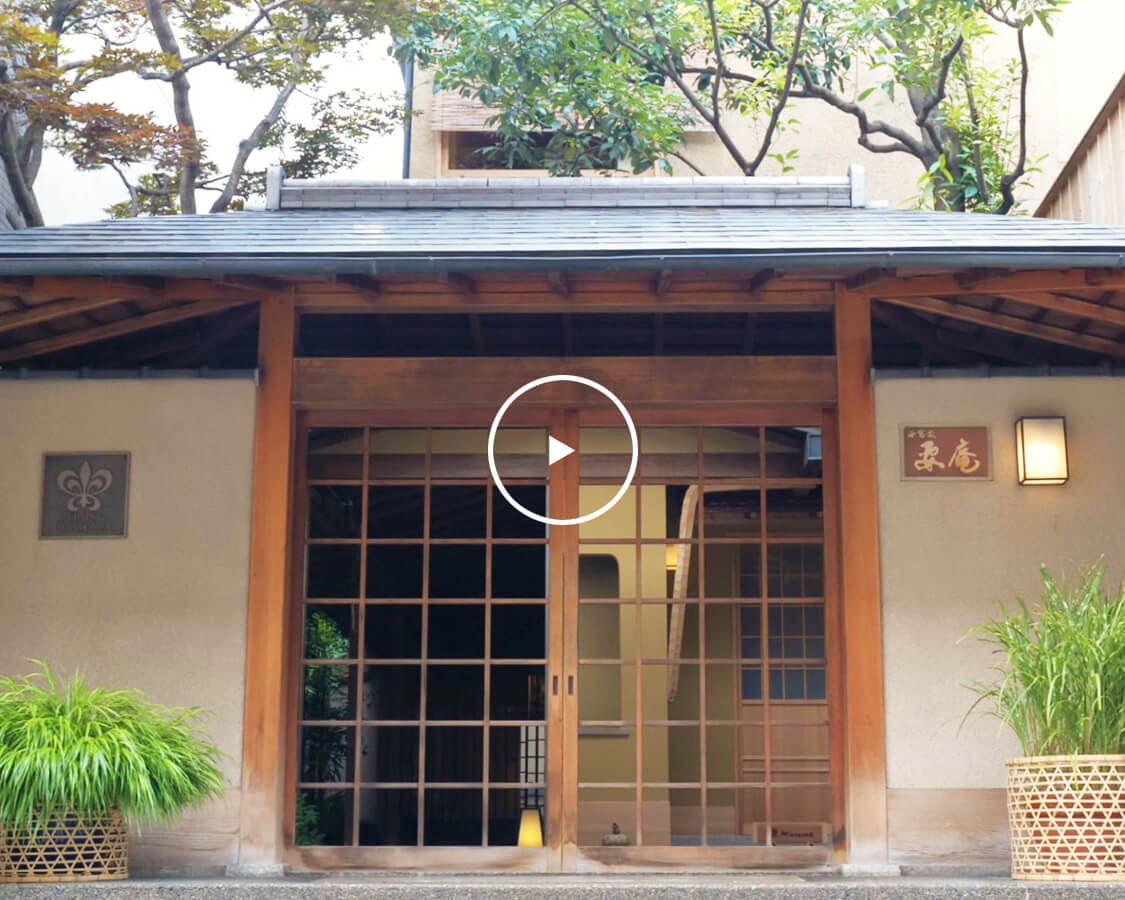
Located in Kamigyo Ward, Kyoto, 京天祇園壺 sits within one of the city's most historically dense neighbourhoods, where the customs of the meal carry as much weight as the food itself. The address places it near the ceremonial fabric of northern Kyoto, where deliberate pacing and seasonal attentiveness define the dining register. For those tracing Kyoto's serious restaurant tier, this address warrants attention.
Pearl is the En Primeur Club membership app — saves, bookings, and concierge access live there. Same editors, same standards.
- Address
- 573-11 Kitamachi, Kamigyo Ward, Kyoto, 602-8368, Japan
- Phone
- +81 75-276-1630
- Directions
- Get directions
 Saves & bookings on Pearl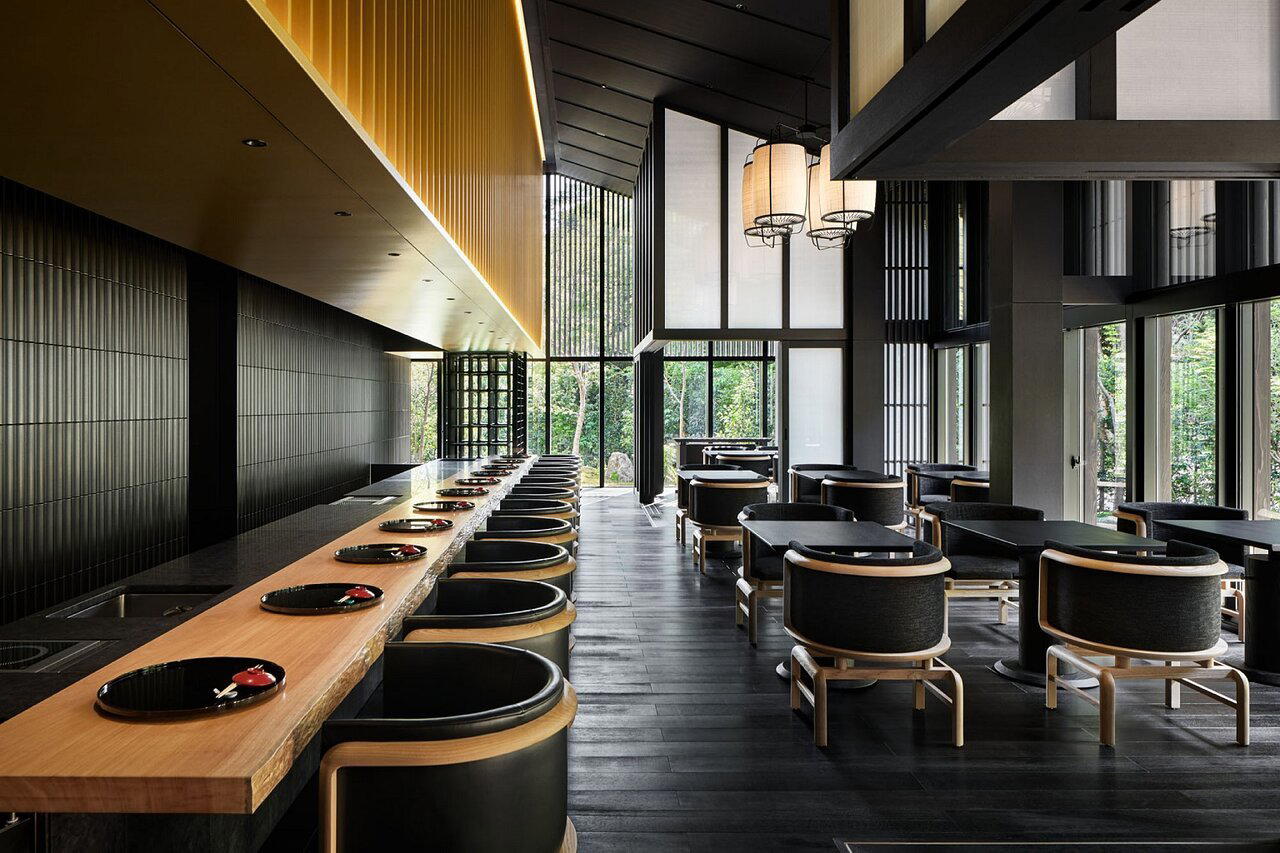
Where the Meal Begins Before You Sit Down
京天神 野口 is a Traditional Kaiseki restaurant in Kyoto's Kamigyo Ward, with a price point around $300 per person. The address at 573-11 Kitamachi, Kamigyo Ward, positions 京天祇園壺 within a district that carries the kind of civic and ceremonial weight that shapes how restaurants here understand hospitality. Kamigyo has long sat adjacent to the imperial legacy of northern Kyoto, and the neighbourhood's character, unhurried and architecturally deliberate, sets expectations before any door is opened.
The city operates a dining culture where the pre-meal sequence, the greeting, the placement, the first tea or water service, signals the register of everything that follows. Kyoto's serious restaurants calibrate their welcome as carefully as their kitchens. Arriving in Kamigyo Ward signals a measured dining style.
The Kyoto Dining Tradition This Address Inhabits
Kyoto sustains among the more internally differentiated restaurant cultures in Japan. At the formal end sits kaiseki, the multi-course sequential cuisine that evolved from tea ceremony principles. Venues like Kikunoi Honten, Hyotei, and Gion Sasaki illustrate that tradition. Below that tier, and sometimes operating entirely outside it, sits a category of more intimate, neighbourhood-anchored restaurants that prize regularity over occasion dining. These are the places where the rhythm of returning visits, rather than the spectacle of a single evening, defines the relationship between kitchen and guest.
Kamigyo Ward's restaurant culture leans toward the latter. It is less concentrated with the visible prestige markers of Gion or Higashiyama and more attuned to a local, deliberate kind of eating. Isshisoden Nakamura and Mizai demonstrate how Kyoto's serious dining is not uniformly concentrated in the tourist-facing districts.
The Customs of a Kyoto Meal
Understanding how a meal in Kyoto's serious tier is structured helps calibrate expectations at any address in this category. The sequence is not simply about courses; it is about tempo. The Japanese concept of ma, the considered pause between moments, shapes Kyoto's pacing. A course arrives when the previous one has been fully absorbed, not according to a fixed clock. Conversation is permitted but not performed for. Attentiveness to what is being served, and to the seasonal logic behind each element, is part of the exchange.
Seasonal attentiveness is the axis around which Kyoto's high-end dining rotates. The city's proximity to the mountains of Tamba, the fishing waters of the Sea of Japan accessible via the Sanin coast, and the agricultural depth of the broader Kansai region means that ingredient sourcing shifts meaningfully across the year. A kitchen operating in Kamigyo Ward in early spring will be working with bamboo shoots, sansai mountain greens, and the first cherry blossom-adjacent ingredients. By late autumn, the register shifts to matsutake, new-crop rice, and river fish. The same address can offer a fundamentally different meal depending on when you arrive.
This is the core discipline of Kyoto restaurant culture. Unlike the fixed-format menus common at Tokyo's omakase counters, or the à la carte freedom found at destinations like Harutaka in Tokyo, Kyoto's seasonal-led kitchens operate on a rotating logic that requires the diner to surrender some control. That surrender is the point.
Positioning Within the Wider Japan Fine Dining Circuit
Kyoto does not operate in isolation from Japan's broader fine dining geography. Osaka's experimental high-end scene, represented by venues like HAJIME, sits less than an hour south and draws a different kind of ambition. akordu in Nara demonstrates how European-trained precision is being integrated into Japan's regional dining fabric. Further afield, Goh in Fukuoka and a wider cluster of serious regional addresses from Abon in Ashiya to aki nagao in Sapporo show how Japan's fine dining infrastructure has expanded well beyond the three main metro centres.
Within this map, Kyoto occupies a specific position: it is the city where tradition is not a constraint but a competitive advantage. Restaurants here do not typically chase the tasting-menu format that has become the default mode for serious dining internationally, as seen at venues like Le Bernardin in New York City or Lazy Bear in San Francisco. Kyoto's upper tier instead deepens a format that has been developing for centuries and treats that continuity as the value proposition itself.
This address sits inside that tradition. Whether it operates in the kaiseki register or in a more informal mode, the neighbourhood's character places it in dialogue with a dining culture that treats the meal as something close to a civic practice, not merely a service transaction.
Planning a Visit to This Address
Kyoto's serious restaurants, particularly those in less tourist-concentrated wards like Kamigyo, often operate on limited covers and variable schedules that reward advance inquiry over walk-in optimism. The city's premium dining tier generally requires reservations made weeks or months ahead, and many kitchens in this register accept bookings only via telephone or through a Japanese-speaking intermediary. Visitors without local contacts or language capacity often find that hotel concierges at properties accustomed to this circuit can be useful bridges. For a broader orientation to where 京天祇園壺 sits within Kyoto's restaurant geography, our full Kyoto restaurants guide provides the wider context. Restaurants in this part of the city also tend to offer evening service as the primary format, with lunch, where available, often representing a compressed or differently priced version of the same kitchen's thinking. Expect a dinner budget around $300 per person.
Cuisine-First Comparison
Comparable venues nearby, for context on price, style, and recognition.
| Venue | Cuisine | Price | Notes |
|---|---|---|---|
| 京天神 野口This venue — the venue you are viewing | Traditional Kaiseki | Not listed | Not listed |
| le sel | Organic Ramen Course | $$ | Gion-Shijo |
| Smart Coffee | Traditional Kyoto kissaten & yoshoku café | $$ | Nakagyō |
| Kagizen Yoshifusa Shijou honten | Traditional Kyoto wagashi & tea house | $$ | Higashiyama |
| 真白 | japanese | Not listed | Nakagyō |
| Aitsu no Ramen Kataguruma Honten | Modern Kyoto foam-style ramen | $$ | Shimogyō |
Continue exploring
More in Kyoto
Restaurants in Kyoto
Browse all →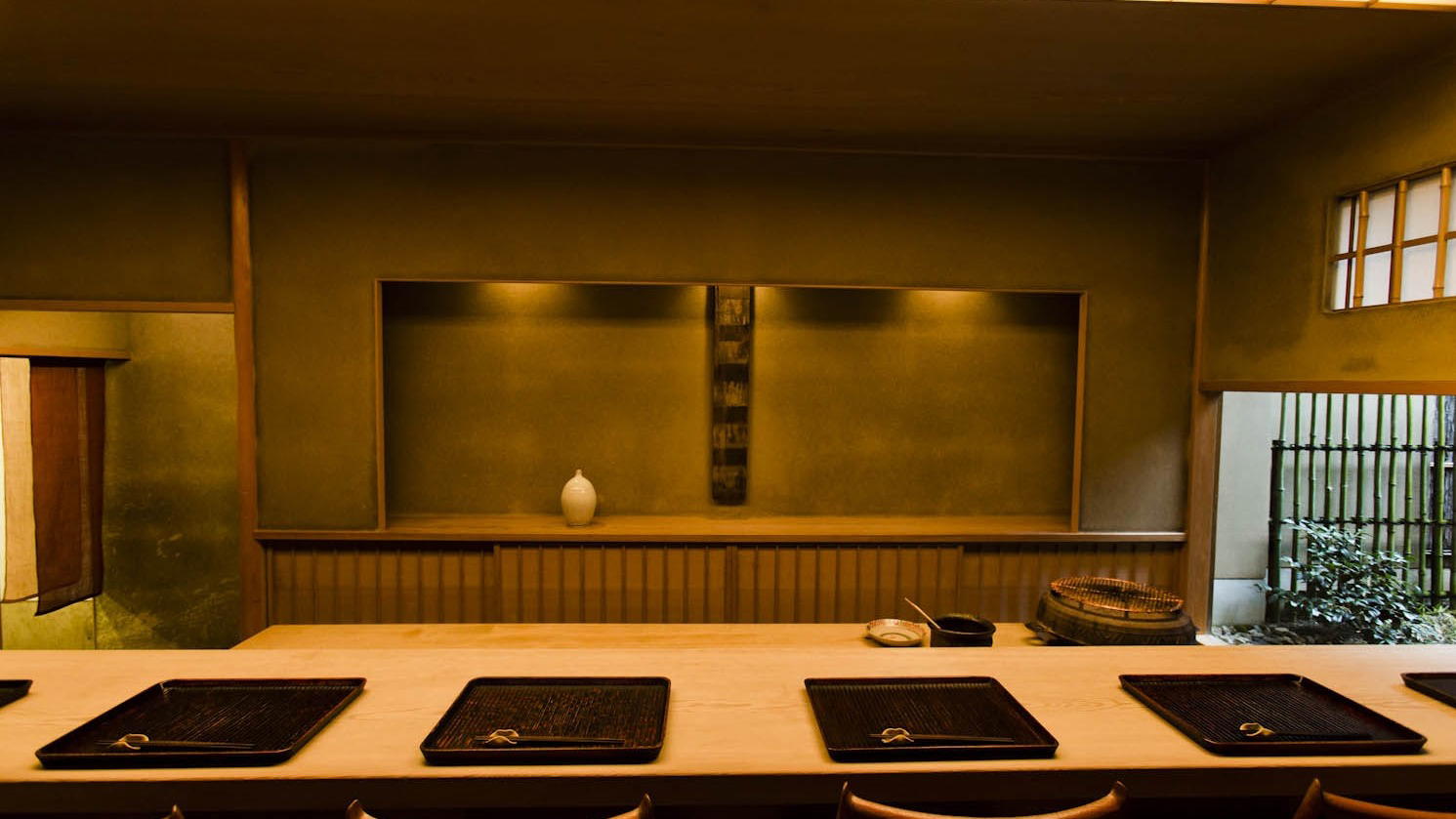
Bars in Kyoto
Browse all →
Hotels in Kyoto
Browse all →
Wineries in Kyoto
Browse all →
At a Glance
- Special Occasion
- Sake Program
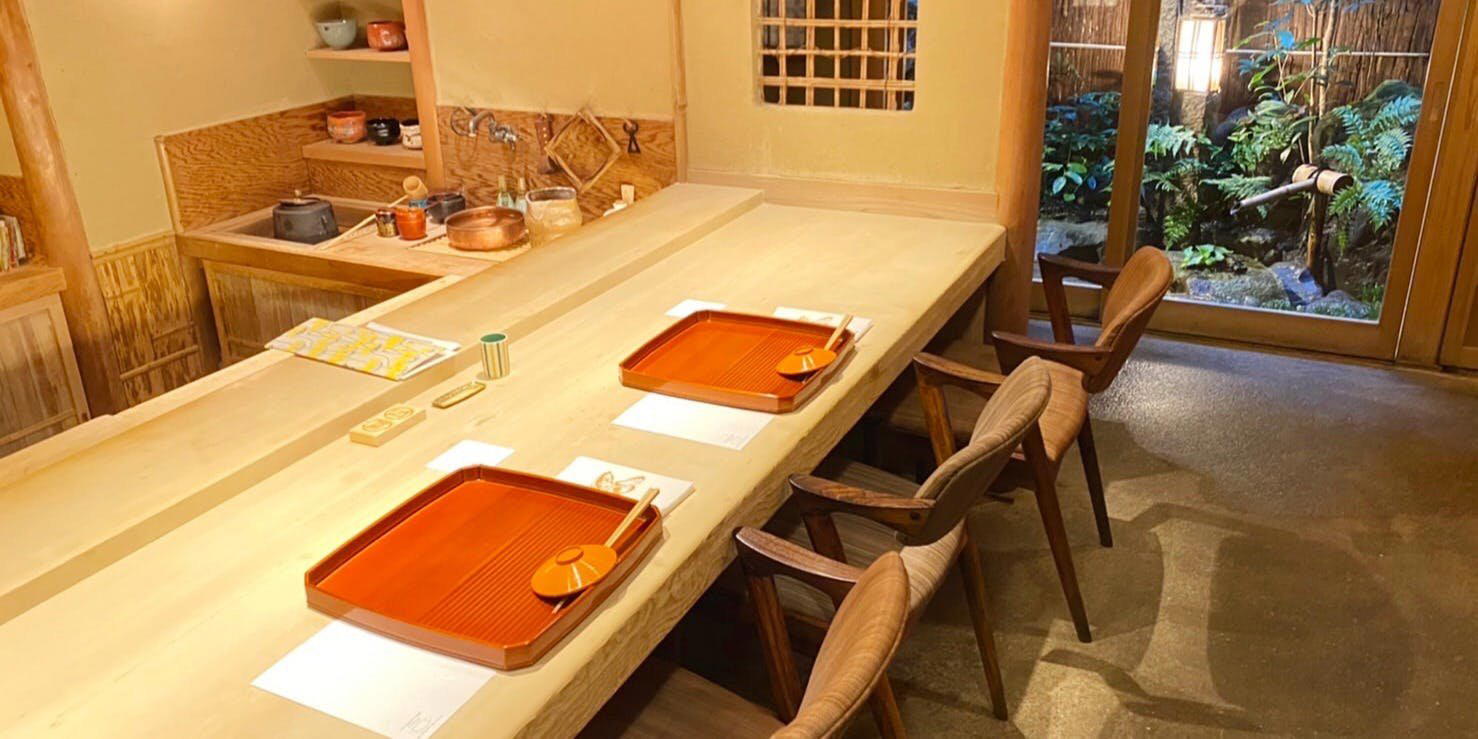
Serene and elegant with traditional Japanese aesthetics