
Aitsu no Ramen Kataguruma Honten puts Kyoto ramen in a neighbourhood register rather than a station-mall one: compact, counter-led, and serious without shifting into luxury pricing. Its repeated Tabelog Ramen WEST 100 selections place it among Kansai’s closely watched ramen addresses, while the Tambaguchi setting keeps the experience tied to everyday Kyoto rather than temple-district dining.
Pearl is the En Primeur Club membership app — saves, bookings, and concierge access live there. Same editors, same standards.
- Address
- Japan, 〒600-8892 Kyoto, Shimogyo Ward, Nishishichijo Nishihattandacho, 77 Gardian青山 1階
- Website
- aitsunoramen.com
 Saves & bookings on Pearl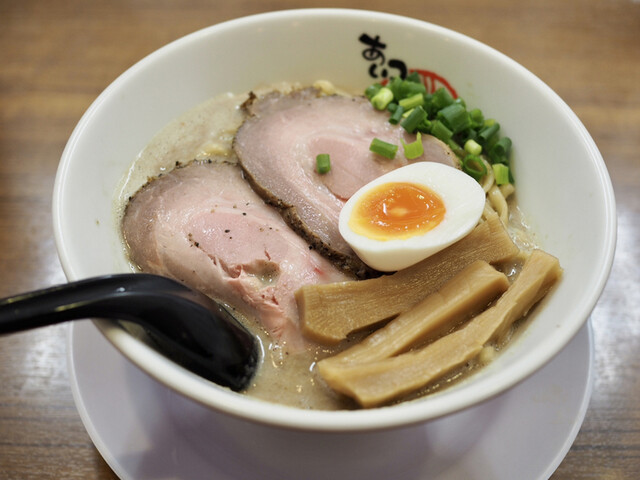
West of Kyoto’s polished central shopping corridors, the ramen map changes tone. Around Tambaguchi and the streets running toward Umekoji, dining is less about the choreography of kaiseki districts and more about compact rooms built for pace, steam, and repeat local traffic. Aitsu no Ramen Kataguruma Honten belongs to that side of the city: counter seating, a narrow focus, and the kind of low-friction meal that explains why ramen remains one of Japan’s serious democratic formats.
Kyoto can mislead first-time diners. The city’s international image leans toward tea, tofu, wagashi, and formal multi-course cooking, but its daily eating culture is far broader and less ceremonial. Ramen here competes with set-meal counters, curry specialists, bakeries, old sweet shops, and late-running casual rooms. For a wider read on that spread, Our full Kyoto restaurants guide is the better frame than any single genre list.
Tambaguchi ramen, away from the polished temple circuit
The neighbourhood matters because it changes the meal’s rhythm. Tambaguchi is not Gion, and that is the point. The area sits within working Kyoto rather than postcard Kyoto, so the ramen counter reads as part of a local dining network rather than a detour between shrines. That also makes the comparison set more interesting. Muginoyoake gives Kyoto another ramen reference point at a leaner price signal, while Nakae and Uozuya sit in different categories and budgets, showing how quickly the city’s casual-to-formal spectrum can shift across a few train stops.
Within that spectrum, Aitsu no Ramen Kataguruma Honten occupies the disciplined ramen tier: not luxury dining, not a tourist snack, and not a general izakaya. Its categories are ramen, tsukemen, and kara-age, a trio that places it squarely inside the contemporary Kansai noodle-counter model. The presence of tsukemen matters because dipping noodles tend to draw diners who care about texture, broth concentration, and pacing rather than simply a quick bowl. Kara-age broadens the order without turning the room into a catch-all casual restaurant.
The room’s 15 counter seats reinforce the format. Counter-only ramen in Japan carries its own etiquette: order decisively, eat while the noodles hold, and treat conversation as secondary to turnover and focus. That is not austerity for its own sake. It is the service logic that allows a specialised kitchen to work at volume while keeping the meal within an everyday price bracket. Kyoto has more ornate dining rituals, but few are as direct.
Recognition that points to consistency, not spectacle
The useful trust signal here is not a chef myth or a dramatic origin story; it is selection history. Aitsu no Ramen Kataguruma Honten was selected for Tabelog Ramen WEST 100 in 2025 and appears across multiple previous years from 2017 through 2024. In Japan’s ramen culture, repeated inclusion carries weight because the category is crowded, regional, and unforgiving. A counter can have a long queue for a season; staying visible across years suggests a steadier place in the Kansai conversation.
Tabelog score of 3.70 also reads differently in Japan than it would on many global review platforms. Japanese restaurant scoring tends to compress at the high end, especially in categories with intense local scrutiny. For ramen, where users compare narrowly across broth styles, noodle textures, queue tolerance, and price, a score in that range is a meaningful signal rather than a casual popularity marker.
That matters for Kyoto travellers choosing between formal reservations and lower-cost specialist meals. A ramen counter with this recognition can carry more cultural value than a middling splurge, particularly on a trip already heavy with tasting menus or ryokan dinners. The smarter itinerary uses ramen as contrast: a fast, craft-driven meal that resets the palate and budget without lowering the editorial standard.
How it fits into a sharper Kyoto itinerary
The restaurant is strongest as a neighbourhood-specific stop rather than a universal answer to Kyoto dining. Pair it with time in the western half of the city, especially when the day already points toward Umekoji, Tambaguchi, or the railway-adjacent districts. It is less natural as a quick add-on from Higashiyama or the northern temples unless the diner is deliberately mapping Kyoto’s ramen scene.
That distinction helps separate it from other Kyoto addresses with different roles. 3TOKU6MI Shijo karasuma ten fits a central Shijo-Karasuma route; 551蓬莱 speaks to a different, mass-loved Kansai comfort-food register; [ki:] and Abbesses pull the city toward more contemporary or European-inflected meals; Aburi Mochi Honke Nemoto Kazariya belongs to Kyoto’s older sweet-shop grammar. Read together, they show a city where tradition is not a single cuisine but a set of highly specific formats.
For travellers building a fuller Kyoto stay, dining should not sit apart from the rest of the day. Our full Kyoto hotels guide helps anchor neighbourhood choice; Our full Kyoto bars guide is useful after a counter meal; Our full Kyoto experiences guide gives cultural structure to the hours around lunch or dinner. Our full Kyoto wineries guide is a narrower planning lane, but it reflects the same principle: Kyoto rewards category-specific decisions.
The broader Japan and overseas dining map adds perspective. A Kyoto ramen counter has little in common with -Grilled beef Sukiyaki- KAMAKURA TANUKIAN 鎌倉 たぬき庵 in Kamakura. 鮪と炭火焼き うお炭 秋葉原店 in Tokyo.cafe in Osaka.know in Kumamoto, (Shoku) Vietnam in Kawasaki, or [Curry Senmon Ten] Maruyama Kyoju. in Sapporo. It also operates by a different logic from Los Angeles and Pasadena specialists such as Jōdo Saké Bar in Los Angeles and Onigiri Time in Pasadena. The comparison is useful because ramen’s strength is format discipline: a small menu universe, a tight room, and a meal that makes its case quickly.
The editorial read is clear. This is a Kyoto ramen address for diners who want the city beyond its formal dining image, with enough recognition to justify planning around it and enough neighbourhood specificity to keep it from feeling interchangeable. The value is not theatrical scarcity. It is a serious bowl in the part of Kyoto where a serious bowl makes cultural sense.
Just the Basics
Comparable venues at similar price and category levels.
| Venue | Cuisine | Price | Notes |
|---|---|---|---|
| Aitsu no Ramen Kataguruma HontenThis venue — the venue you are viewing | Shimogyō, Modern Kyoto foam-style ramen | $$ | Not listed |
| Grill Kodakara (グリル小宝) | Not listed | $$ | Okazaki, Retro Yoshoku (Japanese Western) |
| Cafe Momoharu | Not listed | $$ | Nakagyo Ward, Japanese Cafe with Egg Sandwiches |
| Zen Kasho In Kyoto muromachi honten | Not listed | $$ | Nakagyō, Traditional Japanese sweets & matcha cafe |
| GRILL DEMI | Not listed | $$ | Nakagyō, Japanese Western-style hamburg steak (yoshoku) |
| Ichijoji Nakatani | Not listed | $$ | Sakyō, Kyoto wagashi & cafe with Japanese–Western fusion sweets |
Recognition history
Dated appearances from independent guides and award organizations, with the underlying list record or original source where available.
Tabelog 100 #35 · No. 35
Tabelog · Tabelog 100 - Ramen - WEST - 2025
Continue exploring
More in Kyoto
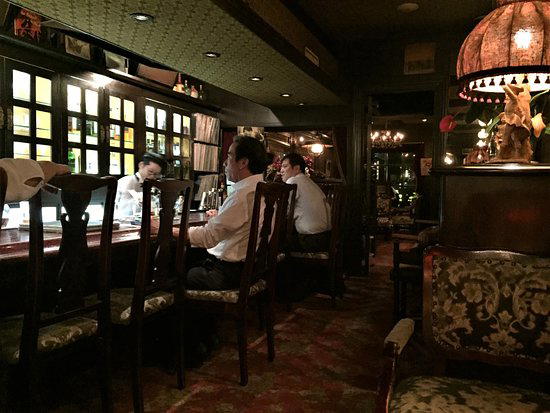
Restaurants in Kyoto
Browse all →
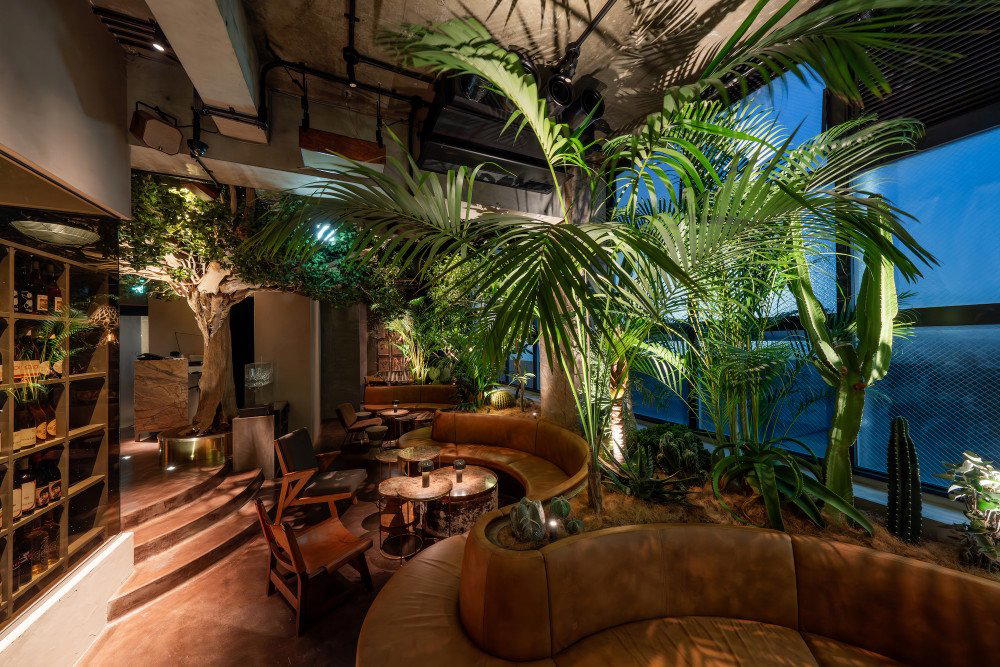
Bars in Kyoto
Browse all →

Hotels in Kyoto
Browse all →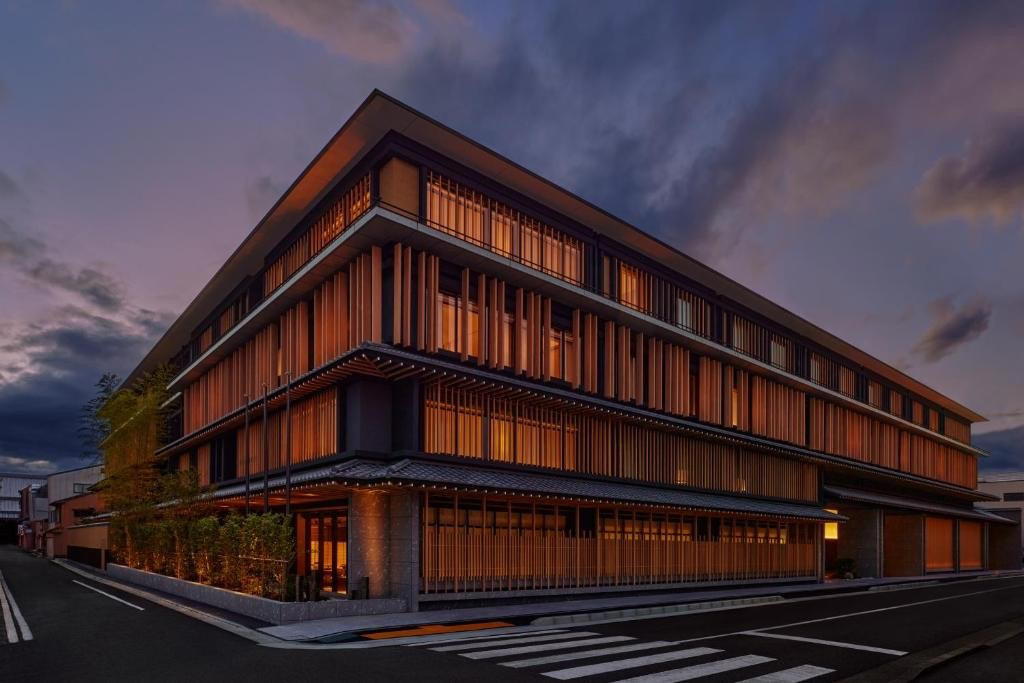
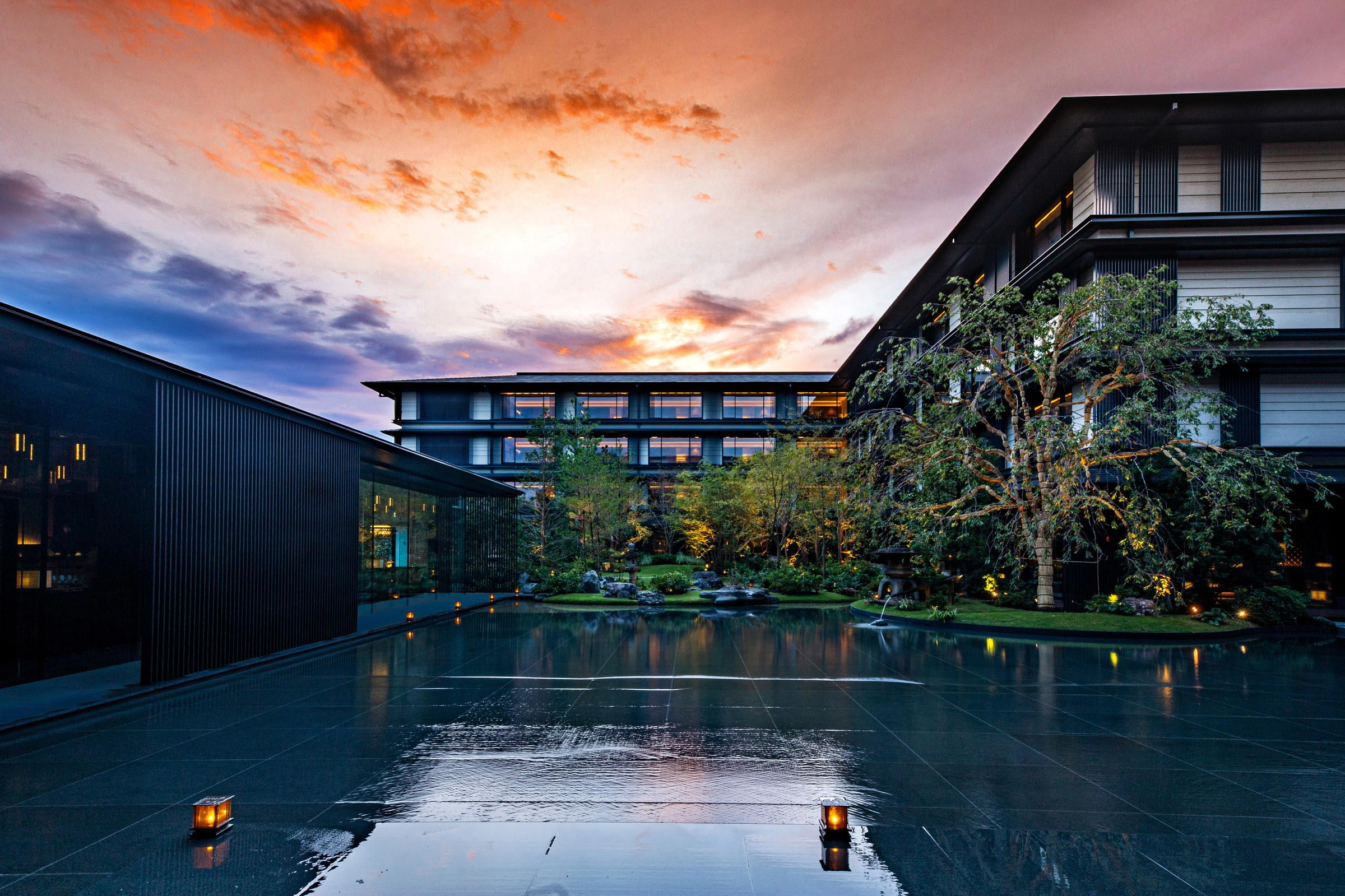
Wineries in Kyoto
Browse all →
At a Glance
- Modern
- Trendy
- Solo
- Casual Hangout
- After Work
- Standalone
- Local Sourcing
Current opening hours
- Monday
- 10:30 AM–2:15 PM, 6–9:15 PM
- Tuesday
- 10:30 AM–2:15 PM, 6–9:15 PM
- Wednesday
- 10:30 AM–2:15 PM, 6–9:15 PM
- Thursday
- 10:30 AM–2:15 PM, 6–9:15 PM
- Friday
- 10:30 AM–2:15 PM, 6–9:15 PM
- Saturday
- 10:30 AM–2:15 PM, 6–9:15 PM
- Sunday
- 10:30 AM–2:15 PM, 6–9:15 PM
Hours can change for holidays and private events. Last verified .
A compact, counter-only modern ramen shop with a lively, fast-turnover atmosphere focused on the sensory experience of rich, creamy broth rather than lingering dining.